Don't Buy in Greek Summer: When to House‑Hunt Instead
Why buying in peak Greek summer often misleads buyers—visit off‑season to see year‑round life, uncover hidden value, and plan for eco‑wise stewardship.
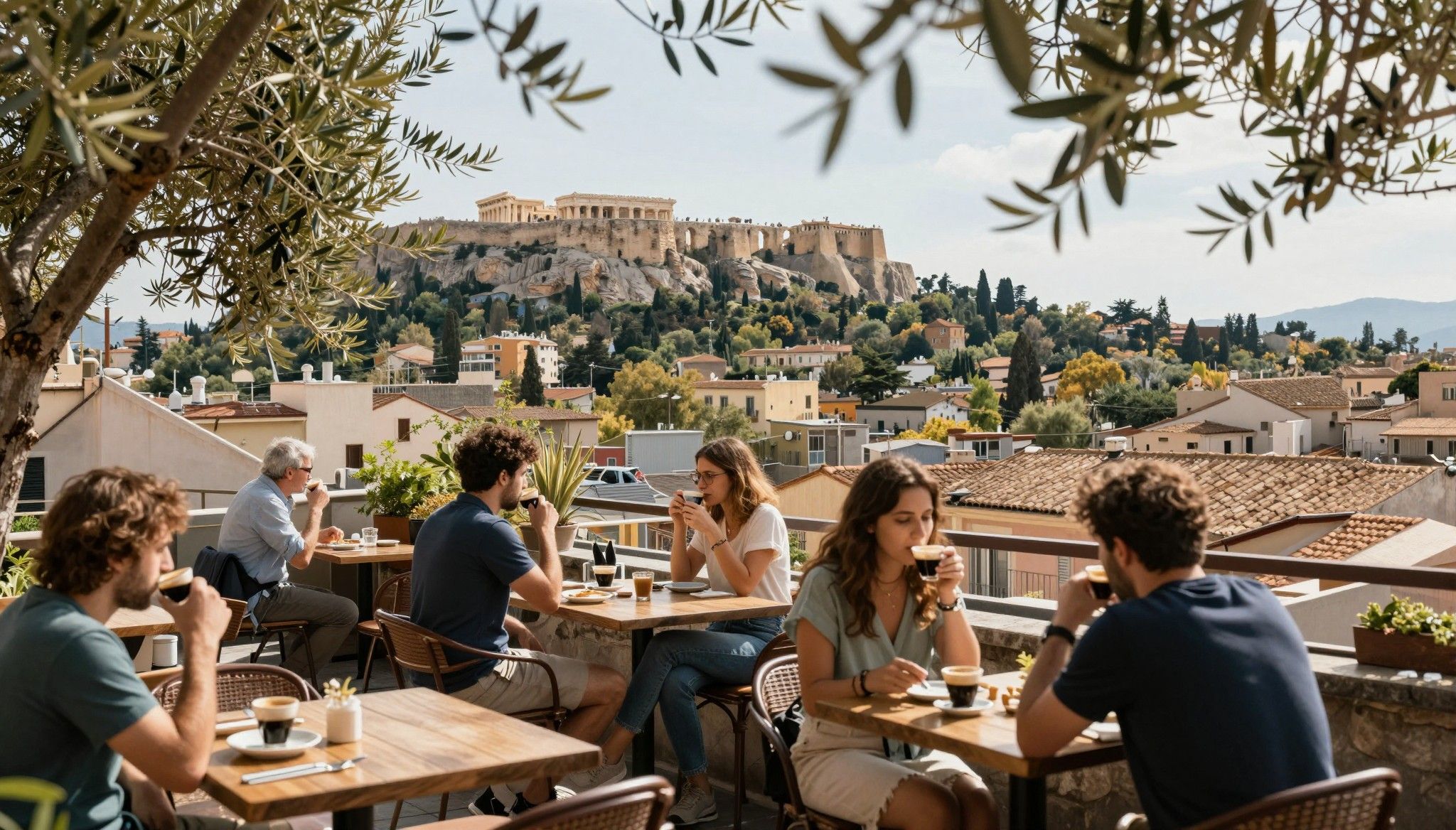
Imagine an Athenian morning: espresso steam mingling with jasmine on a balconette in Koukaki, fishermen hauling nets in Piraeus, and cicadas marking the noon heat on an island terrace. That sensory rhythm—light, sea, market—is Greece. And for buyers who arrive in August expecting clarity, the season's brightness often hides important trade-offs.
Living the Greece lifestyle
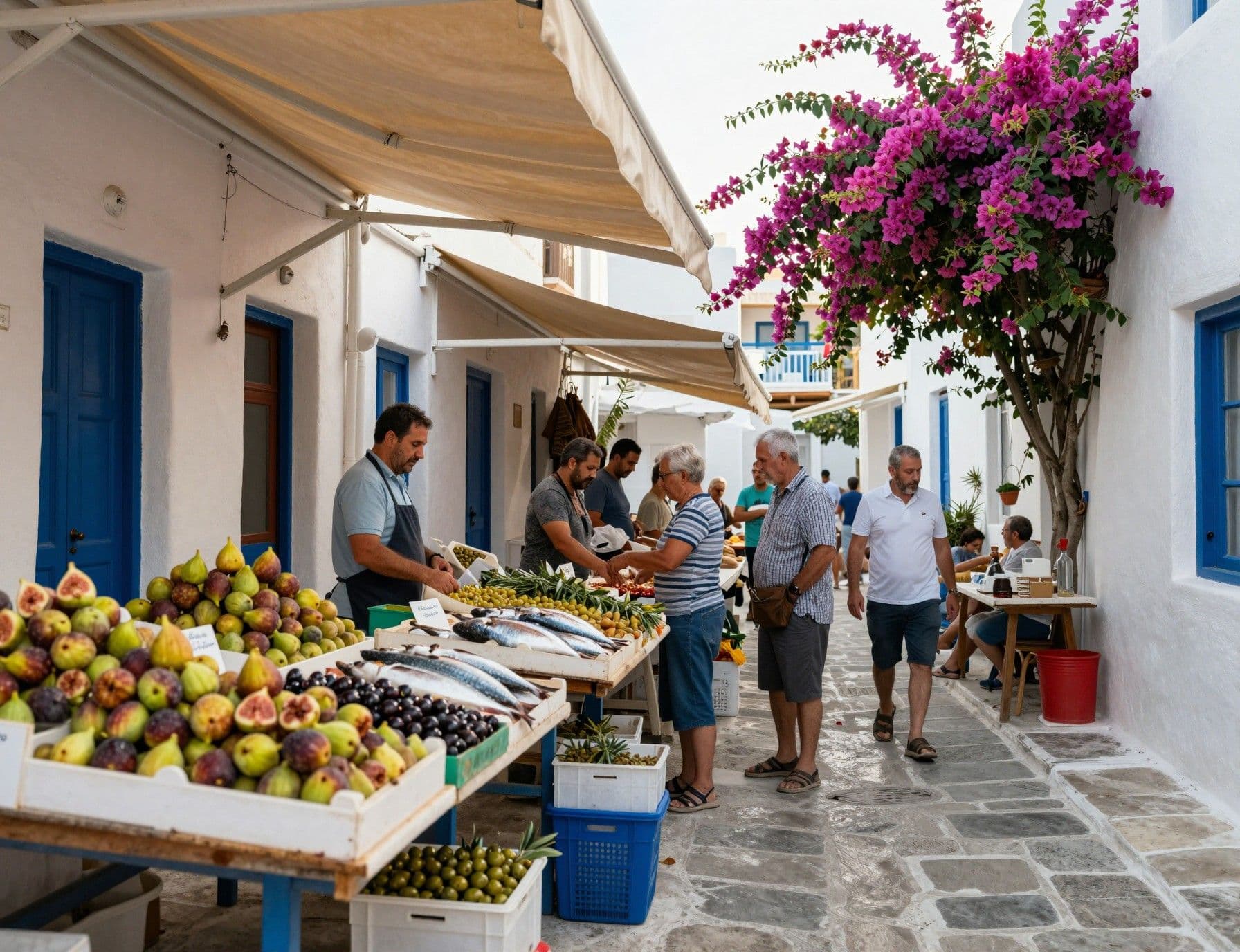
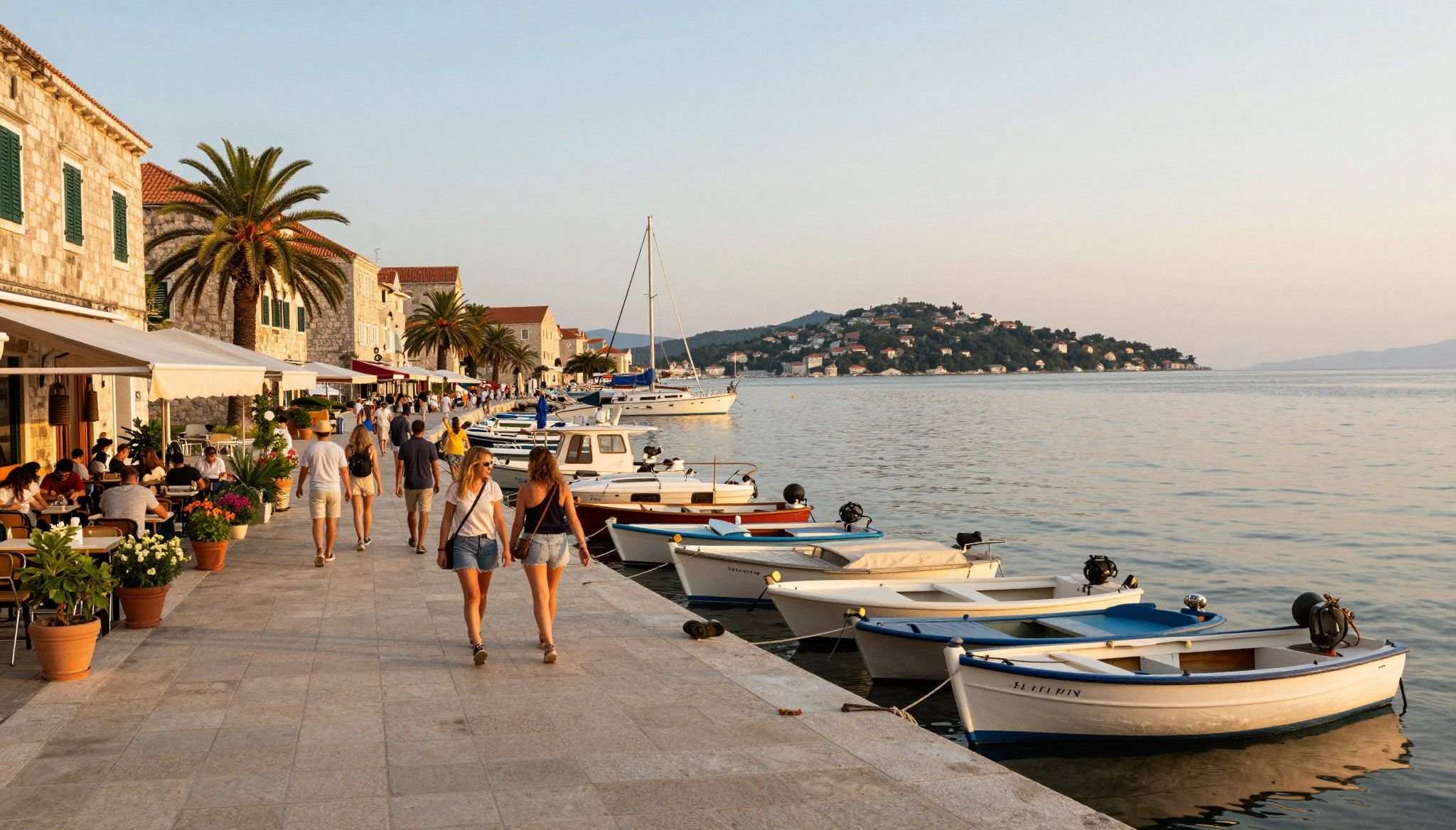
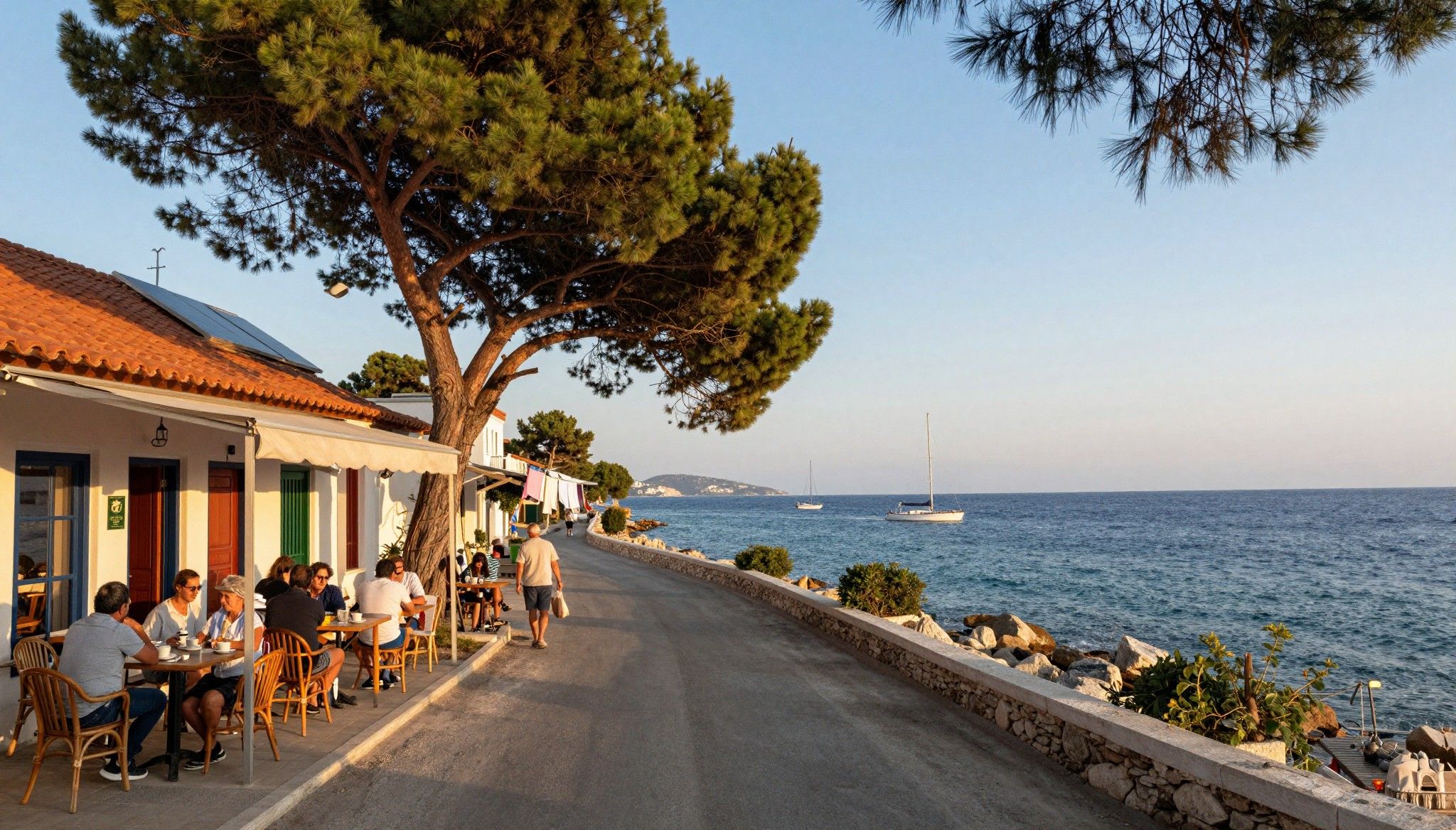
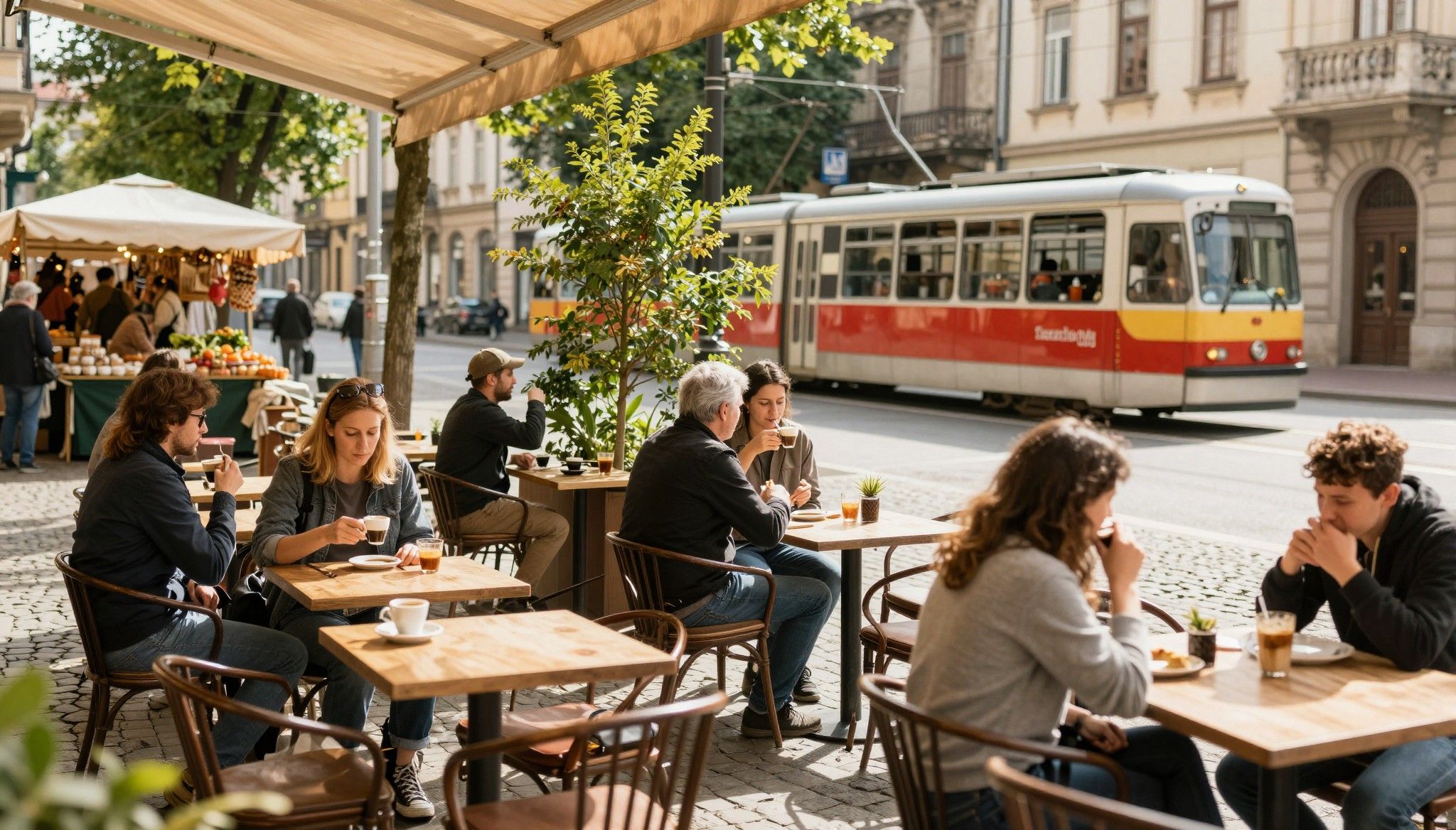
Greece is a mosaic of atmospheres: Athens hums with late-night kafeneia and rooftop gardens; Corfu and Chania breathe Venetian charm and olive groves; the Cyclades offer wind‑scoured white lanes and laundry strung between blue shutters. Seasonal markets, neighbourhood bakeries, and coastal kafes choreograph daily life, while local craftsmen—stonemasons, plasterers, carpenters—still quietly repair life into place. Building activity and local restorations have also picked up in recent years, reflecting a renewed interest in lived-in, repairable homes rather than sterile new boxes.
Neighborhood spotlights: Koukaki, Ano Syros, and Plaka alleys
Walk Koukaki before noon and you’ll find artists painting in sunlit courtyards; linger in Ano Syros to hear church bells and the cadence of island life; get lost in Plaka’s stairways at dusk and you’ll understand why many buyers choose history over a highway view. Each quarter shapes how you live: where you sip coffee, whether you grow a few herbs on a terrace, and how much street noise you accept for convenience.
Food, markets and seasonal rituals
From morning fish markets in Piraeus to autumn chestnut festivals in central Greece, seasonal life structures home rhythms. Summer brings island markets and late dinners; spring invites olive‑tree pruning and mountain hikes. These cycles affect everything from energy use and water needs to how often you’ll rent a home when you’re away—important details for an eco‑minded buyer weighing gardens, cisterns, and passive cooling.
- Lifestyle highlights: local places and small rituals
- Koukaki’s rooftop cafés for sunrise views over the Acropolis
- Chania’s Saturday market—cheeses, wild greens, and sea-salty bread
- Pelion’s stone villages with mossy lanes and wood‑fired ovens
Practical reality: why summer house‑hunting misleads
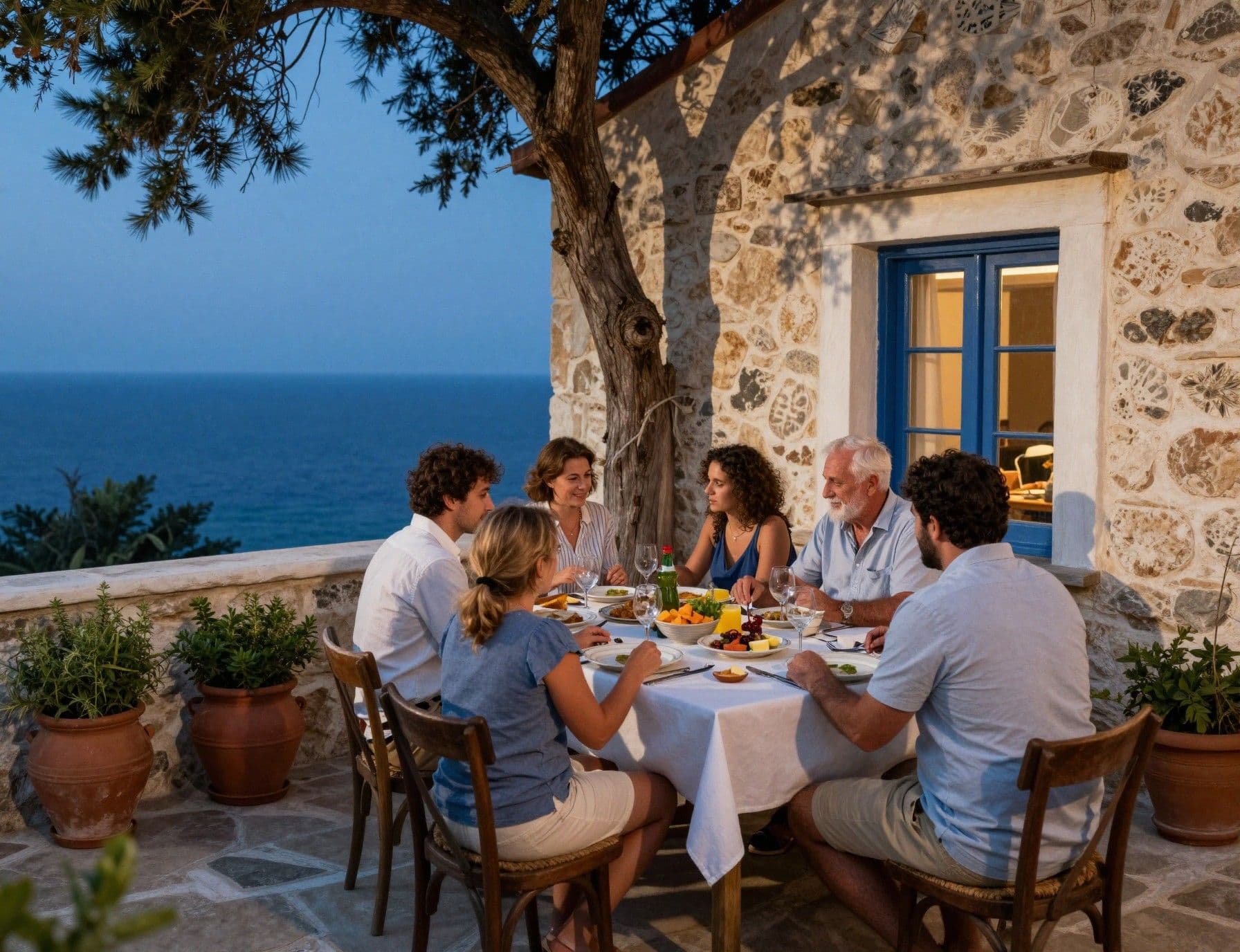
The Greek market pulses with summer demand and tourist-driven price signals. Central bank indices show renewed price growth in recent quarters, and seasonal tourist flows can make desirable island homes appear scarce and pricier in August than they truly are across the year. If you make offers during peak season, you risk competing against holiday-anchored sellers and short‑term rental investors rather than thoughtful locals ready for reasoned negotiation.
Property types and the life they enable
Stone village houses offer cool interiors and thick walls ideal for passive comfort, while restored neoclassical apartments in Athens integrate rooftop terraces and solar panels. Newer builds may promise insulation and sleek finishes but often lack the microclimate benefits of traditional materials. Match property type to how you plan to live—gardening, year‑round stay, rental use—and look beyond glossy photos to roof condition, water systems, and orientation to prevailing winds.
Work with local experts who know seasonal truth
A place‑focused agent can tell you which streets hold shade in July, where municipal water is reliable, and which local builders respect traditional lime plaster. They’ll also know when sellers are genuinely flexible—often outside August—and how planning permissions behave in each municipality. For eco-minded buyers, an agent versed in rainwater harvesting, native planting, and passive cooling is invaluable.
- Steps to a seasonal‑savvy purchase
- Visit off‑peak (spring or autumn) to judge microclimate, noise, and year‑round community life.
- Request recent energy bills and water records to understand running costs in different seasons.
- Ask for local builder references and see past restorations—traditional materials matter.
Insider knowledge: expat confessions and green trade‑offs
Expats often tell a similar story: 'We fell in love with the island in August, then realised the village emptied in November.' That ebb changes everything—from whether the local kafeneio stays open to your ability to hire winter caretakers. For green buyers, seasonality also affects solar yield, garden planting schedules, and water‑management decisions; plan systems for the quiet months, not only for the bright, social summer.
Cultural integration and everyday rhythms
Language is a bridge: learning basic Greek opens doors to neighbors, local craftsmen, and market bargains. Respect the midday pause in some villages and the warmth of invitations—an afternoon coffee can turn into an introduction to a carpenter or olive‑grower. Social life often orbits communal festivals, church feasts, and weekly markets; being present in non-tourist months is how you find the real community.
Long-term living: growth, stewardship, and surprises
Over time, neighborhoods evolve. A quiet coastal village might welcome a small eco‑project or see renewable infrastructure improve access and resilience. Budget for ongoing stewardship: olive tree care, roof maintenance, and occasional masonry repairs. These are not burdens but rituals that root you to place—if you value them, they become part of the joy.
- Red flags to spot when you fall in love
- Over‑polished photos taken at golden hour that hide roofing issues
- Sellers who insist on August signature dates—often a sign of investor urgency
- Properties with short‑term rental histories but weak winter demand
Closing: small steps with big impact
When you’re ready, prioritize a local notary and a trusted, place‑aware agent. Ask for recent municipal tax receipts, proof of building permits for any additions, and explicit statements about water rights if the house uses a well. These practical checks protect the lifestyle you fell in love with.
- Final quick checklist before making an offer
- Confirm year‑round community presence (visit outside summer).
- Inspect roof, cisterns, and passive features with a local builder.
- Request full billing history for utilities and refuse collection.
Greece feels like a slow hymn and a bright chorus at once: it asks for patience and returns a life rich with food, sun, and community. If you want the truest sense of place—and the best value—let the seasons be your teacher. Visit in spring or autumn, listen to the locals, and work with agents who put stewardship and lived experience ahead of fast offers. That way, when you sign, you’re buying more than a house: you’re buying a rhythm that will sustain you.
Swedish advisor who left Stockholm for the Costa Brava in 2019. Specializes in sustainable, sea‑view homes for Scandinavian buyers and green finance insights.