Verdant Greece: Coastal Forests, Seasonal Living & Smart Buys
Verdant coastal Greece offers rustic seaside life and sustainable restorations; balance seasonal living with up‑to‑date market checks from Bank of Greece and local experts.
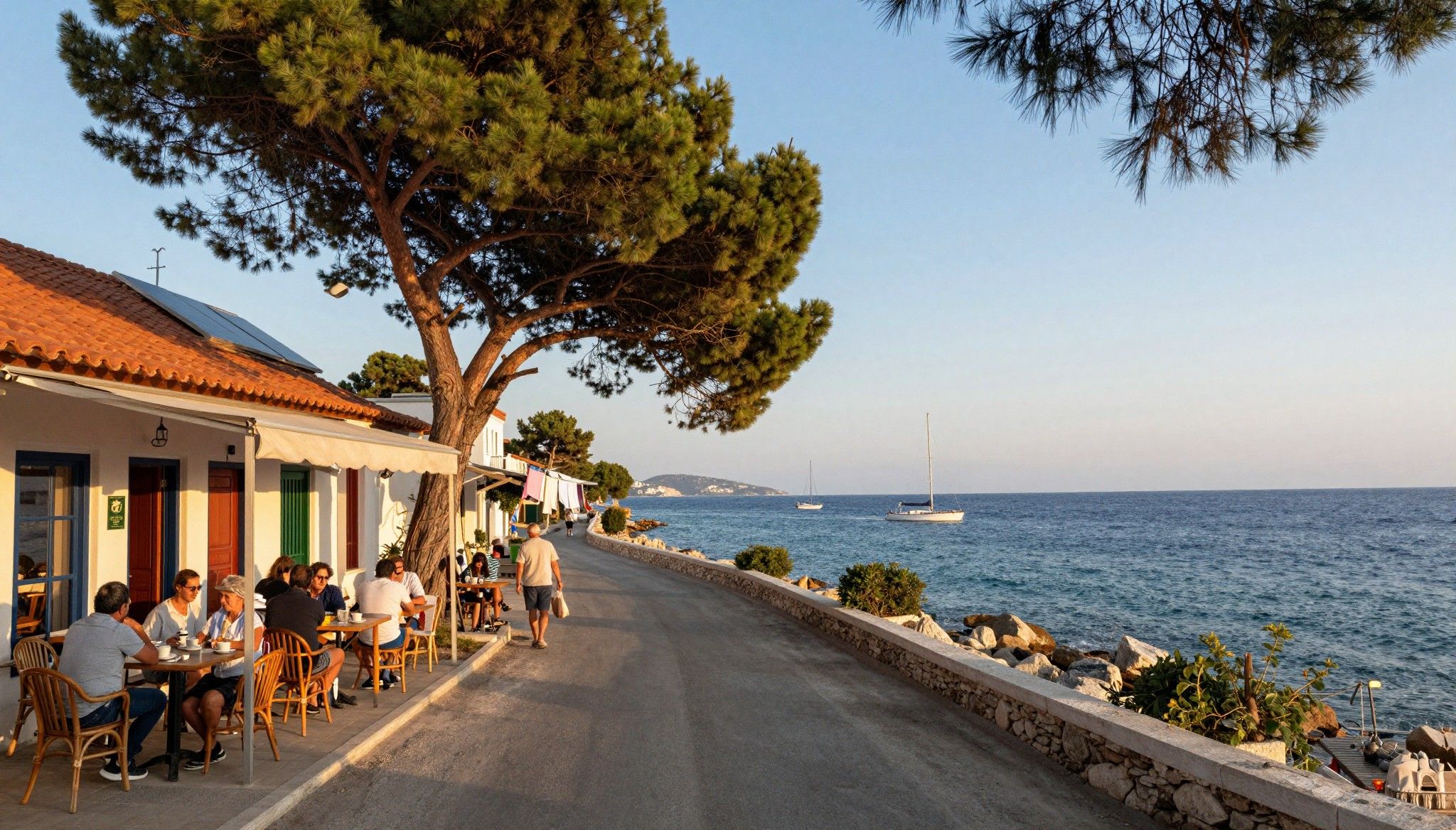
Imagine stepping down a shaded lane in Nafplio at dawn, the air warm with sea spray and rosemary, past houses of ochre stone and terracotta where solar panels sit almost apologetically among centuries‑old tiles. In Greece’s verdant coastal belts — from the pine‑rimmed coves of the Peloponnese to the oak‑draped slopes of Evia — life follows a softer clock: market mornings, long cafés where chapters of books are finished slowly, and late evenings eaten outdoors. For international buyers dreaming of a home that feels like a stewarded garden rather than a commodity, those small, sensory rhythms matter as much as price per square metre. This piece stitches together those rhythms with current market reality, so you can fall in love responsibly.
Living verdant Greece: place, pace and taste
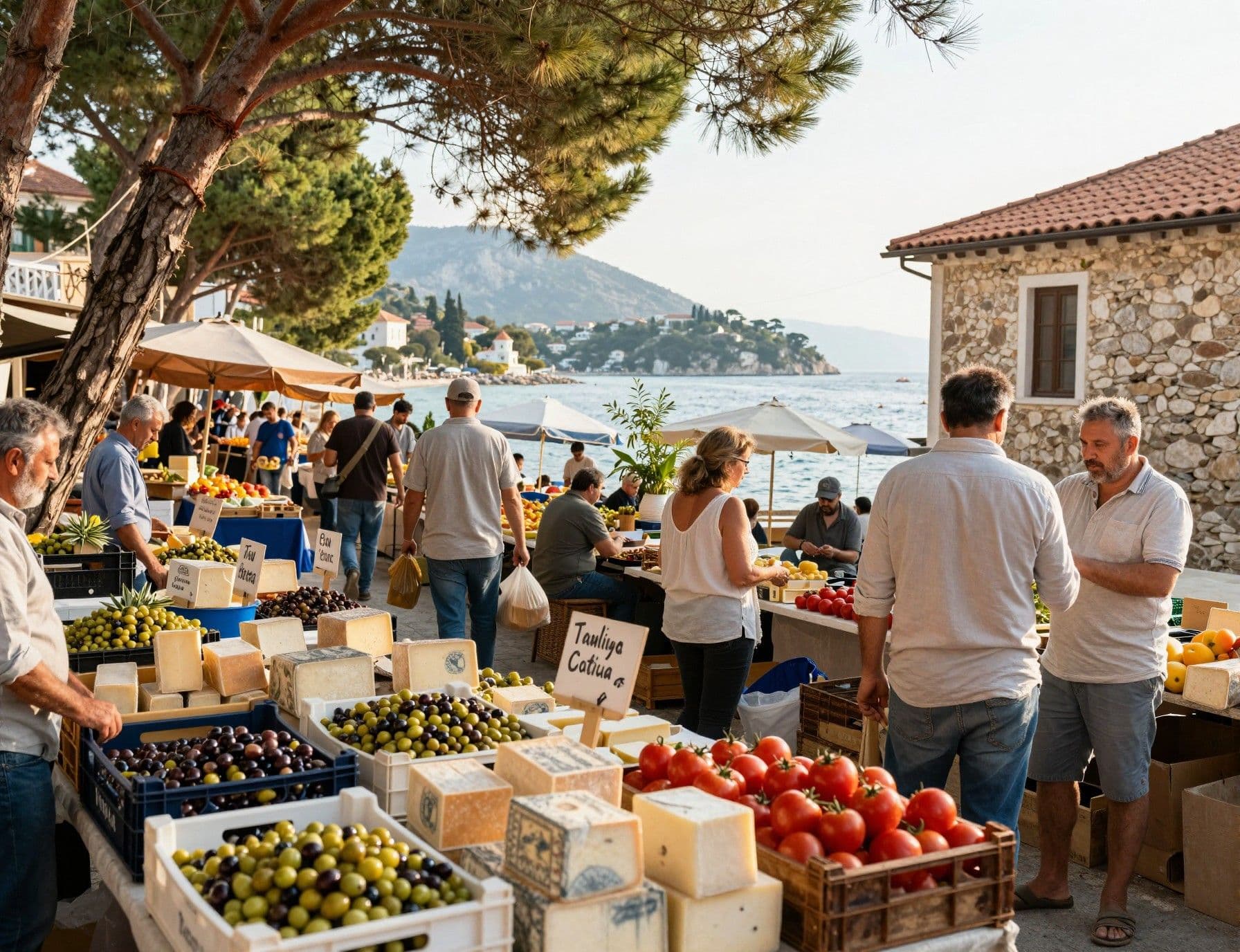
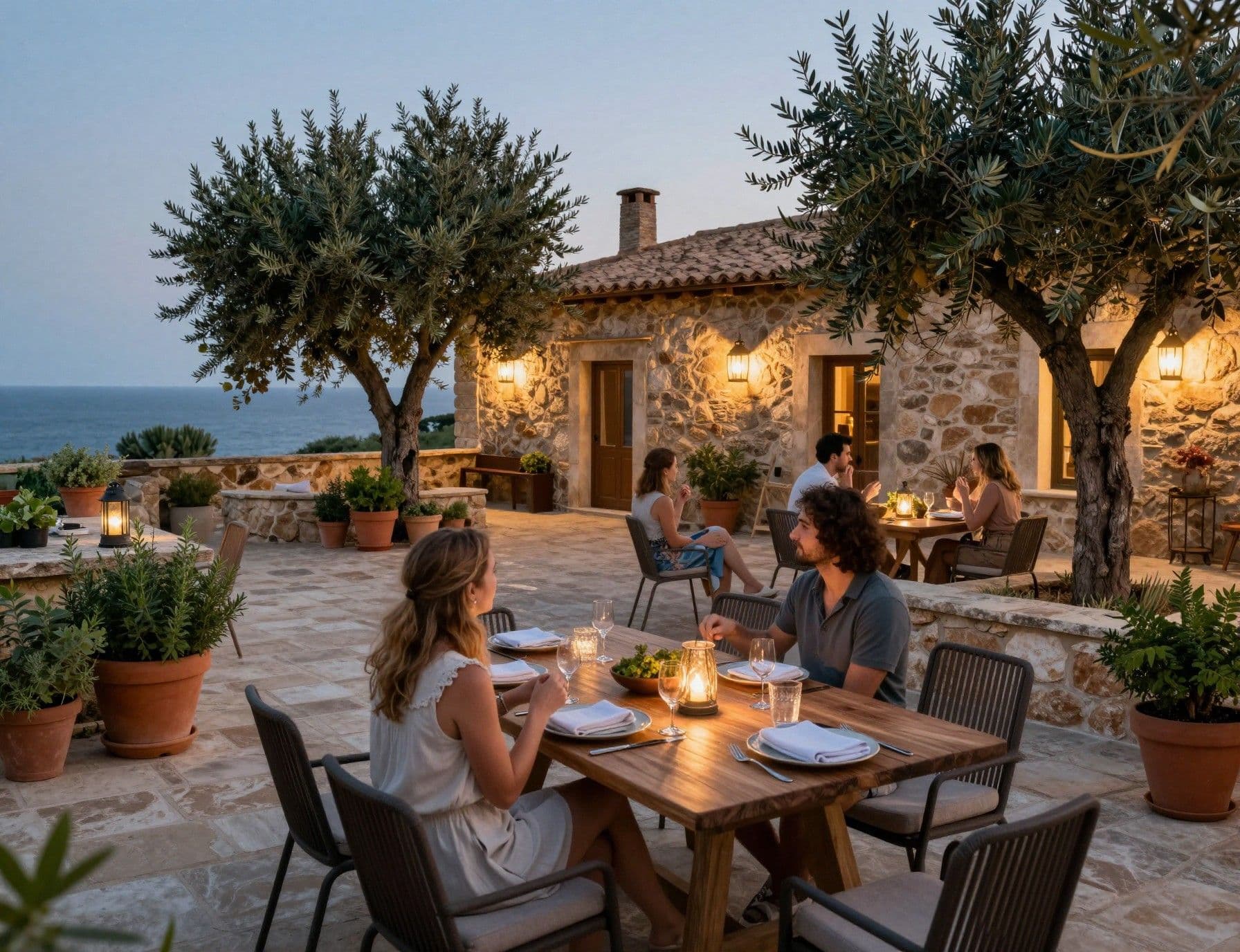
Greece is not one life but many. In Athens you feel a metropolitan pulse framed by pine‑scented hills; on Naxos or Lefkada the sea is the daily soundtrack and olive groves kneel beside limestone cliffs. The verdant coastal regions—Evia’s long forests, western Peloponnese coves, Ionian island valleys—offer a blend of rugged coastline, dense shade and villages rooted in seasonal agriculture. Living here means kitchen gardens, neighbours who trade olives and almonds, and houses designed to breathe through hot summers and damp winters. Those sensory notes shape how you use a home: courtyards become living rooms, terraces the year’s main dining room, and a well‑placed cistern or solar array changes the rhythm of independence.
Neighborhood spotlight: Monemvasia, Mani & the Peloponnese coves
Walk the stone alleys of Monemvasia and you feel history wrap around you; cross over to Mani and the landscape tightens into a stony, aromatic wildness where towers and thyme coexist. These areas reward buyers looking for dramatic coastal topography married to self‑sufficient living: terraces for olive groves, cisterns for gardens, and local craftsmen in small towns for sympathetic restorations. If you crave solitude without complete isolation, small villages near Pylos or along the Messenian coastline offer a community that still shares seasonal produce and cultural rituals. For international buyers, these regions provide a lifestyle of slow summers, active winters and a skyline of migrating birds rather than cranes and glass.
Food, markets and the rhythm of seasons
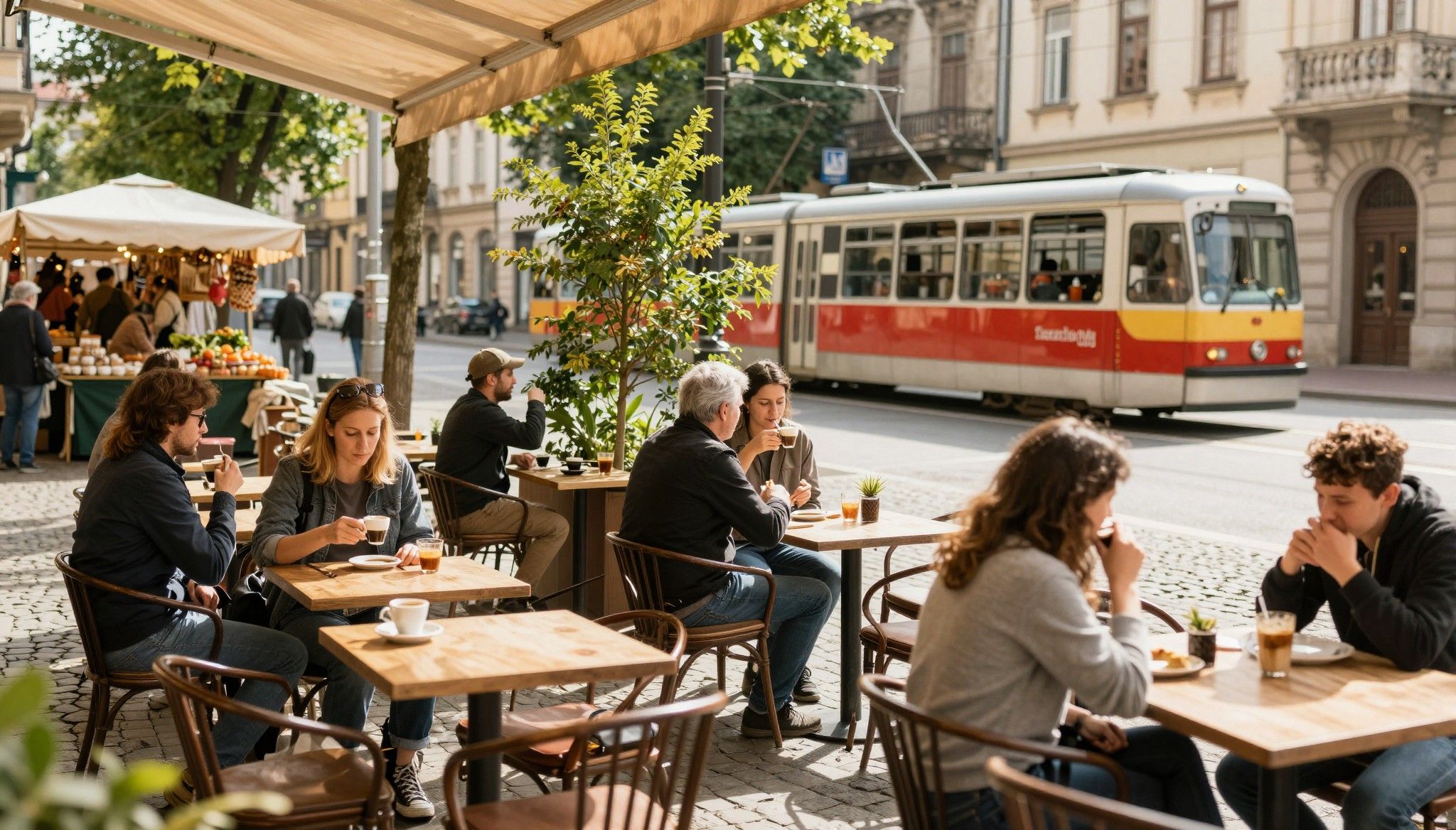
Begin a weekend at the market: farm cheese folded into filo, piles of sun‑kissed tomatoes, wild greens (horta) gathered the morning before. In verdant regions, local festivals around harvests—olive, chestnut, honey—still dictate village life and offer a natural calendar for buyers to experience communities across seasons. Tourism data shows many islands are successfully lengthening their visitor seasons, which means villages are increasingly year‑round rather than purely summer retreats. That seasonal extension is good news for buyers who want both lively summers and a genuine community for the off‑months.
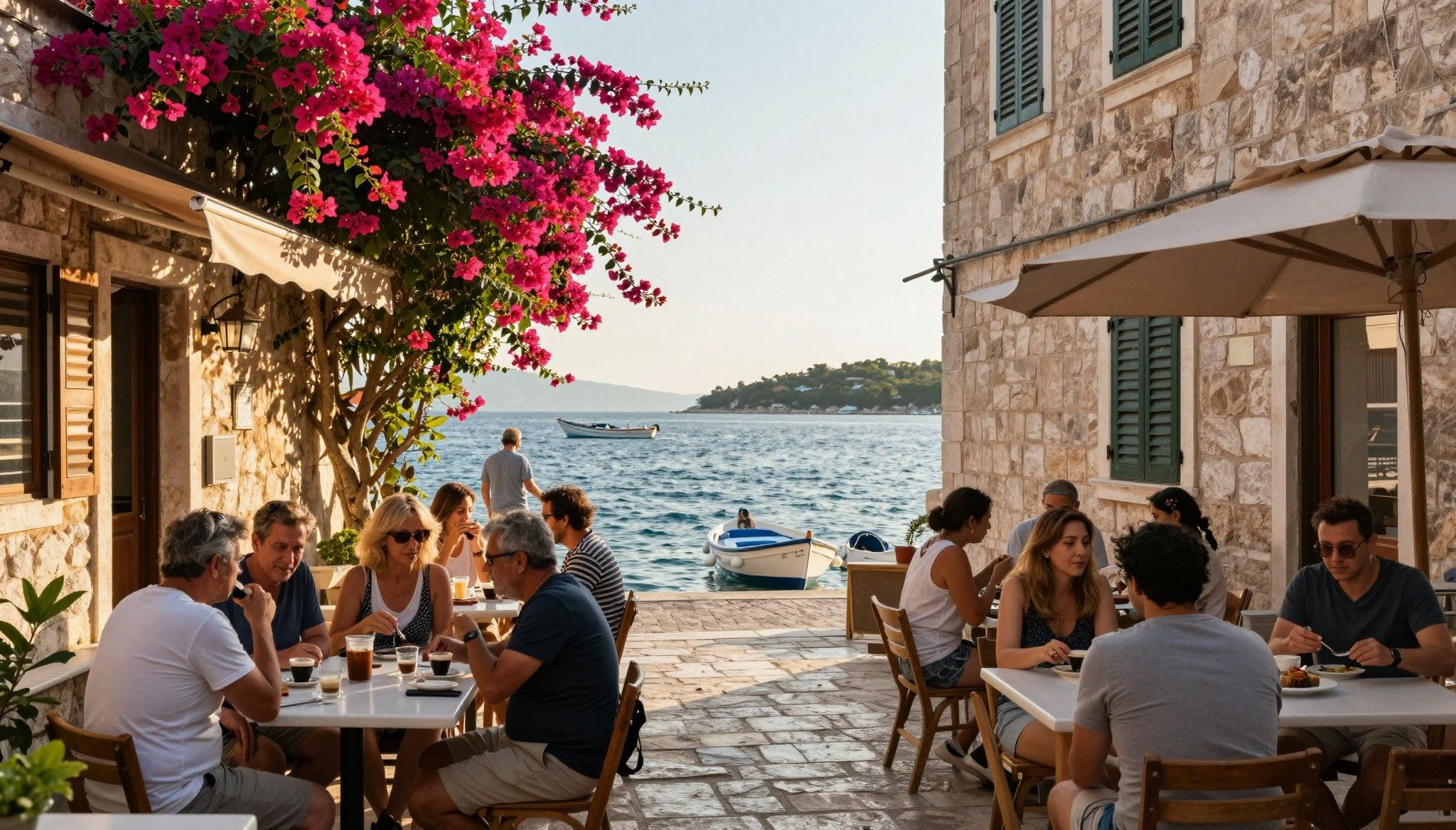
- Market tastes and local rituals to try: morning fish at Nafplio’s market; chestnut festivals in Evia in October; a coffee at Kafenio Melanthi on Monemvasia’s old quay; sunset swims at Voidokilia; visiting a village olive press during harvest.
Making the move: practical considerations that preserve the lifestyle
Dreams meet numbers when you open an offer. Recent Bank of Greece data and market reports show residential prices rising nationally but with meaningful regional variation—Athens and Thessaloniki outpacing many rural coastal areas. For buyers seeking verdant coastlines, that means there are pockets where lifestyle value is still found: villages with intact ecosystems, lower turnover, and opportunities for sympathetic renovations. Use these market facts to temper emotion: fall for the place, but underwrite contingencies — water access, road upkeep, and winter accessibility are as important as a sea view.
Property types that suit verdant coastal living
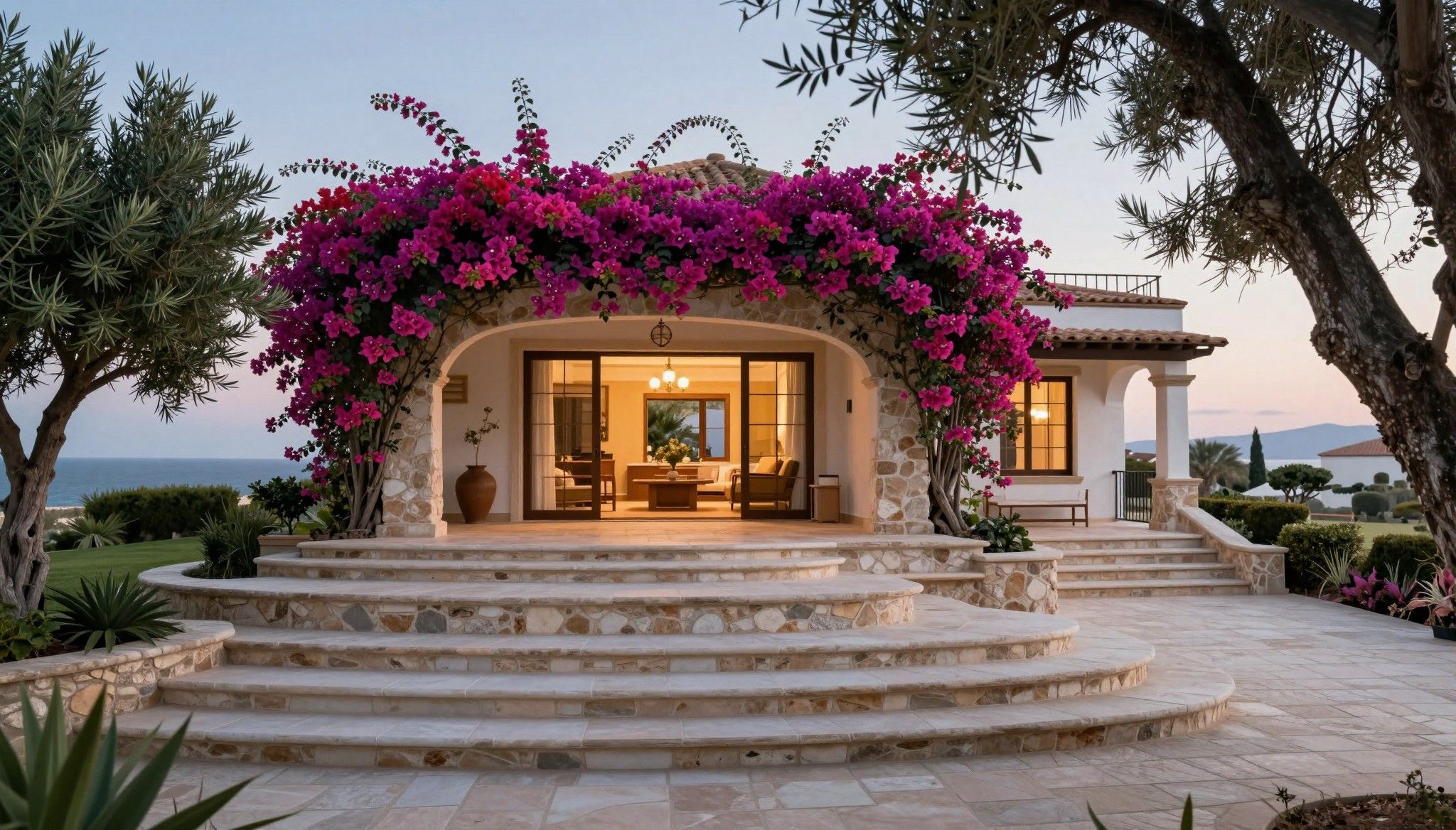
Stone village houses, renovated farmhouses (ekies), and low‑rise eco‑builds each offer different relationships to land. Stone houses bring thermal mass—cool in summer, retaining warmth in winter—while traditional timber features can be paired with discreet insulation and heat pumps to reduce season‑long energy needs. For international buyers wanting low impact and long‑term comfort, look for south‑facing terraces, mature native planting (olive, carob, cypress), and existing rainwater capture. A home that sits lightly on its plot will cost more in thoughtful refurbishment but return a lifetime of lower running costs and richer daily life.
Working with local experts who protect place and value
- 1. Hire an architect familiar with local building typologies to keep character while upgrading performance. 2. Engage a local notary and lawyer who understand seasonal access, land use designations and Natura 2000 restrictions. 3. Choose an agent who knows micro‑markets (which village schools are open year‑round, which roads flood in January). 4. Budget for community integration — small works, garden planting and introductions to neighbours cost little but earn trust. 5. Inspect water rights and well status; many rural properties depend on private systems that require testing and contingency planning.
Insider knowledge: what expats wish they’d known
Many expats tell the same story: they fell for light and landscape, then learned the language of seasons and services. Golden Visa demand once pushed prices in some coastal hotspots and shaped inventory; while policy changes have cooled that driver in places, the legacy remains in pricing and availability. Local social rhythms—market days, olive harvest help, kafeneio conversation—are the true currency of integration. Practicalities like winter road clearance, broadband reliability, and dependable local tradespeople make the difference between a romantic weekend and a resilient year‑round life.
Long‑term lifestyle considerations
Think beyond purchase to stewardship: planting native species, retaining stone walls, and sizing renewable systems to seasonal needs are investments in both ecology and resale. Communities that welcome small scale agriculture and local crafts tend to keep villages alive; properties that mesh with those economies will remain desirable. If you plan rental income, underwrite a pivot to long‑term lets: tourist summers are lucrative but variable, whereas steady tenancy and community ties sustain value when seasons dim.
- Quick red flags and green checks: • Red flag: no clear water supply or missing well paperwork. • Red flag: property inside protected Natura 2000 zones without clear permits. • Green check: mature native planting and integrated rainwater capture. • Green check: historically sympathetic restorations with modern insulation and discreet renewables. • Green check: local craftsmanship ecosystem (stonemasons, roofers, joiners) nearby.
Picture the change: your first winter here is quieter — fewer tourists, fuller markets, woodsmoke and chestnuts — and the house you chose because it kept the summer cool also keeps you warm as the days shorten. Ten years in, your terrace is a woven green room, neighbours are friends, and the small investments in biodiversity and energy independence mean the house supports life rather than draining it. For international buyers, that kind of slow return often matters more than fast capital gains.
If Greece’s verdant coastal life calls you, start by visiting in two seasons: a high summer weekend to taste the light and a late autumn week to understand services and winter rhythms. Talk to local agents who specialise in eco‑conscious refurbishments and insist on documented checks for water, road access and conservation protection. When you pair feeling with facts, you don’t just buy a property — you enter a community and take on a landscape as a responsibility and a gift.
Next steps: arrange seasonal visits, shortlist three villages that match your daily rhythm, and commission an initial technical survey before offers. An agent who reads place as well as paperwork will introduce you to neighbours, to a local carpenter, and to the small rituals that make life here sustainable and joyful. Buy for the morning markets, stay for the winter light — and let stewardship shape the value you create.
Market sources: Bank of Greece residential indices (Q1 2026), Astons market overview, and regional tourism analyses were consulted to balance lifestyle narrative with current data and policy context.
British expat who traded Manchester for Mallorca in 2017. Specializes in guiding UK buyers to luxury Spanish estates with clear navigation of visas and tax.