Croatia’s Coastal Quarter Buyers Overlook — A Greener Bargain
A lifestyle-first look at Croatia: where coastal myths mask eco-friendly bargains and seasonal rhythms reveal overlooked, sustainable property opportunities.
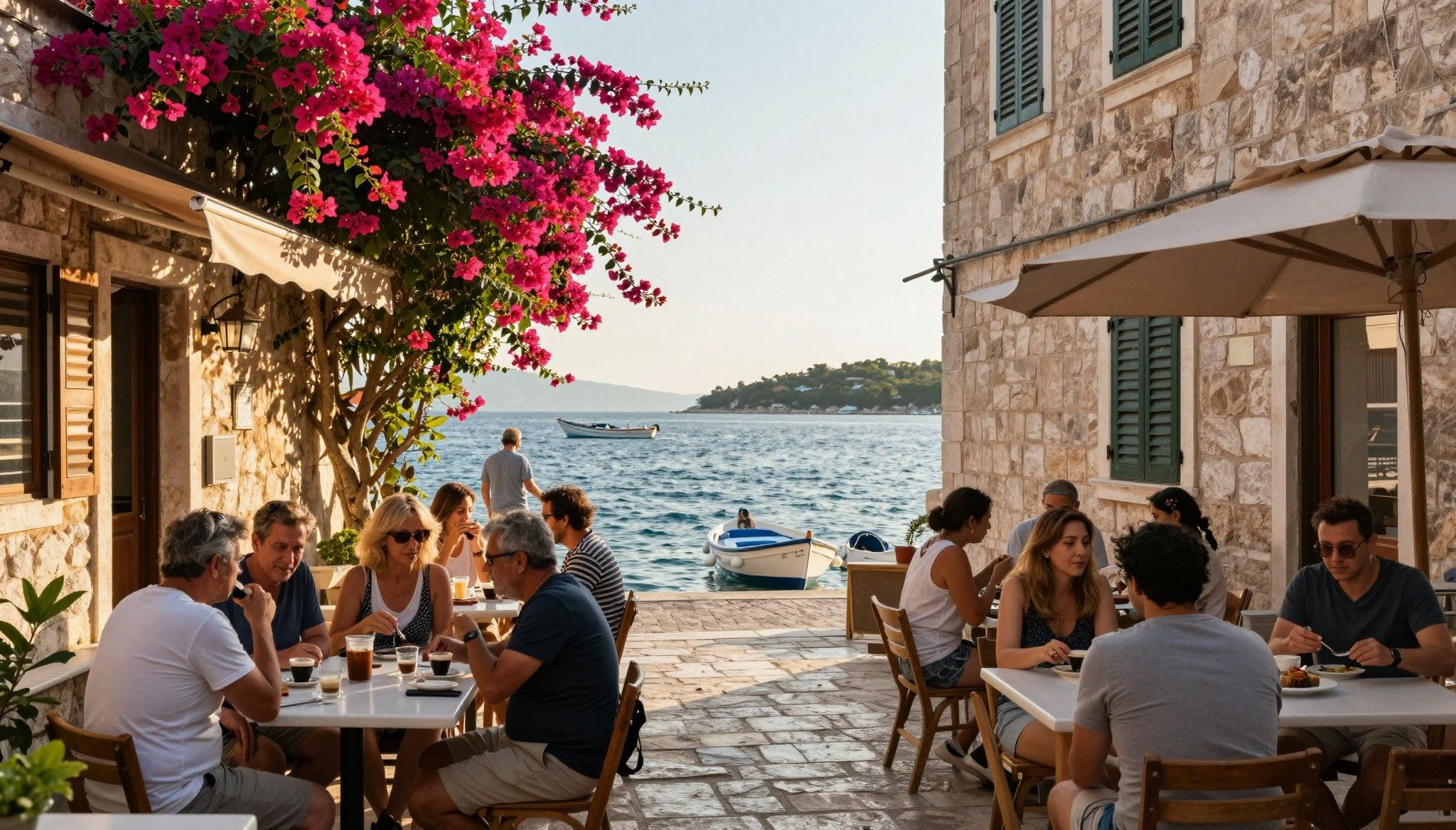
Imagine waking to sea-salted air in a stone house on a narrow Dalmatian lane, then crossing to a shaded kafic for espresso as fishermen unload the morning catch. Croatia’s coast feels cinematic — weathered stone, bougainvillea, and a pace that privileges seasons over schedules. But for many international buyers, that postcard image is tangled with myths about cost, red tape and tourist crowds. This guide peels back those assumptions and shows how an eco-minded buyer can find quiet value — and build a life — in Croatia.
Living the Croatia lifestyle
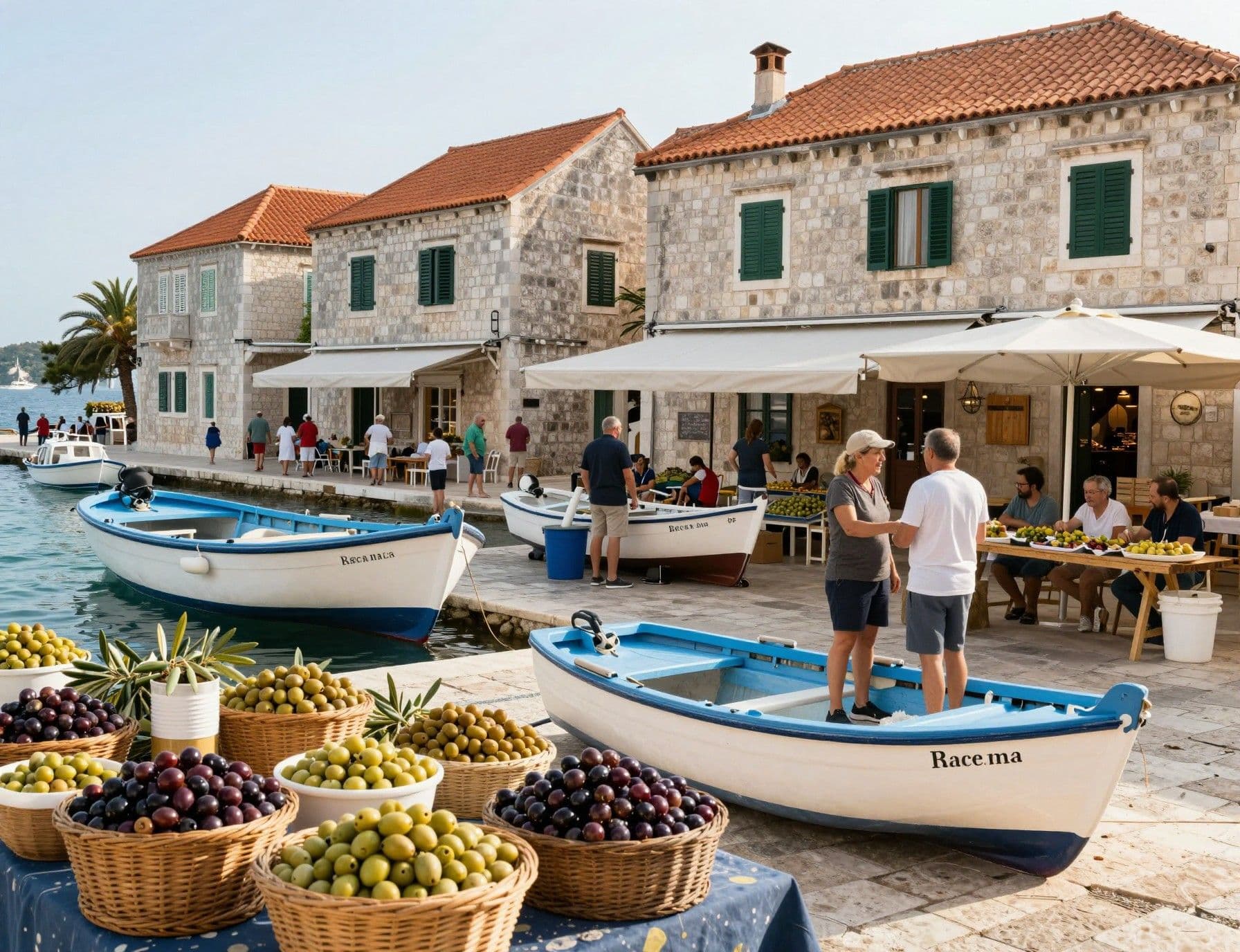
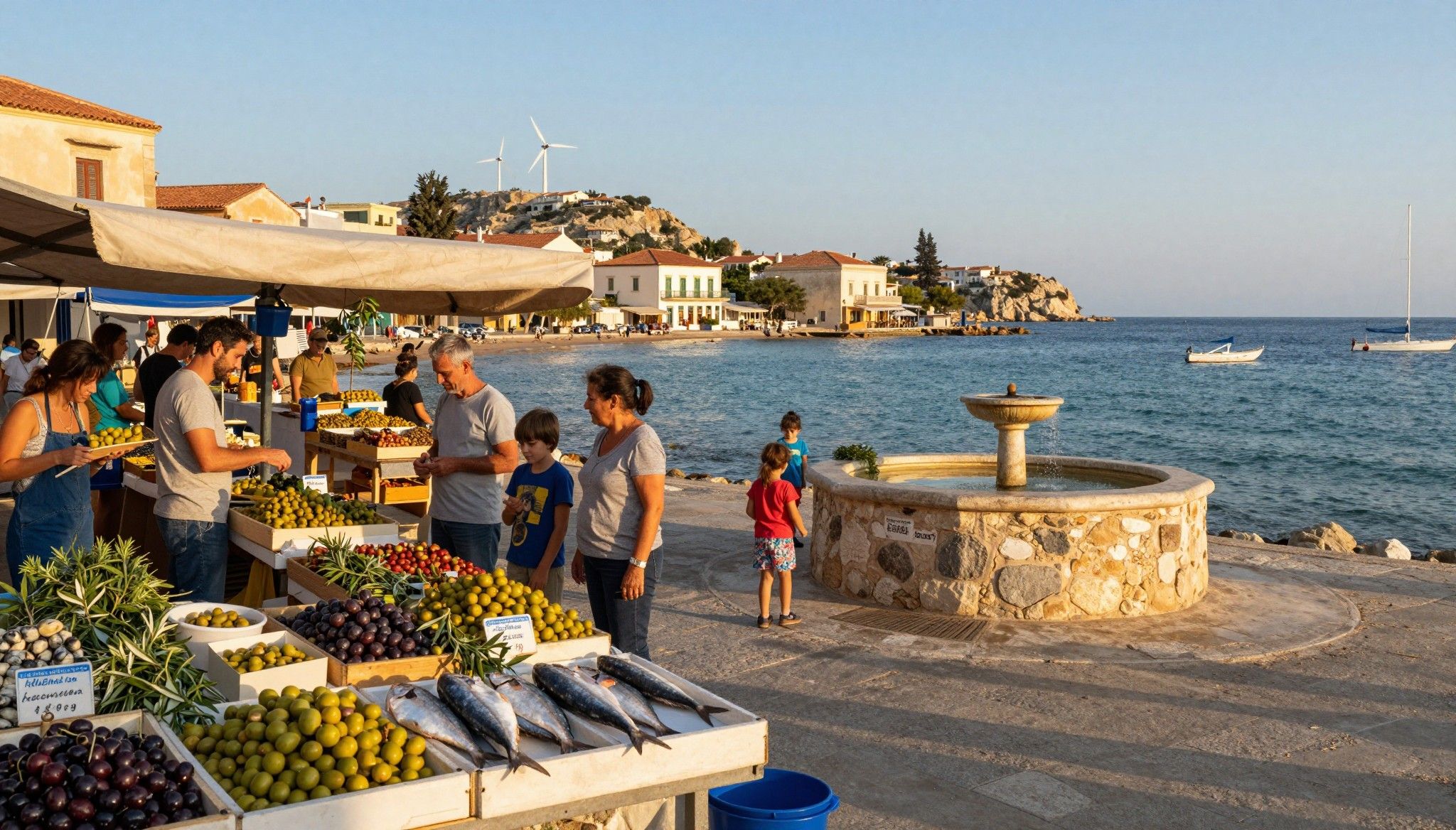
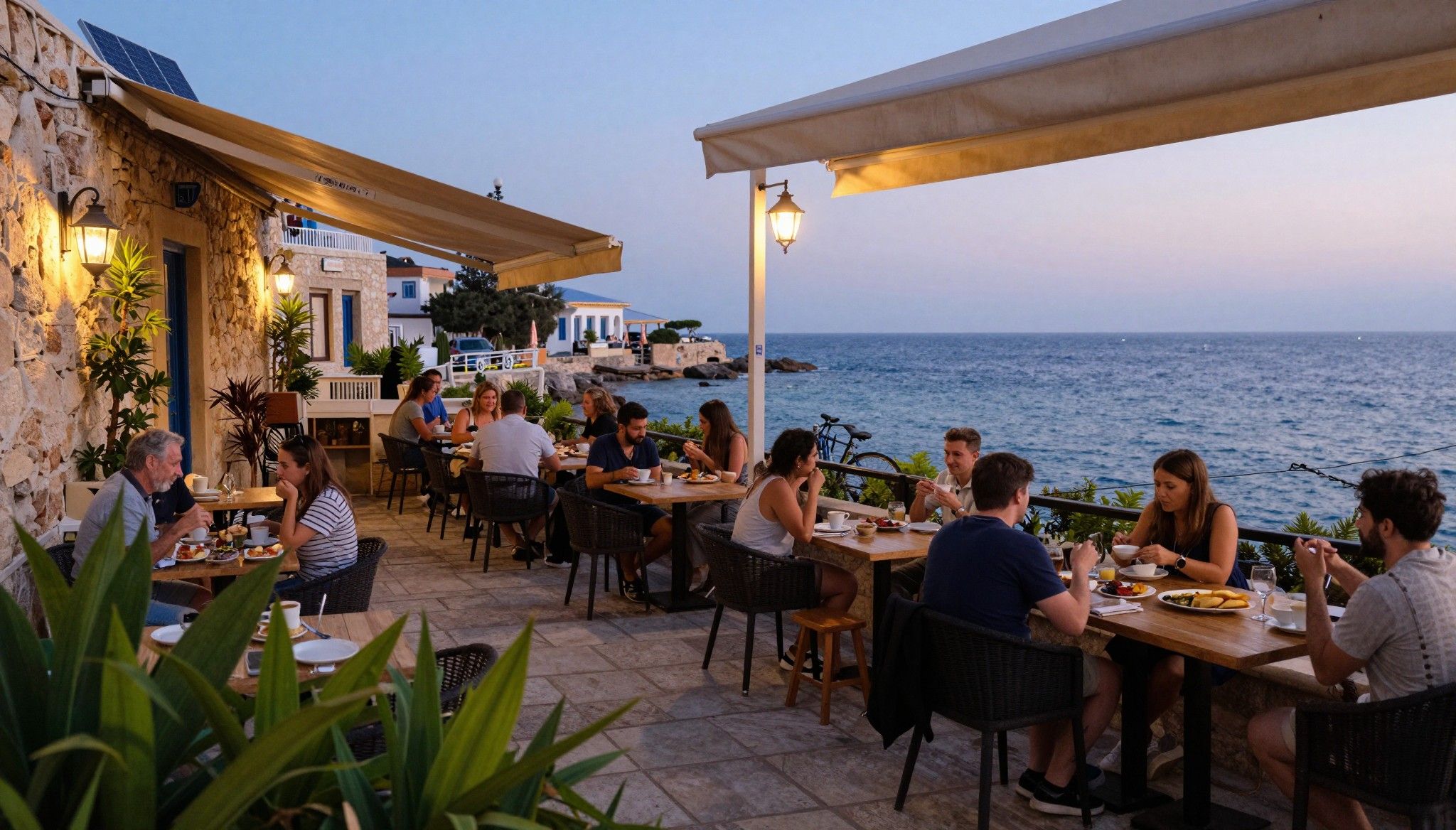
Strolling through Split’s Veli Varos or a quiet lane in Rovinj, life in Croatia is tactile: the click of sandals on limestone, tomatoes ripening in window boxes, neighbors exchanging news over wine. Days are oriented around light and food — morning markets, long lunches shaded under vines, evening promenades along the riva. For eco-conscious buyers, the rhythm rewards low-impact living: local markets mean less packaging, historic stone buildings offer passive cooling, and community gardens and terraces become extensions of the home. These textures of daily life should shape the properties you consider, not be afterthoughts.
Neighborhood spotlights — beyond the headline towns
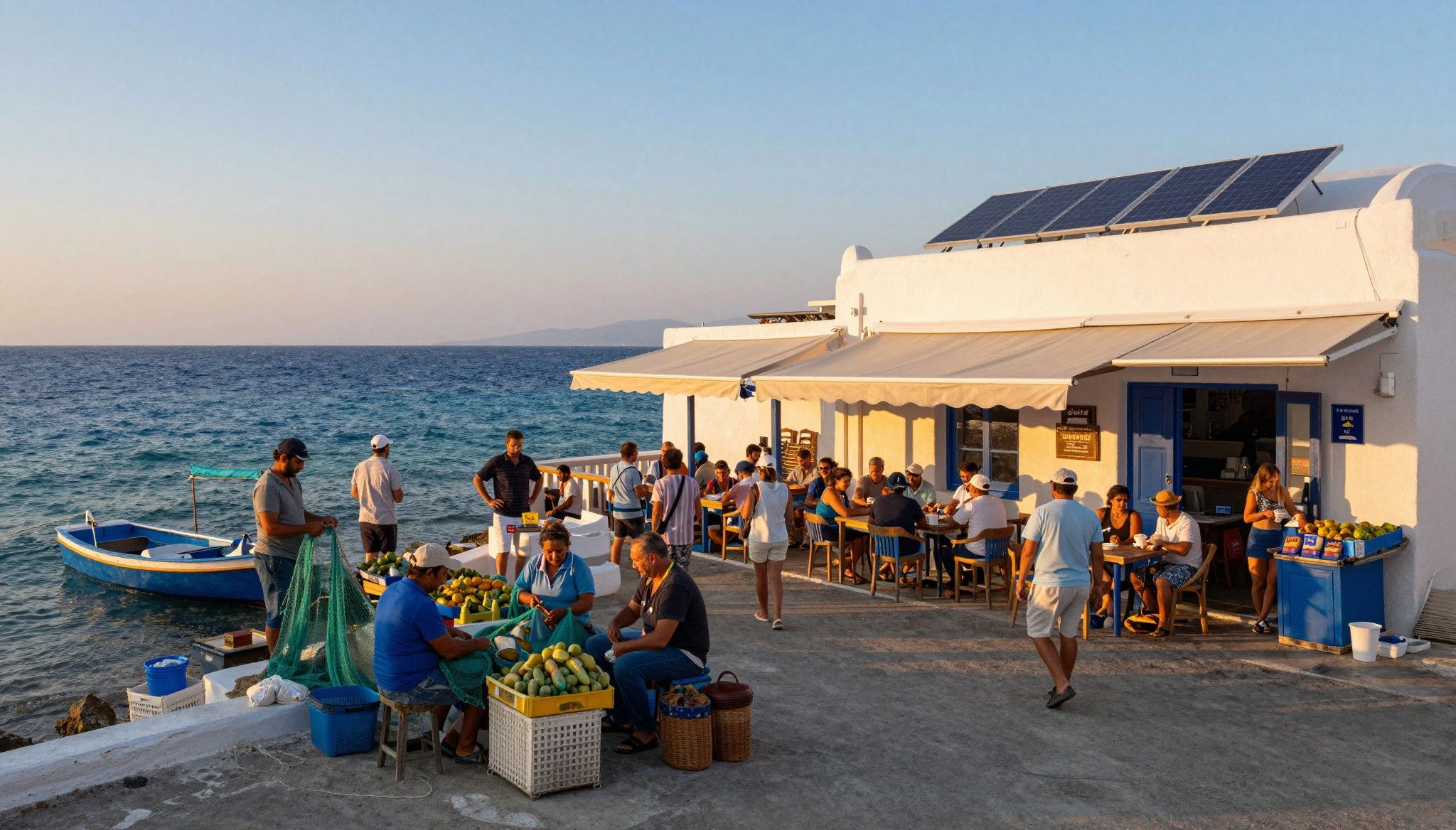
Everyone knows Dubrovnik, Hvar and Split — but quieter pockets often hold the real charm and better eco-value. In Zadar’s Foša quarter you’ll find morning markets and fishermen’s cafés without the endless tourist churn. Istria’s small hill towns — Grožnjan and Motovun — are havens for food lovers and agro-tourism, where olive groves and truffle producers shape the landscape and local life. Seek lanes where locals still meet for morning coffee; those are the places where community and sustainability can thrive together.
Food, festivals and seasonal life
Croatia’s calendar is written in harvests: squid festivals in autumn, olive-picking in November, and summer music spilling into piazzas. Buying outside peak season reveals the authentic pulse of towns — markets restock with local produce, and cafes are a real meeting place rather than a tourist stage. For buyers interested in regenerative living, this seasonality is a gift: it’s easier to meet producers, explore local supply chains, and imagine how a property’s garden or orchard can plug into community food systems.
- Lifestyle highlights to look for
- Historic stone piazzas with week markets (e.g., Split’s Pazar)
- Coastal promenades that host daily life (Zadar riva, Dubrovnik Lapad)
- Olive groves and truffle zones in Istria for farm‑to‑table living
- Small harbors where fishing communities still operate (Šibenik archipelago)
Making the move: practical considerations
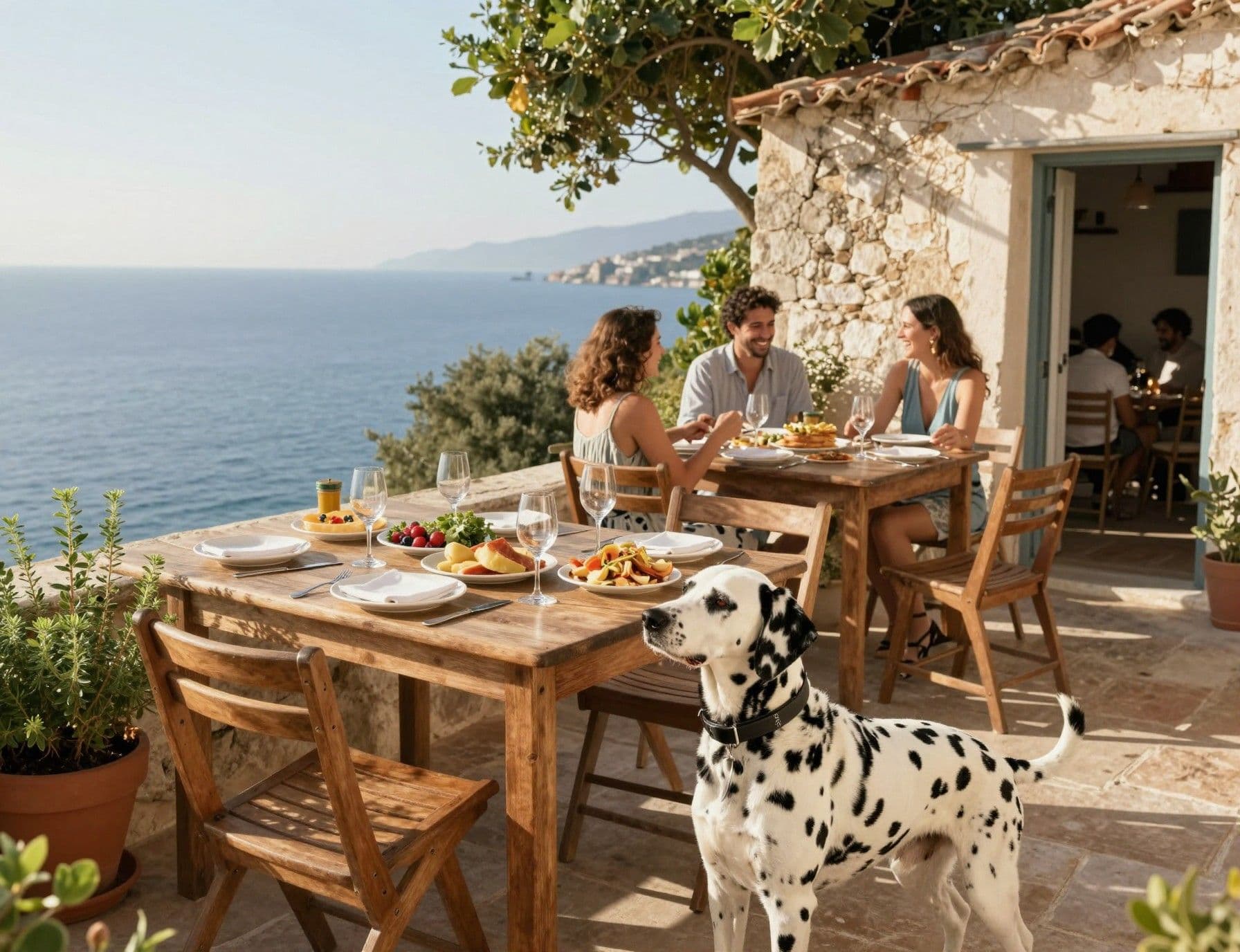
Dreams must meet daylight: Croatia’s market has seen strong price growth in recent years, especially along the Adriatic, but regional variation and new policies create opportunities for thoughtful buyers. The Croatian Bureau of Statistics tracks a rising house price index that concentrates gains in coastal hotspots, while government reforms around property use aim to cool speculative pressures and encourage longer-term residency. Understanding where demand is softening, and where sustainable features add real value, will help you translate a lifestyle wish into a resilient purchase.
Market data from the Croatian Bureau of Statistics and independent analyses show the coast led price increases while interior towns and secondary islands often lagged, creating niches for buyers who value life over headline returns. The OECD has highlighted housing reforms and the government’s push to repurpose short‑term rentals into long‑term housing as a structural shift that affects coastal markets and local communities. These trends mean a buyer focused on stewardship and steady lifestyle returns can find more realistic prices in up‑and‑coming towns or renovated rural properties.
Property styles — what matches your life
Stone houses with thick walls offer natural temperature regulation and fit an eco-minded life but often need careful restoration to meet modern comfort and insulation standards. Newer coastal apartments are low-maintenance and energy-efficient if built to contemporary standards, yet they can disconnect you from the tactile neighborhood life that defines many Croatian towns. When you imagine daily life — gardening, harvesting, hosting long meals — let that image guide whether you choose a compact town apartment, a village stone house, or a small agri-property with room for an orchard.
Working with local experts who know both lifestyle and law
A local agency that lives the lifestyle you want is invaluable: they’ll point you toward streets where neighbors still gather, introduce you to renovators who know how to repair lime mortar or source reclaimed tile, and translate how national rules apply to your situation. EU citizens enjoy relatively straightforward purchase rights, while non‑EU buyers often require ministerial consent — an area where a lawyer’s practical experience saves weeks. Agencies with local networks also alert you to off‑market opportunities and stewardship-minded owners looking for buyers committed to caring for the land.
- Hire a local architect who understands passive cooling and stone renovation.
- Confirm foreign‑buyer requirements early (EU vs non‑EU) with a lawyer.
- Prioritise properties with south‑facing terraces, water storage, or space for solar panels.
- Ask for energy documents, renovation histories, and neighbour references before offering.
Insider knowledge — expat truths and local quirks
From expats I’ve met, the surprises aren’t the legalities — they’re the small cultural rhythms that shape everyday contentment. Shops may close for several hours midday; the best fish markets run early; festivals can mean your new street is the scene of joyful chaos for a day. Real insiders plan purchases around those rhythms: buy a property with a kitchen garden if you want seasonal produce, or choose a coastal apartment if you dream of daily swims and a short walk to cafés. Agents who know these rhythms become partners in designing a life, not just a transaction.
Cultural integration and language
Croatian is expressive and useful to learn, but many locals in tourist and expat hubs speak English, Italian or German. Simple efforts — learning market phrases, greeting neighbours, attending a village feast — unlock invitations and trust far faster than formal introductions. For buyers who value stewardship, these small courtesies translate directly into better support when renovating or tending shared resources like water wells and communal olive groves.
Long‑term lifestyle and stewardship choices
Think of this purchase as joining an ecosystem rather than claiming an asset. Prioritise rainwater capture, native planting, and passive design features that reduce energy needs and respect local water limits. Over time, those choices preserve both the environment and the village goodwill that makes life here gentle and sustainable. Many buyers who invested in these features reported richer daily life — gardens that feed neighbours, terraces that host community meals, and lower running costs through solar installations.
A few red flags I always watch for: properties heavily marketed for short‑term rental income with opaque occupancy records; parcels where access is unclear or rests on informal agreements; and buildings advertised as “original stone” but with modern interventions that conceal damp or structural issues. If a place sounds too good to be true, bring a local builder and an architect to the viewing. Their practical questions — where does water come from, how thick are the walls, what is the roof’s condition — reveal far more than glossy photography.
- Checklist before you bid:
- Confirmed legal title and clear access routes
- Energy/renovation history and potential for solar/water systems
- Neighbour references and seasonal occupancy patterns
If you’re ready to see Croatia through the lens of everyday life rather than headlines, start small: visit outside high summer, drink coffee where locals do (ask for recommendations — they have good taste), and meet one renovator and one farmer. Those three conversations will tell you more about whether a place can sustain the life you imagine than any brochure. When you’re ready to take the next step, partner with an agency that understands ecology, local craft, and the legal nuances of Croatian property law — the kind of team that helps you close responsibly and plant roots for decades.
Practical next steps: review recent regional price data, confirm your residency/purchase status with government guidance, and schedule viewings outside peak season to feel true community life. Use official data to set realistic offers — the coast can be pricier, but inland and secondary islands often reward patience and stewardship. Above all, buy the life you want: a house that opens onto a garden, a lane where neighbours still speak, a kitchen that will host long meals — and your purchase will be both a home and a contribution to Croatia’s living landscape.
Danish relocation specialist who moved from Copenhagen to the Algarve; supports families with seamless transitions, local partnerships, and mindful purchases.