When Summer Hides Repair Risks: Closing in Croatia
Why summer viewings can mislead buyers: close with off‑season inspections, energy upgrades and stewardship clauses to protect your Croatian home.
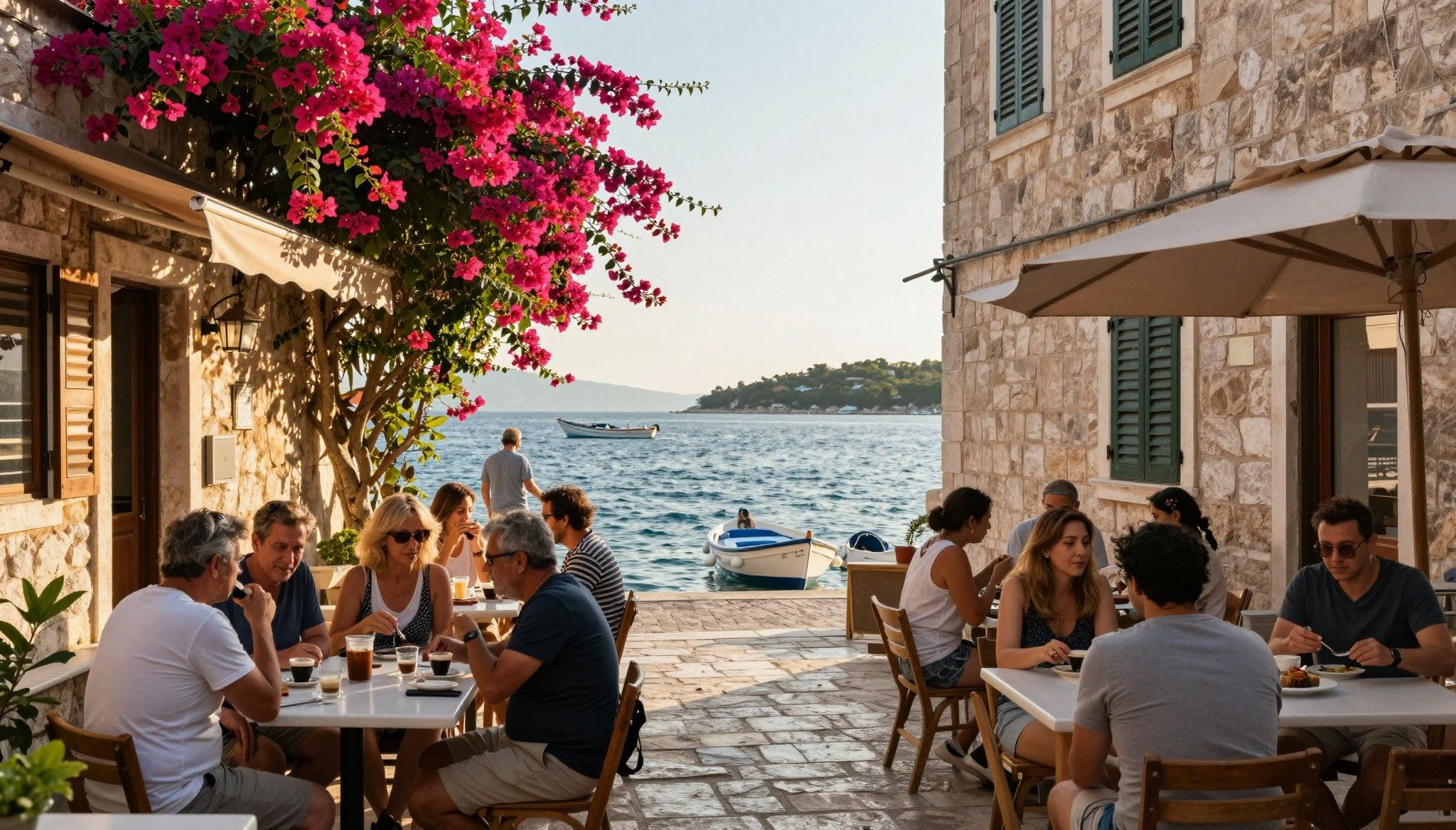
Imagine a sun-warmed terrace in Split where laundry flutters from stone balconies, fishermen mend nets at dawn, and the smell of freshly baked burek drifts from a corner bakery. Croatia can feel like a series of cinematic moments—lively market mornings in Zagreb’s Dolac, sleepy olive groves in Istria, and wild Adriatic coves that store summer light until dusk. But beneath that romance, the rhythm of buying and closing here moves to its own seasonal pulse—and one common mistake trips up well-intentioned dreamers: trusting what the summer market shows you about a property's long-term condition and stewardship requirements.
Living the Croatian lifestyle
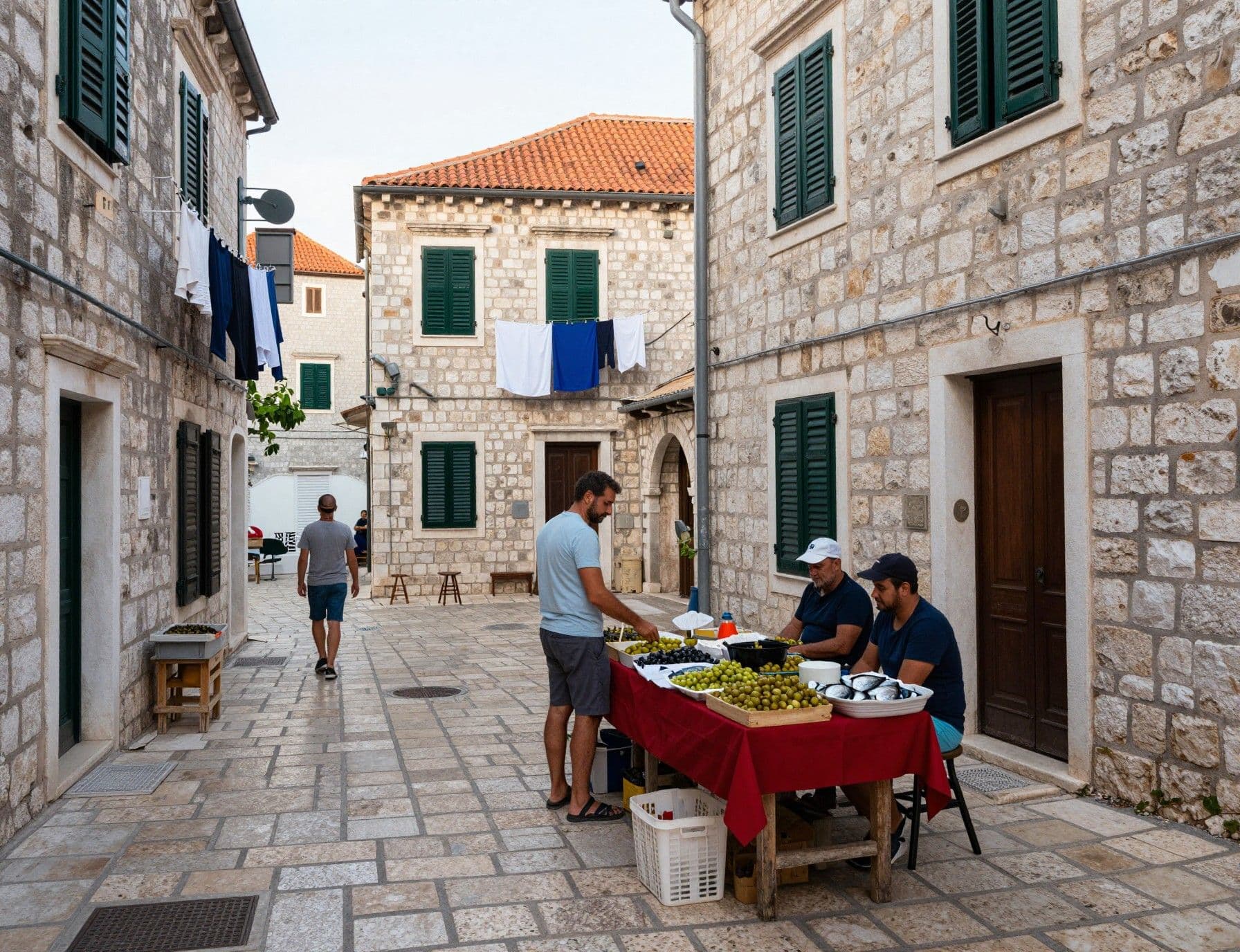
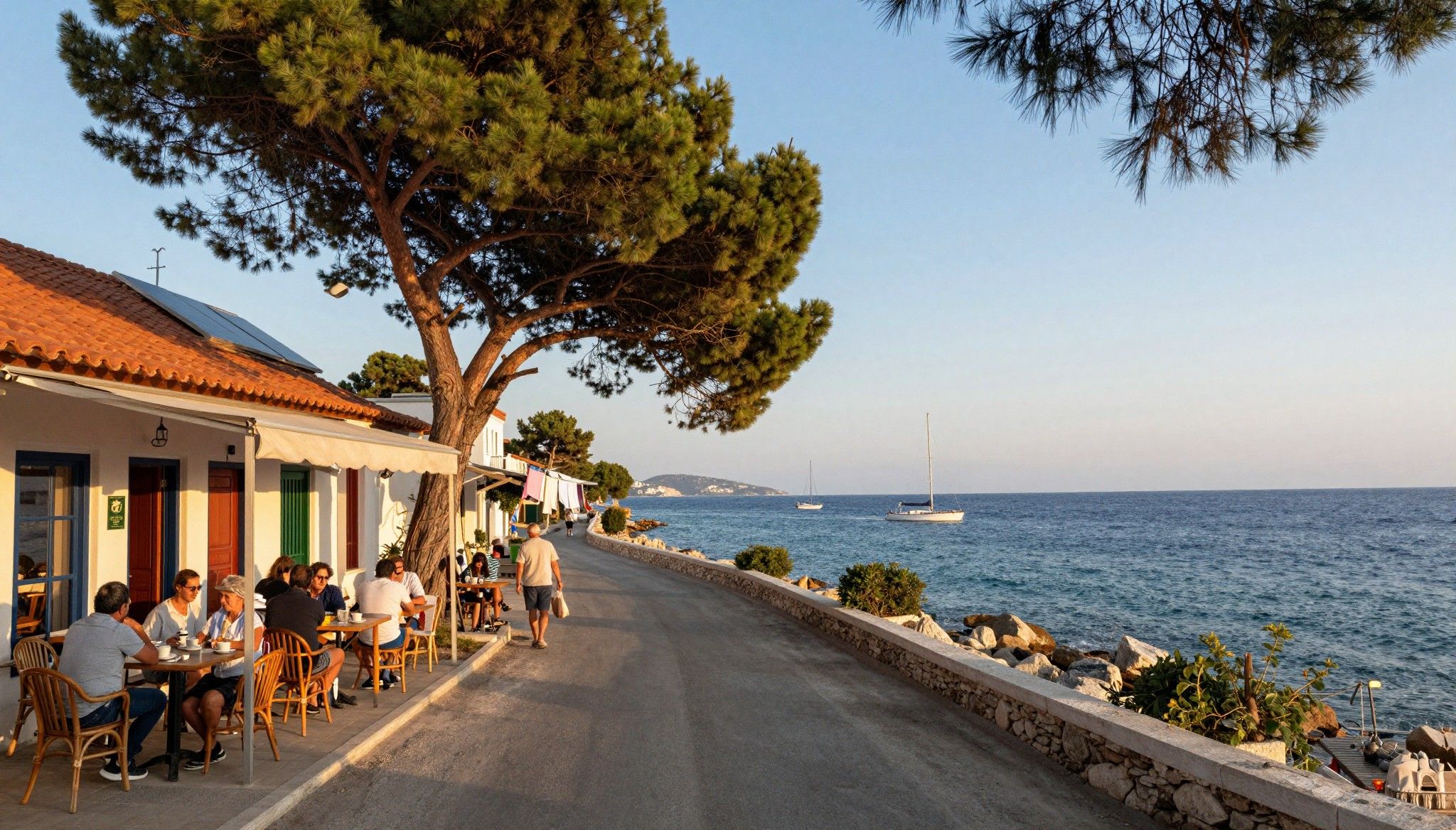
To fall in love with Croatia is easy; to live here with intention requires noticing the small, seasonal truths. Summers are loud and luminous—cafés spill onto cobbles in Dubrovnik’s Old Town, and island ferries hum with day-trippers—while winters reveal roof issues, damp basements, and infrastructure needs that hot-season viewings simply don’t expose. Recent market reports show regional variation and a cooling trend in transactions, which savvy buyers can turn into leverage when closing—if they come prepared and attuned to stewardship realities. For a grounded purchase, blend the summer romance with a winter-minded checklist so the property you buy is truly a home across all seasons.
Neighborhood spotlight: Zagreb, Split, Istria & Dalmatian islands
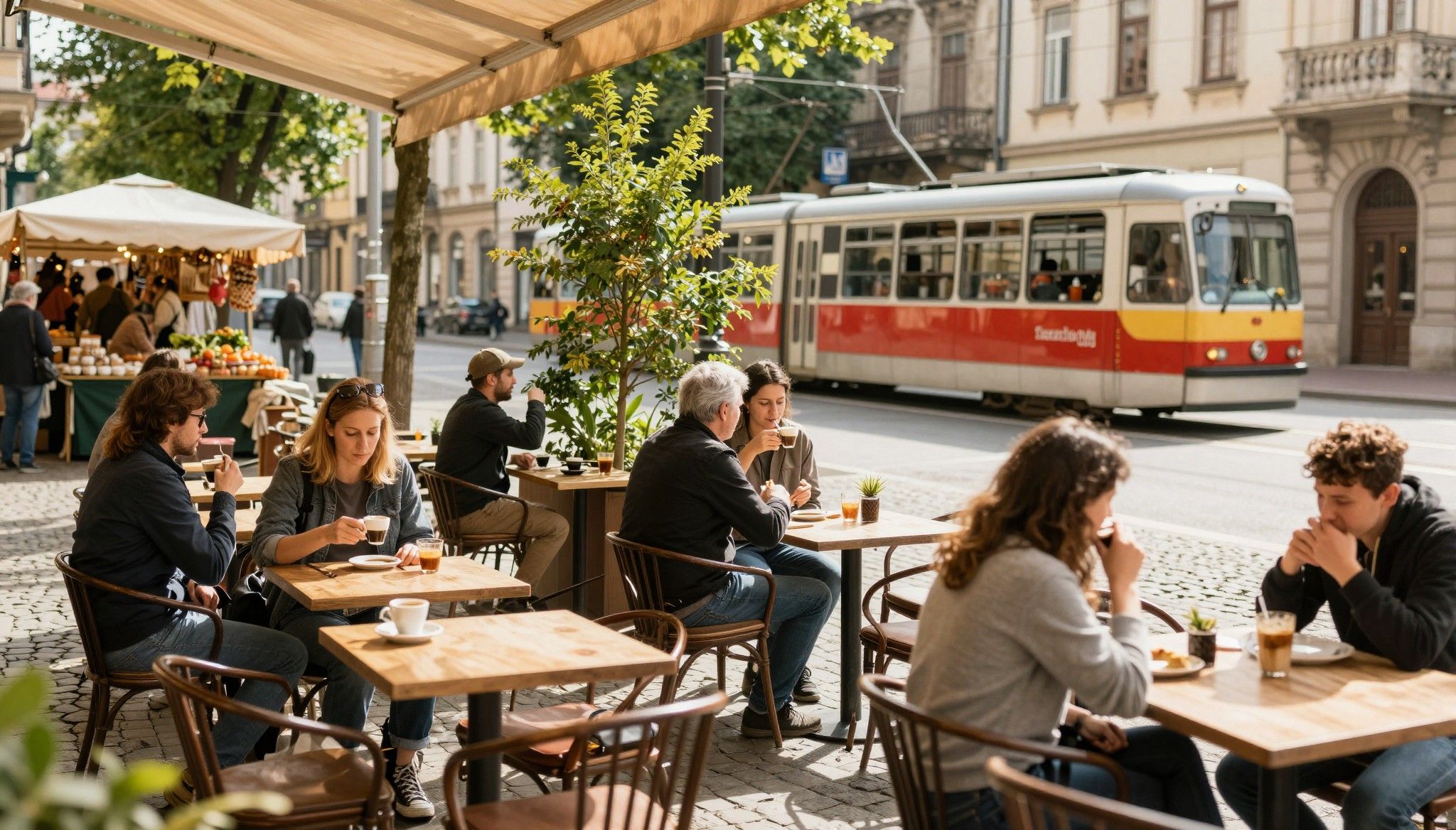
Zagreb hums with year-round life—cafés on Tkalčićeva, the green quiet of Maksimir, and neighborhoods like Martićeva that blend contemporary design with old stone. Split offers a coastal daily: espresso at Riva, evening swims at Bačvice, and neighborhoods such as Varoš where narrow lanes hide restored stone houses. Istria’s hilltop towns—Motovun, Grožnjan—draw those who want slow countryside rhythms and truffle-season rituals, while the Dalmatian islands (Hvar, Brač, Vis) alternate between packed summers and introspective winters, when the real character of a home’s insulation, water systems and maintenance needs become clear. Know how transfer taxes, VAT exceptions, and registration rules will affect your closing costs and stewardship plans before you sign.
Food, markets and the year-round calendar
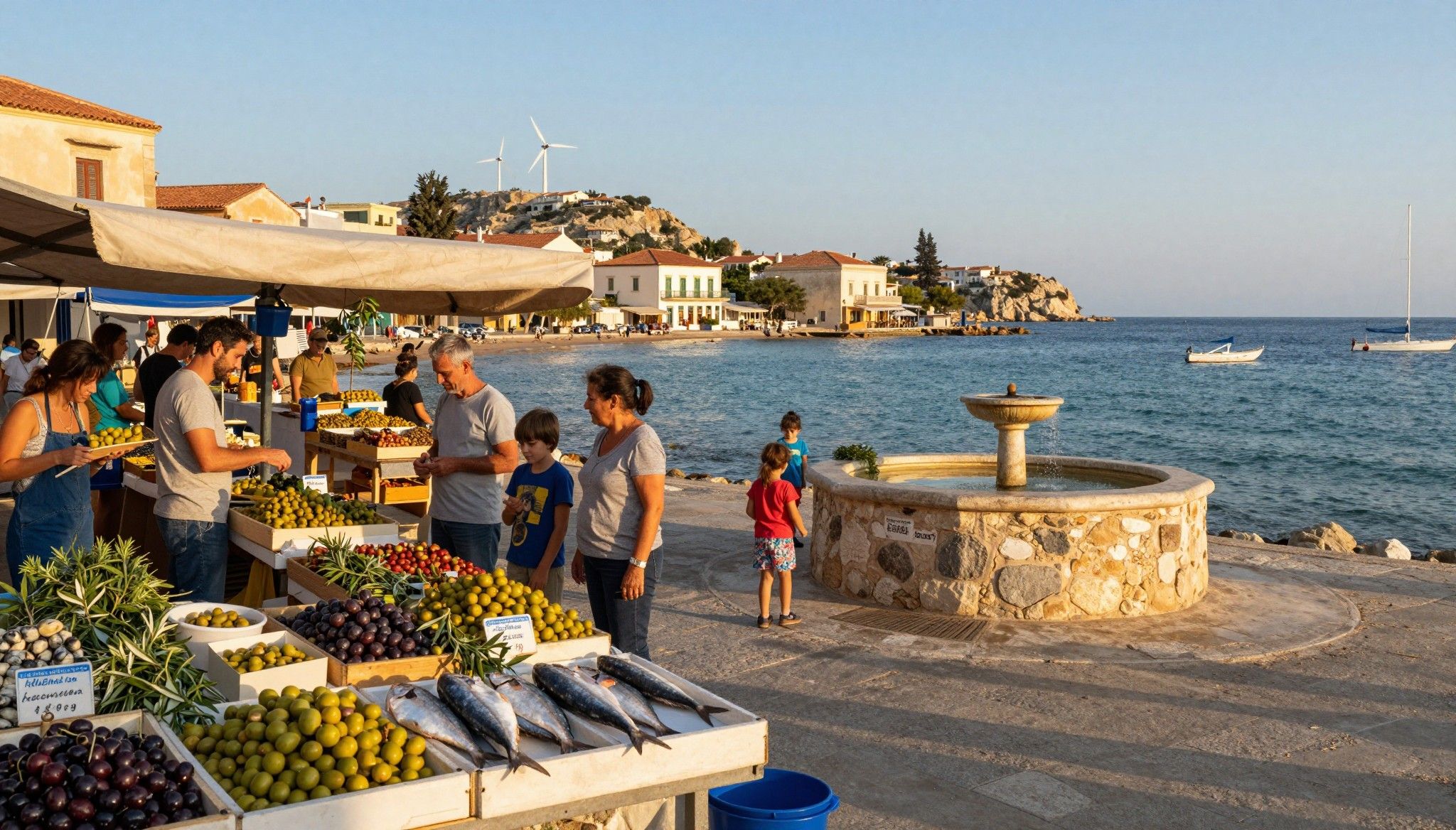
Morning markets—Dolac in Zagreb, Pazar in Split, and coastal fish markets—are more than places to buy food: they reveal supply chains, seasonal occupations, and communal rhythms that shape how you’ll live. In summer you’ll taste freshly caught gilt-head bream; in autumn, smoked ham and truffles tell you about local stewardship of land and forest. When house-hunting, attend a market day: landlords, artisans and neighbours often reveal stubborn building habits—informal extensions, olive-press sheds, or absent permits—that paperwork alone might not show.
Making the move: practical considerations
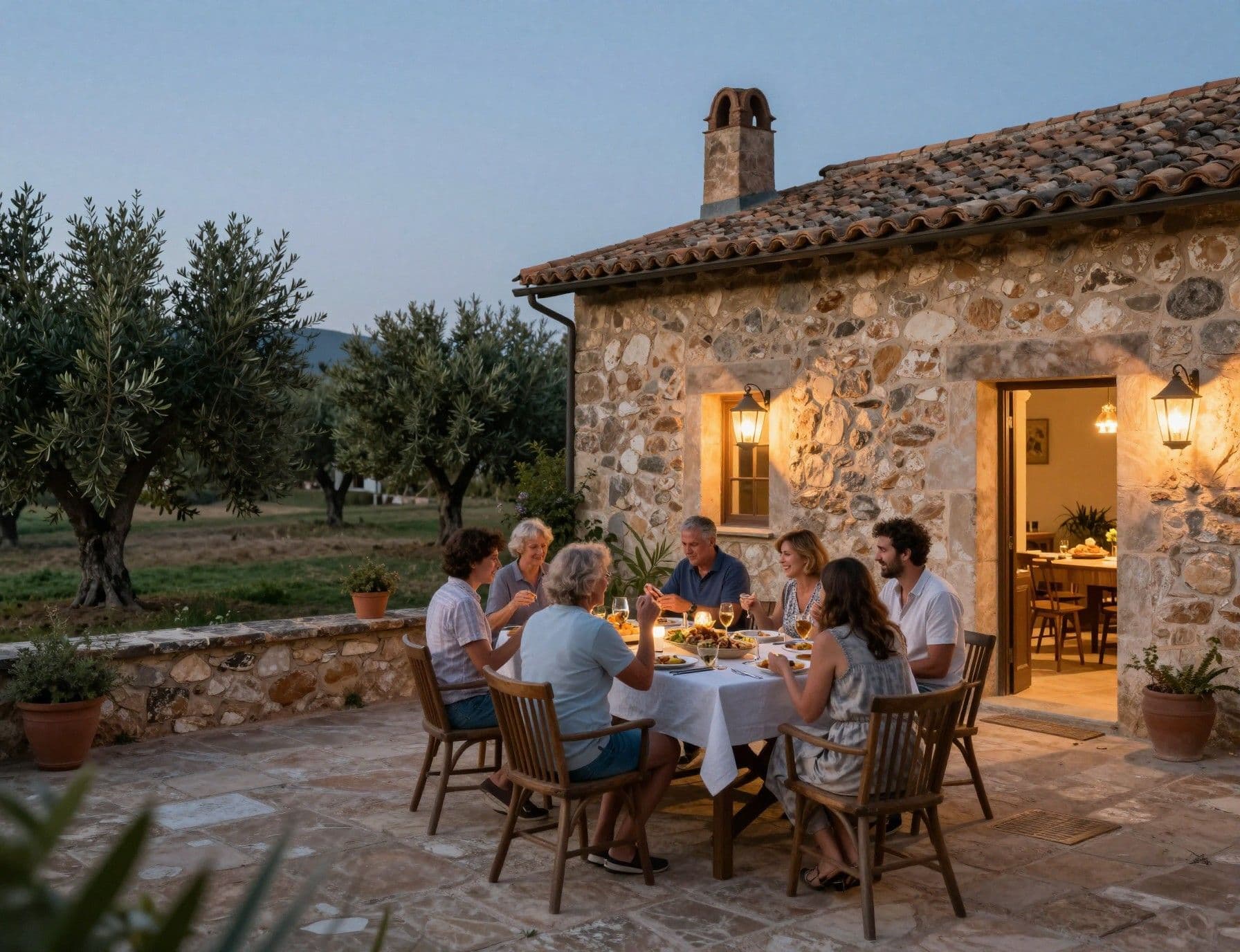
The romance of terrace dinners must meet the rigour of closing procedures. Croatian law differentiates between VAT-able new builds and older properties subject to real estate transfer tax; utilities, land registry checks, and energy performance certificates must be checked and understood in context. For foreign buyers—especially non-EU nationals—administrative approvals and historic protection rules may apply, and a local expert who knows municipal practices is invaluable. A stewardship-minded purchase starts at closing: negotiate conditions that commit the seller to clear defects, appropriate energy upgrades, or documented drainage and roof histories.
Property styles and what they mean for living
Stone Adriatic houses have thick walls and cool interiors but often need modern insulation and updated plumbing; Istrian homes favor timber and stucco with integrated olive terraces that reward landscape stewardship but demand irrigation planning. New developments may offer modern efficiencies—solar-ready roofs, heat pumps, greywater systems—but they can also be over-priced in tourist hotspots. Match property type to how you’ll live: if you want year-round residency, prioritise insulation, central heating capability and reliable winter access; if you dream of seasonal escapes, focus on passive cooling, shaded outdoor rooms and durable marine-grade materials.
- Steps to close with stewardship clauses
1. Commission a full structural and systems survey that includes roof, dampness, and septic/sewer connections; ensure the inspector visits in an off-season month when leaks and insulation flaws are visible. 2. Require an energy performance certificate (if not provided) and add simple, contract-bound upgrade targets (e.g., insulation or boiler replacement within 12 months). 3. Negotiate escrow or staged payments tied to completion of agreed repairs, and include warranties for plumbing/electrical work. 4. Register ownership in the land registry and confirm tax implications with your lawyer so stewardship costs are reflected in long-term budgeting.
Insider knowledge: what expats wish they'd known
Many expats recount the same lesson: buying during a sunlit summer viewing can hide half the story. We learned that sellers tidy façades and paint shutters, but damp cellar smells, seasonal water pressure drops, and road access problems only reveal themselves when rain returns. Market slowdowns have created buyer leverage in many coastal areas, but leverage is only useful if you know the right asks—documented repairs, energy upgrades, and clear stewardship responsibilities that the seller will commit to in writing.
Cultural integration and local goodwill
Croatians prize neighbourly relations and an unspoken respect for communal spaces; a local notary, a friendly neighbour, or a café owner can accelerate everything from permit advice to tradesperson recommendations. Learning a few Croatian phrases, participating in a local market day, or attending a village olive harvest builds goodwill that pays dividends during renovation negotiations and ongoing stewardship. Respect for tradition—stone walls, terraced olive groves, and municipal rules about façades—will earn you cooperation and often better local rates for maintenance work.
- Practical red flags to watch for
• Missing energy certificate or improbable EPC claims; • Evidence of patched or non-original roofs and unreported drainage issues; • Unclear access rights in island properties (ferries or private roads); • Lack of paperwork for extensions or terraces—common in rural Istria and Dalmatian villages; • Sellers resisting a full off-season inspection or refusing contractually required repairs.
If you want to be both a loving steward and a wise buyer, build a closing that includes simple, enforceable commitments: an energy improvement timeline, a documented roof and drainage warranty, and escrowed funds for agreed fixes. Partner with a local lawyer and an agency that understands ecological upkeep—someone who values olive grove conservation as much as clean contracts. This is how you translate the summer romance into a durable, low‑impact life on the Adriatic.
Ready to act? Start by booking two viewings in different seasons or insisting on an off‑season inspection clause. Ask your lawyer to draft stewardship commitments into the contract and hold funds in escrow until work is completed. With the right local partners—an eco-aware agency, a practical architect, and a diligent notary—you’ll close on a Croatian home that feels right in every season and honours the landscape it sits upon.
Swedish advisor who left Stockholm for the Costa Brava in 2019. Specializes in sustainable, sea‑view homes for Scandinavian buyers and green finance insights.