The Coastal Premium Myth: Where Croatia Truly Pays Off
Contrary to the 'coastal premium' myth, Croatia rewards buyers who pair place-first choices with green financing—know eligibility, staged loans, and local legal checks.
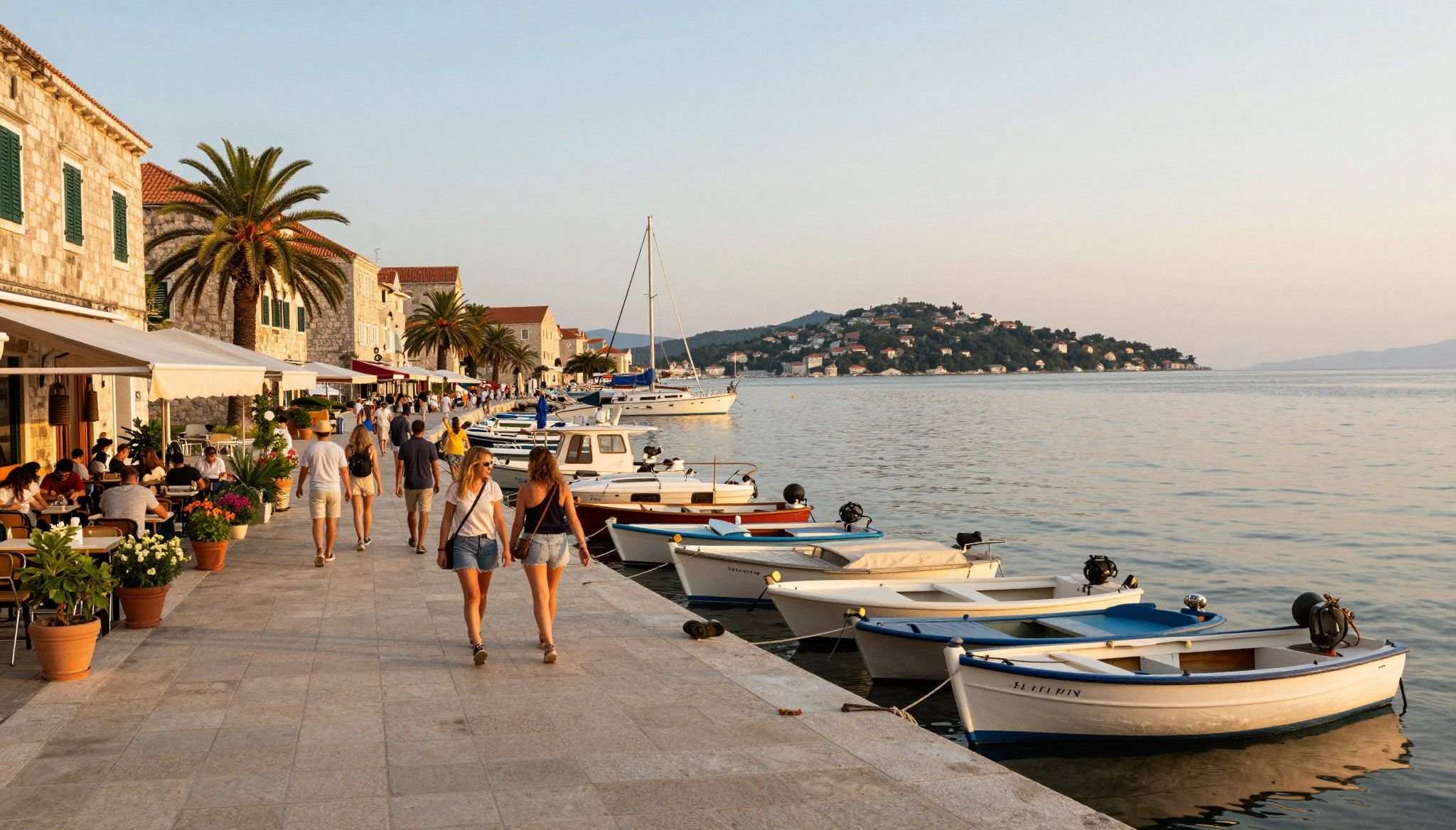
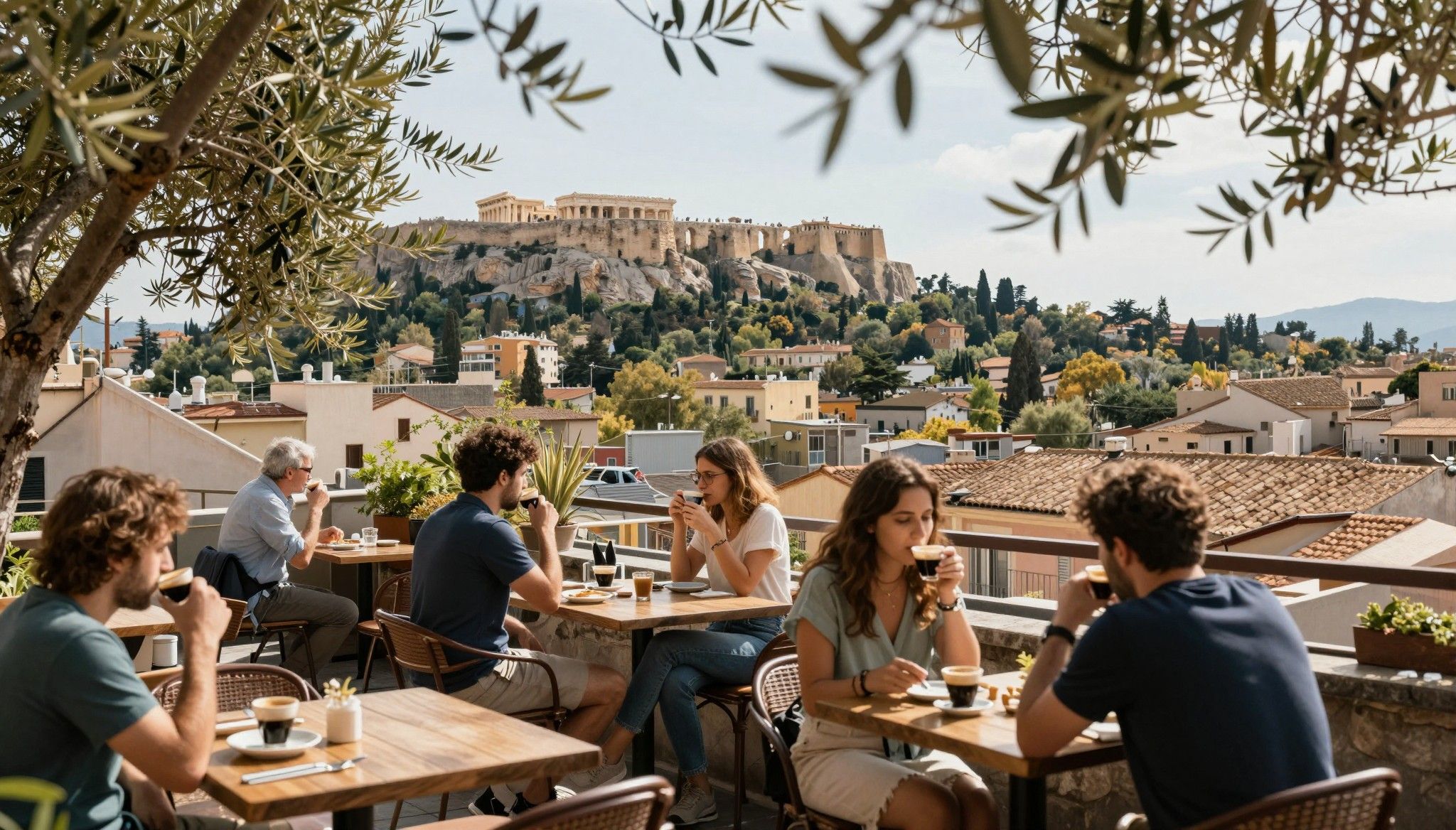
Imagine sipping espresso on a sun-warmed stone step in Split, the sea sliding quietly past fishing boats, while the neighbour tends a rooftop herb garden and the morning markets fill the air with orange zest and lavender. Croatia can feel like a lived poetry of sea, stone and long, low-slung sunsets — and that daily beauty changes what 'value' even means when you buy here. Yet behind those golden hours lie legal quirks, financing choices and surprising green incentives that reshape the real cost of homeownership.
Living Croatian Days: light, neighborhoods, rhythm
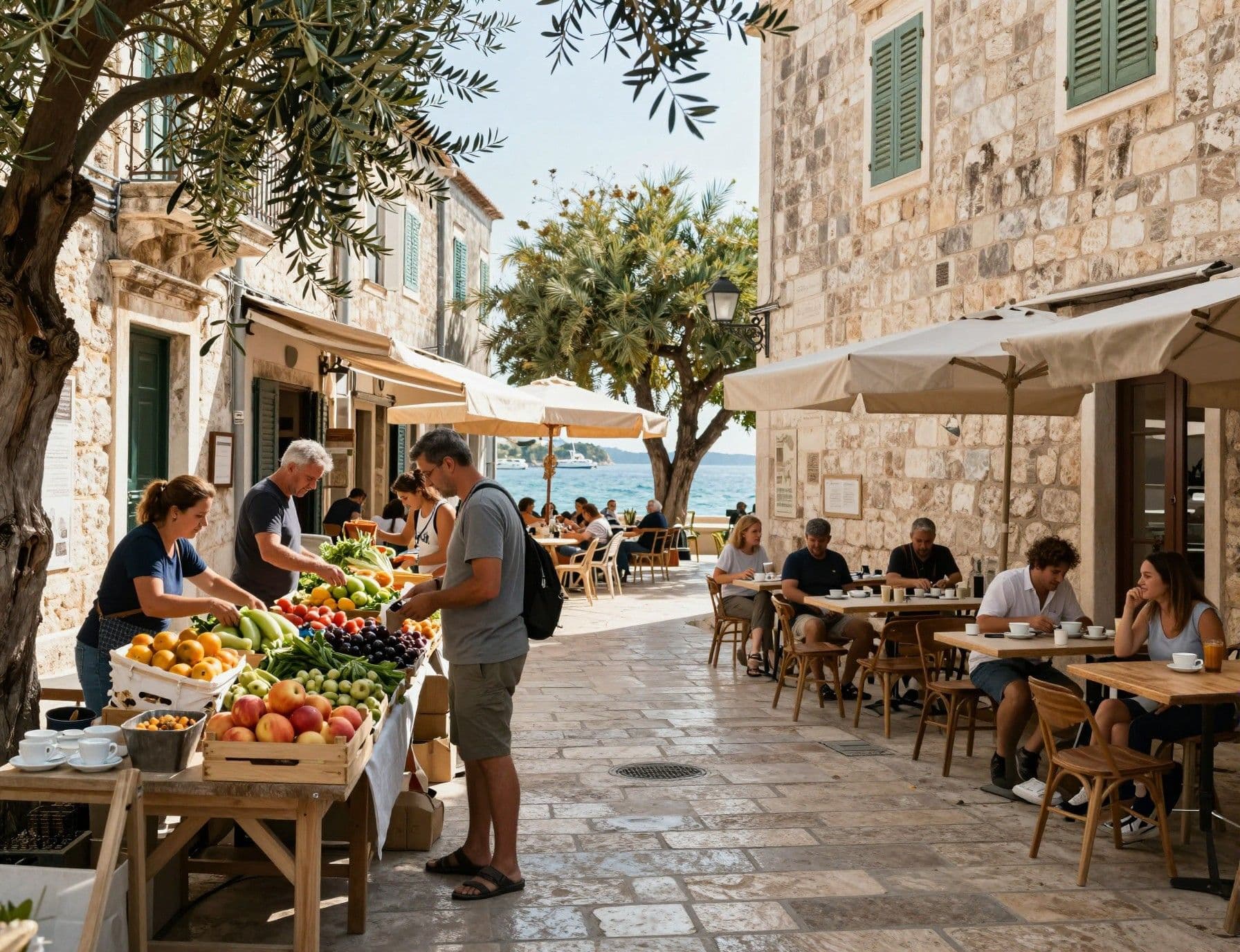
Croatia's tempo lives between Adriatic mornings and inland afternoons. In coastal towns you wake to harbour calls and promenade cafés; in Istria and Dubrovnik you feel history in limestone and shuttered windows. Inland, in Zagorje and Slavonia, life bends around vineyards, family-run markets and wood fires in winter. For buyers who prize seasonal cycles, local foodways and small-town neighborliness, the country is less a purchase and more a long, decanting relationship with place.
Dalmatian coast: promenades, stone houses, small harbours
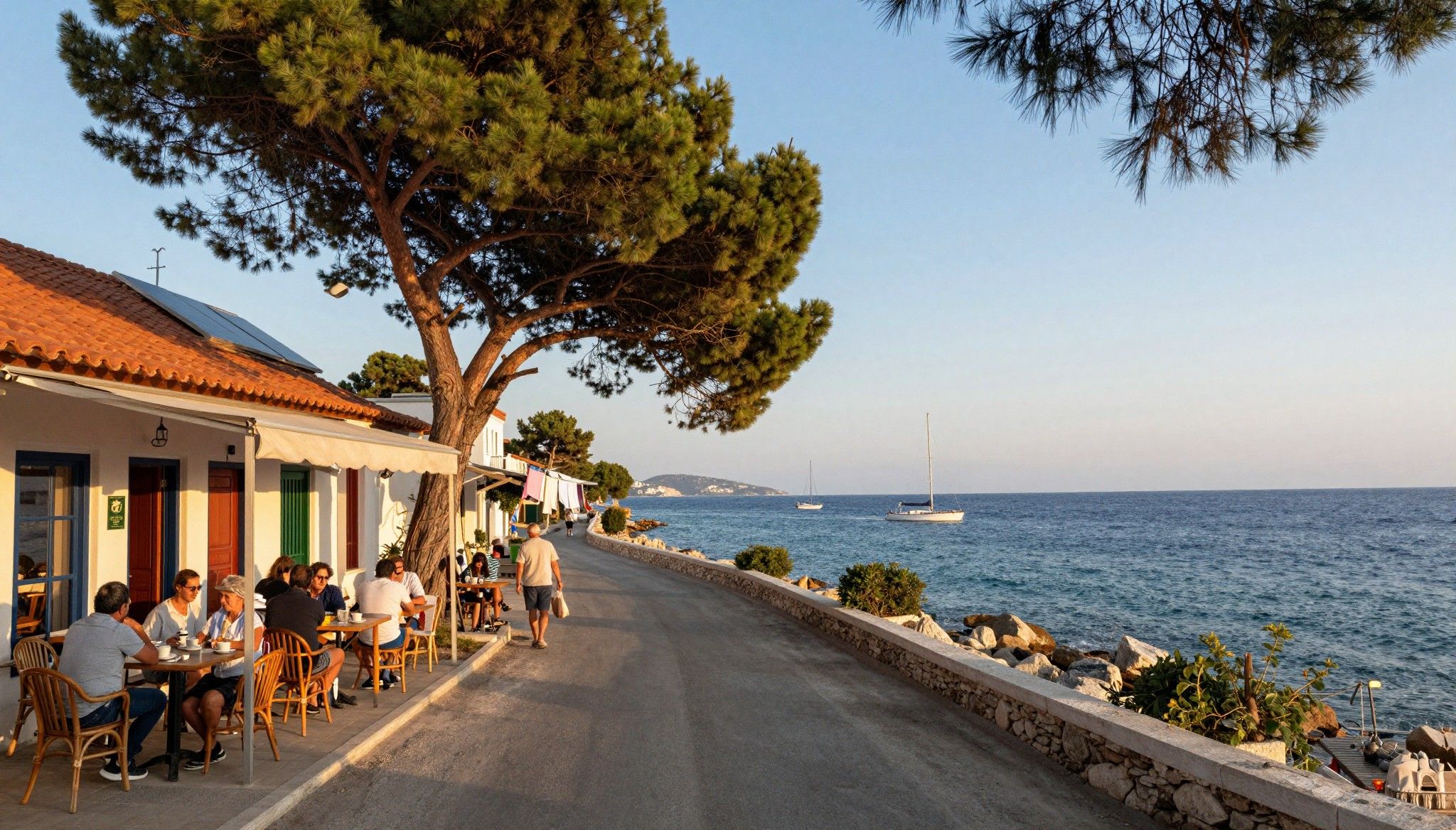
Walk the Riva in Split at 8am and you’ll meet bakers, fishermen and grandparents with coffee — later the same lane fills with island-hopping holidaymakers. Towns like Šibenik and Trogir still hold neighbourhood pockets where families know your name and terraces spill into the lane. These are places where a home with thick stone walls, a shady courtyard and a small olive tree becomes an everyday refuge rather than a postcard.
Istria & Kvarner: truffle woods, vineyards, slow food culture
Istria’s hill towns — Motovun, Grožnjan — smell of oak and truffle in autumn. Here, lifestyle buyers trade crowded beaches for winding stone roads, family-owned konobas (tavernas) and a culture of seasonal foraging. That life often pairs naturally with homes that use local stone, olive-oil barrels and thermal comfort rather than oversized HVAC systems — the skeleton of sustainable living already present in traditional construction.
Practical realities: when romance meets paperwork and finance
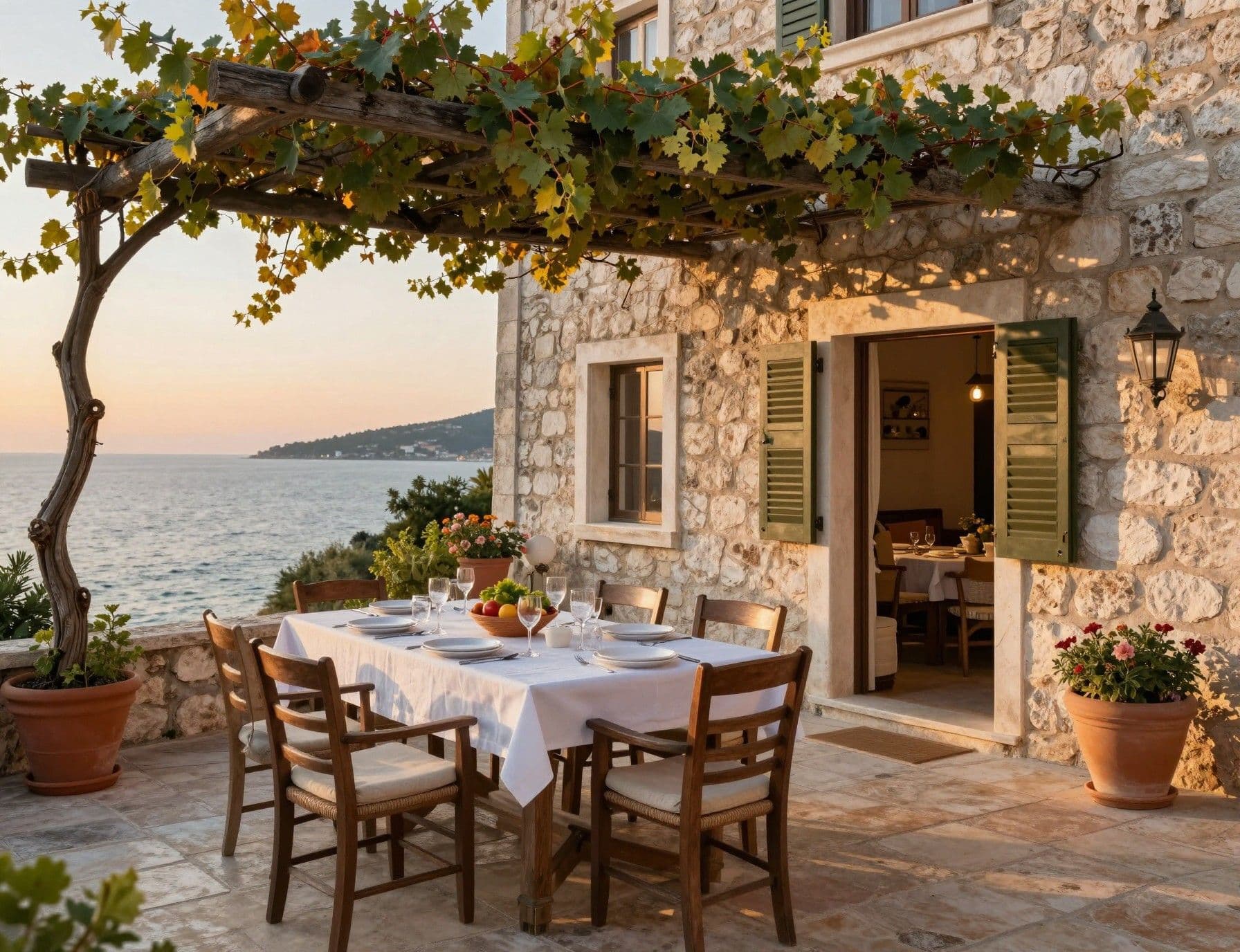
The dream of sunlit terraces must sit beside real steps: who may buy, what a bank will fund, and how ‘green’ features affect your mortgage. EU citizens enjoy the most straightforward path — they may acquire property under essentially the same conditions as Croatians — while non‑EU buyers usually need administrative consent under the reciprocity principle. Knowing this early saves wasted offers and emotional investment. (See official gov.hr guidance.)
Property types that match the lifestyle — and their finance fit
Stone village houses, modern coastal apartments and renovated rural farmhouses each come with distinct financing realities. New builds (novogradnja) typically have cleaner paperwork and are easier to mortgage; older stone houses enchant but may lack occupancy certificates or need renovation, which can limit mortgage offers. If you want an eco‑retrofit (solar, insulation, heat pump), plan for staged financing and use a local lawyer and mortgage broker familiar with Croatian documentation. Regional legal guides are indispensable at this step.
How local experts speed the practical side
A trustworthy local agency that speaks your language, a property lawyer versed in land registers, and a mortgage advisor who knows Croatian bank appetites are the trio that turns 'maybe' into 'closed'. Agencies are particularly useful for reading the neighbourhood — which lanes flood in winter, which roofs are concrete vs. tile, and which properties sit inside protected zones where building options are limited.
Money matters and green levers: financing that rewards stewardship
Croatia’s housing demand and loan landscape have shifted in recent years: housing credit growth and changing interest rates influence affordability and loan terms. The Croatian National Bank (HNB) notes housing loan trends and macroprudential indicators that every buyer should consider when timing an application or comparing offers. Aligning energy efficiency work with loan timing can unlock better terms and long‑term savings.
Green mortgages & renovation loans — the quiet advantage
Local banks and EU initiatives increasingly support energy upgrades. While Croatia’s green mortgage market is nascent compared with larger EU neighbours, buyers who present energy upgrades (insulation, solar PV, efficient heating) can often negotiate improved loan quotes, or combine standard mortgages with targeted renovation loans. Ask banks about green loan products, how they verify upgrades, and whether subsidies or EU schemes (regional energy funds) apply to your project.
- Quick checklist: financing and green considerations
- Confirm purchase eligibility (EU vs non‑EU) before making an offer. - Verify occupancy certificates and 'uporabna dozvola' to ensure bank financing eligibility. - Ask lenders (local banks) about green/renovation loan tie‑ins and documentation for energy upgrades. - Budget for staged renovations: structural, then efficiency, then comfort features (heat pumps, PV). - Use a lawyer for title and right‑of‑way checks — small local easements can become big lifestyle problems.
Insider knowledge: what expats say they wish they'd known
Culture, language and daily patterns
Expats often tell the same surprising truths: local bureaucracy rewards patience and personal relationships; Croatian business culture values clear paperwork and directness; and learning a few phrases opens doors. In coastal towns, community life revolves around shared outdoor moments — bakeries, markets, and family gatherings — so your neighbours matter as much as your mortgage rate.
Longer view: how a stewardship mindset shapes resale and living costs
Homes maintained with sympathetic materials and energy upgrades tend to age better in Croatia’s coastal climate; salt, humidity and sun are natural forces to plan for. Buyers who prioritise durable, local materials and invest in modest green upgrades (ventilated facades, lime plasters, shade plants) often find lower running costs and a more attractive resale story — a stewardship premium that markets are beginning to recognise.
- Step-by-step: how to marry lifestyle goals with a mortgage in Croatia 1. Confirm nationality eligibility (EU vs non‑EU) and the reciprocity implications. 2. Define lifestyle priorities: island calm, town bustle, vineyard life — this narrows property types and financing needs. 3. Order legal due diligence and check occupancy/use permits; lender pre-approval follows clean papers. 4. Present any planned green works to lenders early; explore renovation loans and regional subsidies. 5. Close with escrow practices and schedule staged renovations tied to lender milestones.
Final note: buying for life — small decisions that make big days
If the idea of Croatia hooks you — the market you enter will reward thoughtful, place‑centred choices. Choose homes that respect local materials and seasons, partner with local legal and financial guides, and treat energy upgrades as part of the lifestyle, not just a line in a budget. Do that, and the cost conversation changes: you pay not only for square metres, but for mornings of light, neighbourly markets and a home that breathes with its landscape.
Ready to take the next step? Start by checking eligibility and scheduling a local legal review; ask lenders about renovation and green loan options while you tour neighbourhoods in person. Small, local choices create the life you came for.
Norwegian market analyst who relocated from Oslo to Provence; guides investors with rigorous portfolio strategy and regional ecological value.