Coastal‑Forest Greece: Value, Lifestyle & Stewardship
Coastal forests in Greece offer year‑round lifestyle value—blend seasonal living with savvy due diligence and local stewardship for lasting returns.
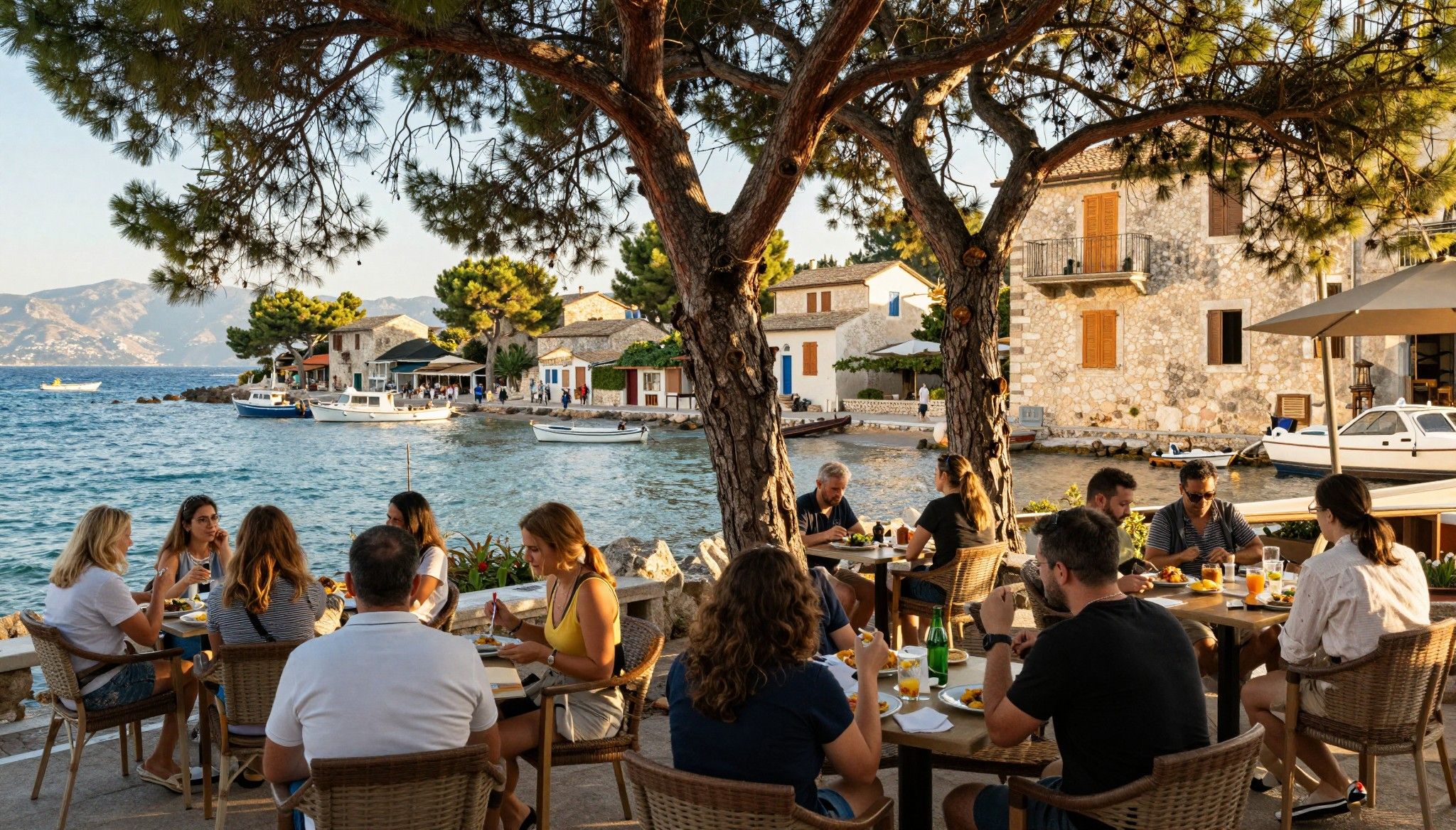
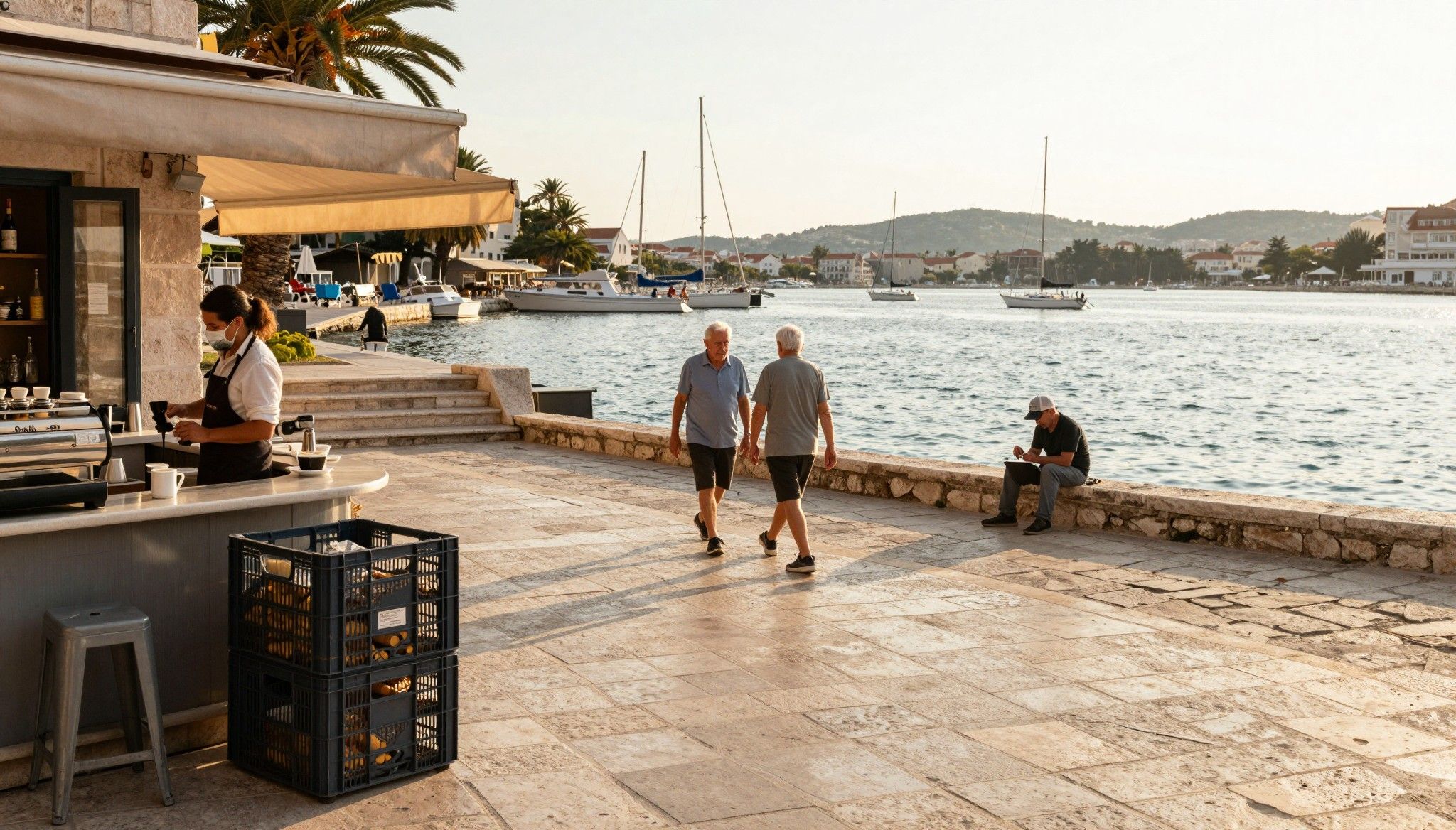
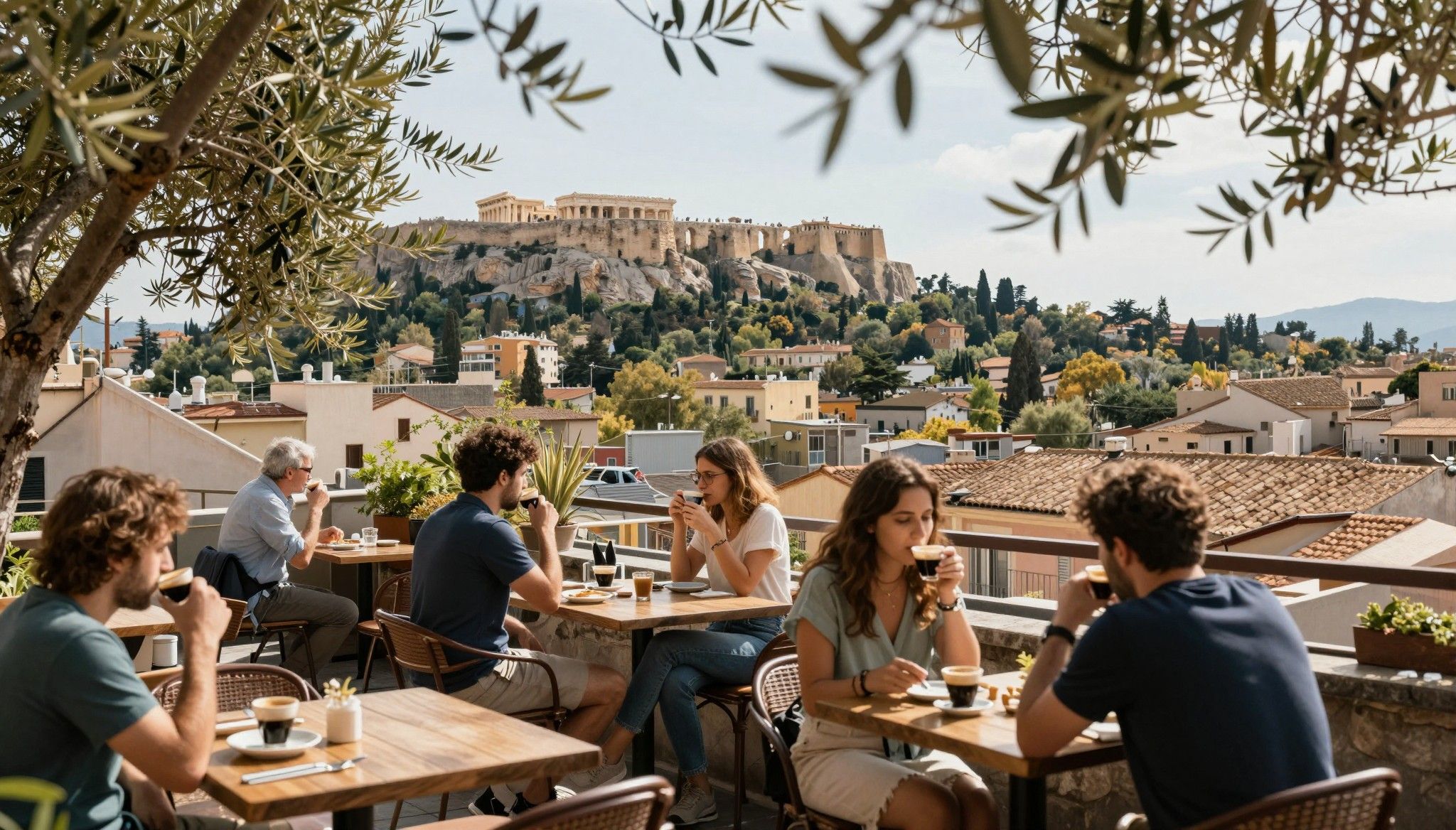
Imagine a morning in Greece where the sea-salt wind threads through pine and olive trees, and a small café on a shaded square pours the first freddo espresso of the day. Coastal forests—the fragrant scrub and umbrella pines that meet craggy shoreline—shape a slower rhythm: walks at dawn, markets by noon, long dinners under bougainvillea. For eco-minded buyers this landscape is not a backdrop but the house’s partner: stone walls that breathe, solar canopies buffered by trees, gardens that feed a table. This piece mixes the sensory promise of verdant Greek coasts with the practical signals an international buyer needs to make a confident, place-first decision.
Living the Greek Coastal‑Forest Life
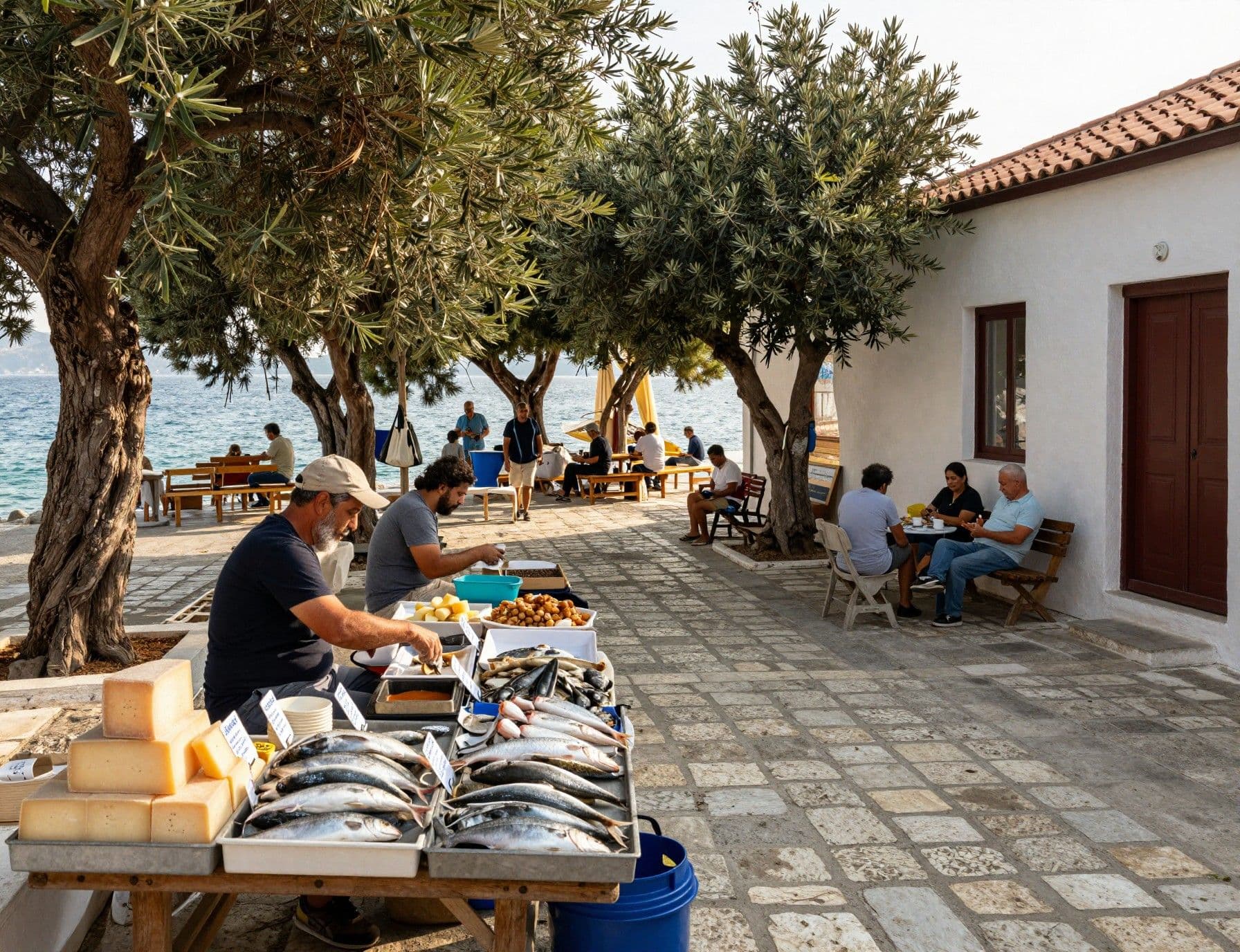
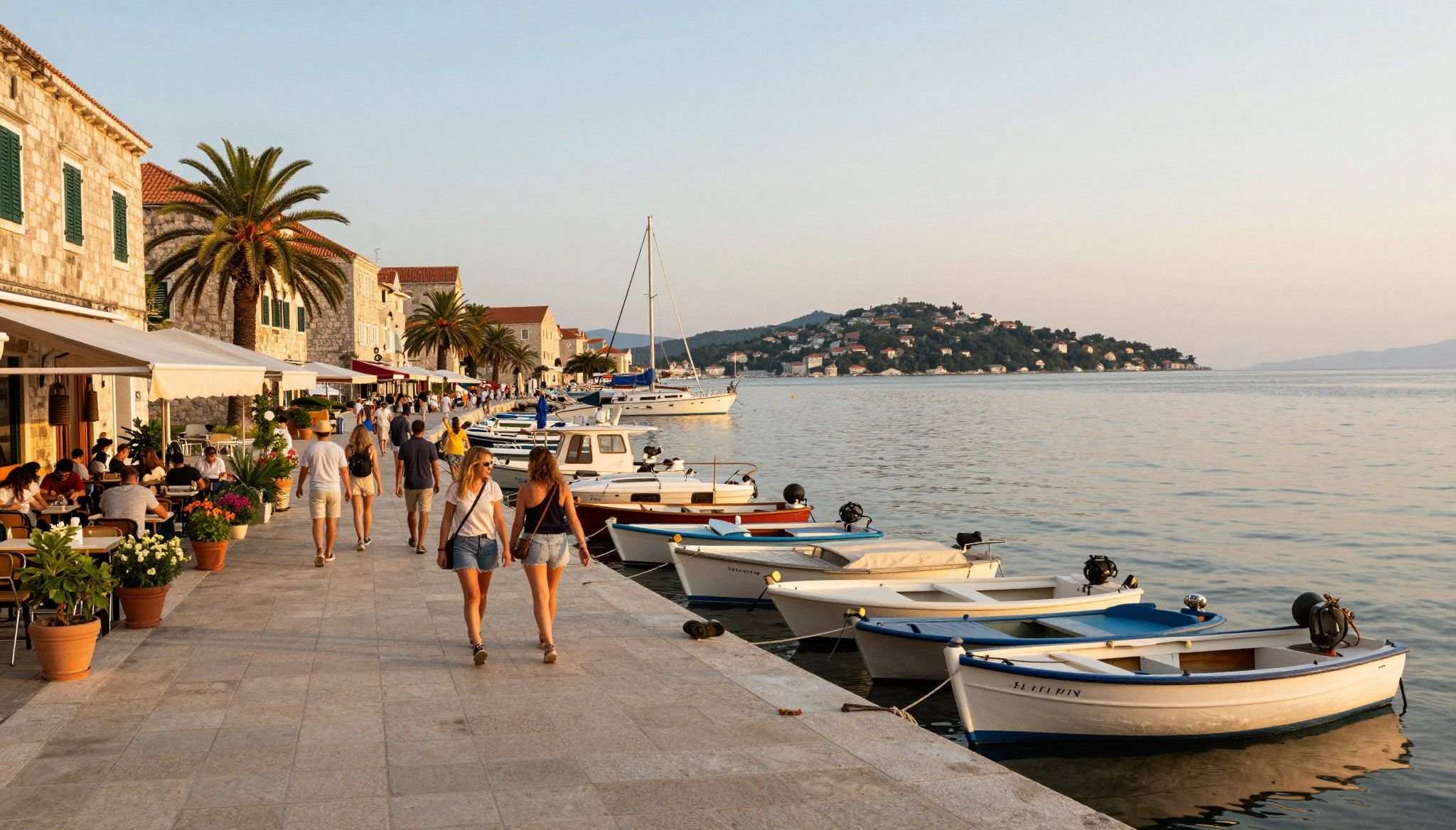
Life where pine meets the Aegean is defined by texture: the crunch of stone-paved lanes, the resin smell after rain, and the hush of evening cicadas. Neighborhoods here are often clustered villages—wooden shutters, tiled roofs, and gardens built from local stone—where local cafés double as community noticeboards. Days are spent between small farms, family-run tavernas, and hidden coves; evenings are for neighbours passing by with figs or jars of local honey. For buyers, this means properties designed for seasonality and outdoor living, not anonymous high-rise comfort.
Spotlight: Pelion & Northern Euboea — forests on the sea
Pelion’s narrow lanes—think Makrinitsa’s stone steps and the cedar-shaded paths—feel like a village preserved for slow living, with beaches a short drive away. Northern Euboea, by contrast, stitches pine-clad hills directly into long sandy bays where small ports still land the day’s catch. Both areas balance seclusion with the infrastructure buyers want: short drives to regional towns, winter services, and pockets of expat community that help newcomers settle. If you want a home that lives with the forest rather than against it, these micro-regions are instructive for what to look for and what to avoid.
Food, markets and the daily ritual
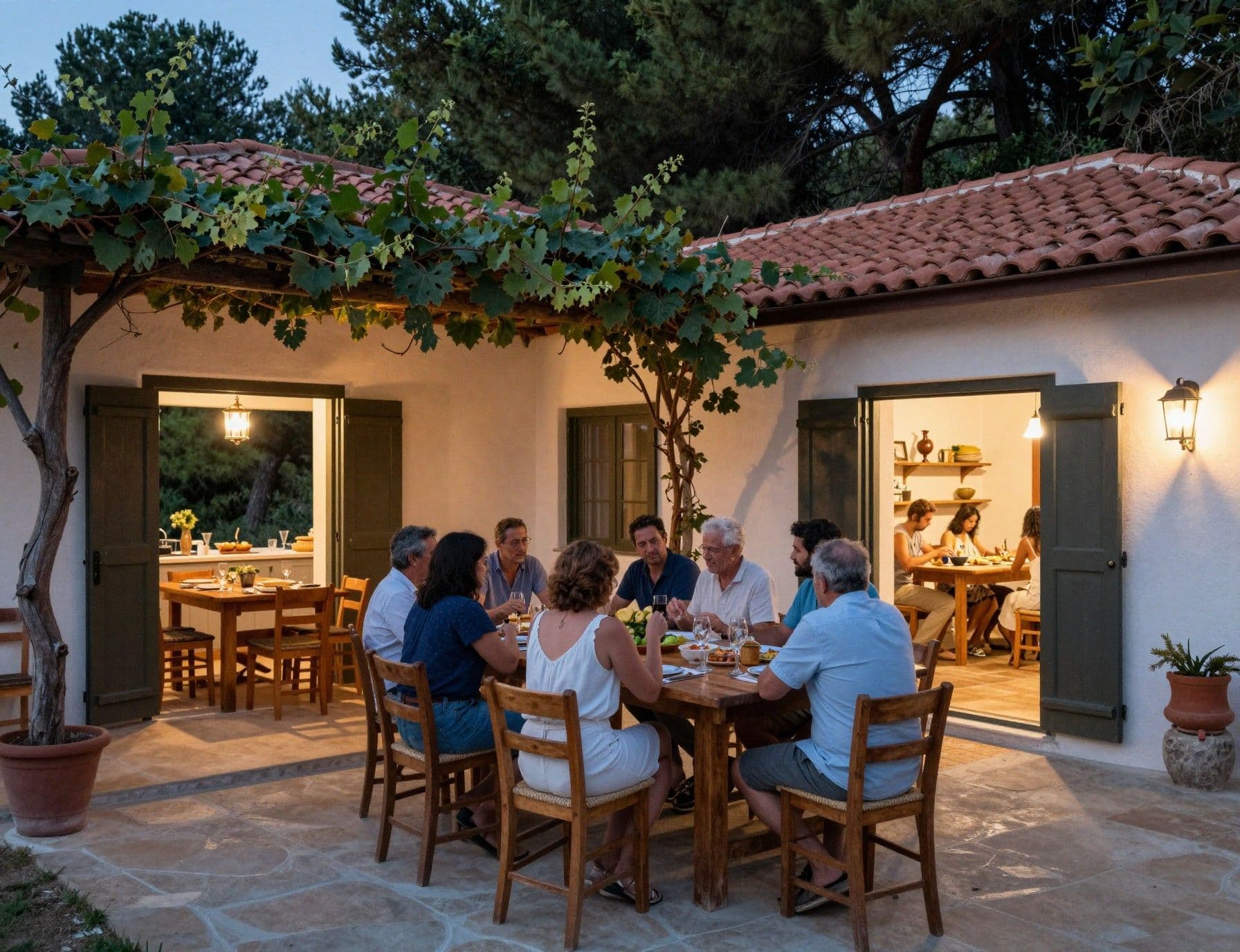
A weekday morning in a coastal-forest town often begins at a family bakery and a market stall selling island cheeses and wild greens. You’ll learn the rhythm of local producers—olive pressings in autumn, chestnut festivals in mountain hamlets, and fish arriving for evening plates—and this seasonal cadence informs how you garden, what you store, and how you entertain. Eating locally is easy here: many homes have terraces designed for open-air cooking, and small orchards or terraces for herbs change how a house feels and functions. These culinary textures matter: they influence resale appeal, rental desirability, and the everyday joy of living in such places.
Making the Move: Practical Considerations
The dream of green coast living must meet market reality. Greece’s housing prices rose through 2024–2025 and continued to show positive—though moderating—growth into 2026, with Bank of Greece indexes reporting year‑on‑year increases across regions. That means desirable coastal-forest spots are in demand, and supply remains constrained in many areas, especially where renovation of old stone houses is limited by terrain. Understanding recent price trends, regional supply dynamics, and local planning rules is essential before you fall in love with a house on sight.
Property styles that suit a verdant coast life
Stone cottages with thick walls, timber verandas, and tiled roofs are the archetype here; they naturally moderate heat and fit the landscape. Newer low‑rise builds with green roofs and photovoltaic arrays appeal for convenience and energy independence, but check how visible they are from public paths—local planning and neighbour sentiment matter. Renovation projects can be deeply rewarding, letting you marry traditional materials with modern insulation, rainwater capture, and passive cooling. For many buyers, the trade-off is patience: restoration yields character and sustainability, while turnkey homes buy immediate ease.
Working with local experts who keep the land in mind
- Choose agents who know microclimates, traditional materials, and local building codes. Look for lawyers who understand recent investor-residence thresholds and regional exceptions, since residency rules changed in 2024 and have important location-based thresholds. Engage architects familiar with passive design and local craft masons for authentic, low-impact restorations. Finally, consider a local property manager steeped in seasonal rental rhythms if you plan to let the home when you’re away.
Steps to marry lifestyle and logistics before you buy
- 1. Visit across seasons: spend time in summer and winter to see how the place breathes and whether services run year‑round. 2. Commission a site‑specific survey: check wildfire risk, slope stability, water access and microclimate before offers. 3. Ask for energy and water bills: learn how the home performs and what upgrades are realistic. 4. Build in restoration time and budget: traditional masonry work and permitting can stretch timelines but raise value. 5. Confirm local planning for renewables: rooftop solar, storage and permitted water capture are key to long-term low-impact living.
Insider Knowledge: What Expats Wish They’d Known
Expats often arrive enchanted, then learn the subtler lessons: community ties are built slowly here, seasonal access can define social life, and small maintenance tasks take on outsized importance. Many buyers tell us they underestimated winter logistics—local markets thin, some ferries reduce runs, and heating needs change how you use a home. Conversely, those who embraced the rhythm—cultivating friendships with neighbours, learning a few phrases, and investing in a wood-burning or solar system—report deeper satisfaction and lower long-term costs.
Cultural integration and everyday life
Learn the local cadence: midday pauses, late dinners, and hospitality rituals such as sharing a plate inform how you host and garden. Language matters—basic Greek opens doors to markets, councils, and tradespeople—and investing the effort pays in both price and quality of local work. Small acts—attending a village festival, joining a beach‑clean day, or buying from the same olive press—build roots faster than any property purchase.
Long-term stewardship: how your house becomes part of a landscape
Think of ownership as custodianship: choose materials and systems that heal rather than harm the slope and shore. Simple interventions—permeable paths, native planting to stabilise soil, shaded terraces to reduce cooling needs—pay social and financial dividends. If you’re serious about a low‑impact life, budget for community contributions: supporting local waste collection, joining reforestation efforts or funding a public water tank helps preserve the very qualities that made you buy.
Red flags to watch for in verdant coastal properties
- Unresolved access rights to coastal paths or tracks; signs of hillside erosion or recent heavy patching; no proof of planning permission for terraces or extensions; lack of documentation on water rights or boreholes; properties priced well below market with vague ownership history.
When the dream is clear—pine, sea, a small orchard—set practical guardrails. Use trusted local agents, commission environmental and structural surveys, and plan for a year of seasonal living before you commit. If the goal is to join a living landscape rather than own a postcard, the rewards are profound: a house that cools itself, neighbours who bring you figs, and a coastline that feels like home. Reach out to a stewardship-minded agency who can show you both the place and the promise.
Dutch property strategist who helped 200+ families find sustainable homes in southern Europe; expert in legal pathways and long-term stewardship.