Buy in Croatia After Summer: A Stewardship Playbook
Why buying in Croatia after summer often leads to calmer negotiations, smarter stewardship clauses and better long‑term living — backed by national housing data.
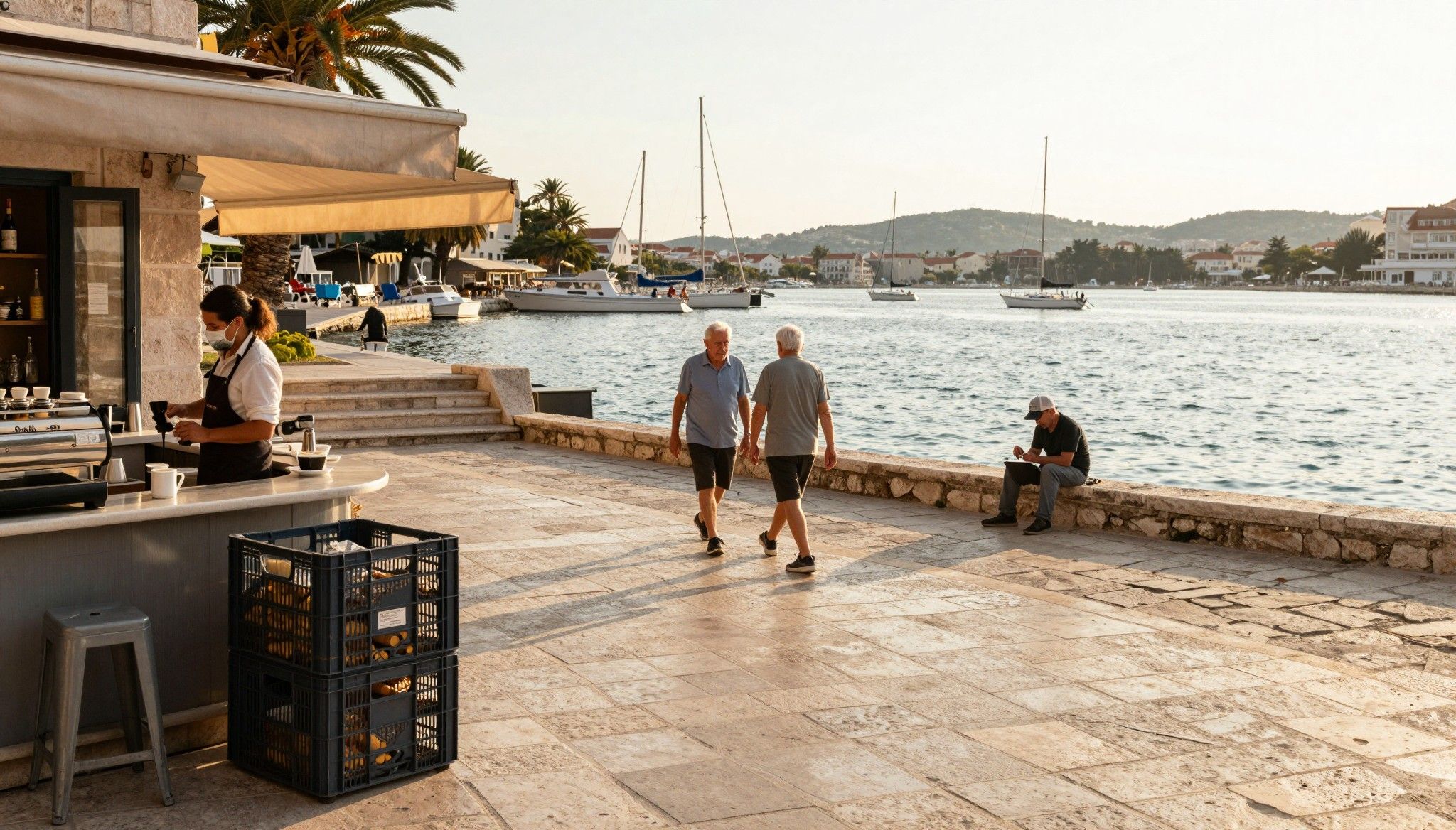
Imagine stepping out at dawn into a stone‑paved square in Split, the smell of espresso and grilled sardines mingling with salt air, while a few shutters still close after overnight tourists. That quiet first light — when locals sweep terraces, bakers pull out loaves, and the coast exhales — is the moment many of us start to feel like we actually live here. In Croatia that everyday intimacy matters for buyers: lifestyle rhythms shape property value, closing choices and everyday stewardship more than flash market headlines. According to recent Croatian house‑price data, coastal and city markets have seen strong growth, but transaction volumes and seasonality change the negotiation landscape.
Living the Croatia life: what you wake up to
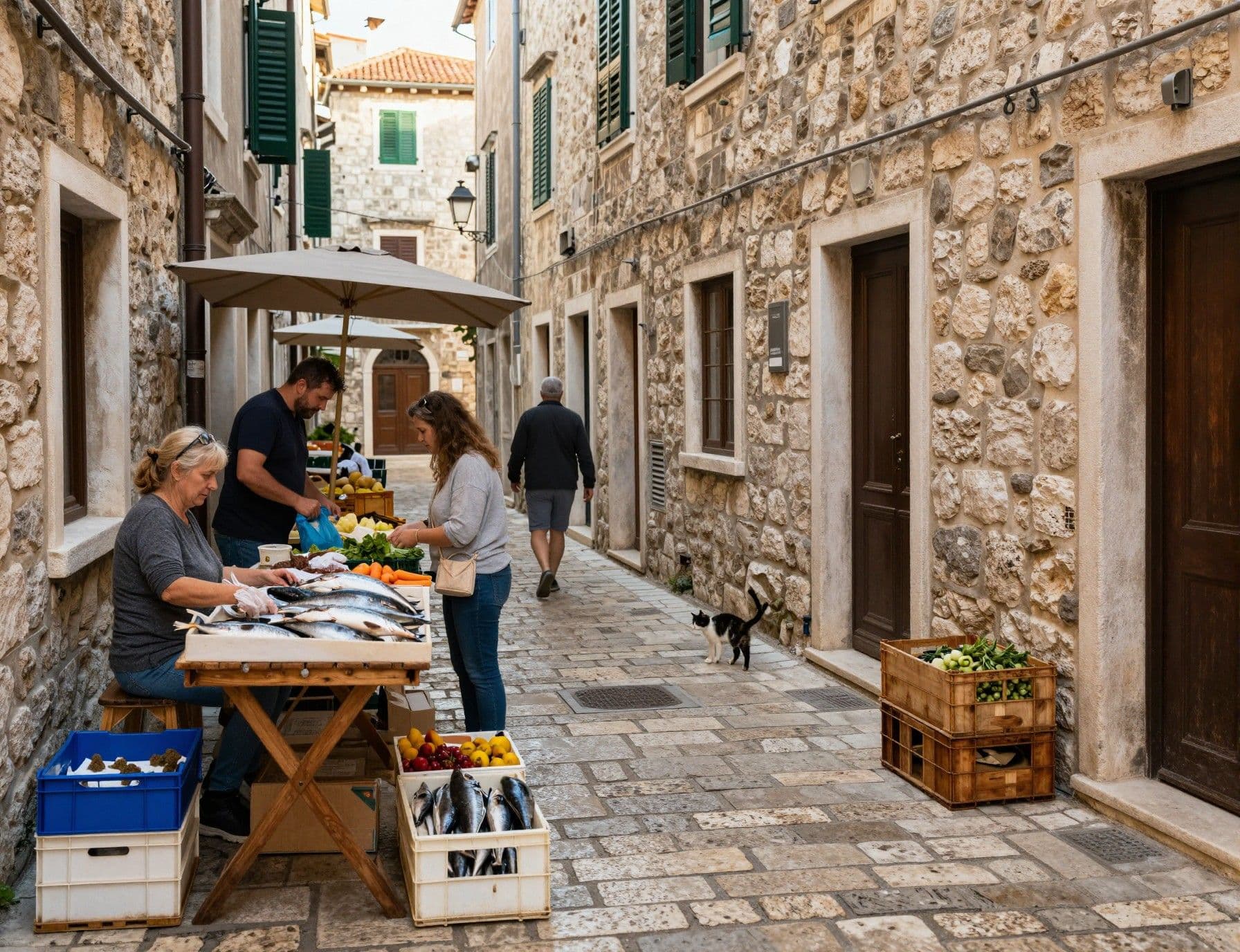
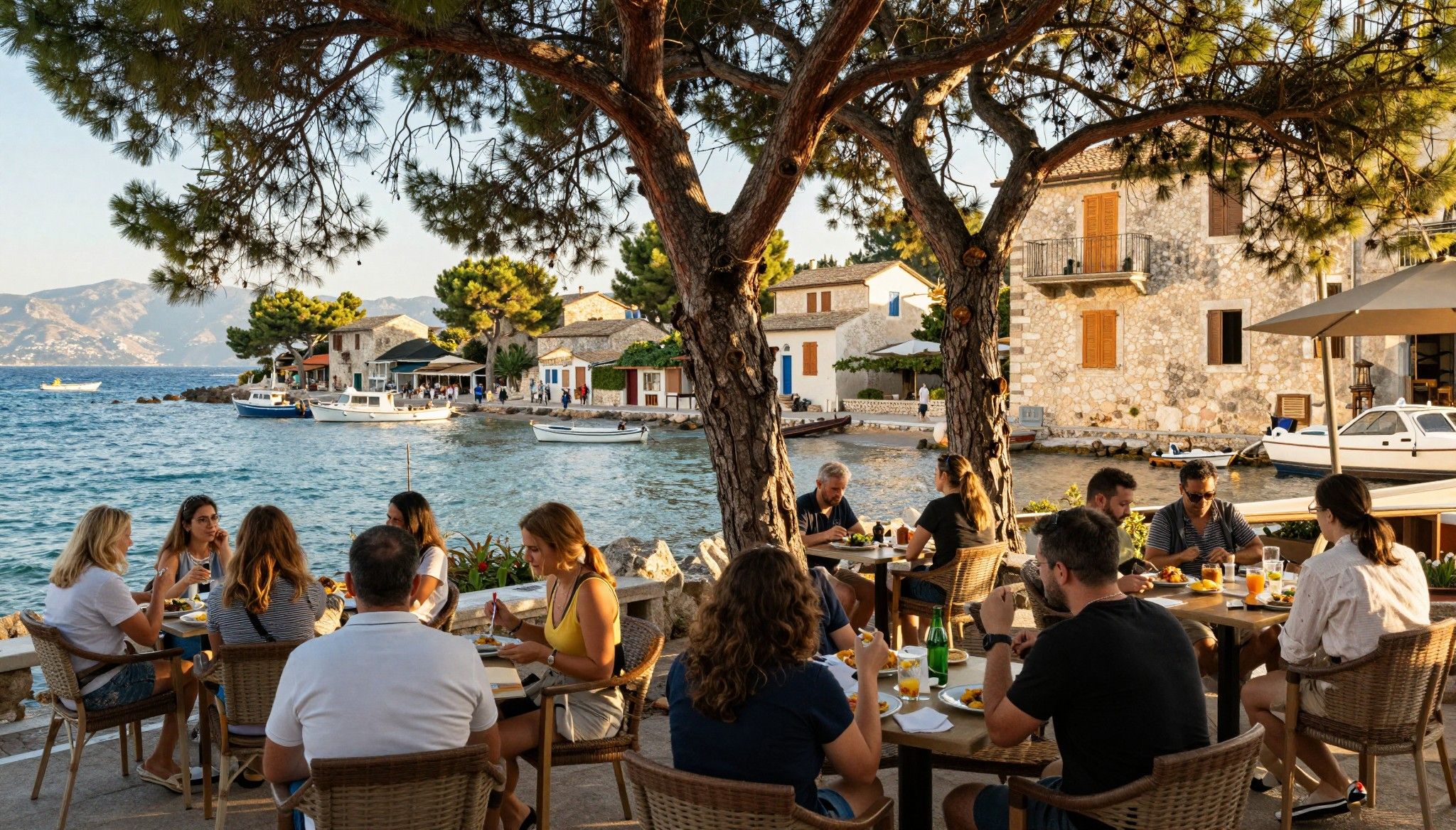
Mornings in Croatia read like a small‑town novel whether you choose Dubrovnik’s walled promenades, Zagreb’s tree‑lined Ilica, Rovinj’s cobbled lanes, or a quiet Istrian hamlet. The rhythm is seasonal: winter fog rolls off the inland hills, while summer brings festival crowds and late‑night konoba conversations. For buyers this temperament matters — a home by the sea feels different in October than July, and that difference should shape negotiation timing and closing conditions.
Zagreb, Split and the Islands: three distinct mornings
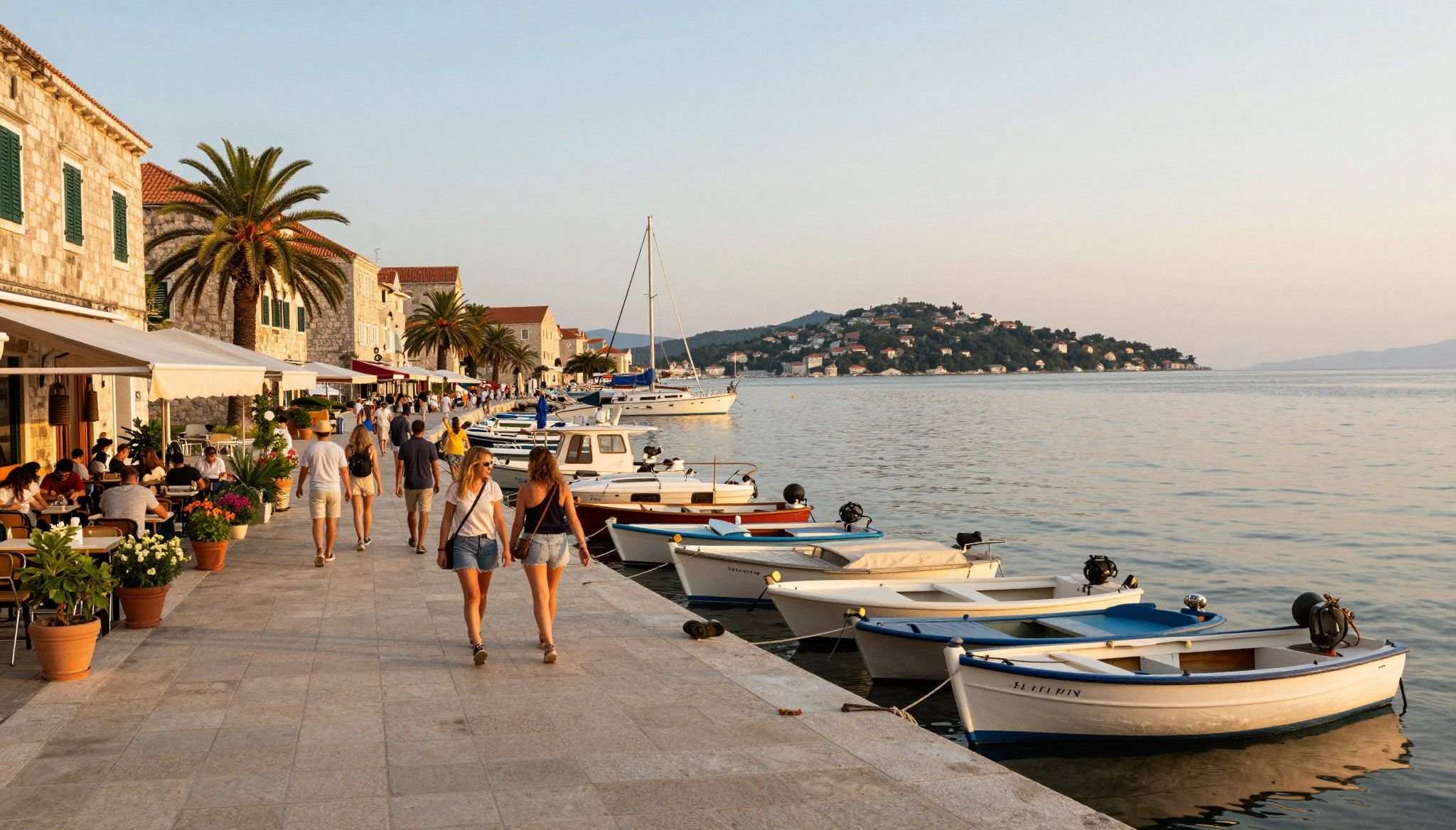
Wake in Zagreb and you find cafés on Tkalčićeva humming with bakers and office‑goers; in Split, locals collect fish at the Riva and afternoon siestas are still honoured; on the islands like Hvar or Brač, life orbits small markets, olive groves and terraces with stone walls. These neighborhood textures decide what property features you actually need — courtyard gardens for summer shade, thick stone walls for winter warmth, and cisterns or water‑wise landscaping where municipal supply is seasonal.
Food, markets and the home you keep
Saturdays are market days: think fresh anchovies on the Dalmatian coast, truffles in Istria, and seasonal figs in Konavle. Properties with a small courtyard or a sunlit kitchen become living hubs. When you negotiate, factor in lifestyle costs — room for drying figs, storage for olive oil, or a modest workshop for local crafts — because these add real utility that agents who focus only on square metres often miss.
- Lifestyle highlights: everyday places that shape property desirability
- Morning espresso in a corner konoba (Split’s Riva, Tkalčićeva in Zagreb).
- Weekly pazar markets with growers and fishermen (ideal for homes with pantry space).
- Coastal swims at dawn and late‑season coves (look for safe boat moorings and local access rights).
- Stone terraces, olive groves and small vineyards — properties with maturing trees often have better long‑term warmth and microclimate resilience.
Making the move: stewarded negotiation and closing
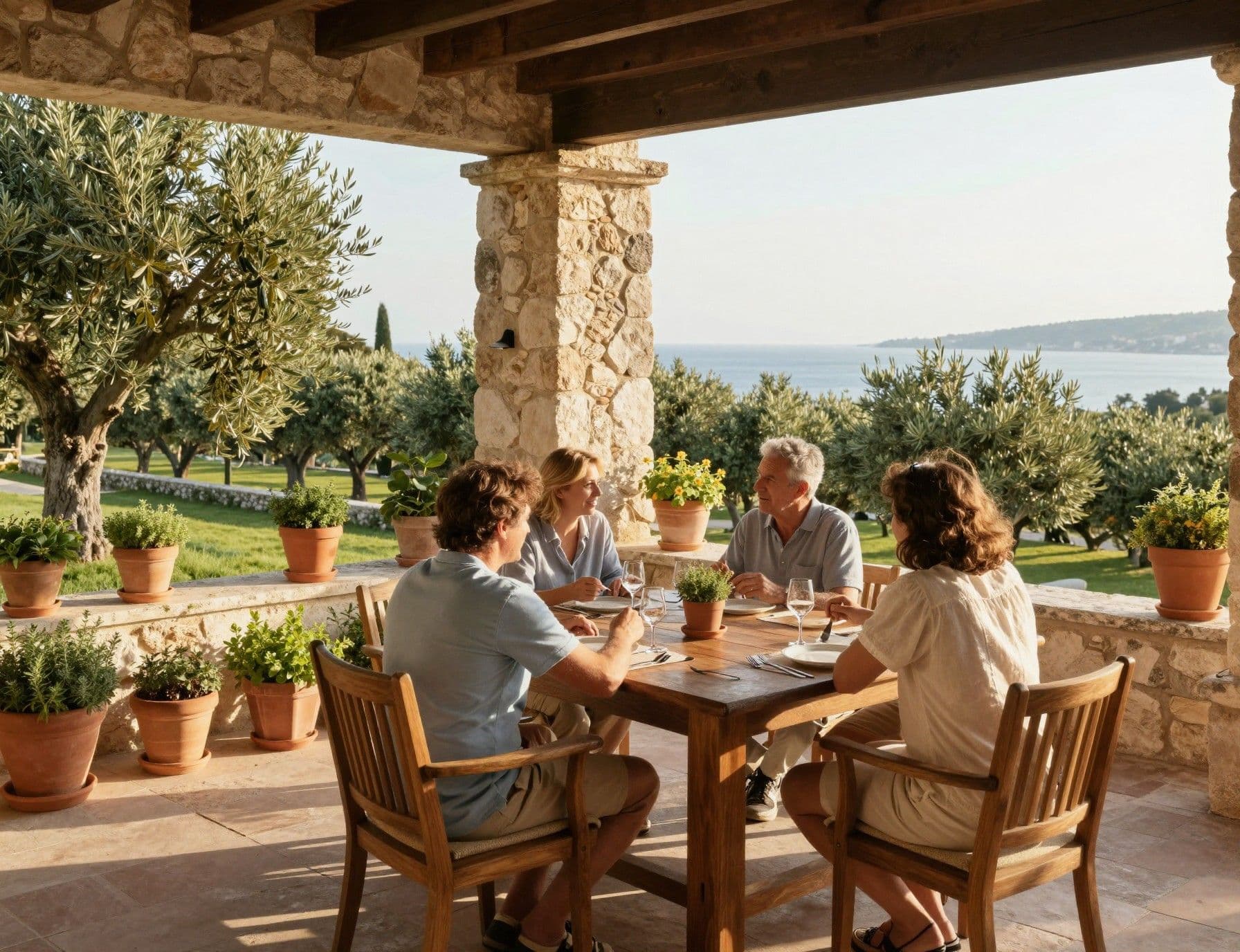
Dreams are easy; closings are procedural. For international buyers the two most important practical truths are reciprocity rules (which countries may need administrative consent) and strong seasonality in listings and sales. Government guidance shows EU citizens enjoy parity, while many non‑EU nationals must request official consent — a step that changes negotiation windows and can lengthen closing. Good agents treat that administrative timeline as part of a stewardship plan, not an afterthought.
Property styles and how they shape negotiations
Stone town apartments, modern Adriatic villas, rural Istrian stone houses and new builds each bring distinct closing risks. For example, historic stone flats often have complex co‑ownership rules for shared staircases and roofs; newly built coastal villas may lack full coastal access documentation. When negotiating, add conditional clauses for roof repairs, shoreline access, or shared‑space maintenance and insist on a clear record of past works — these small stewardship clauses save months of headaches after you move in.
Working with local experts who steward your vision
Choose agents who speak the rhythm of place: someone who knows a Split summer street schedule and a Zagorje winter wind is worth their weight in draft contracts. Look for advisers who can bundle legal counsel, a notary fluent in English, and a local conservation architect if you plan restoration. These specialists create closing checklists that protect both ecological assets (olive trees, cisterns, protected flora) and your investment.
- Stewardship‑minded closing checklist (practical steps)
- Request reciprocity/consent timeline early (non‑EU buyers): lodge formal consent applications as soon as an offer is accepted.
- Insist on a technical inspection with local materials checklist (stone, lime mortar, roof tiles) and include remedial cost caps in the contract.
- Add a six‑month post‑closing stewardship holdback for major communal works (roof, façade, shared seawall access).
- Secure utility and cadastral extracts (not older than six months) and confirm coastal access rights with the local municipality.
Insider knowledge: expat lessons and surprising tradeoffs
Expats often tell the same story: they fell in love with a summer snapshot, then discovered winter was a different country. That’s not a flaw — it’s a feature. Buying off‑peak (late autumn or winter) can yield calmer negotiations and more realistic seller expectations, especially when coastal owners are not riding peak rental demand. But beware the 'summer illusion' — properties that look flawless in July may reveal damp, ventilation, or access issues in November.
Cultural cues that shape stewardship
Croatians take long‑term care of family homes; neighbours expect shared maintenance on stairs, roofs and olive groves. Respecting those unspoken rules — contributing to communal repairs, using traditional lime mortars in restoration, or agreeing annual contribution to shared seawalls — smooths post‑purchase life and preserves value. Good stewardship is local behaviour, not just a line item in a maintenance budget.
Long‑term lifestyle and sustainability considerations
Think beyond purchase: harvestable land, solar orientation, rainwater capture and mature trees reduce running costs and deepen your bond with place. In regions where tourism drives prices, consider stewardship clauses limiting short‑term rental density or defining low‑impact guest rules. These choices may slightly reduce rental yield but lift long‑term neighbourhood health and your daily quality of life.
- Practical red flags to spot before you sign
- Missing cadastral extracts or utility certificates (ask for them, dated within six months).
- Unclear shared‑space obligations (roof, courtyard, seawall) — demand written rules and a reserve fund.
- Overstated rental income based on high summer occupancy — ask for year‑round figures.
- Absence of a professional technical inspection or costed remedial estimate for historic properties.
Conclusion — steward your closing, live the life
If Croatia seduces you with sun, sea and slow meals, let the practical side be an act of care. Time your offers outside the summer rush, fold stewardship clauses into contracts, and partner with agents who know both municipal paperwork and olive‑tree maintenance. The result is not just a signed deed but a house that ages gracefully with the landscape — and a life that feels truly Croatian.
British expat who traded Manchester for Mallorca in 2017. Specializes in guiding UK buyers to luxury Spanish estates with clear navigation of visas and tax.