Where Greece’s Renewables Add Real Value
Where Greece’s renewable projects and local stewardship turn dreamy Mediterranean living into reliable, year‑round life—practical checks and village insights for buyers.
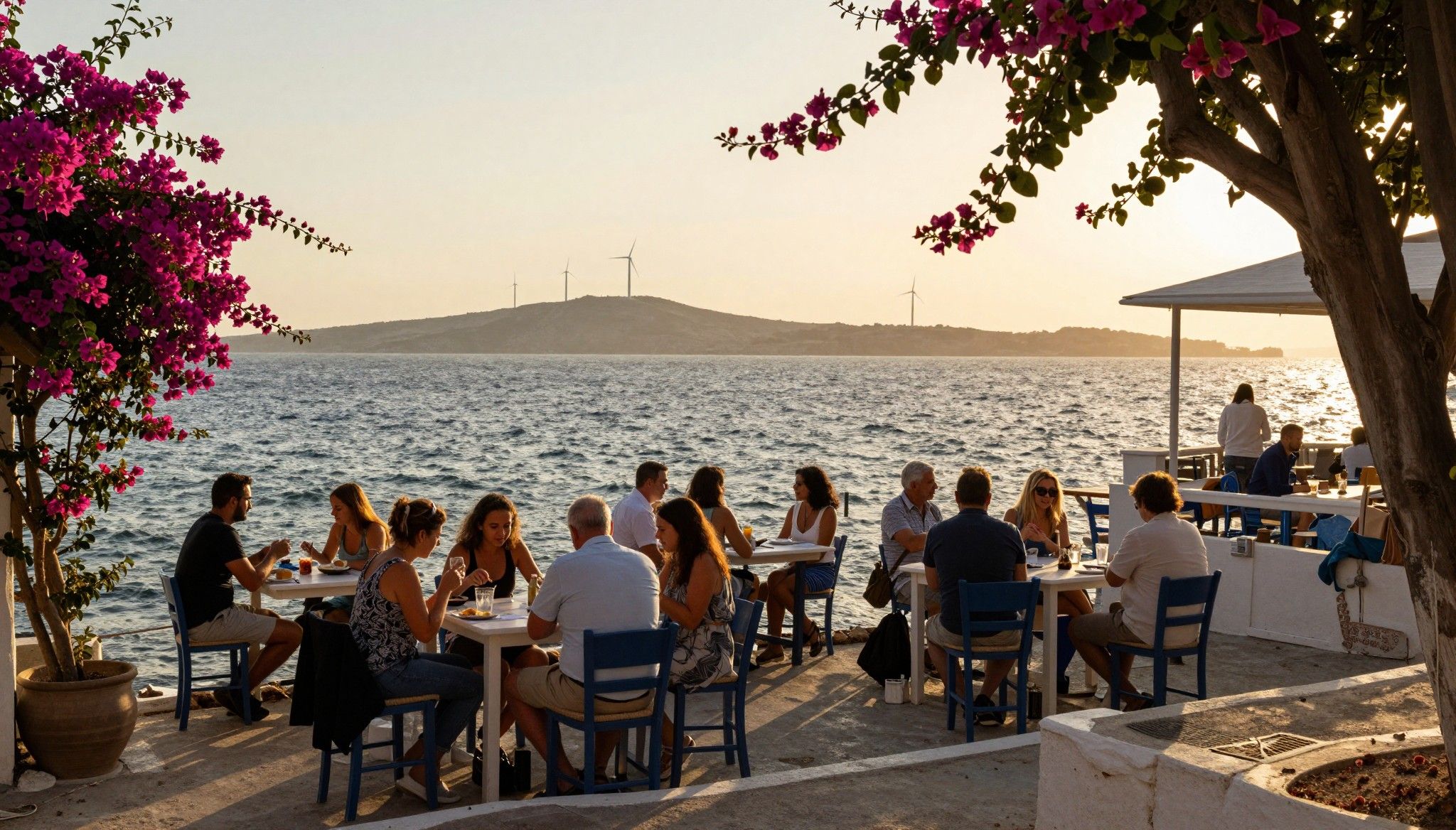
Imagine waking to cicadas, stepping onto a stone terrace warmed by morning sun, and seeing a small solar array and olive trees sharing the slope below. In Greece this is not a brochure fantasy but an everyday possibility where renewable infrastructure and traditional landscapes meet. For international buyers attracted to low‑impact living, the real question is less “can I have beauty?” and more “where in Greece will green investment actually change my daily life and property value?”
Living the Greek lifestyle where green infrastructure matters
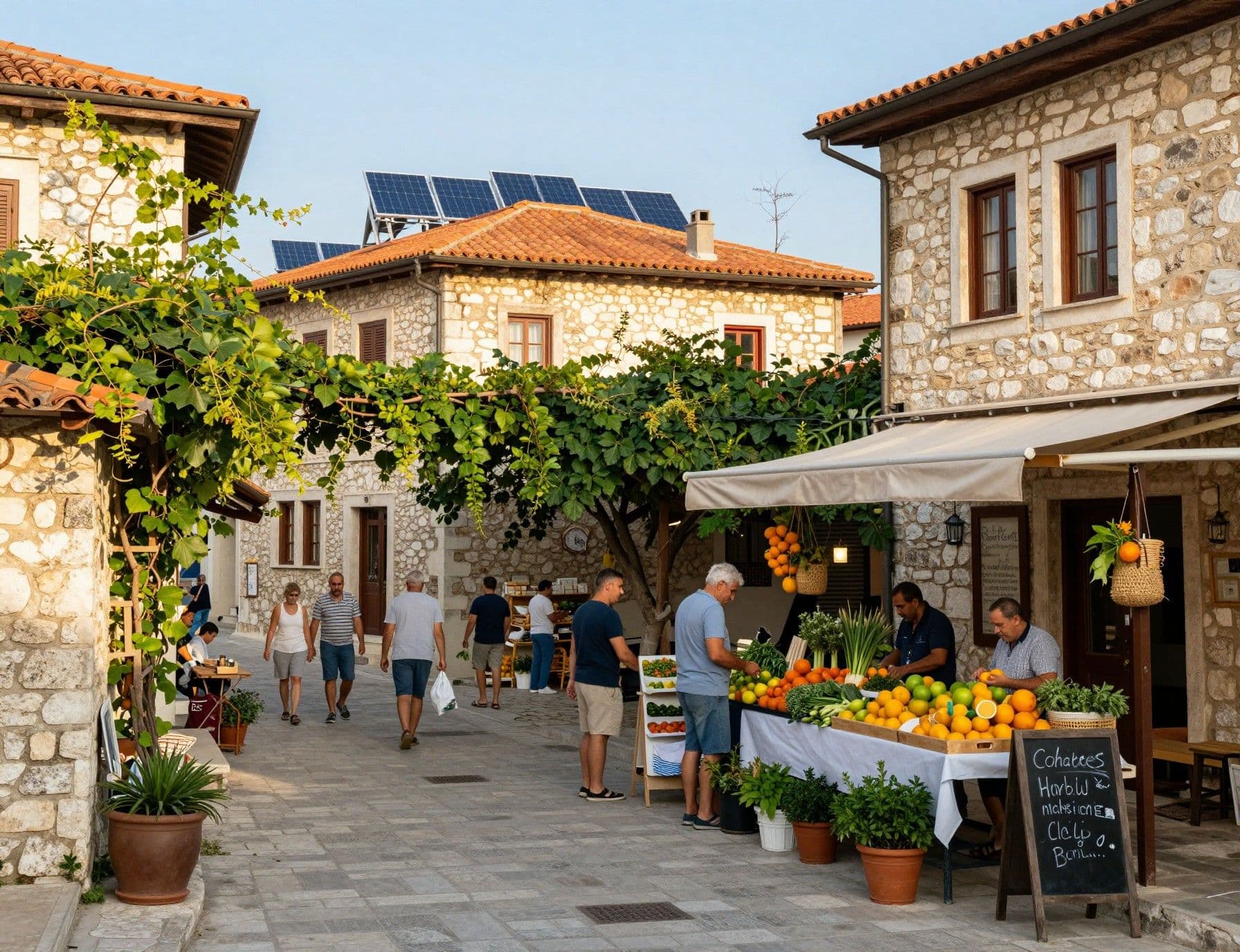
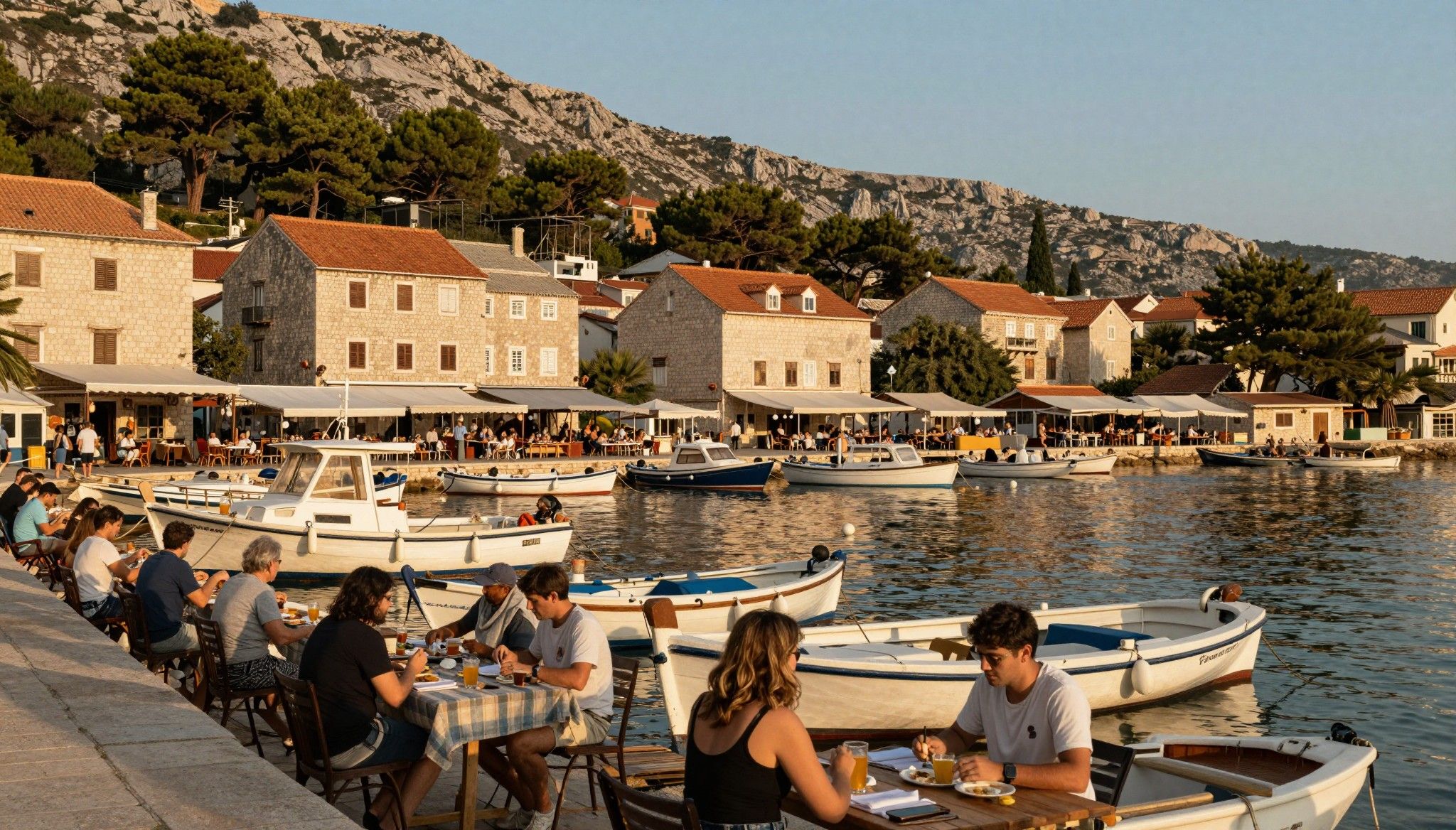
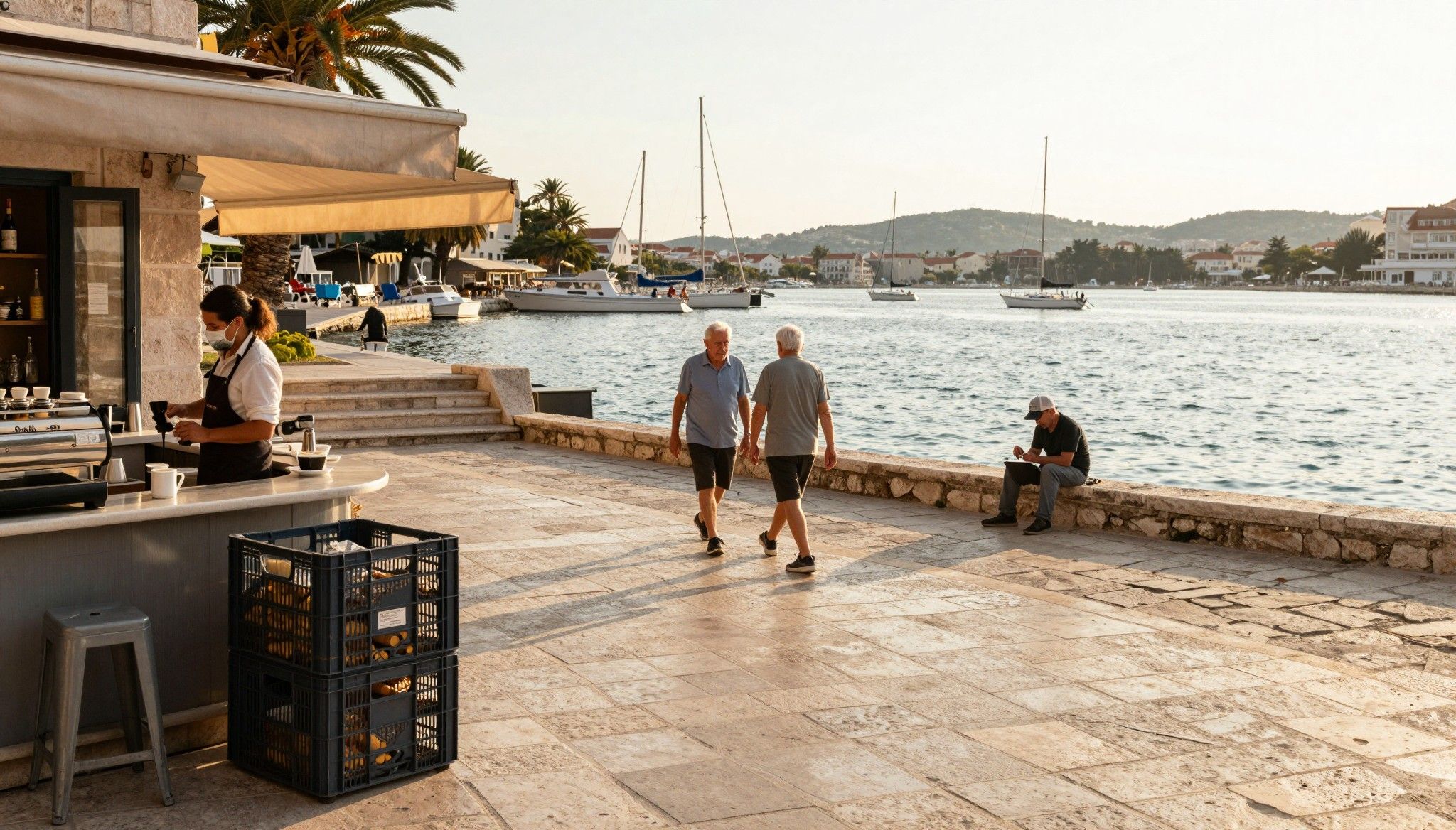
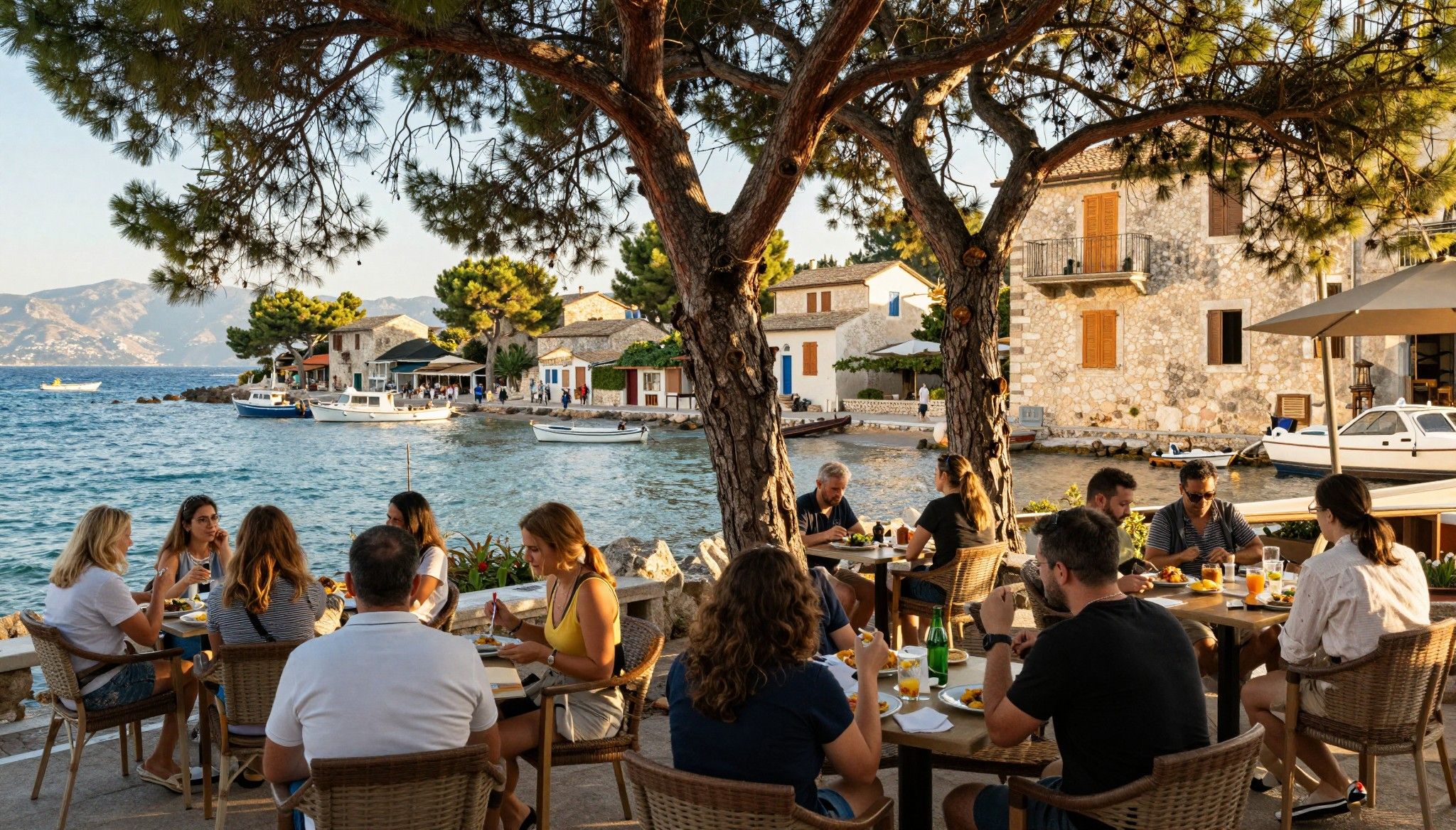
Life in Greece moves with seasons and light: mornings scented with bread from the local boulas, afternoons spent swimming off rocky coves, and evenings at a kafeneio where conversations drift long into the lavender dusk. In places where microgrids, rooftop solar and improved water management have taken hold—parts of Crete, Evia, and certain Cyclades islands—the rhythm of daily life also includes reliable power, cooled homes in heatwaves, and gardens watered with treated or harvested rain. That steady infrastructure turns idyllic living into dependable everyday living, especially for buyers who want the romance of Mediterranean life without the fragility of seasonal outages.
Island pockets: Cyclades & Crete — sun, sea and smarter grids
Walk the alleys of Naxos, Ano Mera or smaller Crete villages and you’ll find whitewashed houses with new photovoltaic panels tucked on tie beams or hidden behind pergolas. These are often owner‑led projects or community co‑ops that feed local microgrids, meaning afternoons of A/C, hot water and the occasional electric scooter charge are no longer luxuries. For buyers, proximity to these systems translates into lower running costs and a more resilient lifestyle, especially during summer tourism peaks when traditional grids strain.
Mainland pockets: Peloponnese & Thessaly — olive groves meet wind farms
In the Peloponnese, rolling stone villages sit beneath ridgelines dotted with wind turbines and solar farms that have been integrated into the landscape with surprisingly low visual intrusion. In Thessaly, irrigation modernization paired with renewables means rural estates can run more sustainably and produce marketable olive oil, herbs or agritourism experiences. These regions are where buyers seeking a living connected to land will find the clearest marriage of traditional agriculture and newer energy systems.
Making the move: practical considerations that respect place
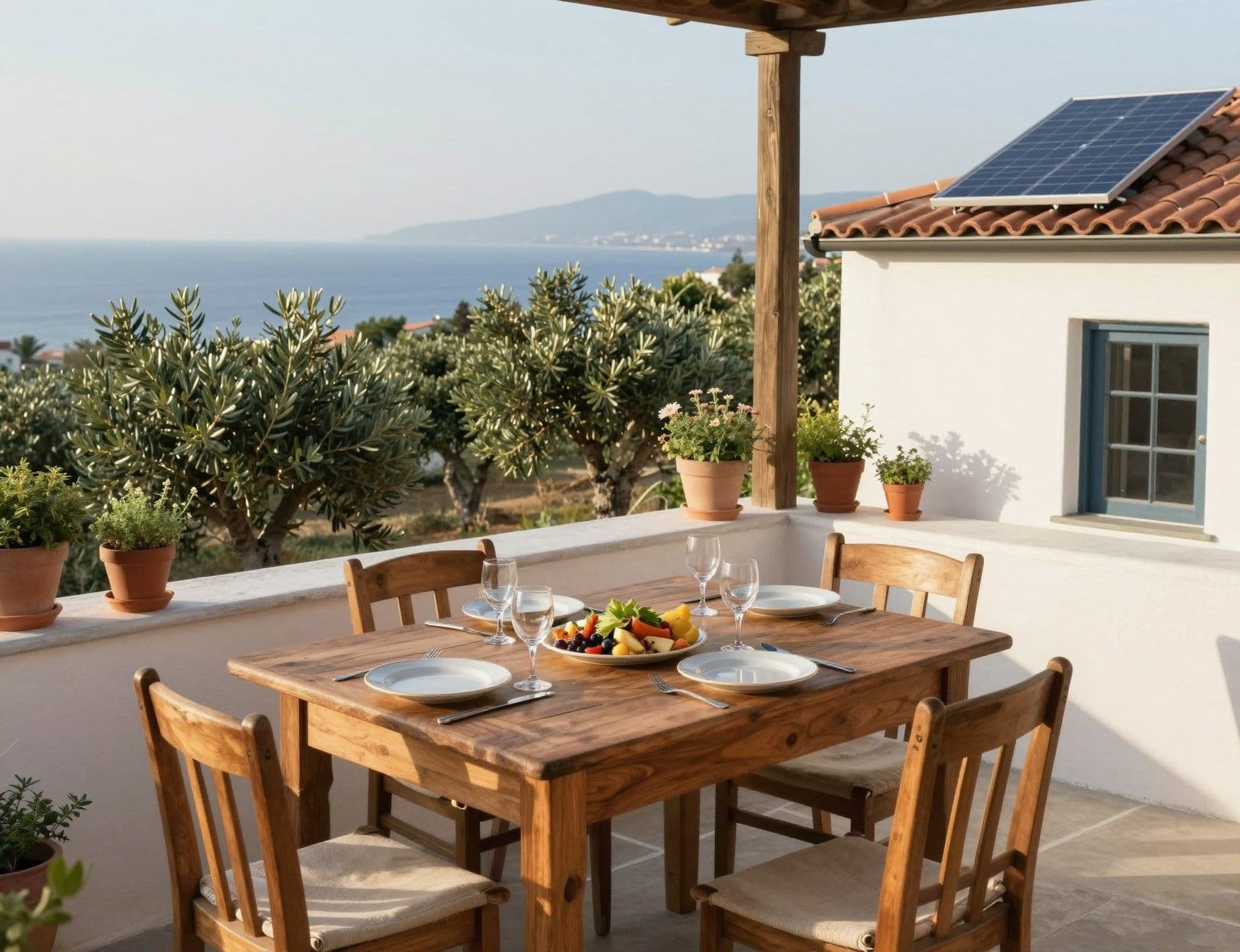
Dreams of terraces and olive trees should be matched with a few practical checks before a deposit. Recent housing and energy reports show rising interest in properties that either come with renewable installations or are in areas with upgraded grids; this affects resale and rental prospects. Work with agents who can supply recent utility reliability data, permits for existing installations, and local plans for new green infrastructure so you’re buying the lifestyle, not just the view.
Property styles and what they unlock
Stone village houses offer thick thermal mass, keeping interiors cooler in summer and warmer in winter, while modern masonry renovations can hide efficient insulation and heat pumps behind traditional facades. Newer eco‑conscious builds—timber frames, cork insulation, passive shading—are appearing near larger towns and tourist hubs; they typically pair better with electric heat, solar PV and battery systems. When you choose, think about how you want to live: a restored stone home that sleeps cool and requires modest HVAC, or a contemporary shell designed around renewables and all‑electric living.
Working with local experts who know both place and permits
A trusted local agency becomes your interpreter of Greek municipal processes, telling you not just whether a rooftop panel exists but whether it was permitted, how it’s connected and who legally owns the feed‑in rights. Look for agents with a track record in rural permits, experience with energy co‑ops, and relationships with local craftsmen for eco‑sensitive retrofits. That on‑the‑ground knowledge saves weeks of surprises and protects the lifestyle you’re buying into.
Insider knowledge: what expats discover (the honest bits)
Expats often arrive imagining sunlit solitude and discover a social ecology: neighbors who trade eggs for repairs, festivals that empty entire villages onto the square, and committees that decide where trees are planted. Many also find that off‑grid aspiration meets municipal progress—some villages have banded together to upgrade sewage, install community solar, or create shared water tanks. These community projects are a quick path to meaningful stewardship and make a property more livable and marketable over time.
Cultural integration, language and day‑to‑day life
Learn a few Greek phrases and show up to the kafeneio; you’ll be surprised how quickly neighbors become allies in practical matters like finding a roofer who mounts panels with attention to the stone eaves. Local municipal offices (dimarchio) appreciate clear, patient communication—an agent who speaks Greek and your language can turn permit chaos into a short list of actionable steps. In practice, community ties make maintenance easier and long‑term stewardship more achievable.
Long‑term lifestyle and sustainability considerations
If your vision is a hand‑tended garden, productive olive trees, and quiet winters, choose inland villages with good road access and community services. If you crave seaside days and short flights home, coastal towns with hybrid grid solutions and newer desalination or water‑harvesting systems will serve you better. In both cases, prioritizing properties with documented renewable installations or easy solar orientation reduces future retrofit costs and cements the lifestyle you want to live for decades.
- Lifestyle highlights to look for when buying in Greece where green infrastructure boosts living: • A south‑facing roof with documented PV or clear potential for solar. • Nearby microgrid projects or community solar co‑ops. • Proven water‑harvesting or irrigation systems tied to the property. • Strong local bakeries, weekly markets and a lively kafeneio scene. • Proximity to small medical clinics and seasonal cultural festivals. • Easy access to a reliable ferry or road for off‑season travel.
- Step‑by‑step buyer checklist that blends lifestyle and due diligence: 1. Visit in shoulder season to test utility reliability and community rhythm. 2. Request energy and water documentation from seller and confirm permits. 3. Meet municipal planning office to review local green infrastructure plans. 4. Hire an agent familiar with eco‑retrofitting and local craftspeople. 5. Include a contingency for solar/battery inspection in your offer. 6. Build a two‑year living budget that factors lower energy but potential maintenance.
Conclusion: Greece as a place to steward and belong blends sensory delight with practical choices. When you buy where renewables and thoughtful water management already shape daily life, you’re buying more than a building—you’re buying resilient mornings, dependable evenings, and a community that values place. If that vision fits you, work with a local agent who can point to the microgrids, co‑ops and villages where green infrastructure truly enhances living, and plan your move with both heart and checklist in hand.
Norwegian market analyst who relocated from Oslo to Provence; guides investors with rigorous portfolio strategy and regional ecological value.