Buy Cyprus Off‑Season: Why Summer House‑Hunts Mislead
Why summer showings can mislead: Cyprus rewards off‑season buyers with clearer costs, smoother permits, and better green retrofit opportunities.
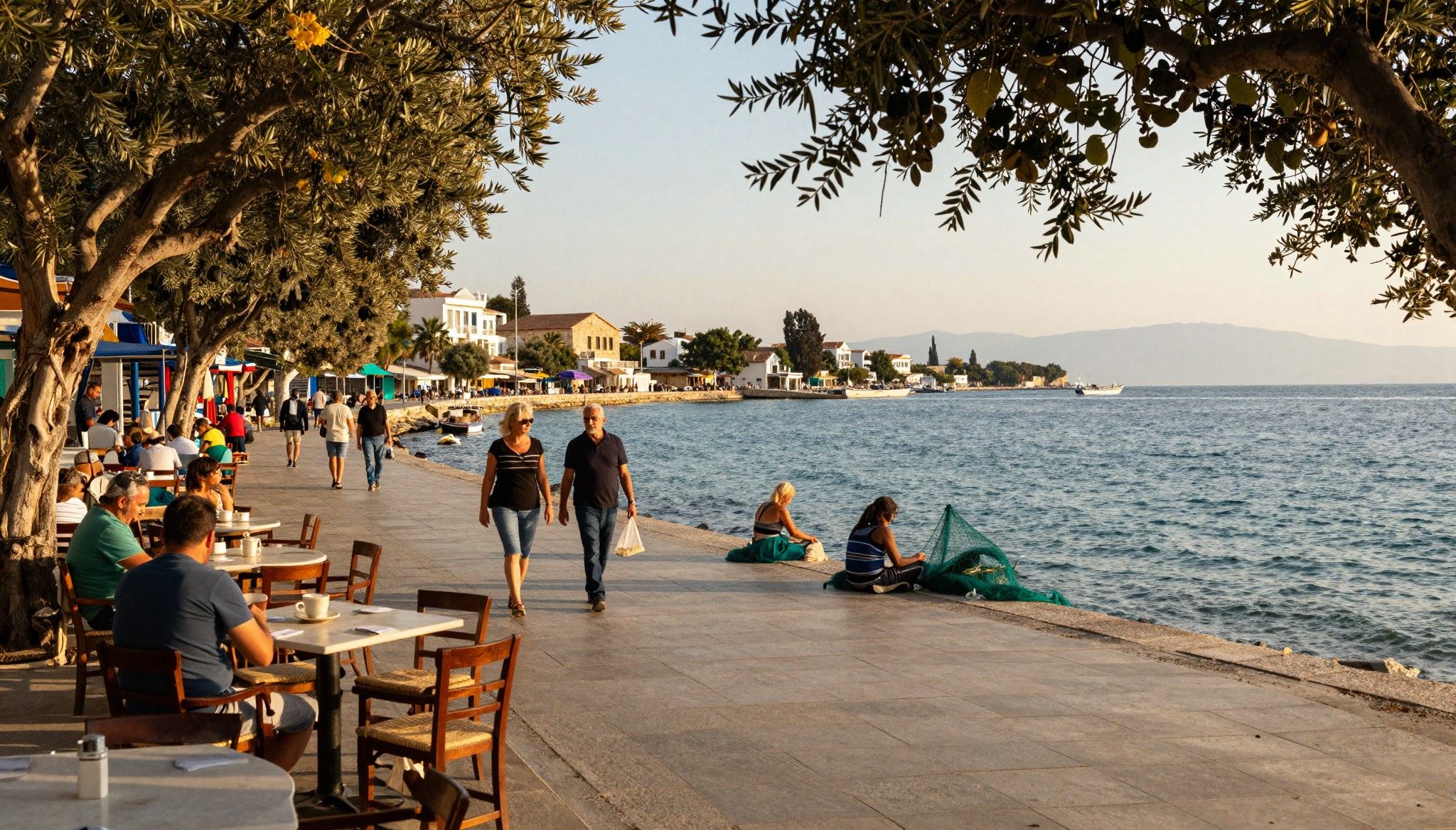
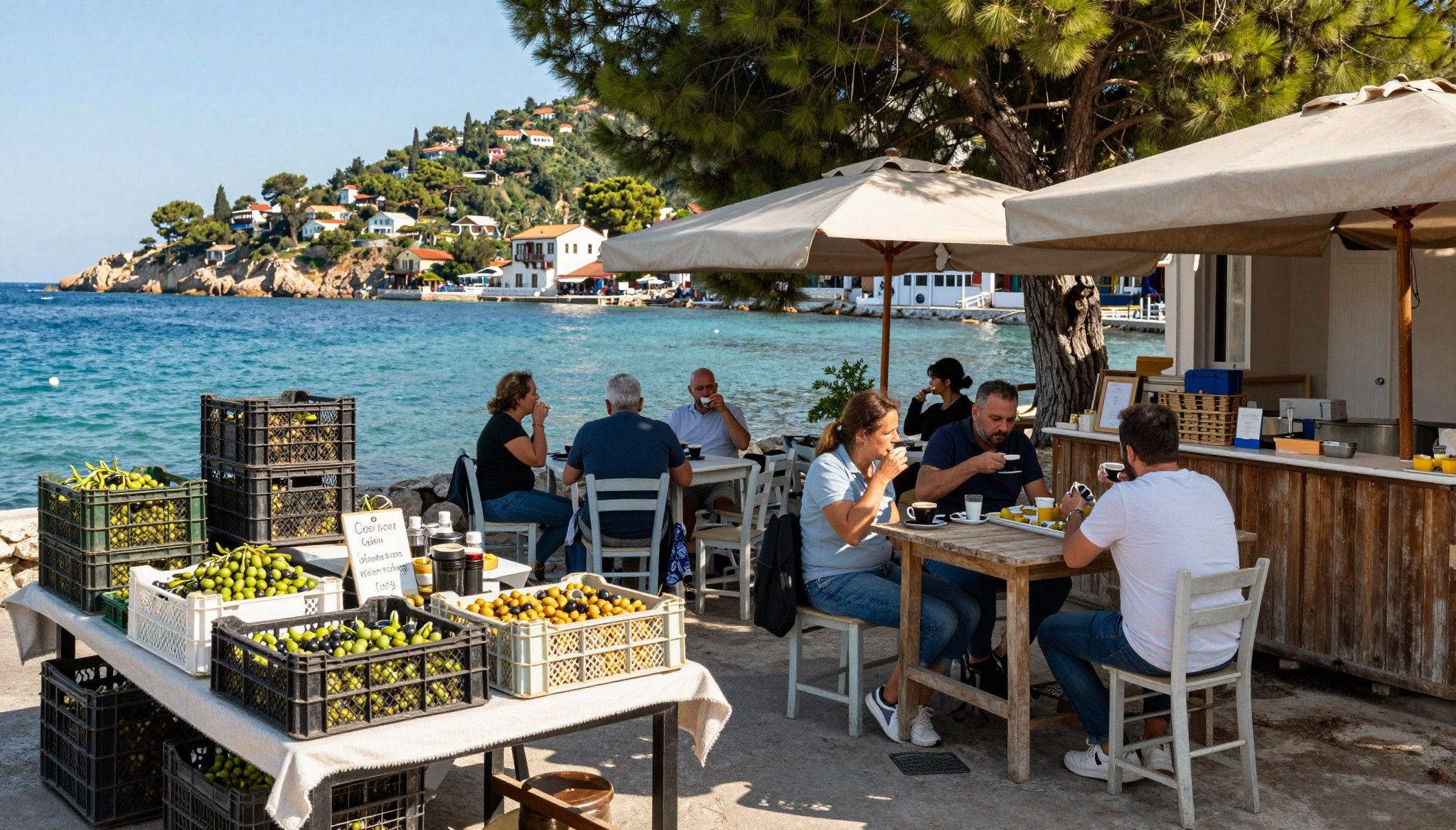
Imagine an early autumn morning in Limassol: fish sellers sorting the day’s catch at the Municipal Market, a terrazzo café steaming espresso, and limestone roofs glowing in warm light. That easy rhythm — sea air, citrus groves, village squares where neighbours trade stories — is what draws people to Cyprus. But the island’s sunlit high season can be a mirage for house hunters: inflated prices, staged viewings, and short attention from local officials. The smart, sustainable buyer learns the island’s seasonal truths and times a purchase to both protect the planet and their wallet.
Living Cyprus: Place, Pace, and Pleasures
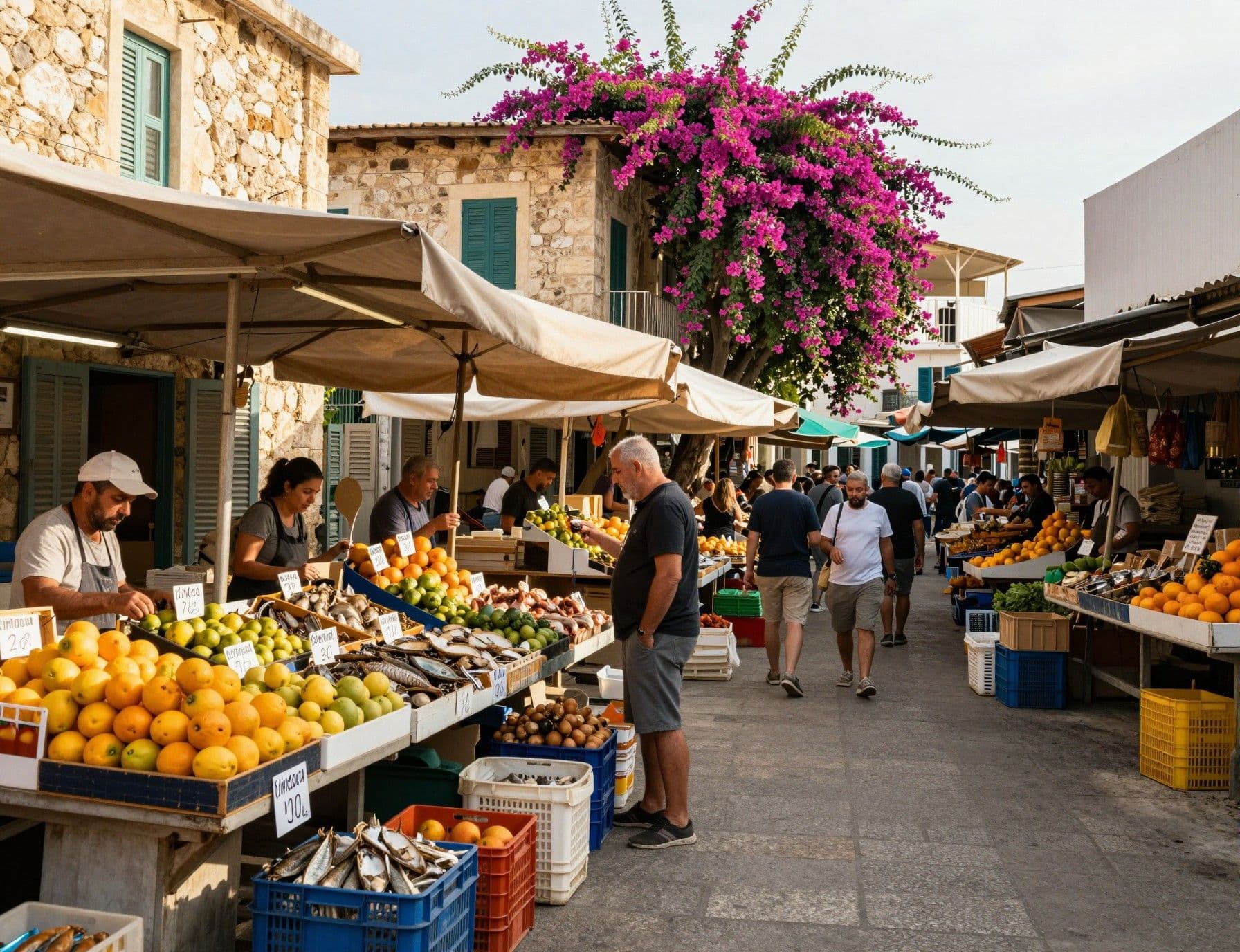
Cyprus lives in long, slow rhythms. Winters bring rain-softened hills and quiet tavernas in Paphos; summers are a coastal carnival from Ayia Napa to Larnaca. Property markets feel that pulse: price data and transactional cycles show clear seasonal variation, with viewings and offers spiking during tourist months and cooling as autumn progresses. This flow shapes how you’ll live here — morning markets in Mesa Geitonia, late walks along Molos in Limassol, or the hush of mountain villages in Troodos — and how you should plan your search.
Limassol and Molos: Coastal bustle with a green heart
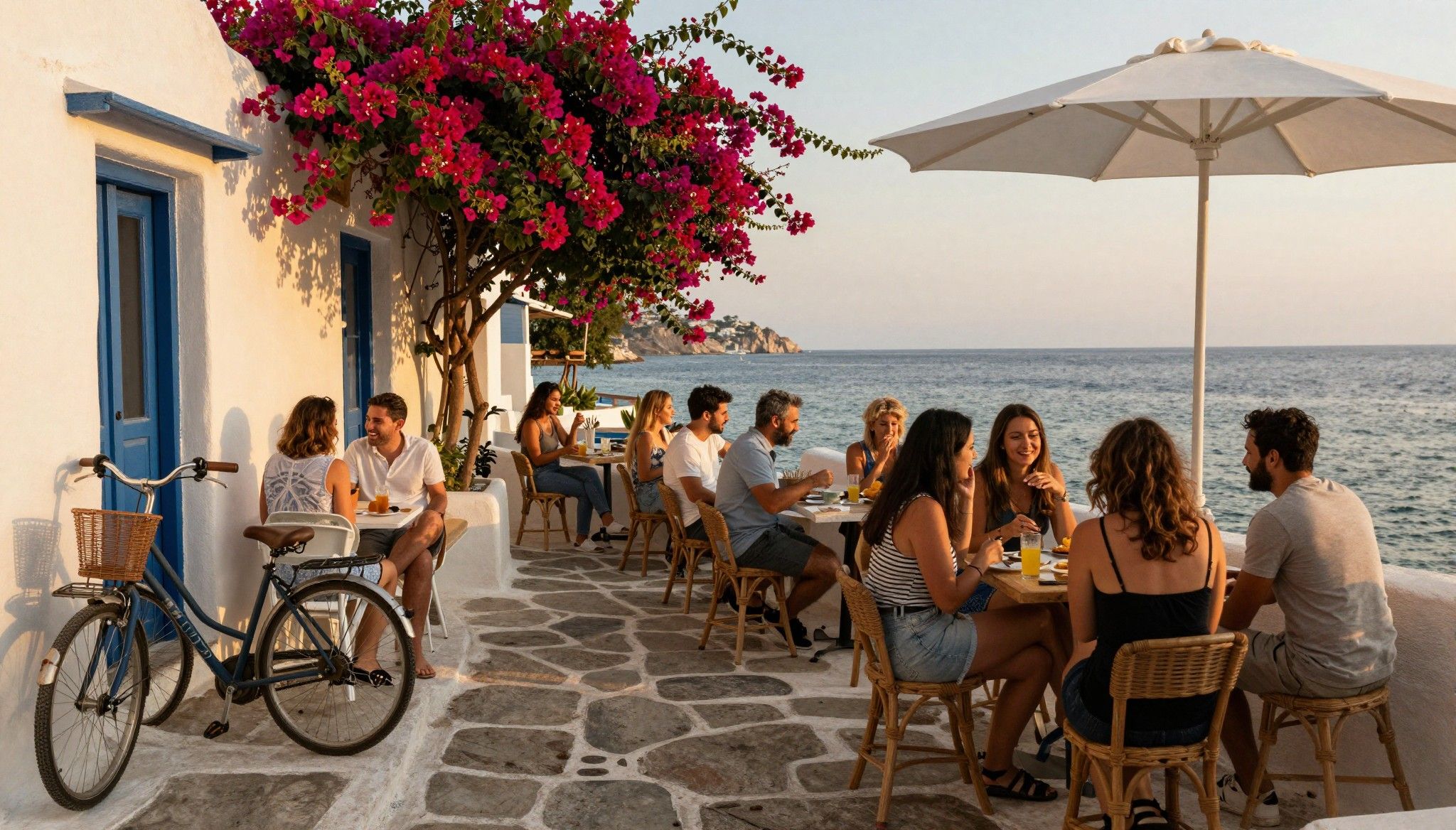
Picture coastal promenades, boutique cafés spilling onto cobbles, and apartment balconies perfumed with bougainvillea. Limassol is lively and cosmopolitan, but look for tree-lined side streets — Agiou Andreou and the area around Anexartisias — where older stone buildings meet rooftop gardens and retrofit projects. These micro-neighbourhoods often support small solar retrofits and planted courtyards, blending sea‑facing living with modest, local sustainability efforts.
Paphos & Troodos: Quiet seasons, rich soil, slow life
In Paphos you’ll find mornings at the municipal fruit market and afternoons wandering Byzantine lanes, while Troodos offers pine-scented air and village houses with stone walls and thick plaster that naturally regulate temperature. If you crave low-impact living — vegetable plots, rainwater tanks, and passive cooling — these districts reveal how traditional materials still deliver modern comfort. The trade-off is that services are quieter in low season, which can be a blessing for those who want community over crowds.
Making the Move: Practical, Seasonal, and Green
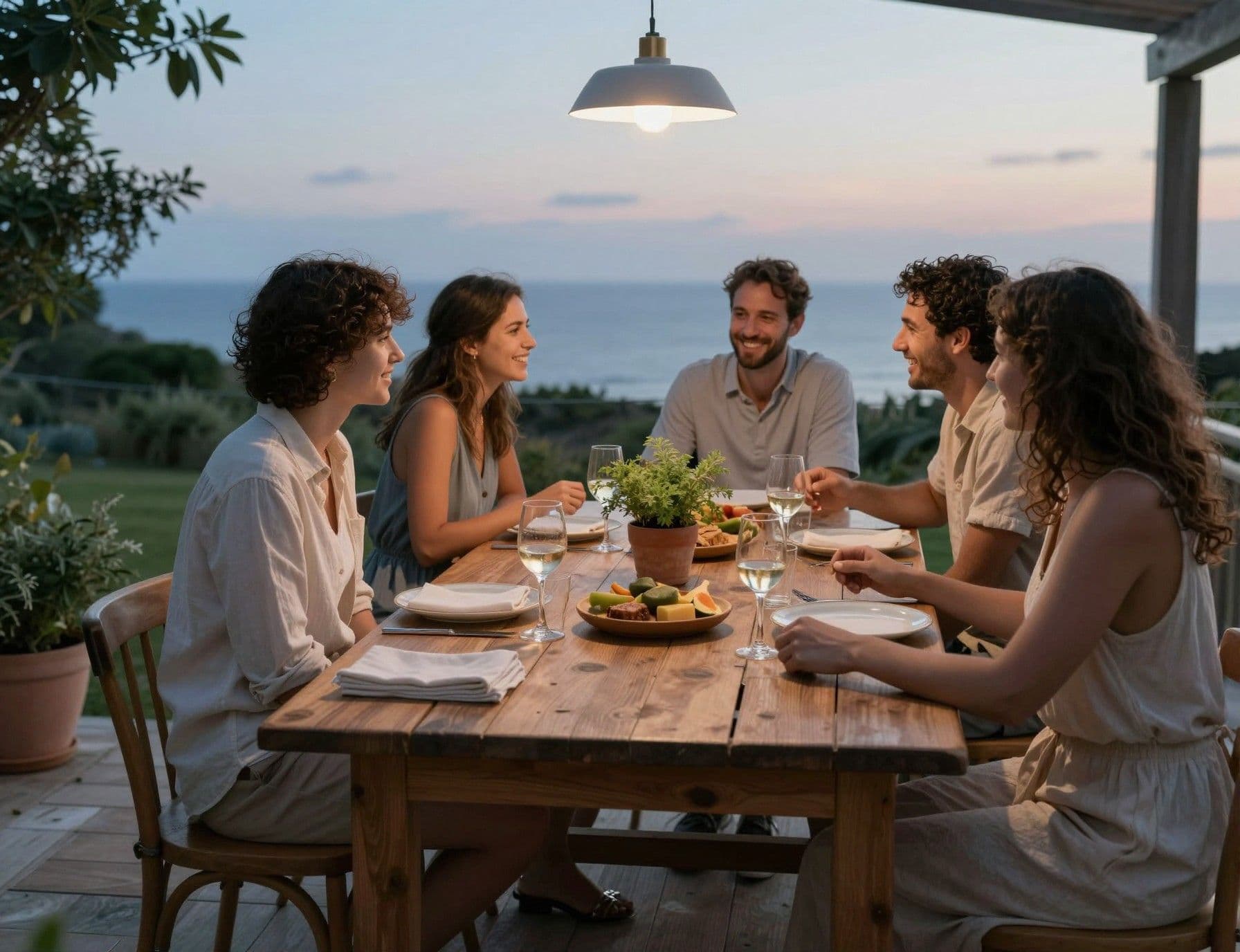
The romance of place should meet clear process. Cyprus has straightforward paths for EU citizens and a permission step for many non‑EU buyers; bureaucratic rhythm matters because permits, title transfers, and utility connections slow down in peak tourist months. Plan timelines around government cycles and anticipate that autumn and winter bring more responsive local authorities — a practical benefit for buyers focused on sustainable renovations or permit-heavy retrofits.
Property types and how they shape green living
Stone village homes, coastal apartments, and modern villas all offer routes to low-impact living. Traditional houses in villages often have thick masonry walls that reduce cooling needs, while newer developments can offer PV-ready roofs and heat‑pump-friendly plumbing. Look for properties where small upgrades — insulation, LED lighting, solar water heaters — will yield outsized comfort and emissions reductions. Local banks are already offering green mortgage products and renovation loans for energy upgrades, so timing a purchase when lenders are most responsive matters.
- Six steps to match lifestyle to finance (season-aware)
1. Visit off‑peak (Oct–Mar) to see properties in true use and meet neighbourhoods without tourist gloss. 2. Confirm title and permissions early — non‑EU buyers need Council approval, which often processes faster outside summer. 3. Get pre‑approval from lenders that offer green products or renovation loans to strengthen offers for energy improvements. 4. Budget for energy upgrades (insulation, solar, rainwater) and ask sellers for recent energy bills to model savings. 5. Use local architects experienced in traditional materials to propose low‑impact retrofits that respect local heritage. 6. Time closings for cooler months to schedule contractors and utility hookups when availability is higher.
Insider Knowledge: What Expats Wish They’d Known
Experienced expats tell the same story: live a season before you buy. Summer showings can conceal maintenance issues — overworked ACs, garden neglect, and temporary rental furnishings that hide wear. Buying in quieter months reveals how properties perform with real weather and reveals local rhythms — when the bakery closes, when the town organizes evenings at the square — that will shape daily life and long‑term stewardship.
Cultural cues that shape where you belong
Cypriots value hospitality, slow meals, and outdoor life. Learn a few Greek phrases, join a Saturday market in Strovolos or Polis, and accept that business hours can be flexible in villages. These small gestures open doors to local contractors, community gardens, and neighbours who will cheer your low‑impact projects. Integration isn’t a checkbox; it’s a seasonal conversation.
- Red flags eco-forward buyers should watch for
• Short, intense selling seasons where multiple offers push prices above realistic replacement costs. • Missing permits for extensions or pools — summer sellers sometimes assume buyers won’t check. • Properties without basic passive measures (ventilation, shading) that rely solely on AC, inflating future running costs. • Faux-green claims: installations labelled "eco" without performance evidence or recent energy bills to back them up. • Overlooked communal infrastructure (wastewater, water pressure) in up-and-coming districts where demand spikes seasonally.
If you love the idea of Cyprus but want to act responsibly, here are practical next steps: book an off‑peak visit, commission energy and structural surveys before making offers, and speak with lenders about green mortgage products so upgrades can be financed into your purchase. Market reports show steady demand but also pockets of seasonal volatility; acting with seasonal awareness protects you financially and gives your sustainability projects the space to be done properly.
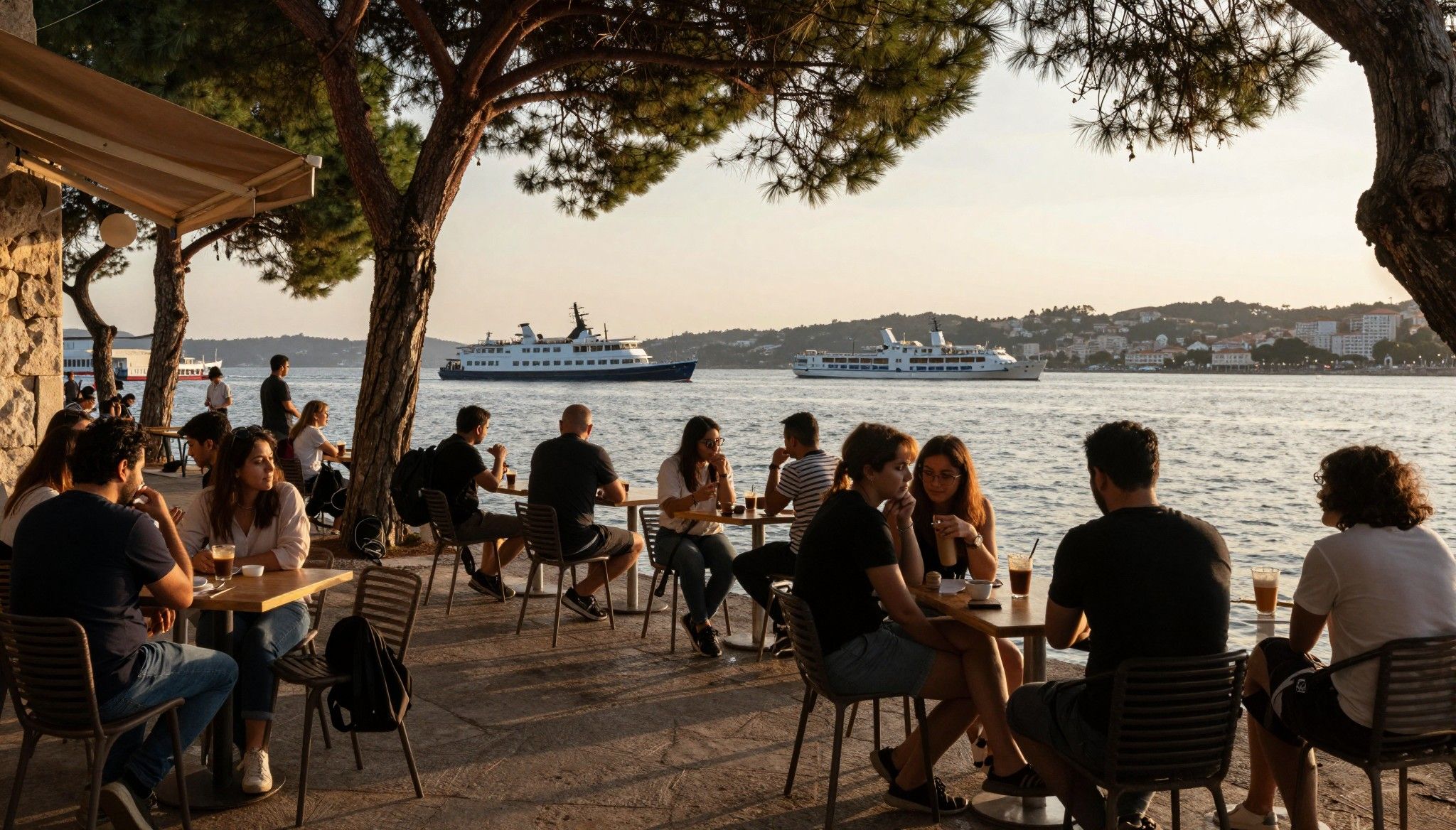
Conclusion: Choose the rhythm, not the rush. Cyprus rewards those who slow down — taste the coffee in the square in November, listen to the winter rains in Troodos, and let local seasons reveal the real character of a home. That approach yields better negotiations, clearer permits, and smarter green investments. When you’re ready, work with a locally rooted, sustainability-minded agency who knows where the quiet corners and retrofit-ready properties live — and who will help you build a home that belongs to place and future alike.
Danish relocation specialist who moved from Copenhagen to the Algarve; supports families with seamless transitions, local partnerships, and mindful purchases.