Malta: Stone Streets, Solar Roofs & Real-Life Buying
Malta’s island life rewards buyers who pair sensory place‑love with green retrofit smarts; steady price growth and 2030 renewables plans reshape value for eco-minded buyers.
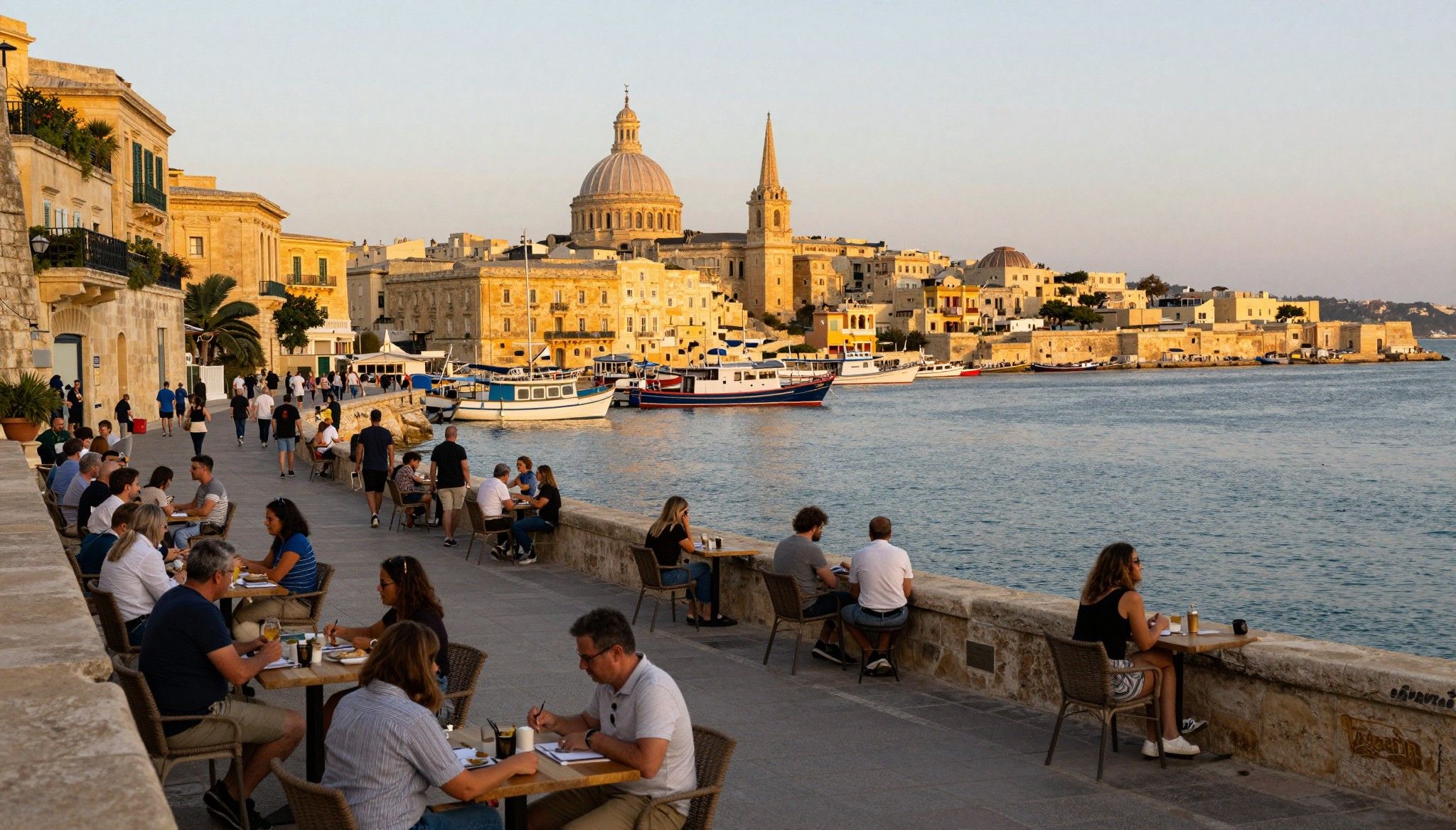
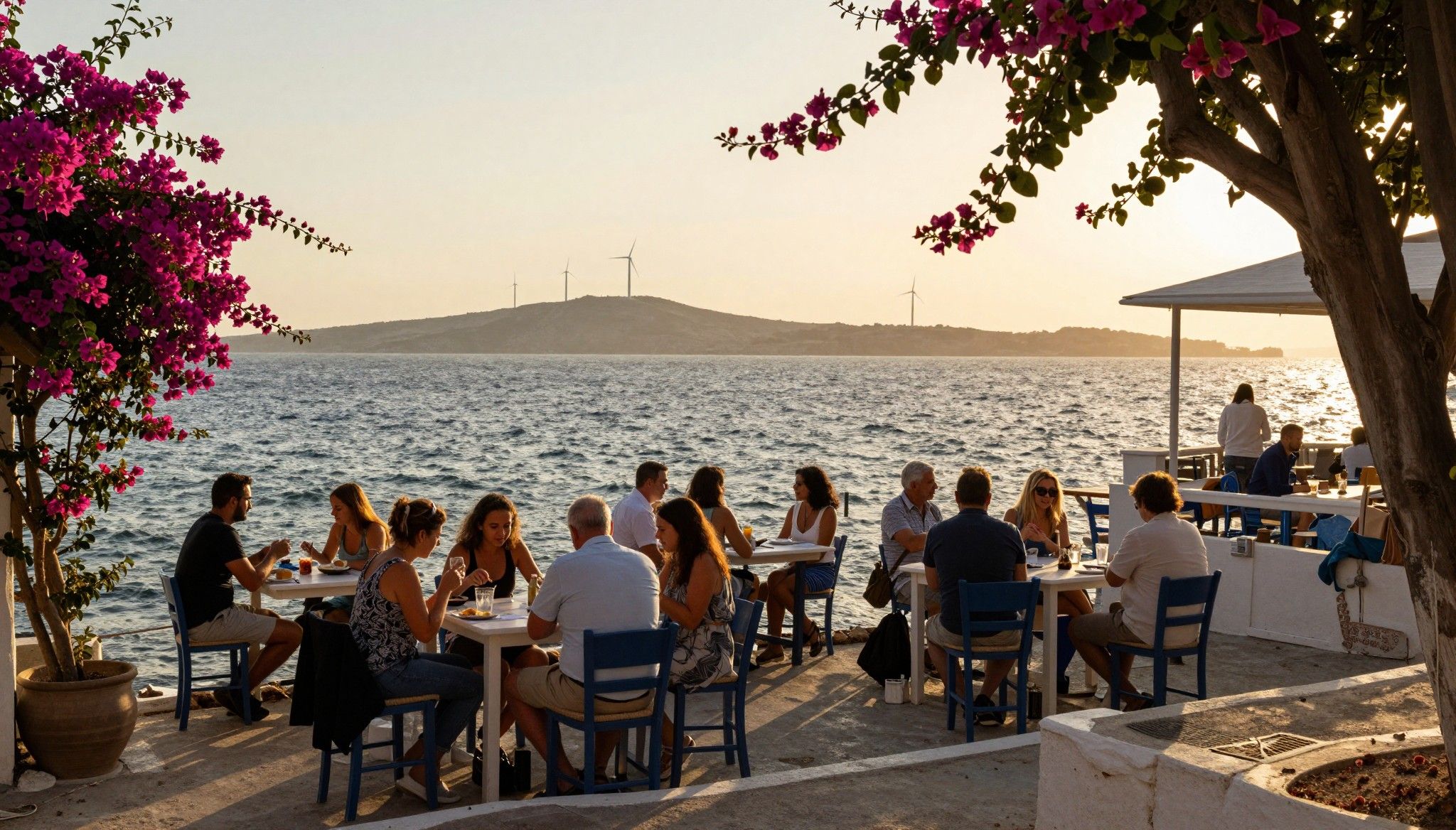
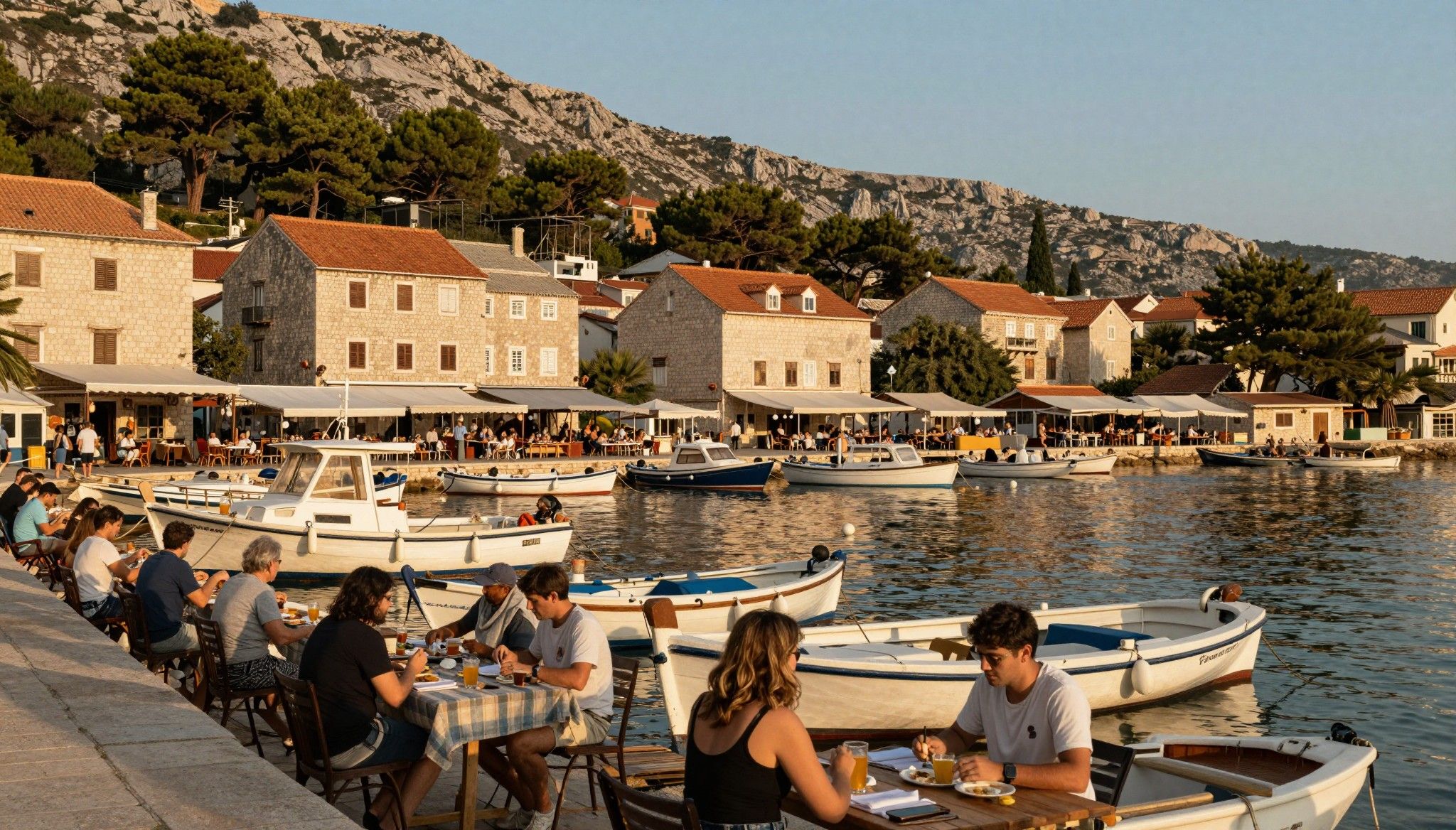
Imagine stepping out at dawn onto a narrow street in Mdina with limestone warming beneath your feet, or choosing an evening terrace in Marsaxlokk where fishing boats bob and the air smells of lemon and fried lampuki. Malta is compact enough that the sea, history and neighborhood life fold into every day, yet complex enough that where you buy shapes how you live: rooftop gardens catch the sun, thick stone walls keep interiors cool, and local piazzas form the rhythm of community. This piece is for buyers who want more than a holiday home — people who want houses that breathe with the island’s ecology, tap into budding renewable infrastructure, and connect to real neighborhoods. We’ll pair sensory, place-led stories with concrete, research-backed signals on market movement and green infrastructure to help you decide if Malta is the right green-life fit.
Living the Malta rhythm
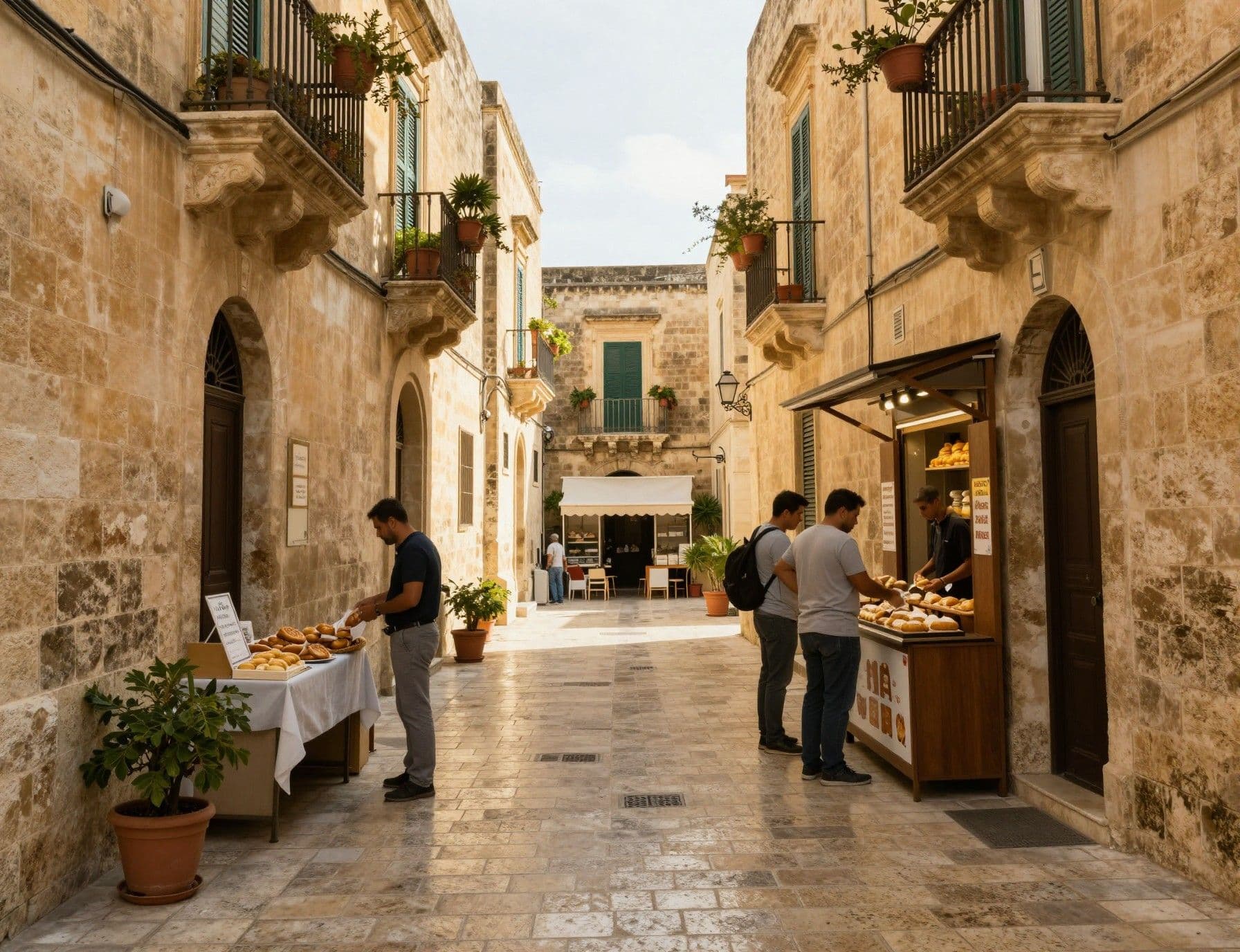
Mornings here begin with espresso and sea light. In Valletta you’ll wander streets that belong to centuries — baroque facades, small cafés and the hushed cadence of church bells — while Sliema offers a busier, sun-flickered shoreline of promenades and apartment terraces. On a practical note, Malta’s property market has been firm: the National Statistics Office’s Residential Property Price Index rose through 2025 and into early 2026, reflecting steady demand for apartments and maisonettes alike. That steady market matters for buyers who want lifestyle durability: you’re buying into a lived-in place where daily rituals — market runs, siestas on shutters, evening passeggiata — remain unchanged even as the island modernizes.
Mdina & Rabat: Quiet history and cool stone
Move slightly inland and the rhythm slows: Mdina and Rabat offer honey-coloured lanes, private courtyards and houses whose thick walls are natural climate control. These towns are for people who value hush, evening walks under lantern light, and gardens tucked behind high stone parapets. Properties here reward those who seek seasonal stillness, but remember — maintenance of older stone homes means partnering with craftsmen who understand traditional lime mortars and passive cooling strategies.
Sliema, St Julian’s & Marsascala: Coastlines for everyday life
For a livelier daily life choose Sliema or St Julian’s where cafés, coworking spaces and ferry links make remote work easy; Marsascala and Marsaxlokk feel more village‑by‑the‑sea with fish markets and community fêtes. Here, rooftop terraces and small balconies are where Mediterranean life happens — breakfasts in the sun, evening barbecues, and neighbours exchanging jars of local preserves. If you’re seeking green living, prioritize properties with existing solar-ready roofs or space for planted terraces to reduce cooling loads and create micro-gardens in tight urban lots.
- Espresso and seafront promenades in Sliema; morning fish market at Marsaxlokk; limestone courtyards in Mdina; sunset swims at St Peter’s Pool; rooftop vegetable patches and espaliered lemon trees; Sunday passeggiata and family-run bakeries on Triq Sant’Ursola.
Making the move: lifestyle meets practical reality
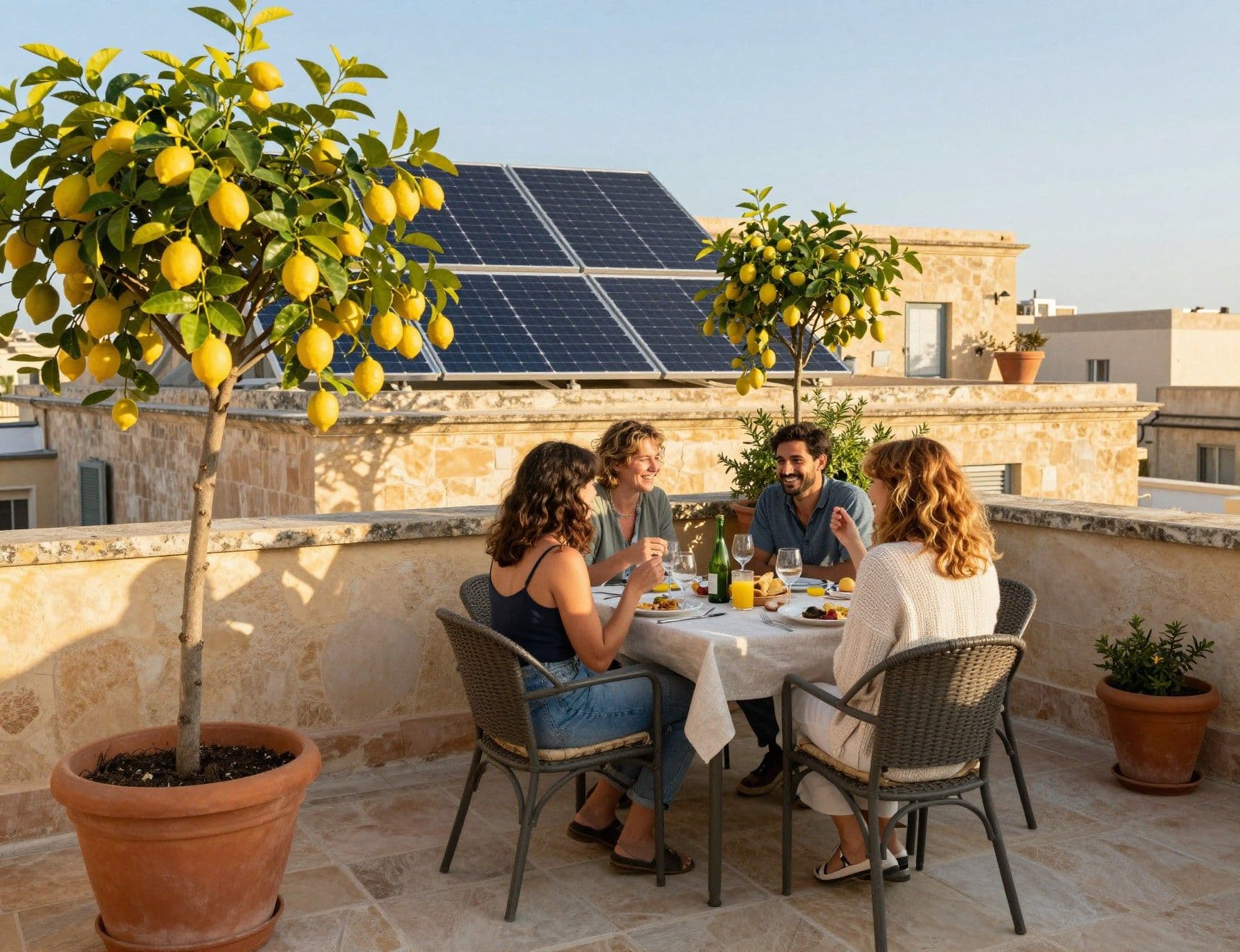
The dream of a sun‑soaked Maltese life is grounded by practical choices: property type, energy resilience, and local planning. Malta’s 2030 energy and climate planning highlights a clear government commitment to scale renewables — a useful signal for buyers who prize green infrastructure and future energy costs. But the island’s limited land and dense townscapes mean retrofit opportunities can look different here than on continental coasts: think clever rooftop photovoltaics, shared community battery pilots, and building‑sensitive insulation rather than sprawling solar farms.
Property styles and how they shape green living
Traditional townhouses with internal courtyards lend themselves to passive cooling and small urban gardens; modern apartments often have lift access, smaller footprints and easier solar panel installation on flat roofs. For coastal properties, thermal insulation and shading are the practical green features that matter most — they reduce reliance on air conditioning and cut bills. If you love cooking or home gardening, seek maisonettes or terraced houses with usable terraces and good water collection potential.
Work with local experts who understand both place and green tech
Choose agencies and architects who speak Maltese planning language, know the rhythm of permits, and can pair lifestyle wishes with renewable options — for example, arranging rooftop PV permits or advising on communal energy schemes. Local professionals can help you assess whether a property’s roof is structurally ready for panels, whether a listed façade allows discreet upgrades, and how to use water-harvesting systems sensitively in conservation areas. These details make the difference between a picture‑perfect terrace and a terrace that’s expensive to adapt.
- Inspect roof orientation and shading before bidding; check local planning restrictions for façade and rooftop works; prioritise homes with thicker limestone walls for passive temperature regulation; ask for recent energy bills and PV connectivity status; budget for traditional-crafts repairs when buying older stone houses.
Insider knowledge: expat realities and what buyers wish they’d known
Expats often tell a similar story: the first year is enchantment — markets, cafés, and sea-swims — and the second is pragmatic — maintenance, neighbourhood rhythms, and paperwork. English being an official language eases daily life and legal processes, but community integration takes work: join local committees, market mornings, and volunteer cleanups to become known beyond the expat bubble. Market-wise, steady price growth across 2024–2026 has tightened choice in popular pockets, so flexibility on street or property type often unlocks better lifestyle value.
Cultural cues, seasons and social life
Malteses cherish family, food and festa season — plan holidays and moves around these rhythms because neighbourhoods slow down during festas and the best local artisans may be away. Summers are social and busy; winters are quiet and excellent for house hunting when you can inspect thermal performance and see how a house behaves off-season. Language is easy for many international buyers, but learning Maltese phrases signals respect and eases relationships with tradespeople and neighbours.
Long-term life and stewardship
Thinking long-term means choosing properties that can age gracefully: homes with good solar exposure, ample roof space, and room for planted terraces will stay relevant as Malta scales renewables. The NECP and government policies point to more community-scale renewable opportunities by 2030, which could raise the value of properties already suited for clean energy retrofits. Stewardship here is both ecological and social — invest in stone-care, water-wise gardens and neighbourly relationships to anchor your life in place.
- Prioritise south- or west-facing roofs for solar; favour properties with courtyards for passive cooling; ask agents about prior planning approvals for rooftop works; budget 5–10% of purchase price for traditional-stone maintenance on older houses; consider properties in walkable neighborhoods to reduce car dependence.
Malta feels like a village stretched across islands: familiar faces in markets, the sea at hand, and a strong sense of stewardship for place. If you care about living lightly and beautifully, let lifestyle guide your property choices but use data — the NSO price indices and Malta’s energy plans — to time and shape your purchase. Start by visiting in winter to test the year-round reality, speak with local architects about low‑impact retrofits, and choose agents who value both place and planet. When you buy with both senses and signals aligned, your Maltese home becomes a life lived well: warm limestone by day, cooled terraces by night, and a small but meaningful contribution to the island’s greener future.
Next steps: review the NSO price indicators, ask local agents about solar-readiness, and schedule an off-season visit to see how a property behaves across months. Contact an architect experienced in traditional Maltese stonework for a condition report before making offers, and prioritise neighborhoods where lifestyle — markets, cafés, sea access — matches your daily dream. Moss & Hearth partners can connect you to agents and craftsmen who work with sustainability in mind, helping the island become home while respecting its ecology.
Norwegian market analyst who relocated from Oslo to Provence; guides investors with rigorous portfolio strategy and regional ecological value.