Buy in Autumn, Renovate Green: France’s Seasonal Advantage
Buy in autumn, see the bones, then use France’s green loans (éco‑PTZ) to retrofit the home you love — timing can save money and unlock state support.
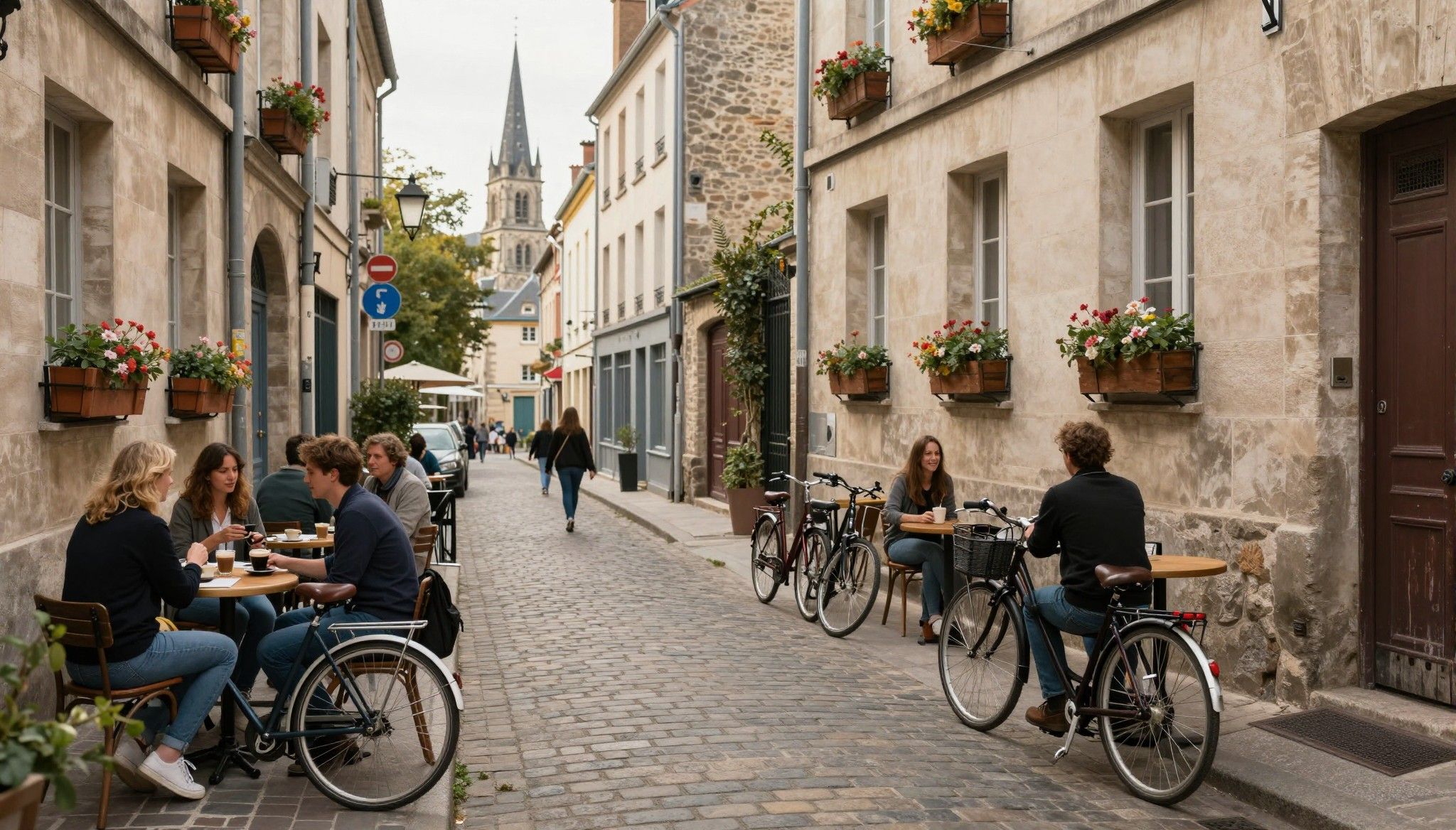
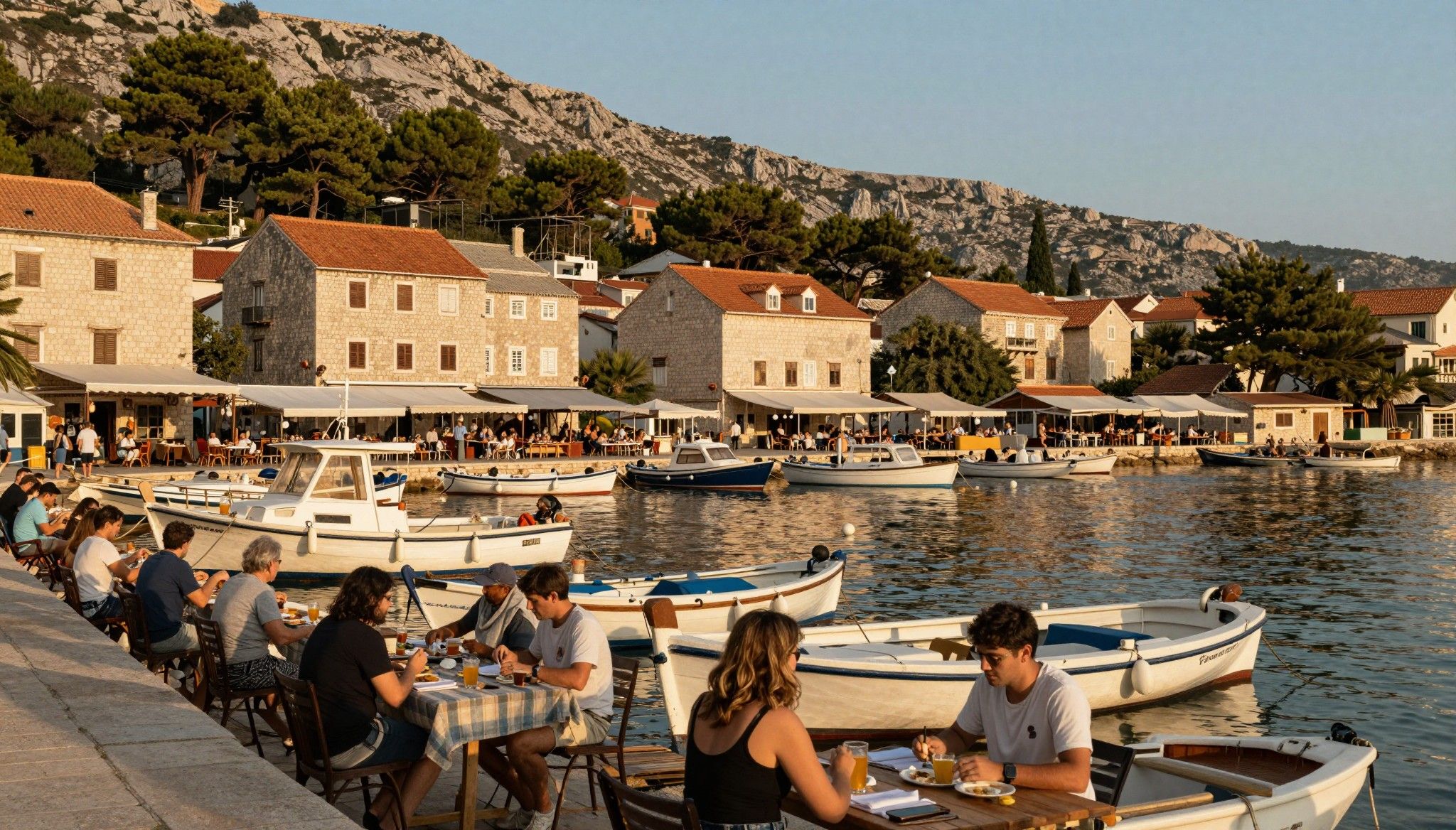
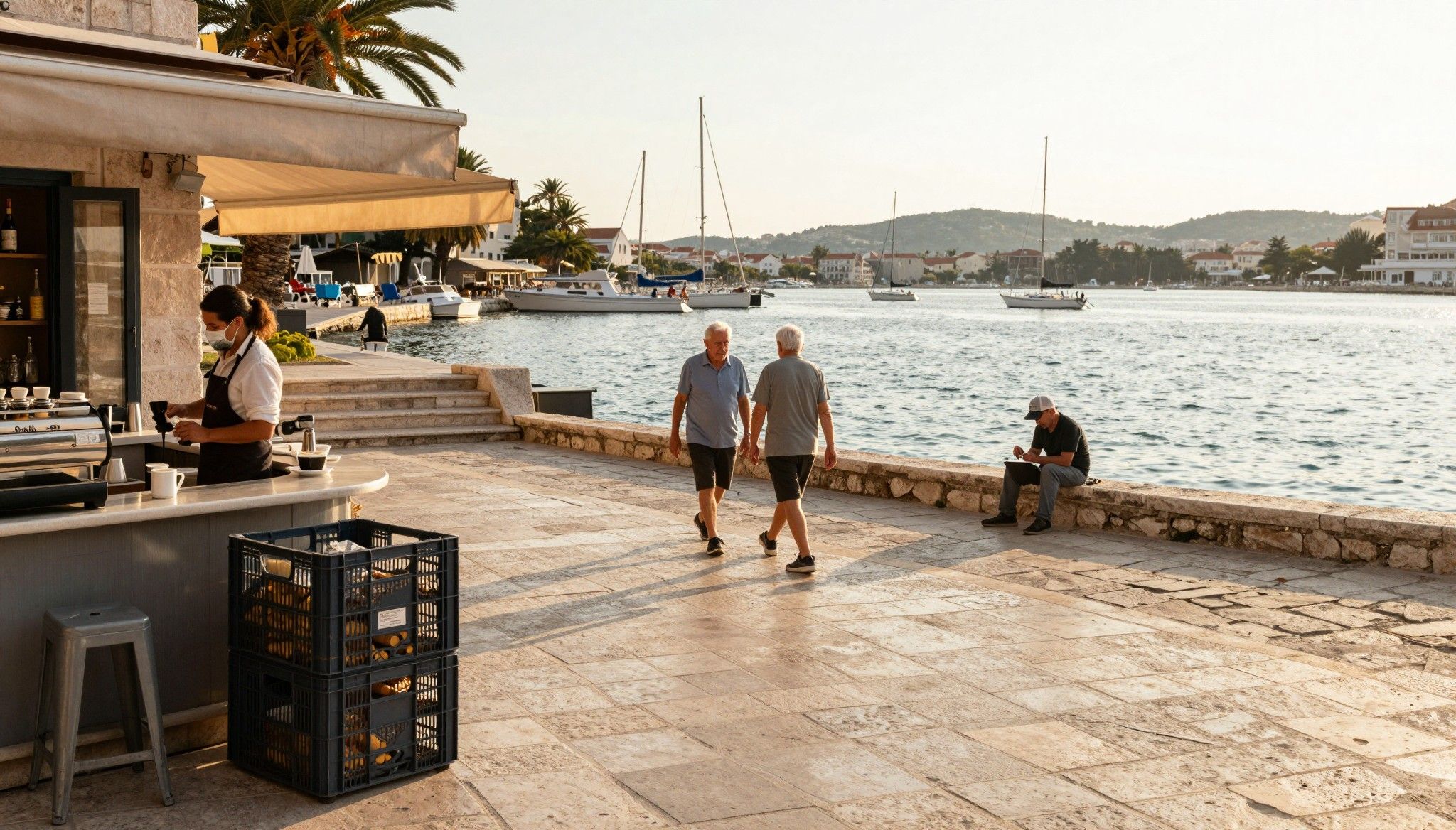
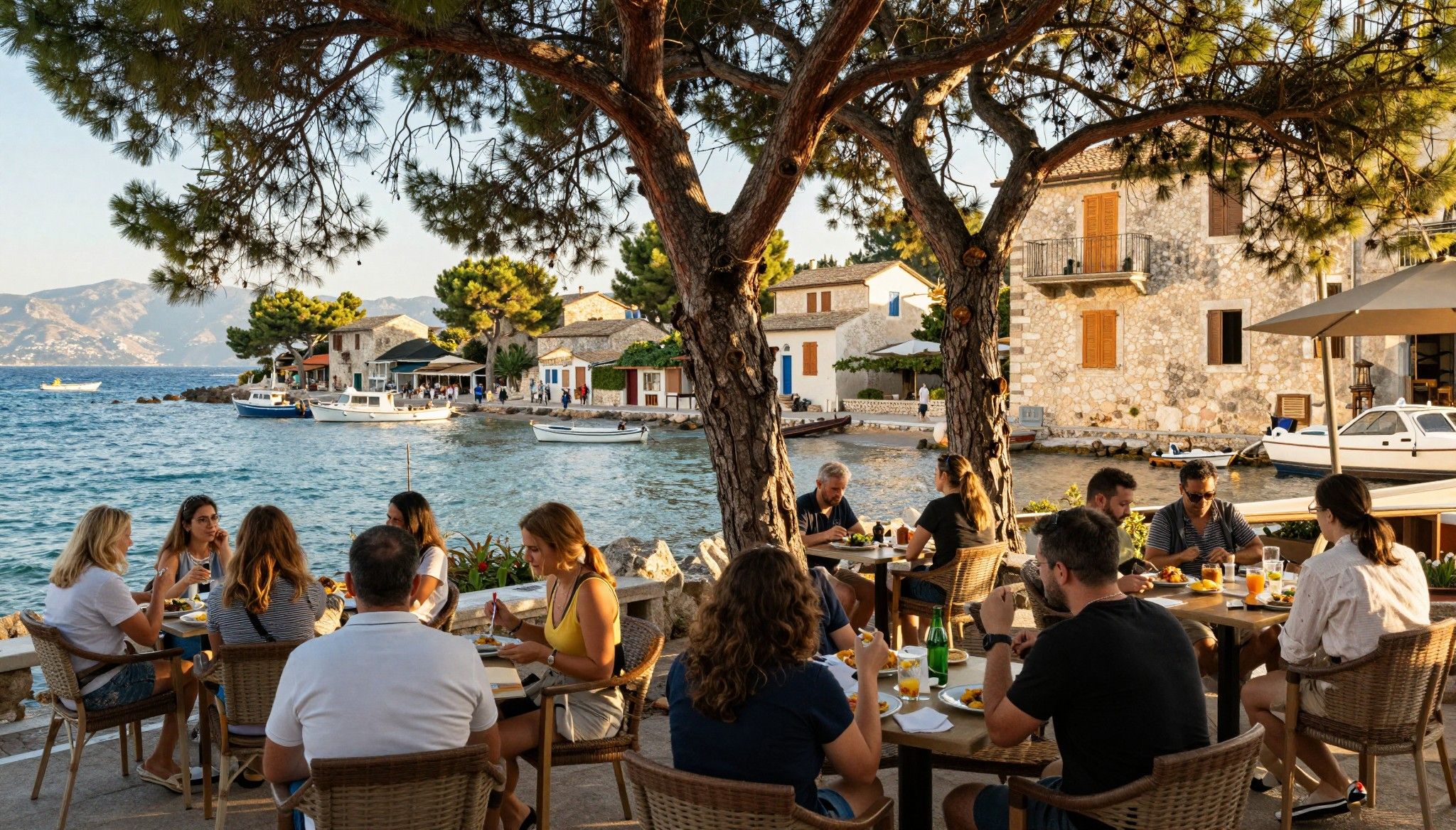
Imagine a Saturday morning in France: the scent of warm bread drifting from Rue des Rosiers in Paris’ Marais, fishermen stacking lobster traps on a Biarritz quay, and a painter setting up an easel beneath plane trees in Aix‑en‑Provence. That gentle rhythm — markets, cafés, seasonal kitchens and long walks through hedgerows — is the real draw. But for international buyers who want that life and also care for the land, timing a purchase to capture both value and access to green financing makes all the difference. Recent market analysis suggests modest price recovery in 2026, which changes the timing calculus for buyers who also plan renovations or energy upgrades.
Living the France lifestyle
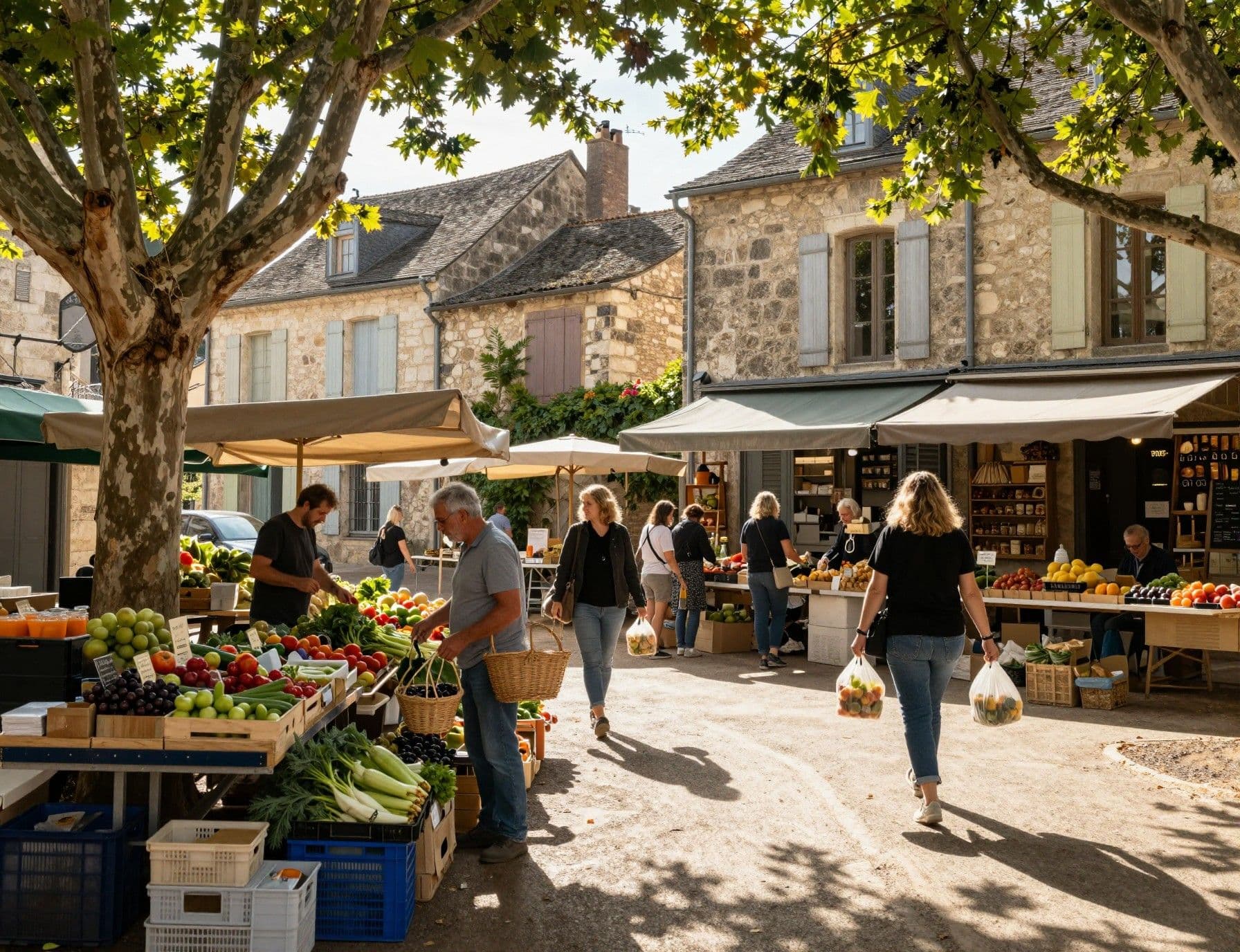
France is not one uniform dream but a collection of seasonal lives. In Paris the mornings pulse with espresso and clipped conversation, while in Dordogne the afternoons move with slow kitchen rituals and hedgerow harvests. Coastal towns trade silence for summer vibrancy; inland villages trade noise for communal dinners and autumn truffle hunts. Market reports from notaries show regional shifts rather than a single national trend, meaning where and when you buy can change your lifestyle and financing options far more than you expect.
Neighborhoods that tell a story
Walk the Marais and you’ll find narrow lanes, ancient stone and doorways that beg to be lived in; in Bordeaux’s Chartrons, row houses and wine merchants remind you life spills into the street. In Provence, streets like Cours Mirabeau in Aix or the market lanes of L’Isle‑sur‑la‑Sorgue are stages for seasonal produce and artisan life. For green-minded buyers, these places offer not just charm but the chance to retrofit historic fabric with low‑impact systems — if you plan wisely.
Food, markets and ritual
From morning markets in Nice to evening aperitifs in Nantes, food is the connective tissue of French neighborhoods. This matters for buyers: proximity to markets reduces carbon footprints and supports a lifestyle where local produce and seasonal cooking are everyday acts of stewardship. If you plan renovation work to improve energy performance, France offers eco‑loan options (éco‑PTZ) that can be timed with acquisition to reduce interest costs on eligible works.
- Lifestyle highlights: Rue des Rosiers (Paris), Cours Mirabeau (Aix), Chartrons (Bordeaux), Biarritz quayside, Marché des Enfants Rouges (Marais).
Making the move: practical considerations
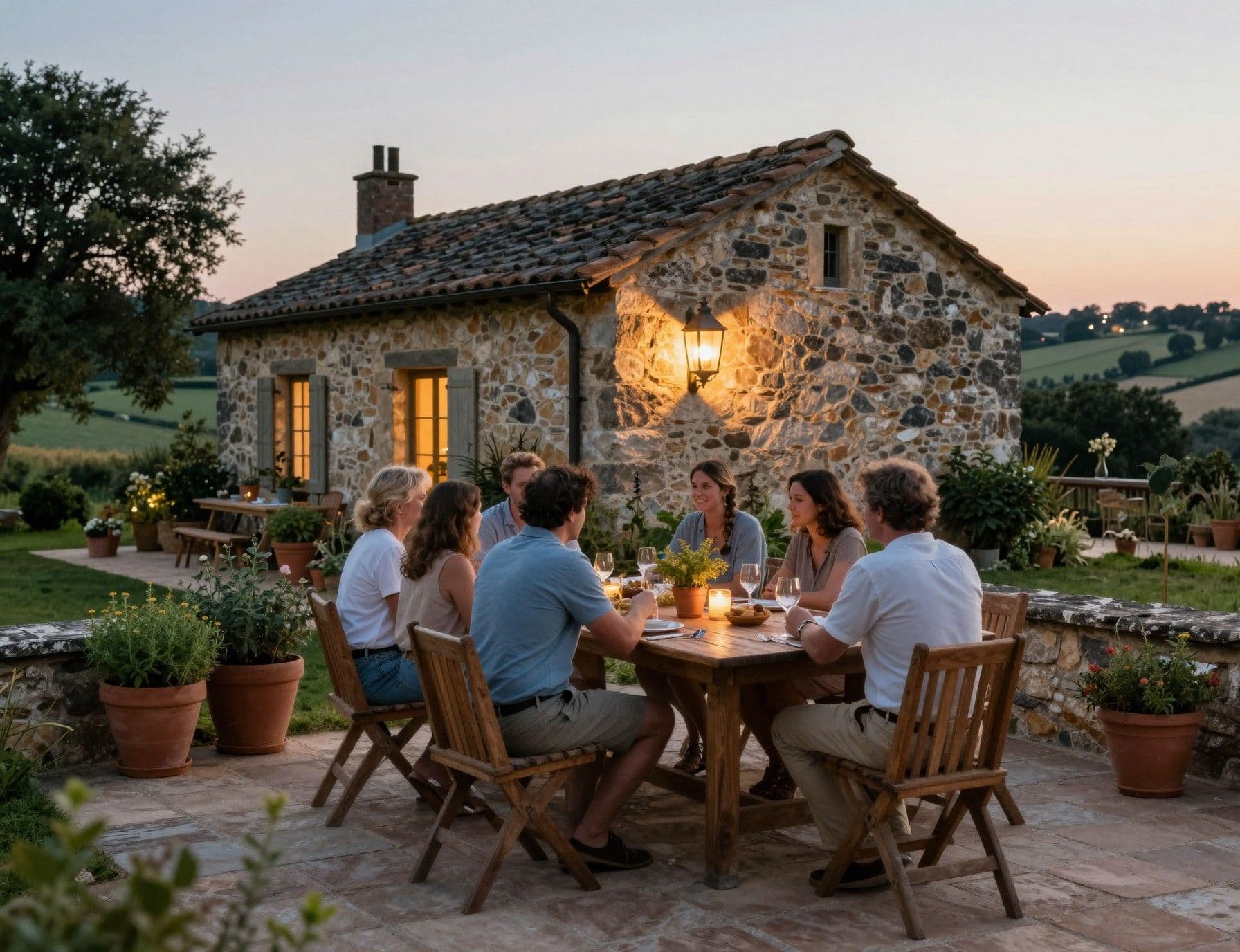
Dreams meet paperwork. Recent data shows a gentle price uptick across many metropolitan areas in early 2026, while volumes recover after a quieter phase. That means buying sooner—if you are leveraging renovation grants or green loans—can preserve access to certain public supports and bank offers. Simultaneously, waiting for an off‑season view of a neighborhood (autumn or winter) lets you see wear, insulation quality and heating habits — all important when planning eco‑upgrades and applying for green financing.
Property styles and how you’ll live in them
Stone farmhouses in Dordogne demand different energy strategies than narrow Haussmann apartments in Paris. A 19th‑century house may benefit hugely from insulation and heat‑pump works, which can be financed by éco‑PTZ or combined with MaPrimeRénov’ eligibility. New builds in eco‑districts already save energy but may lack the character some buyers crave — consider a hybrid approach: buy older fabric for soul, then invest in discreet, high‑impact upgrades.
Working with local experts who know both place and finance
Choose notaries, local architects (architectes DPLG or HMONP) and RGE‑qualified contractors who can certify works for green loans. A savvy mortgage broker who understands non‑resident funding rules will translate your international income into a realistic borrowing profile and identify lenders offering green mortgages. Local agents who live the neighborhood will point out passive gains — southern exposure, mature hedges, or street gardens — that improve both life and energy bills.
- Steps to align lifestyle and finance: 1) Visit off‑season to inspect thermal performance and neighborhood rhythm. 2) Get a pre‑offer energy audit or advisor opinion to estimate renovation scope. 3) Talk with banks about éco‑PTZ and whether your planned works qualify. 4) Structure purchase to include renovation funding (ask about combining loans). 5) Use RGE‑certified contractors to ensure eligibility for state support.
Insider knowledge: what expats wish they’d known
Expats often romanticize light and stone and underestimate the seasonal ledger: heating bills, window drafts, and the bureaucratic choreography of funding upgrades. Many wish they’d applied for eco‑loans at the same time as the mortgage; éco‑PTZ rules allow for complementary loans and interaction with other aids, but timing and paperwork matter. Local counsel and early engagement with FranceRénov' advisers smooths the path.
Cultural integration and daily life
Language softens but doesn’t vanish; learning local rhythms — where neighbours compost, which café still opens at 7 a.m., how the marché shifts with season — will shape where you settle. Participate: bring pastries to the mairie meeting, attend the market’s closing hour, join a local repair café. These small rituals are how you become part of a place that expects stewardship.
Long‑term lifestyle and stewardship
Think in seasons and decades. A home that breathes — with native hedges, rainwater capture, south‑facing glazing and good insulation — will give you daily joy and lower ongoing costs. Plan for simple, high‑impact works first: airtightness, efficient heating, and water management. Those moves improve comfort and make your property more attractive to future buyers who value low impact living.
- Red flags to watch for before you sign: missing energy diagnostics, non‑RGE contractors on quotes, unclear servitudes (rights of way), and surprise communal charges for shared heating or roof works.
Conclusion: Fall in love in France, plan like a steward. Visit out of season, test the heating, speak to a France Rénov' advisor, and structure purchase finance to include green works. The result is a life that tastes like region, breathes like garden and costs less to run. When you’re ready, local agents and RGE‑qualified teams make the dream durable — not by erasing character, but by knitting modern efficiency into time‑worn beauty.
Swedish advisor who left Stockholm for the Costa Brava in 2019. Specializes in sustainable, sea‑view homes for Scandinavian buyers and green finance insights.