Close with Care: Stewardship-Focused Closing in Croatia
Fall in love with Croatia’s light and markets, then close with care: protect title, check cadastre, and budget for stewardship retrofits that make coastal life sustainable.
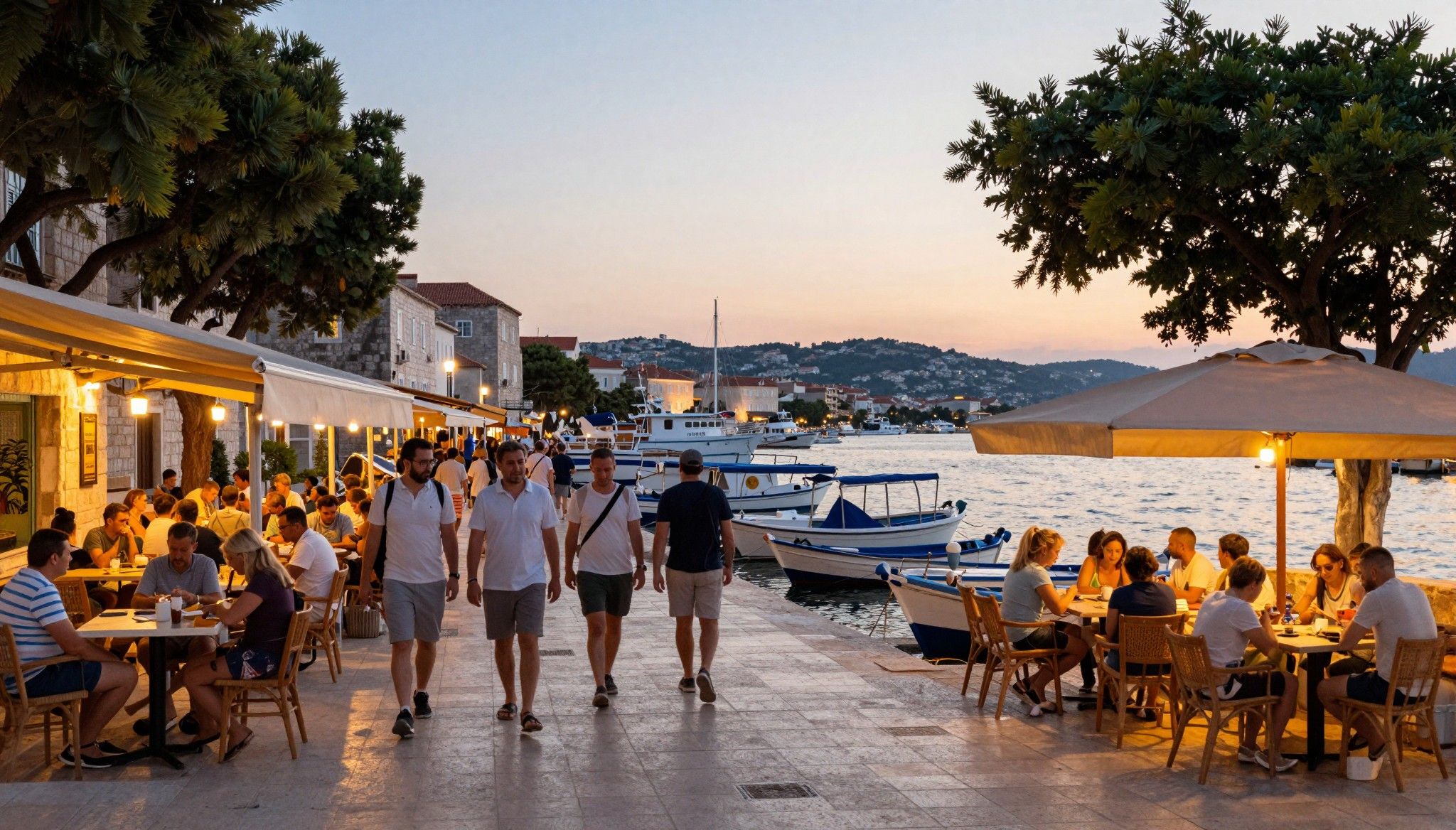
Imagine waking at dawn to the smell of freshly baked burek, stepping out onto a limestone street in Split while fishermen mend nets at the harbour and fig trees shade a quiet courtyard — this is everyday Croatia: seaside light, stonework, and a slow, social rhythm. For international buyers enchanted by that scene, the final steps — negotiation, closing and the stewardship of a home in Croatia — are where dreams either root or unravel. Recent market signals show strong price momentum along the coast and growing demand inland; knowing how to close with care and protect the landscape around your new home matters as much as the keys themselves. (See market overview linked below.)
Living the Croatian lifestyle
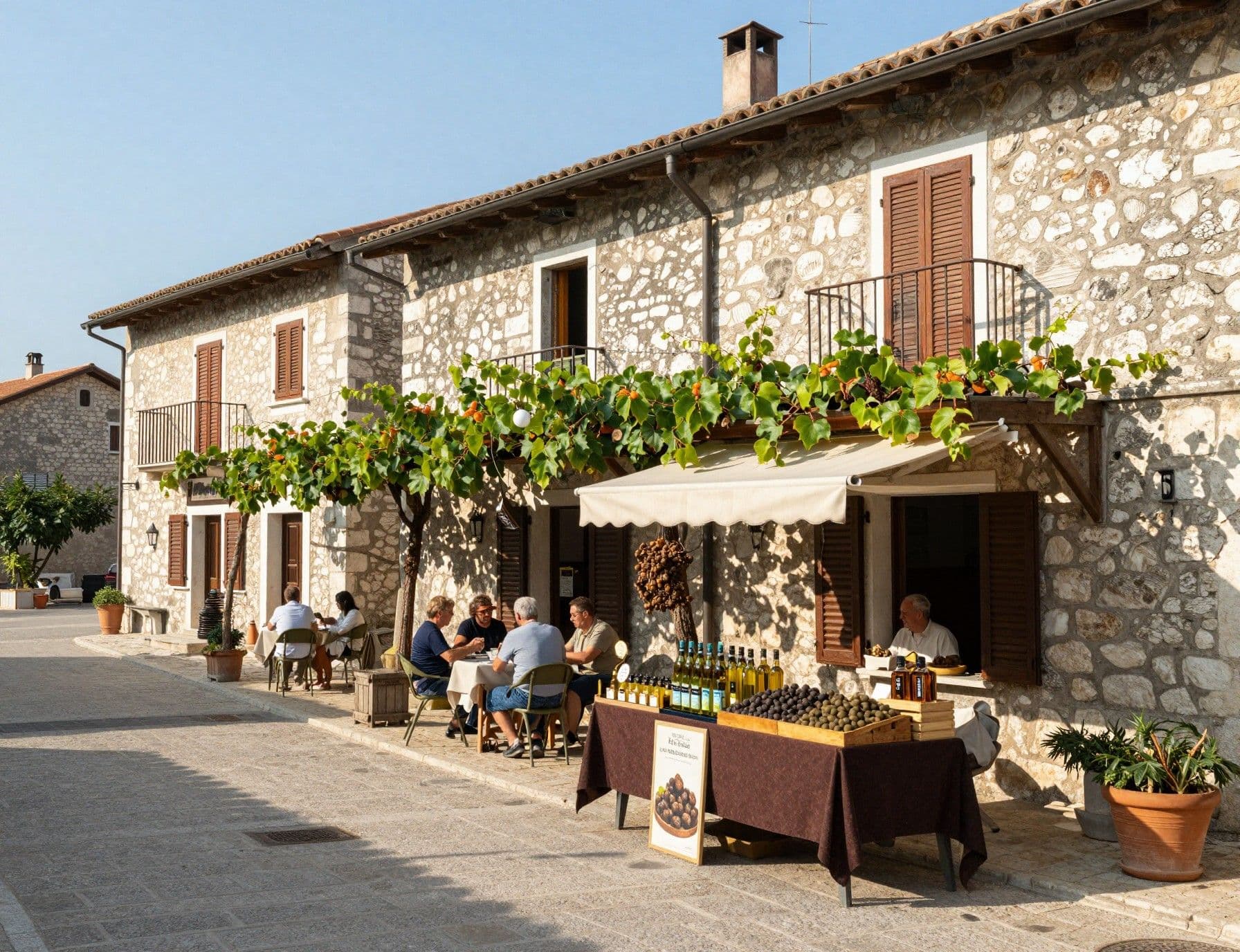
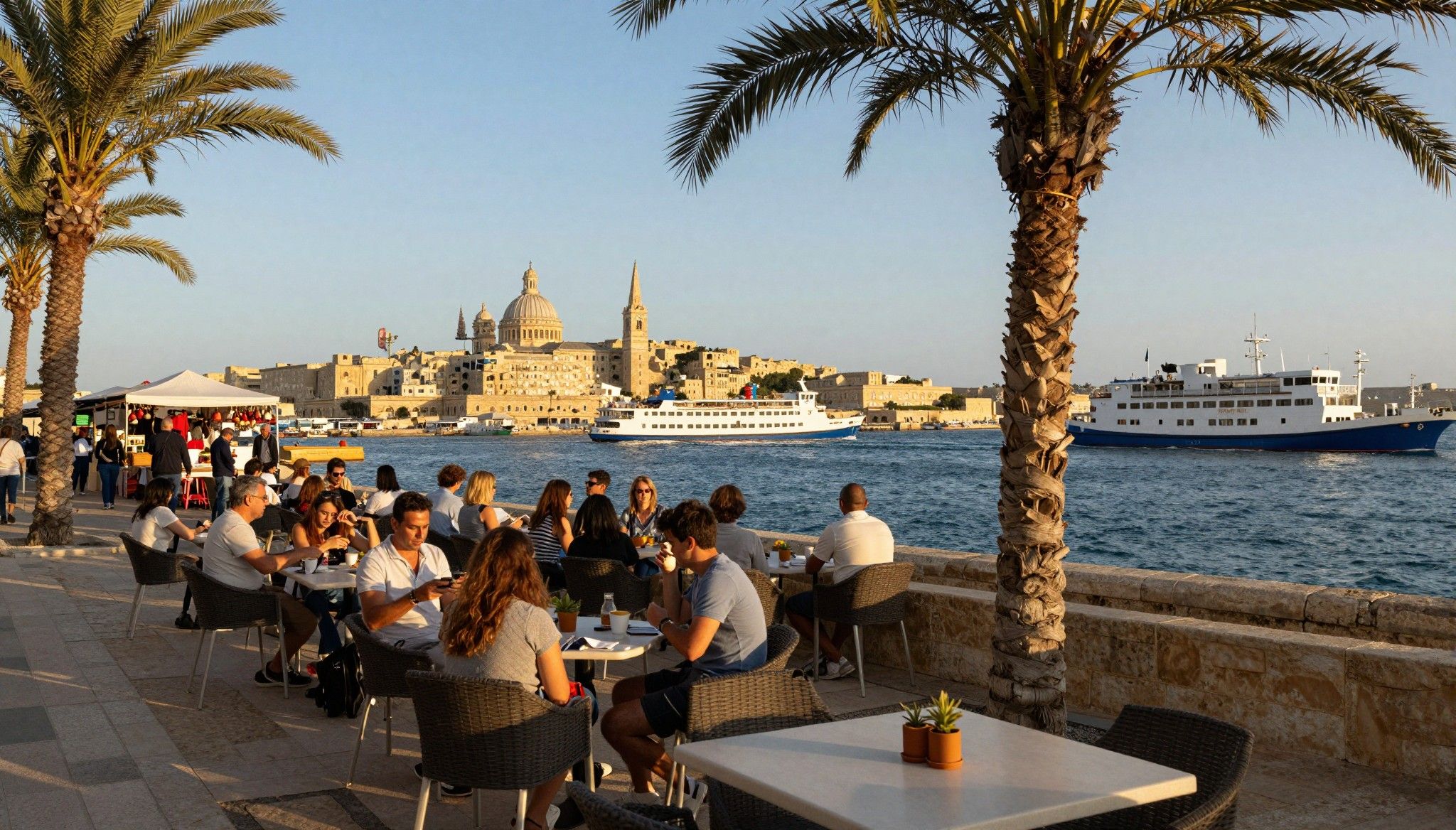
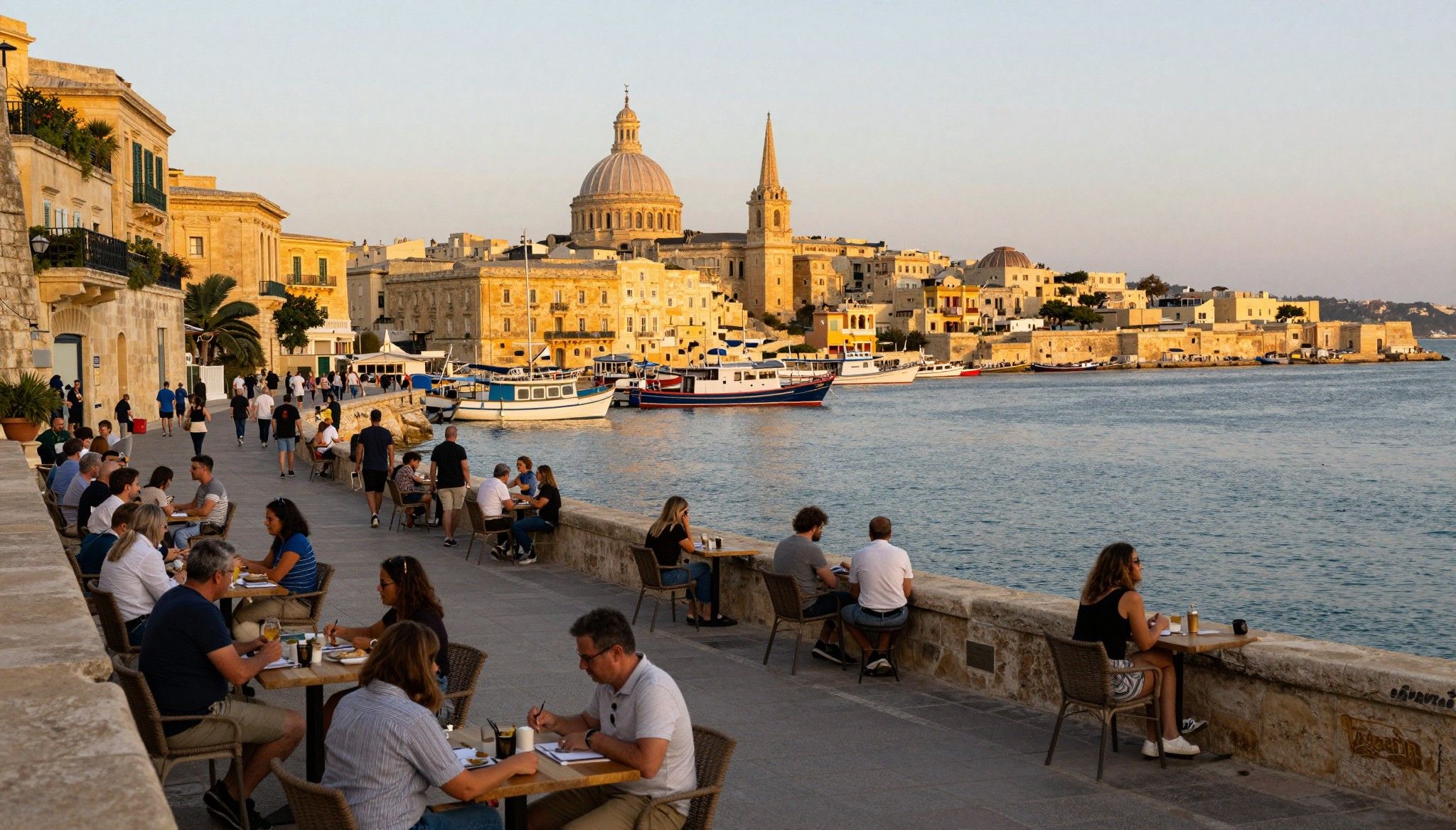
Croatia feels like a series of small stages: the barista-lined promenades of Dubrovnik’s Old Town, the pine-scented coves of Hvar, the wheat-gold hills of Istria where truffle festivals fill village squares. Daily life blends market rhythms — morning fish stalls in Zadar, late coffee on Split’s Riva — with long dinners that stretch under pergolas. Knowing local routines helps you choose a property that fits how you’ll actually live; proximity to a morning market or the right microclimate can change a lifetime of small, tender moments. Practical note: formal purchase steps (notary, land registry) sit quietly behind these scenes and are essential for transferring ownership securely. See official process guidance linked.
Neighborhood spotlights: Split’s Varoš and Dubrovnik’s Ploče
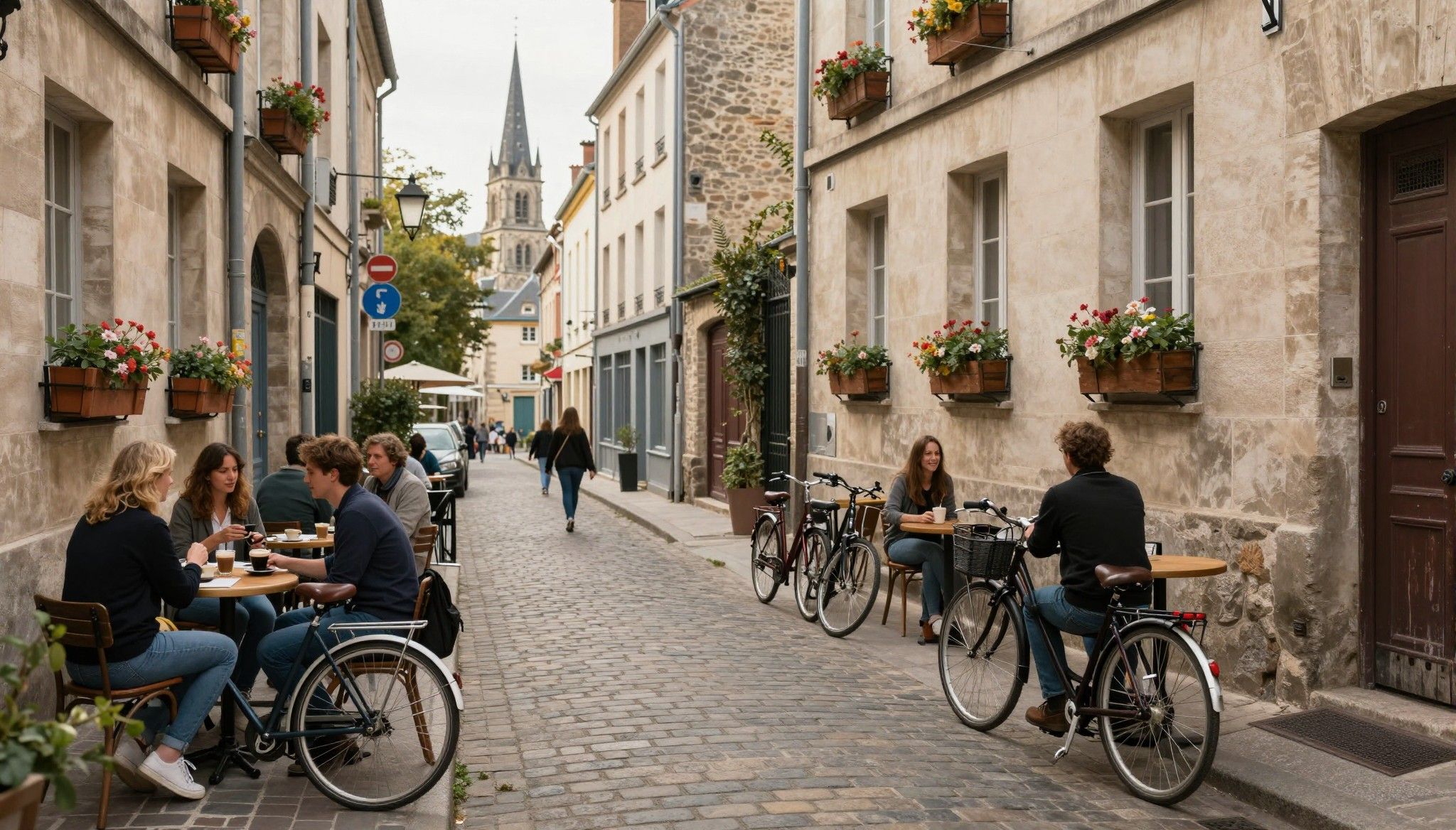
Varoš in Split is stone alleys and rooftop gardens — you’ll hear local dialects over espresso and see solar panels quietly topping restored villas. Ploče in Dubrovnik offers a dramatic threshold to the Old City, with the scent of sea and the convenience of cafés and small grocers. Both areas reward buyers who value walkability, community ties and homes that breathe with natural materials rather than sealed, tourist-oriented apartments.
Food, markets and the seasonality of place
Weekend rhythms matter: visit Pazar market in Split on Saturday mornings for citrus and fresh mozzarella; in Istria, seek out family-run konobas after truffle season for a sense of local belonging. Seasonality shapes property use — many coastal houses hum in summer and quiet down in winter. If you dream of year-round life, prioritise insulation, efficient heating and neighbours who live locally off-season.
- Lifestyle highlights worth factoring into where you buy: - Morning espresso at Bačvice (Split) and evening strolls along the Riva - Truffle fairs and slow-food markets in Motovun and Buzet (Istria) - Sailor and island markets on Hvar and Vis during summer - Forest walks and wine tastings in the Pelješac peninsula - Local artisans (stone masons, carpenters) who specialise in traditional repairs
Making the move: practical considerations
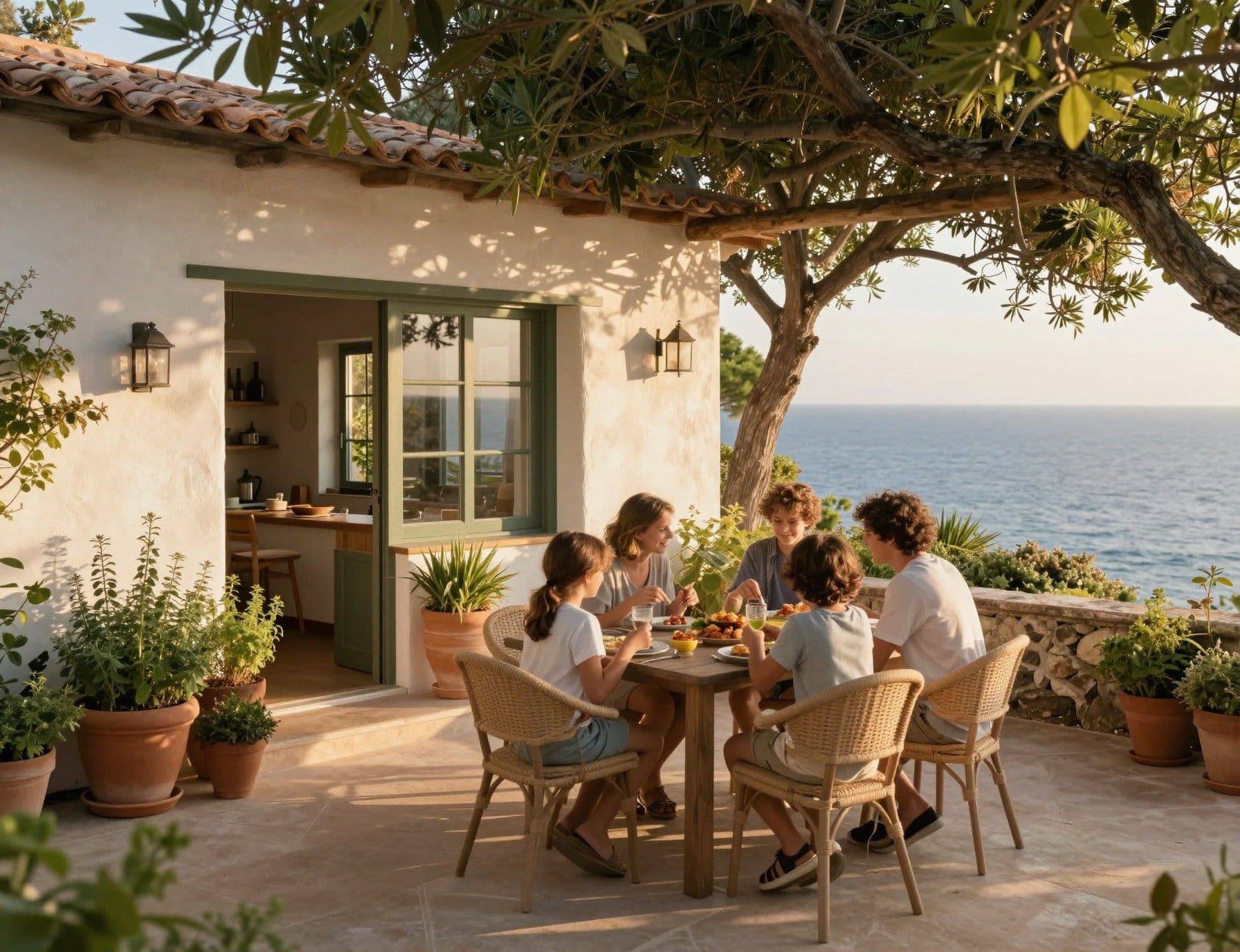
The romance of stone and sea meets bureaucracy at the notary’s desk and the land registry. In Croatia, signing the contract is only part of the journey; ownership is perfected by registration in the land registry. That registry entry is the legal shield for your title — and it’s the moment you should feel secure enough to plan stewardship steps like installing rainwater harvesting, native planting or solar panels.
Property styles and how they shape daily life
Stone houses with thick walls offer cool summers but can be chilly in winter unless retrofitted; newer builds may be energy-efficient but sometimes lack local character. If you want all-season comfort with low impact, prioritise: passive solar orientation, high-quality insulation, and space to add discreet renewable systems. These choices change utility bills, comfort and long-term stewardship of the land.
- Steps to close with confidence (blending lifestyle and legal needs): 1. Hire a Croatia-based lawyer or notary who reads land registry entries and checks for easements and coastal setbacks. 2. Insist on an up-to-date ownership sheet and cadastre plan; cross-check boundaries on site with a local surveyor. 3. Build contingencies into the purchase contract for title registration timelines and any required permits for renovations. 4. Budget for stewardship retrofits (insulation, solar, greywater) at closing — sellers often neglect long-term running costs. 5. Register the purchase promptly with the land registry and confirm mortgage/mutual obligations if financing.
Insider knowledge: expat lessons and red flags
Expat buyers say the same things: don’t fall for summer-only impressions, watch legal boundaries closely, and budget for seasonal living. Market data shows coastal prices rising faster than inland areas, making inland villages interesting stewardship opportunities, while OECD and government notes flag restrictions around agricultural land and special coastal protection zones. These realities create both risk and room for creative, low-impact ownership if you work with local experts.
Cultural integration and community
Learn a few Croatian phrases, visit the kafana (local pubs) regularly and support a neighbourhood producer — these small gestures open doors. Communities value reciprocity; show interest in traditional building methods and local biodiversity and you’ll find neighbours willing to help with contacts for sustainable builders, gardeners and tradespeople.
Long-term stewardship: where lifestyle meets responsibility
Treat your purchase as the start of a long relationship with place: choose local materials for repairs, favour native planting to support pollinators, and consider bespoke systems (solar with battery storage, rainwater capture) that fit the microclimate. These investments preserve the character of Croatian towns and often pay off financially through lower running costs and stronger resale appeal.
- Red flags and quick checks before signing: - Unclear boundary lines or missing cadastre plans - Properties in coastal protection zones lacking clear permits - Sellers pressuring for immediate cash transfers without notarised contracts - Electrical or plumbing that shows amateur repairs instead of certified fixes - Promises of new build permits without municipal confirmation
Conclusion: fall in love first, close with care. Croatia is a place of texture — stone, sea, and seasonal rituals — and the best purchases preserve that texture rather than erase it. Walk the streets in different seasons, ask neighbours about winters and winds, and close with professionals who protect both title and ecosystem. When you treat stewardship as part of the purchase, you aren’t just buying a house in Croatia; you’re joining a living place.
British expat who traded Manchester for Mallorca in 2017. Specializes in guiding UK buyers to luxury Spanish estates with clear navigation of visas and tax.