Malta: Courtyards, Sea Air and the Green Retrofit Advantage
Malta’s compact, seaside life blends baroque streets and village rituals — choose homes with heritage bones, courtyard gardens and retrofit potential for truly low‑impact living.
Imagine starting the day in a narrow Valletta lane: sunlight warms honey‑coloured limestone, a neighbour hangs laundry from an ornate wooden balcony, and the smell of fresh ftira and espresso drifts from a corner bakery. Malta is compact and vivid — every walk folds history and sea air into the small domestic rituals that make a life here feel quieter, warmer, and intimately local. For international buyers drawn to a low‑footprint, Mediterranean life, Malta offers a palette of lived textures: rooftop terraces and courtyard gardens, fishermen pulling in the morning catch at Marsaxlokk, and quiet village lanes in Gozo where wildflowers reclaim rubble walls.
Living the Malta life: calm density and coastal rhythms
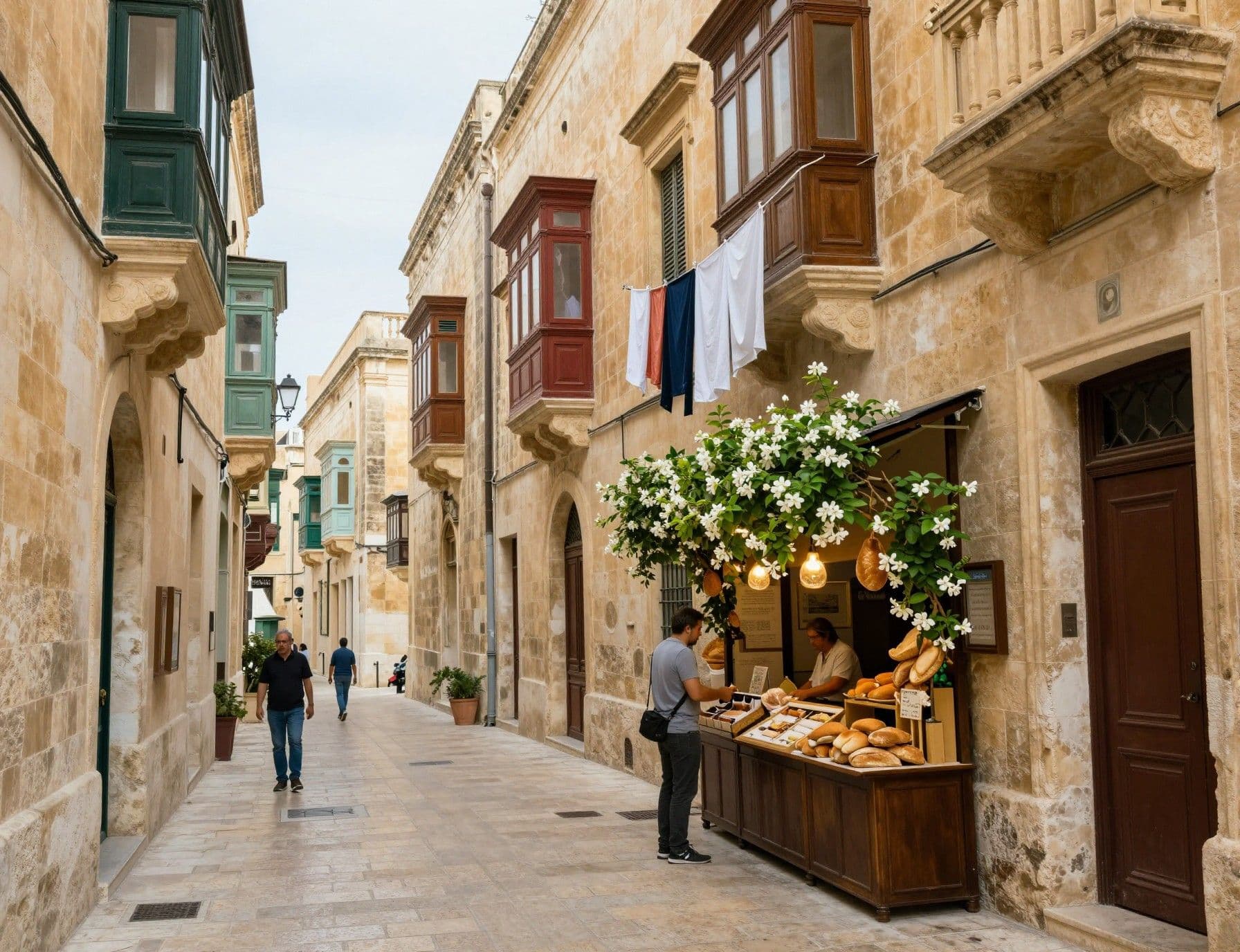
Malta's compactness gives every neighbourhood a distinct mood. Valletta's baroque lanes feel ceremonial at dusk; Sliema and St Julian's trade that intimacy for promenades, cafés and ferries; Marsaxlokk hums with working harbour life on market mornings; Gozo offers pastoral days punctuated by festas and sea cliffs. The National Statistics Office tracks steady price growth alongside high transaction volumes, a reminder that this small country contains several very different property markets under one flag.
Valletta & the Three Cities: history lived daily
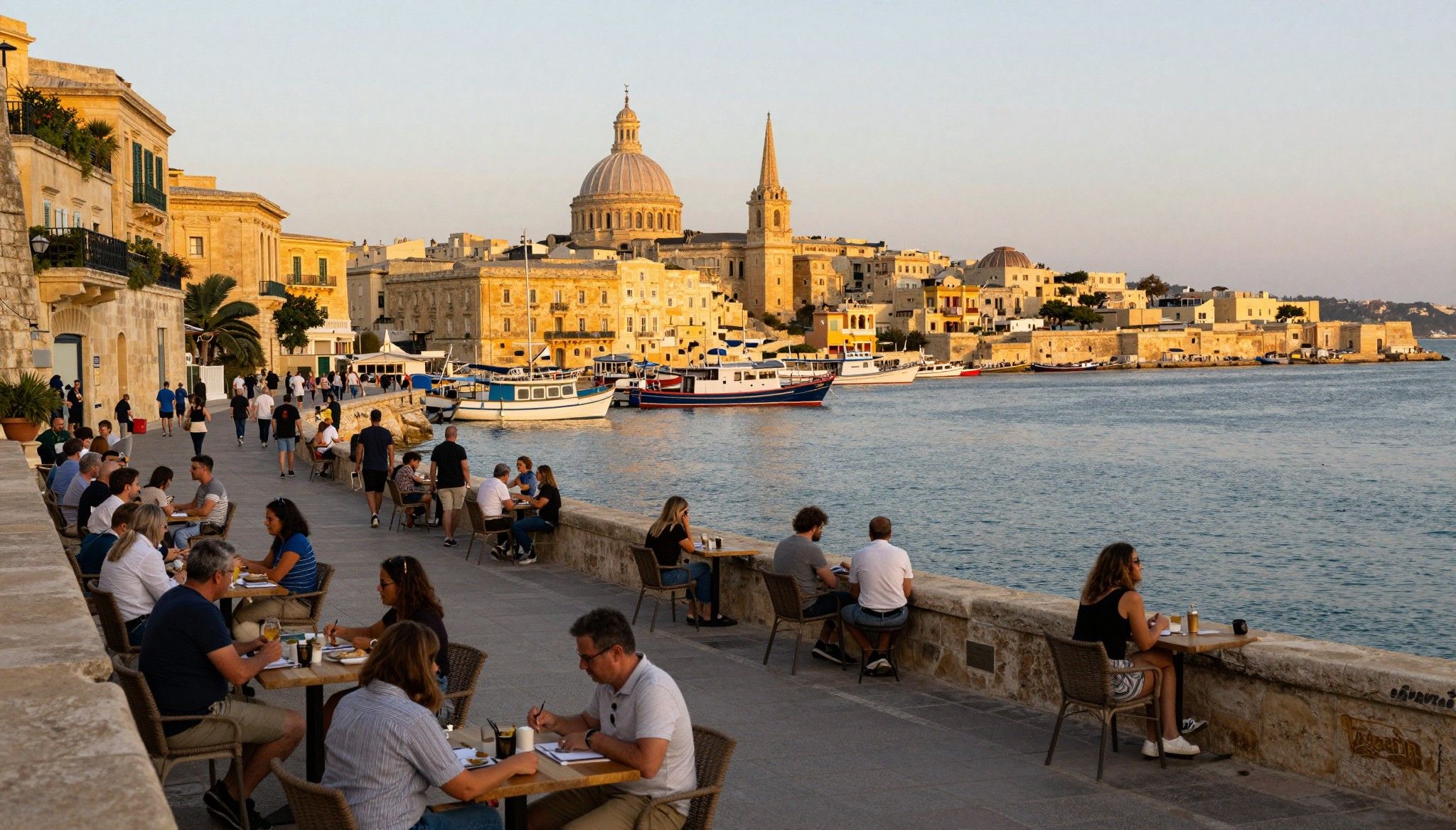
Living in Valletta means accepting a life of stairs, secret courtyards and rooftop views over Marsamxett. You’ll find pocket cafés such as Café Cordina on Republic Street, tiny artisan workshops restoring wooden balconies, and evening passeggiatas when the city inhales and talks. Properties here are often heritage maisonettes, palazzo flats or small converted apartments — romantic, but needing careful conservation-minded upgrades to modern comfort and insulation.
Sliema, St Julian’s & the seafront strip: sociable coastal living
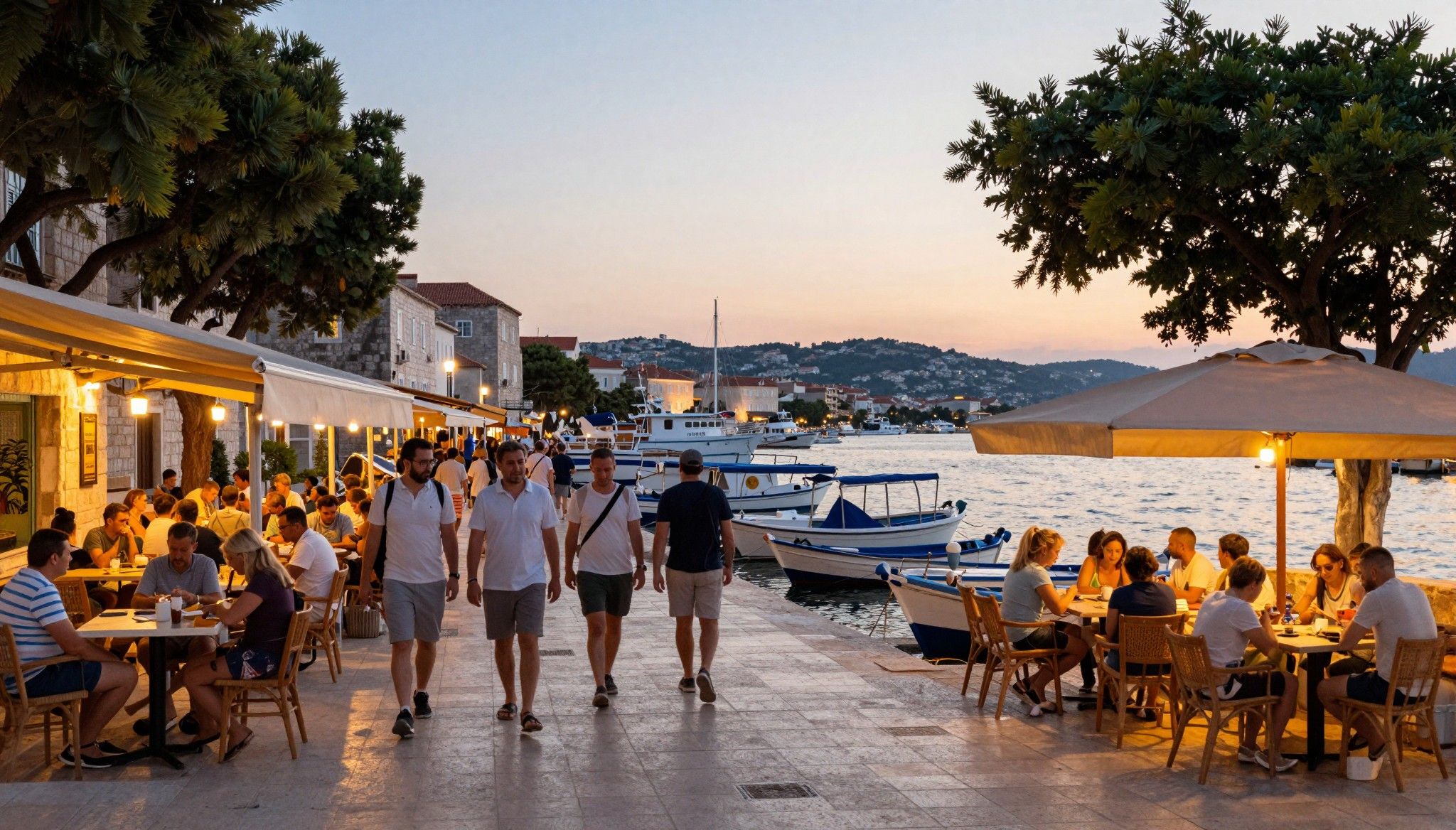
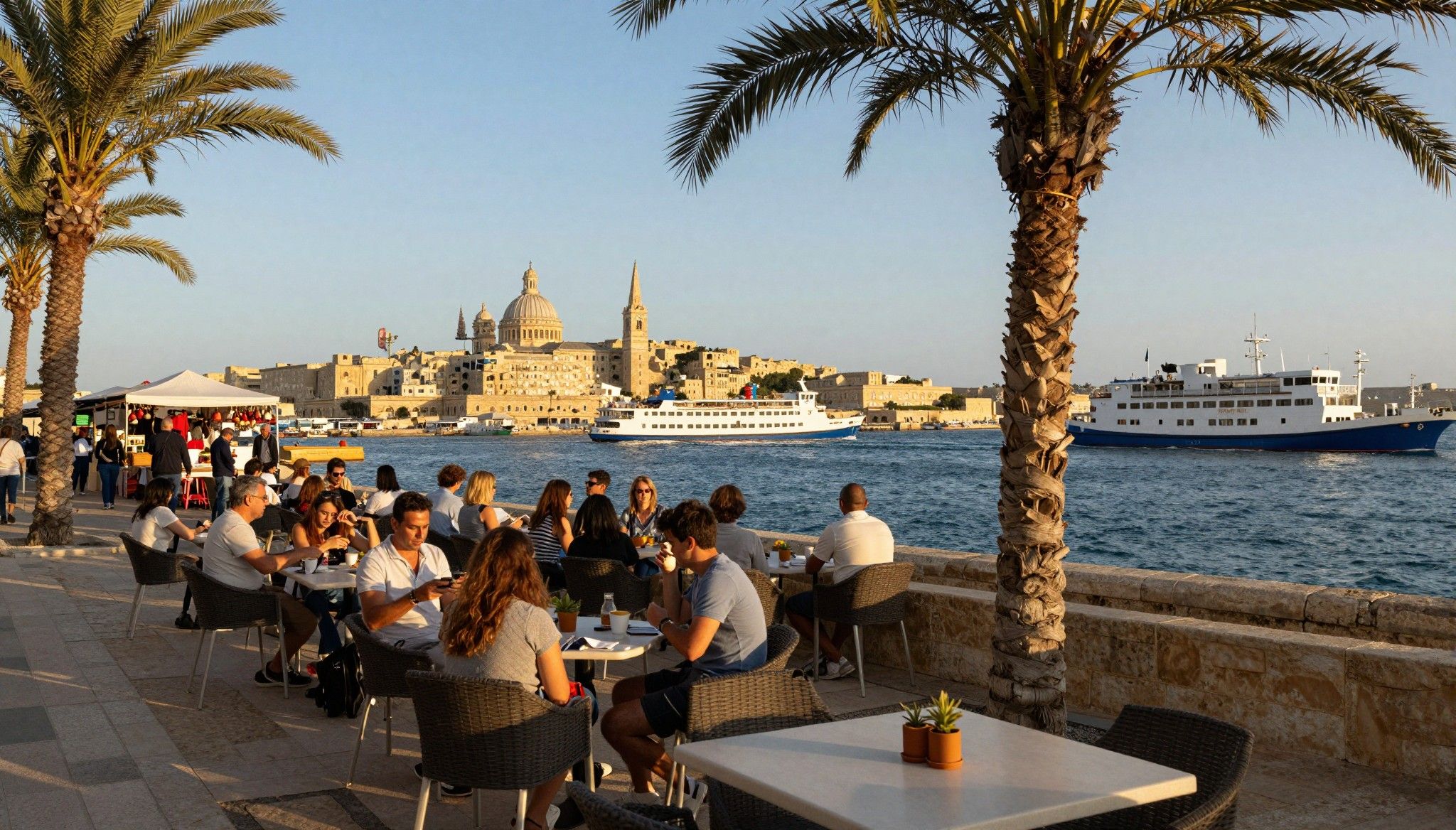
Choose Sliema or St Julian’s if you want cafes open at every hour, ferries to Valletta and a coastline anchored by promenades and rocky bathing spots. These areas attract young professionals, families and many expats; modern developments sit beside older villas. The soundscape here is seaside — wind over the water, church bells on Sundays, and the occasional late‑night restaurant bustle during summer.
- Market‑mood lifestyle highlights:
- Early‑morning fish market at Marsaxlokk, buying citrus and fresh fish from the luzzu boats
- Rooftop breakfasts in Valletta with jasmine and sea views
- Village festas in Gozo — afternoon processions, homemade sweets, neighbours sharing wine
Making the move: lifestyle choices that shape the property
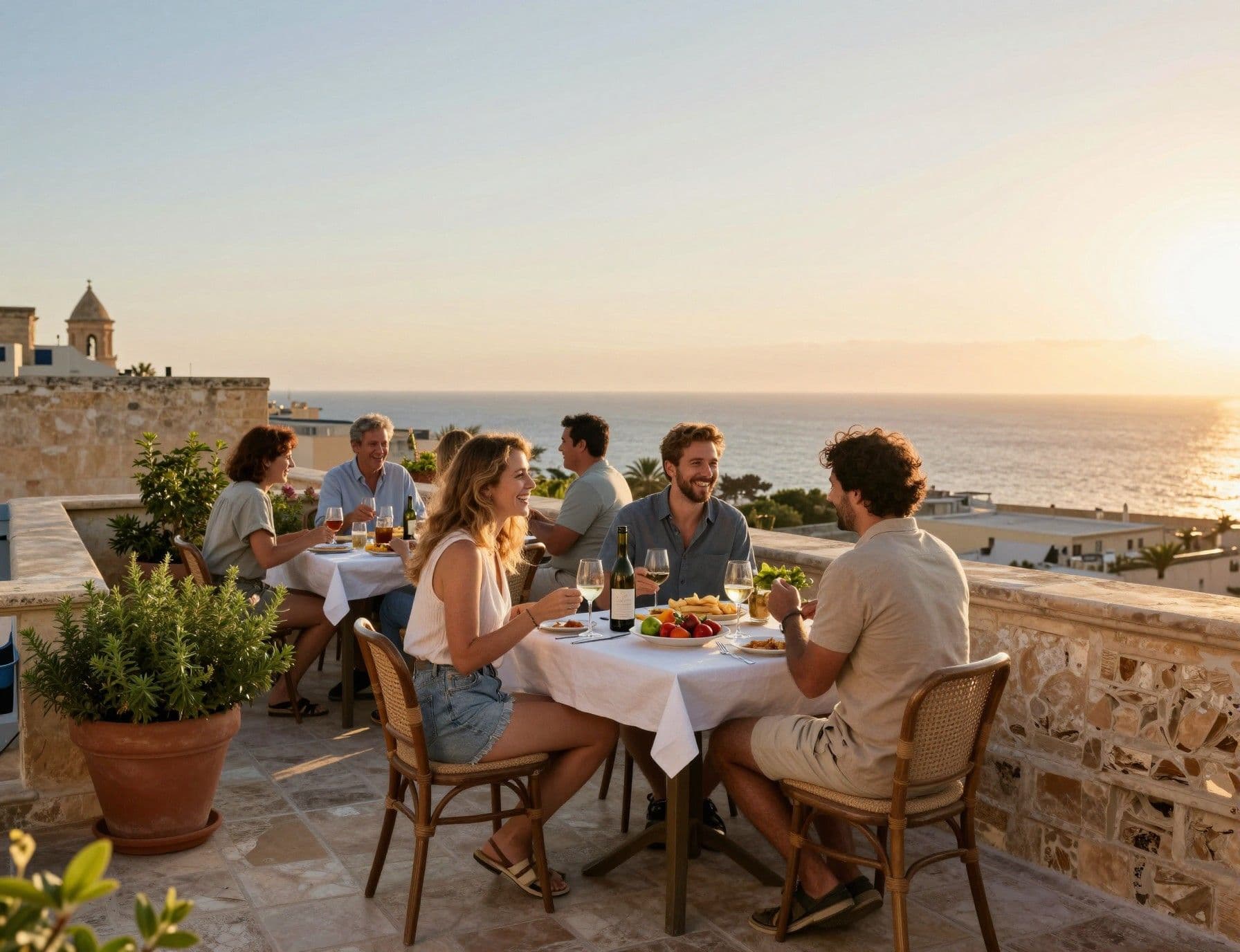
Dreams of a terrace garden or a restored palazzo are realisable in Malta, but the type of property you choose determines the practical steps ahead. Some central historic homes need heritage permissions for changes; many new apartments come with modern insulation and energy systems but sit in denser neighbourhoods. Non‑EU buyers face additional permit routes in many areas, while EU citizens benefit from broader purchase freedoms — check eligibility early so lifestyle and legal fit align.
Property styles: what to expect and how they support green living
Traditional Maltese homes — limestone townhouses, courtyard houses, and farmhouses in Gozo — lend themselves beautifully to passive cooling, courtyard gardens and water‑wise landscaping. Newer blocks often offer rooftop PV readiness and efficient glazing. If low impact living matters, prioritise properties with thick stone walls, courtyard orientation for airflow, space for solar on flat roofs, and opportunities for greywater reuse.
Working with local specialists who care about place
A good Malta agent is more than a listings feed: they can point you towards properties with sound heritage potential, local craftsmen skilled in limestone repair, and architects experienced in discreet retrofits for insulation and solar. They’ll also flag planning zones such as Urban Conservation Areas, where conservation rules will shape what you can change. Work with solicitors versed in local conveyancing and planning nuances to avoid surprises.
- Practical steps to match lifestyle with purchase (start to finish):
- Clarify residency and permit status early (EU vs non‑EU rules affect available stock).
- Visit in two seasons — winter reveals maintenance issues hidden by summer’s sparkle.
- Bring an architect or conservation contractor to viewings to assess retrofitting potential.
- Confirm planning designation and possible grants for restoration or energy works.
Insider knowledge: what expats wish they’d known
Seasonality is subtle but decisive in Malta. Summers are social and noisy in tourist hubs; winters reveal the island's everyday rhythm — quieter markets, slower ferry timetables, and the chance to listen to the sea. Expats often tell us they underestimated how much community matters here: join a festa committee, learn a few Maltese phrases, and you’ll be welcomed into village life much faster than a flashy purchase will win friends.
Language, customs and practical social notes
English is an official language, so daily life is accessible, but Maltese cultural codes — greeting neighbours, timing of meals, and festa etiquette — shape belonging. Expect direct yet warm interactions, and learn to cherish small neighbourly rituals: sharing produce, exchanging local recipes, or stopping for a quick coffee at the corner pasticceria.
Long‑term lifestyle considerations
Malta’s market shows steady demand and regional divergence: some central areas command premiums while inland and Gozo offer more quiet value. Think about future mobility (parking and road access), maintenance networks for stonework and joinery, and whether you want a property that travels the seasons with you — rentable in summer yet hospitable all year for a quieter life.
- Red flags and local pitfalls to watch for:
- Properties with extensive unlicensed extensions — check planning history.
- Flat roofs without water‑proofing upgrades — a common source of leaks in older homes.
- Buying sight unseen in summer — you may miss humidity, building movement, or noise issues.
If you love the idea of a home that treads lightly on the land, Malta rewards patient buyers: pick properties with heritage bones and scope for efficient upgrades, favour courtyards and terraces for micro‑gardens, and work with local craftsmen who understand limestone repair and passive cooling. The result is a home that feels rooted in place, comfortable across seasons, and aligned with regenerative living.
Ready to imagine yourself here? Start by visiting off‑season, meet a trusted local agent who values stewardship, and ask to see restoration examples and energy improvements on past sales. Small choices — the orientation of a courtyard, the capacity for rooftop solar, an honest conservation report — compound over time into a life that belongs to Malta rather than simply being in it.
British expat who traded Manchester for Mallorca in 2017. Specializes in guiding UK buyers to luxury Spanish estates with clear navigation of visas and tax.