When Summer Sells the Dream: Croatia Due‑Diligence Lessons
Fall in love with Croatia’s coastal life—but do the due diligence: check ownership, permits, VAT/transfer tax and utility rights before you commit.
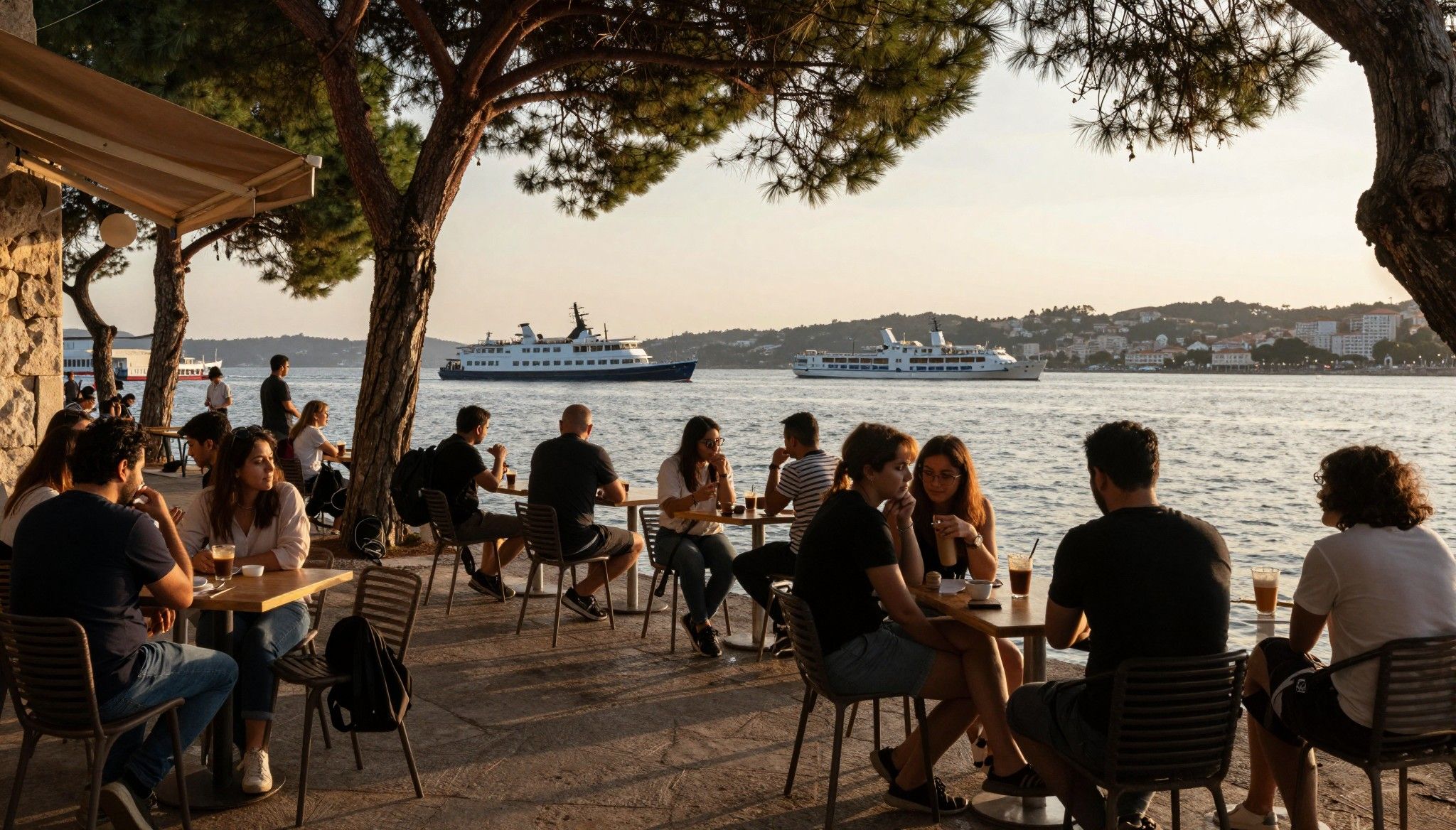
Imagine morning light on a stone terrace in Split, the smell of grilled fish from a neighbour’s kitchen, and cyclists drifting through pine‑scented lanes outside your door. Croatia feels like a place that was designed for slow, sensory living—Adriatic winds, open markets and village rhythms—but for many international buyers the romance can obscure practical risks. Recent house‑price data and permit changes show why careful due diligence must keep pace with the daydream. (see house price index).
Living the Croatia life
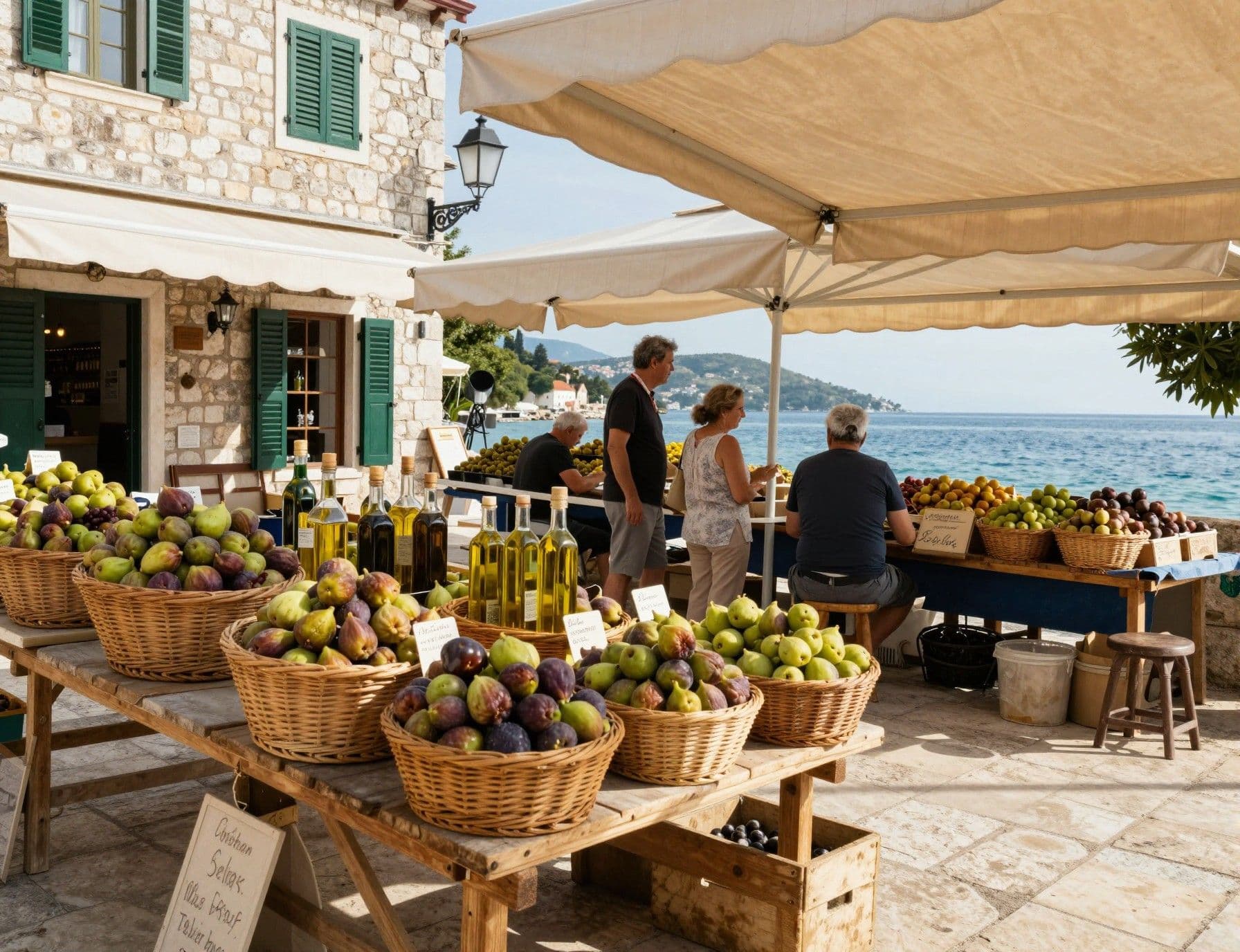
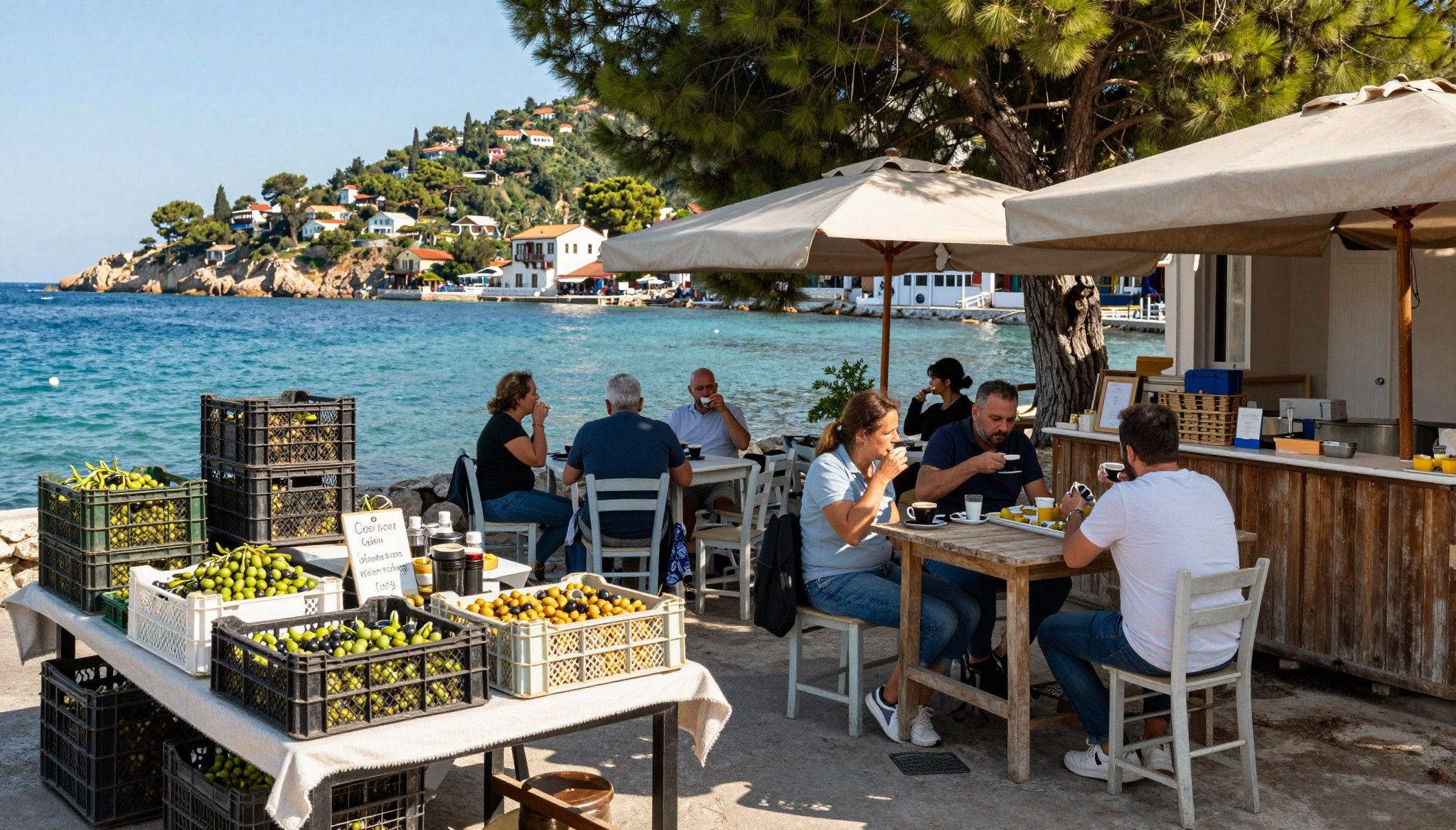
Life in Croatia is a mosaic of island towns, baroque streets and forested hinterlands. Days unfold around coffee at breakfast bars, late lunches under plane trees, and evenings when the sea glows like polished stone. There’s an intimacy to neighbourhoods in Dubrovnik’s Lapad, Zagreb’s leafy Pantovčak and Istria’s hilltop villages that makes you feel rooted quickly. But each micro‑culture influences what to look for in a home — from courtyard orientation to water supply and local planning rules.
Split’s narrow streets and island ease
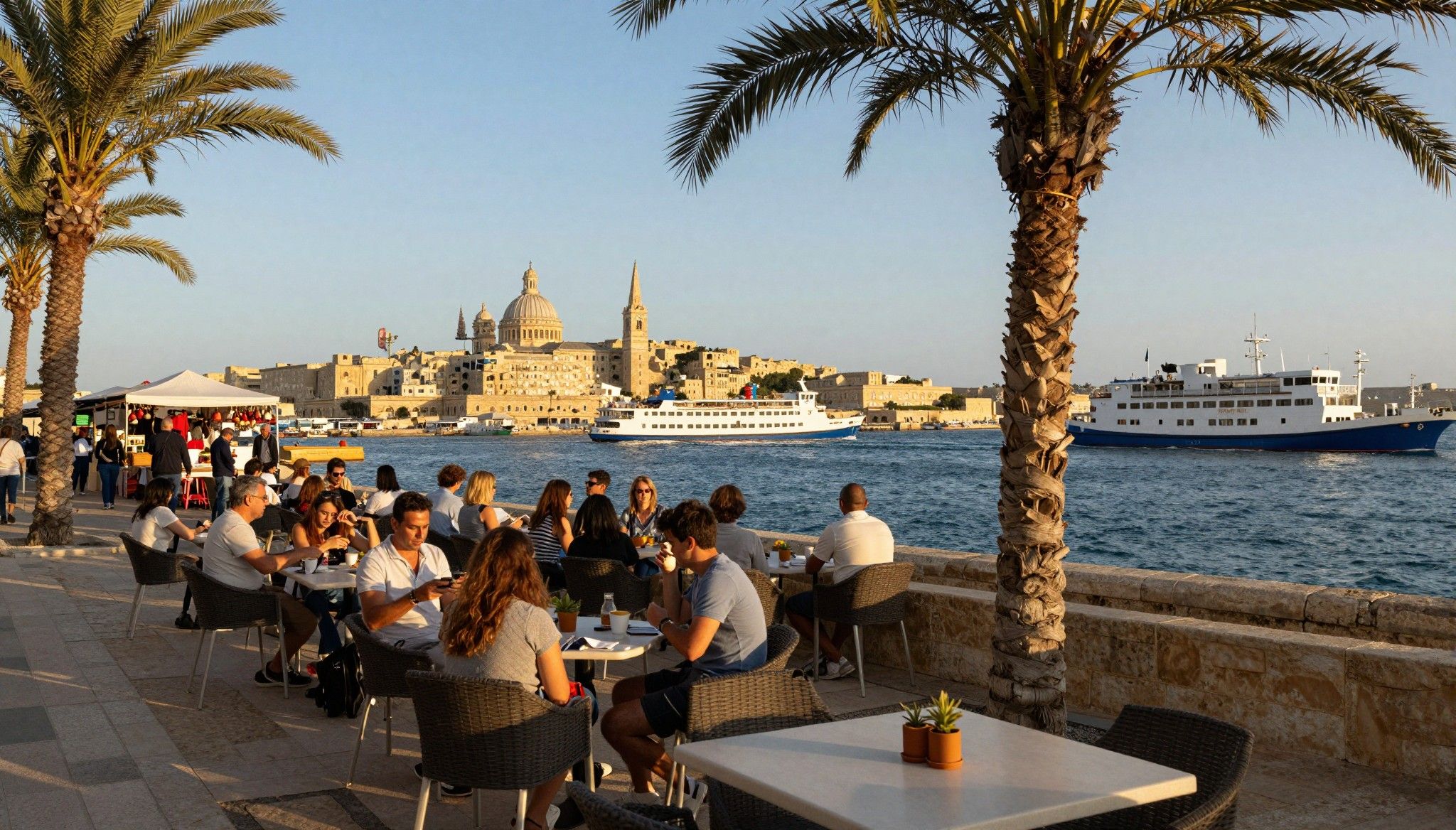
Wander from Diocletian’s Palace to Bacvice beach and you’ll see why many buyers choose Split: cafés on Marmontova, small grocery delis, and short ferry hops to Hvar. Properties here reward those who value proximity to life—terraces that drink in sunset, small gardens for herbs, and compact apartments that open onto communal lanes. But being close to the action means checking noise ordinances, tourist registration rules and conversion permissions for short‑term lets.
Istria’s slow‑food hilltops and green restorations
In villages like Grožnjan or Motovun, stone houses sit among olive groves and truffle country. Here the sustainable dream is tangible: thick walls, local stone, rainwater collection and wood‑fired ovens. Buyers attracted to regenerative living should favour properties with original fabric that can be retrofitted rather than demolished—both to preserve character and because planning rules often favour preservation.
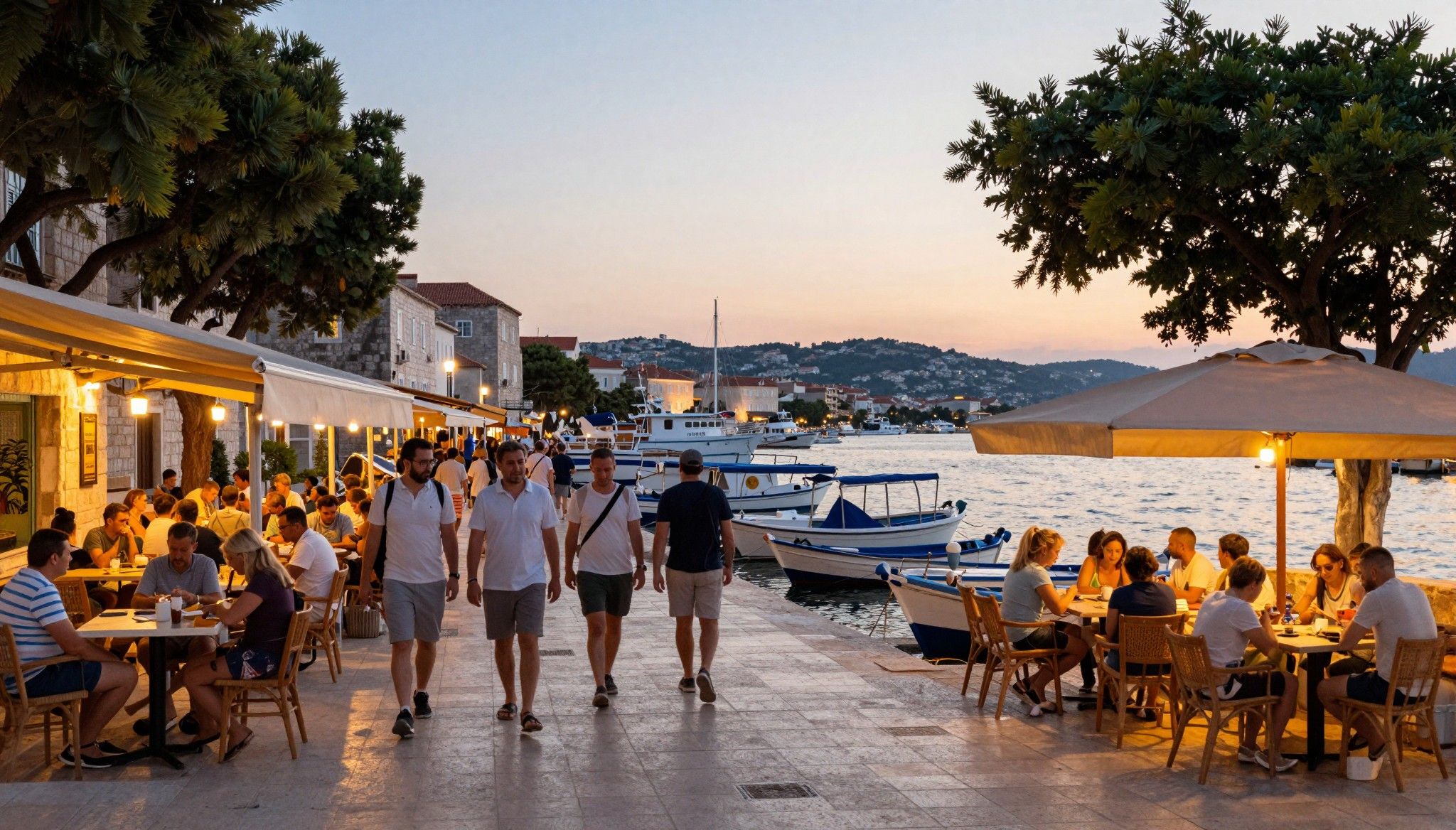
- Lifestyle highlights: morning markets in Dolac (Zagreb); espresso and mandele pastry on Obala u Splitu; evening promenades along Rovinj’s waterfront; olive‑press mornings in Istria; island hopping from Hvar to Vis.
Making the move: practical considerations that preserve the lifestyle
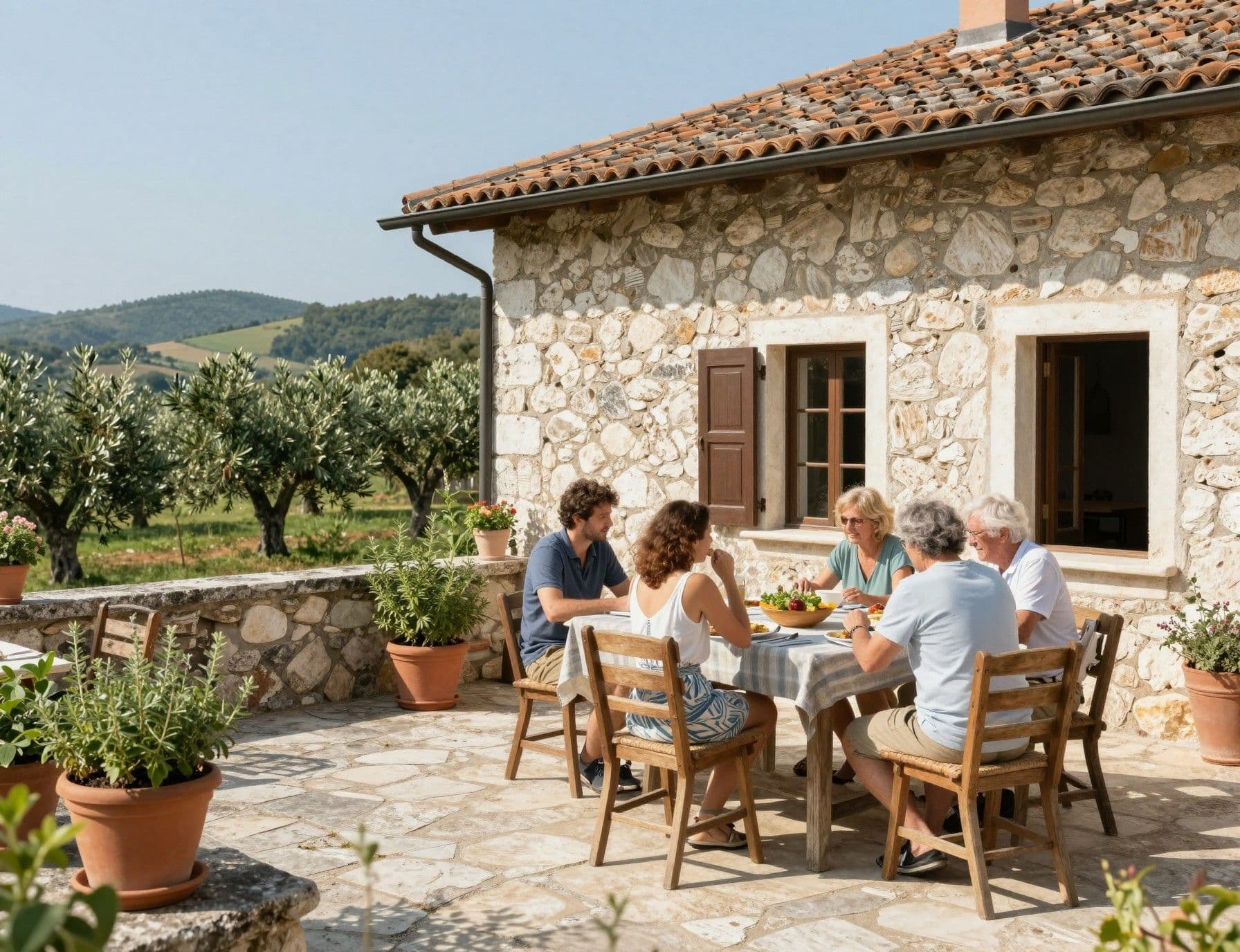
Your dream home’s suitability is more than beauty; it’s about legal access, permits and day‑to‑day systems. EU/EEA citizens generally buy on the same terms as Croatians, but agricultural land and some protected zones remain restricted — and non‑EU buyers still face reciprocity checks. Learn local rules early to avoid offers that look good but cannot be completed legally.
Property styles and how they shape living
From restored stone houses to new seaside villas, each type carries different permit needs. A listed stone house may need conservation approval to change windows; a new build requires a location decision and a construction permit. Croatia’s eDozvola systems have sped approvals, but you still must verify legal project documentation and connection rights for water, sewer and electricity before committing.
Local experts who protect the lifestyle
Hire an English‑speaking lawyer and a local architect early. Good agents translate culture; good lawyers translate law. Architects or conservation consultants will tell you whether a terraced garden can legally hold a rainwater tank or whether solar panels will trigger a heritage review. This team turns a romantic wish—dinner on a sunset terrace—into a permitted reality.
- Practical checklist blending lifestyle and law: 1) Ask for the cadastral extract and certified ownership documents. 2) Confirm utility connection rights and local water availability. 3) Check zoning and any coastal/protected‑area restrictions. 4) Request previous renovation permits and final occupancy certificates. 5) Get a written estimate for converting to tourist rental, if relevant. 6) Verify transfer tax or VAT status with your lawyer.
Insider knowledge: the things expats wish they'd known
Expats often discover that the hidden costs—legal fees, transfer tax, local utility reconnections and modest renovation surprises—erode the honeymoon phase. Transfer tax is commonly applied around 3% on resale purchases; new builds often carry VAT implications. Always clarify whether the sale is VAT‑exempt or not before signing, and budget 6–8% above the purchase price for transaction and registration costs.
Cultural rhythms and the small rules that matter
Croatians prize local relationships: neighbours know who keeps keys, who waters gardens and who runs noisy renovations. Respect for seasonal life—quiet in August mornings, lively evenings at summer festivals—shapes community norms. Learning a few phrases and attending the local market makes integration quicker and informs practical choices like where to buy and which renovations are socially acceptable.
Longer‑term: if you plan to renovate, check planning instruments and the eDozvola portal early. Many coastal municipalities have special plans that affect setbacks, parking requirements and wastewater treatment. A permit backlog can add months to a project and upset the seasons you hoped to enjoy while renovating.
- Red flags to spot on viewings: • No documented utility connection agreements. • Missing final occupancy (uporabna dozvola) after recent renovations. • Unclear land use on the cadastral extract. • Sellers pushing for large cash deposits before lawyer review. • Promises to 'regularise' works after purchase without written commitment.
- A step‑by‑step due diligence rhythm: 1) Reserve with a conditional offer tied to legal checks. 2) Instruct a lawyer to obtain title, encumbrance and zoning extracts. 3) Commission a structural and services survey. 4) Confirm permit history and compliance with coastal/environmental rules. 5) Finalise contract with escrow and notary arrangements, then register in land books.
Croatia’s market remains active—coastal demand continues to push prices while inland pockets offer quieter value—so the best purchases are those where the legal foundations match the lifestyle promise. When you know the rhythms of place and the rhythm of permits, you buy less a house and more a way of life.
If you’re dreaming of Croatia, start with a short reconnaissance trip timed outside peak summer to feel true neighbourhood life, then engage a local lawyer and architect before any deposit exchanges. That small pause protects both your wallet and the delicate, living quality of the home you’ll come to love.
Swedish advisor who left Stockholm for the Costa Brava in 2019. Specializes in sustainable, sea‑view homes for Scandinavian buyers and green finance insights.