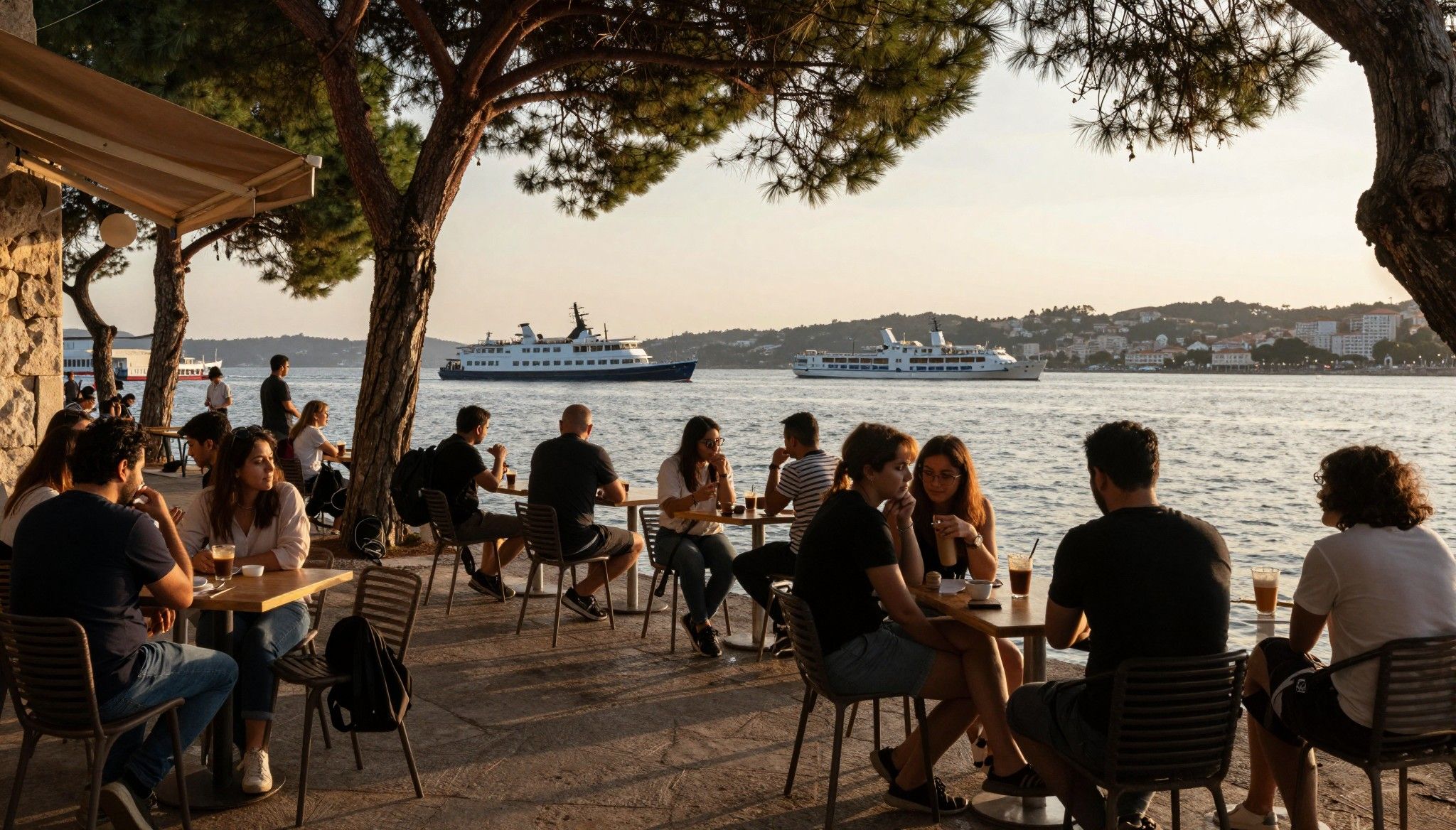
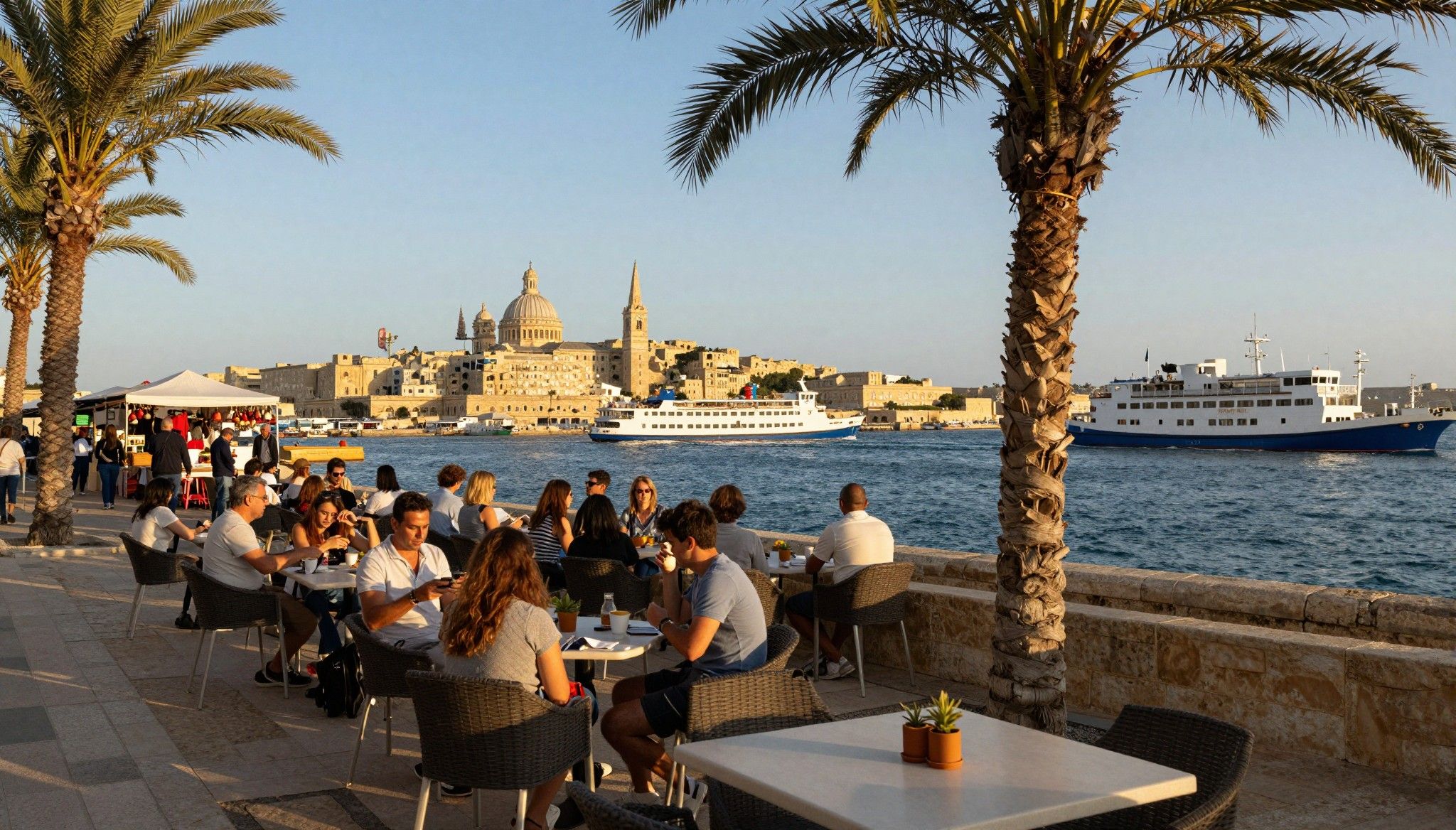
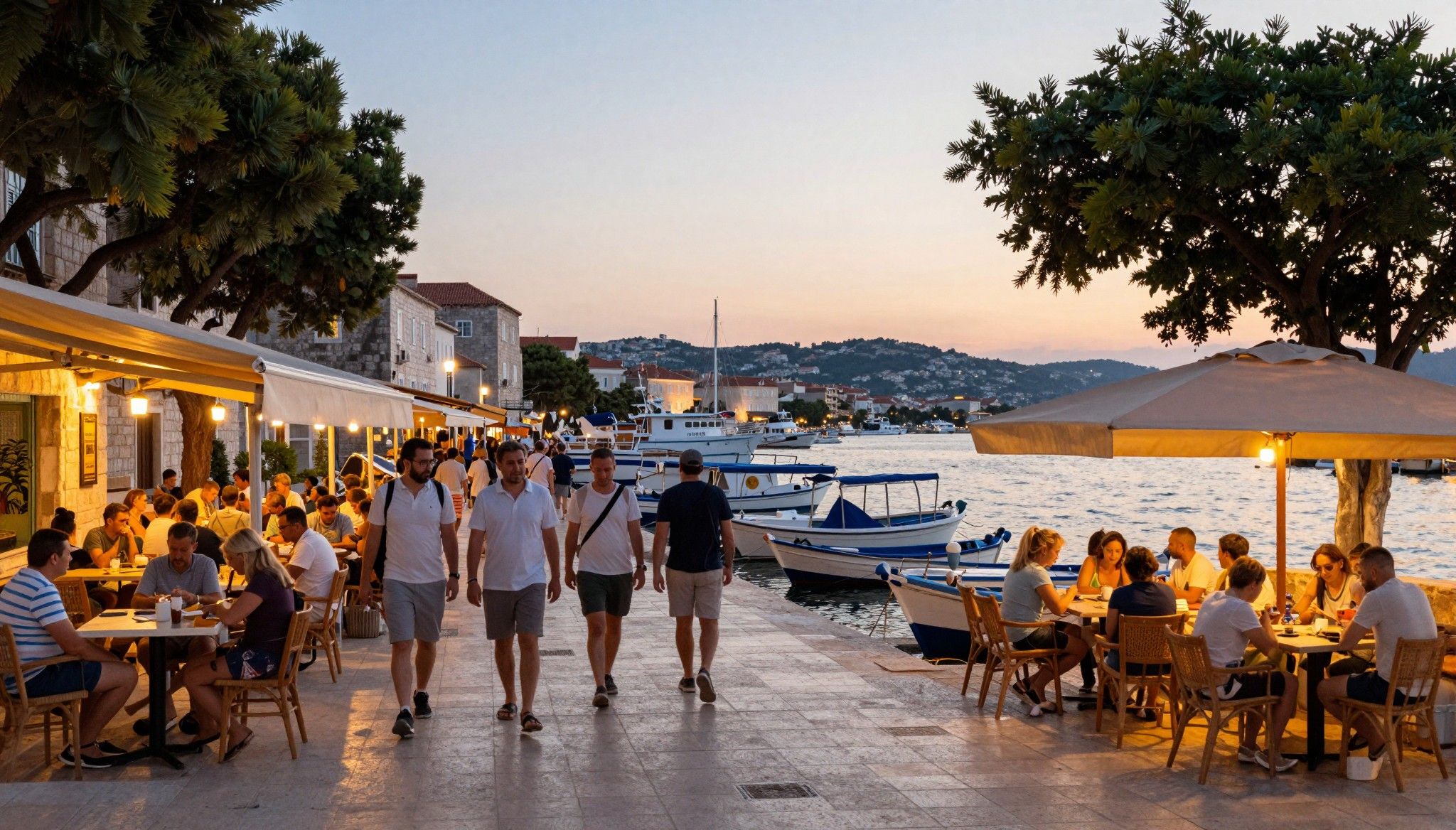
Greece’s Verdant Coasts: Lifestyle Wins and Market Realities
Greece’s forested coasts and island villages offer eco-rich living — but recent Golden Visa changes and local market trends mean buyers must pair romance with local research.
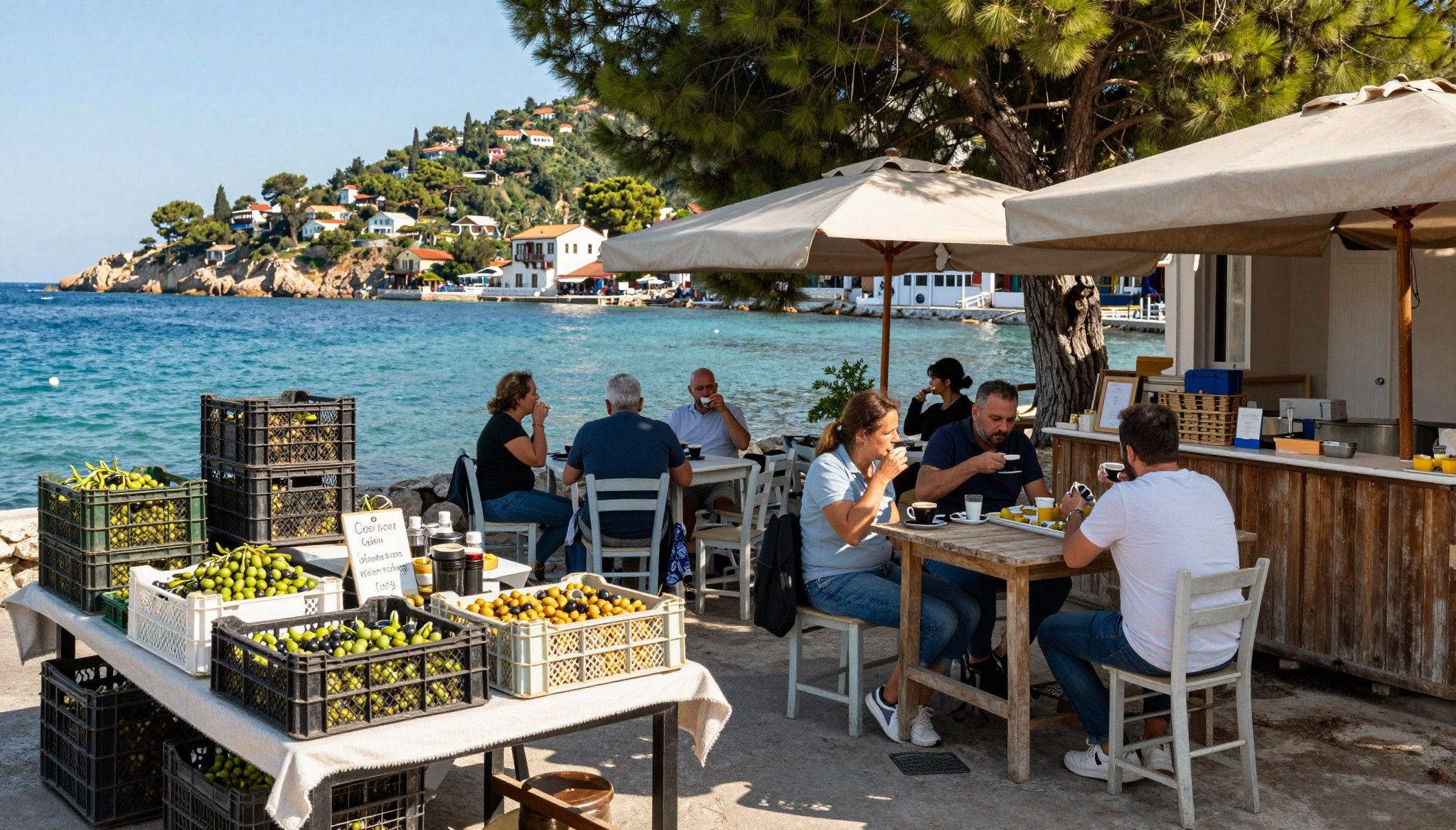
Imagine waking to lemon trees and sea-pine scent, then walking to a sun-warmed kafeneio for espresso while fishermen unload octopus nearby. Greece is that slow-motion mosaic of islands and forested coasts where every neighborhood carries a season — and where green living is woven into daily life. For international buyers who want beauty that breathes and a home that treads lightly, Greece’s coastal forests, stone villages, and Athens’ leafy quarters offer an unusual mix of wilderness and convivial town life — but the market and residency rules have shifted, so a little local knowledge matters.
Living the Greek Verdant Life
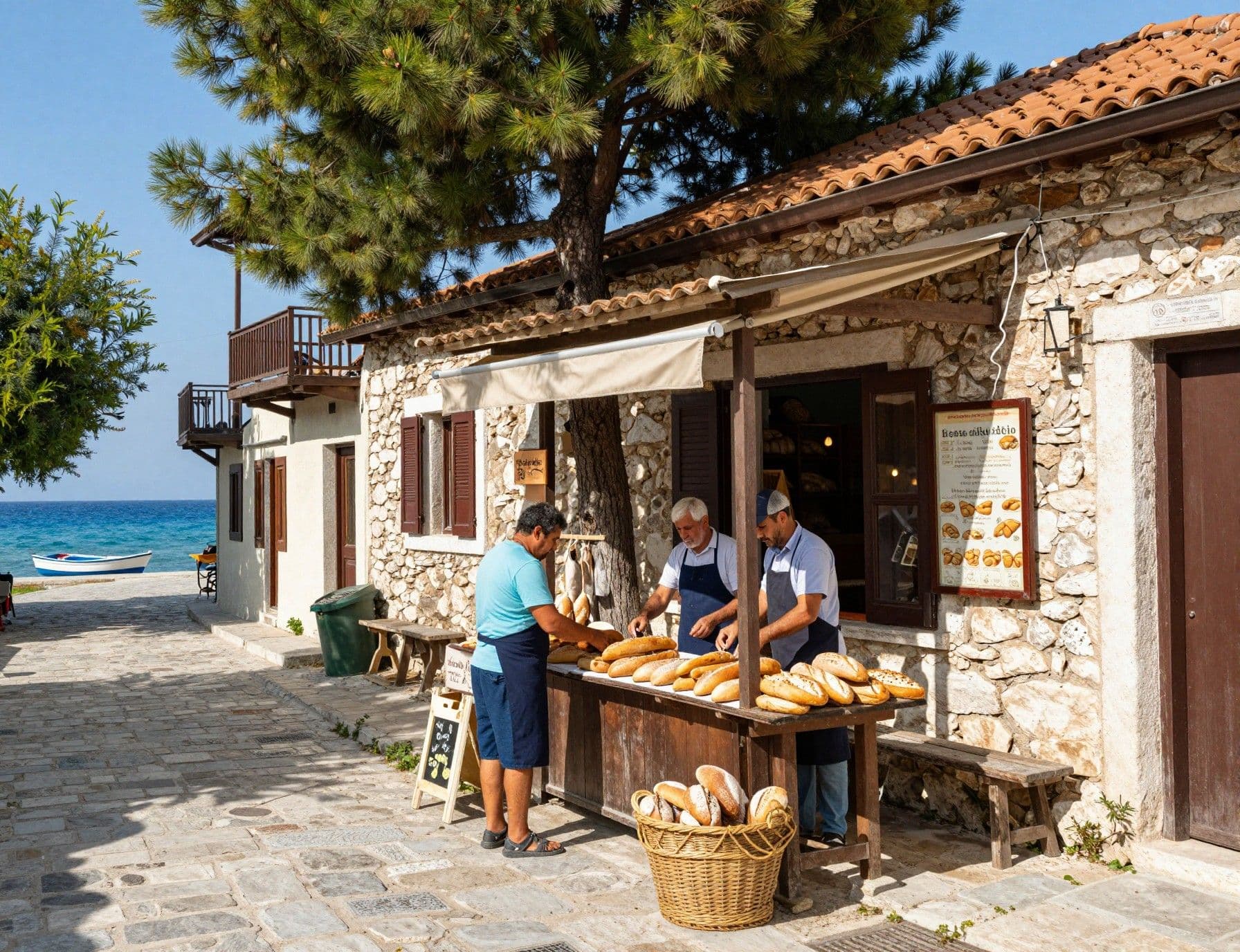
Daily life here moves between olive groves and sea breezes. In coastal towns from Pelion to the Mani, mornings are for markets and hikes under pine canopy; afternoons drift into shaded verandas and late dinners. Athens surprises many — neighborhoods like Plaka, Pangrati and Koukaki (a favorite among locals and expats for its tight streets and courtyard cafes) have pockets of urban forest, community gardens and rooftop solar that blur the line between city and countryside. Recent house-price trends show strong demand, particularly where green infrastructure and proximity to nature meet good transport links.
Seaside-forests and island hamlets
Walk the shaded lanes of Kefalonia’s villages, or follow the pine-scented trails of Evia and you’ll understand why buyers dream of these places. Houses here are often stone-built with thick walls that keep summers cool and winters gentle. Local craftsmen still use regional timber and lime plaster — perfect for buyers who want authentic materials and low‑tech resilience rather than glass boxes. Small harbours, family-run tavernas and seasonal farmers’ markets mean your daily life centers on local produce and community rhythms.
Food, markets and seasonal life
A day in Greece often begins at the fruit-and-fish market and ends at a wood-fired oven bakery. Seasonal festivals — olive harvests in October, local panigyria (saints’ feasts) in summer — shape the social calendar and offer instant invitations into village life. Sustainability here is practical: rooftop water tanks, small-scale solar, terraced gardens and biodiverse orchards are more common than you might expect. These habits matter when assessing a property’s real living value and running costs.
- Lifestyle highlights to look for
- Morning markets in Monastiraki (Athens) or Naxos Town; small-scale olive presses where you can press your own oil.
- Forest‑fringed beaches like those on Evia and Pelion with hiking trails that meet the sea.
- Courtyard cafes and micro-bakeries on streets such as Pangrati’s Karaiskaki and Koukaki’s drifts of jasmine.
Making the Move: Practical Considerations
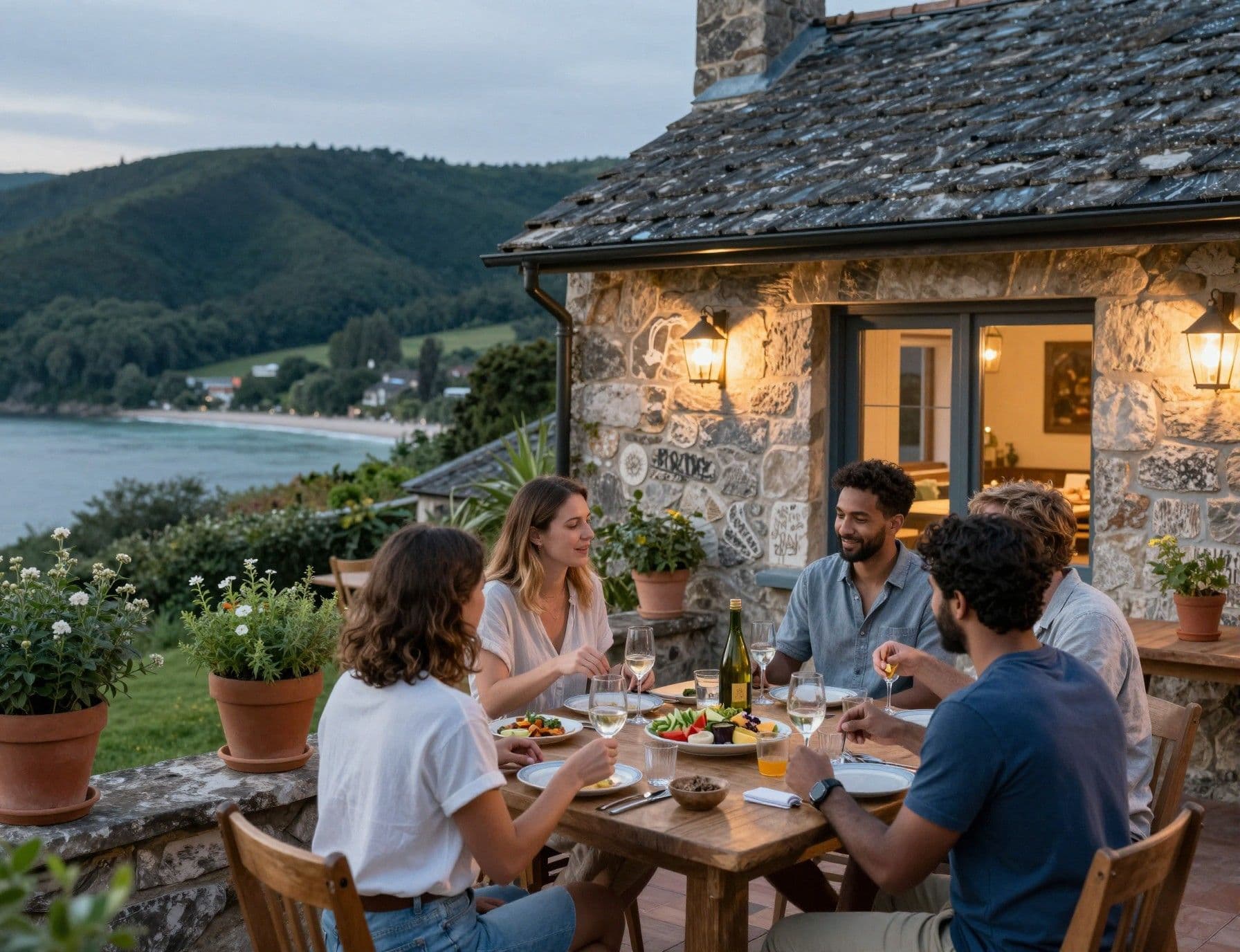
If the lifestyle sings to you, the next step is to translate that feeling into property choices that work long-term. Greece’s market has seen strong interest from foreign buyers; public data and central bank commentary point to continued foreign inflows. At the same time, residency-by-investment rules were revised in 2024, introducing tiered thresholds by location — a major practical factor when choosing islands, Athens districts or regional towns.
Property styles that support green living
Traditional stone houses with thick walls and north-facing courtyards often need less mechanical cooling, while renovated village homes can be retrofitted with solar and greywater systems at sensible cost. Newer developments on the mainland increasingly include energy performance certificates and solar-ready roofs — important if you want a low-carbon home upfront. Think about orientation, water storage, native planting for gardens, and the potential for small-scale renewables when comparing listings.
Working with local experts who understand place
Hire an agent who knows the microclimate, local building customs and the nuances of island vs. mainland title checks. Experienced local agencies can introduce you to craftsmen for sustainable retrofits, help navigate recent Golden Visa thresholds where relevant, and advise on neighborhoods where community life aligns with your green values. Use the Bank of Greece market notes and local registries to verify price trends before making offers.
- Steps that blend lifestyle and legal safety
- 1) Visit across seasons—spring’s green surge and winter storms reveal property resilience. 2) Commission a local environmental and structural survey focused on water, erosion and insulation. 3) Confirm title and permitted uses with a Greek lawyer familiar with island zoning. 4) Budget for native landscaping and small renewables during negotiation to add long‑term value.
Insider Knowledge: What Expats Wish They'd Known
Real‑talk: Greeks prize place and community; strangers are welcomed but integration takes time and curiosity. Many buyers learn that the island summer is a different economy — lively but noisy — while winter reveals the true year‑round community. Prices can look high in summer hotspots, but when you factor in energy savings from passive-design homes and local food economies, the everyday cost of living in a well-sited verdant property often feels lower than headline prices suggest.
Cultural rhythms and practical realities
Learn a few phrases, attend village festivals, and accept the slower pace of local services—these small efforts transform neighbors into friends and contractors into collaborators. Also, expect some bureaucratic slowness on permits and building approvals; planning with extra time and patience is part of buying here. That patience is repaid with gardens that fruit for decades and neighbourhoods that remember your name.
Long-term lifestyle considerations
If residency is part of your plan, note the revised thresholds tied to location and project types — for example, higher minimums in Attica and a tiered system for popular islands. Rather than chasing 'passport purchases', focus on properties that support a meaningful life: community access, biodiversity on the plot, and the capacity for phased, low-impact retrofits.
- Red flags to watch for
- Properties sold without clear building permits or with dodgy access roads.
- Plots on slopes without erosion or drainage assessments.
- Listings that promise Golden Visa eligibility without documented legal basis — verify with a lawyer.
Conclusion: Move with heart, buy with care. Greece’s verdant coasts and forested islands offer a rare combination of sensory richness and practical sustainability — but the smartest buyers pair that dream with due diligence, seasonal visits, and local partners who value stewardship as much as sale. If you want a home that lives lightly and deeply, look for places where the architecture, community and land are already in conversation.
Dutch property strategist who helped 200+ families find sustainable homes in southern Europe; expert in legal pathways and long-term stewardship.