Malta: Why 'Too Expensive' Is a Misleading Claim
Malta’s ‘too expensive’ label misses micro-market variety—coastal premiums sit beside verdant, affordable corners and rising demand for energy-smart homes.
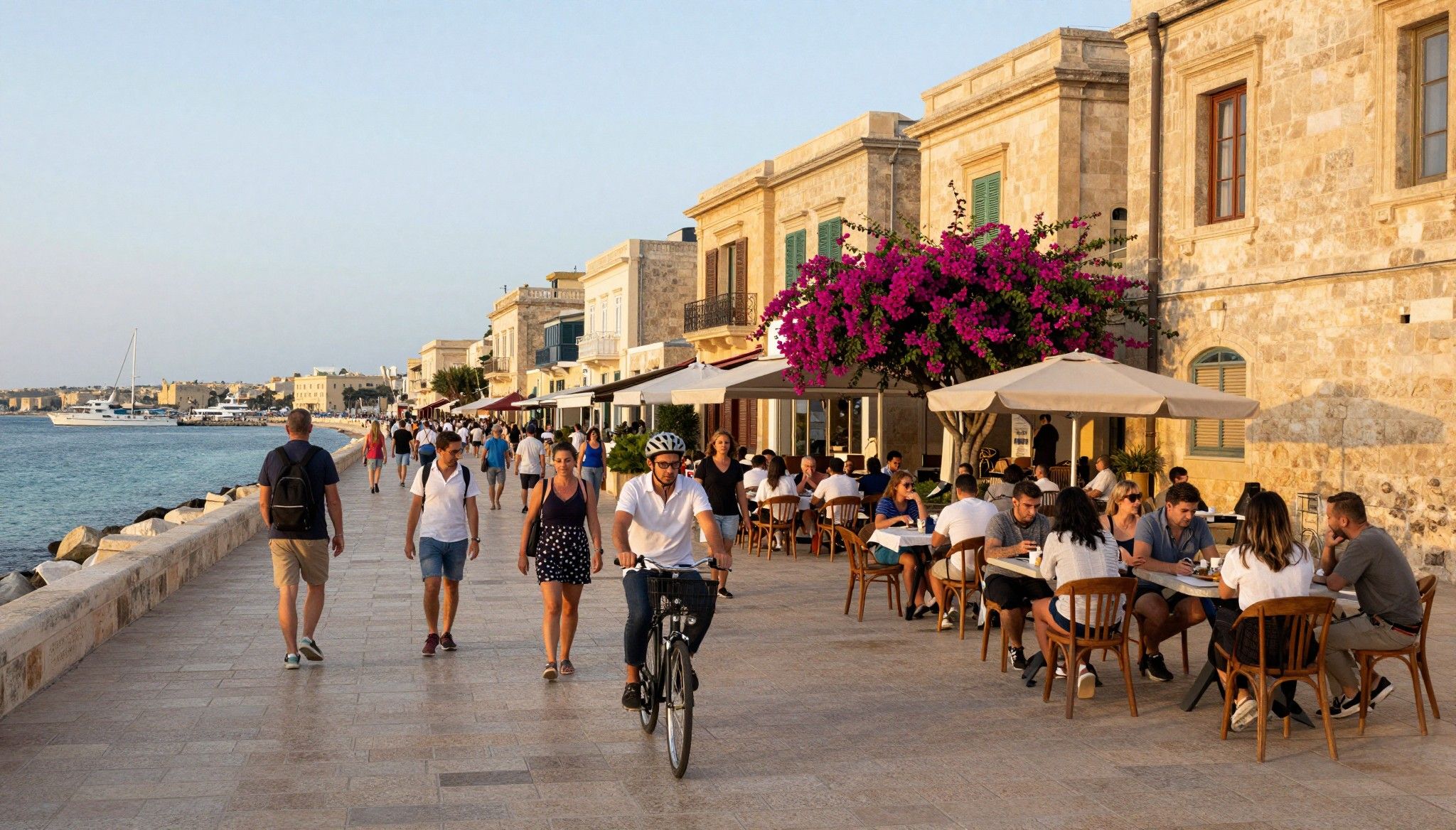
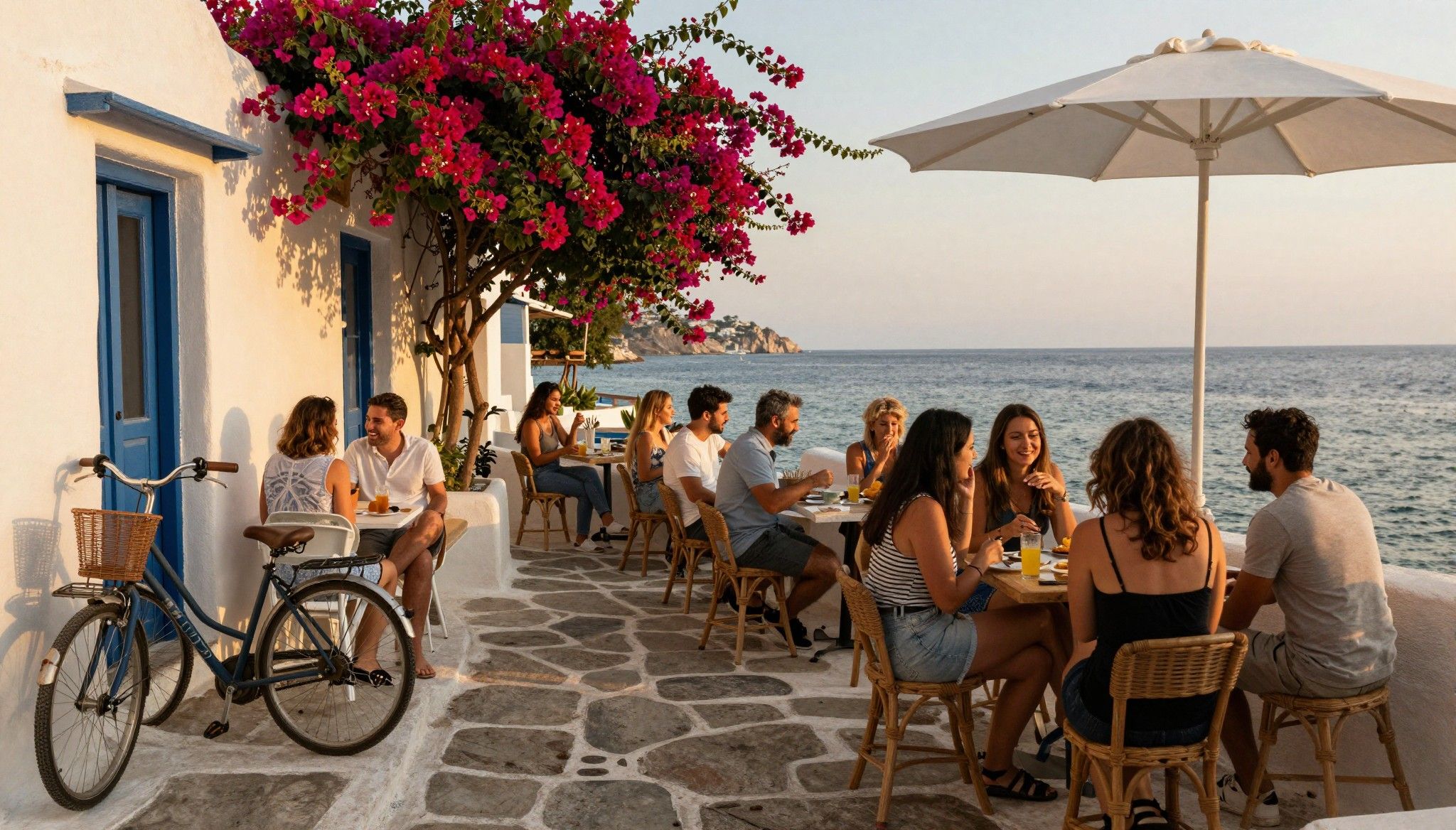
Imagine waking to coffee steamed in a narrow Valletta laneway, walking past limestone balconies threaded with bougainvillea and the sea a cool breath away. Malta feels compact and immediate: mornings punctuated by café chatter, afternoons on rocky coves, evenings lit by festa lights. For many international buyers the island’s reputation—small, sun-drenched, expensive—becomes a shorthand that misses texture, variation and practical entry points.
Living the Malta lifestyle
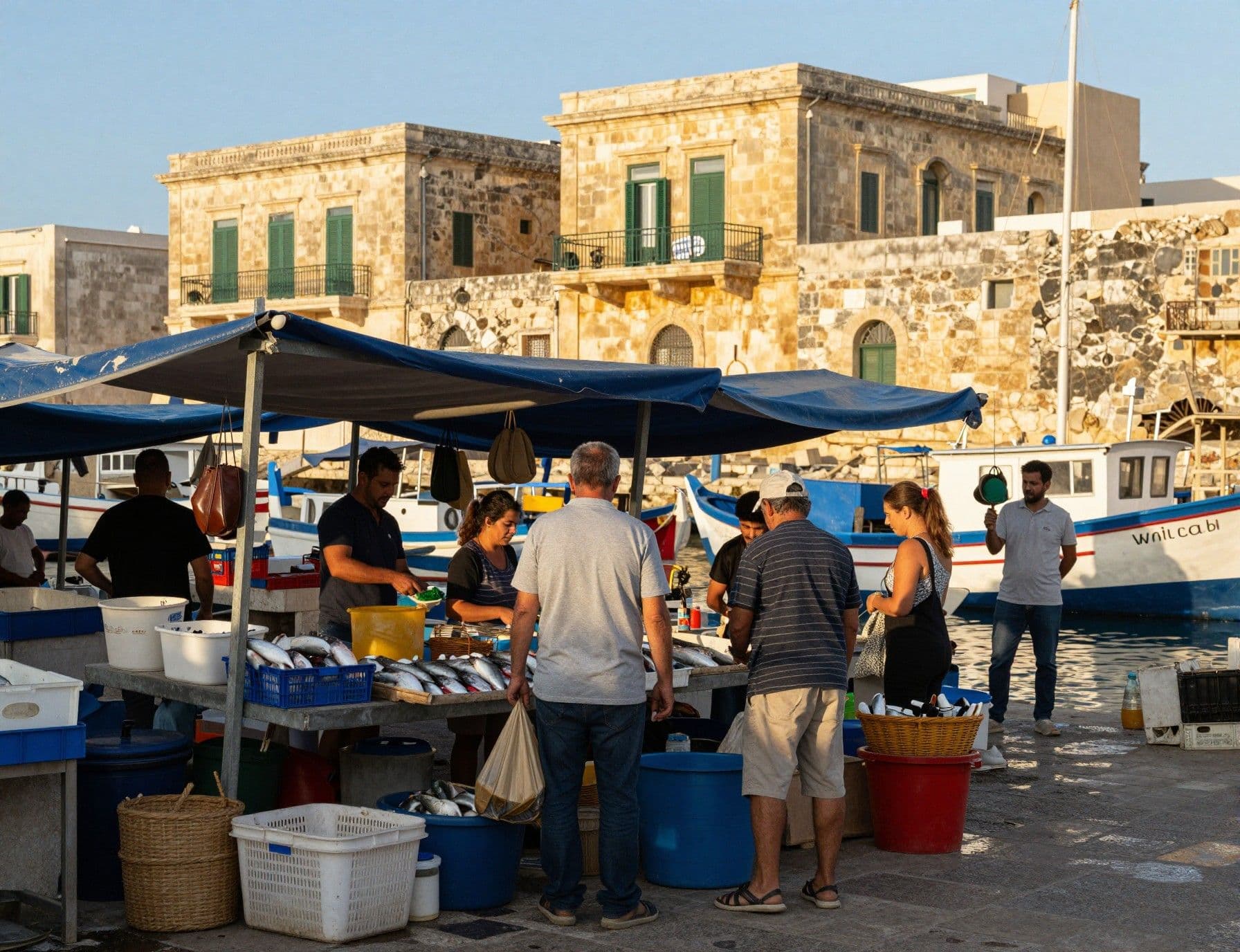
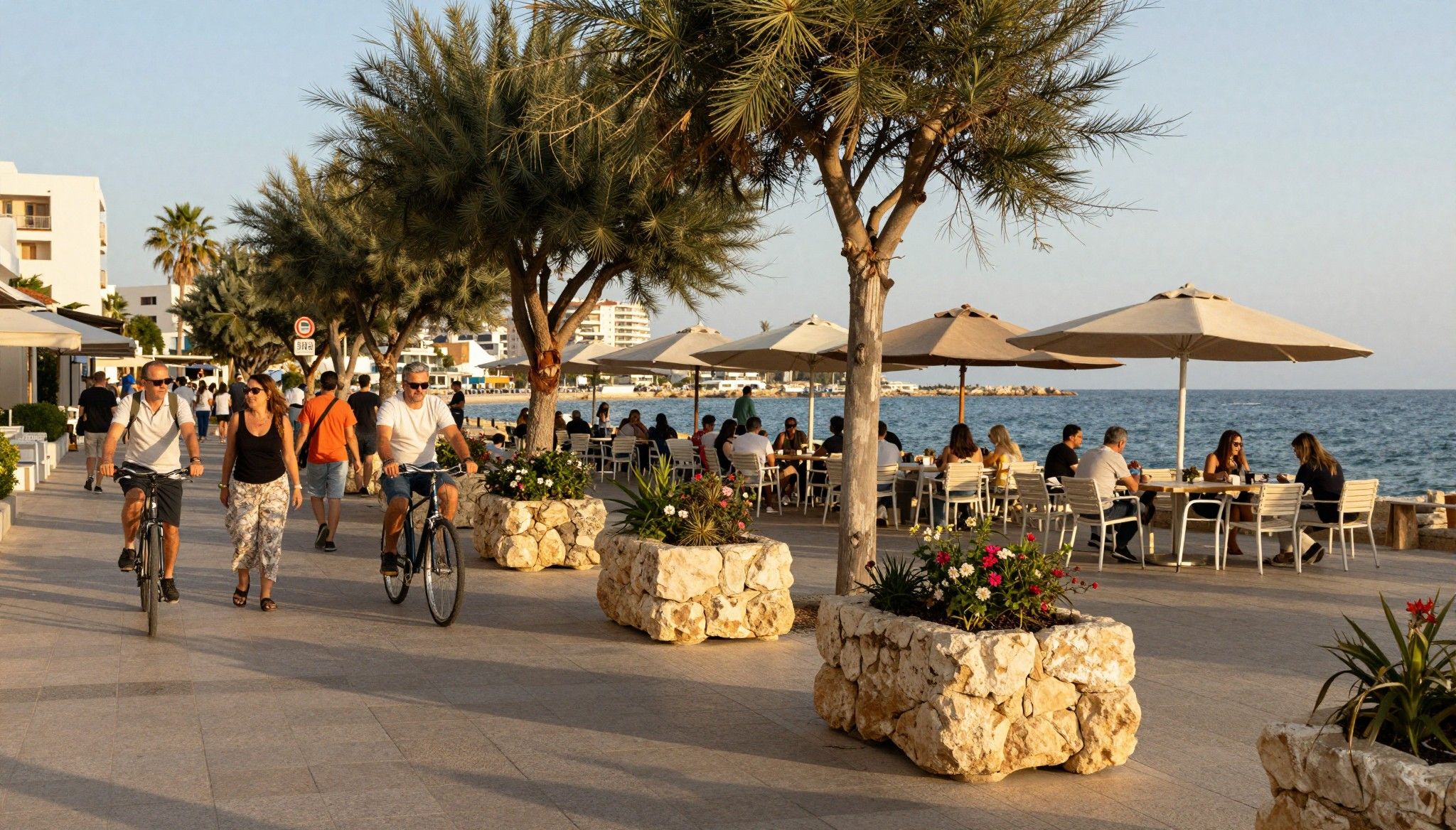
Life in Malta is sensory and social. Narrow streets smell of frying lampuki and fresh pastry; buses hum between villages; ferries stitch Sliema to Valletta at dawn. There’s an urban coastal ribbon—Sliema, Gżira, St. Julian’s—where waterfront promenades, fitness studios and coworking spaces meet the old-world pulse of Valletta and the quieter, greener rhythms of the south and Gozo.
Sliema & St. Julian’s: seaside energy
If you want social cafés, evening promenades and easy ferry access to the capital, Sliema’s Tigné and St. Julian’s Portomaso deliver. Apartments here are often modern conversions or new-builds with sea views; terraces and proximity to services make them ideal for remote work and an active social life. Expect higher price-per-square-metre, but also year‑round rental demand.
Mdina, Marsaxlokk & Gozo: quieter, verdant alternatives
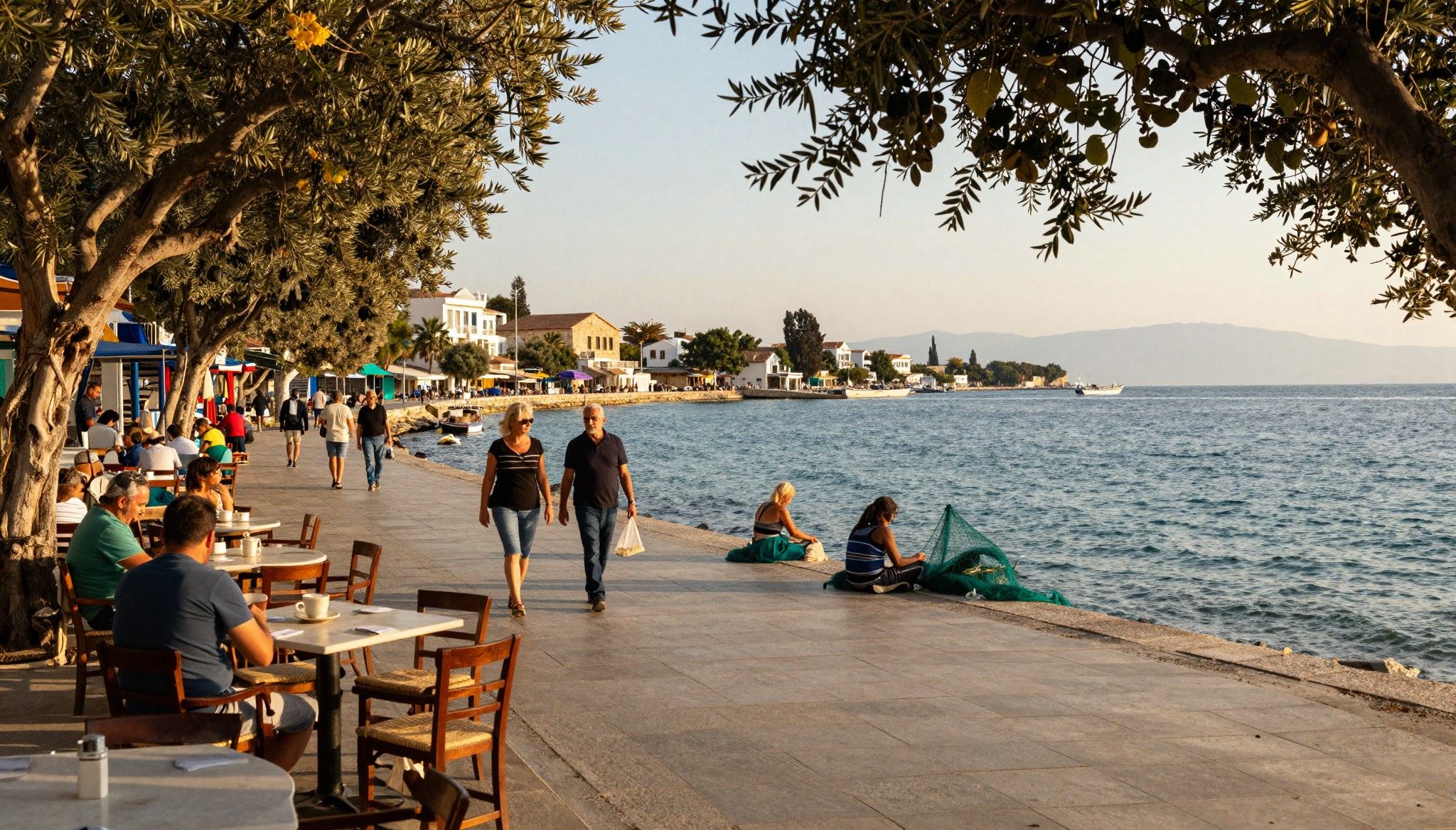
For a slower, greener life look inland to Rabat/Mdina or across to Gozo. Marsaxlokk’s fish market mornings and Gozo’s terraced fields give space for gardens, solar panels and larger plots—features that let buyers trade urban premiums for sustainable living and a stronger connection to land.
- Walkable promenades in Sliema and St. Julian’s; sunrise swims at Għajn Tuffieħa; Sunday fish at Marsaxlokk market; evening passeggiata along Valletta’s bastions; co-working in converted townhouses in Gżira; quiet village squares and community festa calendars in Gozo.
Making the move: practical considerations
The dream of seaside mornings meets a compact market reality. Prices have risen steadily in recent years, but growth is uneven—premium coastal strips and central nodes command more, while southern villages and Gozo offer relative affordability. Understanding micro‑markets is how you find value without sacrificing lifestyle.
Property styles and how they shape life
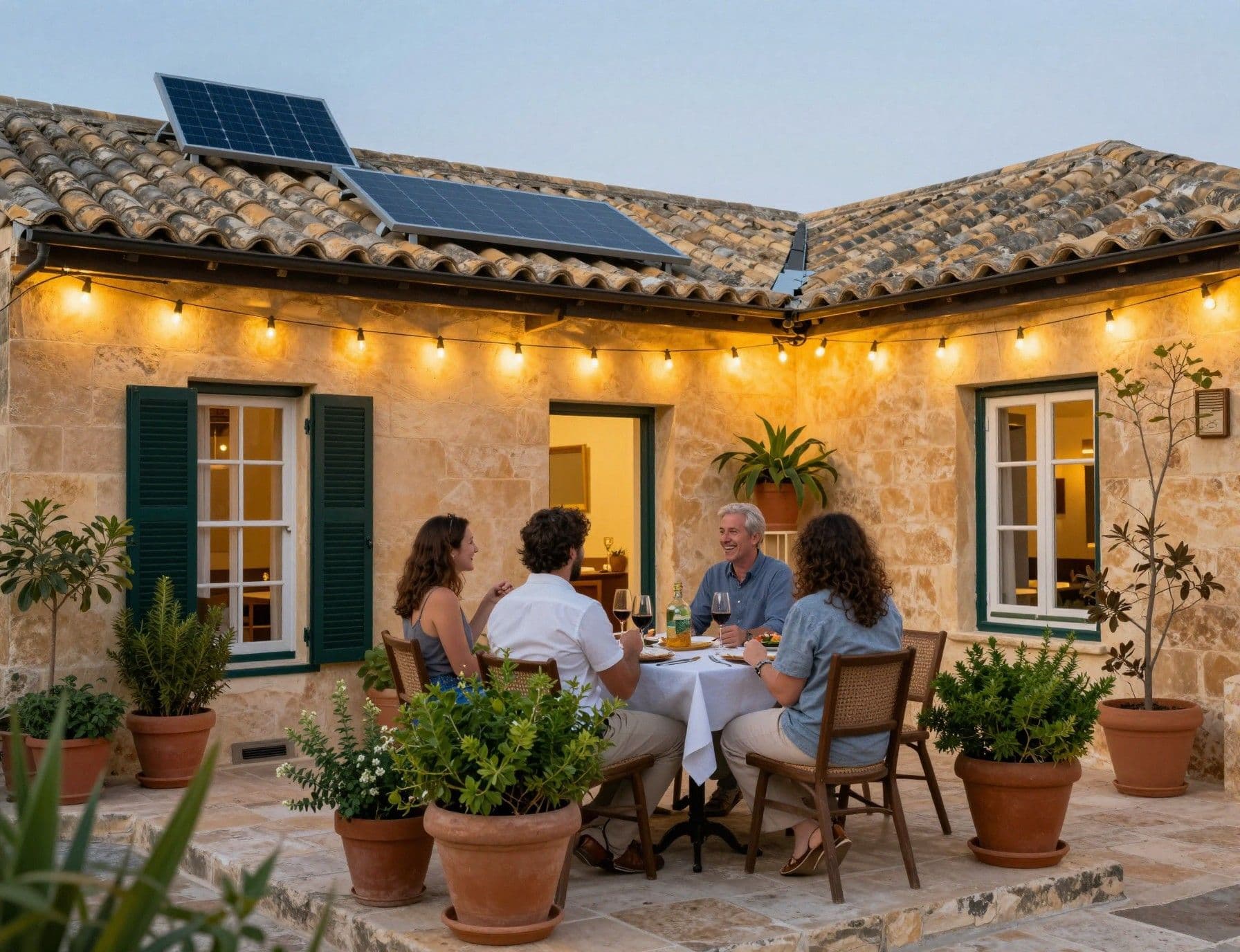
Choose carefully: a converted Valletta townhouse gives sun‑lit courtyards and heritage charm but often needs thoughtful retrofit for insulation and energy; modern apartments on Tigné offer amenities and easy maintenance; Gozo farmhouses provide gardens and space for solar and water capture projects. Each type aligns differently with green living goals.
Work with experts who respect place
Local agents who understand AIP permits, Special Designated Areas and seasonal valuation patterns are essential. They translate neighbourhood rhythms—festa schedules, rental seasonality, council requirements—into practical buying advice, so your property fits both the lifestyle you want and the regulations you must follow.
- Decide your lifestyle priority; map three neighbourhoods that match it; shortlist properties by build type (townhouse, apartment, farmhouse); ask agents for recent promise-of-sale (konvenju) timelines; check AIP or SDA status before offering; budget for climate retrofit if needed.
Insider knowledge: what expats wish they'd known
Two practical truths: first, Malta’s small size makes commuting short but demand high where services concentrate; second, national pushes for solar on new builds and improved energy standards are changing long-term value. Buyers who prioritise terraces for panels, greywater systems and passive cooling will find their homes age more gracefully and cost less to run.
Language, community and everyday life
English is official and commonly used, which flattens the learning curve for paperwork and neighbours. That said, participating in festa nights, market mornings and local committees is how you truly belong. Neighbourhood bars, the butcher in Rabat, and daily bread runs build your social life faster than social media groups.
Long-term stewardship and green investments
Think like a steward. Investing in insulation, shutters, rooftop solar and native landscaping isn’t only sustainable—it can be a differentiator in resale and rental markets as Malta tightens building standards and buyers prize energy efficiency. Small upgrades often yield outsized lifestyle returns here.
- Watch for micro-market bargains in south Malta and Gozo; prioritise properties with terraces and light for solar; budget for stone-house retrofit rather than cosmetic fixes; ask for recent konvenju (promise-of-sale) records; choose agents with SDA/AIP experience.
If Malta’s reputation for being uniformly expensive put you off, remember the island is a tapestry of choices. Sliema’s energy, Valletta’s history, Gozo’s green quiet and the south’s fishing traditions each offer distinct price-to-life equations. Fall for a way of life first; let smart local expertise translate that feeling into a pragmatic purchase.
Dutch property strategist who helped 200+ families find sustainable homes in southern Europe; expert in legal pathways and long-term stewardship.