Cyprus’ Price Myth & the Green Buying Playbook
A lifestyle-led, sustainability-focused primer for buying in Cyprus — balance sunlit coastal living with stone-village stewardship, backed by Central Bank property data.
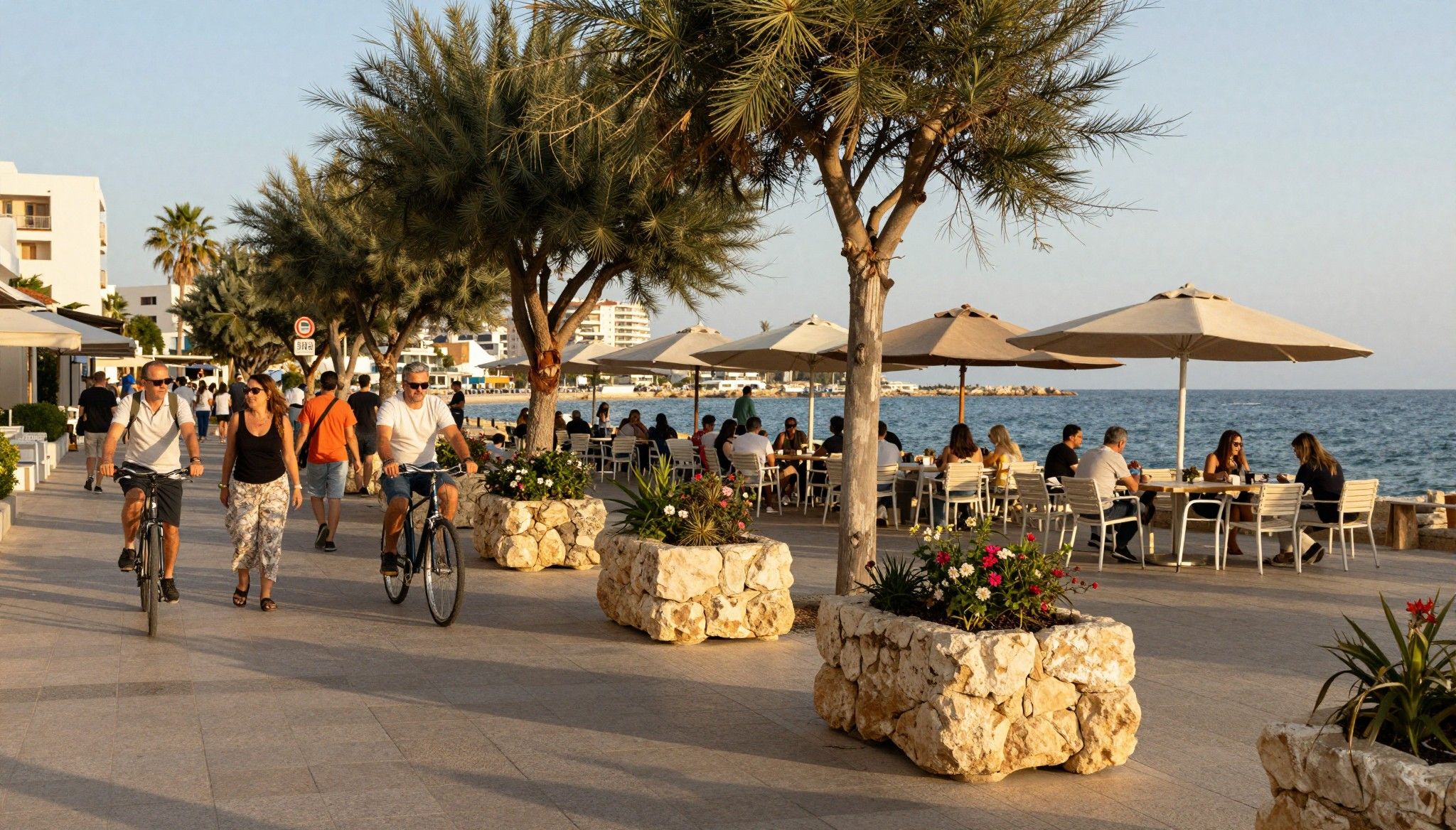
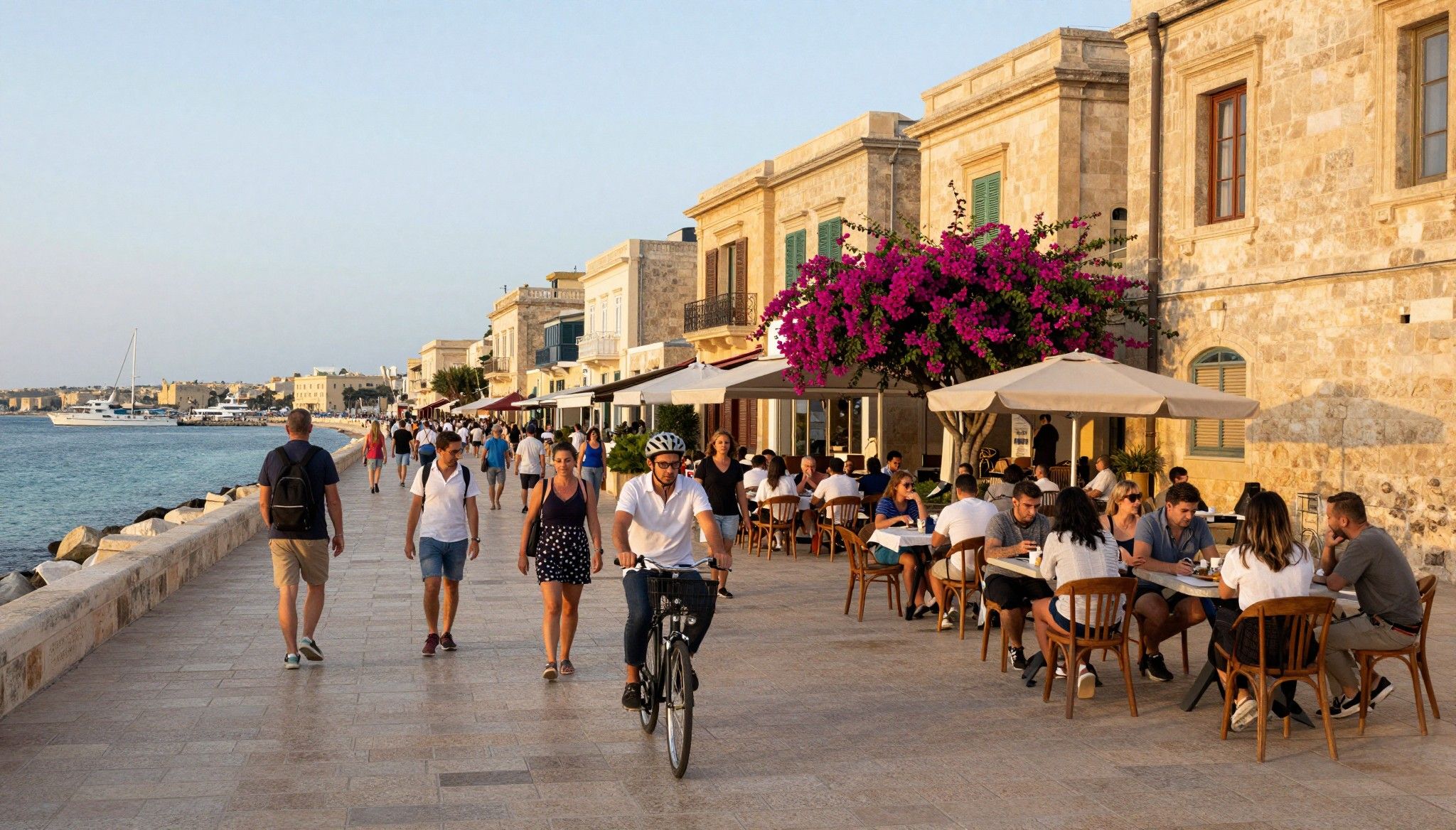
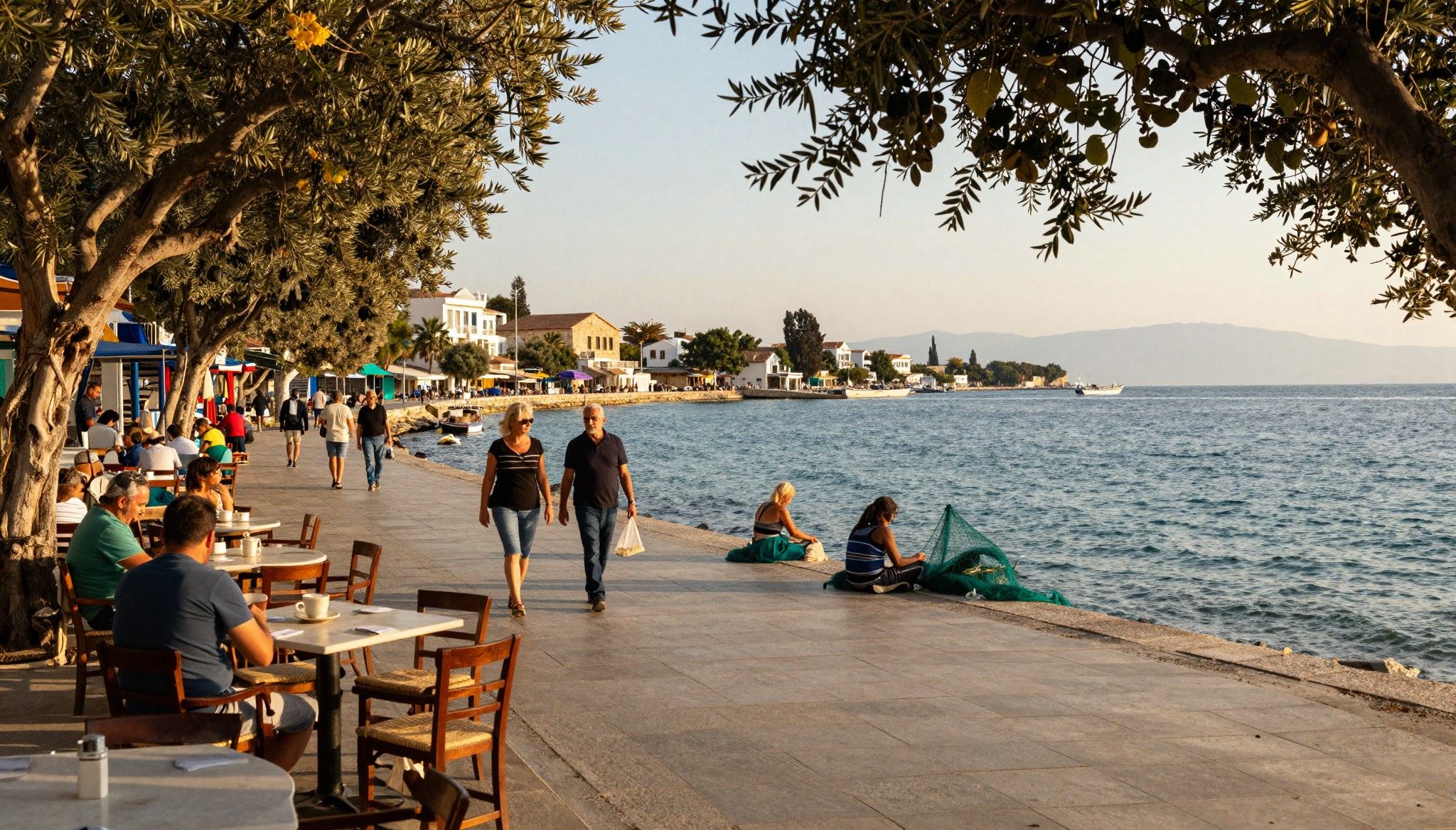
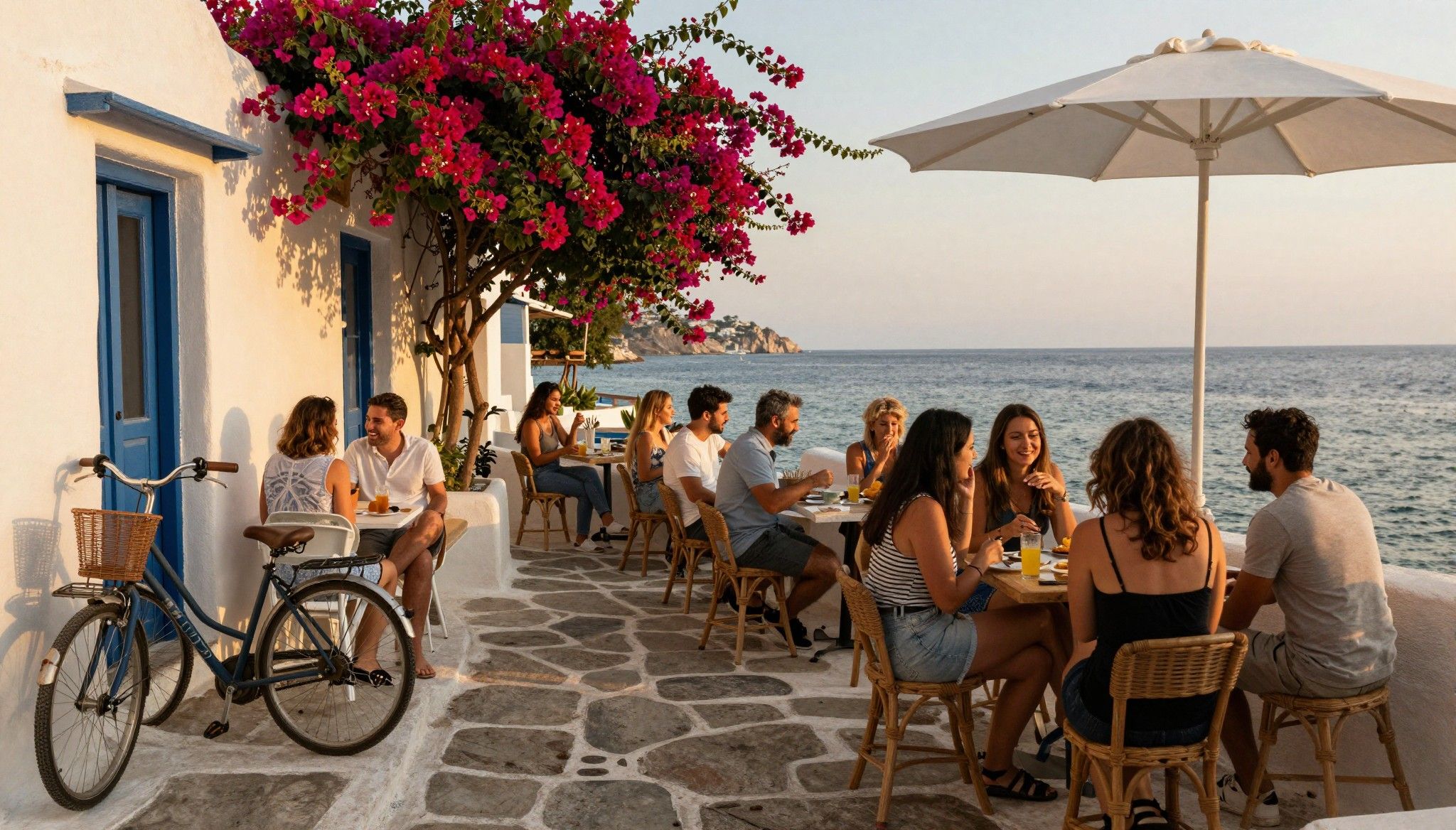
Imagine a late-spring morning in Limassol: espresso steaming on a stone windowsill, bougainvillea spilling over a low wall, and the distant clack of fishermen repairing nets by the marina. Cyprus moves at two tempos at once — a sunlit, convivial coastal life and a quieter inland rhythm in villages like Omodos or Platres where stone cottages and walnut trees set the day. For buyers who care about sustainability and a gentle, lived-in home, Cyprus is less a trophy market and more a landscape to steward. This piece looks past the headline prices to the lifestyle-led, eco-conscious choices that make a home here feel like belonging.
Living the Cyprus life: light, rhythm, and place
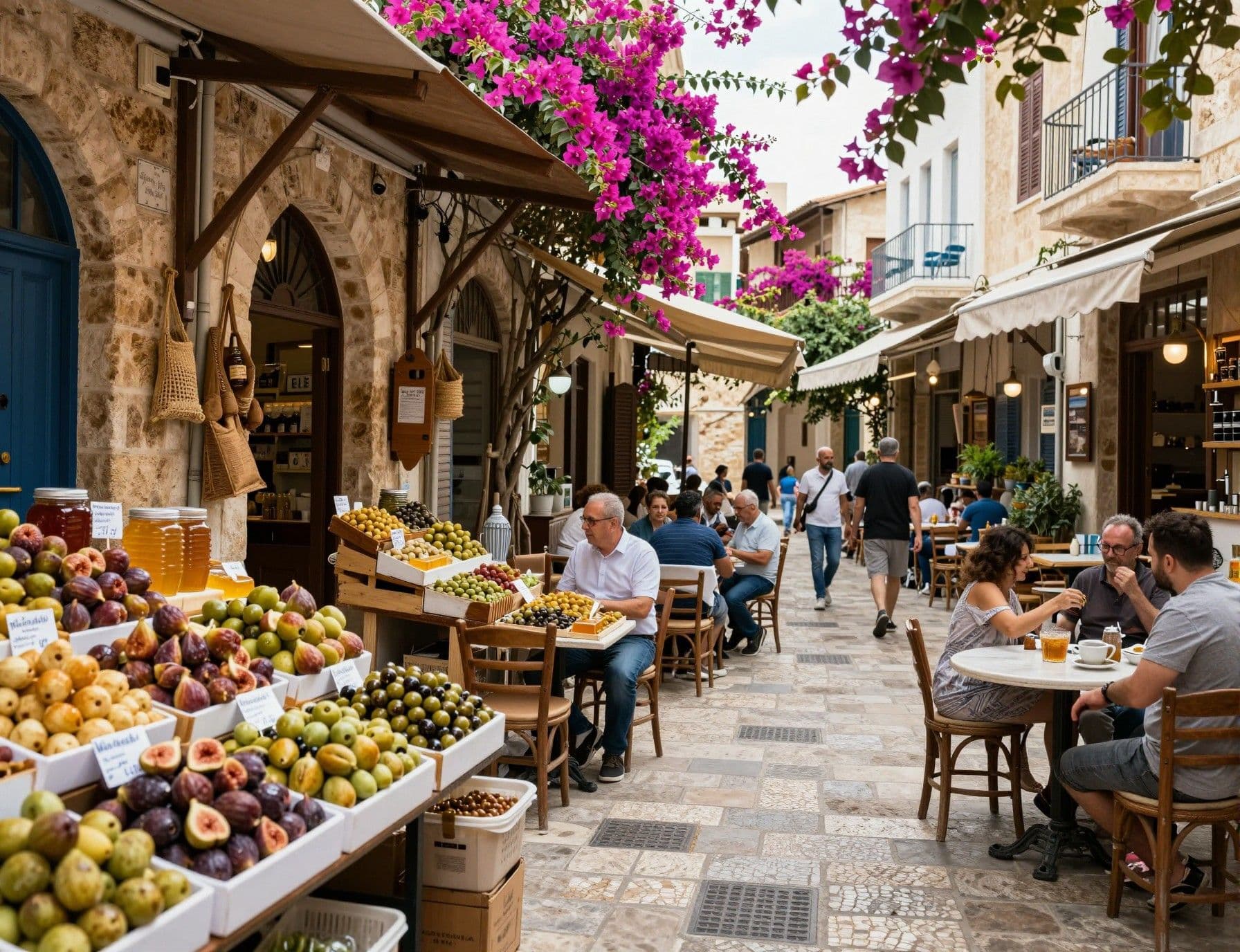
Cyprus’ daily life is tactile: breakfasts at sidewalk kafeneia in Nicosia’s old quarter, market mornings at Larnaca’s municipal market, and siestas broken by late-afternoon swims on Petra tou Romiou. The island balances Mediterranean sociability with strong village networks — you’ll find neighbors who trade eggs for olives and chefs who source goat cheese from the next valley. The climate shapes how houses are used: covered outdoor rooms, thick stone walls, and terraces that become living rooms for most of the year. These lived rhythms should guide what you look for when buying: rooms for morning light, shady courtyards for summer, and plots that cultivate biodiversity.
Neighborhoods that feel like different countries of the same island
Limassol hums with a modern Mediterranean energy — boutique bakeries on Makariou Avenue, yachts along the old port and new eco-developments near Germasogeia. Paphos is quieter, historic: stroll medieval lanes around the castle or spend Sundays at the fish market near Tombs of the Kings. Inland, villages such as Kakopetria and Polis offer stone-built tranquility, local tavernas and a living connection to traditional crafts and seasonal agriculture. Each area offers a distinct lifestyle that should inform your property brief: nightlife and international schools in Limassol, coastal calm in Paphos, community-rooted stewardship inland.
Food, markets and the slow rituals that anchor local life
Meals in Cyprus are terrain maps: halloumi grilled on the beach, meze at a family-run taverna in Protaras, and village markets piled with figs, carob, and local honey. Weekends often begin at municipal markets — Larnaca’s on Saturday mornings and Paphos’ open-air stalls on Sunday — where you can meet growers and learn the seasonality of the land. If sustainable living matters, prioritize properties near reliable water sources or in villages with active farmer co-ops; these social infrastructures make low-impact living practical and joyful. Sourcing food locally is not a novelty here — it’s a daily way of life.
- Lifestyle highlights to look for when imagining life in Cyprus: morning espresso at Rizo’s in Limassol Old Port; market mornings at Larnaca Municipal Market; sunset swims at Fig Tree Bay, Protaras; olive-press visits in Paphos hinterland; mountain walks in Troodos followed by timbre-roofed tavernas; a village festival (panigiri) where neighbors cook for one another.
Making the move: how lifestyle shapes practical choices
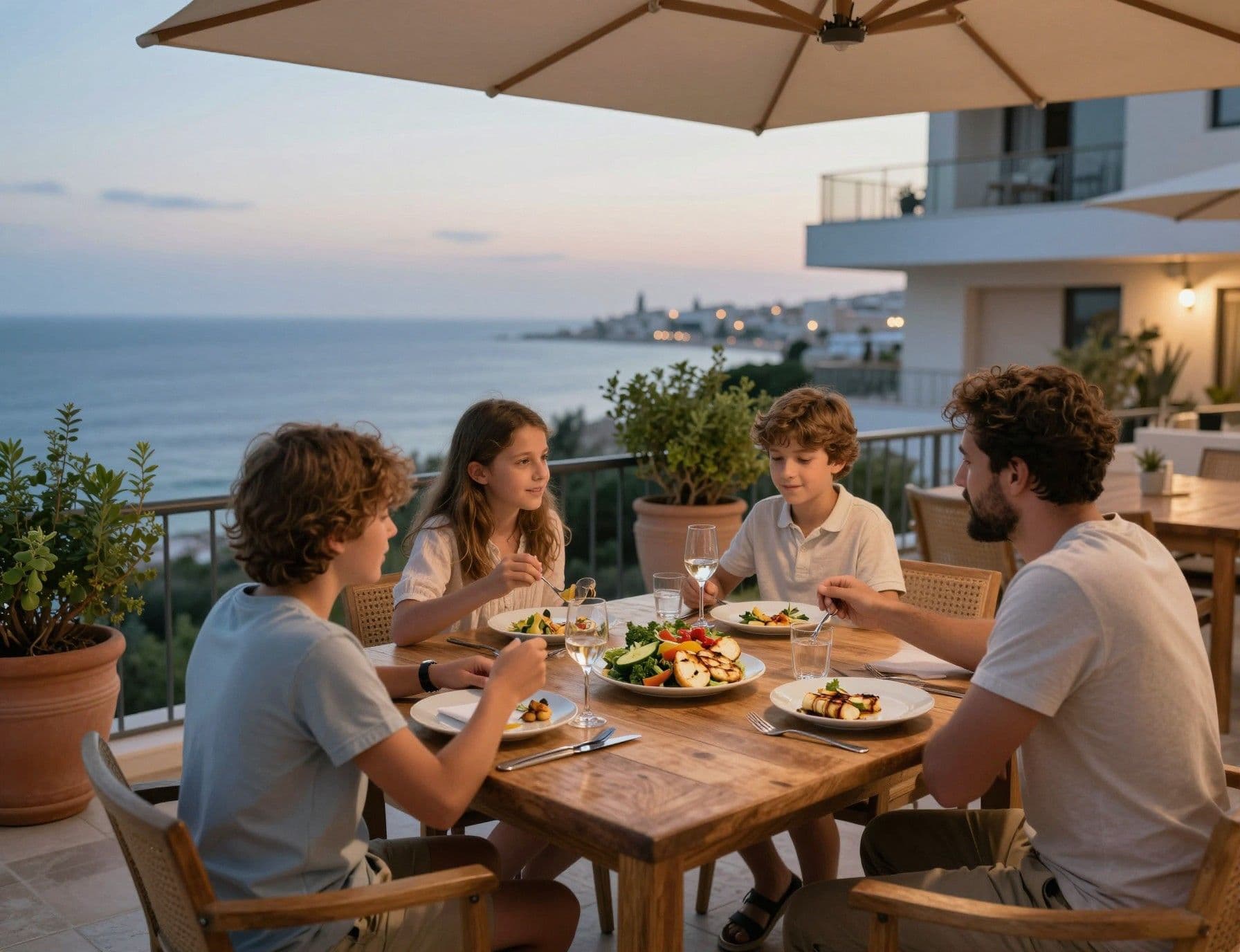
You’ll hear 'prices are rising' — and it’s true that official indices report steady gains, particularly for apartments in coastal towns. The Central Bank of Cyprus’ Residential Property Price Index shows year-on-year growth in recent quarters, driven by demand for coastal and urban apartments. But headline growth masks variety: inland traditional houses and smaller coastal villages often offer more immediate opportunities to create an eco-retrofit. Match the lifestyle you want with the right product: an apartment for downsizers seeking services, a stone village home for gardeners and stewards, or a renovation-ready townhouse if you want to invest in sustainable upgrades.
Property styles and what they mean for living sustainably
New coastal developments often have modern insulation, solar-ready roofs and communal landscaping — useful if you want low-maintenance, turn-key eco-features. Traditional stone houses in Troodos or Paphos hinterland boast thermal mass and passive cooling but may need investment to add insulation, rainwater harvesting, or photovoltaic systems. For many buyers, the sweet spot is a semi-renovated property where you can choose certified materials, design a greywater system and integrate native planting to support biodiversity. Think of the property type as a lifestyle chassis: does it amplify sun-soaked outdoor living or does it require heavy retrofit to become the low-impact home you imagine?
Working with local experts who understand both place and planet
- Practical partners to hire: 1) a bilingual estate agent who knows the micro-neighborhoods and seasonal flows, 2) a local architect or green builder experienced with stone repairs and PV retrofits, 3) a lawyer who can verify land registry (title) and residency implications, and 4) a planner who can advise on local permit rules for sustainable upgrades. These specialists translate lifestyle priorities into technical checklists — rainwater capacity, solar orientation, and native planting plans — so your dream home works with the island’s climate rather than against it.
Insider knowledge: what expats wish they’d known
Expat buyers often arrive enchanted by coastal light and then discover seasonal realities: August heat that needs shade, water restrictions in dry years, and the happy inevitability of lively neighborhood festivals. Practical habits — deep shutters, covered terraces, drought-resistant gardens — make day-to-day life comfortable and cut running costs. Many also underestimate how social life clusters: international schools, English-speaking clinics and clubs are concentrated in Limassol and parts of Paphos, while inland living trades convenience for stronger communal ties.
Cultural integration and the everyday of belonging
Learning a few phrases in Greek, attending a village panigiri and visiting local bakeries earns goodwill and access to seasonal produce and trusted tradespeople. Cypriot social life rewards participation — expect invitations, shared plates and practical neighborly help when repairs are needed. For eco-minded buyers, community integration unlocks local knowledge about well-performing native plants, trusted shepherds selling goat milk, and reliable small-scale craftsmen who repair stone walls without harsh chemicals.
Long-term lifestyle and stewardship choices
- Key stewardship steps for long-term life in Cyprus: adopt native landscaping to lower water use and enhance pollinators; invest in rooftop solar and battery-ready wiring; choose breathable natural finishes (lime plaster, stone) to maintain thermal comfort; set up rainwater harvesting for gardens; engage local craftsmen for repairs to preserve character and materials.
Conclusion: Cyprus as a place to root, not just to own. The island’s warmth, markets, and layered landscapes offer daily pleasures that reward slow attention. If you buy with a lifestyle brief — where ecology, community and seasonal living steer your choices — you’ll find that headline price statistics give way to meaningful opportunities: a village plot to revive, a terrace to transform into a solar-cooled living room, a neighborhood where you are known. Next steps: visit in two distinct seasons, meet a green builder and a bilingual agent, and bring a checklist that puts light, water and biodiversity above glossy finishes.
Swedish advisor who left Stockholm for the Costa Brava in 2019. Specializes in sustainable, sea‑view homes for Scandinavian buyers and green finance insights.