Cyprus: Buy for the Lifestyle, Finance for the Future
Fall in love with Cyprus' neighbourhood rhythms while using green mortgages and market data to plan a confident, sustainable purchase.
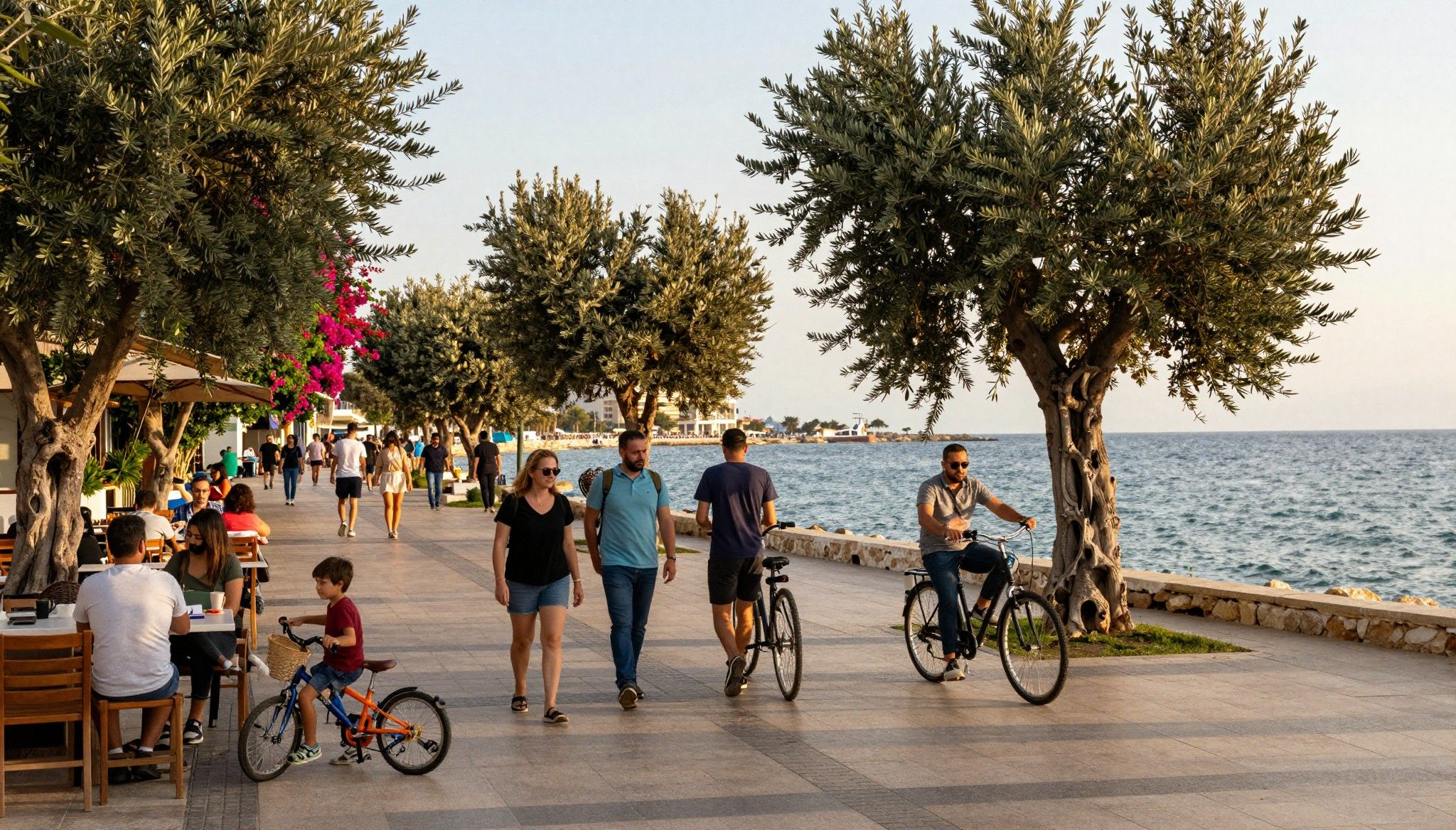
Imagine waking to the scent of citrus trees and sea salt, then walking to a café on Ledra Street in Nicosia or a sunlit terrace in Paphos. Cyprus feels immediate — warm light, slow lunches, and neighbours who know your name — yet beneath that gentle pace is a market moving fast. For international buyers who love sun and sustainability, Cyprus offers both a lifestyle of small, land‑rooted pleasures and a financing landscape in flux. Recent data shows foreign demand is significant and rising, which changes how you think about timing, green loans and negotiation. (Sources: Central Bank RPPI; PwC Cyprus.)
Living Cyprus: The everyday that seduces
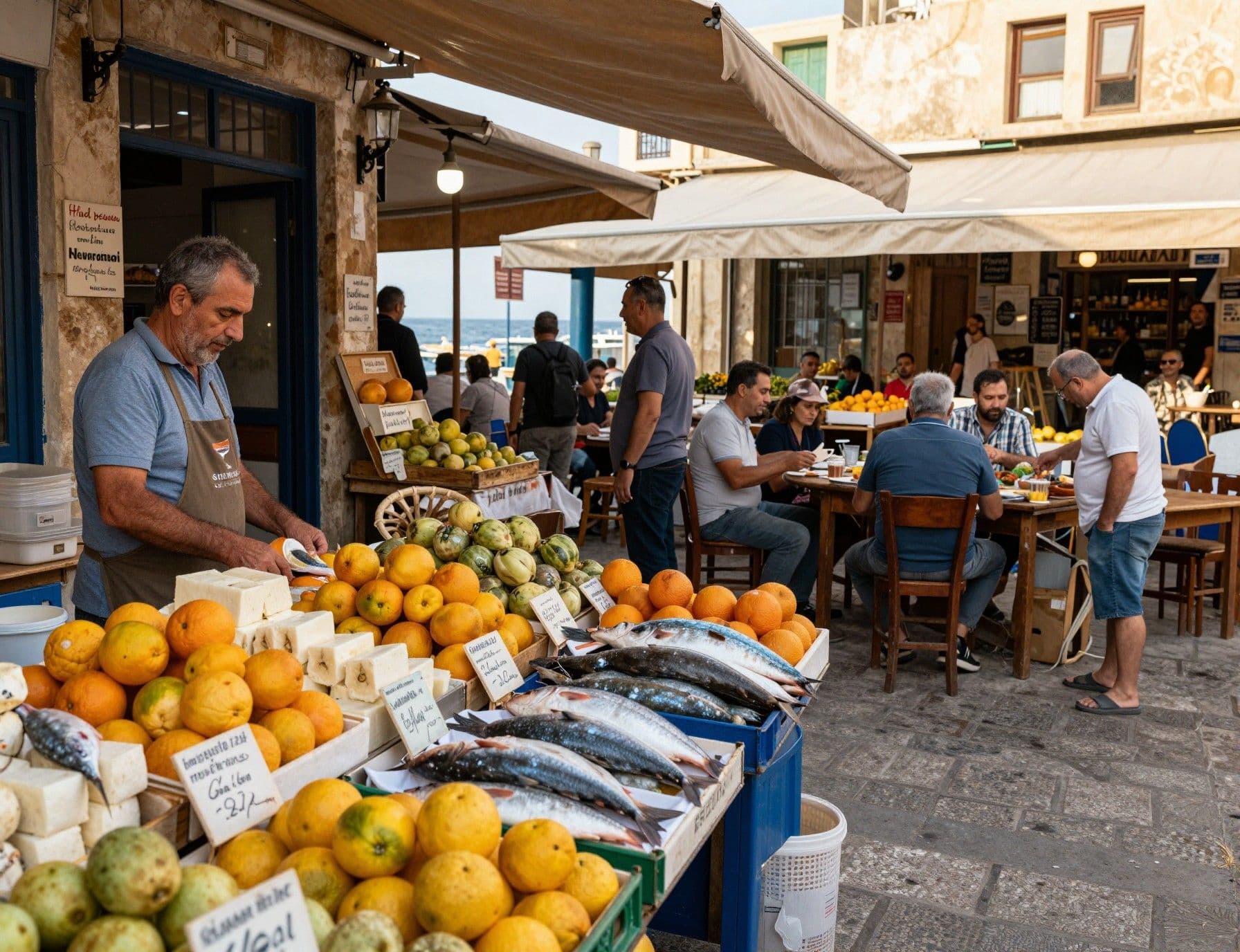
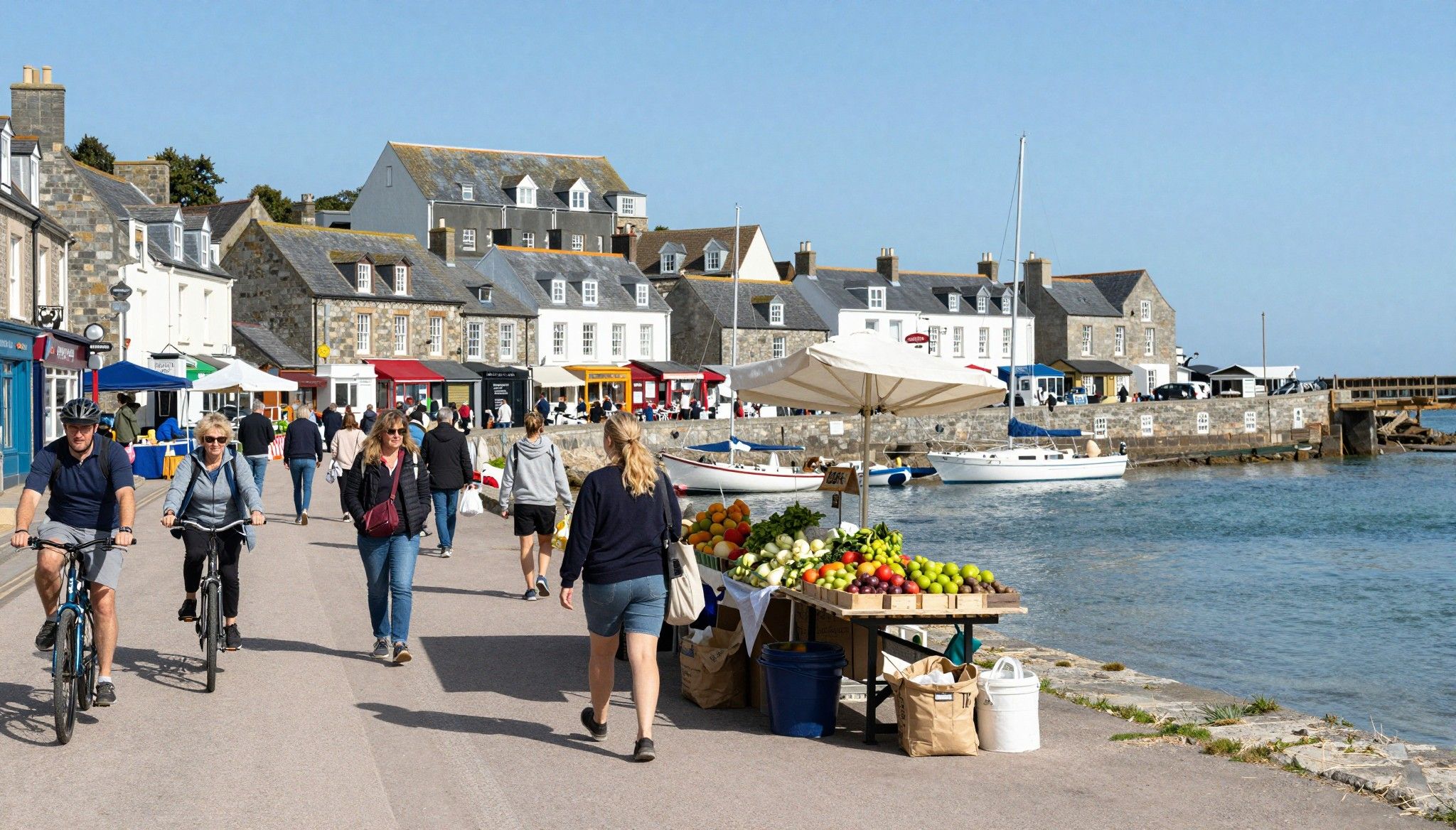
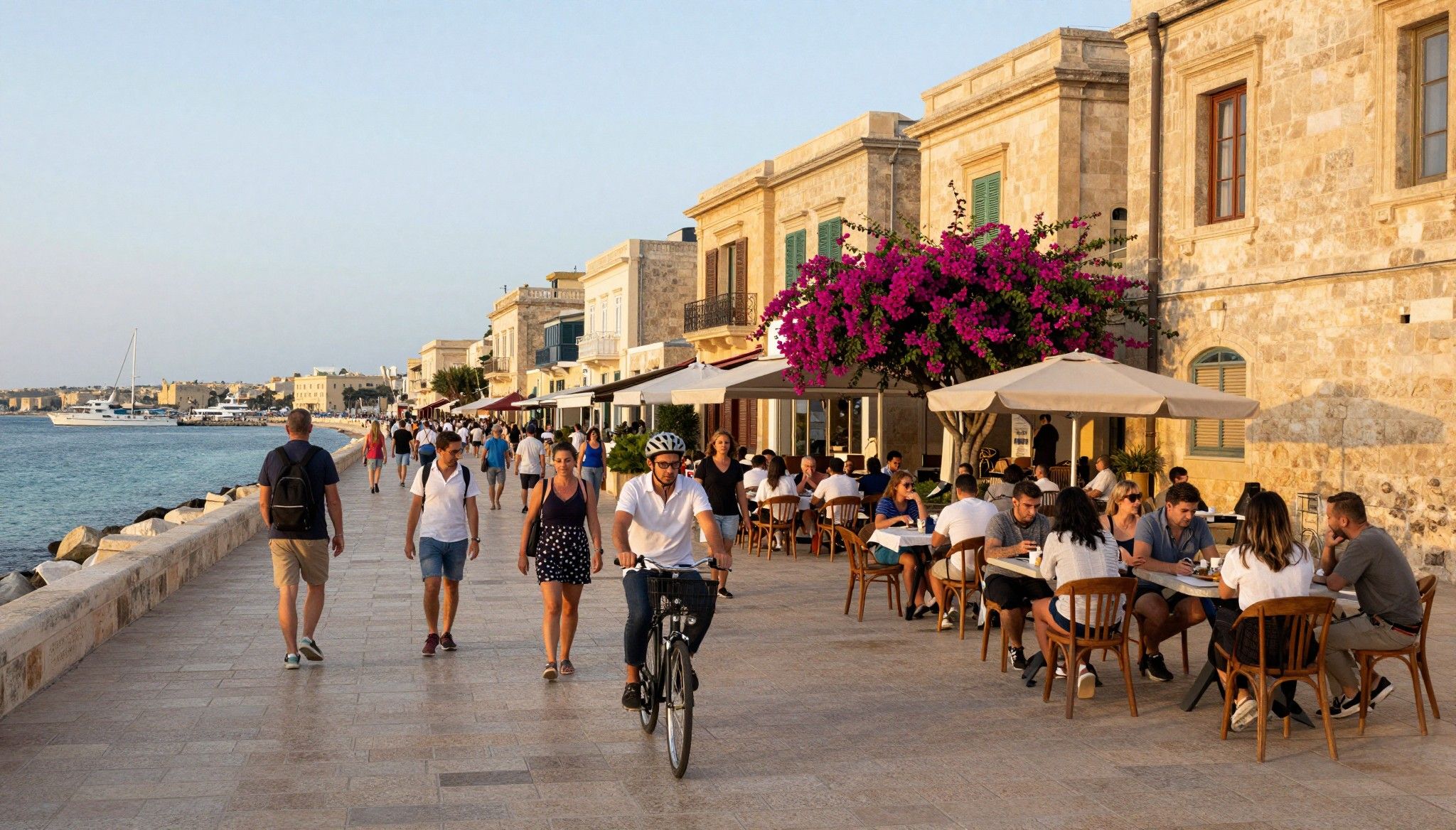
Daylight here follows the coast: mornings are for coffee and markets, afternoons for siesta or sea, evenings for long dinners that stretch under bougainvillea. Whether you’re in Limassol’s shifting skyline or the stone lanes of Larnaca’s Skala, the rhythm is local and delicious. That daily heartbeat — olive groves, neighborhood bakeries, and municipal parks — is what you buy into as much as plaster and tile. The experience matters when you choose a mortgage term or an eco‑renovation budget; lifestyle and finance should be planned together. (See PwC market overview.)
Neighbourhoods that feel like homes
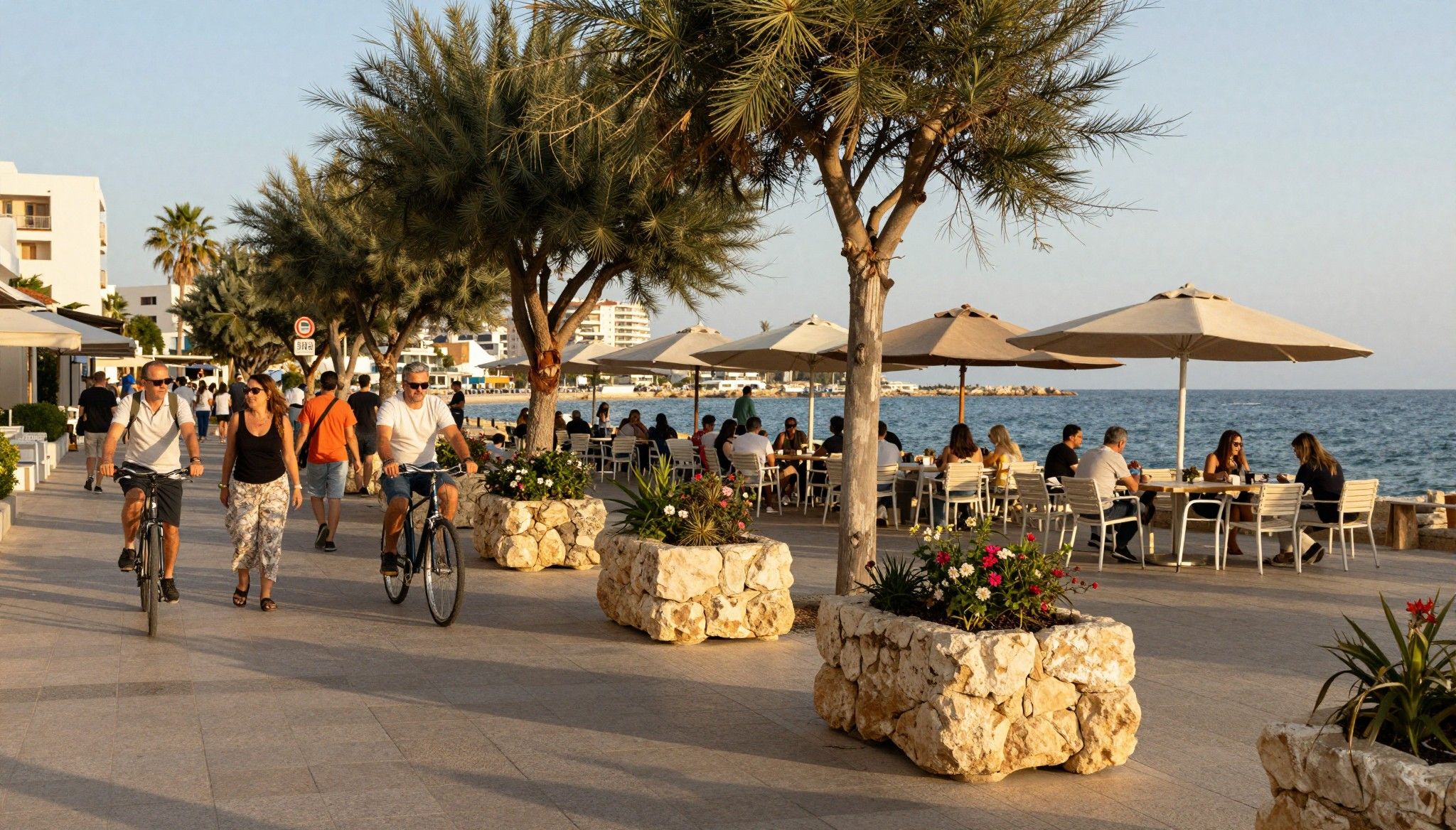
Limassol’s Germasogeia offers beachfront promenades and contemporary developments with communal gardens; Paphos keeps a slower coastal charm around Kato Paphos and the old harbour; Larnaca’s Mackenzie strip hums with cafés and windsurfing; and the Troodos villages gift cooler summers, stone houses and centuries‑old craftsmanship. Each place has an ecological signature — salt‑tolerant gardens on the coast, rainwater cisterns in mountain towns — and that signature should inform the home you pick and the green upgrades you plan.
Food, markets and the small rituals
Picture buying fresh halloumi at Larnaca Municipal Market, joining an impromptu coastal barbecue, or sipping mountain tea in Kakopetria at dusk. These sensory rituals shape where you’ll want a kitchen garden, a terrace for evening dining, or a courtyard for sun traps. When I look at properties, I map nearby markets and seasonality before loan calculators — because green living in Cyprus is as much about where you hang your herbs as how you insulate the roof.
Lifestyle highlights to consider when choosing area
Morning espresso in Nicosia’s old town; evening swims on Limassol’s Molos promenade; farmers’ stalls at Paphos municipal market; olive‑press visits in the Troodos foothills; weekend food festivals in Agios Tychonas; coastal walking routes linking villages and beaches.
Making the move: money, mortgages and green options
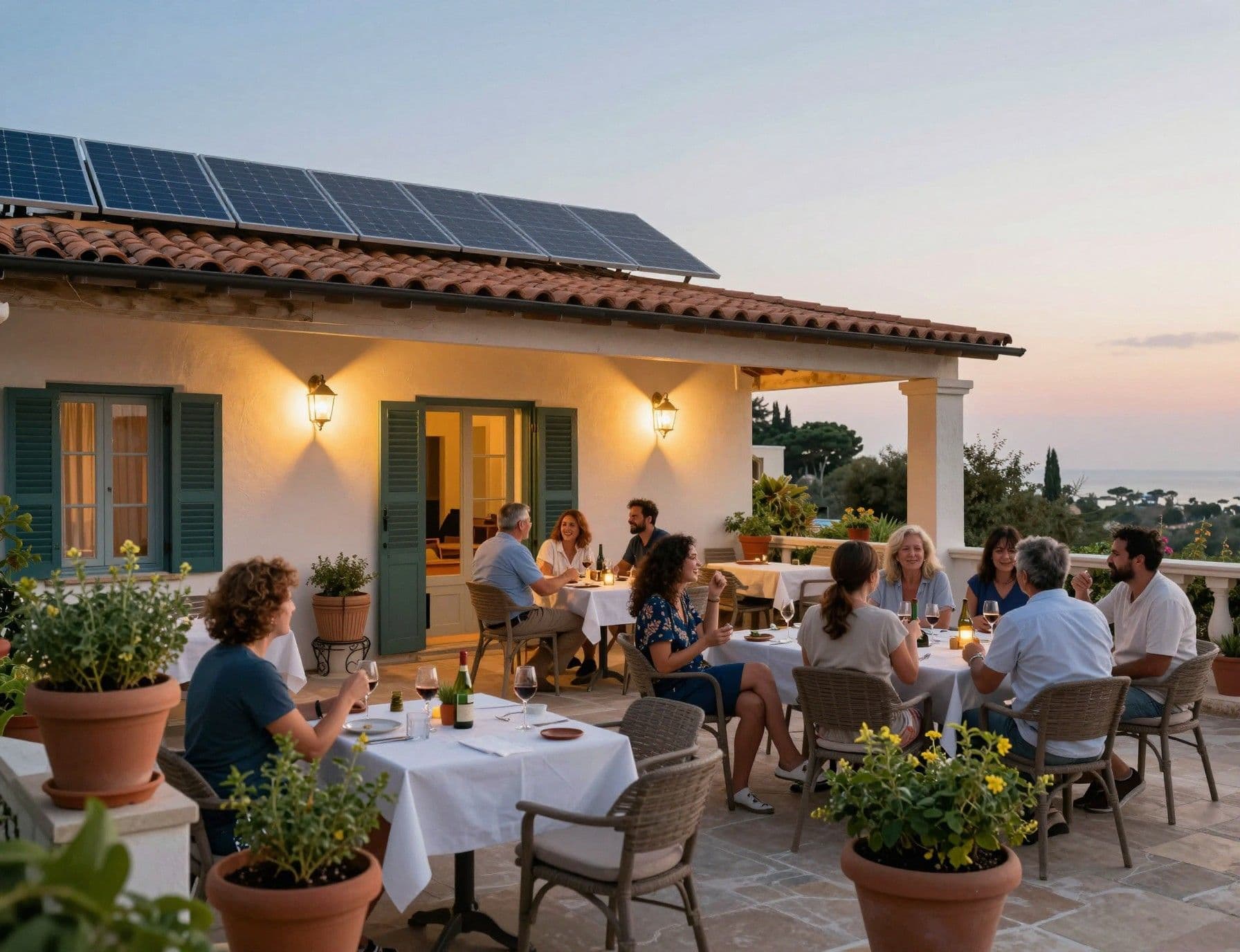
The romance of Cyprus meets a pragmatic credit market: prices rose through 2025 and foreign buyers are a growing force, so financing today is about timing, currency risk and choosing the right incentives. The Central Bank’s RPPI shows accelerating price growth in late 2025, which increases competition for well‑priced, renovated properties. Fortunately, Cypriot banks now offer labelled green housing loans and incentives for energy‑efficient homes — a real plus for buyers who want low‑running costs and faster permitting for eco‑upgrades. (See sources: Central Bank; Bank of Cyprus.)
What 'green mortgage' really means in Cyprus
Green loans here often tie favourable rates or reduced fees to an energy performance certificate (EPC) rating or to refurbishment plans that reach defined efficiency targets. They can cover new solar installations, better insulation, heat pumps, and rainwater systems. For buyers, that means an up‑front conversation with lenders about certification, cost estimates and realistic payback — and a willingness to prioritise measures that both lower bills and increase resale appeal.
Working the numbers: timing, currency and loan structure
Step 1: Decide currency exposure — many banks lend in euros; consider hedging if your income is elsewhere. Step 2: Compare fixed vs variable offers; variable rates share short‑term savings but more rate risk. Step 3: Ask lenders if green measures can be rolled into the mortgage or require a separate green loan. Step 4: Factor in transfer fees, municipal levies and the costs of necessary permits before committing. Step 5: Reserve a contingency for ecological assessments and potential remediation of old building materials.
Insider knowledge: myths, negotiation and what expats wish they'd known
Here’s the straight talk I wish someone told me: popular seaside developments look flawless in summer, but small construction details — orientation, thermal mass, cross‑ventilation — determine whether your home will be cool without AC in August. Likewise, towns that are ‘too quiet’ in January can feel like sanctuary once you learn local rhythms; noise and tourism don’t always equal value. Learn the seasonal story of a place before you buy, and let that story shape loan length, renovation priorities and insulation choices.
Cultural and practical realities for integration
English is widely spoken in business and real estate, but learning basic Greek will change your community experience and negotiating tone. Expect bureaucracy to favour thorough local documentation — certified translations, utility histories, and clear title deeds — and build time into your schedule for municipal permits for solar or landscaping. Expat groups, local cooperatives and municipality sustainability plans can be surprisingly helpful allies when you pursue green upgrades or community projects.
Red flags and practical checks before contracts
No clear title deeds or outstanding encumbrances; absent EPC or unrealistic energy claims; missing planning permission for extensions; water supply limits for long dry seasons; sellers pushing quick closings without documented invoices for renovations.
1. Commission an ecological and structural survey. 2. Obtain an EPC and three lender quotes (including a green loan option). 3. Secure conditional offer with a realistic cooling‑off period for paperwork. 4. Register the purchase promptly at the Department of Lands and Surveys. 5. Plan staged eco‑works aligned with lender criteria to qualify for green incentives.
Conclusion: live the life, fund the future
Cyprus invites you to a life woven with seasons, food and neighbourhood rituals — and the smart buyer plans finance and sustainability from day one. Use recent market data to shape timing, talk early with lenders about green loan options, and choose local advisors who value stewardship as much as sale price. Start with a clear lifestyle map, add a realistic financing plan, and you’ll buy not just a house but a home that belongs to the place.
British expat who traded Manchester for Mallorca in 2017. Specializes in guiding UK buyers to luxury Spanish estates with clear navigation of visas and tax.