Malta: Coast, Stone & Market Life—AIP Rules and Green Checks
Fall for Malta’s coast‑stone rhythm—Valletta lanes, Gozo fields, and market mornings—while navigating AIP rules, price trends and green property checks for a grounded purchase.
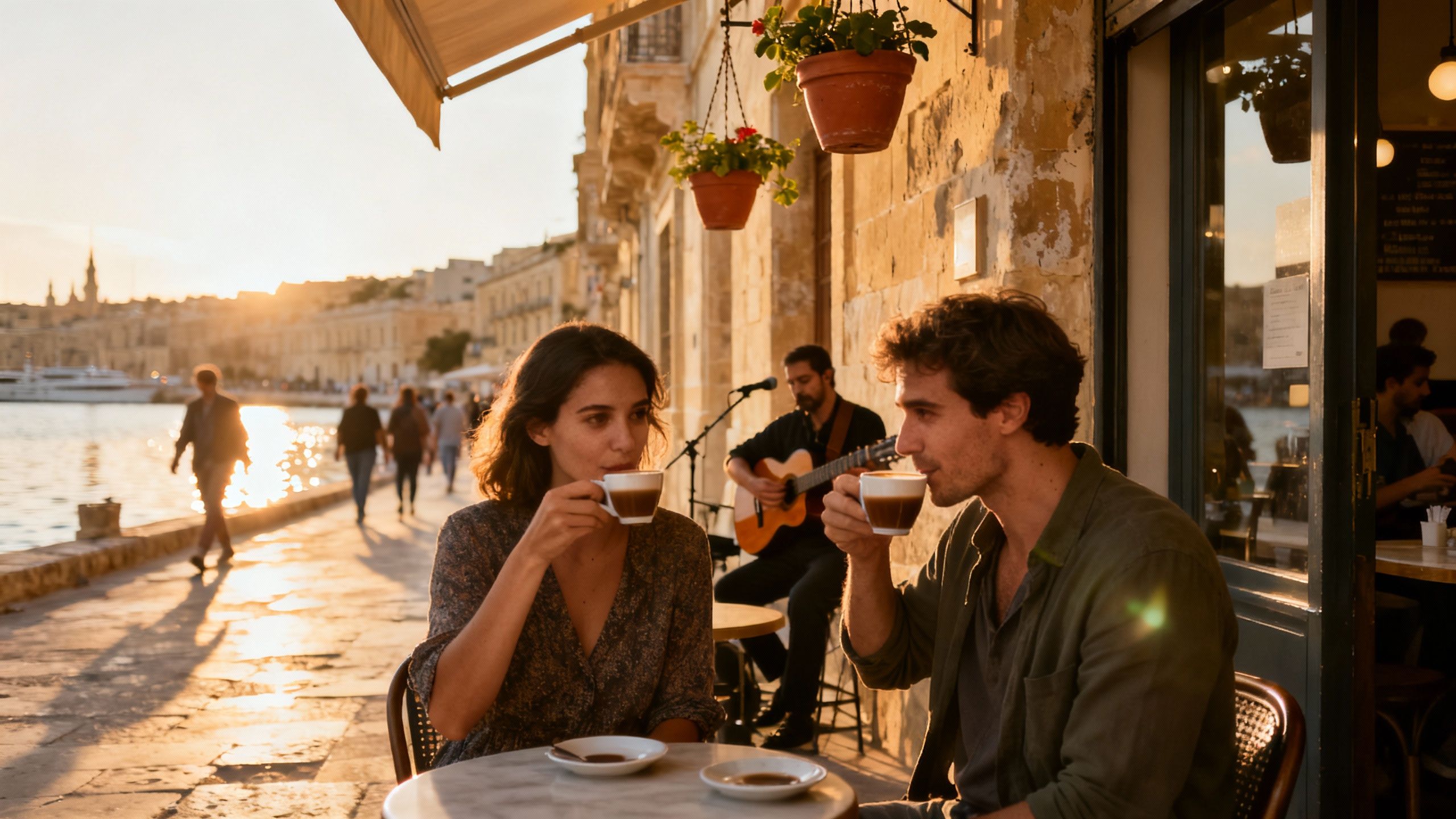
Imagine the narrow street outside a 200‑year‑old limestone house in Valletta filling with the scent of frying lampuki while the sea glints beyond the rooftops. Mornings begin with espresso at a café on Strait Street; evenings hush into the sound of church bells and distant waves. For international buyers drawn to green living and rugged coastlines, Malta is an intimate archipelago where forested gorges, chalk cliffs and small, regenerative gardens meet dense, walkable towns. This piece marries those daydreams with the facts you need to move—what to expect, what to prioritise, and the local rules that shape real choices.
Living the Maltese rhythm: coast, stone and daily rituals
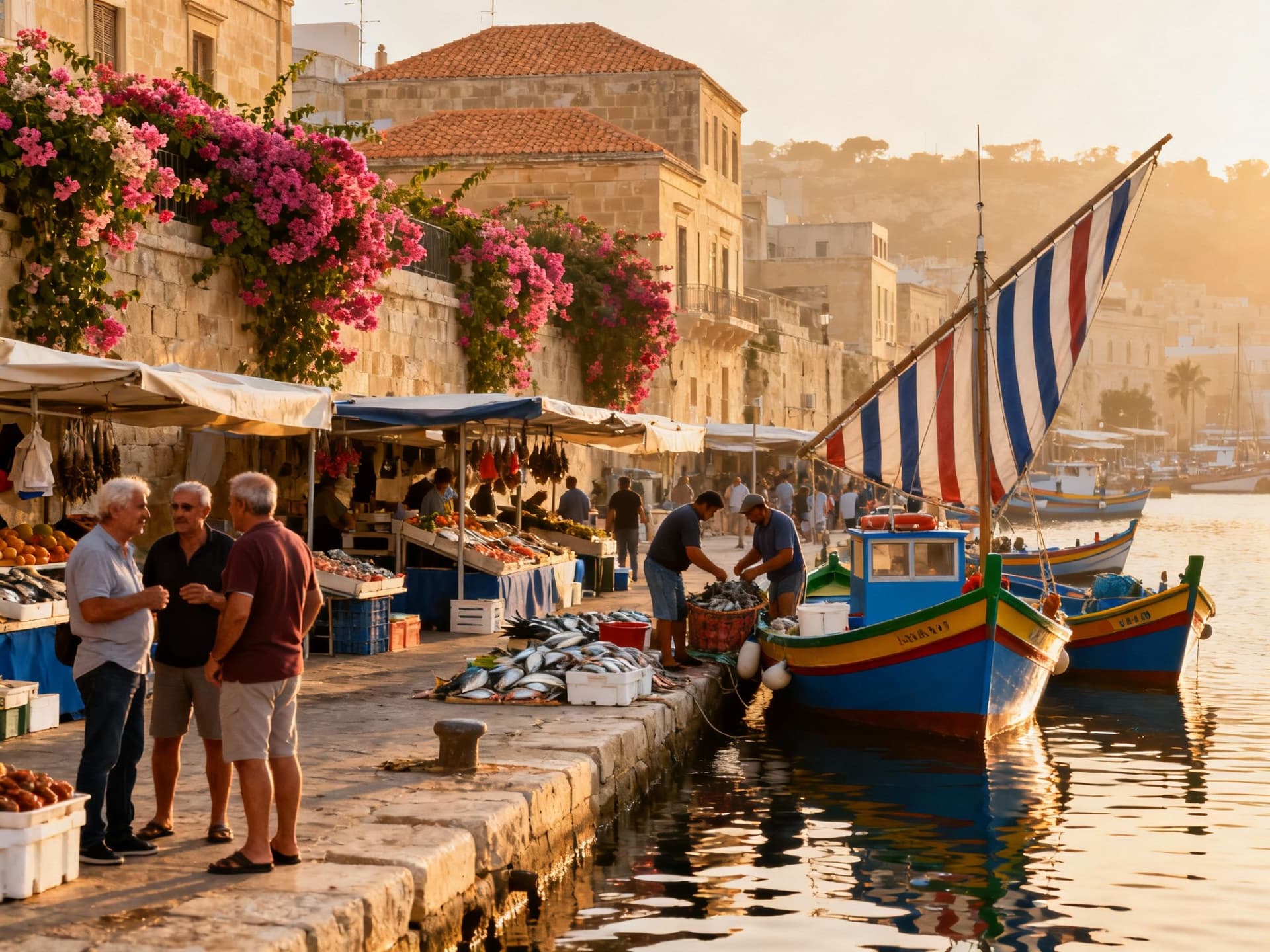
Life here is tactile: weathered limestone underfoot, bougainvillea pooling colour over balconies, and a coastline that alternates between golden sand and dramatic cliffs. Weekends are market mornings in Marsaxlokk, swims at Golden Bay, or quiet hikes along Dingli Cliffs as the sunlight softens. The compact size of the islands means you can have a sea dip before a business meeting, and still be home for a slow dinner at 19:30. That compactness rewards low‑impact, walkable living—exactly the kind of lifestyle Moss & Hearth readers prize.
Neighbourhood spotlight: Valletta, Sliema, Mellieħa and Gozo
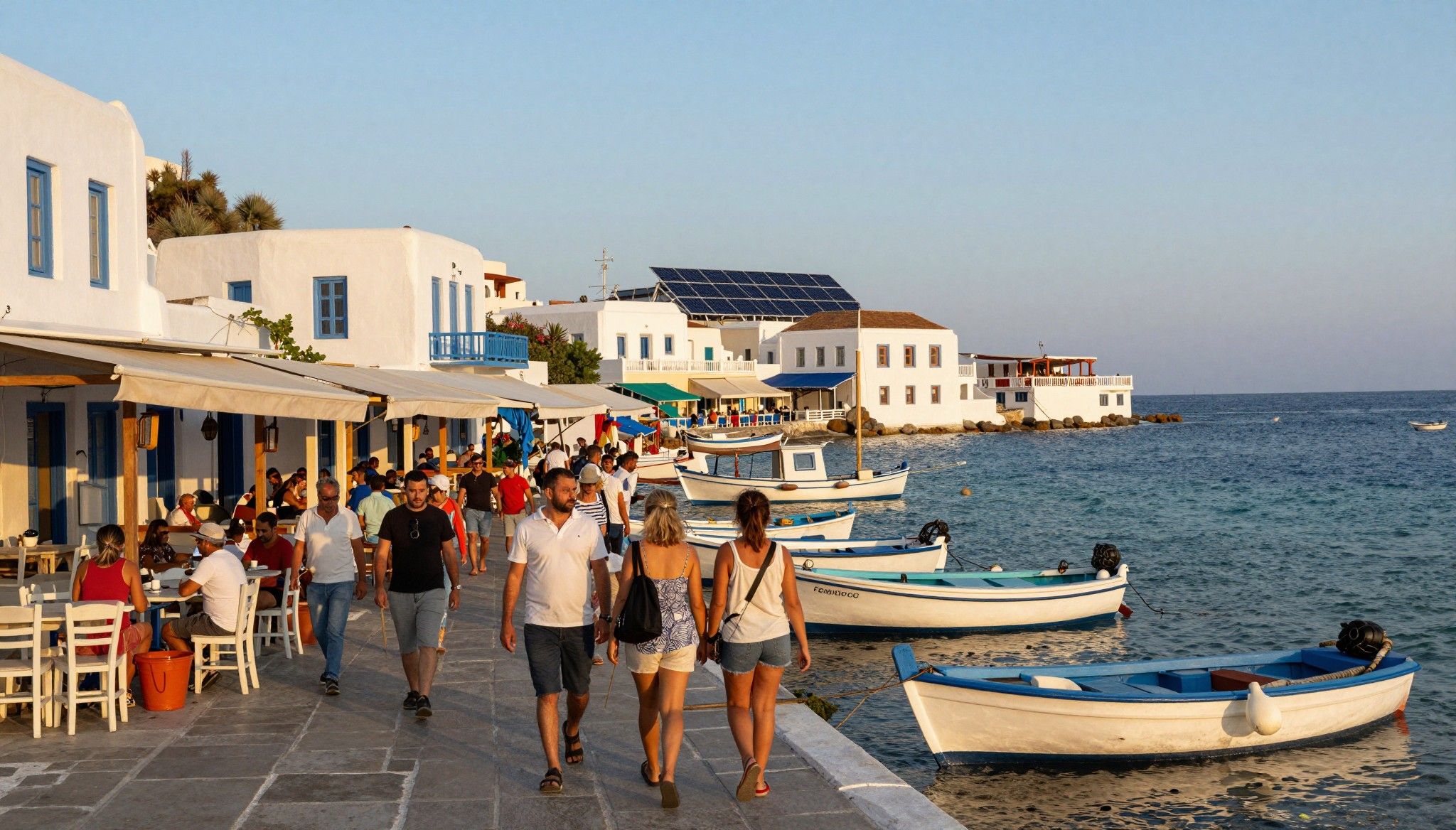
Valletta is theatrical and historic: narrow lanes, baroque facades, small urban gardens tucked into courtyards. Sliema and Gżira are the promenade life—early runs, cafés with sea views and apartment terraces. Mellieħa in the north offers sand, birdlife and a slower rural feel; its hillside houses are favourites for buyers seeking sea and green buffers. Gozo, a short ferry away, trades Malta’s dense energy for island calm: stone cottages, terraced fields and a stronger sense of community stewardship.
Food, markets and neighbourhood rituals
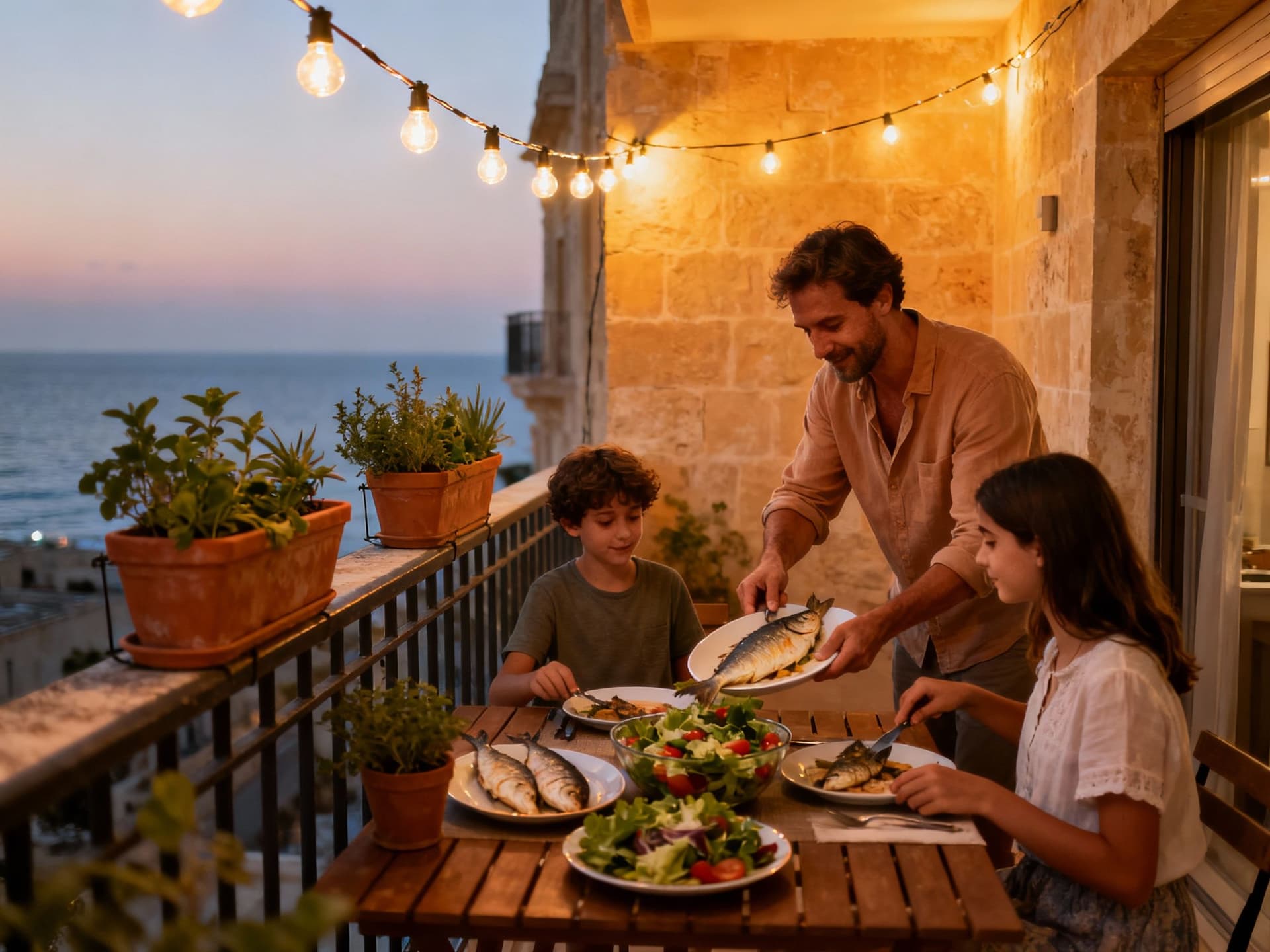
Days often pivot around food: fish markets in Marsaxlokk at dawn, neighbourhood pastizzerias serving ftira and fresh ricotta, and small restaurants where local producers bring seasonal vegetables and capers. If you love farm‑to‑table living, the islands’ food culture rewards small, regular market trips and cultivating a balcony or courtyard plot for herbs and tomatoes.
- Lifestyle highlights: beaches, cafés and hidden corners
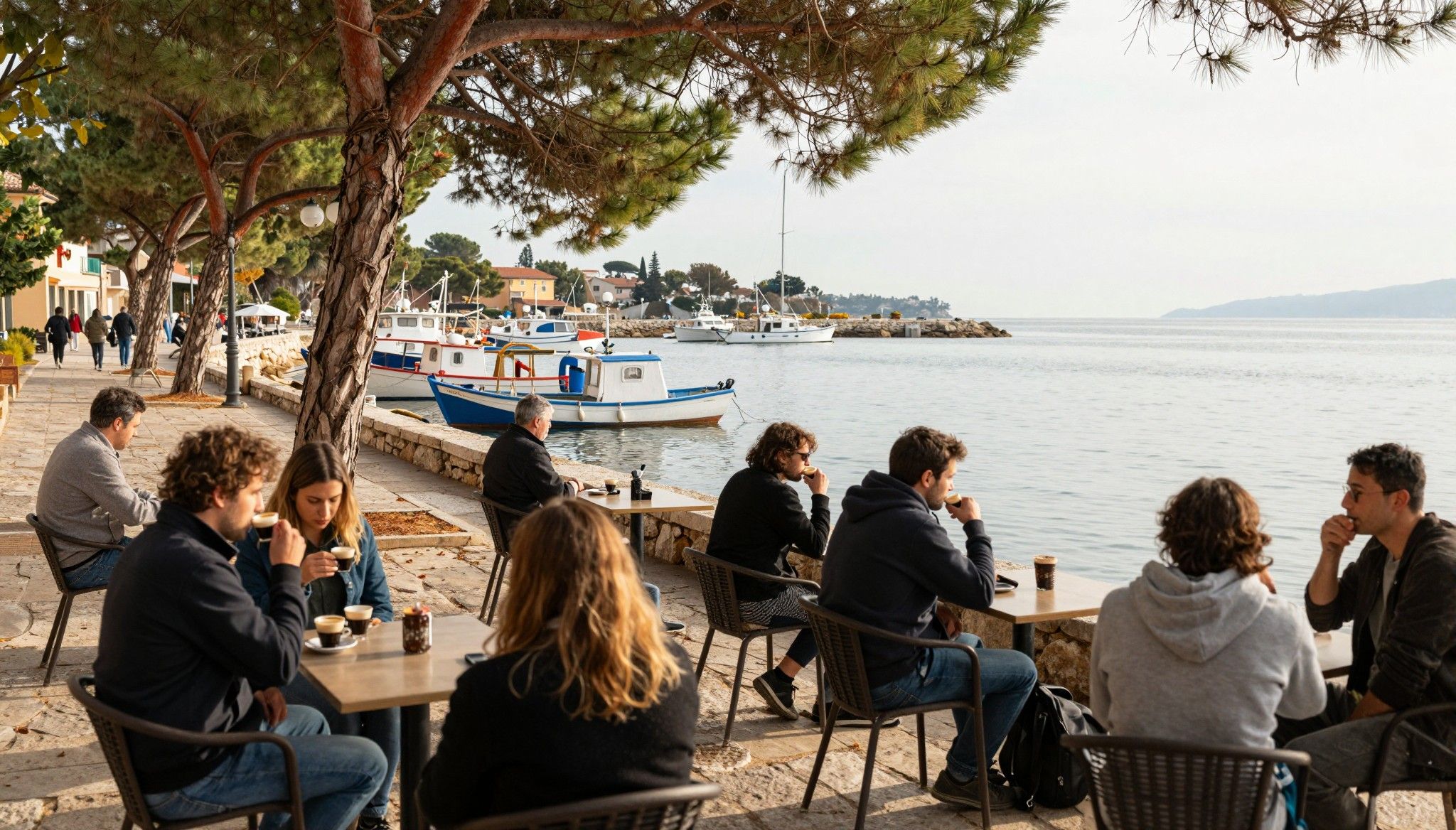
- Early‑morning coffee on Sliema’s promenade, watching the fisherboats; weekend market at Marsaxlokk with fresh fish stalls; sunset walk on Dingli Cliffs with views across to Filfla; hidden cove swims at Fomm ir‑Riħ for adventurous buyers; small community festivals in Gozo celebrating local produce and crafts.
Making the move: how lifestyle maps to property choices
The dream of coastal hikes and balcony gardens must meet Malta’s practical landscape: limited land, dense development in the north, and a legal framework that shapes who can buy what. Knowing where local life happens—seaside promenades, sheltered bays, and community markets—helps you choose property types that actually support the life you want, not just looks in a listing photo.
Property styles: maisonettes, restored townhouses and new builds
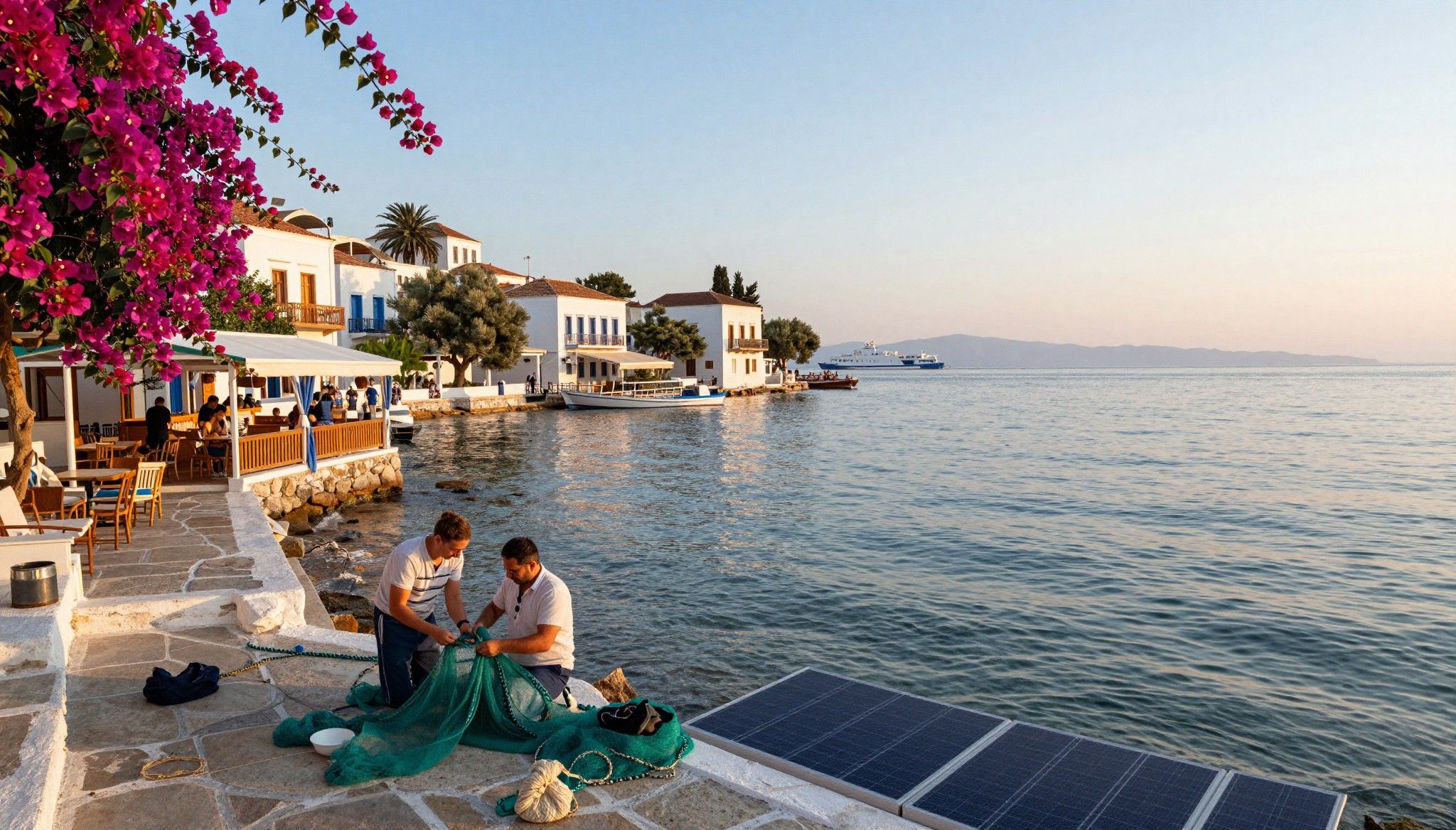
Maisonettes and narrow townhouses in Valletta and Mdina offer heritage character, thick stone walls that keep interiors cool, and small courtyards for urban gardening. In Sliema and St Julian’s you’ll find modern apartments with terraces and sea views—great for social life but often denser. New‑build eco developments in designated areas increasingly include solar-ready roofs, water‑saving landscaping and communal green spaces—features to prioritise if you want low‑impact living.
Work with agents who understand place and season
Choose agencies that listen to your daily‑life priorities—walkability, seaside access, community markets—and that can read local micro‑markets. Malta’s 2024 market moved €3.5 billion in transactions, so local expertise matters when timing offers and interpreting promise‑of‑sale nuances. A good local agent will flag conservation issues, which streets flood in storms, and which neighbourhoods retain quiet after tourism season.
- Steps to match lifestyle to a property (practical + place)
- List your daily rituals (market, beach, café) and rank proximity; visit at different times of day and in low season to test noise and light; check stone orientation and natural ventilation for passive cooling; ask agents about local conservation rules and AIP permit implications; prioritise properties with outdoor space (courtyard, terrace) for edible planting.
Insider knowledge: rules, myths and expat realities
A core fact many buyers miss: Malta controls foreign ownership through the AIP (Acquisition of Immovable Property) system. Non‑residents and some EU citizens need permits to buy outside Special Designated Areas. AIP rules influence what you can buy, whether you can rent it out, and minimum purchase thresholds—details that directly change strategy for buyers who want to live sustainably rather than speculate.
Common expat surprises
Expats often expect wide‑open country plots; instead, much of Malta’s charm is intimacy—terraced fields, pocket gardens and shared sea access. Another surprise: peak summer can be bustling and noisy in coastal hotspots, so buyers seeking tranquillity often find better value in Mellieħa, Gozo or south‑facing villages inland.
Market realities and recent data
Data from the Malta Property Landscape 2025 describe over 12,500 property transactions worth about €3.5 billion in 2024, showing resilience and continued demand. Average prices have risen substantially in the past decade—prime north harbour areas command the highest premiums—so factor regional price differences into lifestyle choices when comparing coastal vibrancy against calmer, greener holdings in Gozo and the south.
- Red flags and green checks before you buy
- Red flags: unclear AIP status, properties listed as "to be regularised", coastal zones with erosion risk, no natural ventilation or insulation, lack of waste‑water solutions. Green checks: solar‑ready roofs, rainwater capture or cisterns, mature planting for shade, stone walls that provide thermal mass, proximity to local markets and community gardens.
Cultural notes that change how you live
English is an official language, which eases bureaucratic life, but Maltese culture values small‑scale, local relationships. Expect neighbours to know each other, to share produce, and to prioritise communal rhythms like festa dates. Integrating means participating—shop locally, learn a few Maltese phrases, and you’ll find doors open to shared olive presses, rooftop herb swaps and neighborhood support when storms arrive.
- A practical checklist for serious buyers
- Verify AIP permit requirements early; visit properties in low season; commission a survey focused on damp, salt exposure and insulation; budget for regular limestone maintenance and rainwater management; prioritise outdoor space for edible planting and cooling; work with an agent experienced in eco‑retrofits and conservation rules.
Before you sign anything, talk to a local lawyer and a conservation‑minded architect. They’ll translate not just the law but the lived realities—how a courtyard faces the sun, where breezes run, and what materials will age gracefully on the coast. That combination protects both the lifestyle you seek and the long‑term value of the home.
Conclusion: Malta as a lived‑in, green coastline rather than a postcard
If you’re drawn to Malta for sea‑facing terraces, small‑scale agriculture and a culture that values place, choose property that supports those rhythms—courtyards, passive stone cooling, and access to local markets. Respect the legal landscape (AIP rules and designated areas), visit out of season, and partner with agents who understand sustainability and local nuance. Do that, and Malta doesn’t remain a distant dream; it becomes daily life.
Danish relocation specialist who moved from Copenhagen to the Algarve; supports families with seamless transitions, local partnerships, and mindful purchases.