Malta: Coast, Courtyards & Market‑Smart Moves
Malta’s compact, sunlit life — from Valletta streets to Dingli Cliffs — pairs rising property demand (RPPI up ~5%) with off-market chances and eco‑minded renovation wins.
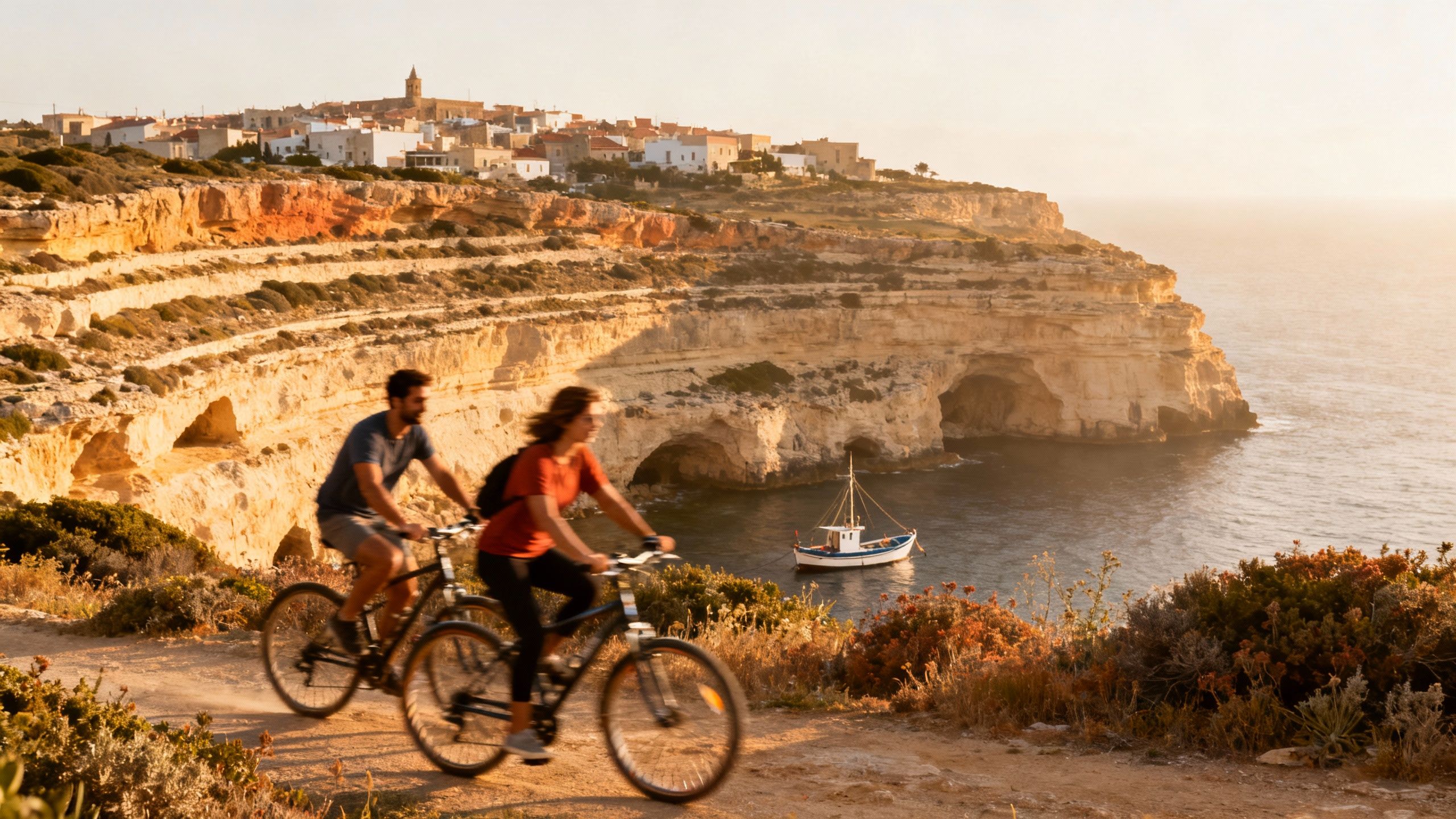
Imagine waking to the smell of roasted coffee from Valletta’s narrow lanes, then cycling along Dingli Cliffs as gulls ride the thermal. Malta is compact — islands stitched of limestone streets, hidden bays and neighbourhood cafes — where daily life moves between sea terraces and stone courtyards. For buyers dreaming of a green, coastal life, those sensory moments are the real purchase; the legal papers come after.
Living Maltese: a coastal, convivial rhythm
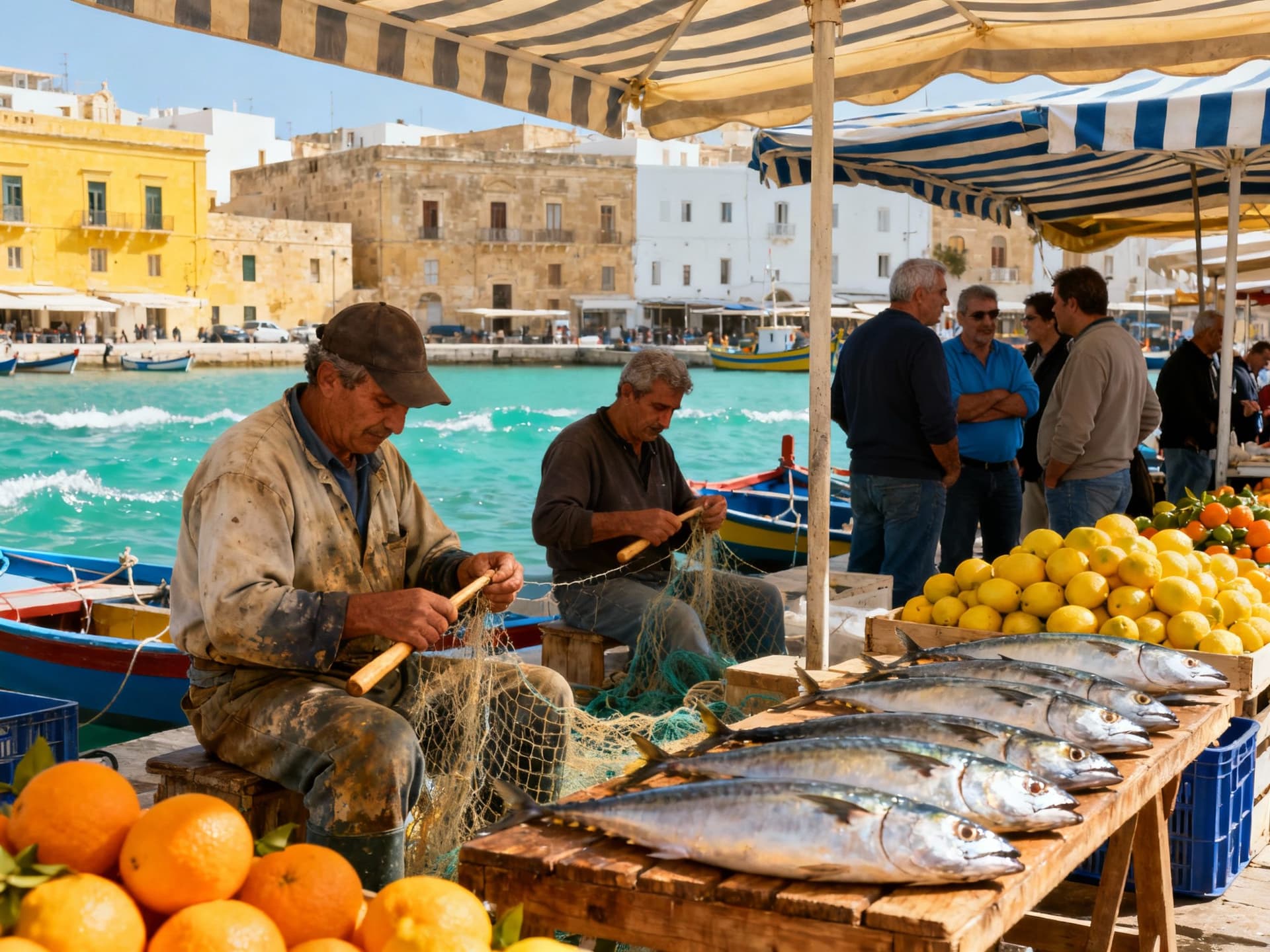
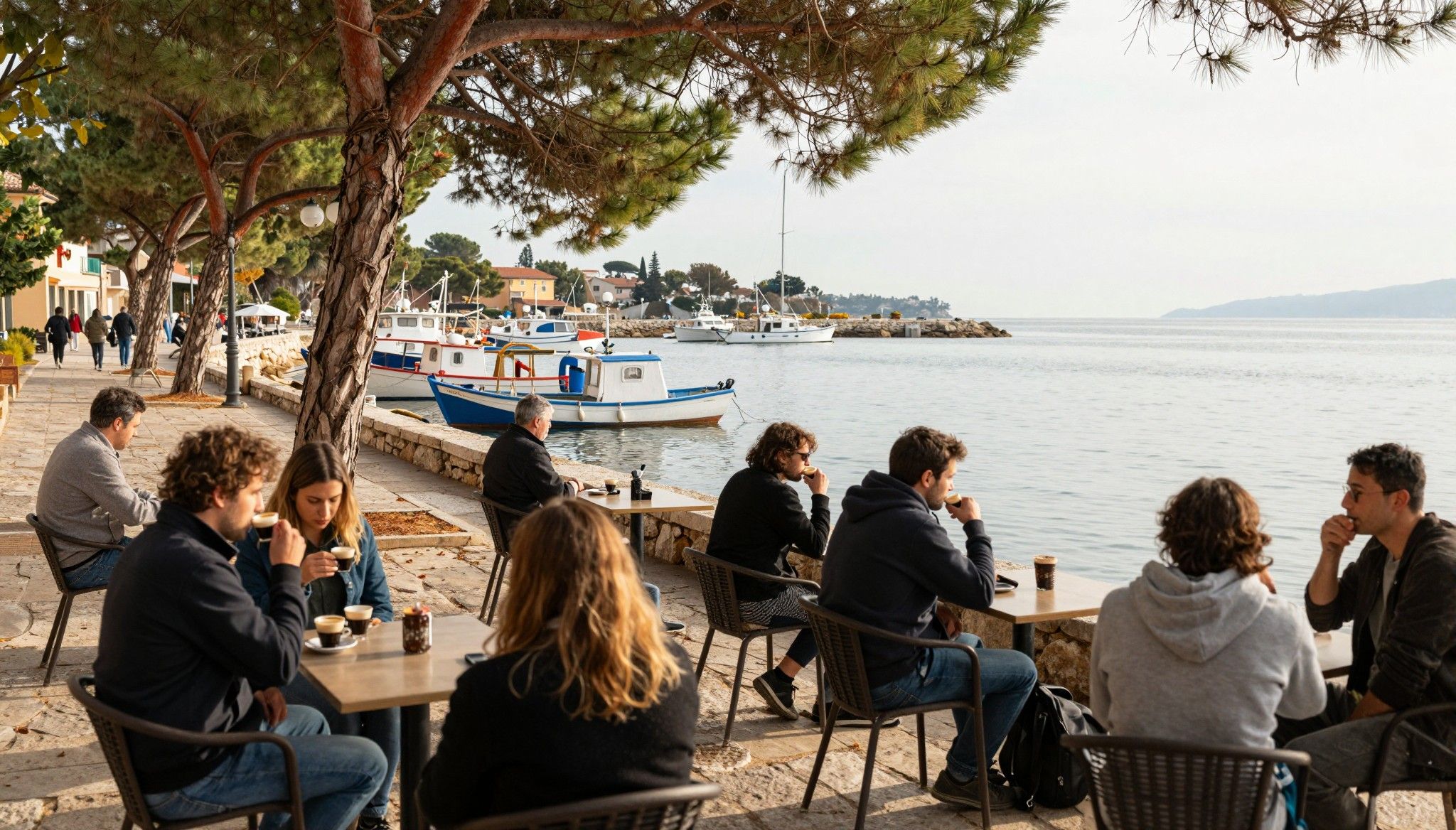
Days here begin outdoors. Morning markets in Marsaxlokk spill with fish and citrus; by noon, couples share pastizzi on Sliema promenades; evenings belong to family dinners on shaded terraces. PwC’s recent industry survey notes resilient residential demand — the feeling on the ground is of a place still attracting newcomers who want both sea and community.
Neighborhood pulse: Valletta, Sliema, St Julian’s and the quieter east
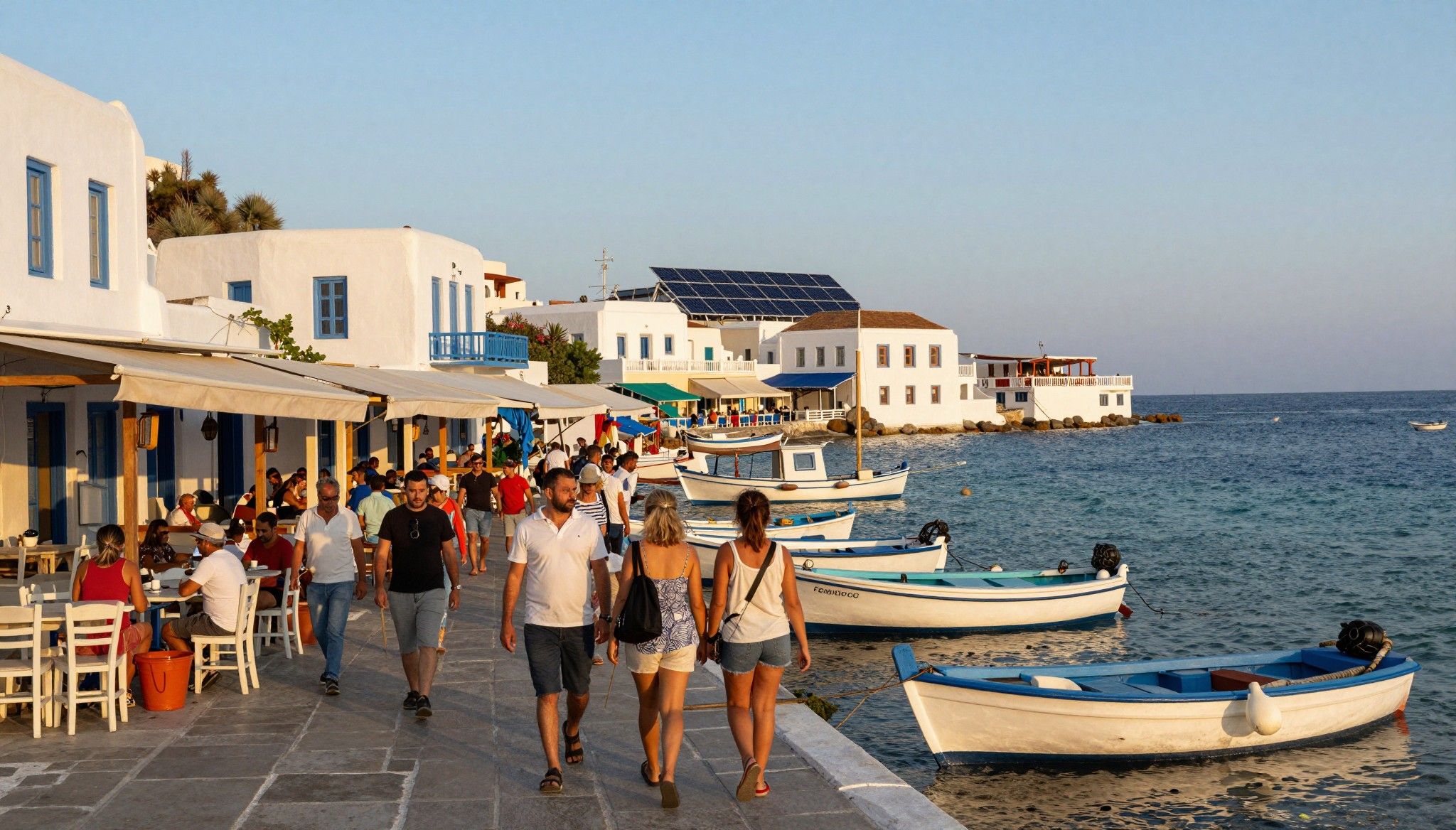
Valletta hums with baroque stone, museums and a winter concert calendar; Sliema and St Julian’s offer seaside cafes, coworking and long promenades that attract digital nomads; Gozo’s quieter fields and Xagħra’s olive terraces answer anyone craving green space. Expat forums report rents and prices higher in coastal hubs but a distinct warmth in inland villages where gardens and community take priority.
Food, markets and small rituals
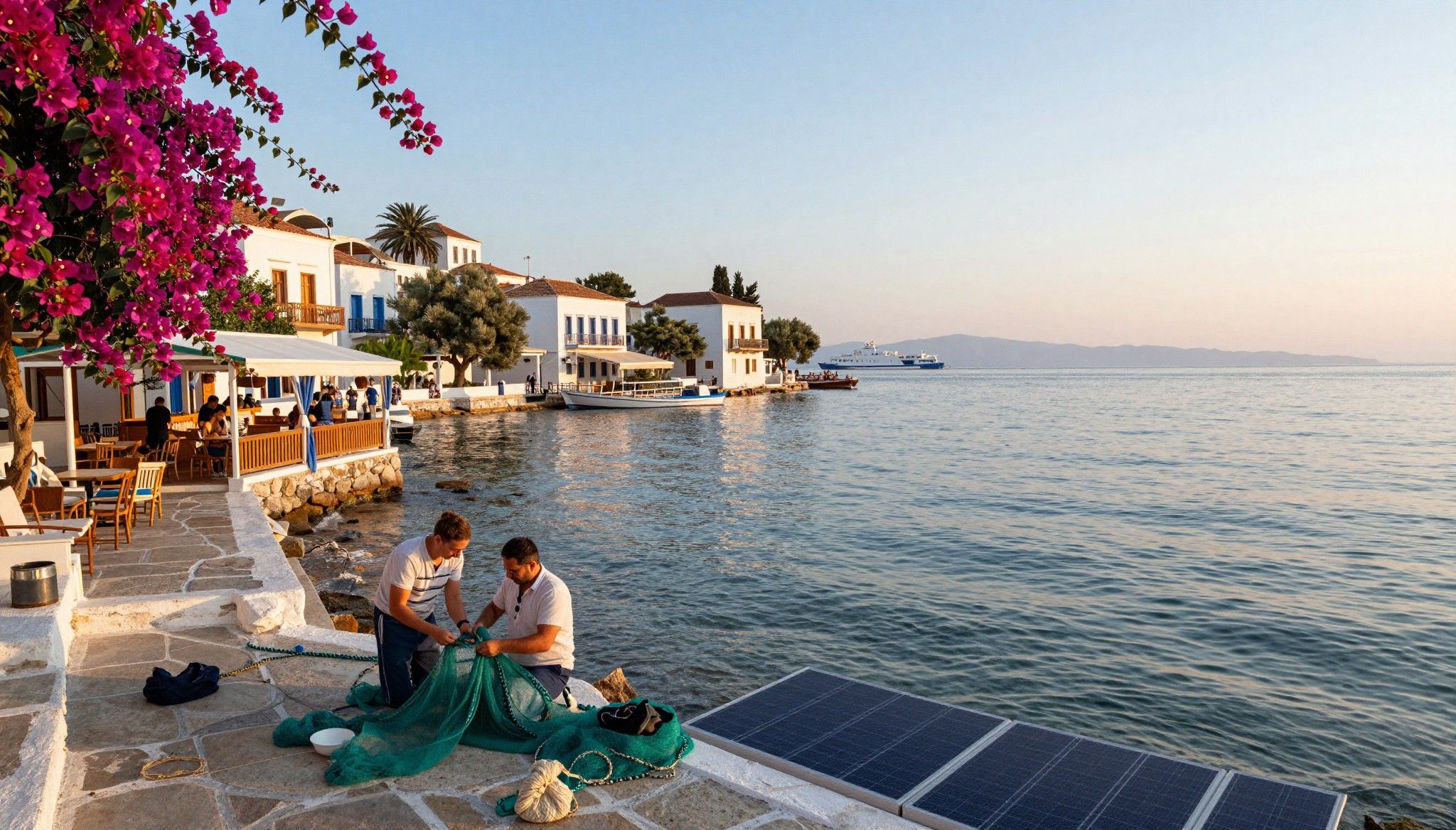
Picture buying morning bread in Rabat, a fisherman waving from Marsaxlokk harbour, then an afternoon espresso at Caffe Cordina in Valletta. Maltese cuisine is citrus, capers, sun-cured tomatoes and fresh fish — local food culture anchors neighborhoods and often determines which streets feel alive year-round.
- Morning market at Marsaxlokk; Valletta concerts and museum nights; Sliema promenade coffee culture; Dingli Cliffs walks and cliff-top sunsets; Ta’ Qali craft market and gardens; hidden swim cove at St Peter’s Pool.
Making the move: lifestyle choices that shape your purchase
Dreams and reality meet in price data. Malta’s Residential Property Price Index rose around 5% year‑on‑year in recent quarters, reflecting steady demand and a compact supply of sea‑adjacent homes. That means timing, neighbourhood choice and property type matter more here than in larger markets — you trade square metres for proximity and lifestyle.
Property styles: limestone townhouses, maisonettes and new eco-builds
Traditional Maltese houses — stone townhouses with inner courtyards — offer thermal mass and character, perfect for gardeners and quiet living. Maisonettes and modern apartments in Sliema provide terraces and easy access to restaurants. Recently, developers are blending solar-ready designs and efficient glazing — practical for buyers who want low-impact living without sacrificing comfort.
Working with local experts who understand lifestyle and law
- 1. Ask an agent about micro-neighbourhoods (e.g., Triq ir-Repubblika in Valletta vs. Balluta Bay in St Julian’s). 2. Request energy performance details and recent renovation records to check sustainability claims. 3. Meet a notary early — Maltese conveyancing is formal and local counsel avoids surprises. 4. Tour properties at different times: market mornings, siesta afternoons, and busy evenings to feel the real rhythm.
Insider knowledge: what expats wish they'd known
Two practical realities often missed: (1) recent scrutiny of Malta’s investor citizenship schemes has shifted some investor behaviour and inventory patterns — that affects availability and the type of foreign buyer you’ll meet at viewings; (2) Malta’s market is small, so off‑market local deals often move fast and depend on local relationships more than bidding wars.
Cultural integration, language and daily life
English is an official language and workplaces are multilingual, which eases arrival. Still, learning Maltese opens doors at village festas and with older neighbours. Expect a social calendar shaped by religious feasts, sea swims on Sundays and long family meals — joining those rhythms is the quickest way to belong.
Long-term life: what changes after you move
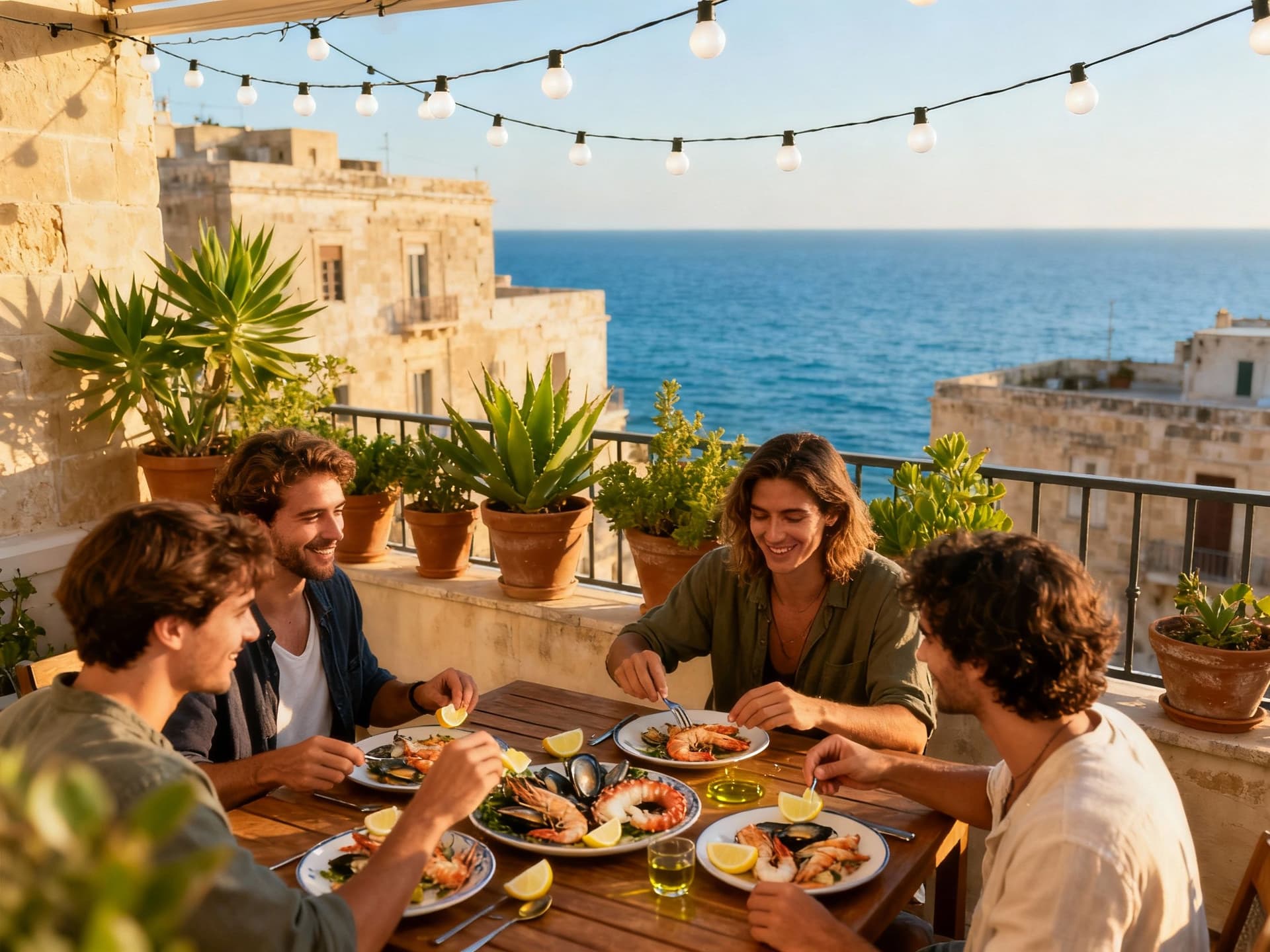
At first you’re a weekend explorer; by year two you know where the best lampuki is and which neighbour grows citrus. Practical habits follow: collecting rainwater for gardens where permitted, shading terraces in summer, and investing in efficient shutters for winter breezes. Those small choices shape an eco-conscious, settled life.
- Ask about solar-ready roofs; prioritise courtyard south-facing orientation; favour double-glazing in exposed bays; check local water harvesting possibilities; choose native planting to reduce irrigation needs.
If you love limestone, sea-scented evenings and a short commute from kitchen to coast, Malta will reward a life lived outdoors and sustainably. Start by visiting micro-neighbourhoods with your agent, bring a local notary into early conversations, and let place — the markets, the coves, the community — guide your offer.
Norwegian market analyst who relocated from Oslo to Provence; guides investors with rigorous portfolio strategy and regional ecological value.