Living the Verdant Italy Coast: Lifestyle & Smart Steps
Italy’s verdant coasts and forested promontories blend lived‑in nature with rising international demand—learn lifestyle realities and research‑backed steps to buy sustainably.
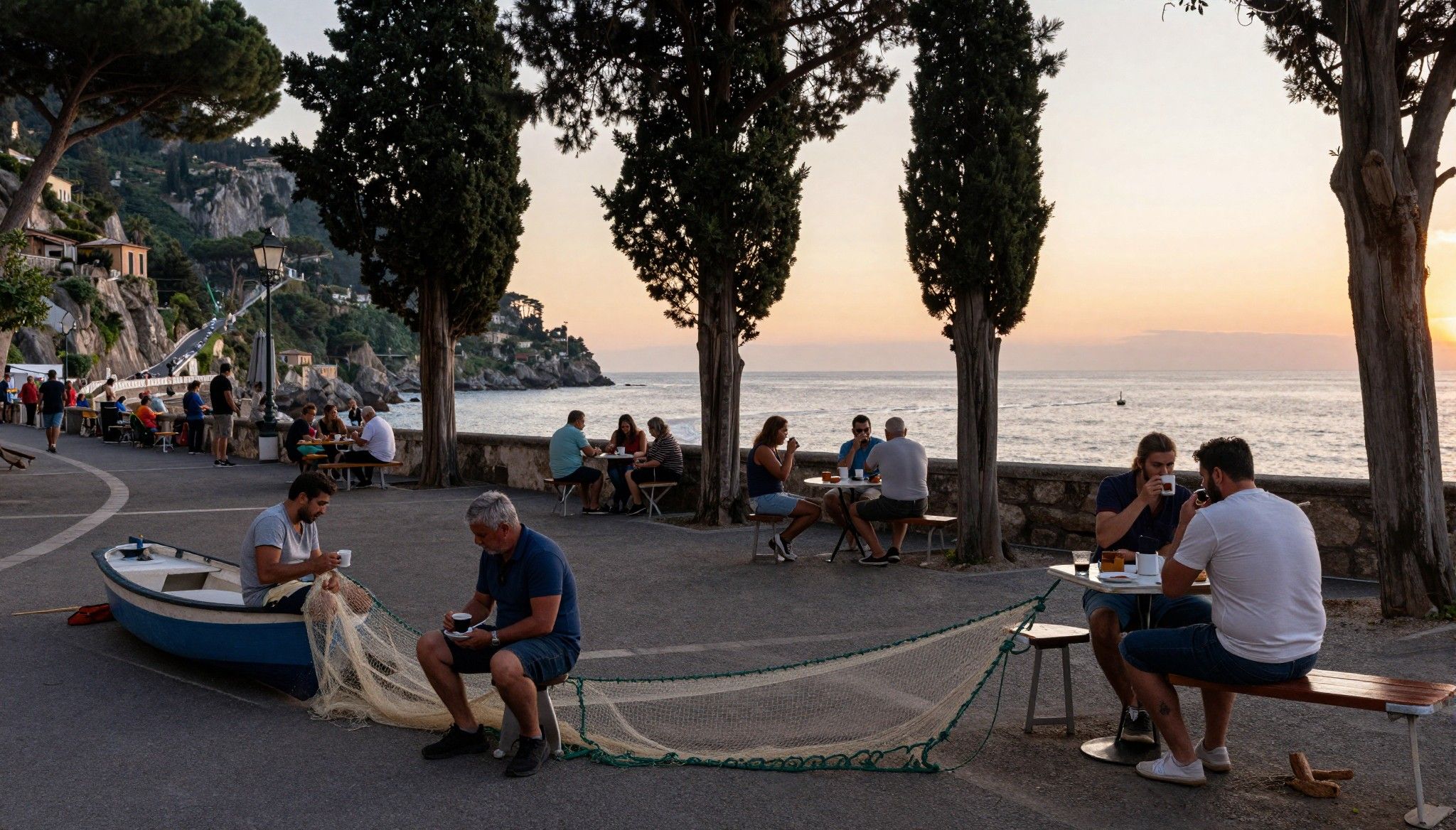
Imagine waking to sea-salted air, rinsing espresso into a chipped cup and walking a lane where stone houses lean into wind-smoothed pines. Italy’s verdant coasts and forested promontories—places like the Maremma, Cinque Terre fringes and the Colli di Luni—move at a gentler pace than the headline‑chasing cities. For international buyers seeking a life stitched to nature, those rhythms matter as much as price per square metre. Recent market analysis shows the residential market is active and increasingly international, a reality that shapes both opportunity and due diligence for green-minded buyers.
Living Italy’s Verdant Coastlines and Forests
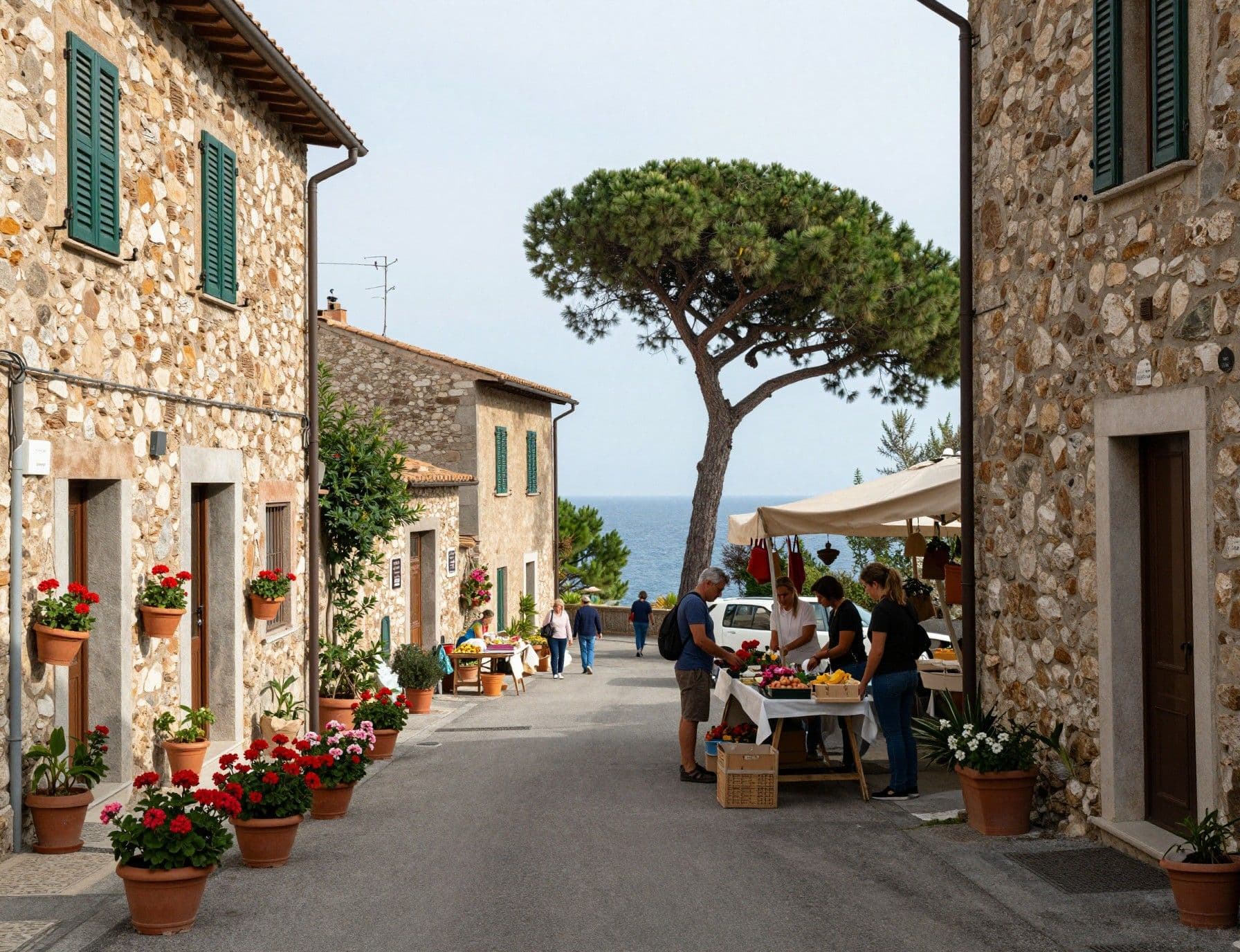
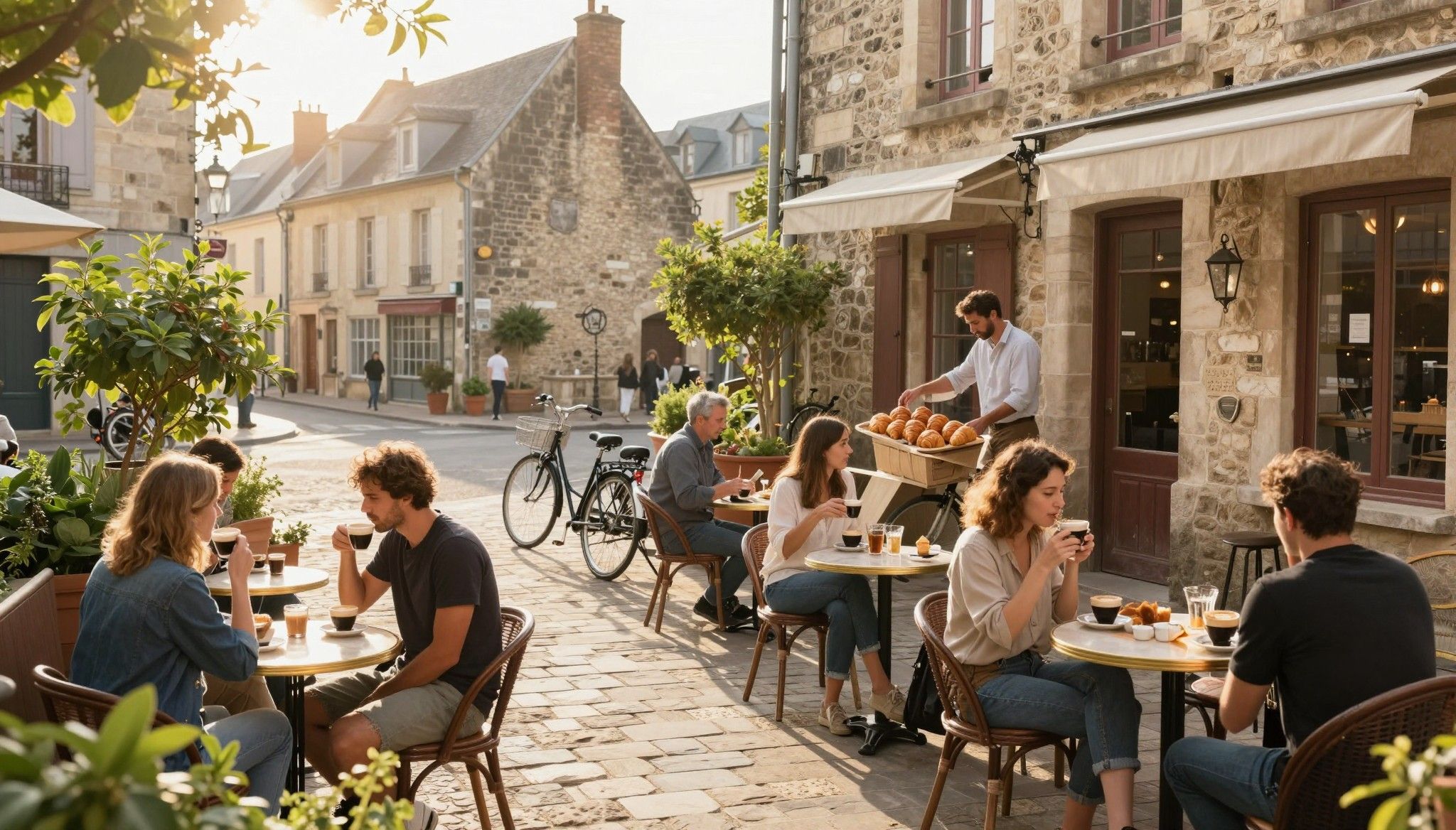
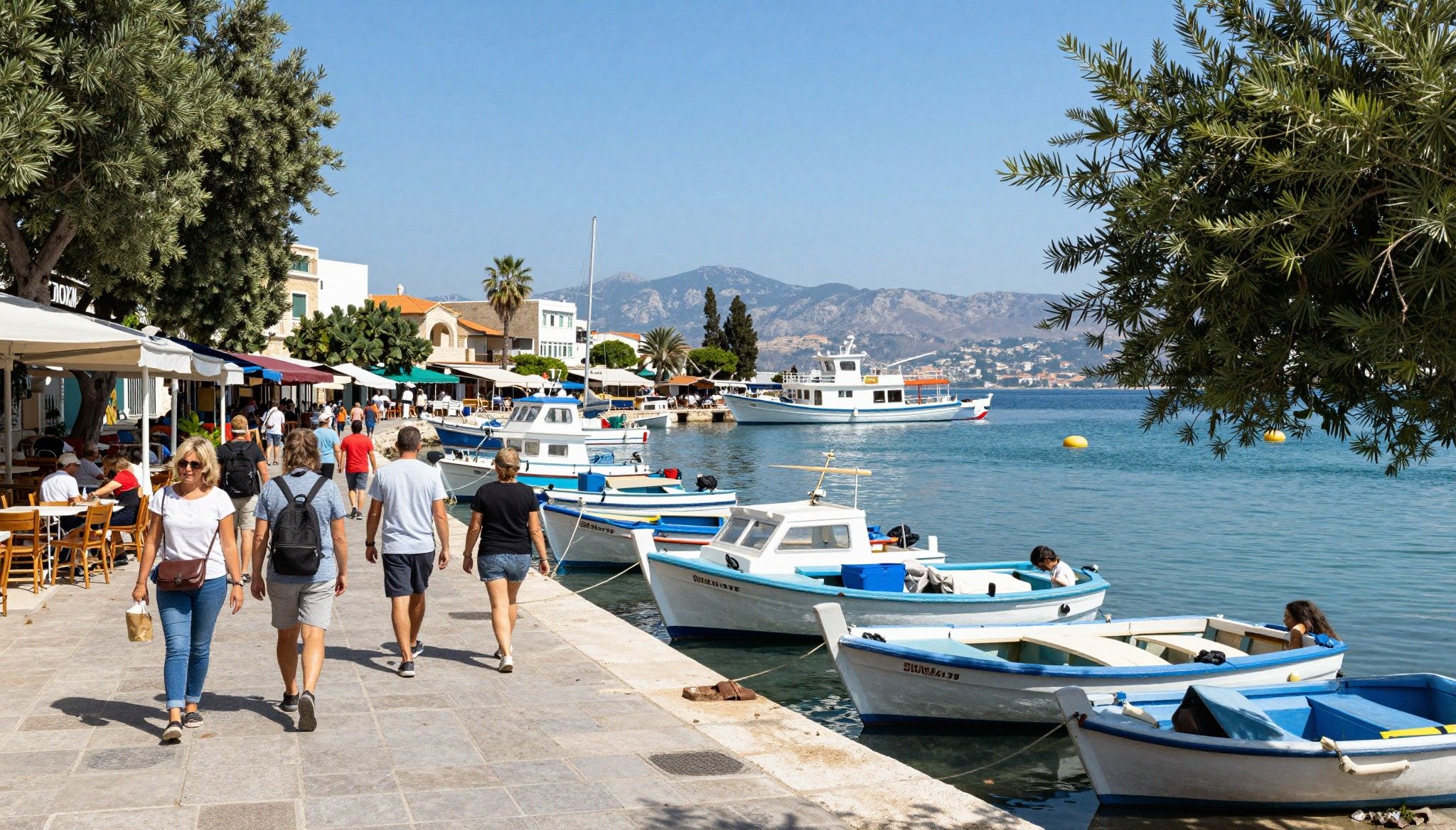
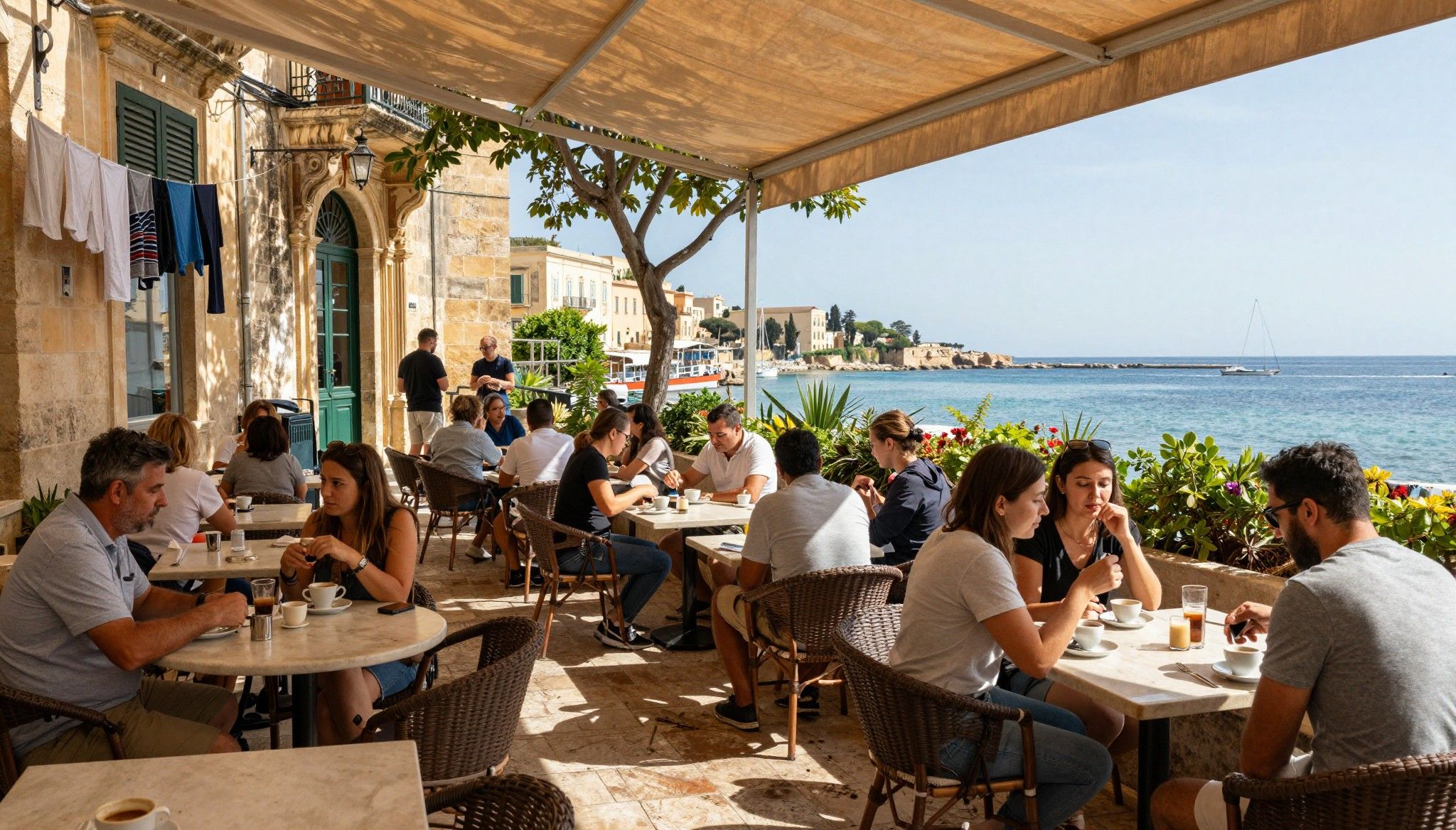
Walkable fishing villages, scrubby Mediterranean maquis, and cypress-lined lanes form the everyday palette of Italy’s verdant coastal regions. Mornings are market mornings—tomatoes still warm from the sun, fishermen hauling nets, and bakers opening shutters on fragrant focaccia. Afternoons invite siestas under pergolas of grapevine or rosemary; evenings are for slow seafood dinners and the soft percussion of waves. This is country life with layers: strong community ties, neighborhood cafés where names are remembered, and small municipal services that reward patience and local knowledge.
Neighborhood spotlight: Southern Maremma & Capalbio
In the Maremma, scrubland meets sand and medieval hamlets perch above turquoise coves. Capalbio and its surrounding countryside combine protective pine forests with access to thermal springs and coastal islands—an appealing mix for buyers who want both wild coastline and cultivated land. Here, community life centers on weekly markets, agriturismi dinners and local wine estates that practice low‑input viticulture. Properties range from stone cottages with olive groves to modernized farmhouses that embrace passive solar and rainwater collection.
Food, markets and microclimates: Colli di Luni to Cinque Terre
From the Vermentino terraces of Colli di Luni to the cliff-stitched vineyards of Cinque Terre, microclimates create exceptional food and wine traditions. Local cuisine is a compass for daily life: morning markets for fresh anchovies or zucchini flowers, lunches of testaroli with pesto, and evenings spent over glasses of bright coastal white. These gastronomic ecosystems also shape property value—homes with terraces, cellars, or land for small-scale agriculture carry lifestyle premiums that reward hands-on owners.
Lifestyle highlights to savour and seek
Morning market at Porto Ercole or a weekly produce market in Grosseto
Walking the cliff paths of Cinque Terre at dawn, followed by a seaside lunch
Joining a local cooperative olive‑press and learning traditional harvesting
Making the Move: Practical Considerations
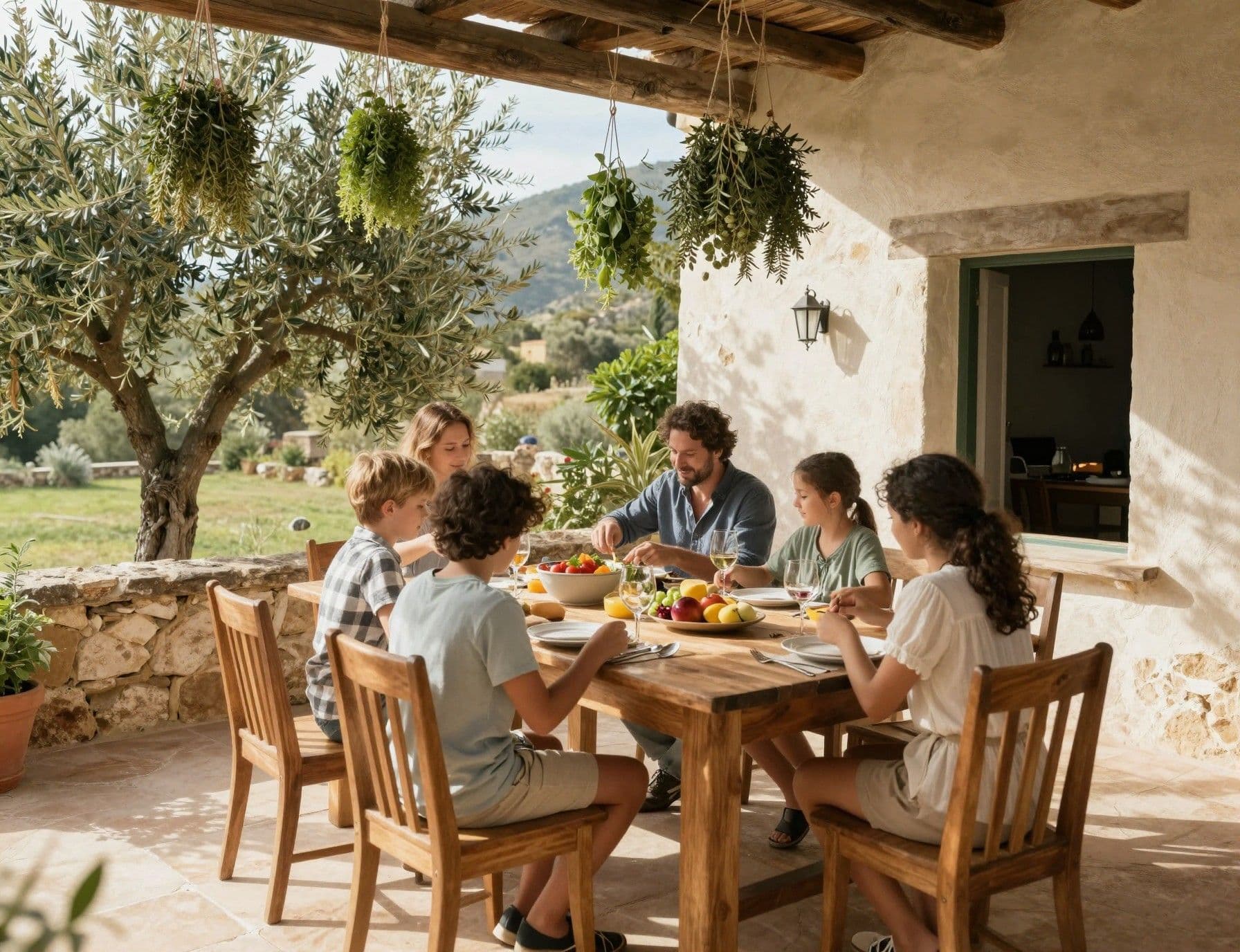
The dream of sunlit terraces and wild pines meets a practical truth: Italy’s markets vary widely by region and season, and green credentials matter more than ever. Average asking prices rose in 2026, and transaction volumes were steady through 2025—momentum that tightens negotiation space in hot zones. Understanding regional planning rules, ecological incentives, and local building practices will protect both your lifestyle and your pocket. Working with experts who know rural planning codes and conservation regulations is essential when buying in protected coastal and forested areas.
Property types and what they mean for life here
Stone casali (farmhouses) come with land and history, perfect for vegetable gardens, olive groves and home-based food projects—but often require seismic and energy upgrades. Seaside apartments suit those wanting low‑maintenance coastal life but may limit outdoor land for permaculture. Restored hamlet houses offer community and shared maintenance responsibilities, a boon for buyers seeking social integration. Choose the type that matches your daily habits: do you want to tend an orchard or stroll to the café?
How local experts protect your lifestyle vision
A trusted local agency will: 1) map permitted uses and renovation potential, 2) verify water and forestry restrictions, 3) connect you to sustainable builders and energy auditors, 4) advise on green incentives and realistic timelines for upgrades.
Insider Knowledge: What Expats Wish They'd Known
Expat tales often start dreamy and then settle into a clearer rhythm—bureaucracy takes time, but local goodwill is generous. Language helps, but you’ll find that neighbors, restauranteurs and craftsmen value effort and presence even more than perfect Italian. Many buyers underestimate seasonal swings: beaches and villages that feel empty in winter come alive with festivals and community restoration projects in spring. Knowing these cycles helps you plan renovations, rentals and when to be present to cultivate local relationships.
Cultural integration and daily community life
Neighborhood bonds are built in markets, church fêtes and volunteer olive harvests—participation matters. Joining a local association or small cooperative can accelerate friendships and provide practical support for property upkeep. International schools, where present, cluster near larger towns; otherwise language immersion and local playgroups create social anchors for families. For buyers prioritizing sustainable living, community knowledge about shared water, composting and native planting is invaluable.
Long-term lifestyle & stewardship considerations
Energy upgrades are both lifestyle and fiscal decisions: incentive schemes have evolved since 2023, and programs like the Superbonus altered renovation economics for many owners. Recent industry reports show rising prices and stronger international participation—signals to act thoughtfully and with local counsel. If you plan a green retrofit, budget for energy audits, permitted works and realistic timelines; aligning with local craftsmen preserves character while improving comfort and resale resilience.
Practical steps to align lifestyle and purchase (quick list)
1) Spend a month living in the microclimate to learn seasonal life; 2) commission an ecological site survey before making offers; 3) prioritise properties with passive solar aspects and usable outdoor land; 4) secure a local agency experienced in protected‑area permits and green upgrades.
Conclusion: If you dream of a life shaped by coast, forest and seasons, Italy’s verdant regions offer a rare marriage of everyday beauty and practical opportunity. Start with a sensory visit, pair a lifestyle brief with technical checks, and work with agents who speak both conservation and construction. The right property will feel like an invitation: a place that asks you to slow down, steward the land and, over years, make it richer. When you’re ready, an experienced local team will turn that invitation into a secure, sustainable home.
Danish relocation specialist who moved from Copenhagen to the Algarve; supports families with seamless transitions, local partnerships, and mindful purchases.