Skip the Seaside Hype: Where Malta’s Green Value Hides
Look past the seaside hype: Malta’s most sustainable value lies in modest neighbourhoods where rooftop solar, community gardens and traditional townhouses meet modern green upgrades.
Imagine a dusk-strewn terrace in Żabbar, rosemary and citrus scenting the air while solar panels on the neighbouring flat hum quietly into evening life. In Malta, green infrastructure is not a distant policy line — it’s becoming the texture of everyday living. For international buyers who care about renewable energy, compact community, and a Mediterranean pace that values outdoor rooms and local food, Malta’s quieter neighbourhoods often offer the best blend of lifestyle and pragmatic value.
Living the Malta lifestyle — small island, big texture
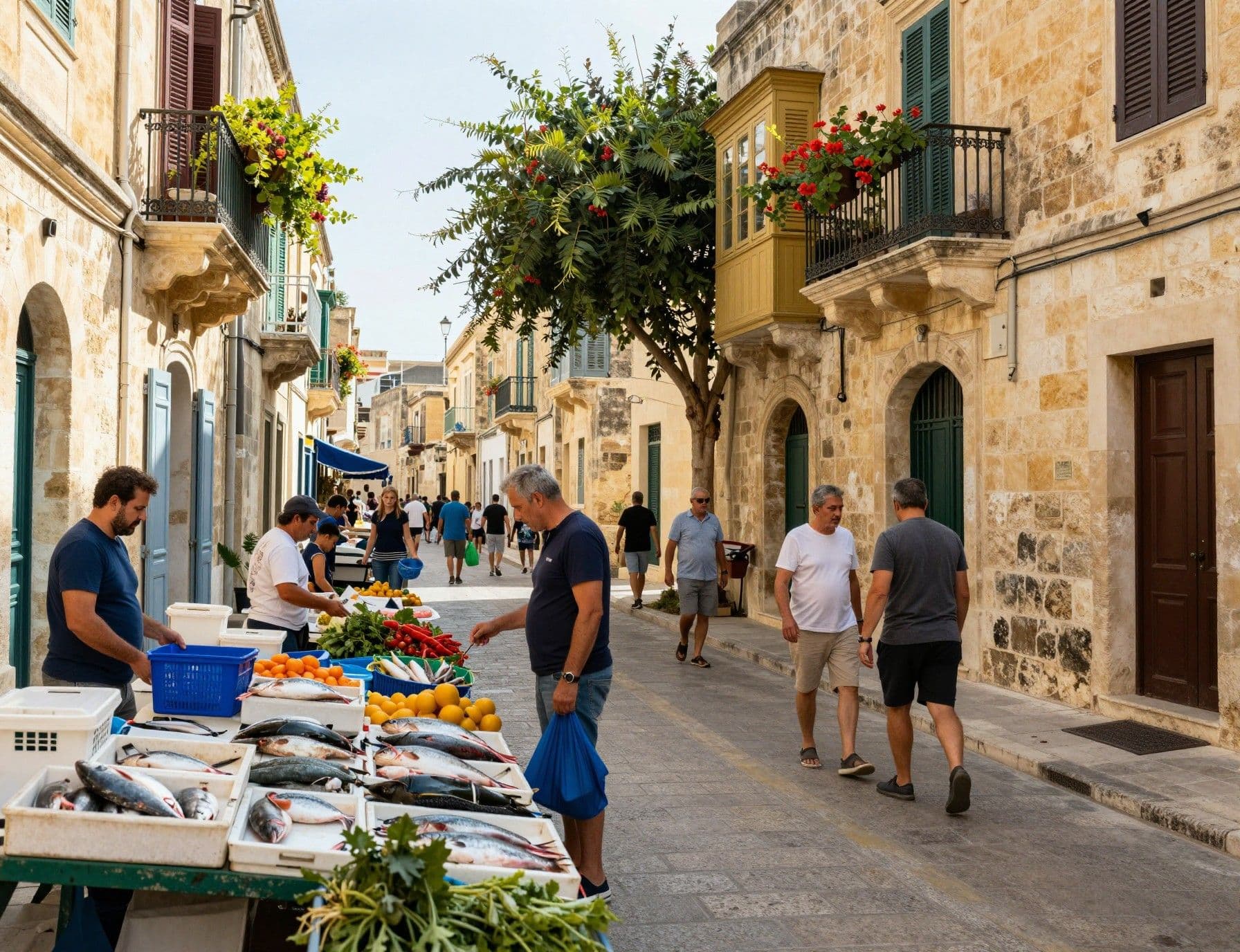
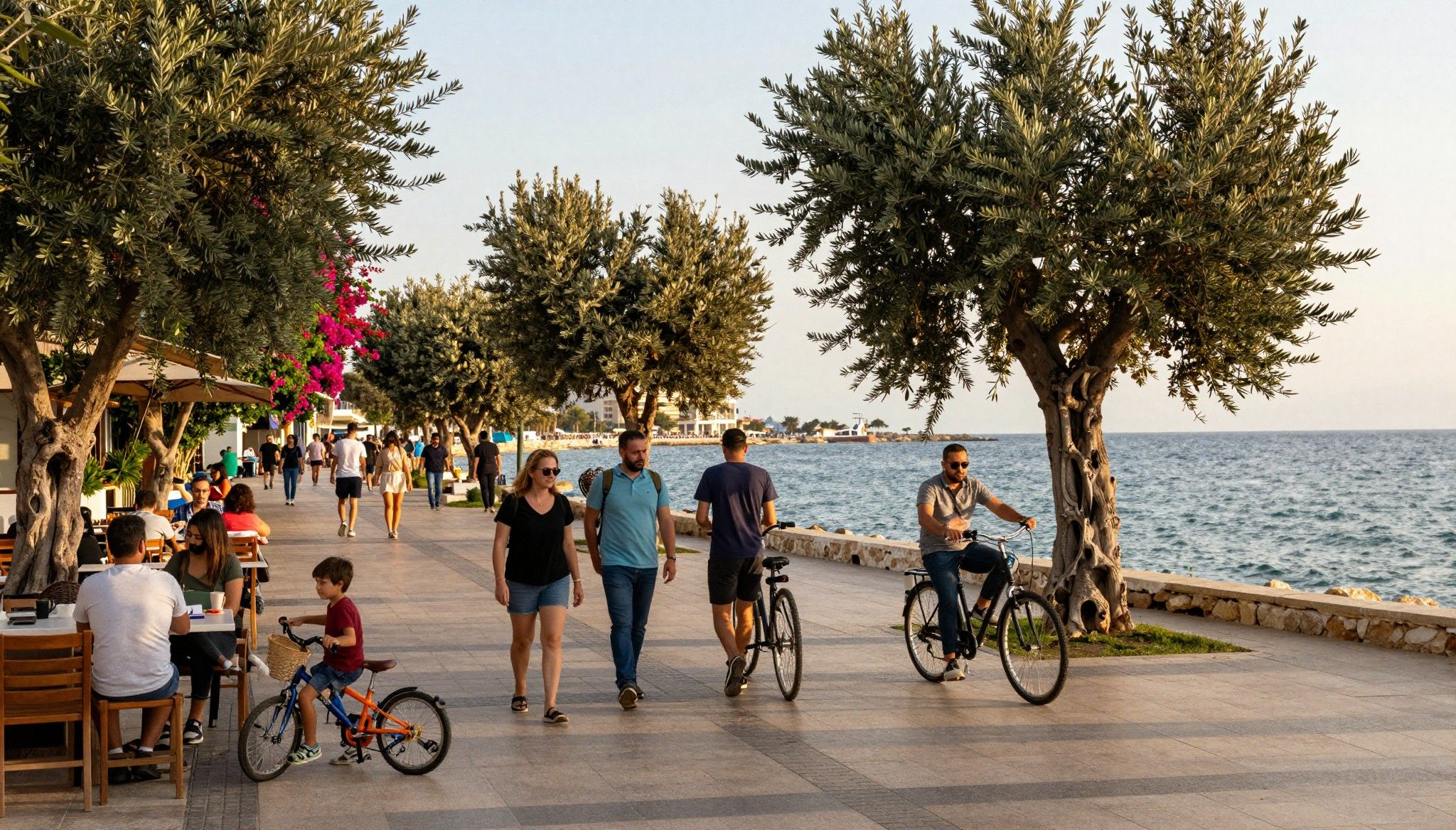
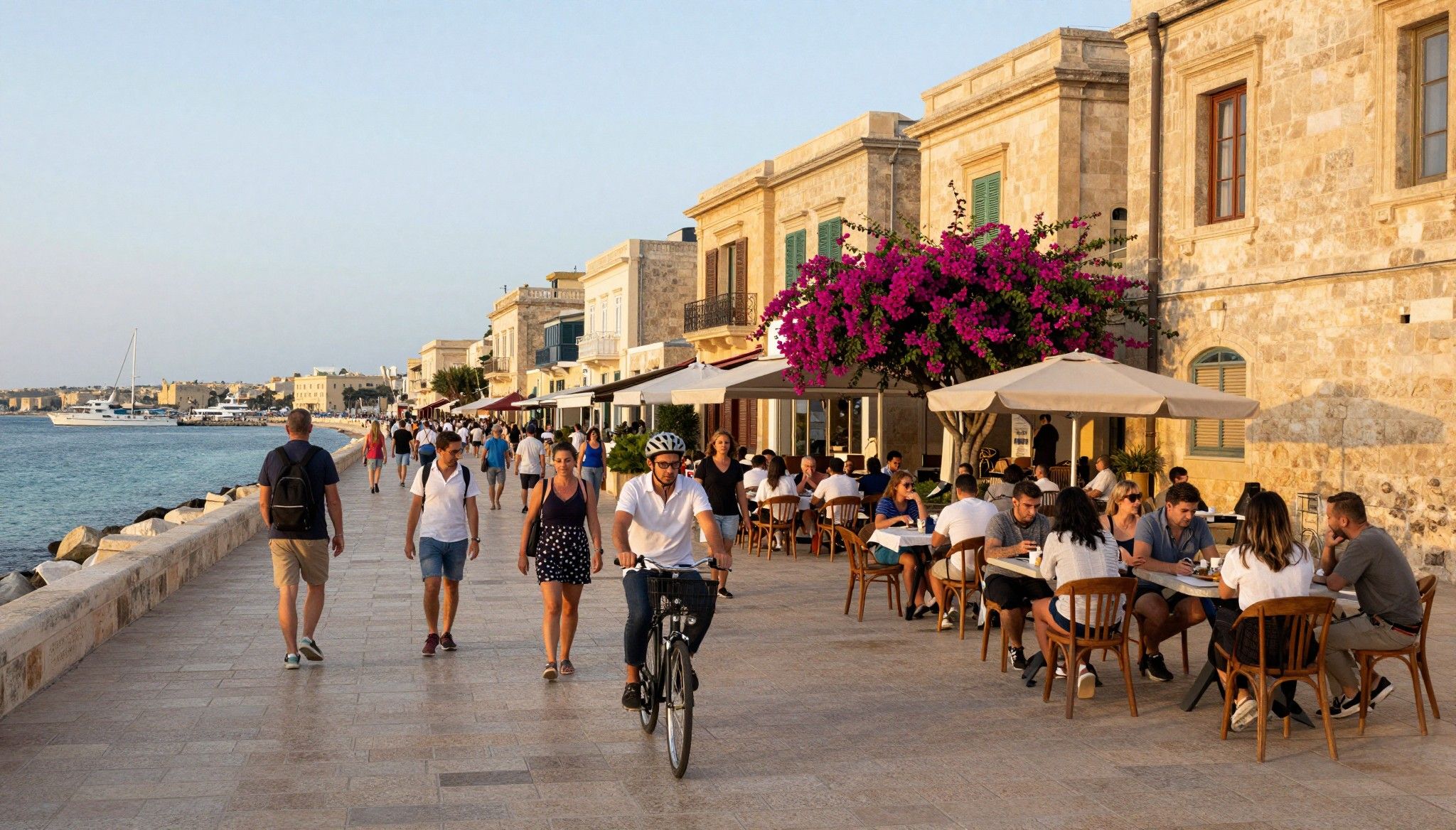
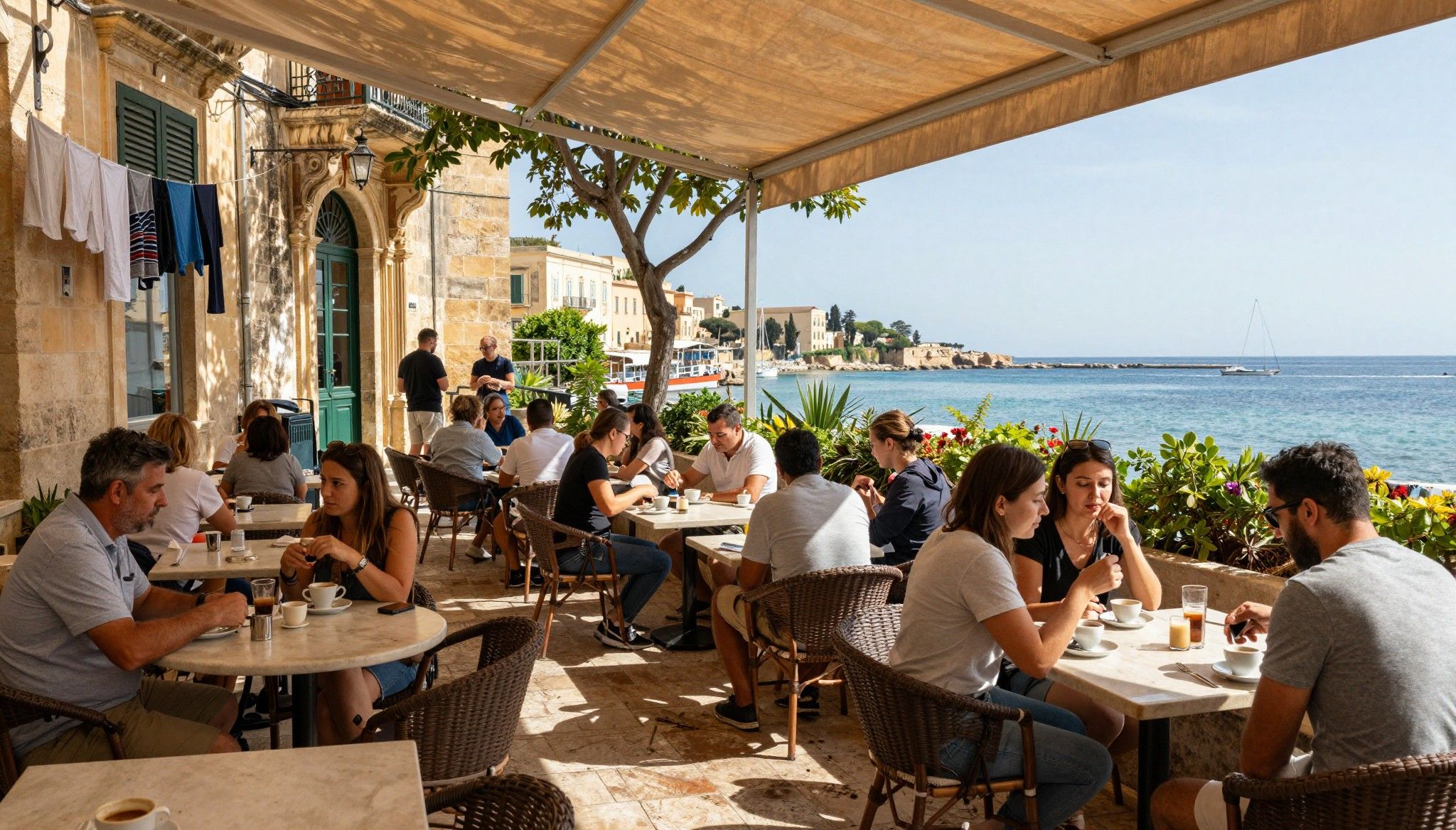
Malta’s days are stitched together by seaside rituals and short neighbourhood trips: morning espresso in Sliema, late-afternoon swims in Għajn Tuffieħa, and communal dinners on narrow streets in Rabat. The island’s compactness means that green choices — a rooftop PV array, a planted balcony, a shared neighbourhood vegetable plot — have outsized impact on daily life. Statistics show photovoltaic installations are widespread across the islands, increasingly part of residential patterns rather than only commercial projects.
Neighborhood spotlights: where lifestyle and green infrastructure meet
Skip the obvious coastal glamour and look inland: Żurrieq and Dingli have rocky clifftop walks and quieter village squares where community gardens and pitched-roof homes lend themselves to retrofitted solar and rain-water capture. In contrast, Sliema and St Julian’s offer convenience and seaside cafés but carry a premium for sea views and dense development that makes renewable retrofits trickier without shared schemes.
Food, market life and the seasonal rhythm
Picture yourself buying sun‑ripened tomatoes at Marsaxlokk market, then heading to a rooftop terrace lit by low‑consumption LEDs and powered in part by rooftop panels. Local producers, farmer’s stalls, and small batch bakers anchor neighbourhood life — and they thrive when buyers care about local systems rather than just owning sea views.
- Lifestyle highlights worth building into a property search: morning swim spots (Għadira Bay), weekly markets (Marsaxlokk), village festas (Mdina’s evenings), community gardens (Gozo allotments), coastal walks (Dingli Cliffs), pocket cafés (Tal‑Pembroke lanes).
Making the move: practical considerations tied to green living
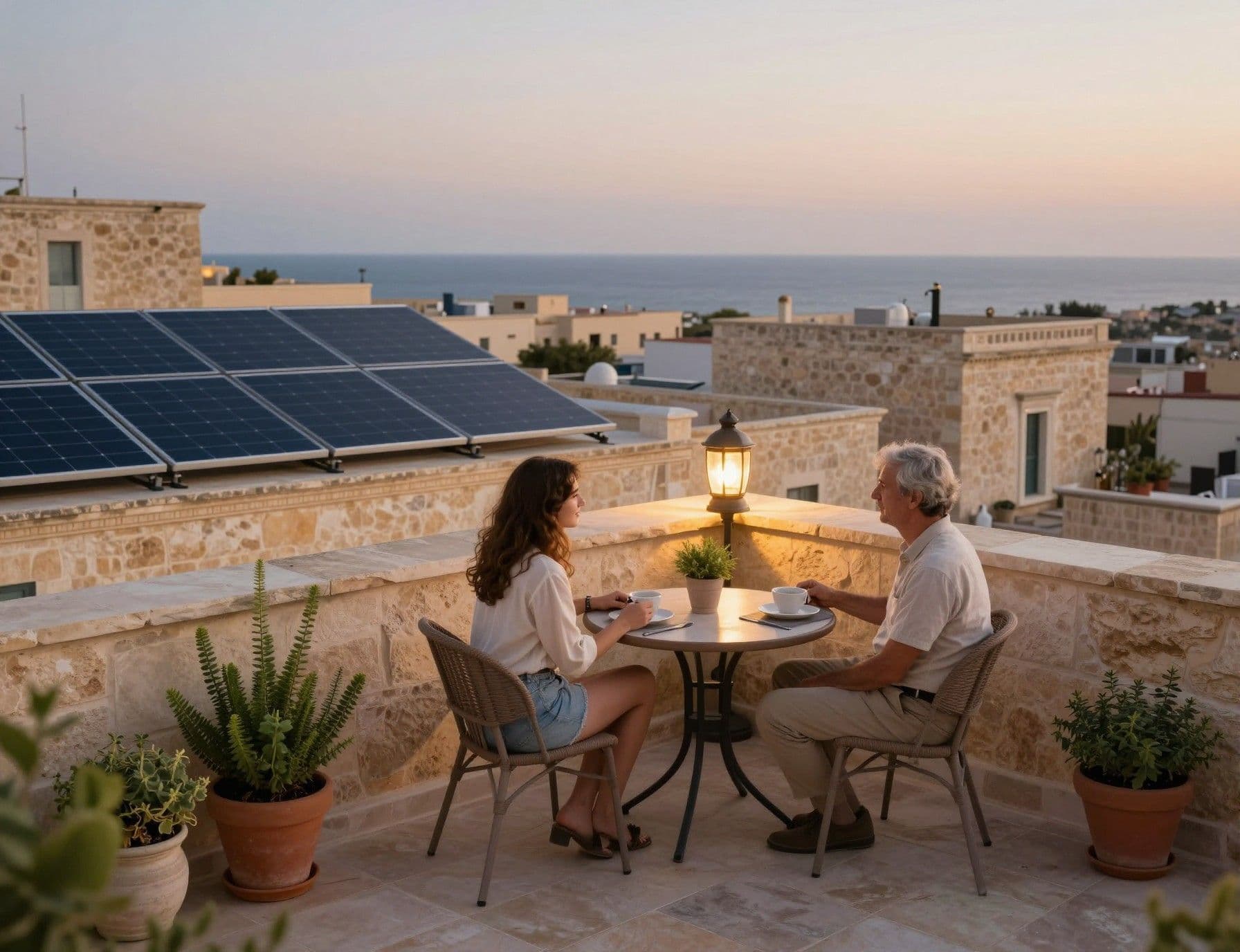
Lifestyle dreams meet regulations and incentives. Malta has set clearer renewable targets and household PV uptake is growing, but grid limits and planning constraints still shape what’s realistic for a given property. Read national progress reports and local PV registers before assuming a quick retrofit is always possible: some districts show heavy uptake while others are only just starting large installations.
Property styles and how they translate to green living
Traditional Maltese townhouses with internal courtyards are brilliant for passive cooling and adding small rooftop PV systems; penthouse apartments often have usable roofs but shared consent is required. Newer developments in the Northern Harbour area can be more plug‑and‑play for heat‑pump ready wiring and battery storage, while older rural houses in Gozo allow for larger ground‑mounted solutions and garden-based water harvesting.
Work with local experts who know both lifestyle and rules
A local agency acts as translator: they’ll explain consent needed for rooftop PVs, advise on planning for rainwater systems, and help you weigh a property’s embodied stone mass (excellent for thermal inertia) against modern energy upgrades. If residency is part of the plan, programmes such as the Malta Permanent Residence Programme have property thresholds and calculations you should understand up front.
- Steps to marry lifestyle vision with practical buying: 1) Map neighbourhood energy patterns — check local PV density and recent permits; 2) Prioritise roof access and orientation for panels; 3) Ask sellers for recent energy bills and any existing inverter/battery specs; 4) Factor shared‑building consent and maintenance costs into offers; 5) Reserve budget for climate‑sensitive improvements (shading, water capture, insulation).
Insider knowledge — what expats wish they’d known
Real buyers tell a familiar story: they fell in love with a street’s evening light, then discovered weekend noise or restrictive co‑ownership rules. For green‑minded buyers, the surprise is often the inverse: the most sustainable gains come from modest, community‑minded neighbourhoods rather than headline waterfront projects.
Cultural integration, language and daily life
English is widely spoken, which flattens many day‑to‑day frictions for internationals. Still, community integration grows when you show up for village festas, contribute to communal garden projects, and shop local. Sustainable living here is as much social as technical: neighbours who share tools and labour make small green upgrades affordable and lasting.
Long-term lifestyle and resale realities
Expect steady demand in compact urban pockets and rising interest where green infrastructure is visible and reliable. Data show consistent price growth across recent years; properties with clear energy upgrades, documented PVs or efficient renovations often command faster sales and a calmer long‑term ownership experience.
- Red flags and quick checks before you bid: unclear roof ownership, absence of inverter documentation, disputed shared‑cost reserves (for condominium roofs), lack of planning permission for external upgrades, and unrealistic seller promises about future grid allowances.
Conclusion — live the island, steward the place. If you care about a home’s relationship to land and community, Malta rewards patient buyers who look beyond the postcard. Choose neighbourhoods where small stewardship acts — a planted courtyard, a modest roof array, local food ties — scale into everyday wellbeing. When you’re ready, a local, green‑savvy agent will help move that dream into an offer that protects both lifestyle and long‑term value.
Norwegian market analyst who relocated from Oslo to Provence; guides investors with rigorous portfolio strategy and regional ecological value.