Close with Care: Negotiation & Stewardship in Cyprus
Close with care in Cyprus: blend lifestyle-first negotiation and green stewardship—use closing clauses, solar readiness and village goodwill to protect place and value.
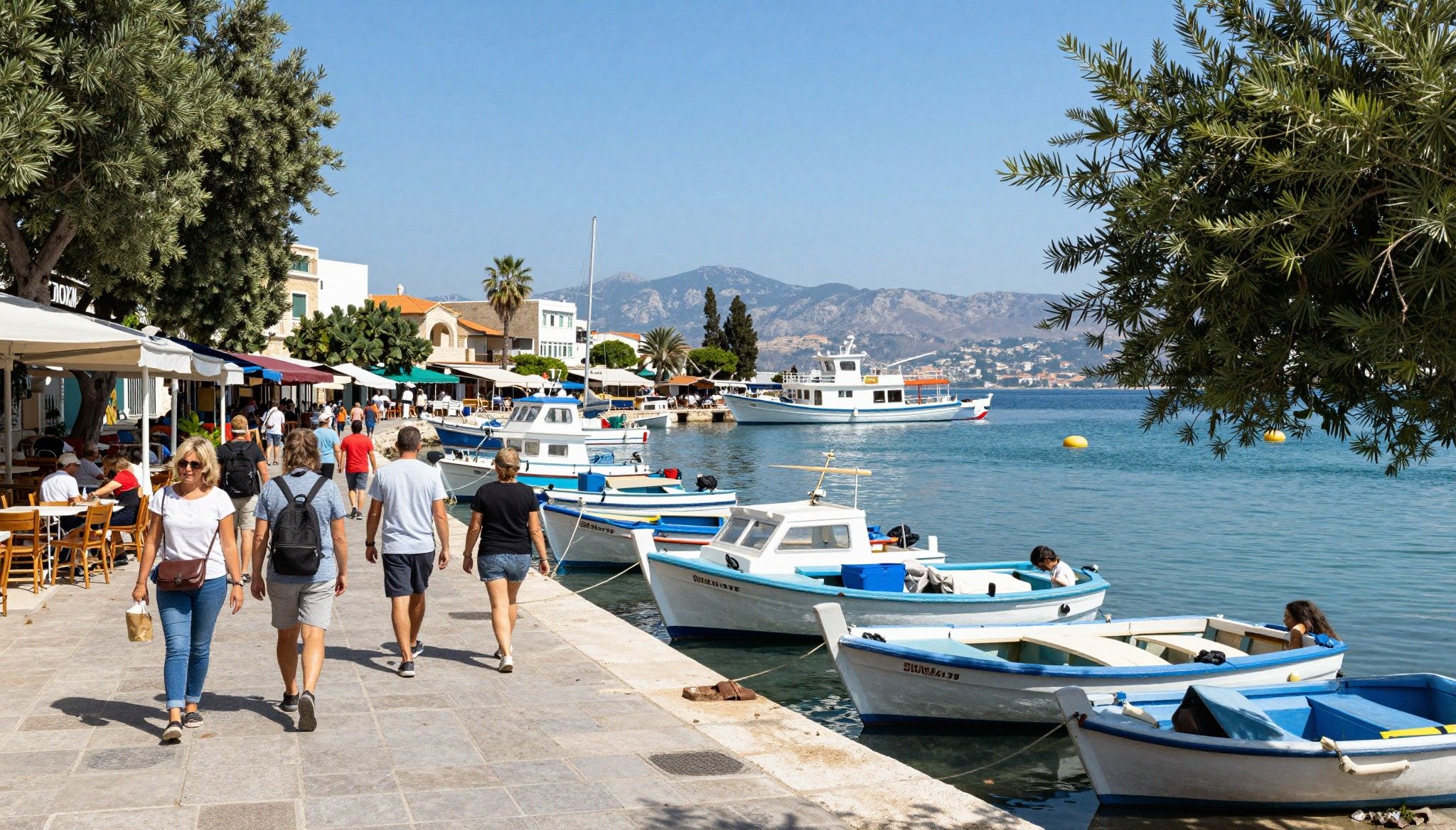
Imagine mornings in Limassol: espresso steaming in a sun-warmed cup, bougainvillea framing a narrow street, and the sound of distant waves. Picture weekends hiking Troodos, discovering a stone village bakery in Kyperounta, or buying late-summer peaches at Larnaca’s market. Cyprus moves slowly in the best way—bright light, storied stone, and an easy cadence that draws you outside. But the feeling of belonging here hinges on practical choices at the very end of the buying process: the negotiation, the closing, and the stewardship that makes a house flourish as a home.
Living Cyprus: sunlit rhythms and real neighbourhoods
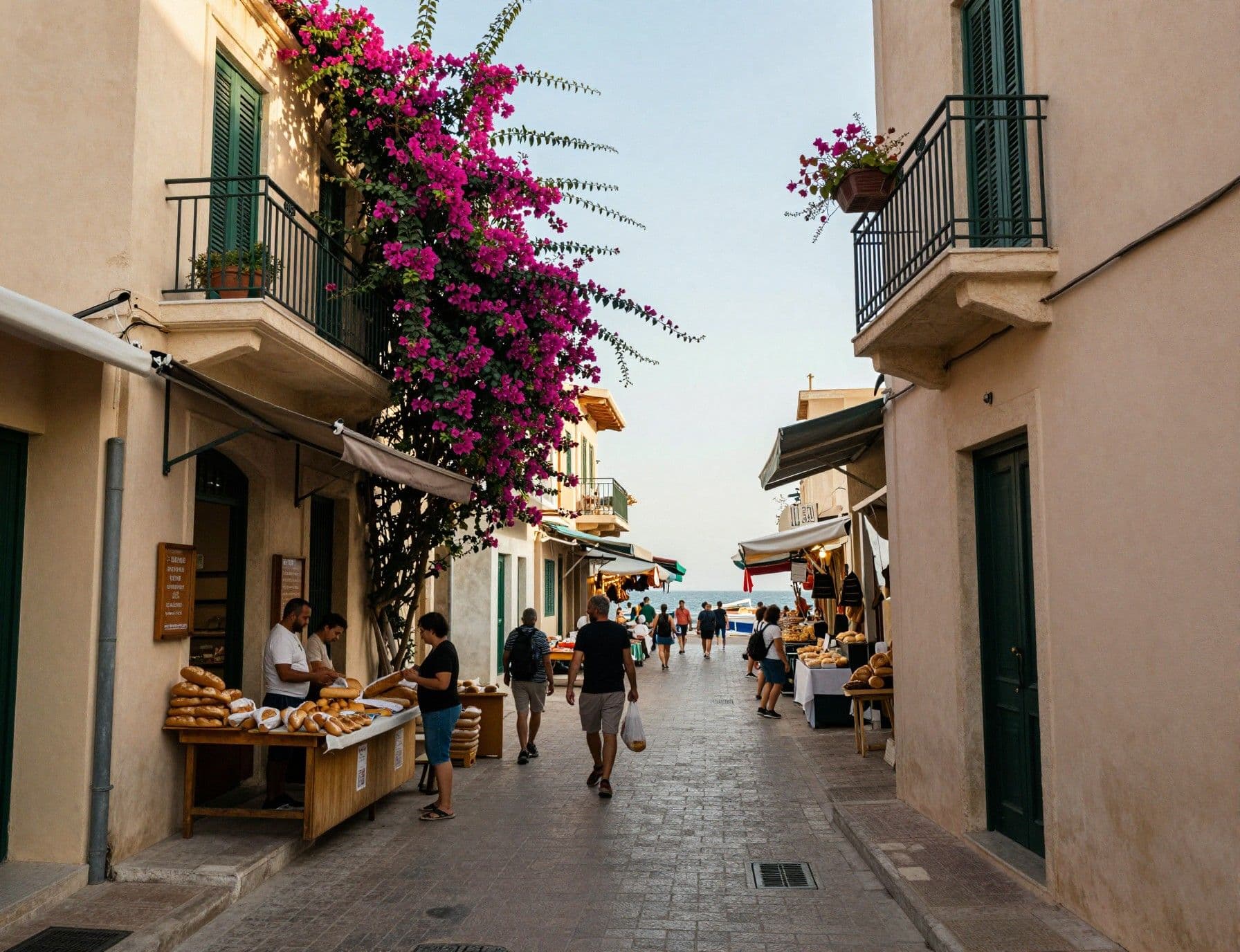
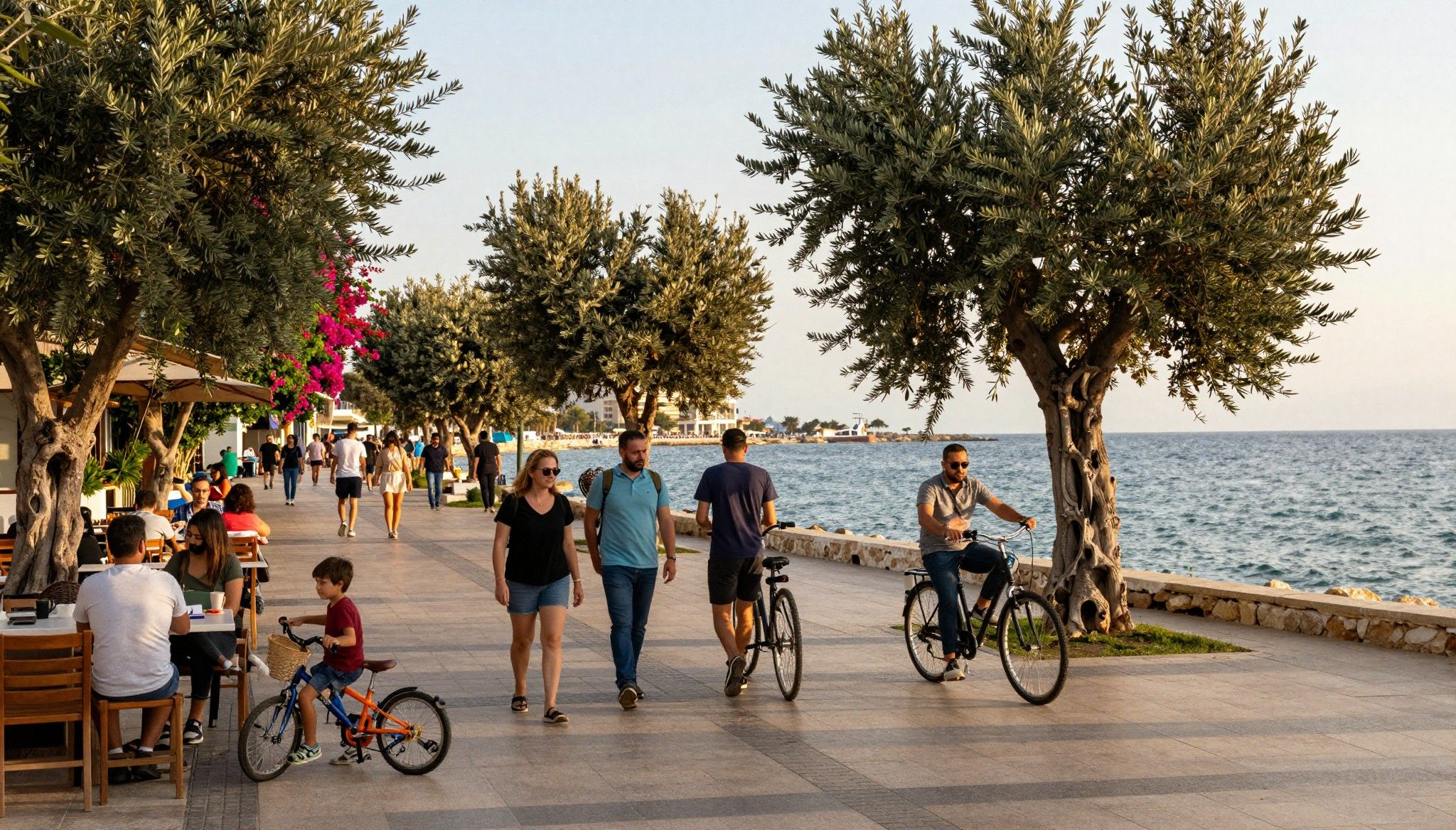
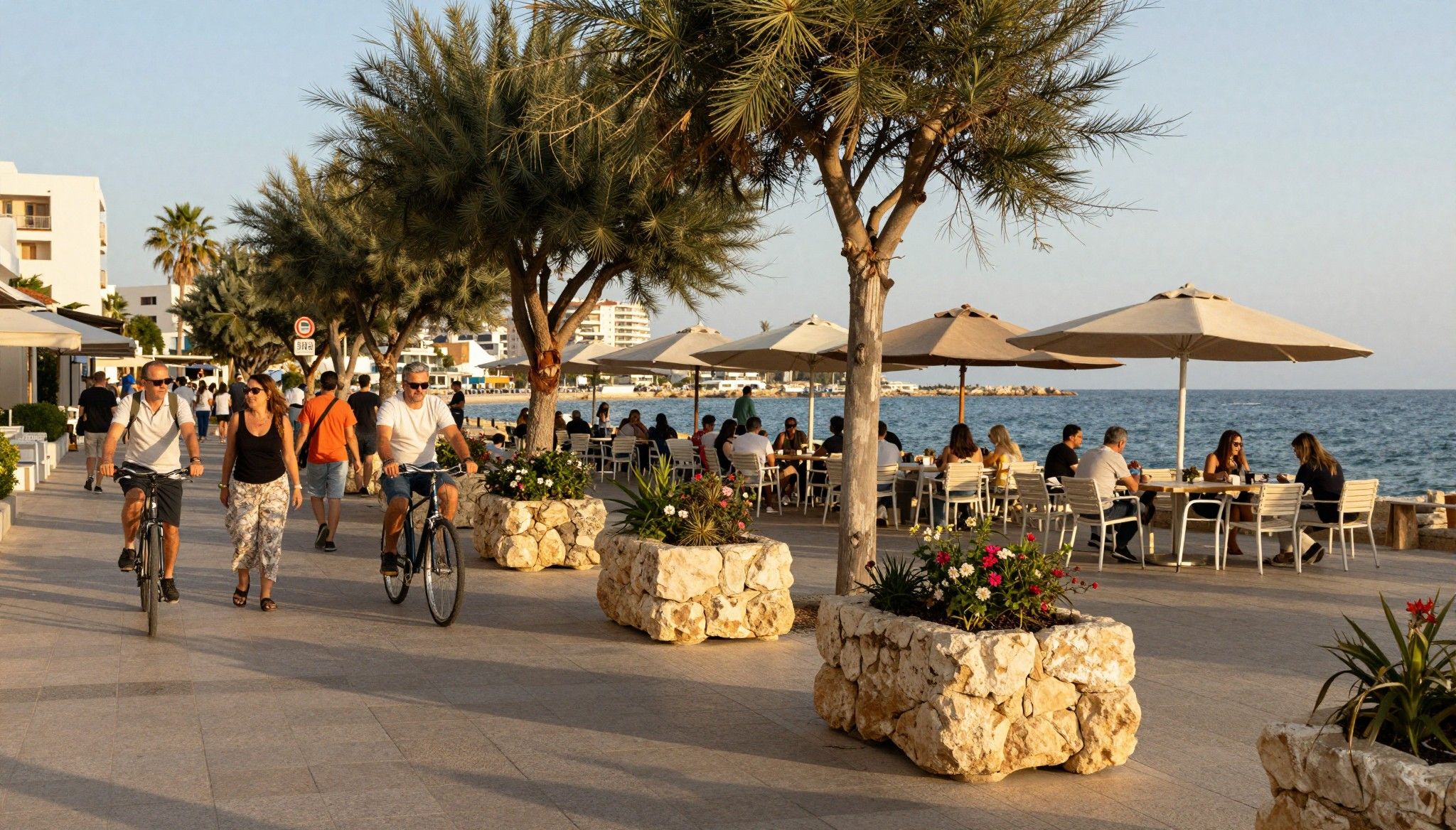
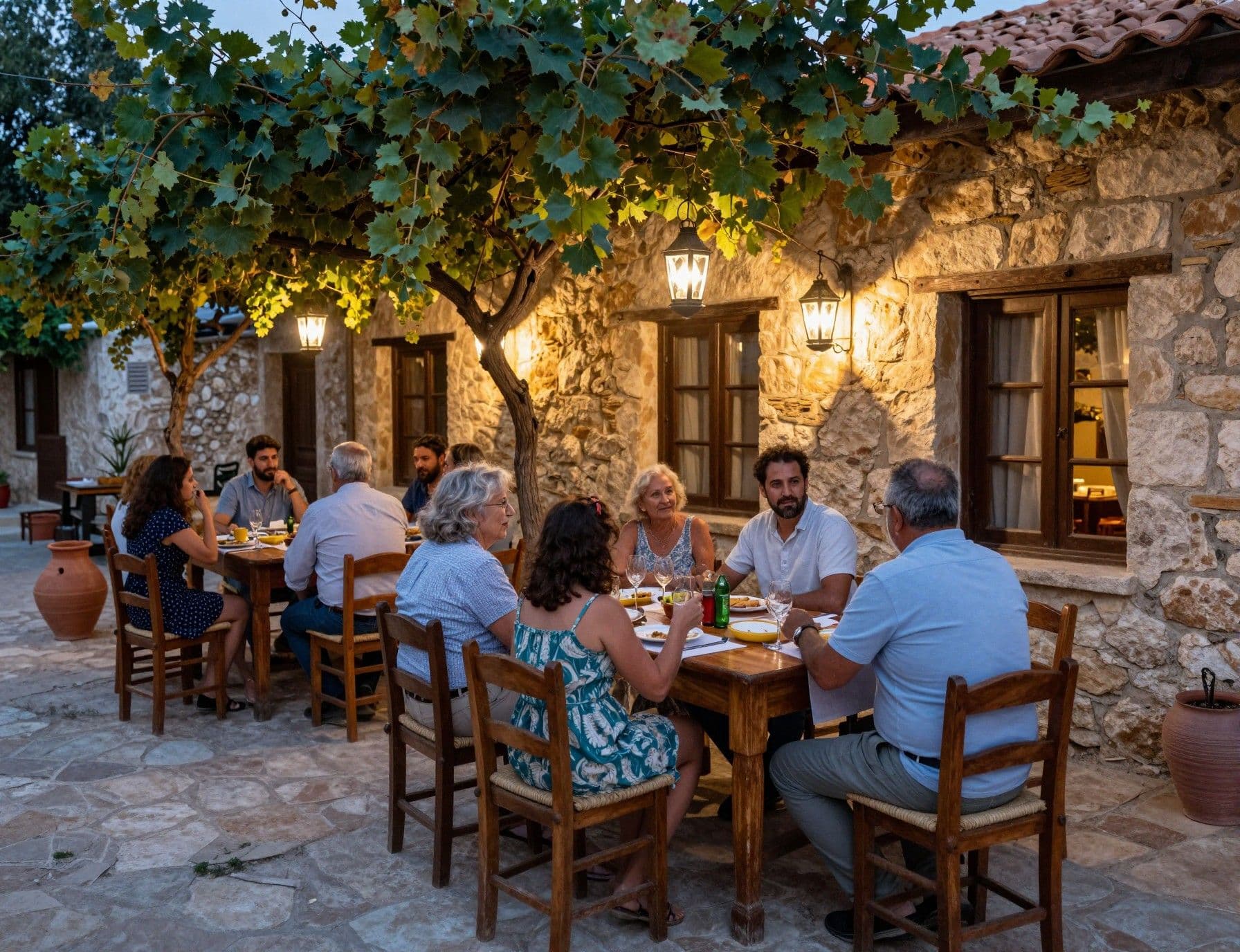
Cyprus is not a single mood but a collage: the old harbour of Paphos with its mosaics and tavernas; Limassol’s maritime promenade where runners and families meet at dawn; Nicosia’s layered history between narrow lanes and new cafés in Kaimakli; the quieter olive-scented terraces of Polis and the fishing community at Latchi. These places define daily life differently—coffee rituals, late dinners, weekly markets—and they shape what you look for in a property. A coastal apartment is about cross-breezes and sea views; a village home is about a courtyard that stores sunlight and summer dinners under grape vines.
Neighbourhood spotlight: Limassol’s Agios Tychonas & Old Port
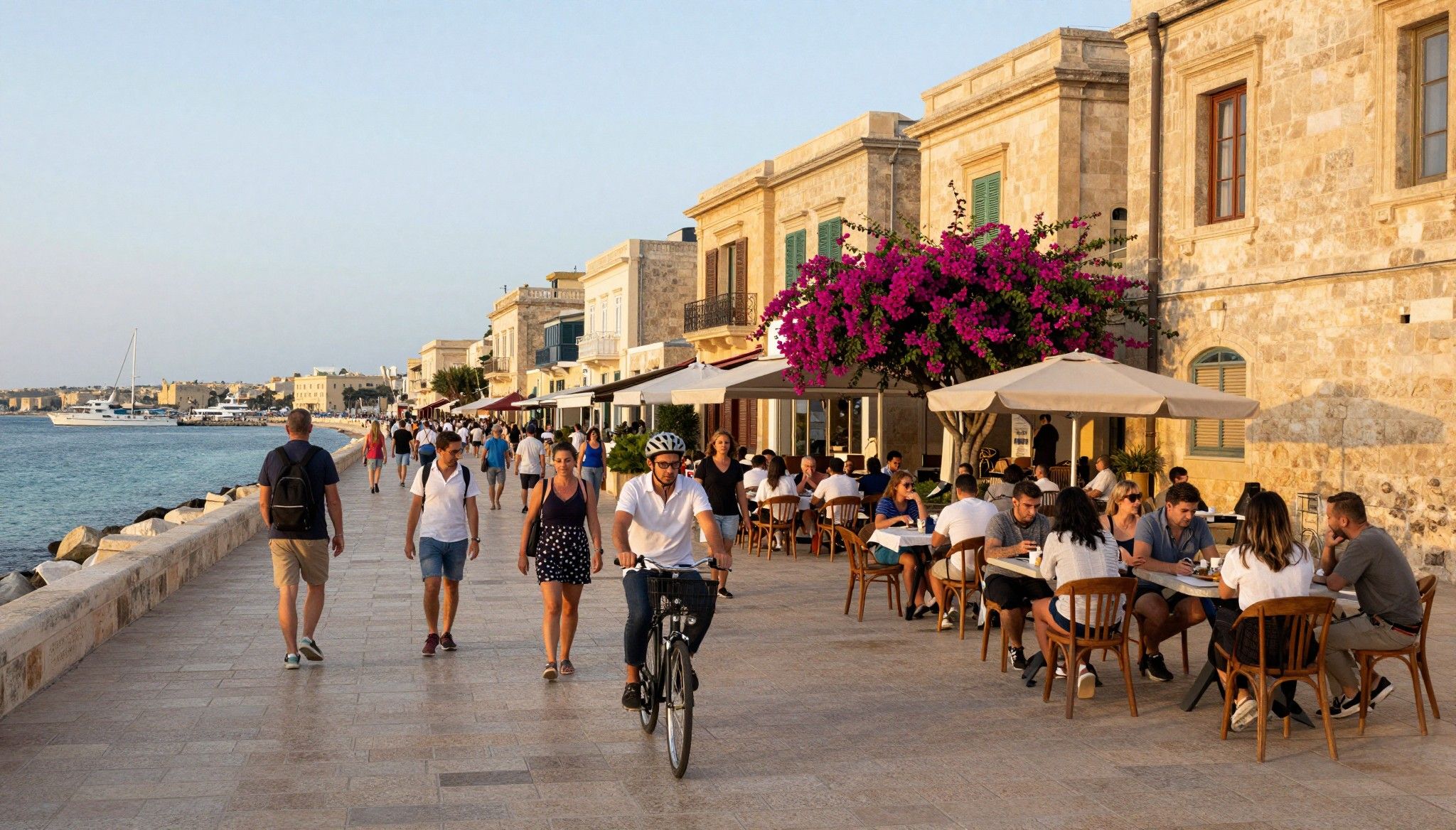
Walk Agios Tychonas at golden hour and you’ll pass small fish tavernas, private gardens spilling jasmine, and modern low-rise developments that emphasize terraces and privacy. The Old Port area, meanwhile, mixes restored stone buildings with a surprising cafe culture; it’s where many buyers find a life that balances seaside living with neighborhood rhythms. If sustainability matters to you, seek properties with mature gardens, shade trees and room for solar—these neighbourhood features matter more in habitability than an extra square metre of indoor space.
Food, markets and the ritual of place
Weekend markets are the social calendar: fresh halloumi and thyme-scented honey, sun-ripened tomatoes and the kind of bread that tells you a neighbourhood remembers its bakers. These sensory threads—what you eat, where you sit with friends—should guide closing decisions. A home near a market or a community square will reward you with ease of living, walkability and natural opportunities for low-impact, local-living choices like composting and shared gardens.
From dream to deed: negotiation and closing with stewardship in mind
The market is alive: official indices show renewed price growth in recent quarters, driven by strong demand for apartments and steady foreign purchases. According to the Central Bank of Cyprus, residential prices rose notably through 2025. That makes negotiation and a careful closing checklist essential—especially if you want the property to suit a stewardship-minded life rather than merely a speculative asset. Closing is the place to lock in practical measures for low-impact living: commitments to solar readiness, garden preservation, or water-saving appliances can and should be negotiated into the contract.
Property types and the lifestyle they enable
Apartments in coastal towns have seen the strongest price momentum; traditional village homes and stone cottages offer quieter living and space for gardens. When closing, match the house type to how you want to live: do you want a terrace for morning shade, a roof with good solar exposure, or a courtyard that supports edible beds? These are negotiable conditions—ask sellers for guarantees on roof condition, planning permissions for panels, or documented irrigation sources.
Work with experts who understand both culture and climate
Choose agencies and lawyers fluent in local practice and the rhythms of place—those who can read a property through seasonal light, passive cooling potential, and water efficiency. Ask for an agent’s portfolio of stewarded properties: renovated farmhouses with reclaimed stone, apartments retrofitted with heat pumps, or homes with established native gardens. These agents bridge lifestyle intent and contractual realities at closing.
- Step-by-step closing checklist to protect lifestyle and land 1. Confirm clear title and boundaries; request recent cadastral or survey documents. 2. Secure written seller commitments for any agreed works (roof, shutters, solar-ready wiring). 3. Include an inspection window—use a local builder who understands traditional materials (stone, lime mortar). 4. Agree on water/waste systems: septic details, irrigation rights and meter readings. 5. Add a stewardship clause: a short-term maintenance guarantee for key elements like drainage, mature trees, or terraces.
Insider knowledge: what expats wish they’d known
Here’s the real-talk: daytime heat, strong sun, and occasional water stress mean that a beautiful courtyard can become your greatest asset—shade, microclimate and the heart of low-impact living. Many expats underestimate maintenance on traditional homes: lime-plastered walls breathe differently than modern builds. And while English is widely spoken, local bureaucracy and municipal permits move in a Mediterranean cadence—patient, procedural and often slower than you expect. Plan for time, and you’ll be rewarded with community ties that make stewardship joyful.
Cultural notes that affect closing and stewardship
Respect for land runs deep: neighbours value trees, sunlight access and shared wells. When you close, a small goodwill gesture—agreeing to maintain a boundary olive tree or a shared lane—can smooth relationships and future renovations. Learn a few Greek phrases, attend a village festival, and your stewardship plans will meet local support rather than resistance.
- Practical stewardship tips buyers often miss - Prioritise rainwater capture and simple drip irrigation for gardens. - Insist on solar-ready electrical routing even if you don’t install panels immediately. - Protect stonework with breathable finishes—not impermeable paints. - Plant native species that need less water and support pollinators. - Build incremental retrofit plans (insulation, efficient AC, heat pumps) into closing negotiations.
Cyprus is becoming greener: recent growth in rooftop and utility-scale solar shows that energy choices are both available and valued. Negotiating for solar readiness or seller-installed panels can reduce bills and increase resilience. Use closing to secure practical, verifiable commitments rather than vague promises—dates, installers’ names, receipts and warranties give you leverage and peace of mind.
From closing table to long-term belonging
The most successful purchases in Cyprus are those that think beyond the contract. After signatures, steward the land: establish seasonal rituals (pruning, seed-swaps with neighbours, winter roof checks), convert small budgets into long-term resilience (insulation, greywater re-use), and weave into community life. A well-handled closing is the first act of a longer relationship with place—the care you show now will define how the home ages and how rooted you feel.
How a local agency can hold space for both dream and detail
A thoughtful agent is a translator of place: they introduce you to café corners, local masons, and municipal officers as readily as to properties. Work with teams that prioritise stewardship—ask for examples of past closings where green upgrades or heritage repairs were negotiated into sale agreements. That evidence tells you whether an agent can deliver not just a home, but a living relationship to Cyprus.
- Next steps to make an offer that protects place and pocket 1. Visit in different seasons to understand light, wind and water. 2. Commission a local survey and an ecological site check (trees, drainage, sun path). 3. Build a contract addendum for agreed sustainability works with timelines and penalties. 4. Reserve a small stewardship fund in closing costs for immediate repairs and neighbour goodwill. 5. Ask your agent for local tradespeople who specialise in traditional materials and low-impact upgrades.
Conclusion: close with care, steward with joy. Cyprus is a place that rewards the slow work of tending: a courtyard becomes a community hub, a solar roof gives independence, and village neighbours become friends. Let the final steps of negotiation and closing be expressions of the life you want to build—practical, rooted and generous to the land. When you choose wisely at this stage, you turn a purchase into a lasting relationship with Cyprus.
Danish relocation specialist who moved from Copenhagen to the Algarve; supports families with seamless transitions, local partnerships, and mindful purchases.