Closing with Stewardship: Eco Clauses & Life in France
Fall in love with France’s seasonal rhythms while closing smart: add eco clauses, meet local craftspeople, and prioritise long‑term stewardship to protect value and place.
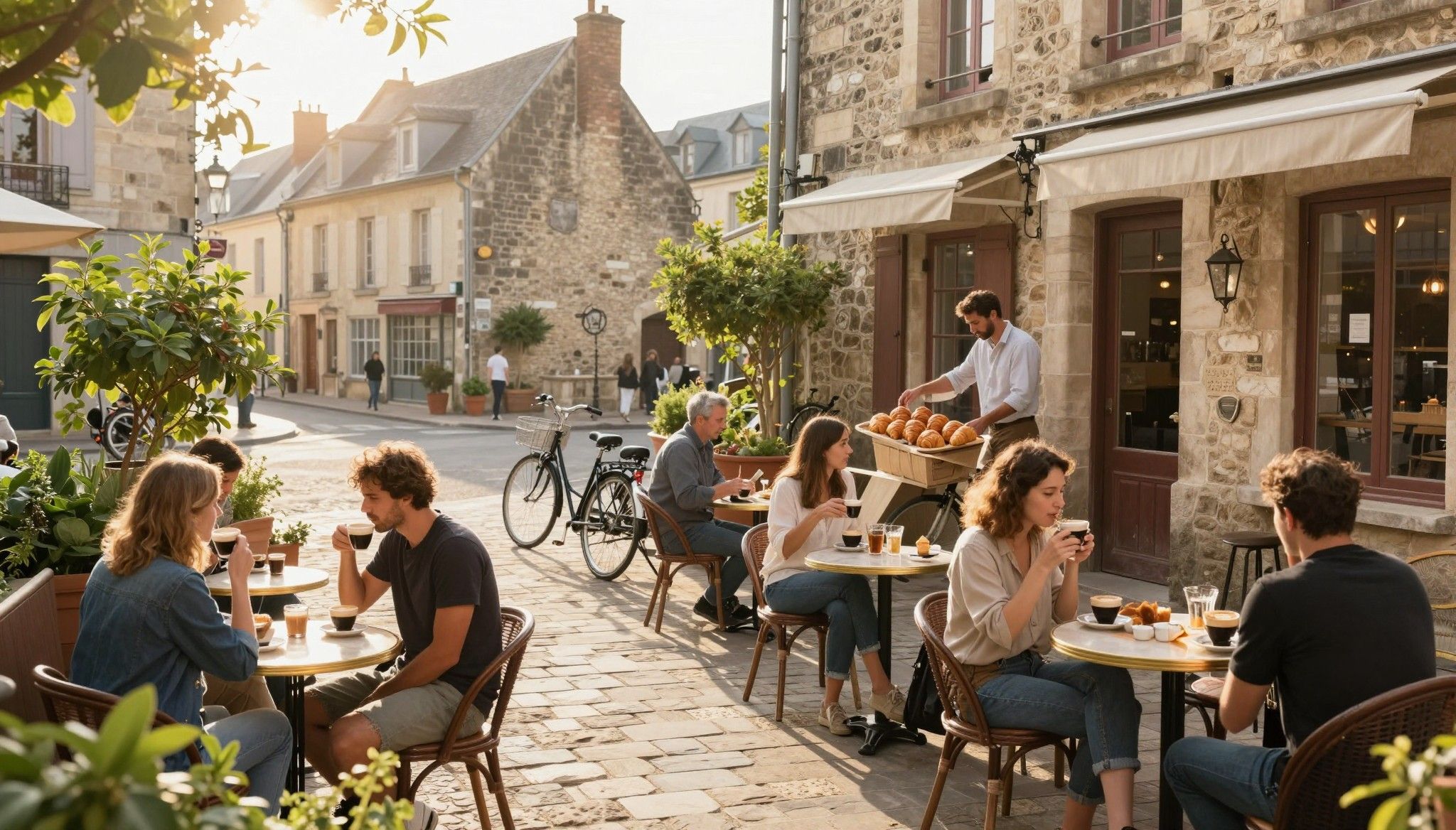
Imagine waking up to a boulangerie’s scent drifting up a narrow street in Aix‑en‑Provence, or stepping onto a balcony in the Marais to watch the city unfurl beneath plane trees. France is many lives at once: vineyard mornings in Bordeaux, Atlantic surf at Hossegor, the quiet stone villages of the Lot. For international buyers who care about place and planet, the closing table is not an endpoint but the start of stewardship—negotiation, legal steps and the small daily rituals that make a house part of a living landscape. This guide stitches the sensory life of France to the practical choices that keep a new home ecologically sound and emotionally true.
Living the French life: rhythm, taste and seasons
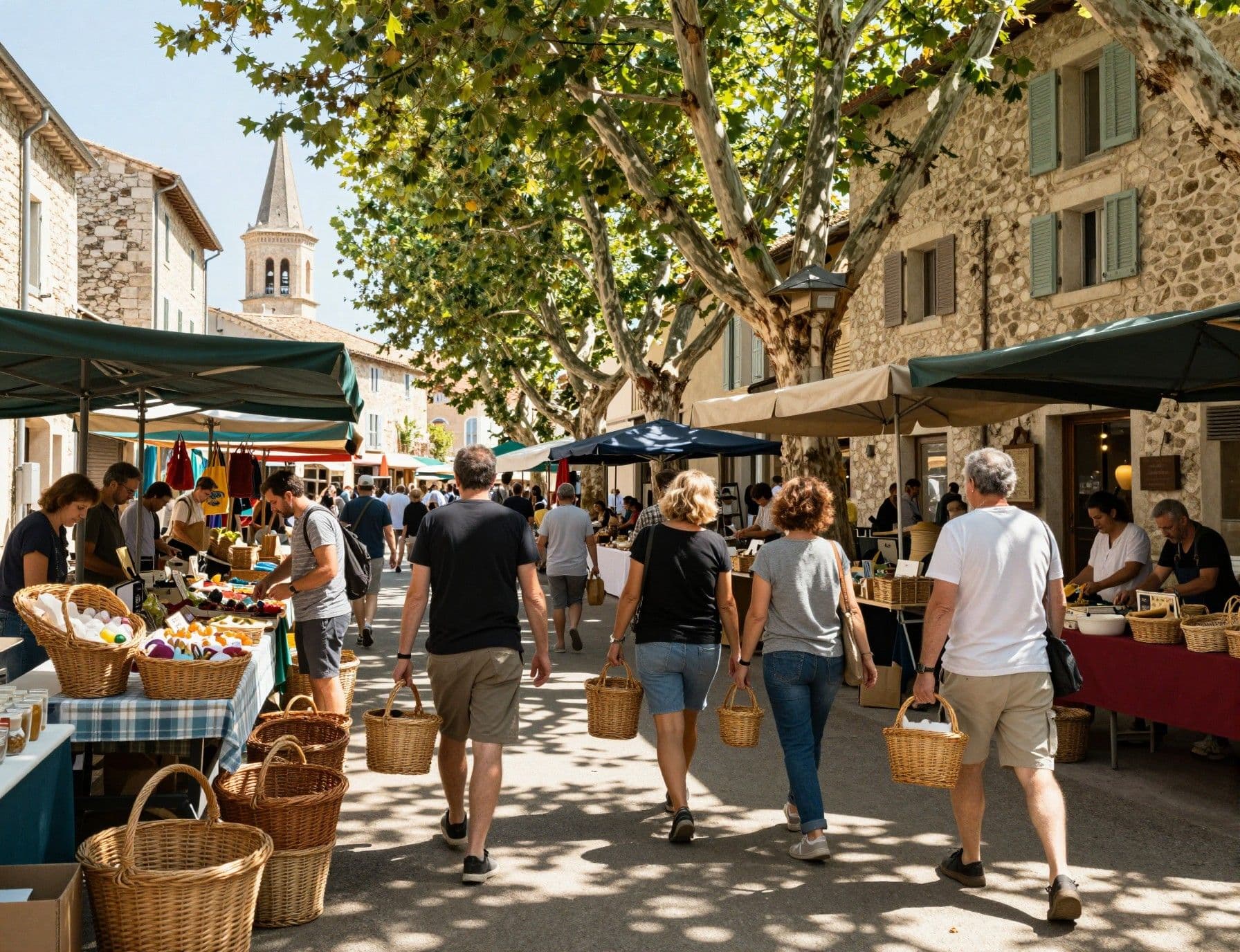
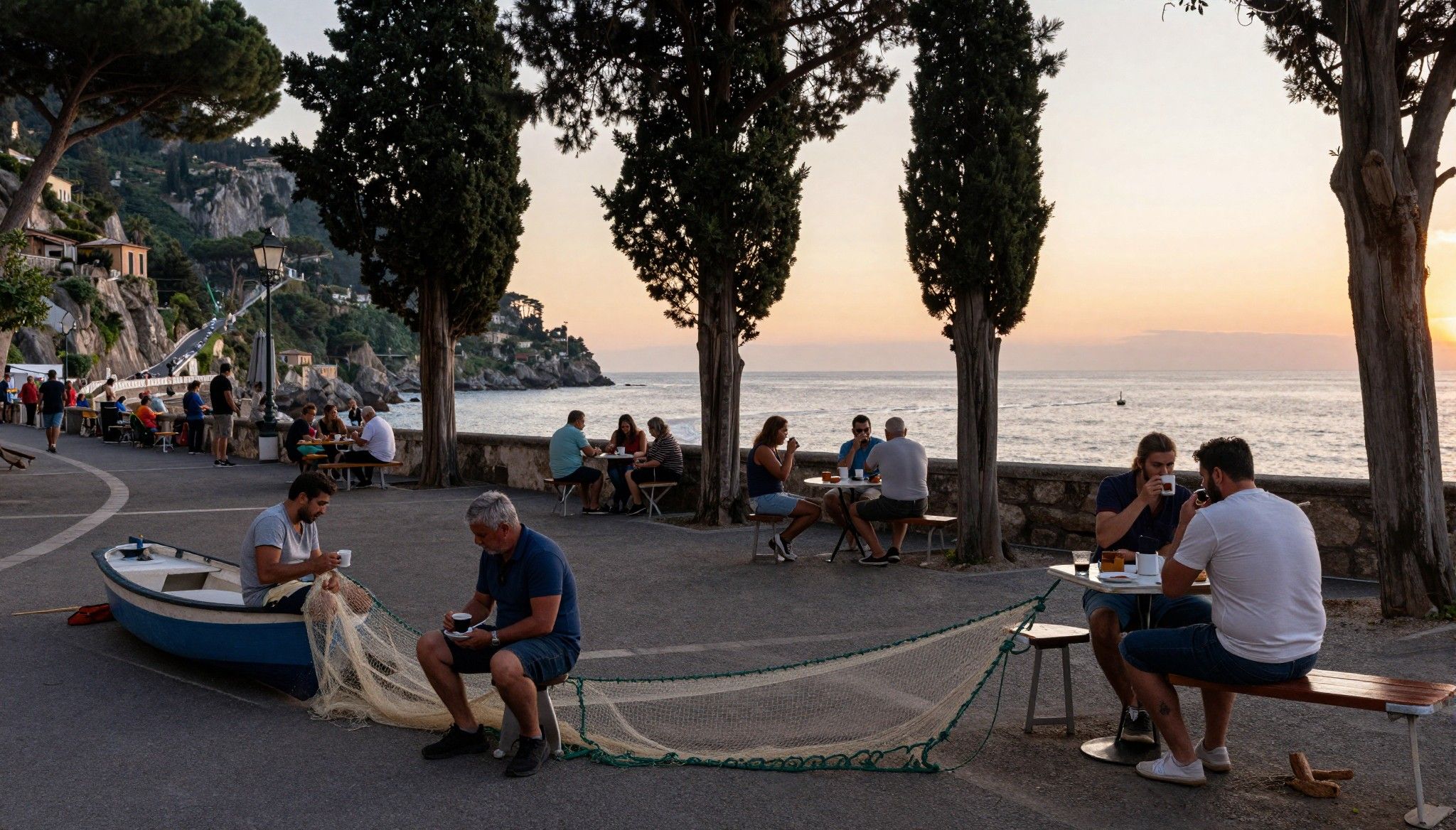
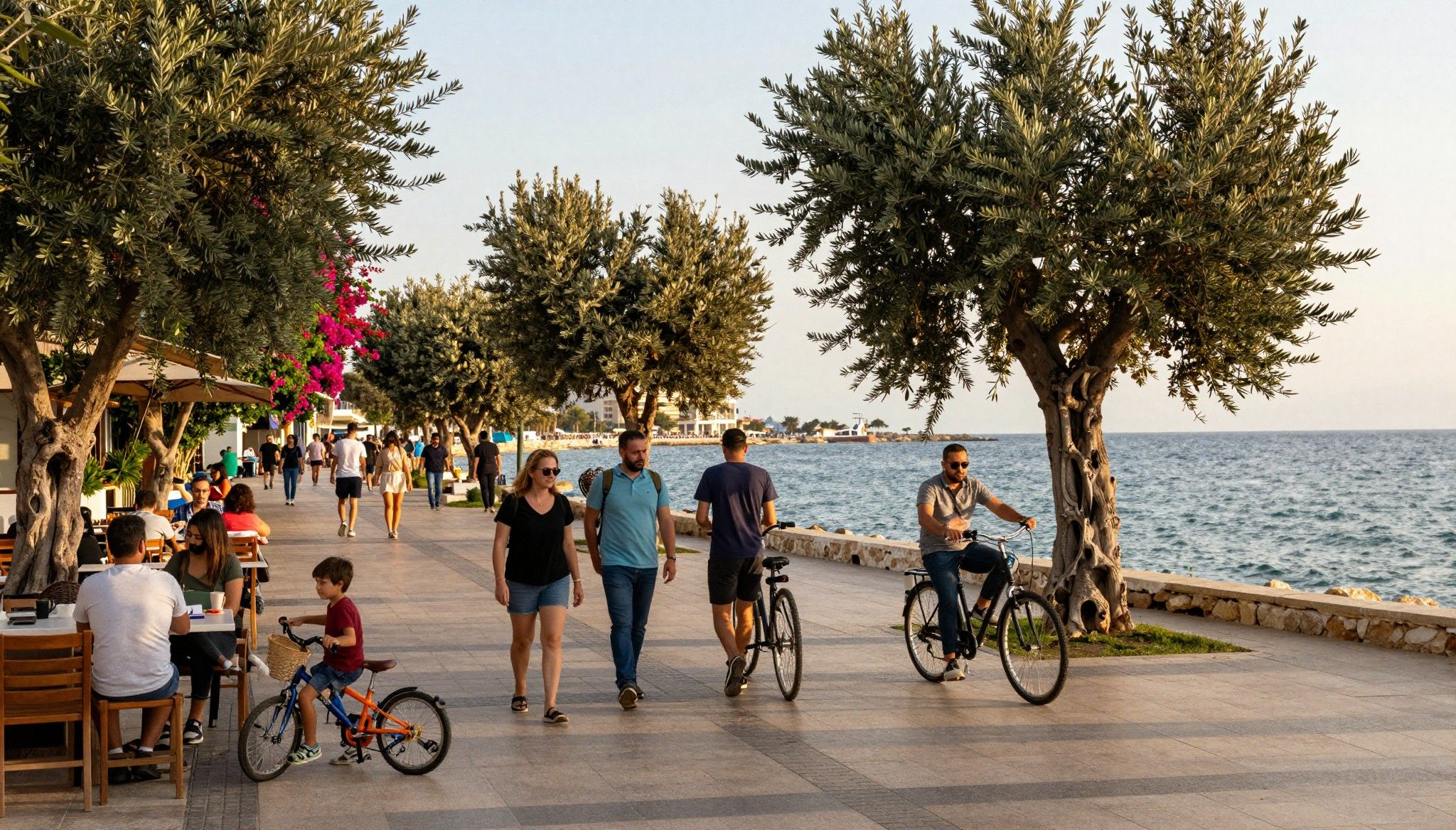
Days in France are paced by market stalls, café chairs, and seasonal produce. In spring you’ll trade winter parks for terraces; in autumn, markets fill with mushrooms and apples. National data shows housing size and household rhythms have gently shifted in recent years, a reminder that what you buy must suit evolving daily life—not just a momentary postcard. Choosing a property that supports seasonal living (cellier for preserves, a sheltered courtyard, passive-cooling shutters) brings the landscape into everyday life and reduces long‑term resource needs.
Neighbourhood spotlight: Marais, Aix, and Saint‑Jean‑de‑Luz
The Marais in Paris hums with heritage cafés and narrow courtyards—perfect for buyers craving walkable life and second‑floor terraces. Aix‑en‑Provence offers plane‑shaded avenues and Provençal markets for those who want sunlight and slow lunches; smaller provincial towns like Saint‑Jean‑de‑Luz blend surf culture with Basque conviviality. Each neighbourhood shapes how you inhabit a home: a stone house in Dordogne invites wood‑burning stoves and rainwater capture, while a seaside apartment on the Côte d’Azur asks for cross‑ventilation and corrosion‑resistant finishes.
Food, markets and local artisans: sustainability in practice
From morning marché stalls to evening apéros, food is the ecological classroom of French life. Buying near reliable weekly markets and small producers reduces food miles and fosters community ties. Local artisans—carpenters, lime plasterers, vineyard managers—are the keepers of low‑impact building practices; engaging them during closing and renovation ensures materials and methods respect regional ecology and heritage. Sustainable living here looks less like a checklist and more like a set of local relationships.
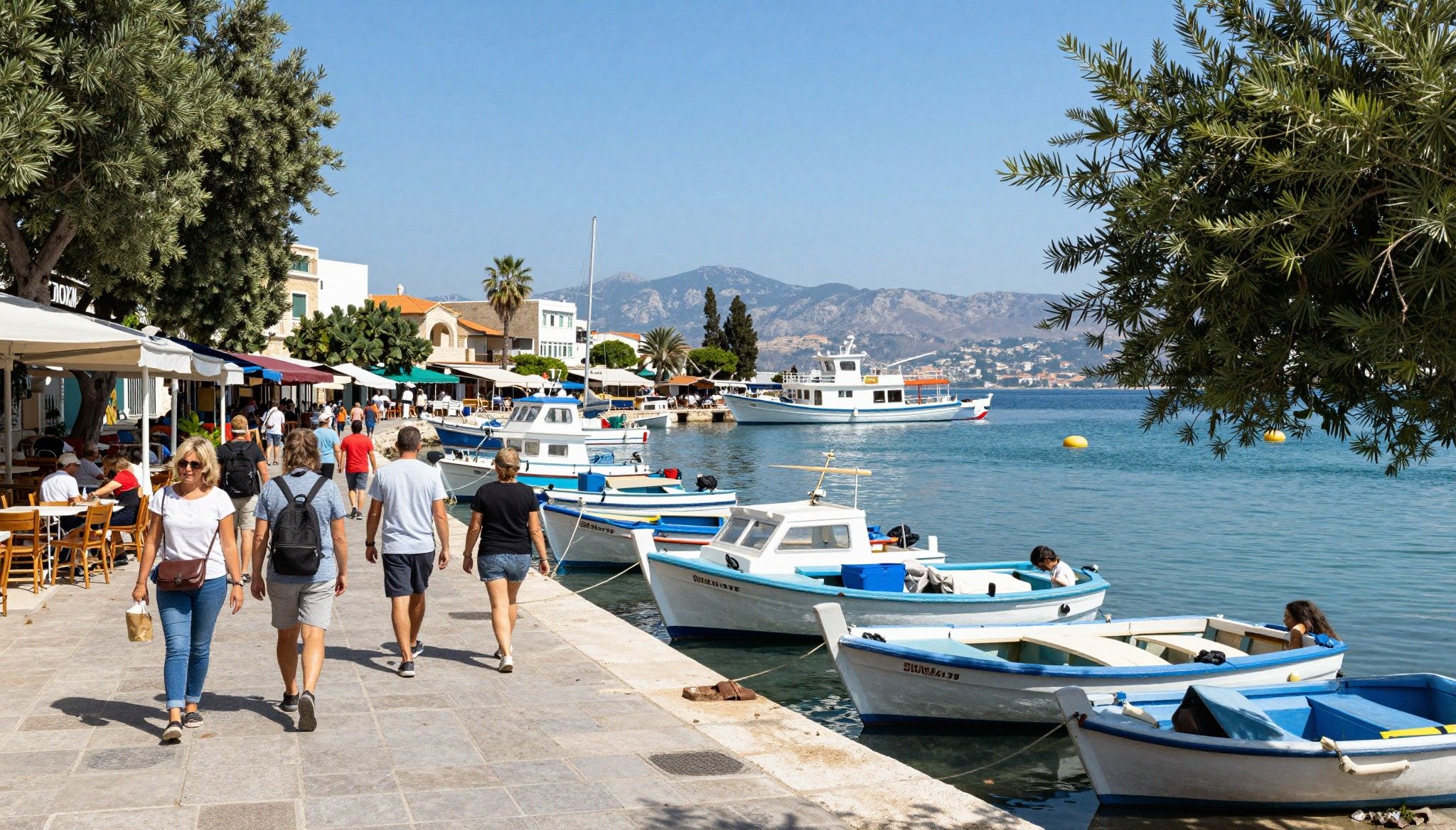
- Markets, cafés and pocket parks to love: • Marché Provençal, Place Richelme (Aix‑en‑Provence) • Rue Montorgueil stalls and cafés (Paris) • Marché des Capucins (Bordeaux) • Port promenades and surf schools (Hossegor) • Village boulangeries in the Lot and Dordogne
Making the move: closing choices that shape stewardship
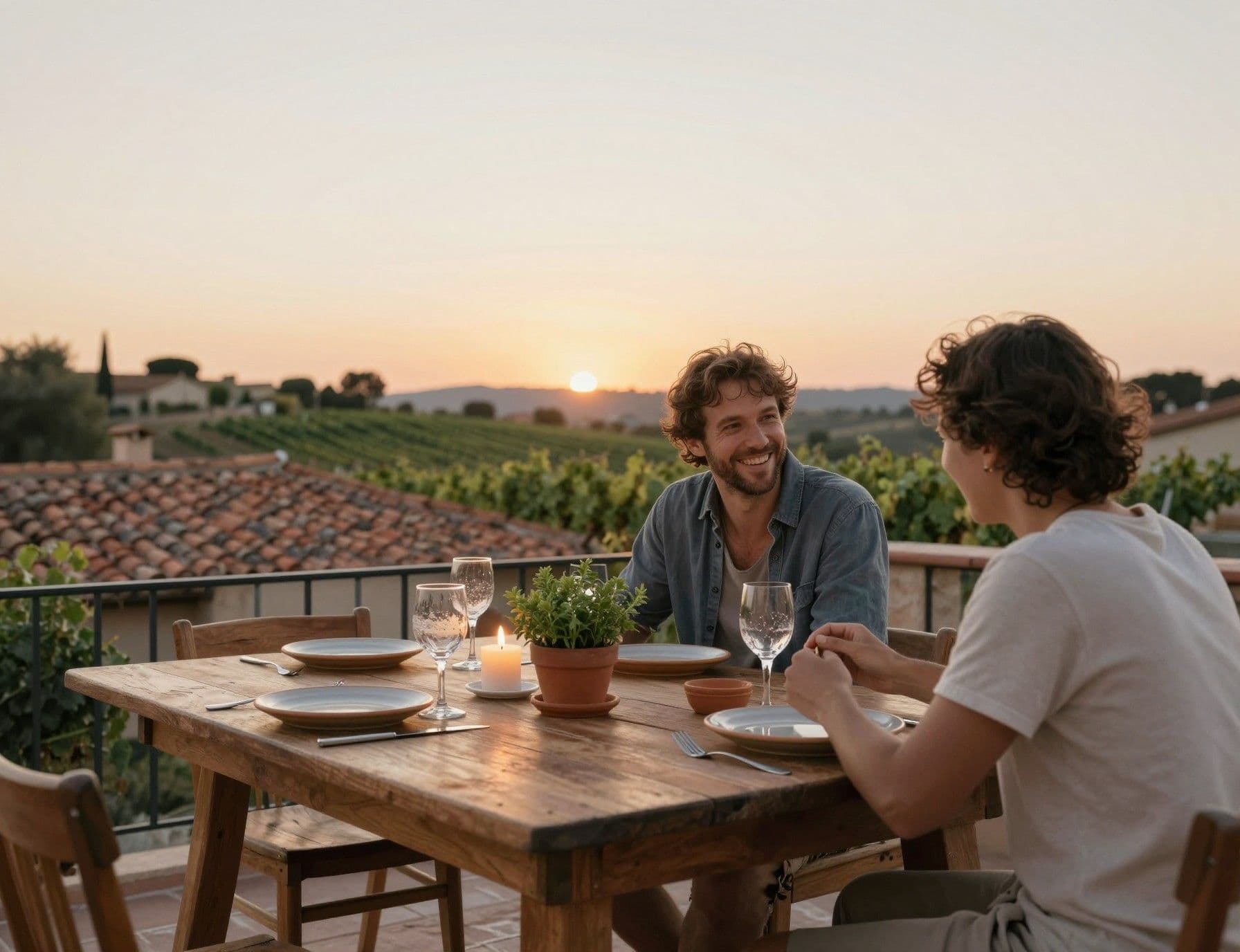
Negotiation and closing in France are technical but ritualised—there’s a cadence of offers, promesse de vente, and notaire signatures. For buyers with an ecological brief, the right clauses and checks at closing can lock in outcomes: easements for garden access, commitments for solar installation, or agreed timelines for restoring traditional features. Practical diligence now prevents green regrets later; a home that already embraces rainwater, insulation, and passive design preserves both comfort and value.
Property styles and how they affect daily life
Stone farmhouses in Dordogne or Provence demand masonry care but reward you with thermal mass and character; mid‑century apartments in Lyon may offer efficient layouts and proximity to services; newer builds on Brittany’s coast can include modern insulation and heat pumps. Consider not only aesthetics but lifecycle needs: timber frames versus concrete, roof orientation for PV, and garden soil depth for food growing. These choices determine your stewardship workload and your home’s ecological footprint for decades.
Working with local experts who know place and planet
A notaire, a bilingual architect experienced in rénovation écologique, and an agency attuned to sustainable homes become your stewardship team. Local notaires explain legal encumbrances and help insert bespoke clauses; architects translate lifestyle desires into low‑impact retrofits; agencies with regional roots can surface off‑market stone houses with mature gardens. Choose partners who can evidence past projects and who understand regional conservation rules—this keeps negotiations honest and outcomes green.
- Steps that blend lifestyle and closing diligence: 1. Ask sellers for an 'eco dossier'—energy certificates, recent audits, and documentation of any renewable systems. 2. Add conditional clauses to the promesse de vente for agreed green upgrades or heritage repairs. 3. Commission a thermographic inspection to reveal insulation gaps and moisture risks. 4. Request notarised easements or access rights for shared wells, olive trees or terraces. 5. Agree a timeline and budget for retrofit work before the final acte de vente is signed. 6. Plan for local waste and composting arrangements to integrate with community systems.
Insider knowledge: cultural quirks and hard lessons
Expats often expect an immediate Parisian rhythm but discover the French pace is seasonal and local. Recent notarial reports show a market normalising after earlier dips, meaning timing and regional nuance matter when making offers. Beware the 'summer illusion'—properties staged for high season can mask damp, weak insulation, or deferred maintenance. Long‑term happiness follows patience: visit in at least two seasons, meet neighbours, and imagine the quieter months.
Cultural integration: language, neighbourliness and local rules
French towns run on rituals—bin collection days, market clocks, and municipal festivals. Learning simple courtesies, greeting your boulanger, and attending a town council meeting earns trust and smoother renovations. Many communes have strict rules on façades or roofs (to preserve character), so check municipal PLU (local urban plan) before planning changes. Neighbourly consent can be more decisive than a permit in small villages; relationships matter.
Longer view: making a French home sustainable and resilient
Treat the first five years as a stewardship apprenticeship: learn your heating curves, track roof runoff, plant for biodiversity and fix small leaks quickly. Over time, invest in measures that raise comfort and value—solar panels with local installer warranties, thermostatic radiator valves, native hedging for shade and wildlife corridors. These choices knit your life to place and often improve resale prospects as France increasingly recognises 'valeur verte' in pricing.
- Red flags and practical checks to do at offer stage: • No recent DPE (energy performance diagnosis) or suspiciously high rating. • Signs of damp in cellars or under eaves. • Unclear boundaries or missing cadastral plans. • Roof repaired with inappropriate modern materials in a conservation area. • No documented maintenance for wood‑burning stoves or septic systems.
Buying in France is an invitation—to seasons, to neighbours, and to a slower, element‑aware life. If your dream is a garden where you press olives, a village where the baker knows your name, or a coastal apartment for weekend surf and community cafés, close with curiosity and clauses that protect both home and habitat. Begin by asking your agent for eco documentation, meeting a notaire who understands conservation, and visiting across seasons. With stewardship written into the purchase, your French house becomes not just a property but a place you and the landscape can grow into together.
Swedish advisor who left Stockholm for the Costa Brava in 2019. Specializes in sustainable, sea‑view homes for Scandinavian buyers and green finance insights.