Italy’s Coastal Forest Life: Lifestyle Wins & Smart Checks
Italy’s coastal forests and terraced towns offer a lifestyle blend of market rituals and sustainable upgrades — match seasonal living to property checks and local experts.
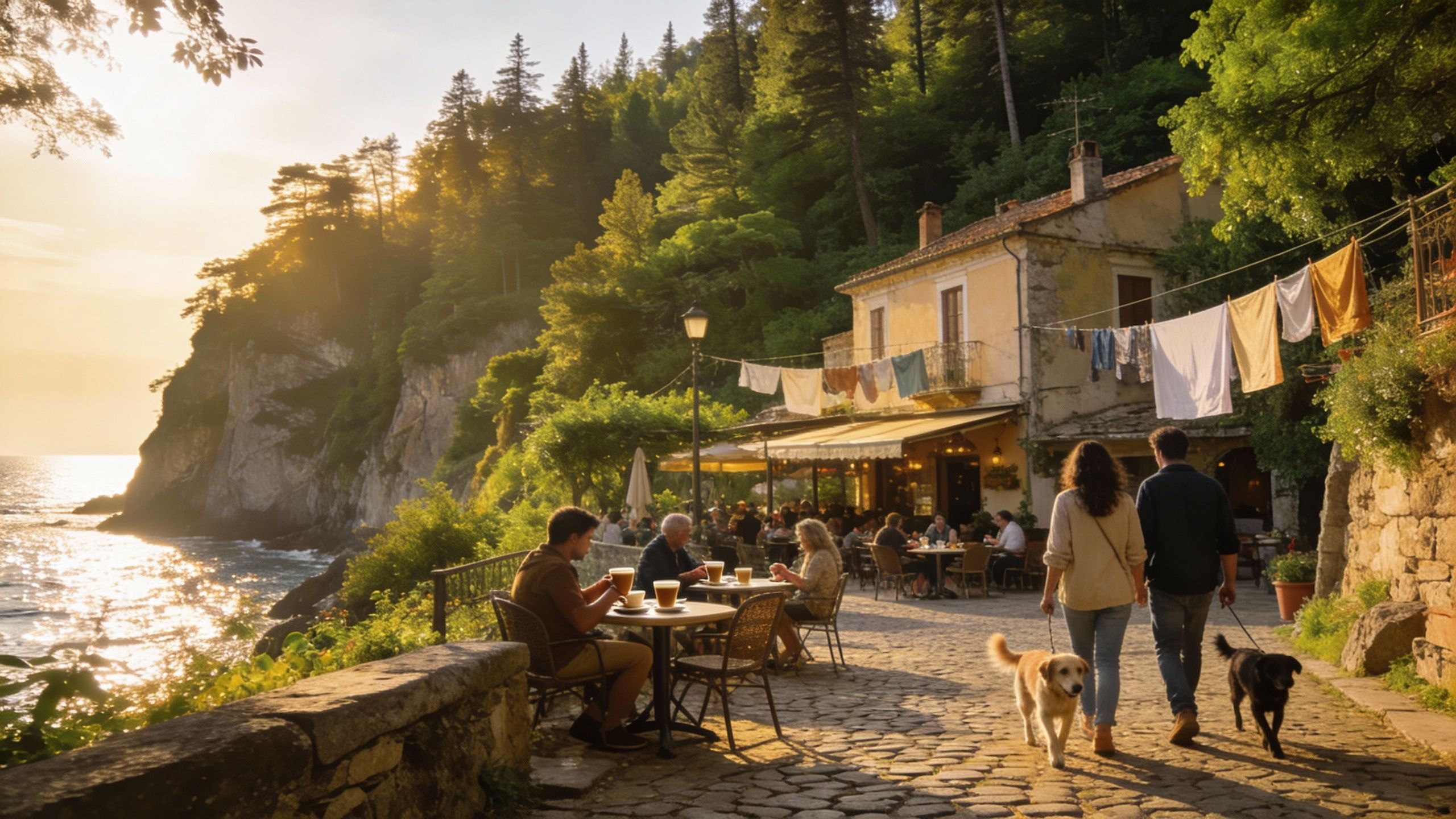
Imagine morning light on a narrow, vine‑framed lane in Liguria, the scent of sea and rosemary mixing with espresso steam — and a modest stone house whose roof catches the sun for panels you could add next week. That mingling of immediate sensory life and long-term stewardship is what buying in Italy’s verdant coastal and forested regions feels like: intimately local, quietly sustainable, and occasionally surprising. For international buyers dreaming of wild coasts, forested hills and homes that feel part of nature, this piece blends lived‑in scenes with concrete market signals so you arrive knowing both how you'll live and what to look for when you buy.
Living the Italy lifestyle: coastal forests, markets and slow mornings
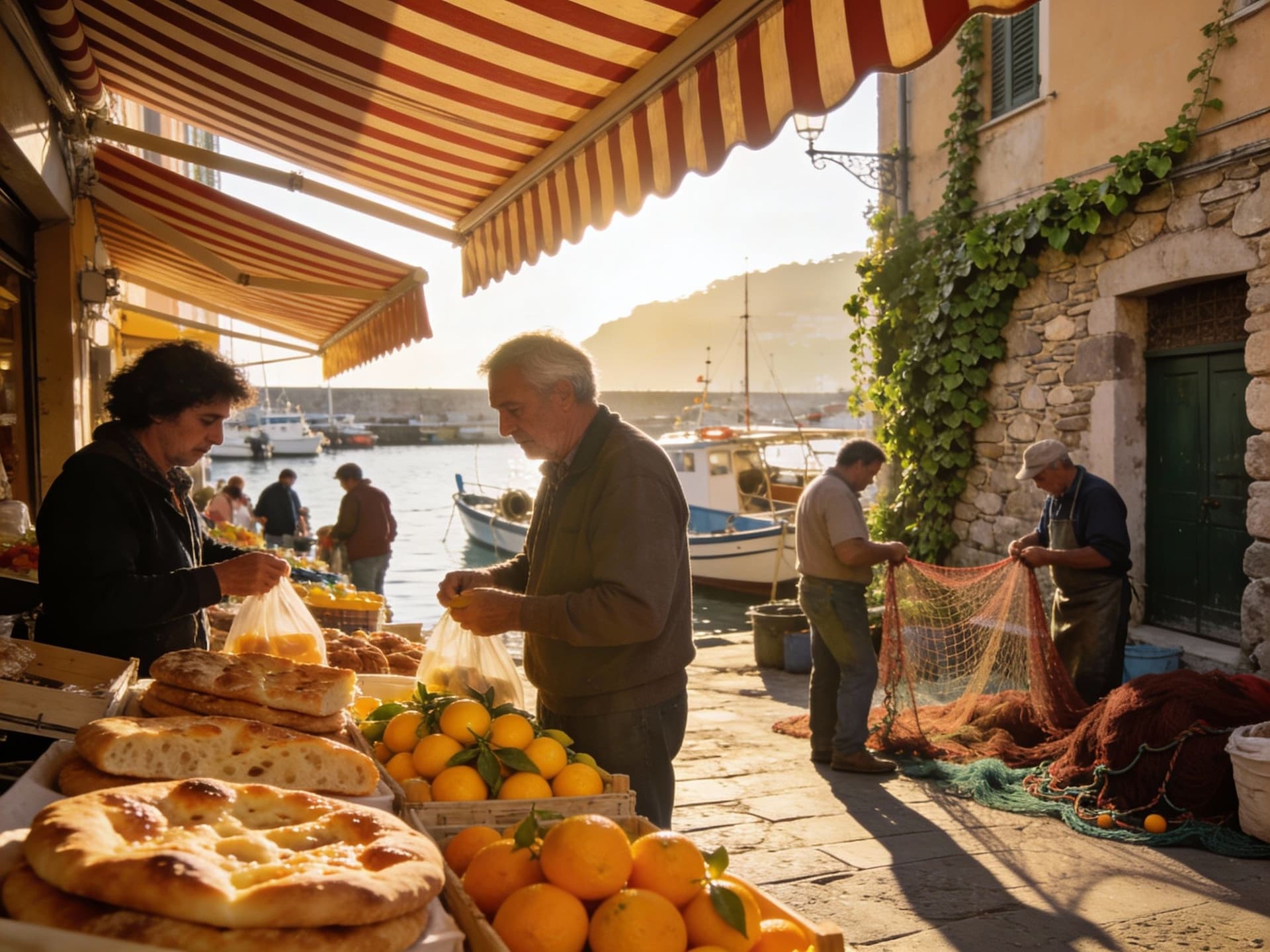
Italy moves at neighborhood speed: morning markets, lunchtime riposo in villages, and evening life that spills onto piazzas. In regions where sea meets forest — think Liguria’s Cinque Terre terraces, Tuscany’s eucalyptus‑framed coastlines, or Calabria’s pine‑laced shores — days are shaped by microclimates. You’ll wake to gulls and wind through cypress and find markets stocked with chestnuts in autumn, citrus in winter and wild herbs in spring. That seasonal rhythm matters for property choices: sun‑facing terraces for winter light, deep shutters for summer heat, and garden soil good enough for an olive or small vineyard.
Neighborhood spotlight: Liguria’s lesser-known creeks and lanes
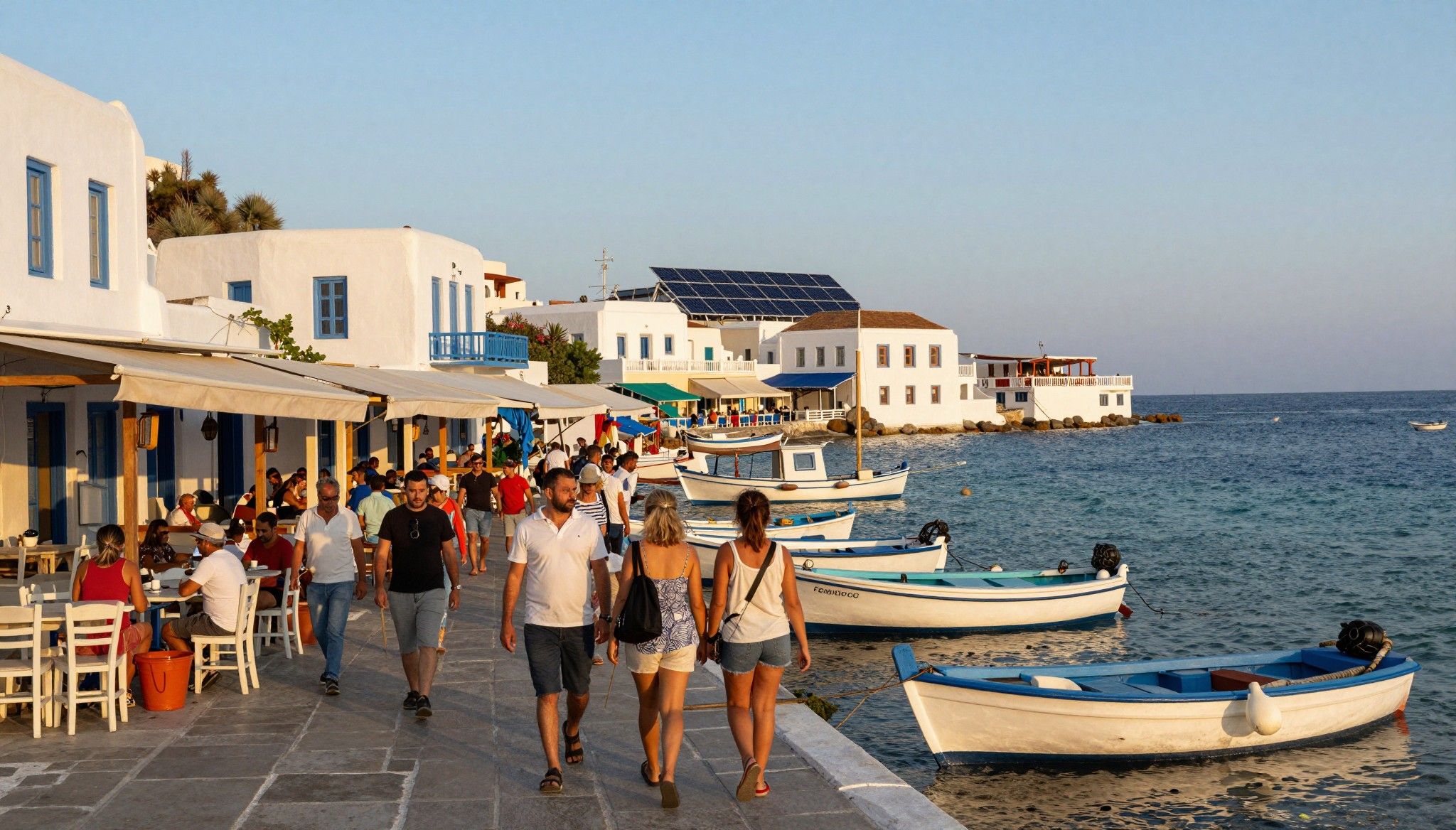
Skip the postcard towns and look to the short streets off Via Fegina in Levanto or the lanes above Monterosso: local cafés, family‑run botteghe, and fishermen who still sell early morning catch by the quay. These micro‑neighborhoods trade tourist crowds for neighbourliness, stone terraces, and access to hiking paths that thread into chestnut forests. For buyers wanting coast and canopy, they offer the sweet spot — proximity to trains and market towns with the privacy of forested slopes.
Food, markets and small rituals
Picture a Saturday: you buy ricotta and focaccia at the market in La Spezia, then drive a few minutes to a steep olive grove for a picnic. Seasonal festivals — chestnut sagre in the Apennines, truffle fairs in Piedmont, small coastal regattas — are where you meet locals and learn the unspoken rules of trade and neighborhood favors. Food culture in these verdant regions is local first, and owning a property often comes with invitations to communal harvests and shared preserves.
- Market towns, olive groves and coastal trails to explore — quick lifestyle highlights:
- Levanto’s market and bakery scene, plus train links to Genoa and La Spezia
- The chestnut forests and hill trails above Camogli, perfect for foraging and winter walks
- Small local sagre (autumn chestnuts, spring anchovies) that double as social orientation
Making the move: practical realities that match the lifestyle
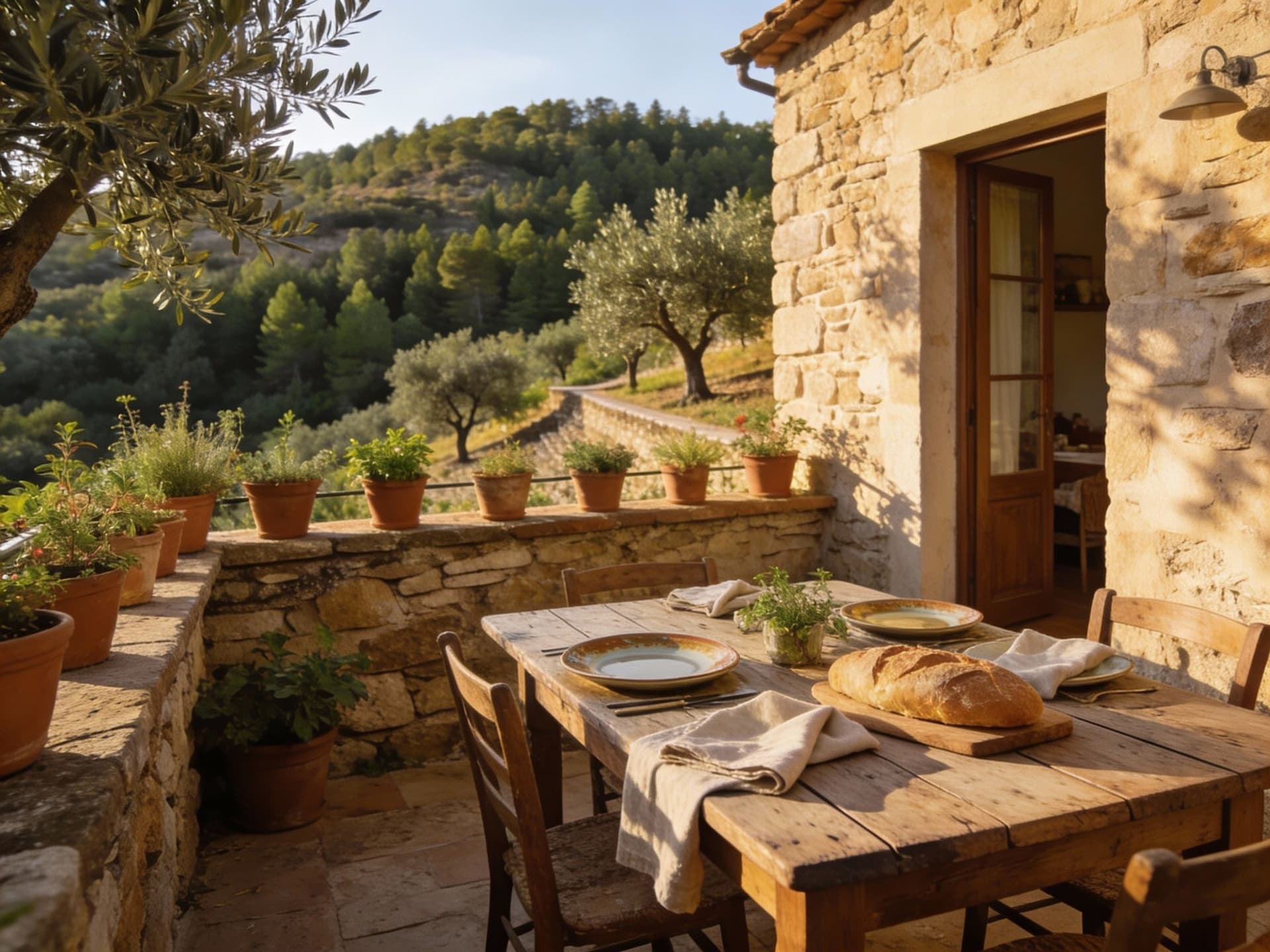
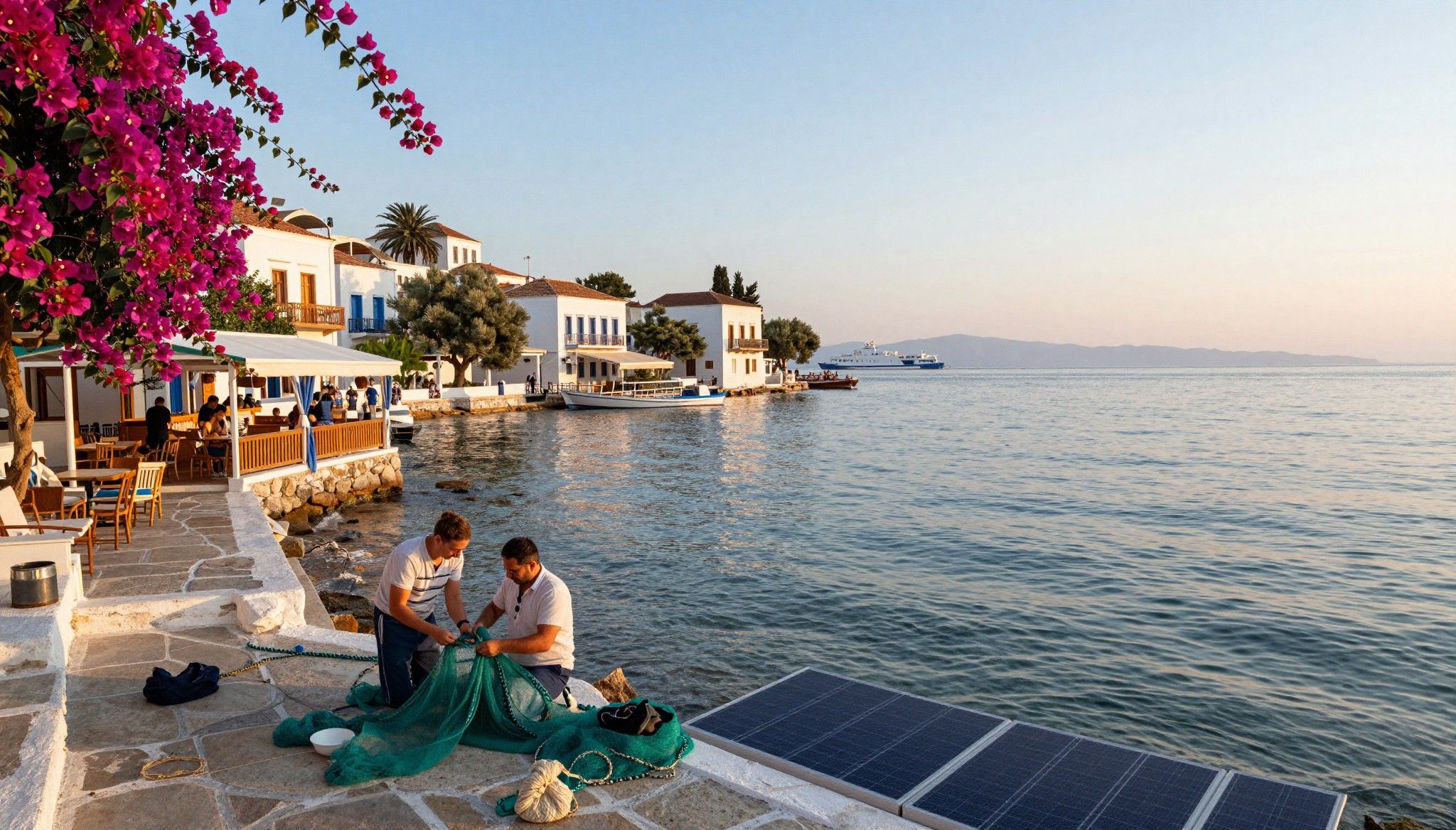
Your seaside farmhouse or wood‑lined apartment must answer two questions: can it sustain the life you imagine, and can it be adapted sustainably over time? Recent data points remind us the Italian market is regionally diverse — transactions rose modestly in 2024 and the country is rapidly adding solar capacity, meaning energy upgrades and orientation matter both for comfort and resale. Local agents who know which communes support rooftop PV, rainwater collection or have lenient renovation rules become practical allies in turning lifestyle hopes into workable purchases.
Property styles: stone cottages, terraced homes and modern eco‑renovations
Stone cottages on steep terraces are romantic and thermally robust, but often require structural and moisture work. Mid‑century coastal villas offer light and outdoor flow but may need insulation and upgraded systems. Newer eco‑renovations combine lime plaster, reclaimed timber and heat pumps to keep energy bills low and local character intact. Match the property type to daily life: if you crave garden harvesting, choose a smaller house with workable land rather than a tight historic apartment with communal courtyards.
Working with local experts who understand both lifestyle and red tape
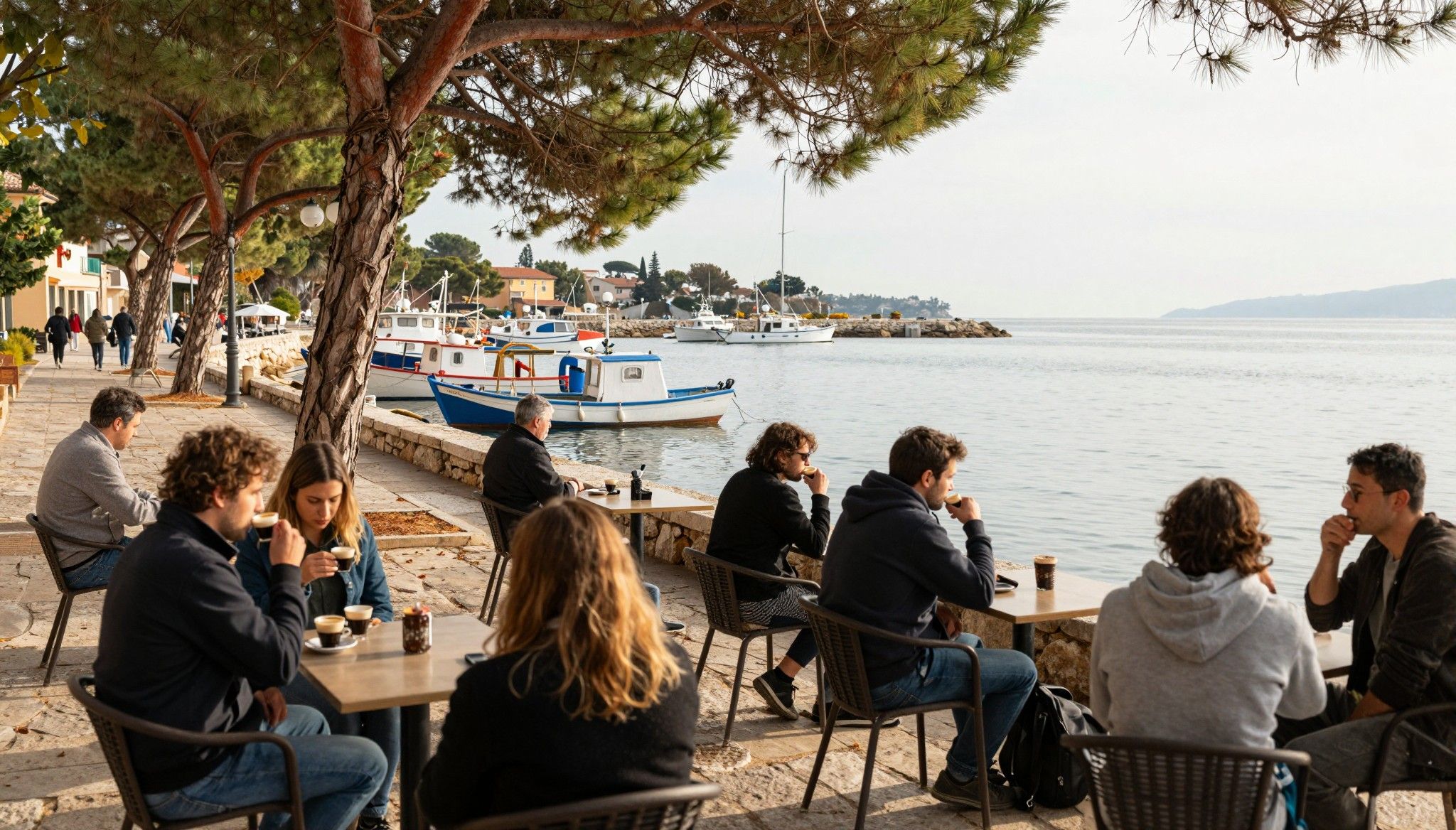
Find agents who speak your language and know the towns where life matches your rhythm — whether that’s a coffee‑first routine in Genoa’s old quarters or surf mornings along Calabria’s coast. Look for firms comfortable with green renovations, who can connect you to local craftsmen and energy auditors. A good agent will show you not just an attic or terrace, but the nearest market, the winter sun path and the community calendar that shapes daily life.
- Steps that blend lifestyle and practical checks:
- Visit in two seasons — late spring and late autumn — to see markets, trails and microclimate in action.
- Ask the seller for recent energy performance certificates and whether rooftop solar or insulation was permitted.
- Commission a local technical survey (geometra or ingegnere) who understands terraces, retaining walls and hillside drainage.
- Talk to neighbours about seasonal issues — road access in winter, local water shortages, or community-managed woodlands.
Insider knowledge: expat lessons from life at the edge of sea and forest
Expat buyers often underestimate the seasonal heartbeat and local governance. In many small communes, administrative approvals for renovations move slowly but are flexible for owners who work with local builders; in larger cities, planning can be stricter but public investment may boost long‑term values. Solar adoption is accelerating nationally, but planning for photovoltaic panels or battery storage still depends on local rules and grid capacity. Learning these nuances early saves time and keeps your lifestyle choices realistic.
Cultural integration, language and local rhythms
You’ll be welcomed by owners who barter by habit and neighbours who value consistency over novelty. Learning a few phrases, showing up at the morning market weekly, and bringing a small gift after closing — olive oil or pastries — opens doors. Expat communities exist, but the deepest friendships form with those who share daily rhythms: the barista who remembers your order, the volunteer who runs the trail group, the family who invites you to the sagra.
Long-term living: stewardship, renovation and community
Buying in these regions is often a generational choice. Sustainable upgrades — insulation, passive shading, rainwater harvesting, and appropriately sized PV — protect comfort and value. Consider local craftsmen for lime plaster, chestnut beams, or reclaimed tile; these materials age gracefully and keep character intact. Stewardship is a social act here: maintaining terraces reduces erosion, and sharing labor in harvests cements you into communal life.
Before you make an offer: a short due‑diligence checklist drawn from recent market trends and practical reality.
- Get a written note on past landslide or flood history from the comune.
- Confirm energy class and ask about past use of national incentives or 'Superbonus' renovations that may affect permits.
- Request recent utility and road‑maintenance arrangements — winter access is not universal in hill villages.
- Check whether a local agritourism or rental license applies if you plan occasional letting.
Conclusion — Italy as a long, slow invitation: buy the life, not only the asset. Choose a place that fits the hours of your day — sunrise walks, market Saturdays, shared harvests — and pair that choice with advisors who speak both the language and the local seasonal calendar. When you put people, place and practical stewardship first, you end up with a home that rewards both your senses and your sensible, long‑term stewardship.
Dutch property strategist who helped 200+ families find sustainable homes in southern Europe; expert in legal pathways and long-term stewardship.