Italy’s Green Coast vs. Forested Hills: Tradeoffs
Coastal maquis or chestnut‑lined hill towns? Blend sensory life with market facts: Italy’s prices rose regionally, incentives shifted—plan seasons, stewardship, and practical budgets.
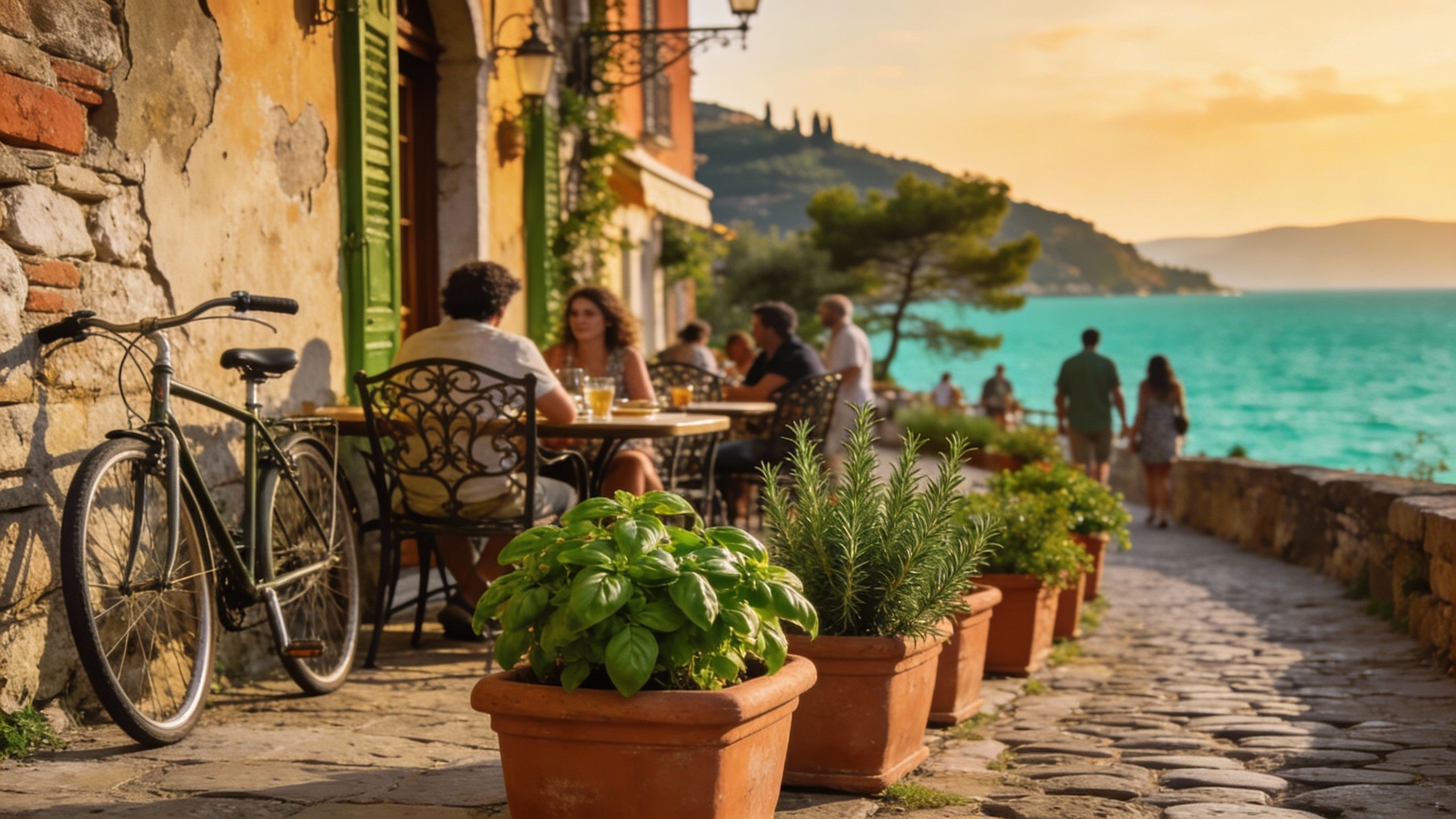
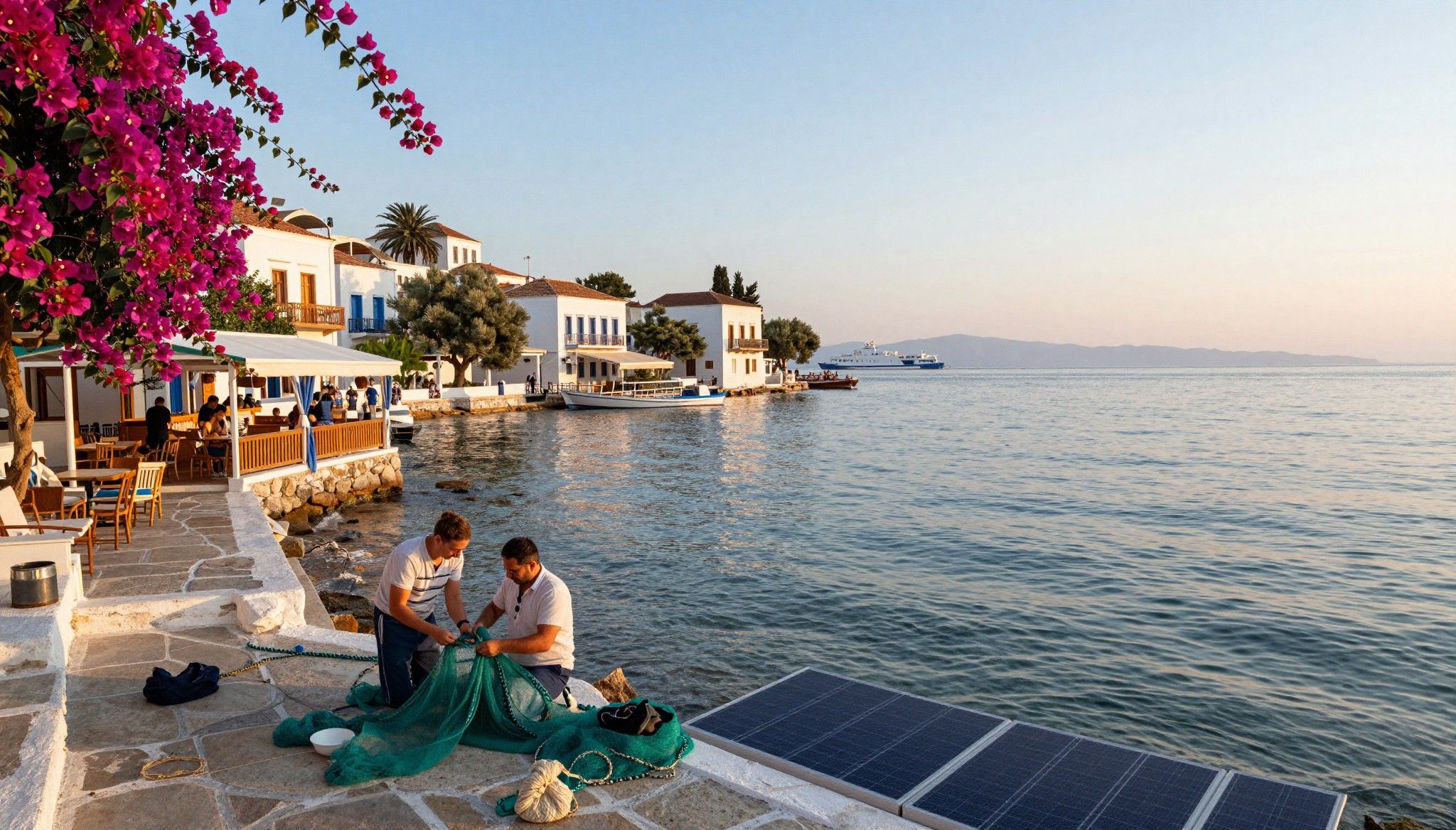
Imagine stepping out at dawn to a narrow seaside piazza in Liguria — fishermen folding nets, the scent of wet stone and lemon oil, a café where the barista already knows your name. Or picture a terraced hill town in Tuscany: olive groves rimmed by cypress trees, stone steps warmed by late light, a communal market where the farmer brings saffron-tinted eggs. Italy offers both: rugged, wind-honed coastline stitched to evergreen maquis, and forested hills that cradle villages in moss and stone. For buyers who want a home that breathes with the landscape, the choice is never just location — it’s a way of life.
Living the Green Coast vs. the Forested Hills
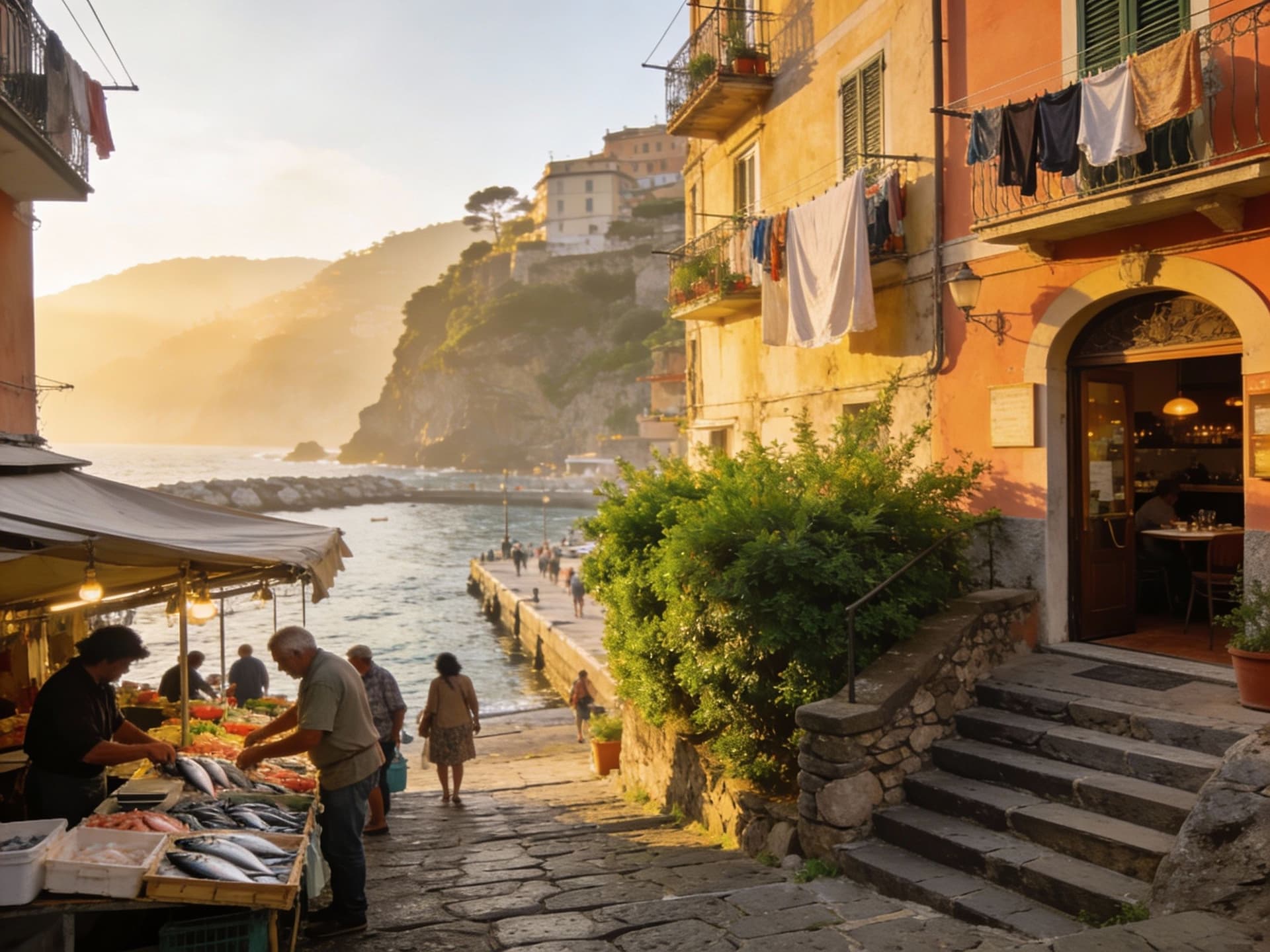
The coast and the hills share Italy’s slow, sensory rhythms but deliver them differently. The coast is open-air sociability — morning markets by the marina, evening passeggiatas along cliffs, a salt-sweet smell that lingers on linen. The hills are private seasons — spring explosion of wildflowers, summer shade under chestnut leaves, winter hearth-light and slow-baked breads. Both offer verdant ecosystems: coastal maquis and pine groves, inland mixed deciduous forests and chestnut woods. Your daily life will be shaped by wind, by olives and vines, by where you pick mushrooms and the route to your nearest market.
Seaside districts that feel lived-in
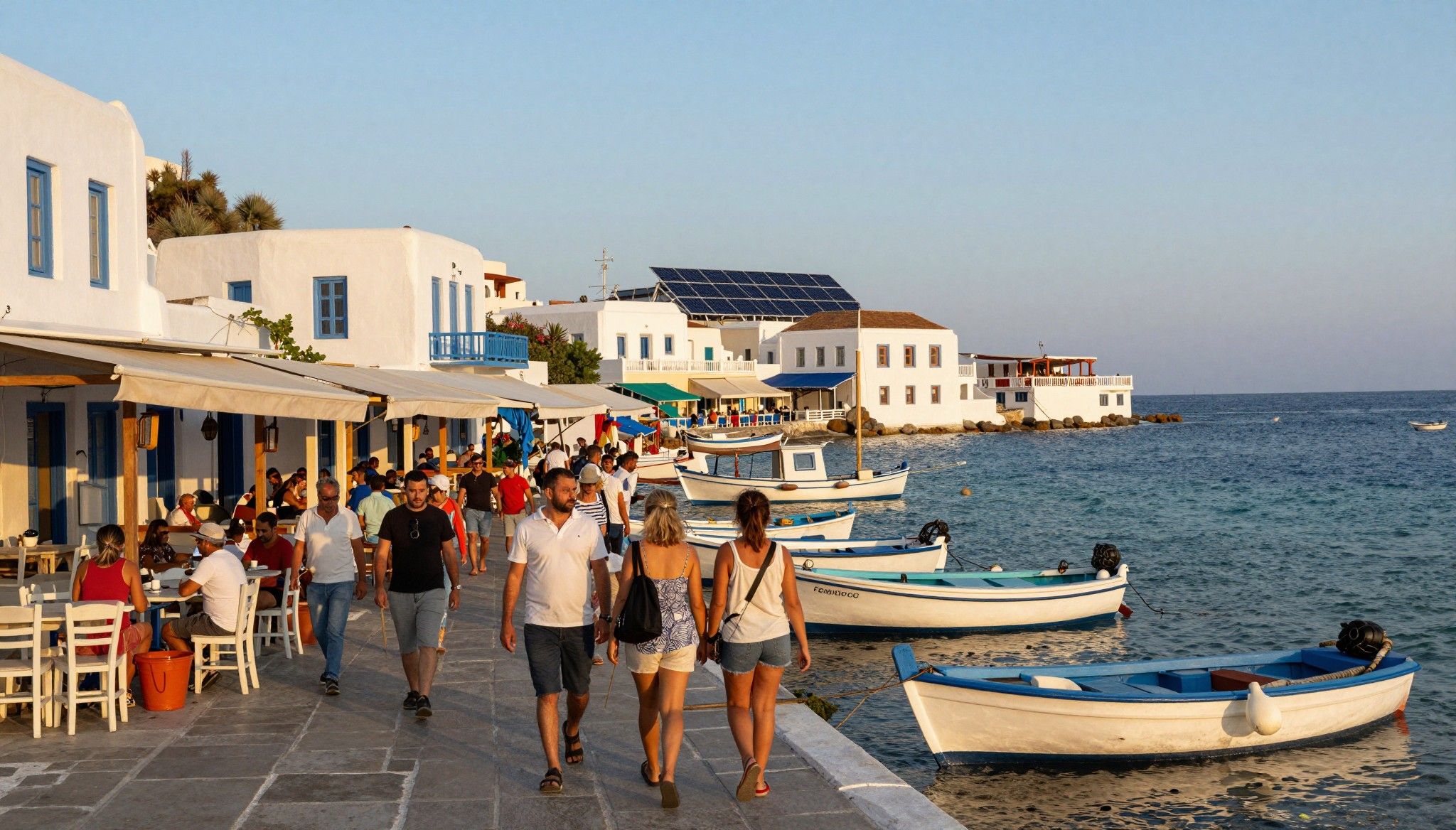
Walkable harbours like Levanto or the lesser-known coves near Maremma are not just postcard views — they are places with bakers, a fishmonger, a carpentry shop and neighbours who wave. Streets can be steep, deliveries are often by handcart, and terraces are prized. These details matter: a sea view might come with stairs and no car access; a garden could mean carefully tended irrigation in summer.
Hill towns that reward slowness
Towns such as Lucca’s surrounding hill communes or villages in Umbria offer rooms with thick stone walls, small courtyards and local craftsmen who still use traditional lime and chestnut timber. Living here means seasonal rituals — olive harvests in November, pruning in late winter — and a stronger sense of neighbourly interdependence. Expect narrow lanes, municipal regulations to protect façades, and the charm of communal ovens and volunteer festivals.
- Lifestyle highlights (real places and moments)
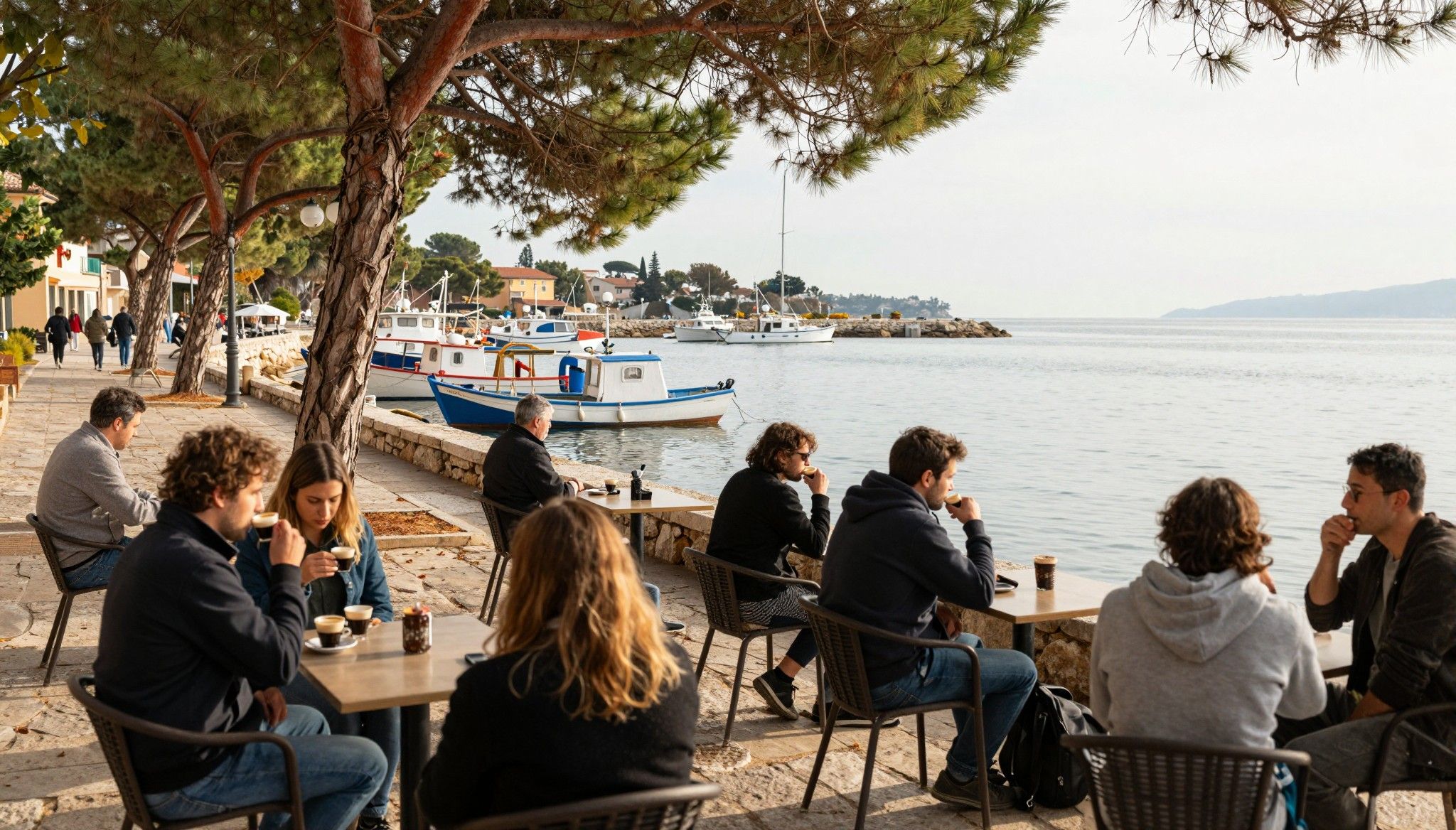
- Morning espresso at Bar Marinetti on a Ligurian quay; evening seafood risottos in small family trattorias.
- Picking porcini near Chestnut Park in the Apuan Alps, then drying them on your kitchen terrace.
- Farmers’ markets in Lucca and Siena where sellers trade olive oil by the tin and neighbours exchange recipes.
Making the Move: Practical Considerations
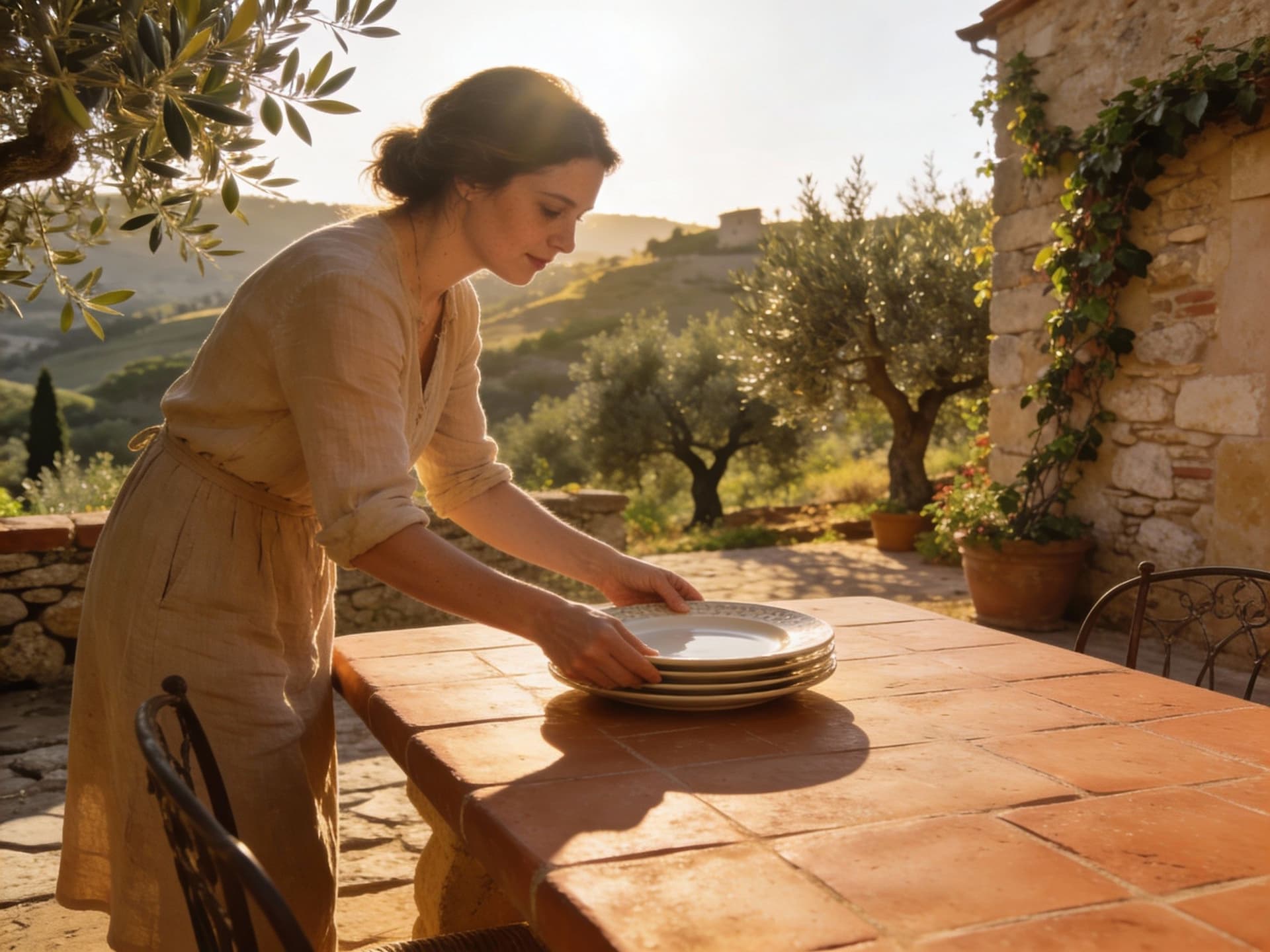
The romantic image is easy; the practical part requires attention. National data show house prices rose in recent years but with regional differences: existing-dwelling prices climbed while new builds vary by area. Incentive programs for energy renovations have been generous in the past decade but also tightened, so don’t assume endless tax credits will cover ambitious retrofits. Use current national statistics and recent policy coverage to plan budgets and renovation timelines.
Property styles and how they shape daily life
Seaside homes often prioritize views and outdoor terraces over cellar storage; expect salt corrosion considerations and a premium on sheltered outdoor living. Hill properties frequently feature thick stone insulation and high ceilings, are cooler in summer and require winter preparedness. Choose a roof system, insulation level, and heating solution that match local microclimate — photovoltaic panels and battery storage work differently on a cliffside terrace than under a chestnut canopy.
Working with local experts who value stewardship
Seek agencies and architects who understand traditional materials (lime mortar, local stone, chestnut wood) and can advise on low-impact retrofits. A good local agent will introduce you to municipal planning officers, craftsmen who respect historical techniques, and community contacts — essential when permits or heritage rules apply. Ask to see past projects and references that show ecological sensitivity, not just stellar photos.
- Six practical steps that blend lifestyle with logistics
- Visit in the season you plan to live there — test summer humidity on the coast or winter access in hill towns.
- Confirm local utility reliability and broadband if you’ll work remotely; remote areas often need investment.
- Ask about conservation rules: some hill communes limit solar placement or require specific roof tiles.
- Get quotes for climate-appropriate upgrades — shading, ventilation, thermal mass — rather than standard insulation alone.
- Build local relationships: neighbours, the postman, and a trusted geometra (surveyor) will save time and surprises.
Insider Knowledge: What Expats Wish They’d Known
Expats say the surprises are usually small and human: the bakery that closes for two weeks in August, the communal olive press that needs a booking, or a neighbour’s insistence on traditional tiles. Bigger surprises come from changing policy — renovation incentives once generous have been scaled back and more tightly regulated after fraud exposed weaknesses — so plan with conservative cost assumptions and confirm incentive rules before you commit.
Language, community and daily rituals
You’ll get by quickly with a handful of phrases, but deeper integration comes from shared activities — delivering a jar of your olive oil, showing up for the village festa, helping in the harvest. Community life often happens in rhythm with seasons and kitchens; be present, not transactional. This is how trust forms and practical help arrives when you need a local plumber or permission to trim a roadside cork oak.
How life evolves after buying
Many buyers come for a holiday month and stay for the community. Over five years you may find practical shifts — improved local transport, a bakery opening, an artisan returning to renovate an old mill. Smart buyers think in decades: consider local demographics, tourism seasons that affect rental potential, and whether the village is investing in green infrastructure like community solar or waste reduction programs.
- Red flags and gentle cautions
- Unusually low price with unclear title or missing cadastral maps.
- Promises of permanent tax breaks without signed legislation — verify current laws and official notices.
- Homes marketed as “off-grid” but lacking proper permits for wells, septic or renewable installations.
Conclusion: The life you want lives in the details — a coastal lunch table shaded by a pergola, a hill courtyard that hosts winter suppers — but those details must be grounded in up-to-date market facts and local stewardship. Use national data when setting expectations for price and sales velocity, check current renovation incentives and their limits, and partner with local agents who value both craft and ecology. Visit in different seasons, test the rhythms, and let the place choose you as much as you choose it.
Swedish advisor who left Stockholm for the Costa Brava in 2019. Specializes in sustainable, sea‑view homes for Scandinavian buyers and green finance insights.