Why Greece’s Verdant Coasts Outshine the Sea‑View Myth
Why Greece’s green coasts beat the sea‑view myth: live among olive groves and forested shorelines while using market timing, local experts and stewardship to buy smarter.
Imagine waking to the smell of pine and salt, stepping out onto a stone terrace that leans into a cove of wind‑shaped oaks. This is coastal Greece away from the billboard sea‑view: a quieter, greener life where rugged shorelines meet forested hills and traditional stone homes breathe with the seasons. For international buyers who love biodiversity, seasonal rhythm, and homes that feel part of a larger landscape, Greece’s verdant regions are quietly persuasive — and more practical than you’ve been told. According to Bank of Greece data and recent market reports, demand is rising across these regions even as headline coastal prices shift, making timing and local knowledge essential.
Living the Verdant Greece Lifestyle
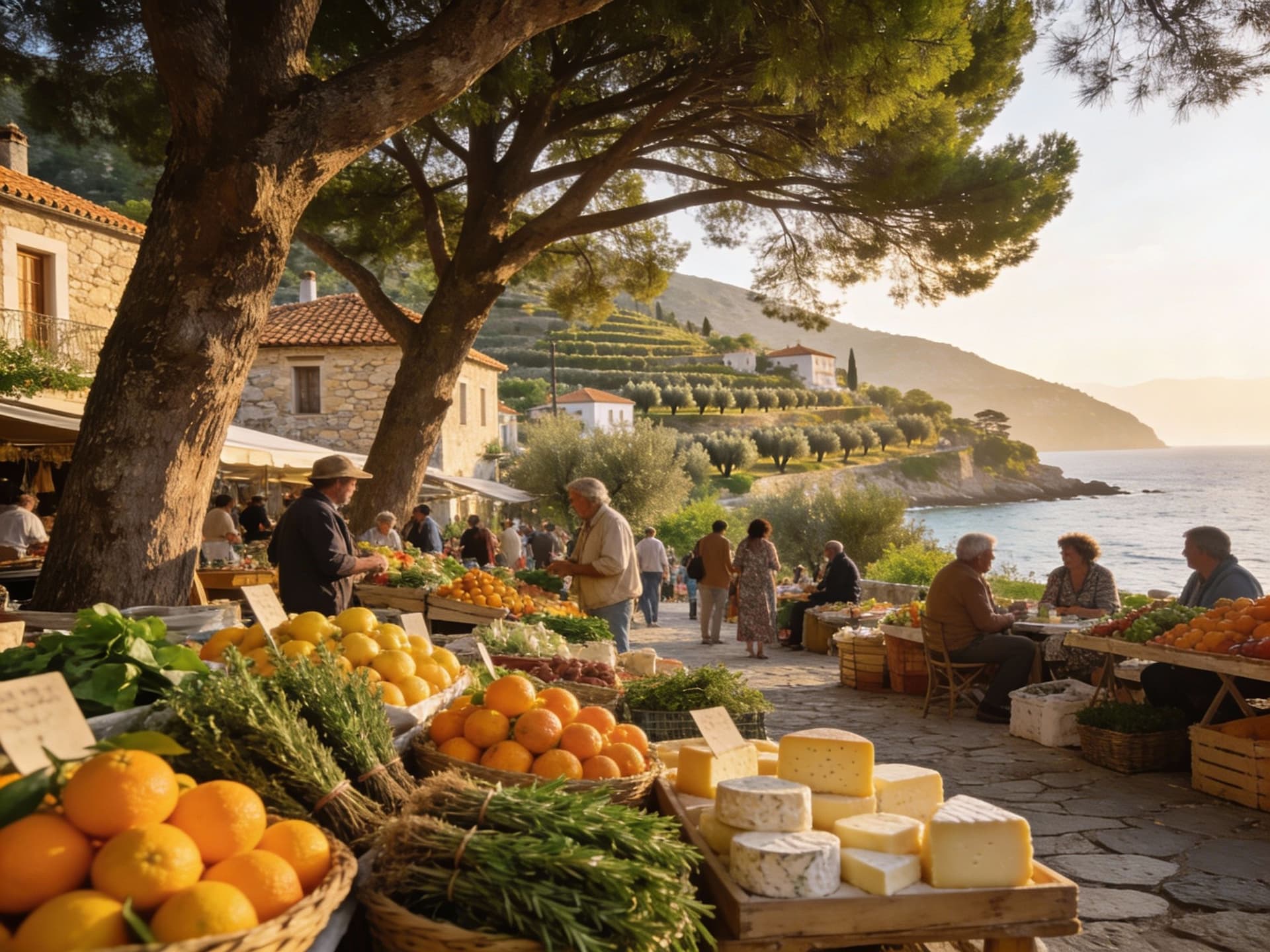
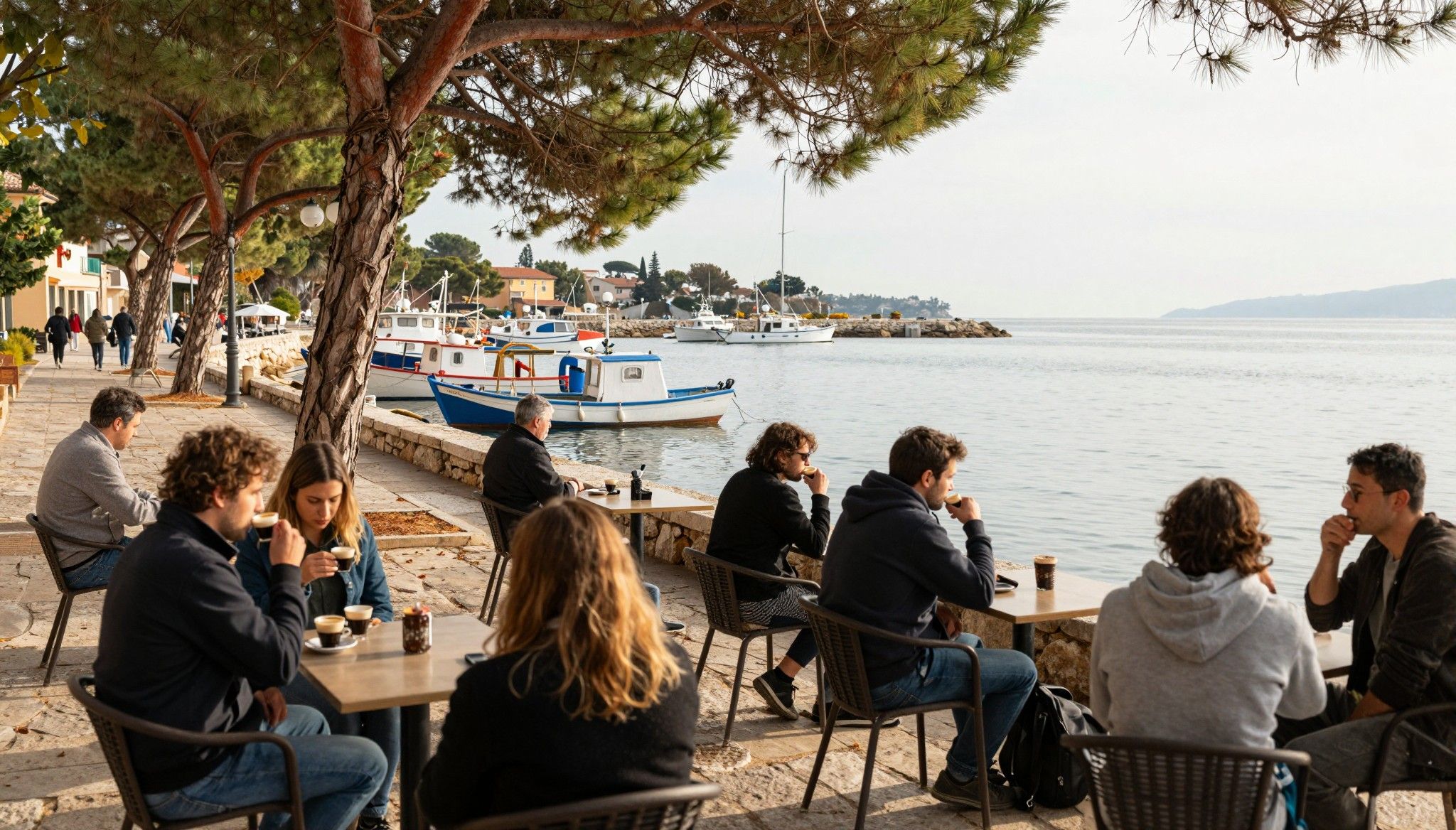
Greece isn’t only whitewashed islands and blue domes. In places like Pelion, Corfu’s green hinterland, the Mani peninsula and parts of Crete, mornings begin with birdsong and the distant hammer of the sea against cliffs. Streets are narrower, gardens spill with citrus and herbs, and village cafés serve espresso beside cedar benches where conversations stretch long into afternoon. Here, life moves with the light: early market runs, late siestas in summer shade, and community dinners that center on local olive oil, wild greens and slow‑roasted lamb.
Pelion & Mountained Coasts: The forested cape
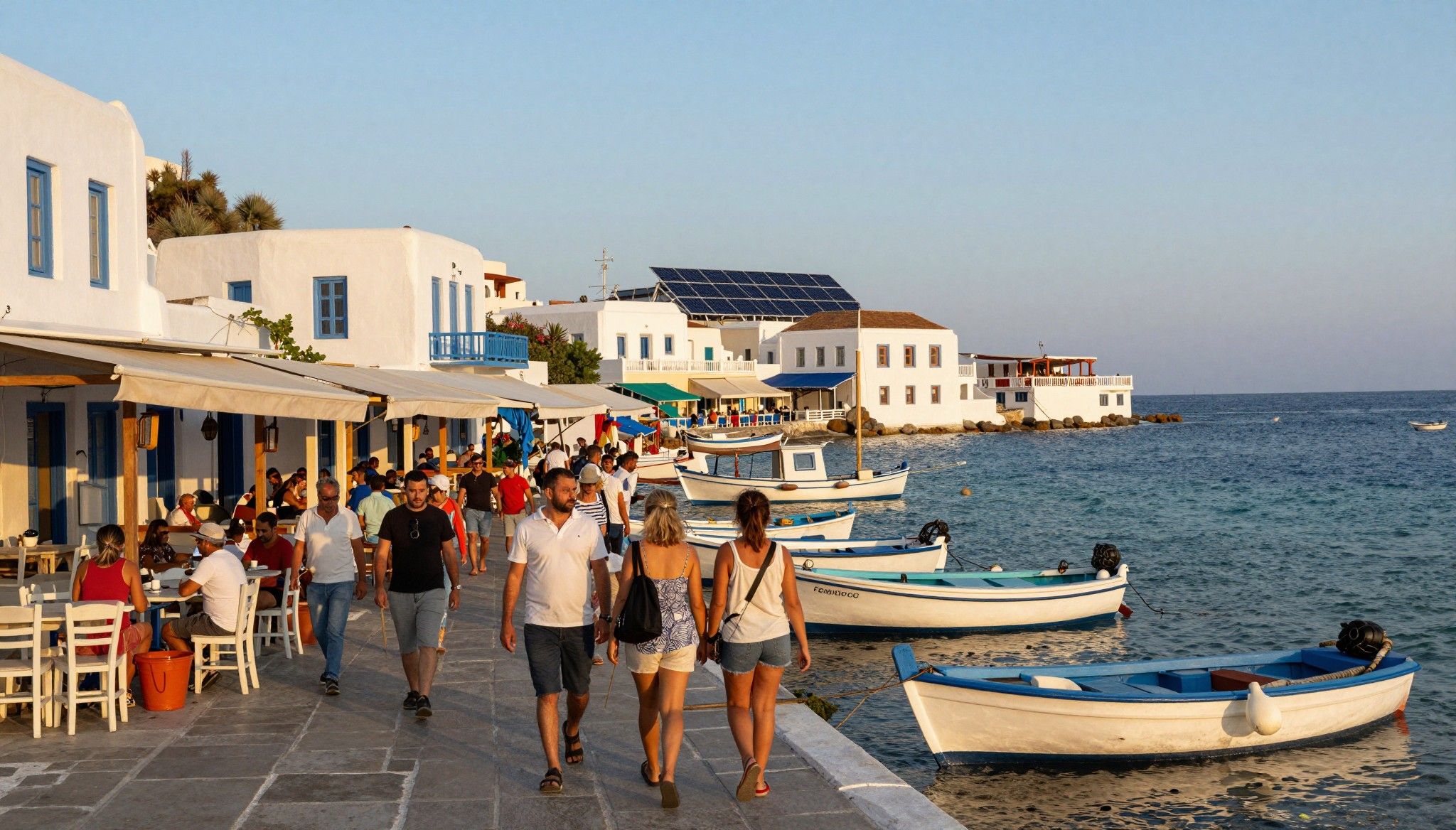
Drive the hairpin roads of Pelion and you’ll find villages like Tsagarada and Makrinitsa where slate roofs nestle beneath chestnuts and plane trees. Cafés on narrow squares pour thick coffee; local bakeries still slide pies from wood ovens. Homes here favor stone, timber and courtyards — perfect for buyers who want passive cooling, natural insulation and gardens that support pollinators. Pelion’s mix of sea and mountain means you can surf or hike in a single day, and many renovated houses already pair traditional fabric with discreet solar panels and rainwater capture.
Corfu’s Green Interior & Northern Ionian Shores
Corfu’s inland villages — olive‑terraced hills dotted with Venetian stone houses — feel like a separate rhythm from the touristized beaches. In towns like Pelekas and Sinarades, tavernas open at dusk, and local markets brim with kumquats and kefalotyri. For families and remote workers seeking reliable community life, these pockets offer year‑round residents, international schools nearby in Kerkira, and an easier path to renovating with local masons who understand breathable lime renders and stone restoration.
Making the Dream Real: Practical Considerations
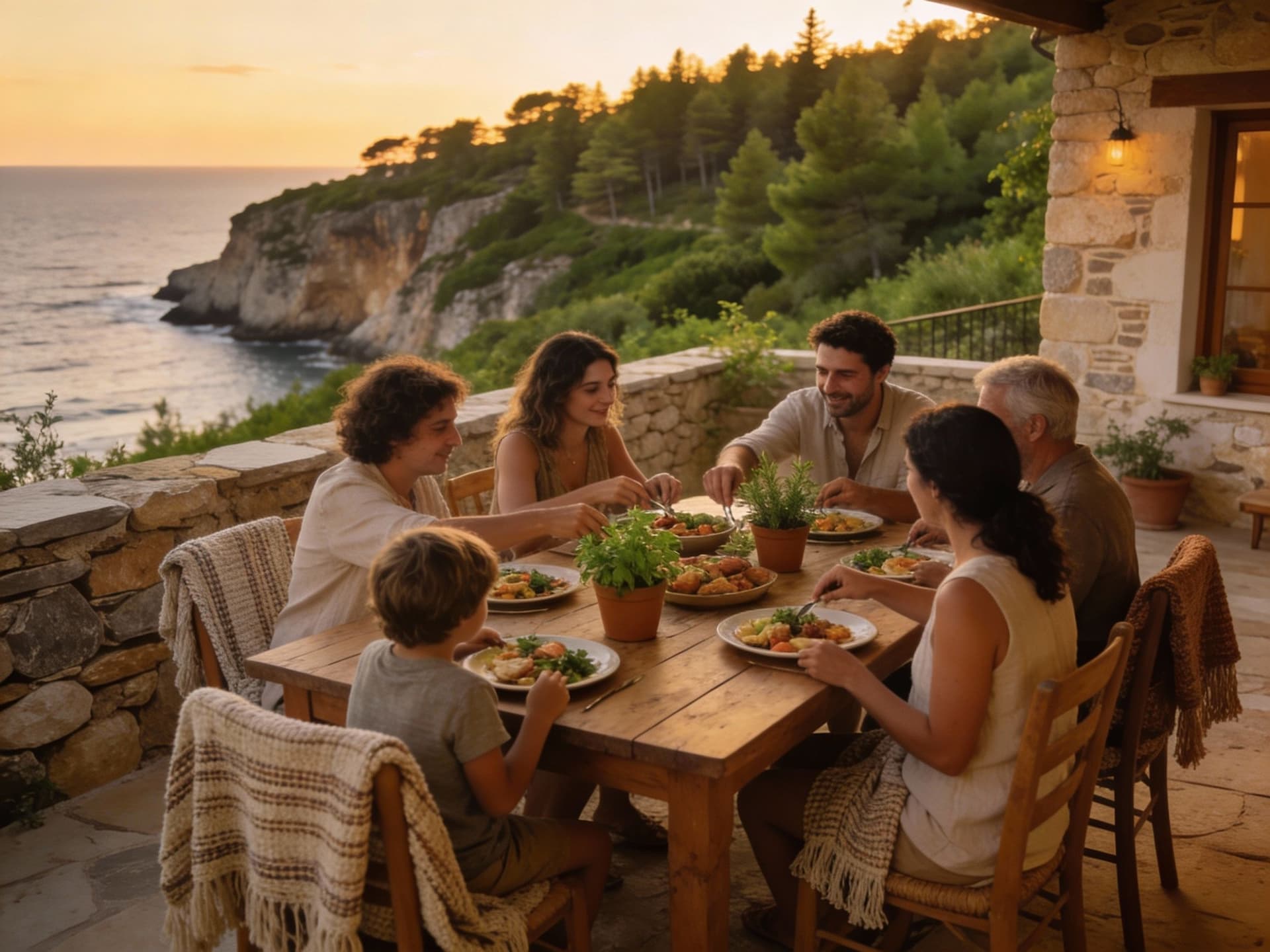
Balancing the romance of olive groves with paperwork is part of the Greek move — but the truth is less intimidating than rumor. Recent market data shows price growth moderating in 2024–2025, with demand shifting into regional and tourism‑adjacent verdant zones as buyers seek long‑term lifestyle value rather than short‑term returns. That creates openings for buyers who prioritise stewardship, renovation over new builds, and who can work with local specialists to align home systems with the landscape — think greywater reuse, solar microgrids and native landscaping.
Property styles that fit verdant life
Traditional stone cottages, renovated farmhouses, and modest new builds with timber cladding dominate Greece’s green coasts. Each offers different living rhythms: restored stone houses hold thermal mass that keeps interiors cool in summer and retain warmth in winter; farmhouses often come with orchards and terraces perfect for kitchen gardens; newer eco‑builders tend to integrate PV and heat pumps. If you love year‑round outdoor rooms, prioritise orientation — terraces that face afternoon shade and western winds will be more usable in summer.
Work with local experts who steward place
1. Hire a bilingual lawyer and a local architect experienced in traditional materials — they will translate regulations and advise on breathable walls, seismic retrofit, and conservation rules. 2. Prioritise agencies with on‑the‑ground relationships to village craftsmen and planners so your renovation respects local ecology and planning codes. 3. Check water access and rights: many verdant areas depend on shared springs or wells; mapping usage avoids future conflicts. 4. Budget for seasonal living costs: heating and winter maintenance in mountainous coastal pockets can add to annual costs. 5. Explore grants or incentives for energy upgrades — regional programs sometimes support solar and insulation retrofits.
Insider Knowledge: What Expats Wish They’d Known
Expat stories often begin with surprise: the slow pace of bureaucracy, the warmth of neighbours who become weekly companions, and the pleasure of discovering seasonal food markets. But they also warn of small missteps — underestimating winter access on mountain roads, or assuming every seaside plot has simple build rights. Knowing how local communities manage shared resources, from grazing to irrigation, often matters more than headline taxes.
Cultural integration & daily life
Learn a few neighborhood rituals and you’ll be welcomed fast: bring a basket from the market to your new neighbour’s table, listen at the kafeneio, and join local festivals where music, food and communal work create bonds. Language flows slowly at first, but basic Greek opens doors to trusted craftsmen and better restoration pricing. For long stays, register in the local municipality (dimarchio) early — it smooths access to services and community networks.
1. Start with a long scouting visit in different seasons to feel microclimates and village rhythms. 2. Choose an agent who knows local builders and ecological retrofits. 3. Inspect water, access, and winter road clearing arrangements. 4. Confirm whether a property is registered and if there are shared‑land obligations.
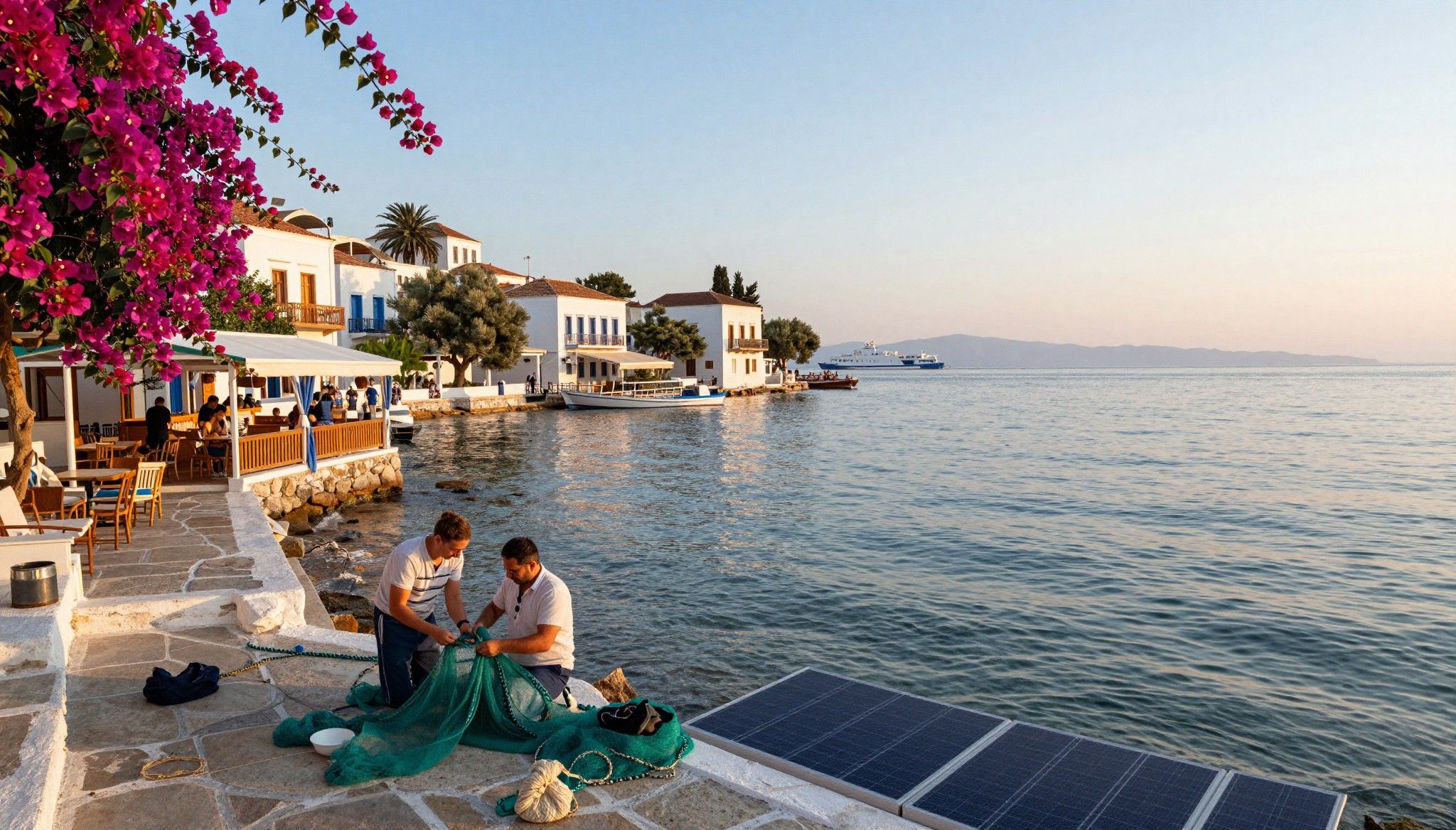
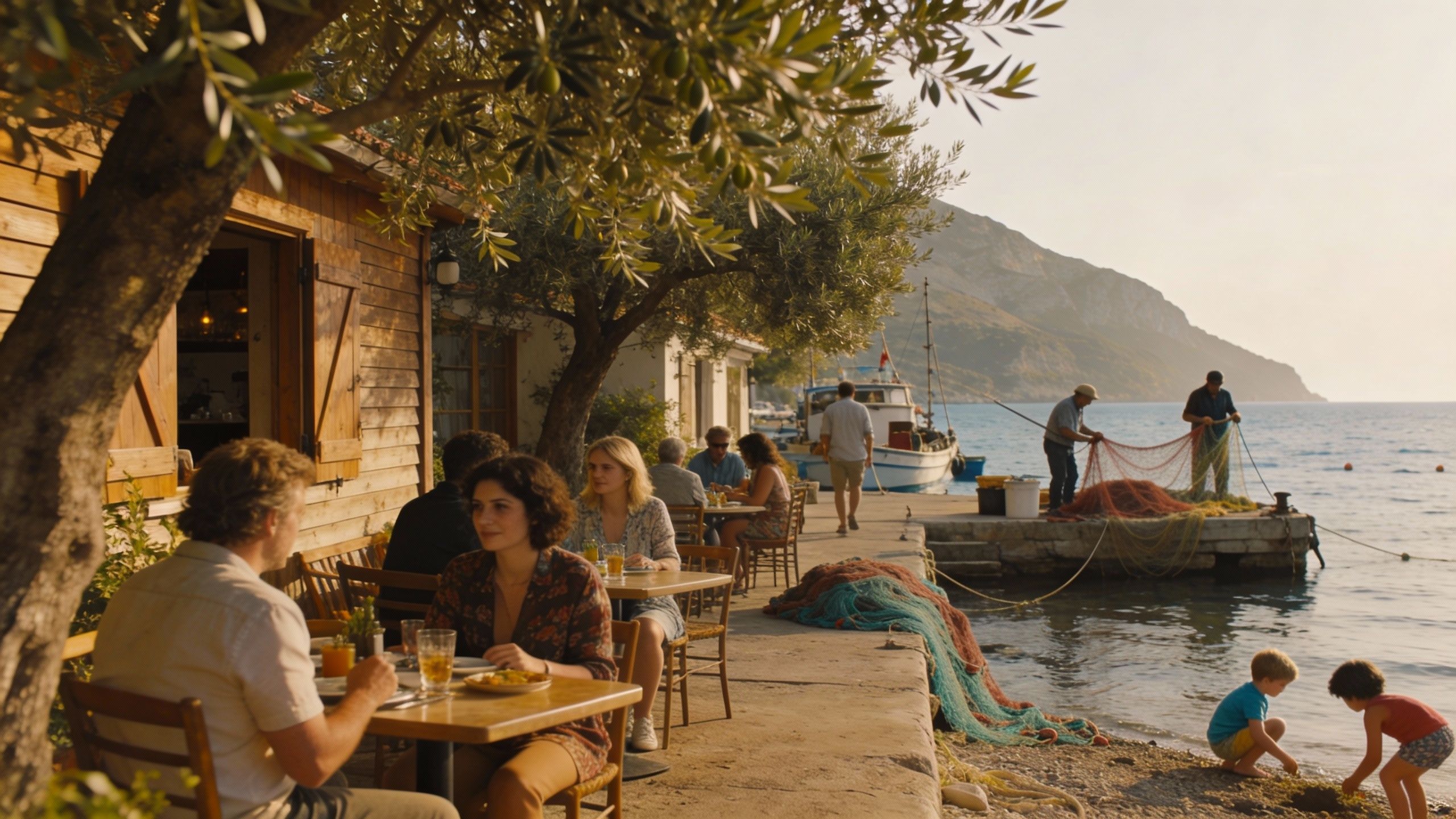
Lifestyle highlights you’ll actually live for: • Morning markets in Nafplio and Chania for vegetables, herbs and the best local cheese. • Sunsets from Pelion terraces after a day of olive‑pressing demonstrations. • Corfu’s inland trails for winter walks and birding. • Family‑run tavernas where local wine is decanted into your own bottle. • Small harbours in Mani where fishermen repair nets and neighbours share catches.
Conclusion: If you want green coasts and resilient community life, Greece’s verdant regions offer a rare combination of sensory richness and emerging market opportunity. Prices have shown steady growth but have also shifted outside headline hotspots, creating openings for buyers who can act with local partners and a stewardship mindset. Begin with seasonal visits, hire local legal and design expertise, and prioritise homes that marry traditional materials with modest modern systems — you’ll not only buy a house, you’ll inherit a way of living.
Swedish advisor who left Stockholm for the Costa Brava in 2019. Specializes in sustainable, sea‑view homes for Scandinavian buyers and green finance insights.