Greece’s Verdant Coasts and Forest Life: Lifestyle First, Rules Next
Greece’s verdant coasts and forested interiors offer seasonal, sustainable living; rising foreign demand and new solar and rental rules mean buyers should pair lifestyle vision with local expertise.
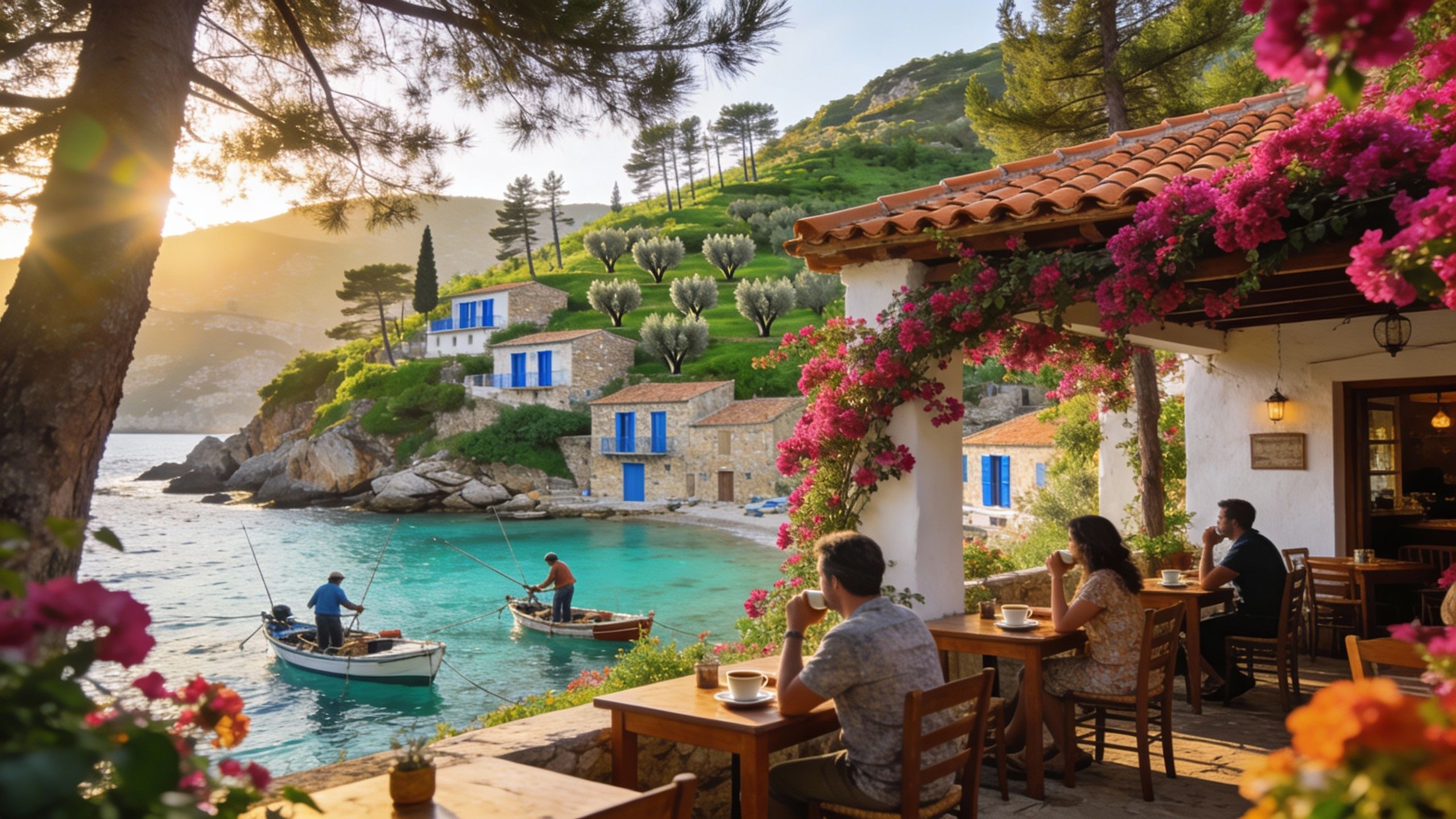
Imagine waking to the smell of baking koulouri, coffee steam curling from a small kafeneio on a cobbled lane, while olive groves slope to a wind‑ruffled coastline. Greece’s verdant corners—wooded Peloponnese coves, pine‑fringed Ionian bays, and mainland forests near the Meteora—offer a life that breathes with the seasons. For international buyers who want nature first and a home that tucks into its landscape, Greece is more than seaside postcard: it’s a living, regenerative place where house, garden and community can grow together. Recent market analysis shows rising foreign interest and local shifts that every buyer should know before falling fully in love.
Living the Greek Verdant Life
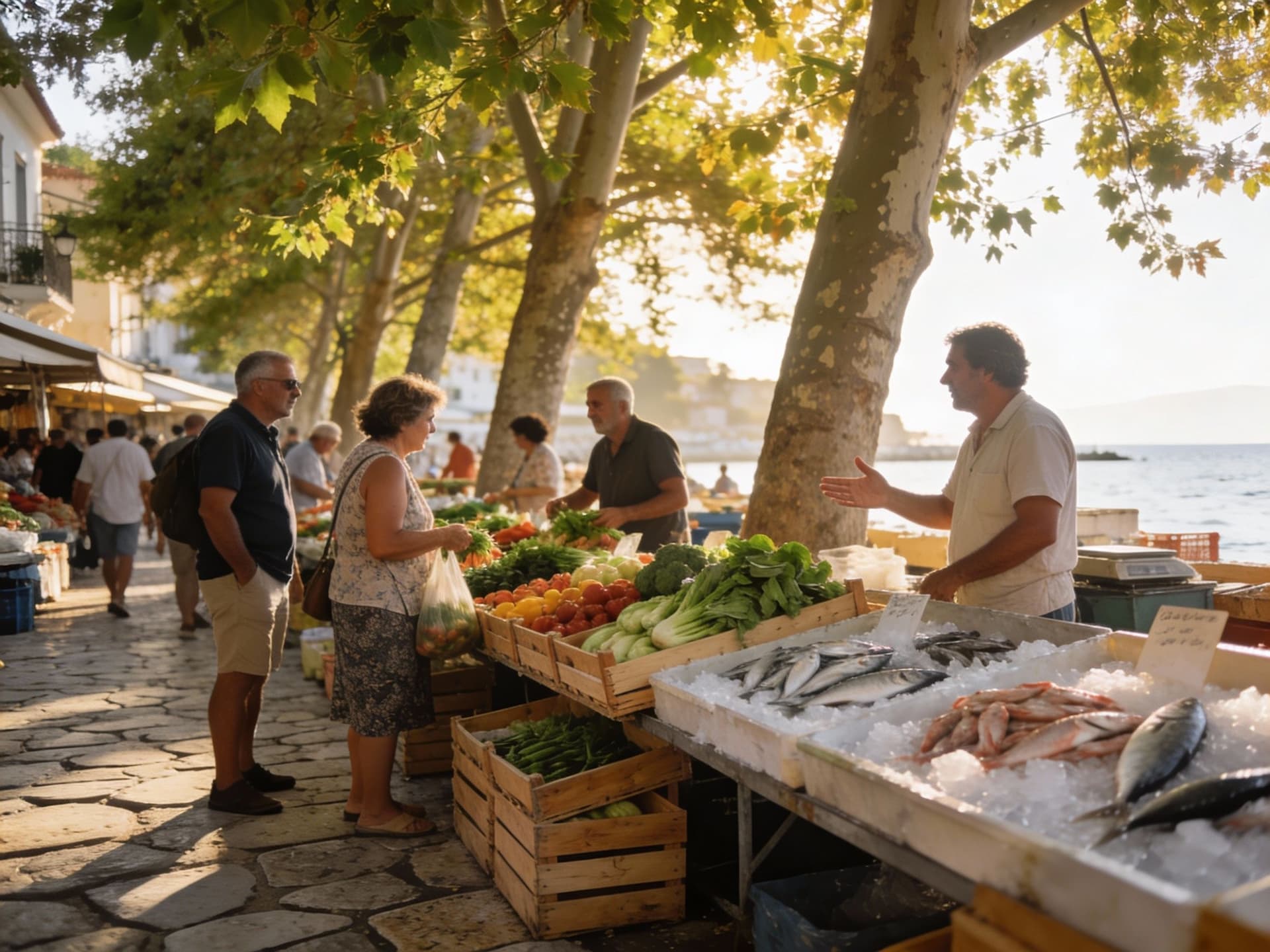
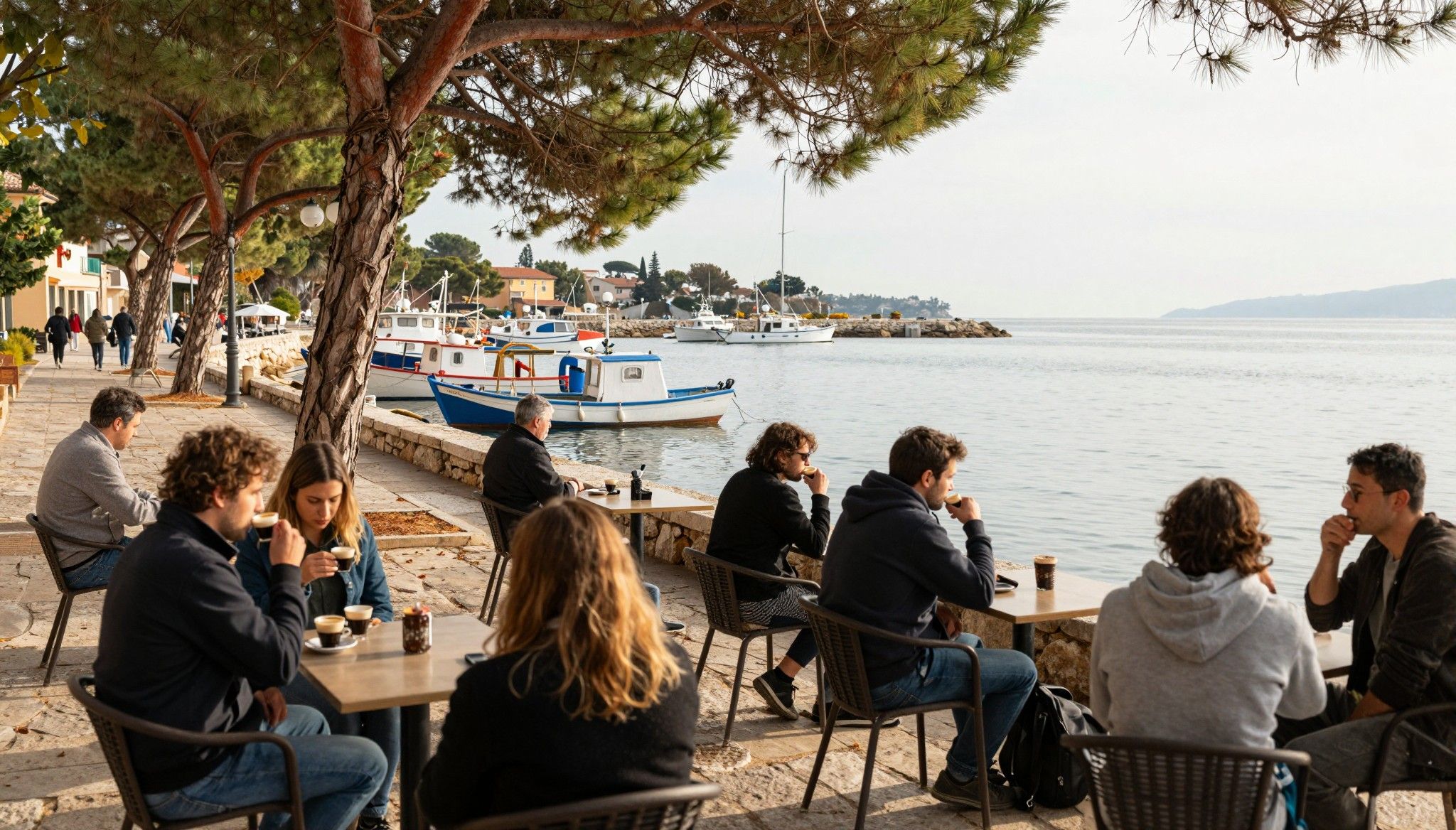
Days here are paced by light and local rituals: early espresso by the sea or under plane trees, long market runs for fresh greens and wild‑foraged herbs, and late dinners that begin when the air cools. In Athens you’ll find pockets of green — Kifisia’s gardens, Pangrati’s tree‑lined lanes — while the Peloponnese and Epirus feel like being invited into an ancient, breathing backyard. Living in Greece means frequent walks, seasonal food, and neighbors who trade bread and advice as naturally as they trade olives.
Neighborhoods that feel like ecosystems
In Athens, Koukaki hums with families and small artisans; Kolonaki offers cafe life and green squares; the Athenian Riviera (Glyfada to Vouliagmeni) blends pine‑lined promenades with modern marinas. On the islands, look beyond Mykonos’ gloss to Kea or Antiparos for olive groves and quieter winter life. In Epirus and Peloponnese towns such as Nafplio and Mani, stone houses sit among maquis and oak forests, promising more privacy and a stronger link between home and land.
Food, markets and small daily rituals
Picture buying fish at Varvakios market at dawn, then returning to a terrace where bougainvillea frames a rough stone wall. Seasonal produce drives menus: spring greens, summer figs, autumn chestnuts. Small producers and community markets keep the food loop local, which suits buyers who want to garden, cook with neighbors, and source most ingredients within a few kilometers.
- Lifestyle highlights: morning markets, beach swims, pine‑framed hikes, village festivals, tavernas with local wine, weekend olive‑picking
Making the Move: Practical Considerations
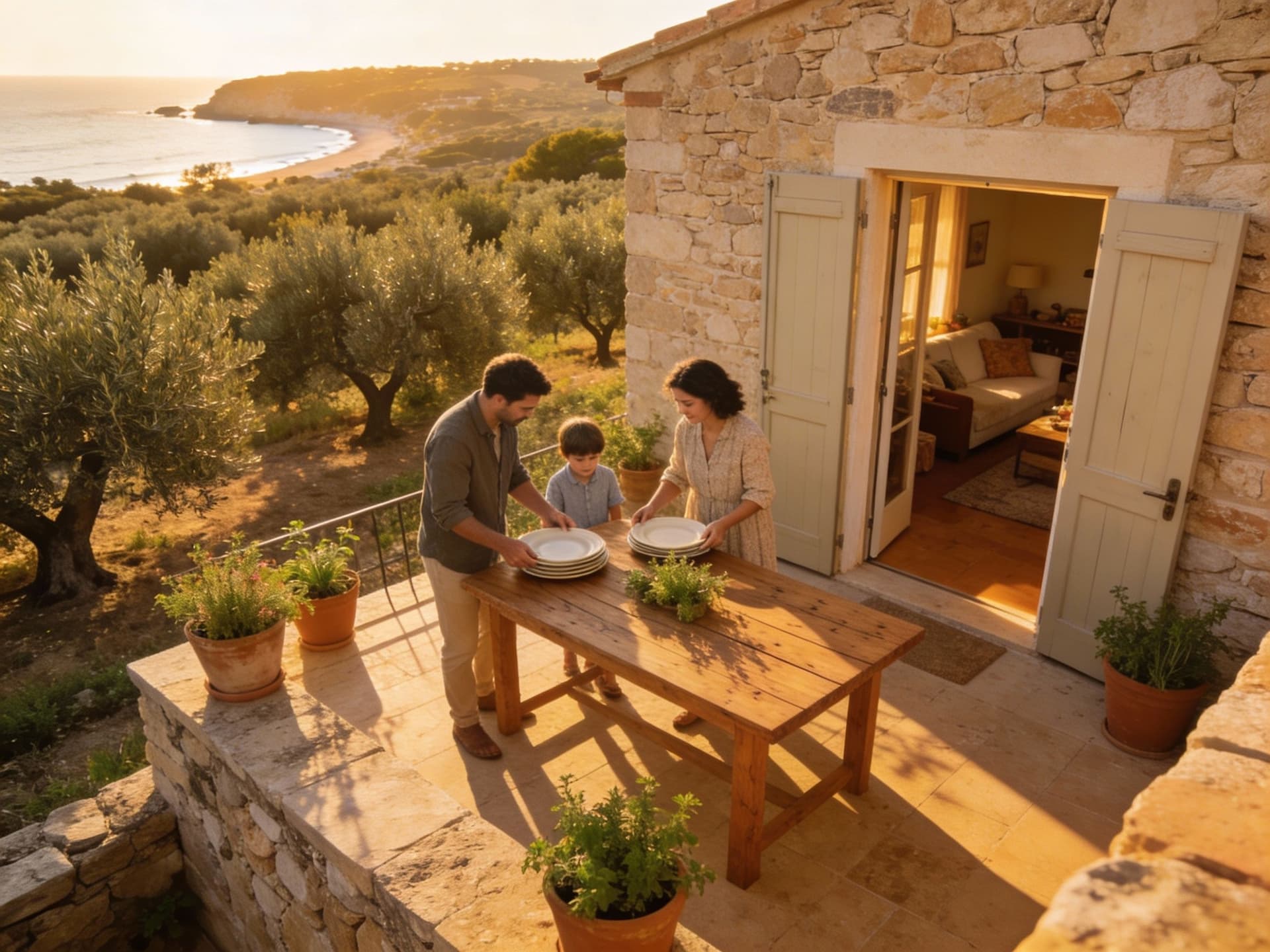
The romance of an almond tree in bloom meets paperwork and local rhythm. Greek buying has quirks: local planning rules that protect landscapes, recent policy shifts on short‑term rentals, and evolving renewable‑energy regulations that affect how a home performs and what you can add to it. Marry the lifestyle you want with a practical checklist: accessibility in winter, proximity to healthcare and market life, and realistic maintenance expectations for stone and timber buildings.
Property styles and how they shape life
Traditional stone houses in Mani or Zagori come with thick walls that regulate temperature and a tactile connection to place; modern, low‑energy villas on the Athenian Riviera prioritise daylight, insulation and solar readiness. For island buyers, choose homes with cisterns, shaded outdoor rooms and durable, salt‑resistant materials. Think beyond square metres: terraces, pergolas and orchards are often where life happens.
Working with local experts who share your values
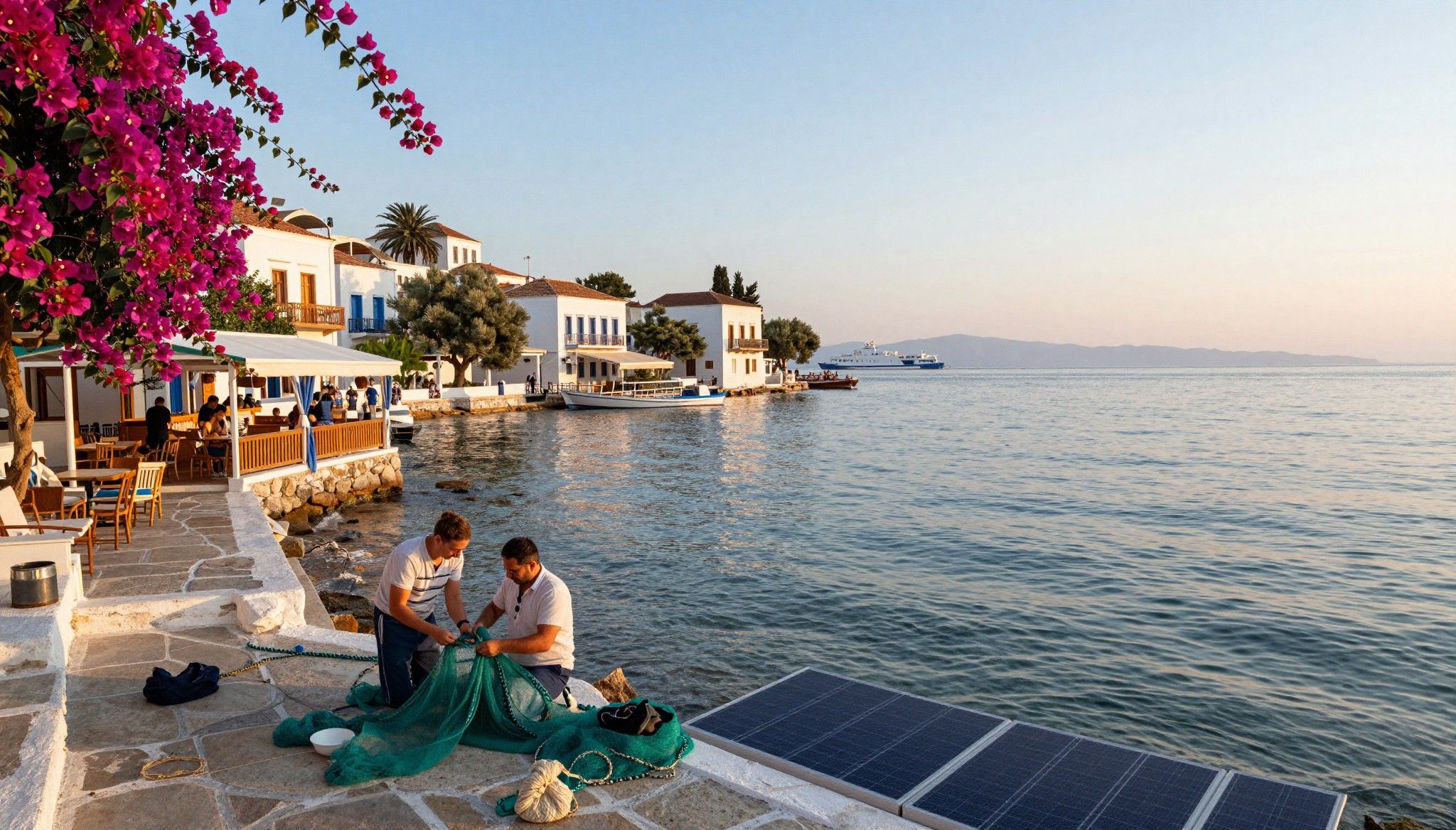
- Engage an agent conversant with conservation rules; hire a Greek‑speaking architect for renovations; ask an energy consultant about solar and battery options since recent laws changed net‑metering to net‑billing; confirm municipal plans that protect forests. These steps protect lifestyle aims—shade, water, biodiversity—while ensuring legal compliance and long‑term stewardship.
Insider Knowledge: What Expats Wish They'd Known
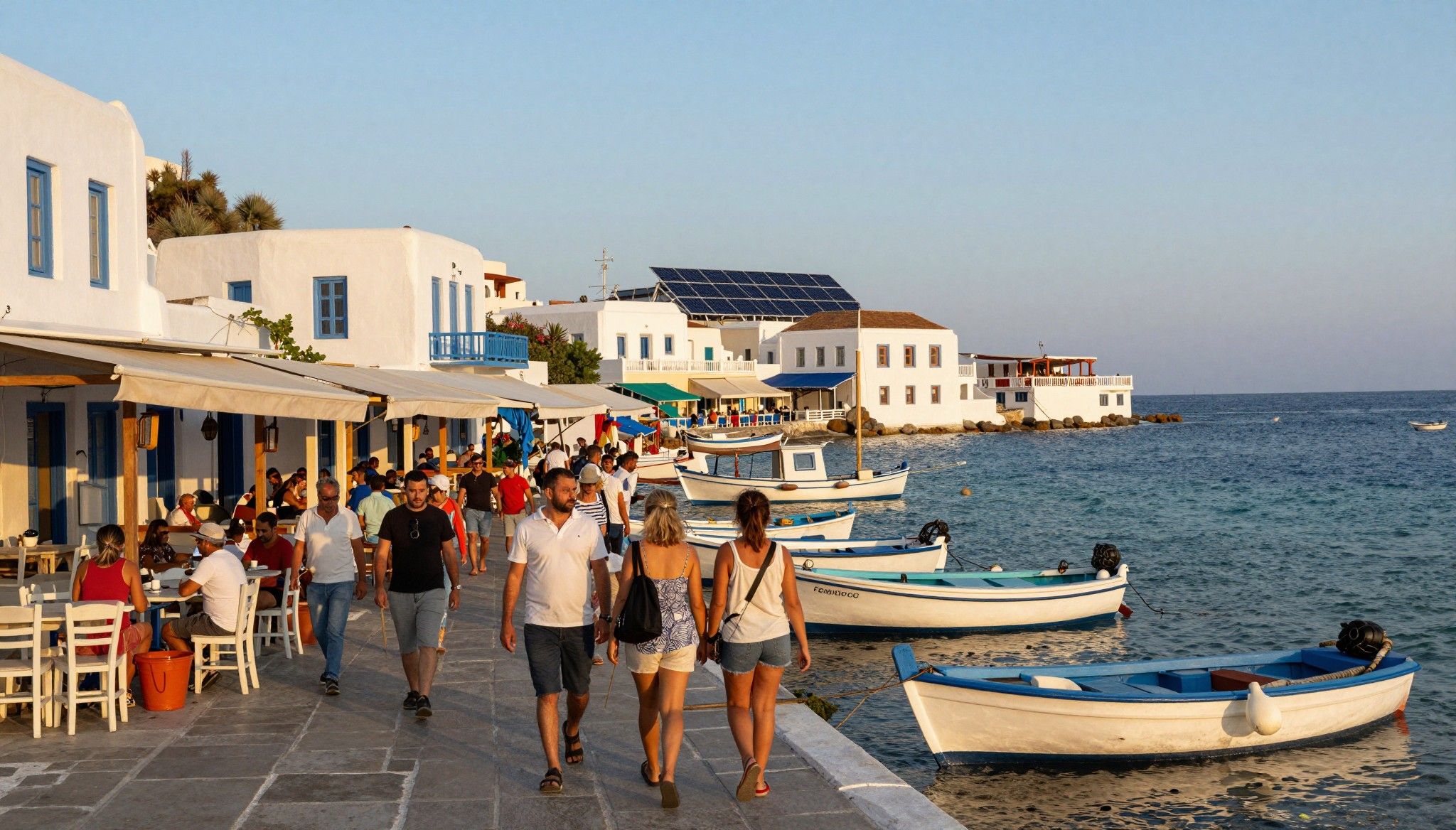
Expats often say the surprise wasn’t the paperwork but how social life and seasons shape property value. Summer can be theatrical—full markets, packed tavernas—while winter reveals who truly lives in a place. Recent measures to curb excessive tourism and regulate short‑term lets mean that properties once bought for Airbnb returns now behave differently. For buyers seeking a green, year‑round life, this can be an advantage: communities regain balance and the best neighborhoods become more liveable outside summer months.
Cultural rhythms and community integration
Learn basic Greek phrases—‘kalimera’, ‘efharisto’, ‘kalo taxidi’—and the instinct to greet shopkeepers. Join local festivals: a panigiri (village feast) reveals food networks and elders who hold repair knowledge for stone roofs and terraces. Volunteering at olive harvests or community beach cleanups is the fastest way to meet neighbors and understand seasonal stewardship practices.
Long‑term life and stewardship realities
Think of a Greek home as an evolving project: gardens mature, dry‑stone walls settle, and shared infrastructure (village wells, access roads) changes with community investment. Buyers who plan for incremental upgrades—rainwater capture, native planting, insulation and solar‑ready systems—find properties become kinder to both pocket and planet over time.
- Practical next steps: visit in shoulder seasons, map local services, meet a neighbourhood architect, check short‑term rental rules, and request recent municipal land plans
Greece gives a rare promise: to live where seasons are teachers and a home is stitched into the landscape. If you want mornings of sea light and afternoons in olive shade, plan with locals who preserve that way of life. Start with a mindful visit, bring curiosity and patience, and choose partners—agent, architect, solicitor—who honour both the property and the place. When you buy this way, you do more than own a house: you join a living community.
Norwegian market analyst who relocated from Oslo to Provence; guides investors with rigorous portfolio strategy and regional ecological value.