Greece’s Verdant Coasts: Lifestyle Truths & Smart Steps
For eco-minded buyers, Greece’s islands and green coasts offer deep lifestyle value—visit off‑season, prioritise water strategy and work with local experts to match property to place.
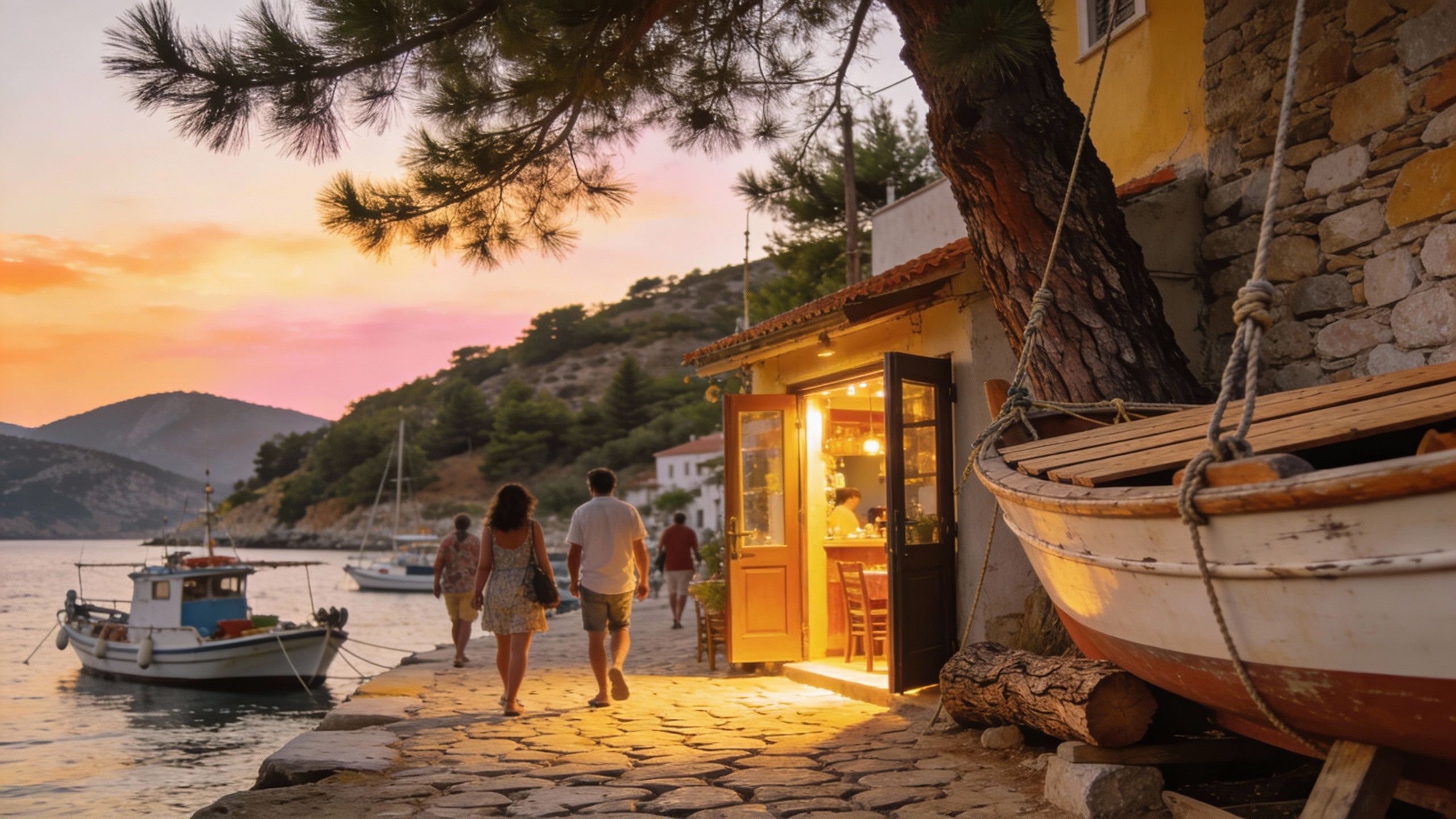
Imagine waking to the scent of pines and salt, walking out to a narrow street where a barista already knows your name and the fisherman's son is selling the morning catch. In Greece that small ritual—market, coffee, sea—shapes how people choose homes. For green-minded buyers, the country’s rugged coastline, olive‑terraced hills and cool pine forests offer a rare mix: landscapes that demand low-impact design and reward it with a life that feels both simple and richly textured.
Living the Greek Verdant Coastlife
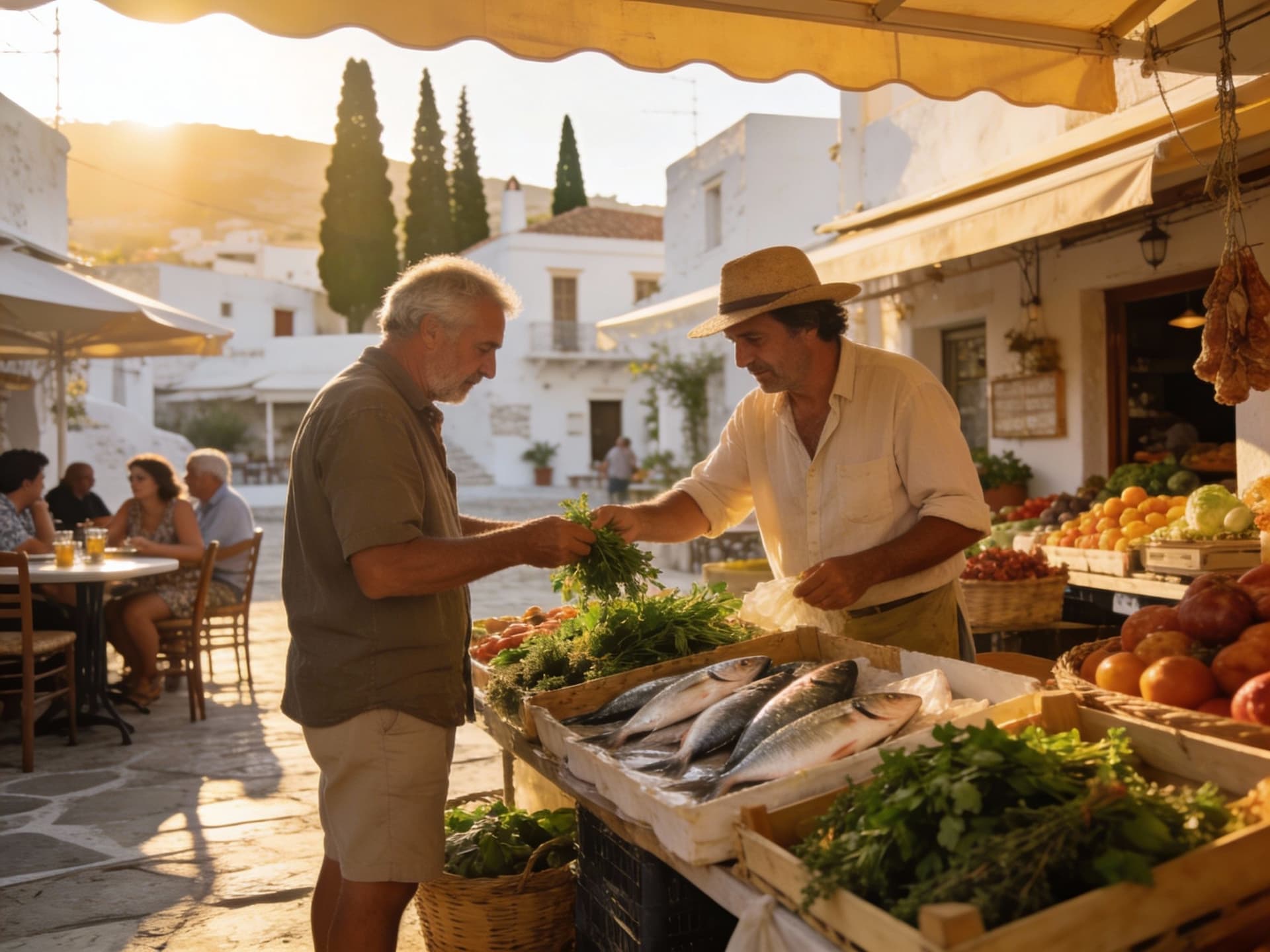
Greece’s coastal towns and islands are not all the same. The Cyclades bring wind-bleached white, dry scrub and crystalline water; Corfu and the Ionian islands give you cypress-lined bays and dense woodland; Crete and the Peloponnese offer mountain trails that tumble to secret beaches. That variety means lifestyle decisions—shade, insulation, water collection—are as important as square meters when choosing a property here. Recent market analysis shows island demand rising, but the lived reality still hinges on seasons, access and ecological fit.
Neighbourhoods that feel like belonging
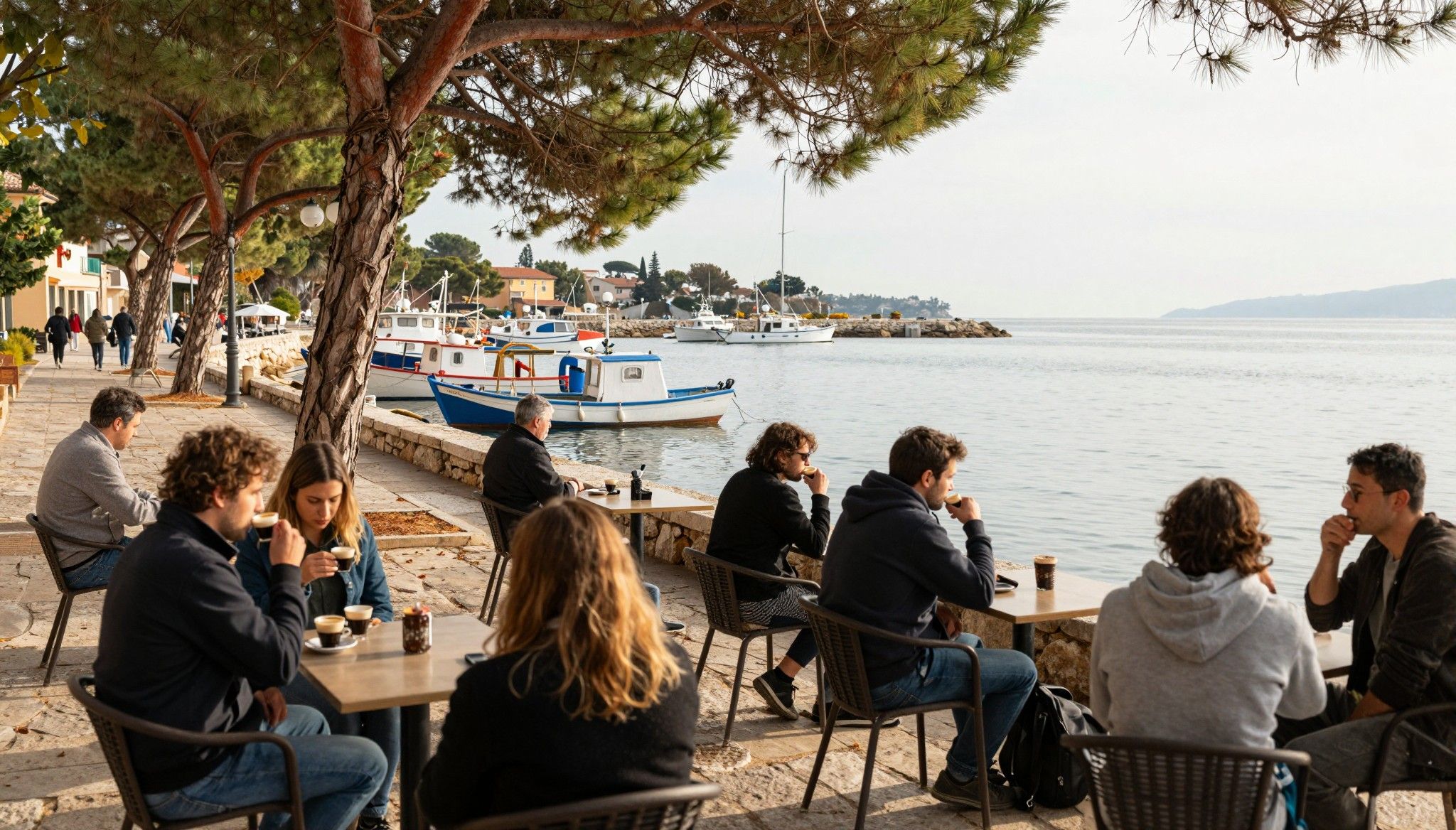
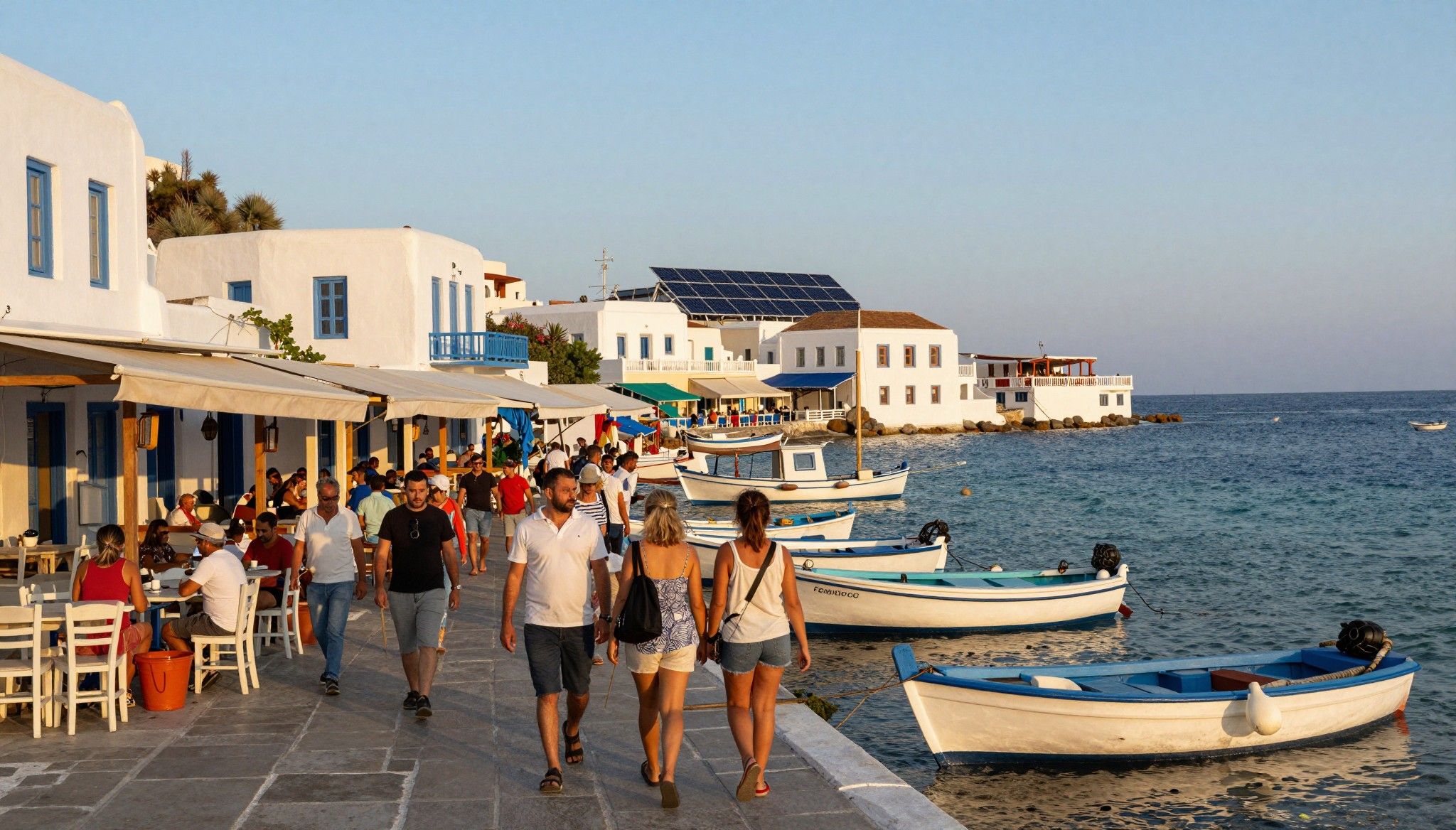
In Athens, neighborhoods such as Koukaki and Pangrati combine neighborhood bakeries, shady squares and small-scale gardens—they feel urban but human. On the islands, look beyond the loud postcards: in Paros’ Naoussa you’ll find cafés spilling onto cobbled lanes, while in Naxos’ Chora the mornings are for market shopping and evenings for tavernas with local cheeses. These are not sterile resort strips; they are living places where neighbours know one another and civic life happens on a human scale.
Food, markets and the ritual of season
Weekends in Greece are anchored by markets: figs, wild greens, fragrant herbs, slow-roasted lamb at village festivals and a neighbourhood kafeneio where conversations drift for hours. This seasonal food culture informs how locals use space—roof terraces for drying herbs, cellars for preserving, shaded courtyards for afternoon rest—and why many buyers prefer properties with outdoor kitchens, productive gardens and rainwater storage.
- Shaded café terraces in Koukaki (Athens)
- The fish market and morning stalls of Naxos Chora
- Olive groves and walking trails around Messinia’s coast
- Hidden pebble coves near Kea and Kythnos for morning swims
Making the Move: Lifestyle‑First Practicalities
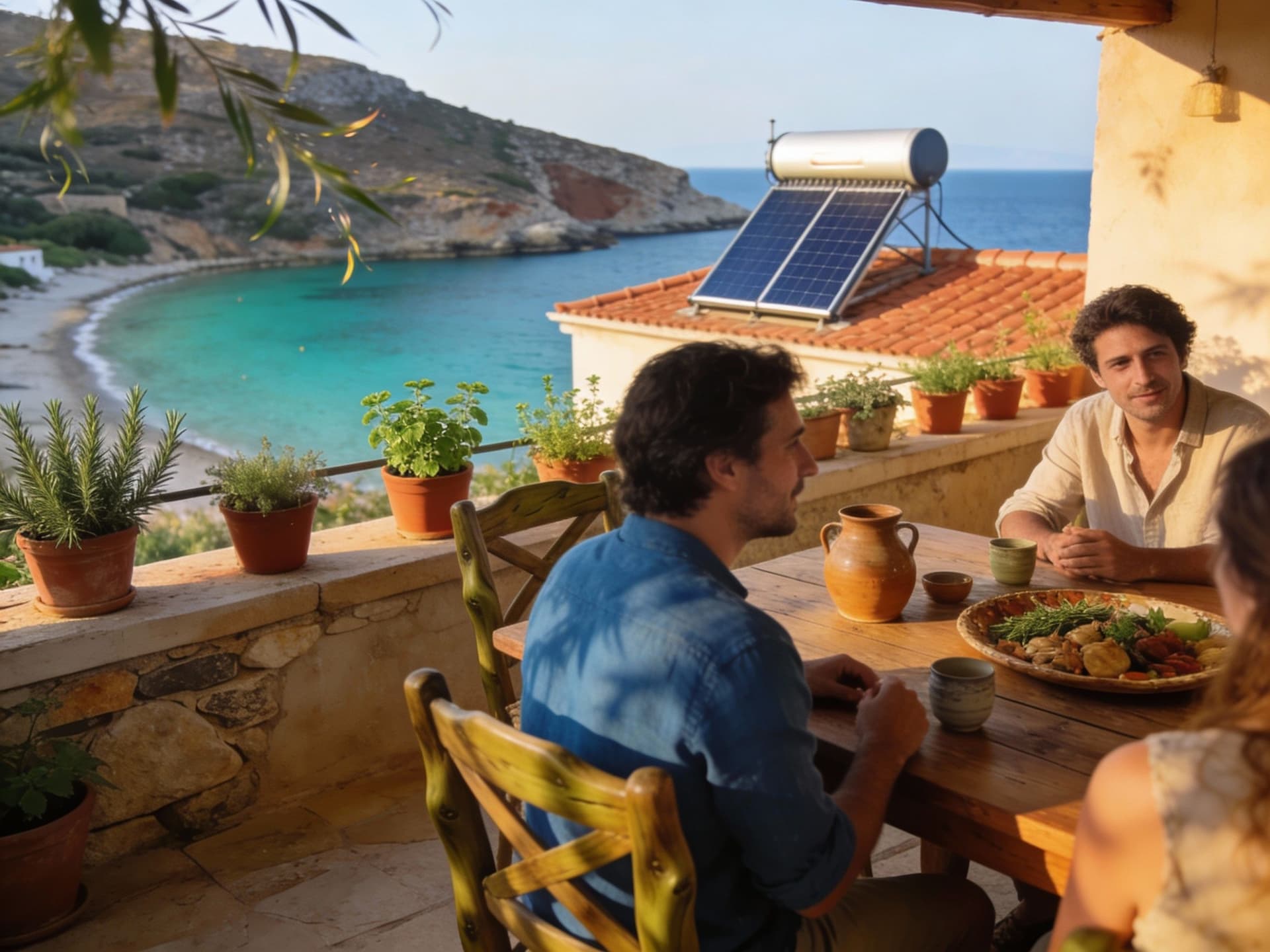
Dreams are the entry point; paperwork and practicalities shape the long-term life. In Greece that often means balancing access (ferries, roads), seasonal exposure (sun, meltemi winds) and the ecological suitability of a property (native planting, water management). Market reports from 2024–2025 record rising prices across many islands and mainland hotspots, so a lifestyle match—rather than chasing a name—is the clearest route to steady satisfaction.
Property styles that support verdant living
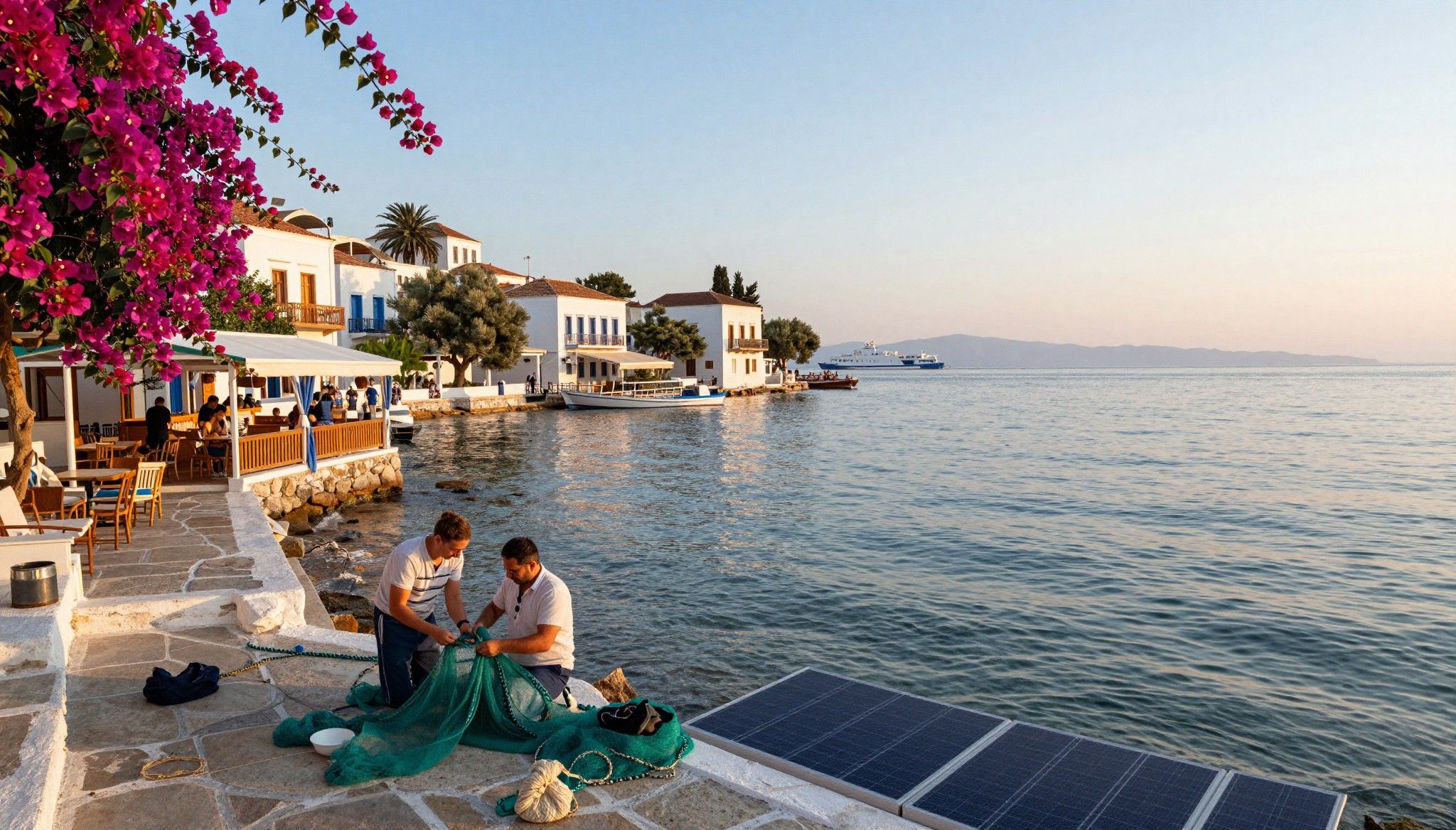
Stone-built village houses with thick walls stay cool in summer and reduce energy needs; terraced plots let you plant orchards and slow runoff; whitewashed Cycladic houses benefit from reflective surfaces but need wind-protected landscaping. If you want a garden that feeds you, prioritise plots with water access and sun-shade balance. Sustainable features—solar hot water, photovoltaic panels, greywater reuse—aren’t just green perks here, they’re practical responses to climate and infrastructure realities.
Work with local experts who live the lifestyle
Choose agents who understand seasonal rhythms, local planning limits and ecological sensitivities. A good local agency will point out microclimate differences between neighbouring coves, the hidden cost of bringing utilities to remote plots, or whether a pergola needs special approval. They’ll also help align your lifestyle priorities—garden, workshop, studio—with neighborhoods where those lives are actually lived, not merely marketed.
- Audit how the place will feel year-round: visit in shoulder seasons to test access and services.
- Prioritise water strategy: ask about cisterns, municipal supply reliability and irrigation rights.
- Check building restrictions and heritage protections—many islands limit building volume and materials.
- Balance rental potential with community impact—new short‑term let rules are shifting local markets.
Insider Knowledge: What Expats Wish They’d Known
Expats often arrive enchanted by summers, and only later notice bureaucracy, winter isolation and repair logistics. The best advice we hear again and again from people who stayed: slow down. Spend winters where you think you might buy; learn a few Greek phrases; try local markets and clubs. Where you’ll build friendships—and whether a village has an active community council—matters as much as water views.
Cultural rhythms and community life
In many places, social life follows a slow tempo: late dinners, festival weeks where the whole village gathers, and a preference for face-to-face dealings. Respect for local practices—where façades are kept simple, or where planting uses only native species—is both practical and socially smoothing when you buy. Integration is easier when you show interest in local stewardship rather than treating a place as a backdrop.
Long-term stewardship over short-term gain
If you want your Greek property to feel like home in ten years, plan for resilience: shade trees, water-wise gardens, passive cooling and materials that patina well. Many owners find that modest investments in local craftsmanship—stone retaining walls, lime plaster, reused timber—deliver the most satisfaction and lowest lifetime costs, and they help the property belong to the landscape rather than dominate it.
- Choose native plants (olive, lentisk, rosemary) to reduce irrigation needs.
- Consider solar hot water first—simple, effective and often locally supported.
- Use local stone and lime finishes for cooling and breathability.
Greece’s verdant coasts offer an uncommon life: sea mornings, market afternoons, and evenings threaded with community. But to live well here you must match the property’s ecological character to your rhythms. Start by visiting in different seasons, ask local agents about microclimate and eligibility for eco upgrades, and prioritise practices that make a home fit its place. When you do, the country repays you with a slow, rooted joy that feels like belonging.
British expat who traded Manchester for Mallorca in 2017. Specializes in guiding UK buyers to luxury Spanish estates with clear navigation of visas and tax.