Why Autumn, Not Summer, Wins in Italy's Property Market
Autumn house‑hunting in Italy reveals real community life, seasonal risks, and negotiation advantages — use off‑season visits and local craft experts to buy wisely.
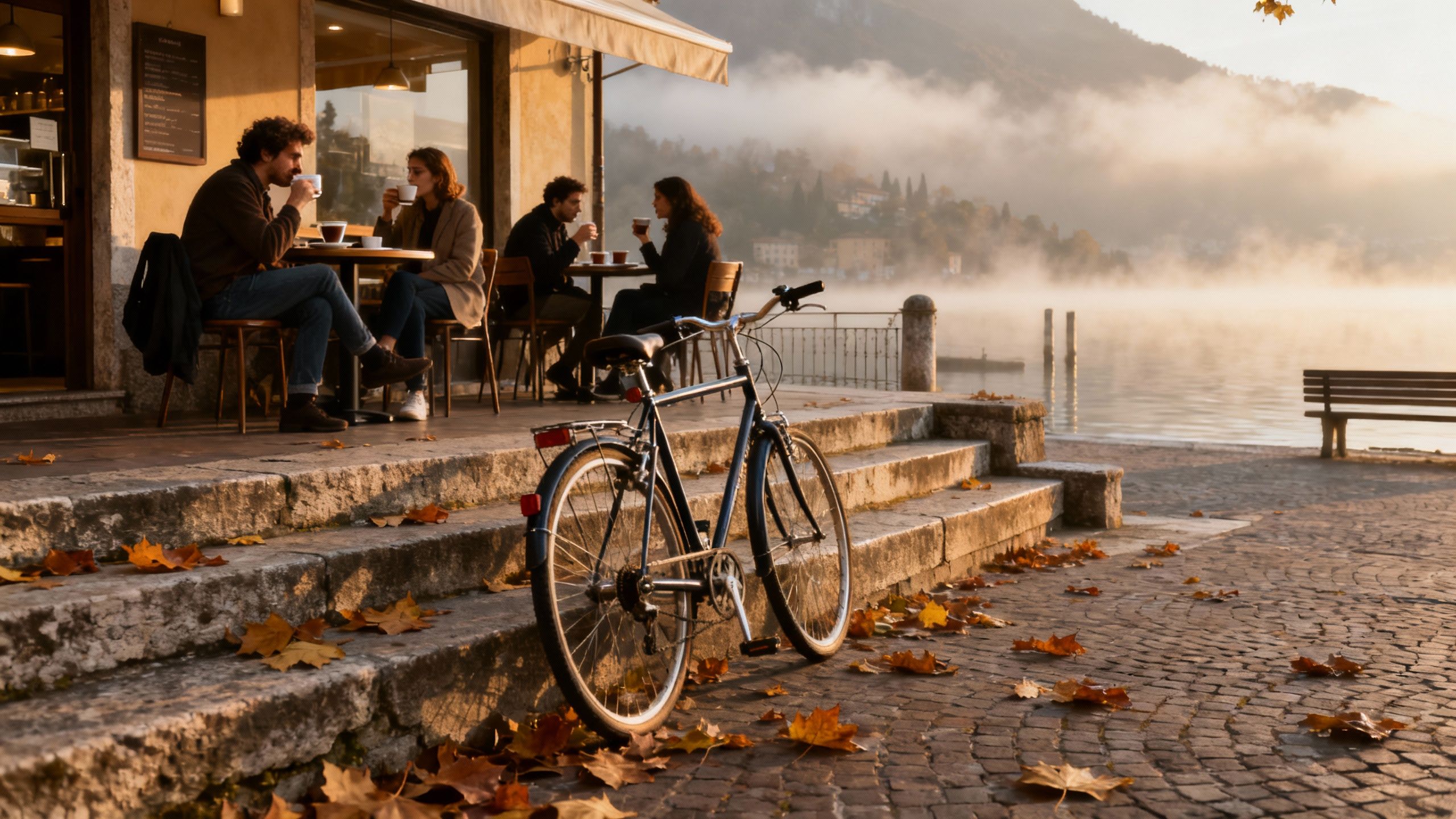
Imagine stepping out at dawn onto a cobbled piazza in Orta San Giulio, the lake a sheet of pewter and the bakery windows fogged with steam. That hushed, off-season Italy — markets waking slowly, trattorie tasting of simmered ragù, trails bright with autumn light — is where homes reveal their true rhythm. For international buyers who want a property that breathes with the seasons and a community that’s more than a summer postcard, timing matters as much as place. Recent market analysis shows price and volume shifts across Italy’s regions, and autumn house-hunting often uncovers both lifestyle clarity and negotiation advantage.
Living the Italy lifestyle — why season and place are one
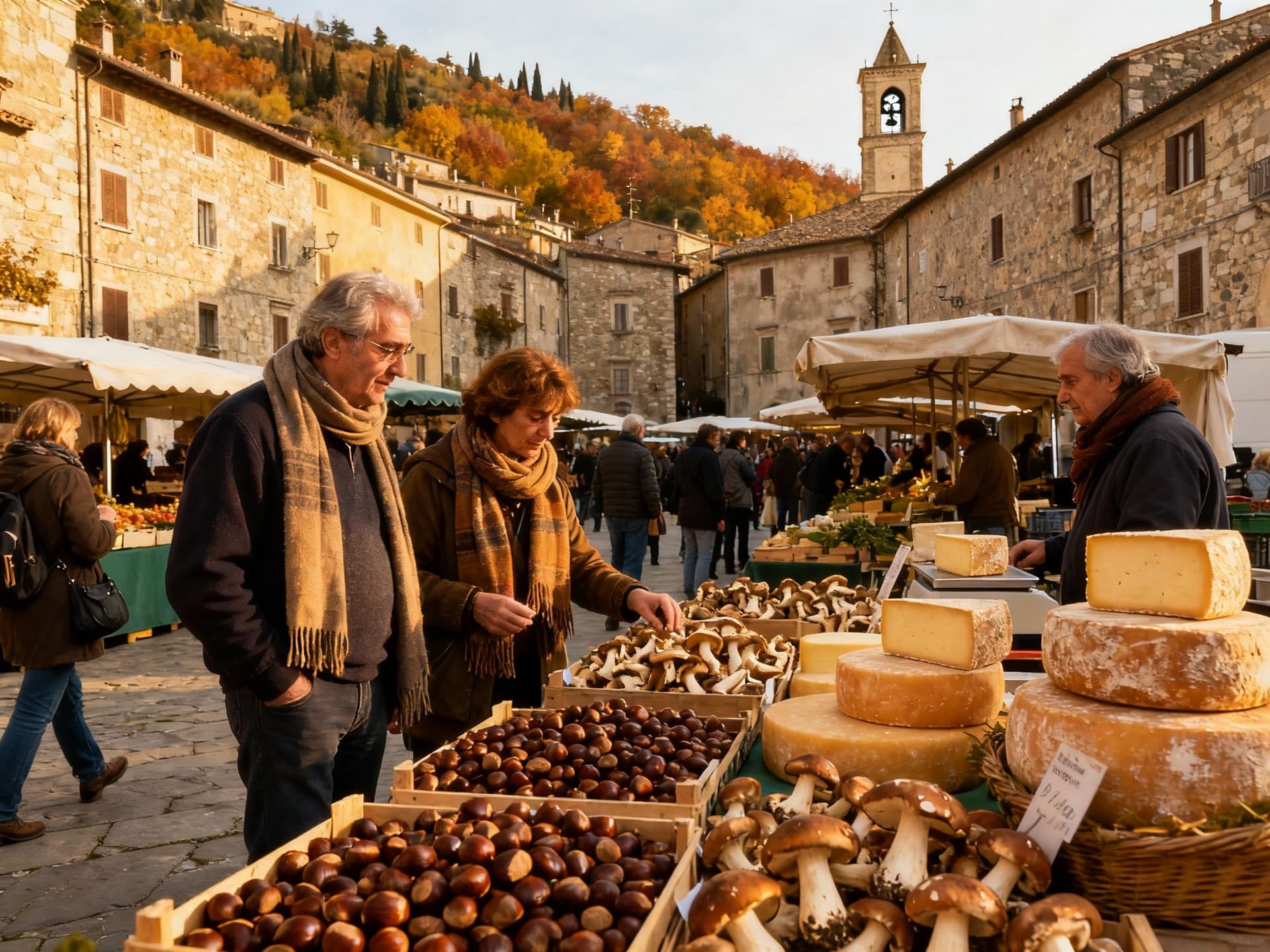
Italy’s day-to-day life is governed by seasons: market stalls bulge with porcini and chestnuts in autumn, vineyards flush gold in late September, and coastal towns go quiet after ferragosto. These rhythms affect neighborhood atmospheres and the practical joys of home — a sunlit terrace in June, a wood-fired stove in December. National house-price indices and quarterly reports show subtle seasonal movement in prices and sales volumes, making autumn and winter more than poetic backdrops; they are strategic windows for buyers who care about how a property actually feels year-round.
Northern lakes & Alpine towns: calm, craft, and forges of community
In places like Lake Como, Trentino and the Dolomites, mornings are defined by bread smoke and mountain light. Small workshops still mend leather and carve wood; wood-fired ovens anchor communal rituals. These towns keep a strong local craft identity that shapes restoration projects and materials — think larch beams, lime-plaster walls and living roofs. Regional price maps highlight higher per-square-metre figures in the north, but they also reveal properties with deep restoration potential that reward patient, eco-minded buyers who can lean into local craft networks.
Coastlines & islands: summer frenzy, off-season truth
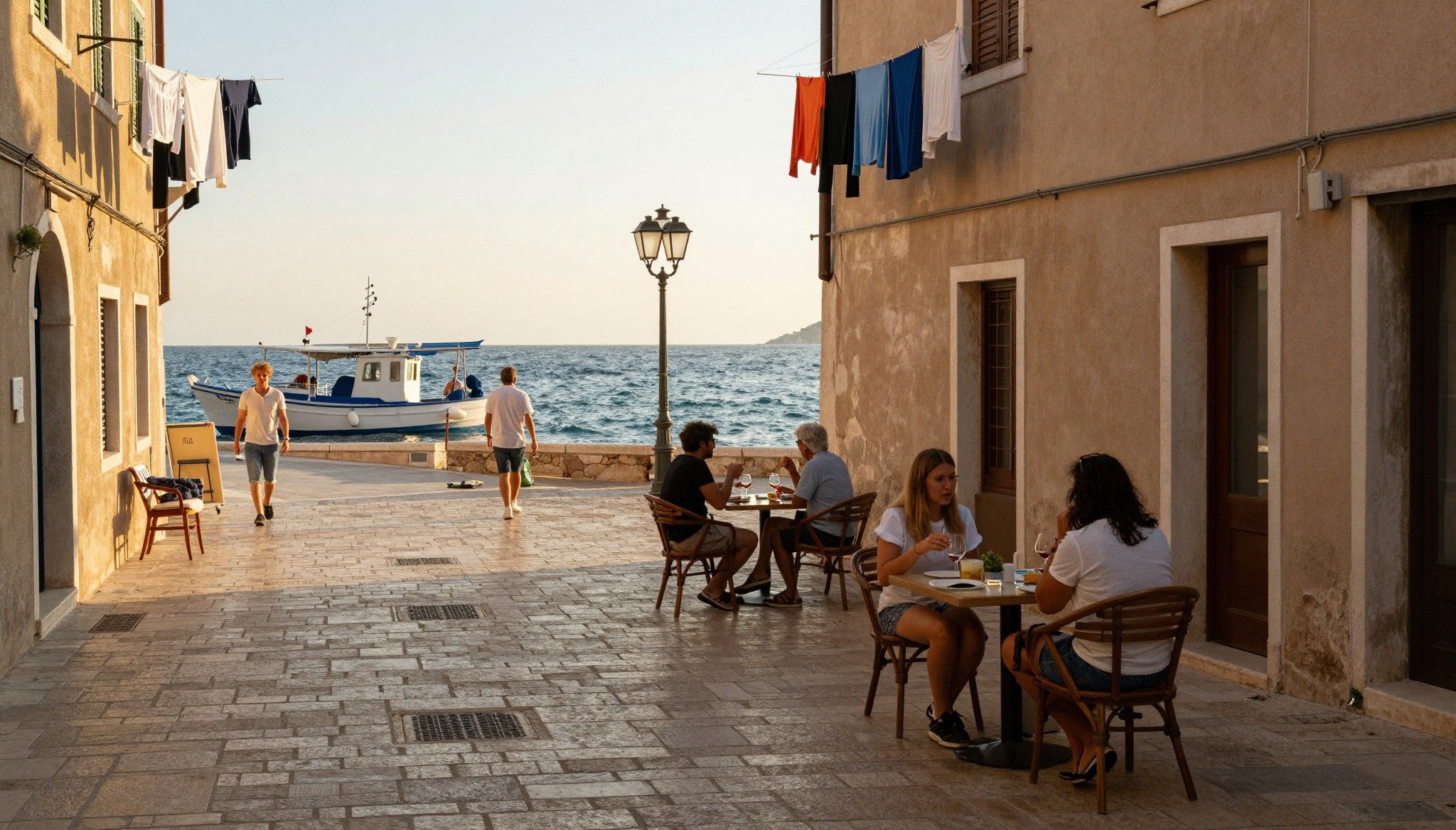
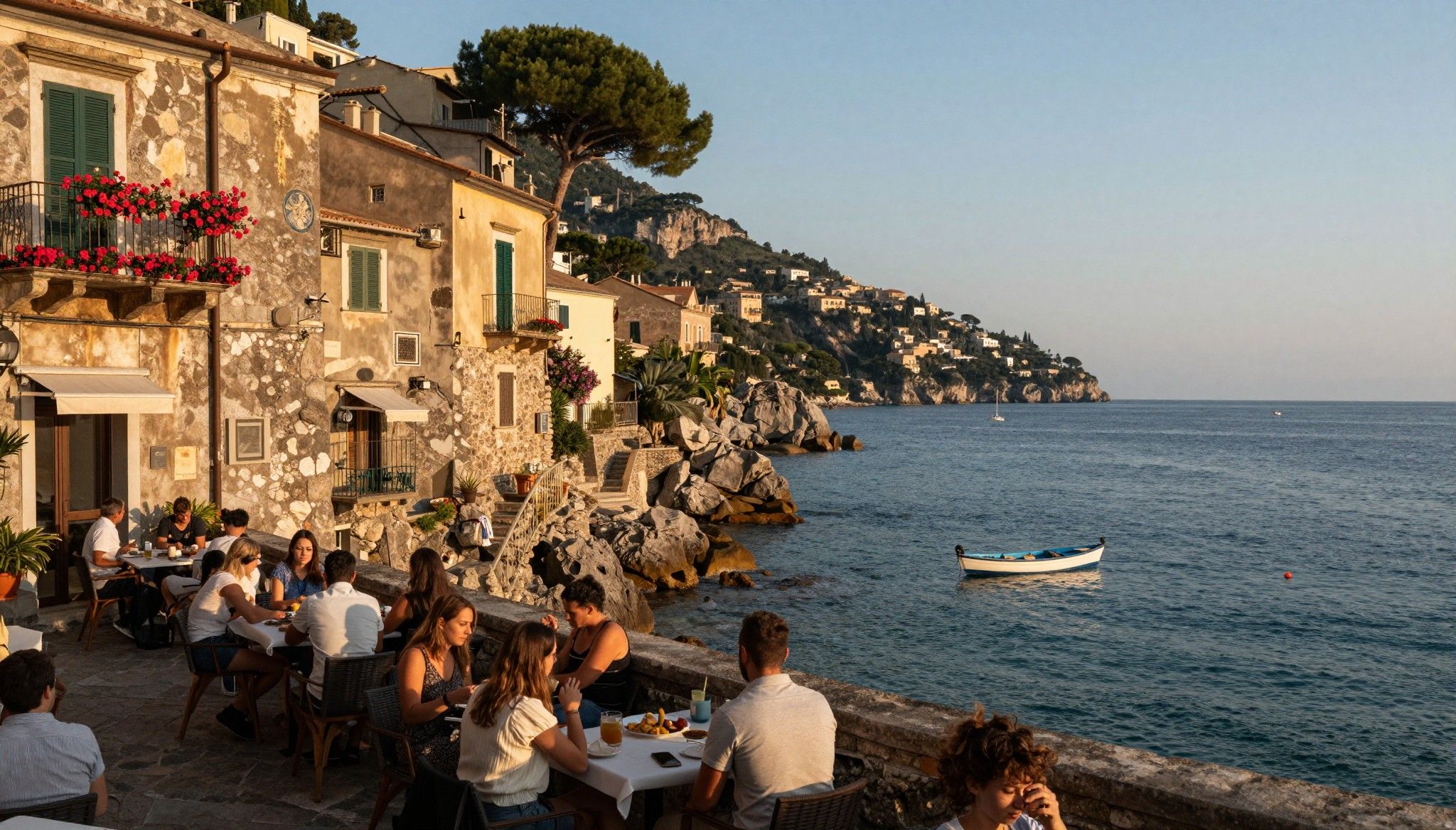
The Amalfi Coast, Sardinia and Sicily shine in July — but visit in October and you’ll meet the fishermen, market vendors and restaurateurs who are the year-round heart. Off-season living exposes hidden downsides of high-season glamour: maintenance needs neglected after intense summer use, seasonal rental competition, and the real cost of holiday-cash-flow assumptions. Italy’s HPI and sales reports show price growth that can obscure micro-opportunities in quieter months; autumn reveals properties that are loved, not just listed for summer rental headlines.
- Lifestyle highlights to scout in person (autumn favors clearer answers)
- Market mornings: farmers’ markets in Mercato Centrale (Florence) and Campo de' Fiori (Rome) to test food rhythms and supply.
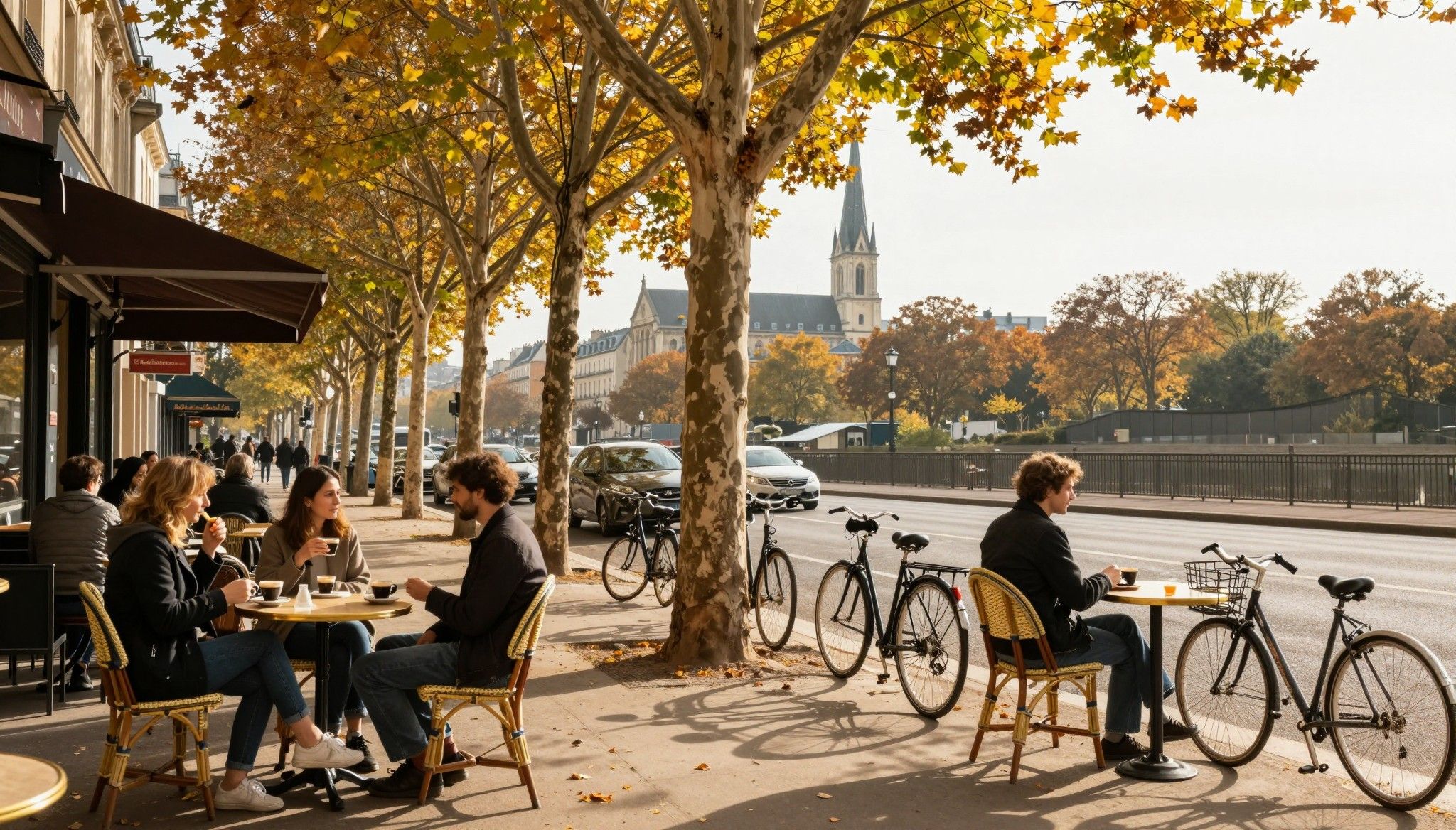
- Corner cafés: mornings in Milan’s Navigli versus Bologna’s Quadrilatero to taste weekday coffee culture.
- Trail access: check footpaths and communal forest routes around Tuscan hamlets and Alpine villages for year-round outdoor life.
Making the move: practical considerations that honor the lifestyle
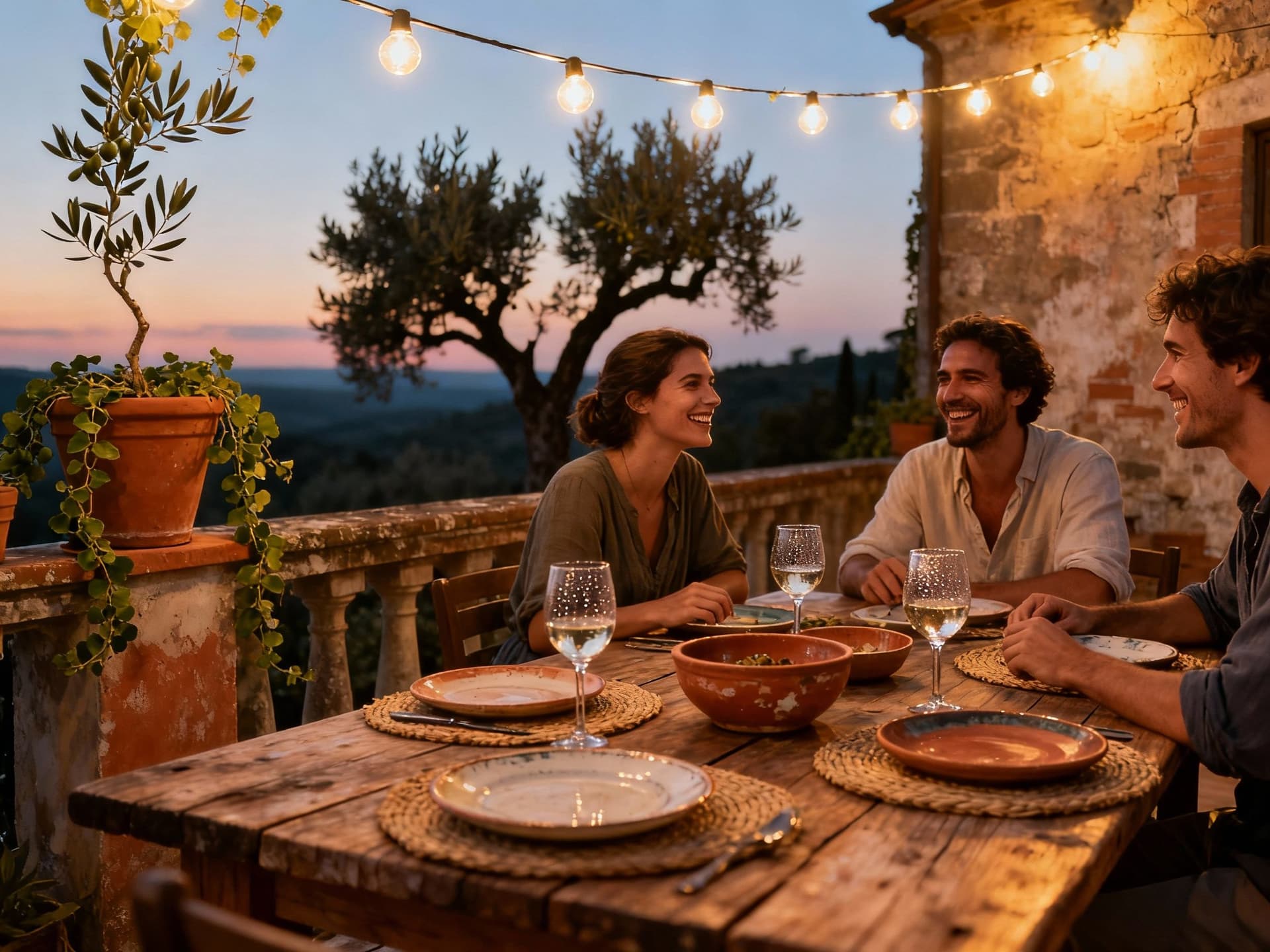
Dreaming of morning markets and sunset terraces is the easy part; translating that dream into a durable home requires local know-how. Regional market dynamics, renovation rules and seasonal maintenance costs vary wildly between Lazio, Puglia and Lombardy. Working with agents who understand local ecology, traditional materials and off-season community life saves money and preserves the authenticity of your purchase. Use market reports to set realistic price bands, but let place-based discovery — walks, seasonal stays, conversations with artisans — steer the final pick.
Property styles and how they shape daily life
Stone farmhouses and borgo houses encourage slow, communal living: thick walls, thermal mass, and courtyards that collect sun and rainwater. Seaside apartments favor cross-ventilation and shutters; they also need salt-conscious finishes and storm-ready landscaping. New eco-refurbs with PV, heat pumps and greywater systems simplify year-round comfort but require upfront planning and local certifiers. Match the property type to your seasonal habits: do you want a high-sun summer home or a harvest-to-winter life where you compost and cellar wine?
Local experts who matter — not just brokers
Find advisors who include a conservation-minded architect, a geometra familiar with historical materials, and an agent who knows local market seasonality. Tax schemes, residency incentives and incentive windows (for renovation credits) can change the financial calculus — for example, northern cities have drawn foreign professionals with favourable tax offers, shifting local demand. Your team should help you weigh lifestyle upgrades (like a rainwater system or passive shading) against long-term running costs and local planning permissions.
- Practical steps to align lifestyle and purchase (autumn-first approach)
- Arrange a market-season visit in September–November to see full-year life and meet neighbours during harvest and market cycles.
- Bring a conservation architect to early viewings to identify invisible damp, insulation gaps and traditional features worth preserving.
- Request local bills and maintenance records; quieter seasons often reveal heating inefficiencies and roof wear hidden by summer use.
Insider knowledge — what expats wish they’d known
Expats often arrive enchanted by markets and sunsets, only to discover seasonal silences, local social codes and the true costs of maintaining older stonework. Many wish they’d visited outside high season to see transport, medical access and neighbourhood life in a quieter register. National statistics on price movements are useful, but the best purchase decisions come from living a few days in winter, watching municipal services, and asking where residents eat when tourists are gone.
Language, rhythm and community: small ways that matter
Learning simple Italian phrases opens doors faster than a glossy reference. In hill towns, invitations to a Sunday focaccia or to help split wood are earned by consistent presence — show up in autumn and winter and you’ll be invited to festivals and the local chestnut roast. These small ties translate into practical help: neighbours who recommend a trusted builder, a gardener who understands native hedges, or a baker who keeps a spare loaf for you.
Long-term lifestyle and stewardship
Think beyond the deed: a sustainable Italian life often includes solar arrays sized for low-season heating, rainwater harvesting for gardens, native-plant hedges that support pollinators, and renovation choices that preserve breathable walls. These investments protect both the character of the property and your long-term costs. Stewardship is as local as choosing the right lime plaster and as strategic as timing renovations to benefit from incentive windows.
- Red flags to watch for during off-season visits
- Empty streets that stay empty year-round — ask why businesses closed and whether infrastructure supports full-time living.
- Evidence of deferred maintenance: peeling render, stained rafters, or heating systems that only run in mid-winter.
- Seasonal water access or road closures — check municipal winter plans and neighbour experiences.
- Next steps to fall in love responsibly
- Book an autumn exploratory trip focused on markets, services and seasonal infrastructure rather than open-house theatre.
- Build a local team (agent, geometra, conservation architect) who value place-first refurbishments and can translate permits and incentives.
- Ask for recent utility bills, maintenance records and neighbours’ perspectives — these practical details tell the full lifestyle story.
Autumn in Italy is a clarifying season: light that shows true colours, markets that reveal daily supply, and streets that test a place’s year-round hospitality. If you want a home that feels integrated with landscape, community and craft, plan to see Italy when it is not performing for tourists. Do the seasonal visits, bring specialists who care for old walls and new systems, and let place — not peak-season theatrics — make the choice. When you buy this way, you’re not just purchasing a property; you’re stepping into the cyclical life of a region, and that makes all the difference.
Swedish advisor who left Stockholm for the Costa Brava in 2019. Specializes in sustainable, sea‑view homes for Scandinavian buyers and green finance insights.