Where Locals Buy: Malta's Under‑the‑Radar Neighbourhoods
Explore why Malta’s quieter villages and lesser‑known coastal towns often deliver better long‑term lifestyle value than the tourist hotspots, backed by recent RPPI data.
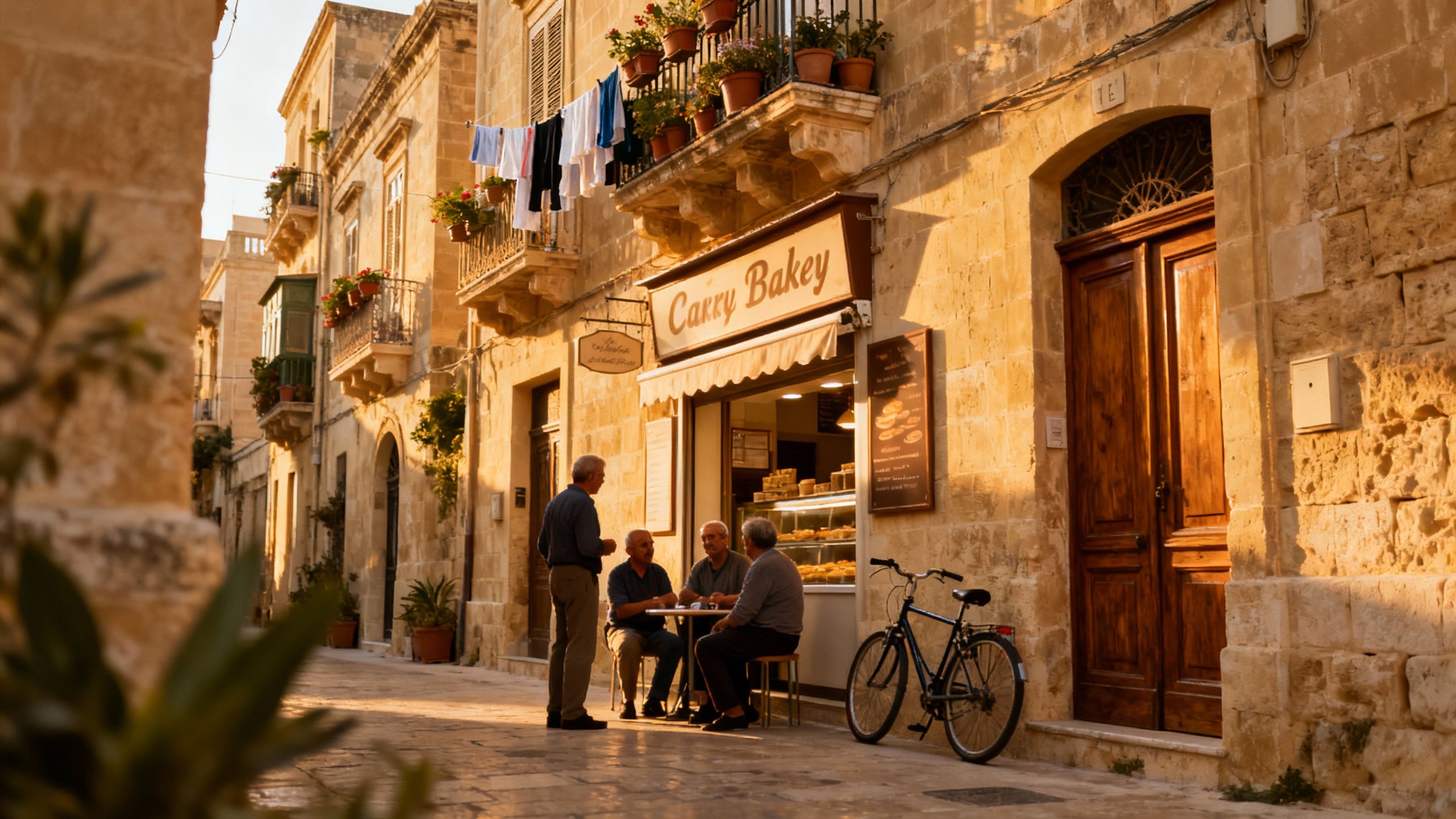
Imagine walking down a limestone alley in Żebbuġ at dusk, the air warmed by bakery ovens and a neighbour watering a tiny balcony garden. In Malta that feeling — of home folded into everyday life, of seasons marked by festa parades and market mornings — is often found away from the glossy waterfront promenades that first catch a buyer’s eye. This piece looks at the quieter neighbourhoods Maltese people actually choose, and what that means for international buyers seeking a green, grounded life on the islands.
Living the Maltese rhythm

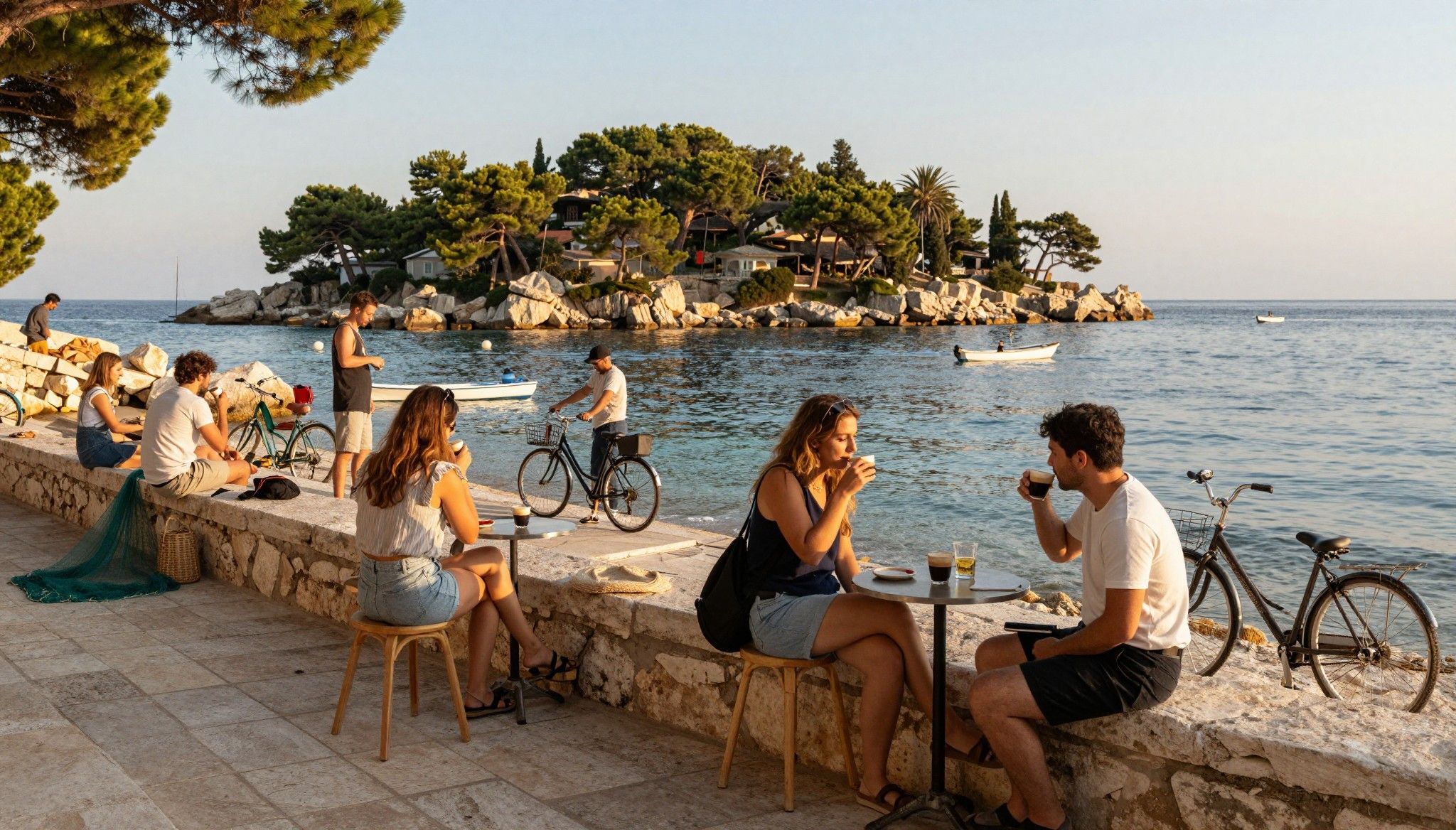
Daily life here is tactile: café espressos pulled at 8 am, fishermen mending nets by Marsaxlokk harbour, aperitifs on terraces that face inland courtyards rather than endless sea. The islands compress seasons into bright, convivial routines — spring wildflowers on rubble walls, summer sea dips, autumn harvest dinners and quieter winters where community ties thicken. These rhythms shape where locals prefer to live: somewhere compact, walkable and connected to a patch of soil, a market or a church square.
Neighbourhood spotlight: Żebbuġ, Rabat and the inland villages
Żebbuġ and Rabat offer the quiet textures Maltese buyers prize: stone houses with deep window wells, small workshops preserving traditional crafts, and communal boccio courts. These inland towns are where you’ll find family bakeries, neighbourhood bars that know your name, and modest gardens that support seasonal produce. For international buyers seeking green living, these places trade the postcard sea-view for human scale, lower exposure to tourist churn, and a sense of stewardship over a local landscape.
Coastal counterpoints: Mellieħa, Marsaskala and Gozo's villages
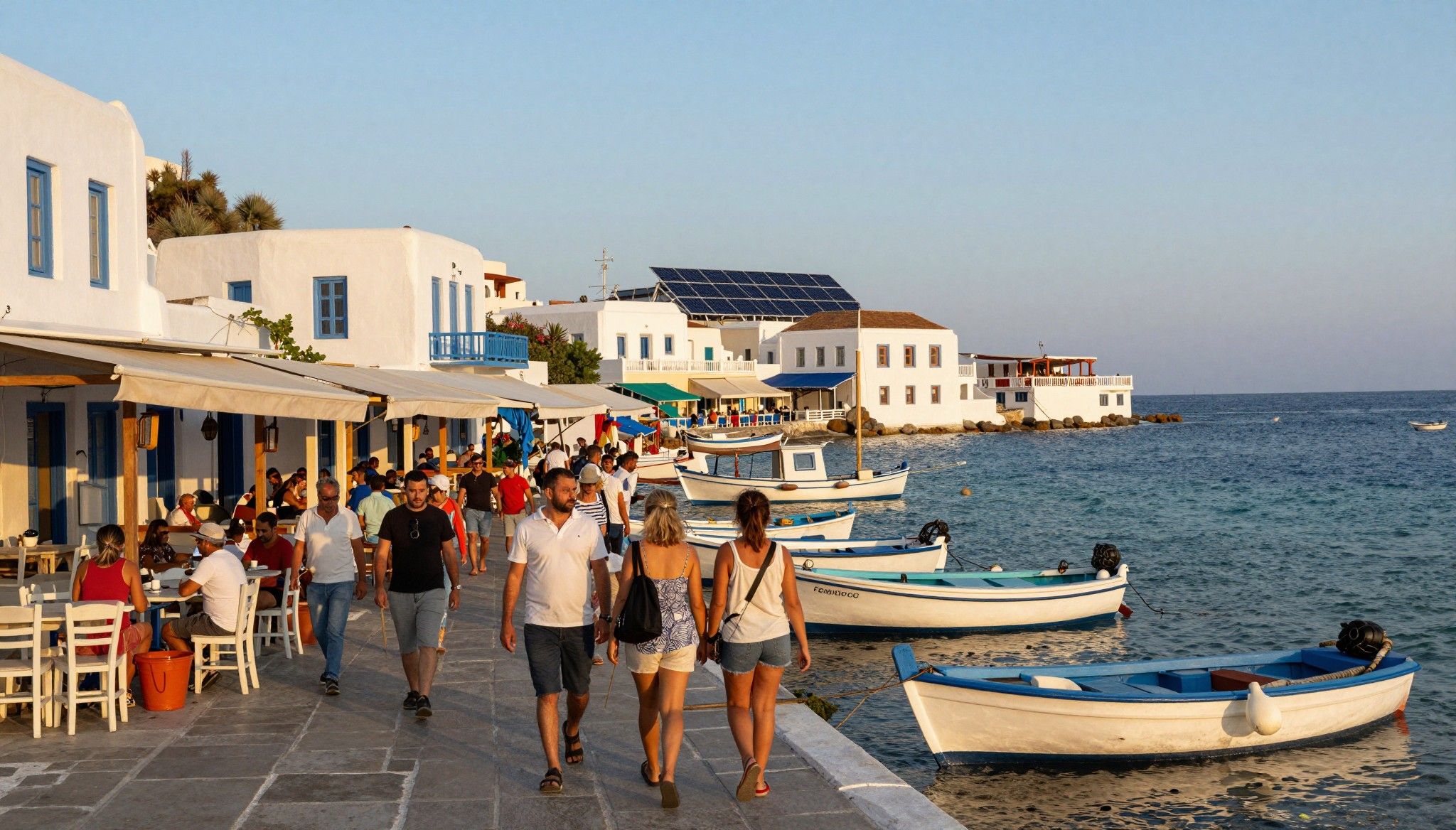
If you crave coastline but want less of the flash, look to Mellieħa’s bays, Marsaskala’s village harbour, or Gozo’s plateau villages. They offer beaches and fields in a single commute: morning swims followed by tending a small rooftop garden. Prices here often reflect lifestyle trade-offs — quieter summers, more green space, and stronger community rhythms — rather than purely speculative demand.
- Local living highlights to taste and test
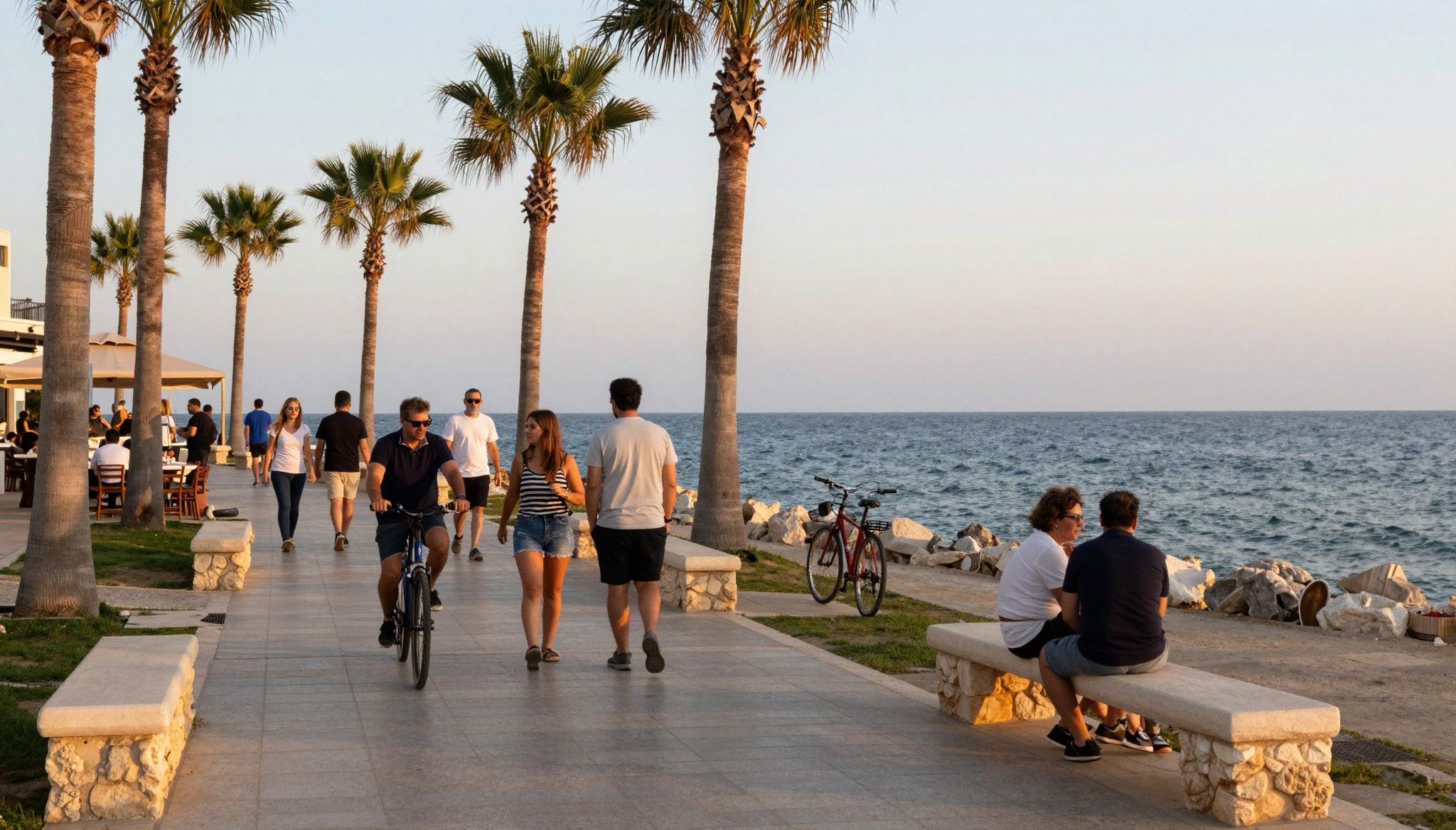
- Sunset walks along Għajn Tuffieħa and quiet coves away from tourist clusters
- Saturday mornings at Marsaxlokk fish market — buy local catch and learn the names of suppliers
- Slow lunches at Ta’ Qali or small farm‑to‑table dinners in Gozo’s village squares
- Community festas in spring and autumn where neighbours swap preserves and plant cuttings
Making the move: lifestyle-led practicalities
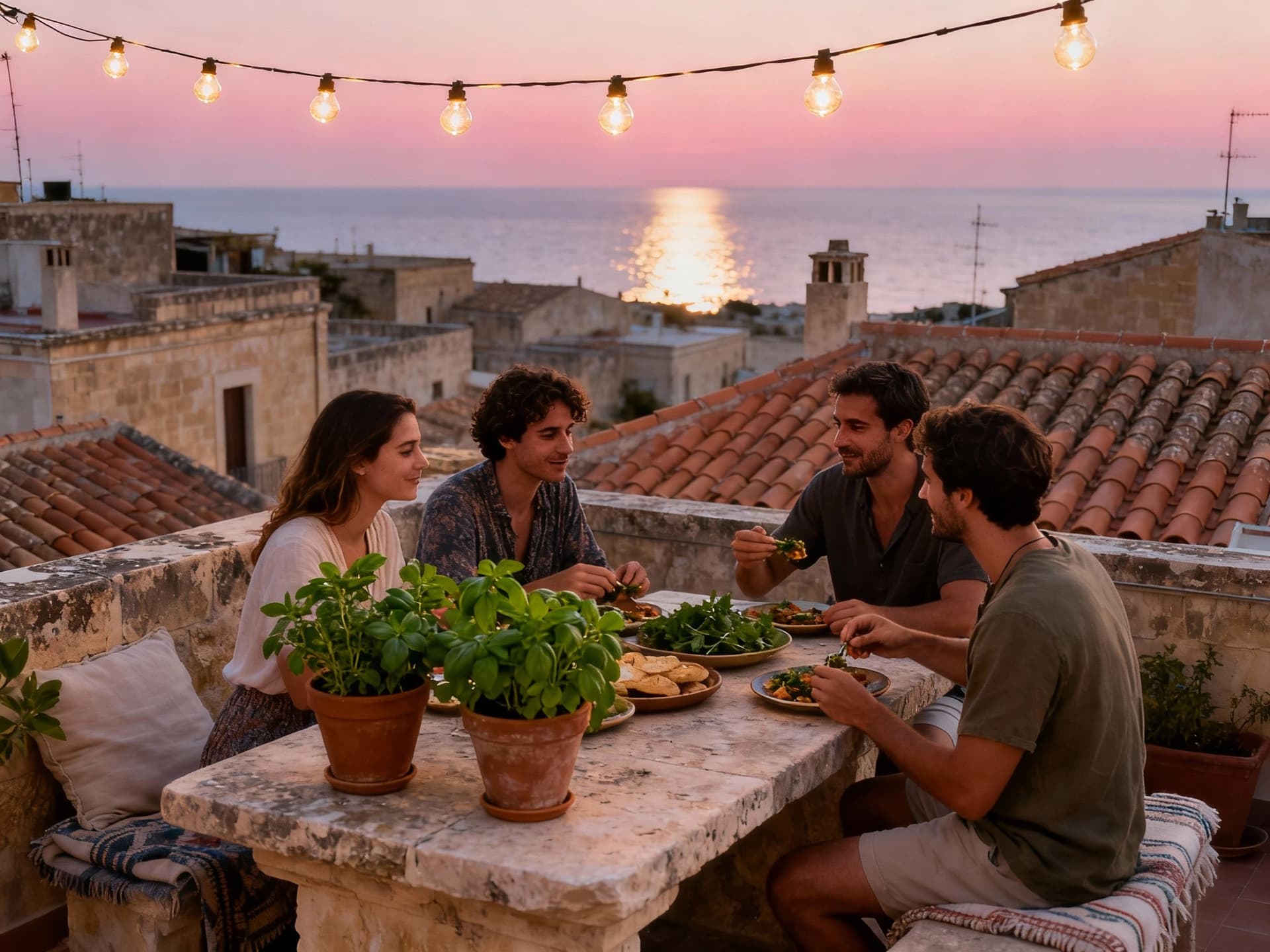
The romance of village life meets a market reality: Malta’s Residential Property Price Index rose in recent quarters, reflecting steady demand and limited supply. That means the places locals prefer are not always cheap — but they often offer better long‑term living value because they resist tourist volatility. Translate lifestyle priorities (walkability, roof gardens, traditional stonework) into search filters with your agent to avoid being lured only by shiny seafront listings.
Property types that fit green, local living
Traditional Maltese townhouses and terraced houses often have thick limestone walls that naturally moderate temperature and reduce energy needs. Maisonettes and rooftop apartments can offer private terraces for container gardens and solar PV. For buyers focused on stewardship, look for properties with original stonework, opportunities for rainwater capture, and roofspace suitable for discreet solar — practicalities that align with the island climate and local craft traditions.
Working with the right local experts
Seek agencies who speak English and Maltese, who understand festa calendars (so viewings don’t clash with closures), and who value sustainable retrofit work as much as curb appeal. A local architect familiar with Malta’s planning nuances and traditional masons will save months in renovation time. Use agents to match a lifestyle brief — rather than just price per square metre — and ask them for walk‑time maps to markets, schools and green spaces.
- Steps to align lifestyle with purchase
- 1) Make a short ‘rhythm trip’ — spend two weeks living like a local in your chosen town before bidding.
- 2) Prioritise passive features (thick walls, north‑south orientation) over ‘Instagram’ sea views.
- 3) Ask agents for recent RPPI trends in the neighbourhood, not just headline island averages.
- 4) Reserve contingency in your budget for traditional masonry repairs and permit lead times.
Insider knowledge: what expats wish they'd known
Many expats arrive enchanted by Valletta’s baroque theatre or Sliema’s promenades, then discover that everyday joy is quieter — an afternoon siesta on a shady balcony, neighbours swapping tomatoes, a community festa where everyone contributes a plate. The real adjustment is learning to value slow infrastructure: reliable neighbours, a local doctor, a shop that stays open late. Those are the anchors that make a house a home.
Cultural cues that change how you buy
Language is friendly: English is an official language, but learning basic Maltese phrases opens doors to trust. Respect for festa schedules, quiet hours and communal roof rights matters when renovating. Expect a slower pace on some permits; plan for relationships as much as regulations — your neighbour’s goodwill can speed a renovation more than paperwork ever will.
Long‑term lifestyle and stewardship
Think in seasons: roofs for winter rains, terraces for summer evenings, and plant lists that survive Mediterranean drought. If you intend to be a long‑term steward, factor in habitat for pollinators — a small terrace wildflower patch or native shrubs — and consider discreet solar and water efficiency upgrades that respect historical fabric. These choices protect living quality and often preserve value better than cosmetic sea‑view makeovers.
- Red flags local buyers avoid
- Properties with unresolved communal roof rights or unclear legal access to courtyards
- Listings that emphasise ‘tourist income’ without showing seasonal vacancy data
- Homes with heavy cosmetic modernization that have removed passive cooling features
Conclusion: If you want Malta to feel like home, aim for a neighbourhood where life breathes slowly and seasonally — inland squares, village harbours, and roof terraces alive with herbs. Use market data (the NSO’s RPPI shows island‑wide momentum) to time your move, but prioritise the lived texture you want to wake up to. Work with agents who know both the market numbers and the festival calendar; that balance turns a purchase into stewardship.
Swedish advisor who left Stockholm for the Costa Brava in 2019. Specializes in sustainable, sea‑view homes for Scandinavian buyers and green finance insights.