Where France Feels Like Home: Lifestyle‑First Market Sense
Fall for France’s market‑by‑region lifestyle: sensory neighbourhood detail paired with INSEE‑backed market context to buy thoughtfully and sustainably.
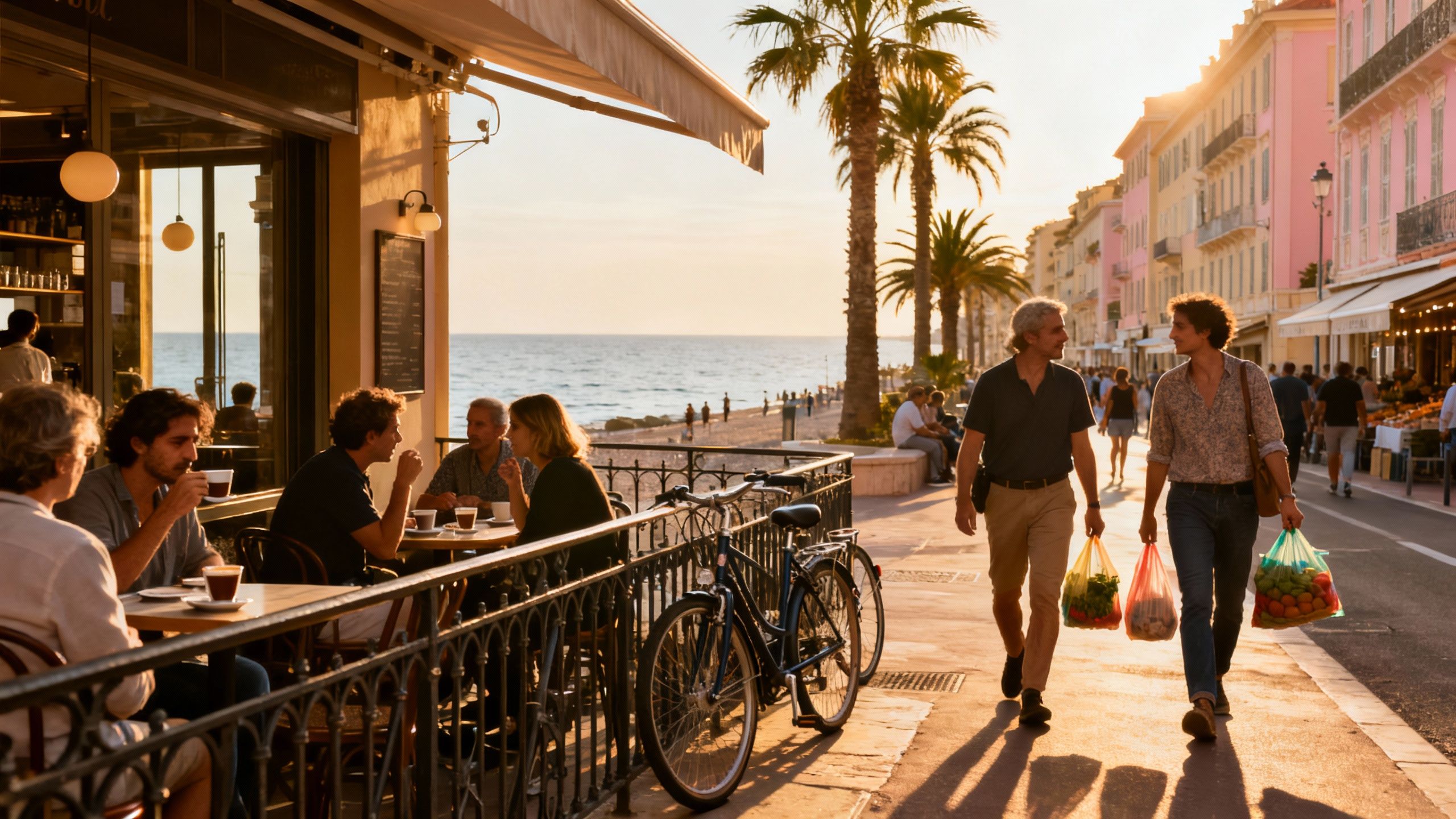
Imagine waking to the clack of a boulangerie shutter on Rue des Rosiers, the scent of warm butter and toasted hazelnut filling the street as a neighbour pins a hand‑written market list to their door. In France, daily life moves at a human pace: long cafés where conversation blooms, Saturday markets stacked with charcuterie and seasonal produce, and afternoons that bend toward slow walks through plane‑shaded avenues. Yet the dream—stone farmhouse in Dordogne, an apartment with a balcony in the Marais, a sunlit villa near Cassis—is tempered by shifting market rhythms and regional quirks. This piece stitches the sensory life of France to practical, research‑backed buying signals so you can fall in love with place and act with quiet confidence.
Living the France life
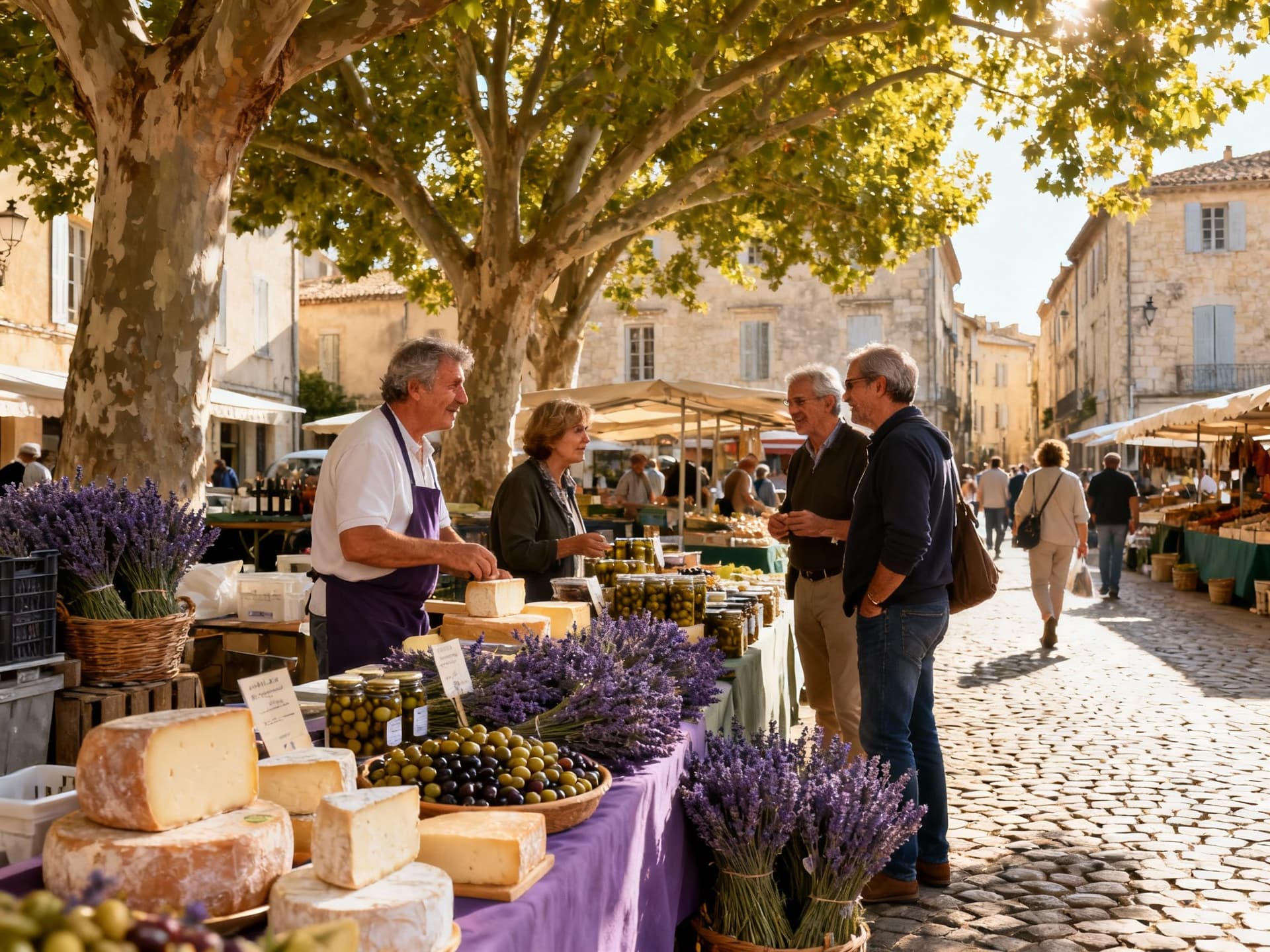
France is not a single lifestyle but a palette: Parisian boulevards and tiny boulangeries; Brittany’s wind‑ruffled cliffs and creaky fishing ports; Provence lavender and market mornings; Nouvelle‑Aquitaine oyster shacks and pine forests near Arcachon. Daily rhythm changes by region—an alpine day begins early on a piste, a Mediterranean day stretches into a long terrace dinner—and those rhythms shape where you’ll feel most at home. Living here means learning local time: the cadence of marché mornings, the quiet of a village after 1pm, the way people linger over a café even when work awaits.
Neighbourhoods that define everyday life
Each French neighbourhood offers a living manifesto. In Paris, Le Marais delivers narrow lanes, antique shops and a weekday hum of ateliers; Montmartre gifts hilltop light and artists’ squares. On the coast, Nice’s Vieux‑Nice pulses with markets and gelato, while the less glamorous Cagnes‑sur‑Mer hides calmer beaches and more reasonable prices. In the countryside, places like Sarlat (Dordogne) or L’Isle‑sur‑la‑Sorgue (Provence) centre life on weekly markets, river walks and craftsmen who still repair shutters by hand. These textures matter more than square metres: they decide how you spend mornings, where you socialise and the rhythms of your year.
Food and community are the connective tissue. Picture a Saturday marché in Aix‑en‑Provence under plane trees: an olive farmer weighing glossy fruit, a woman selling lavender sachets, a boulanger shifting trays of fougasse. In Lyon, small bouchons keep culinary traditions alive; in Bordeaux, neighbourhood wine bars draw local vignerons. The sensory map—salt air in Brittany, chestnut groves in Ardèche, seaside pines on the Atlantic—tells you where your weekends will be, which neighbours you’ll meet and how your garden should be planted.
Lifestyle highlights to chase
- Morning rituals: coffee at Café de la Paix (Paris) or a tartine at a village boulangerie.
- Markets: Place du Lice in Rennes, Marché Forville in Cannes, or the Sunday brocante in Isle‑sur‑la‑Sorgue.
- Seasonal rituals: truffle markets in Périgord (winter), lavender festivals in Provence (mid‑summer).
- Outdoor life: long Atlantic surf mornings (Hossegor), vineyard walks (Bordeaux), alpine weekends (Chamonix).
Making the move: practical considerations
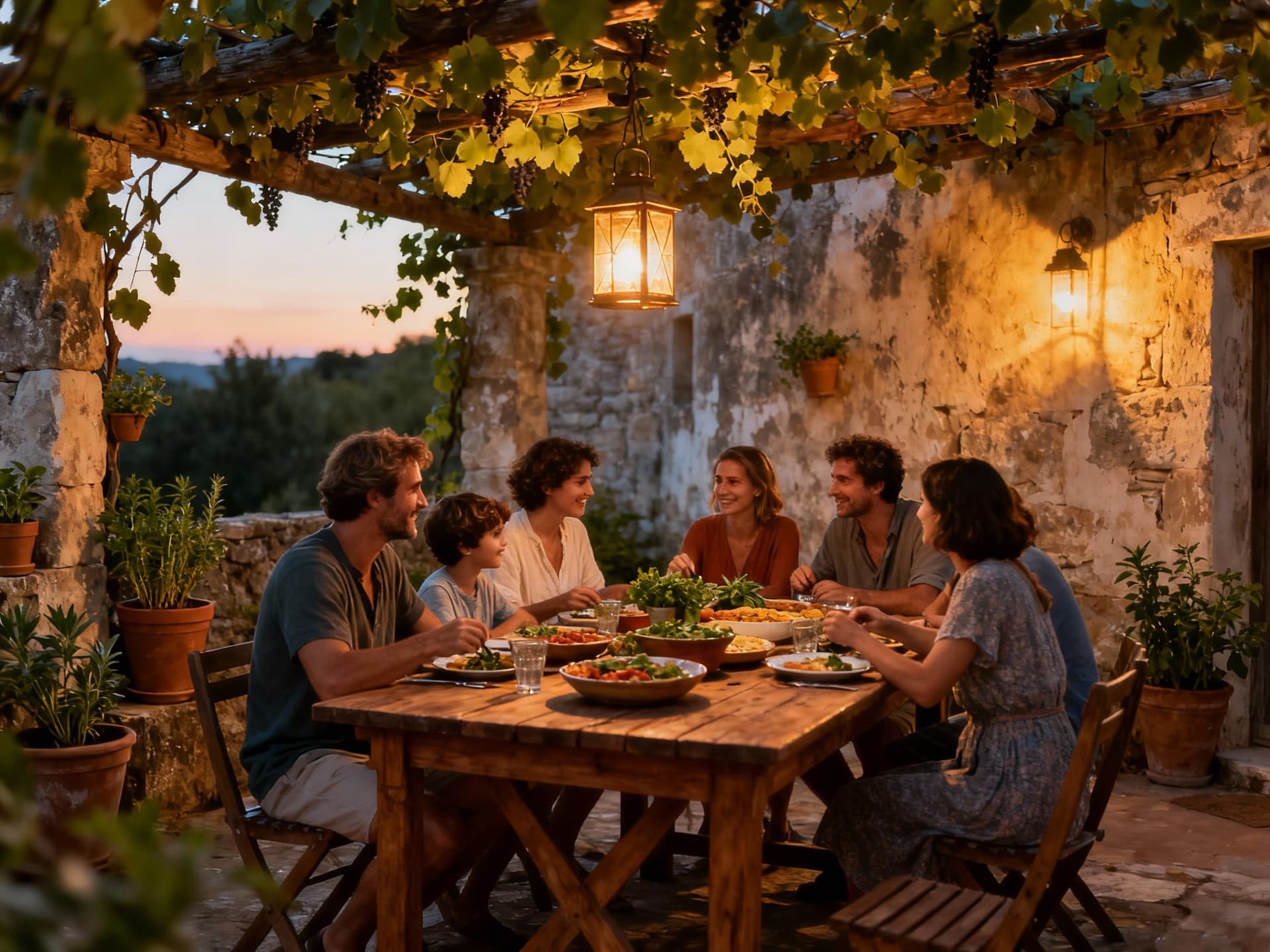
The romance of French life meets a market that has matured after recent turbulence. National statistics show house prices stabilising and, in early 2025, resuming modest growth after previous declines—a signal that opportunistic buyers can find balanced markets across regions. But national averages hide strong local differences: Paris and Côte d’Azur remain expensive and competitive, while many rural towns offer space, light and value. Use macro data to set expectations, then ground your search in neighbourhood‑level reality.
Property styles that shape daily living
A stone longère in Brittany invites a garden and wood fire life; a Bordeaux town house centres courtyard living and proximity to markets; a Provence mas elevates outdoor kitchens and passive cooling. Consider orientation and microclimate—south‑facing terraces, thick stone walls for thermal mass, oak shutters for summer shade—which reduce energy needs and deepen seasonal comfort. If sustainable living matters, prioritise properties with existing solar orientation, established gardens for edibles, and features like rainwater collection or thick masonry that moderates temperature swings.
Working with experts who know how France lives
Local notaires, artisan builders and agencies steeped in regional detail are invaluable. You’ll want an agent who can read a property’s lifestyle story—how the morning light moves through a kitchen, where the best market is, whether the neighbour tends goats or composts—then translate those qualities into purchase terms. For eco‑minded buyers, ask agencies about local renewable incentives, historical renovation permissions and nearby supply chains for reclaimed stone or timber framing.
- Inspect life, not only land: 1) Spend mornings in the neighbourhood across different days; 2) Visit markets and meet producers; 3) Book a technical inspection focused on moisture, insulation and roof orientation; 4) Ask the notaire about servitudes, renovation constraints and any protected status that affects gardens or solar panels.
Insider knowledge: expat truths and seasonal trade‑offs
Expat buyers often expect perpetual sunshine or instant social circles; reality is more textured. Many international arrivals love regions like Dordogne or Provence for aesthetics, but find the winter quiet deeper than anticipated and local services more seasonal. Conversely, towns with active markets and year‑round life—Bayonne, Aix‑en‑Provence, Lyon’s Croix‑Rousse—offer easier integration. Recent reporting notes renewed market activity in 2025, but that activity concentrates unevenly; understanding seasonal population flows will protect your lifestyle and wallet.
Cultural subtleties that influence where you buy
French social life revolves around rituals: market schedules, communal fêtes, and a preference for local relationships over rapid integration. Learn a few phrases, attend the local mairie event, and you’ll find doors open. Also note local attitudes towards second homes—some coastal villages push back against seasonal crowding, which influences planning permissions and short‑term rental rules. Being a considerate neighbour is not just polite; it protects your investment.
- What expats wish they'd known: 1) Winter services vary—check healthcare and shop hours; 2) Renovation permits can slow timelines in protected zones; 3) Local craftsmen are essential—meet them before you buy; 4) Seasonal rental income is attractive but increasingly regulated.
A practical reality: national statistics (INSEE) show modest price rebounds in early 2025, but local value rests on lifestyle fit. If you dream of markets and neighbours who know your name, look for towns with year‑round cultural life rather than purely touristic hotspots. If solitude and land are your aim, value villages where community infrastructure—clinics, bakeries, schools—remains solid through winter.
Steps to steward a sustainable French home
- 1) Choose orientation and landscape that reduce energy use; 2) Prioritise restorative materials—stone, lime plaster, wood; 3) Talk to locals about water management and native planting; 4) Stage a renovation plan with local artisans and request lifecycle estimates.
Longer term, your house becomes a stewarded piece of place: a repaired roof that keeps rain out and moss growing in the gutters, a garden planned for pollinators, and glazed shutters that modulate light and heat. These choices reward you with lower bills, quieter comfort and deeper belonging.
If you’re ready, start with neighbourhood reconnaissance—a week in your shortlisted towns across seasons if possible—then work with an agent who listens to lifestyle desires first. Ask them for real life examples: where clients cycle to markets, who sources local timber, and which properties had surprising upkeep costs. With research and local partners, you buy a home and inherit a way of life—responsibly, gently, and with room to grow.
Dutch property strategist who helped 200+ families find sustainable homes in southern Europe; expert in legal pathways and long-term stewardship.