Skip the Waterfront—Where to Buy in Malta for Green Living
Skip the photographed waterfronts—seek Malta’s quieter harbours, townhouses and terrace life where sustainable features and genuine neighborhood culture offer better daily living and long‑term value.
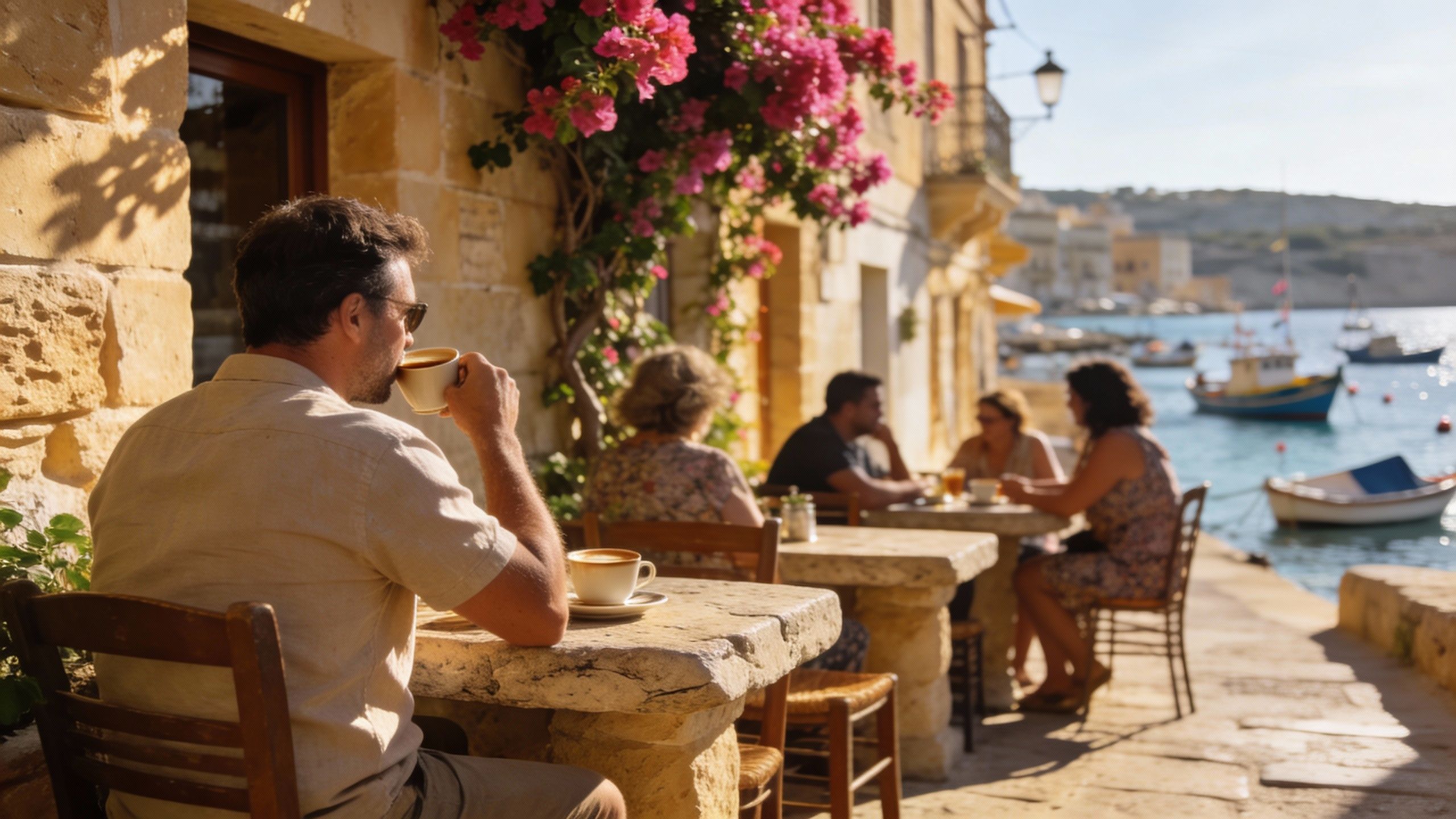
Imagine an early morning in Malta: you sip espresso at a stone table on Triq il-Merkanti, gulls crying beyond the harbor, and bougainvillea spilling down limestone facades. The island is small—every coast, cove and café feels within reach—but the property market is not gentle. Prices have been steadily rising, yet there are quieter streets and green corners where a life of sea, craft and seasonality still feels possible. This piece looks past the postcard waterfront and toward the neighborhoods where sustainable living, authentic local life and better value converge.
Living the Malta lifestyle — more than sun and sea
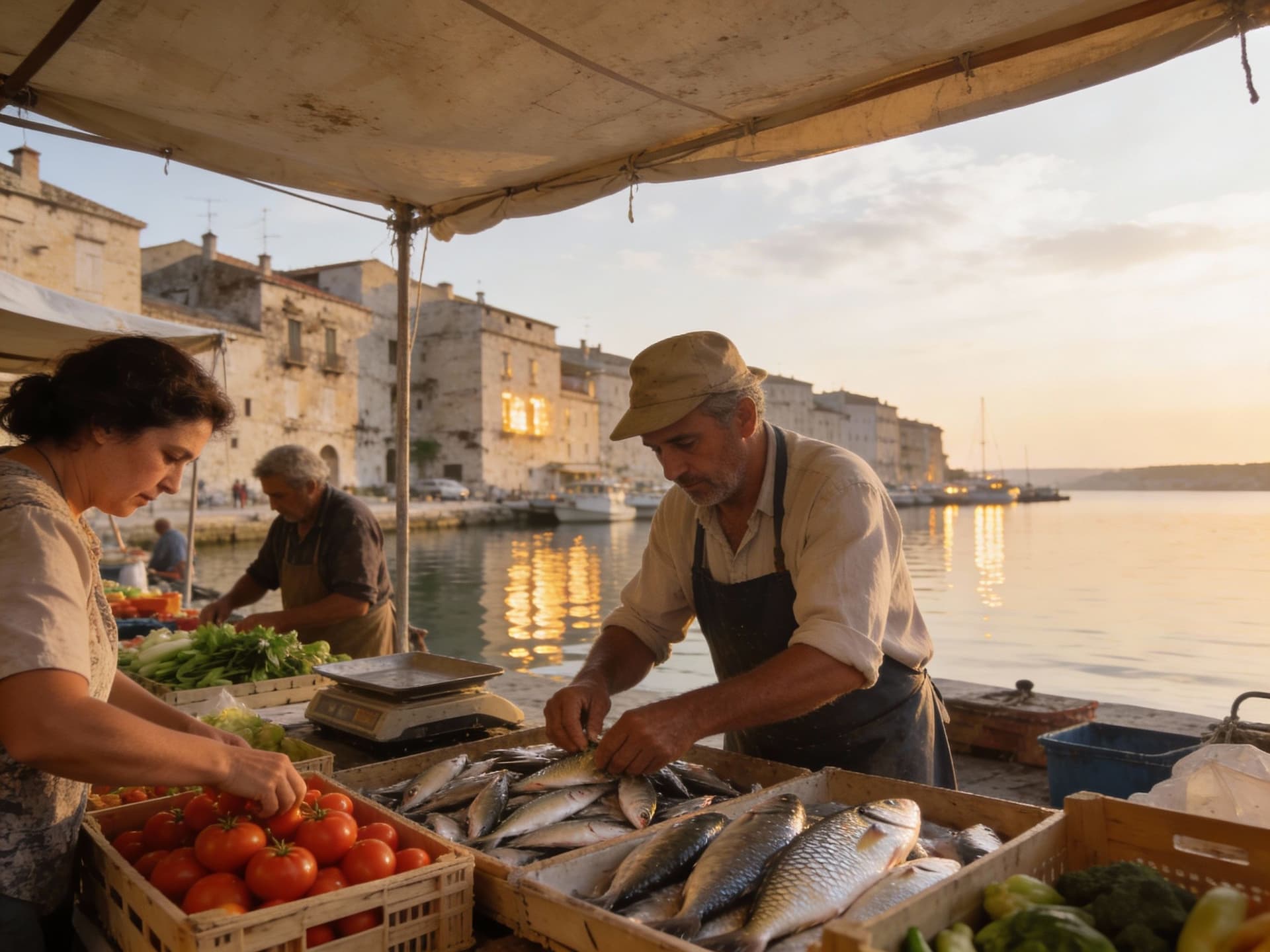
Malta’s daily rhythm is a study in contrasts: early market bustle in Marsaxlokk, languid late‑afternoon passeggiata in Mdina, and lively espresso culture in Sliema and Ta' Xbiex. Locals prize community life—neighbourly visits, church festa afternoons and shared produce from small balcony gardens. That rhythm shapes how homes are used: terraces for long dinners, shaded internal courtyards for siestas, and compact kitchens celebrating seasonal Mediterranean produce.
Neighborhood spotlight: Valletta, Sliema, and the quiet east
Valletta is theatrical—baroque facades, narrow lanes and an after‑work crowd spilling into cafés—while Sliema and St Julian’s cater to a modern, seaside apartment life. But the east coast villages (like Żabbar, Marsaskala) and fishing harbors such as Marsaxlokk move at a gentler pace: weekly markets, family‑run bakeries and rooftop terraces where you watch the sea from a distance rather than live right on it. These quieter zones often offer better square‑metre value without sacrificing access to amenities recorded in national housing indices.
Seasonal living: how months change everything
Summer brings tourists, open‑air concerts and bustling waterfronts—lovely for a week, noisy for daily life. Autumn and spring are the secret seasons: beaches empty, plazas refill with locals and tradespeople, and you can assess a neighbourhood’s true character. If you love a garden or courtyard, consider how winter rains and summer heat shape plant choices and terrace design—native carob and pomegranate tolerate the climate better than thirsty lawns.
- Lifestyle highlights to seek in quieter Maltese neighbourhoods:
- Morning fish market at Marsaxlokk; fresh produce and a true sense of place.
- Rooftop terraces in old towns for evening social life and cooler microclimates.
- Small workshops (trab‑tarf) and local craftsmen in towns like Rabat—supporting restoration and local materials.
Making the move: practical considerations that honor the lifestyle
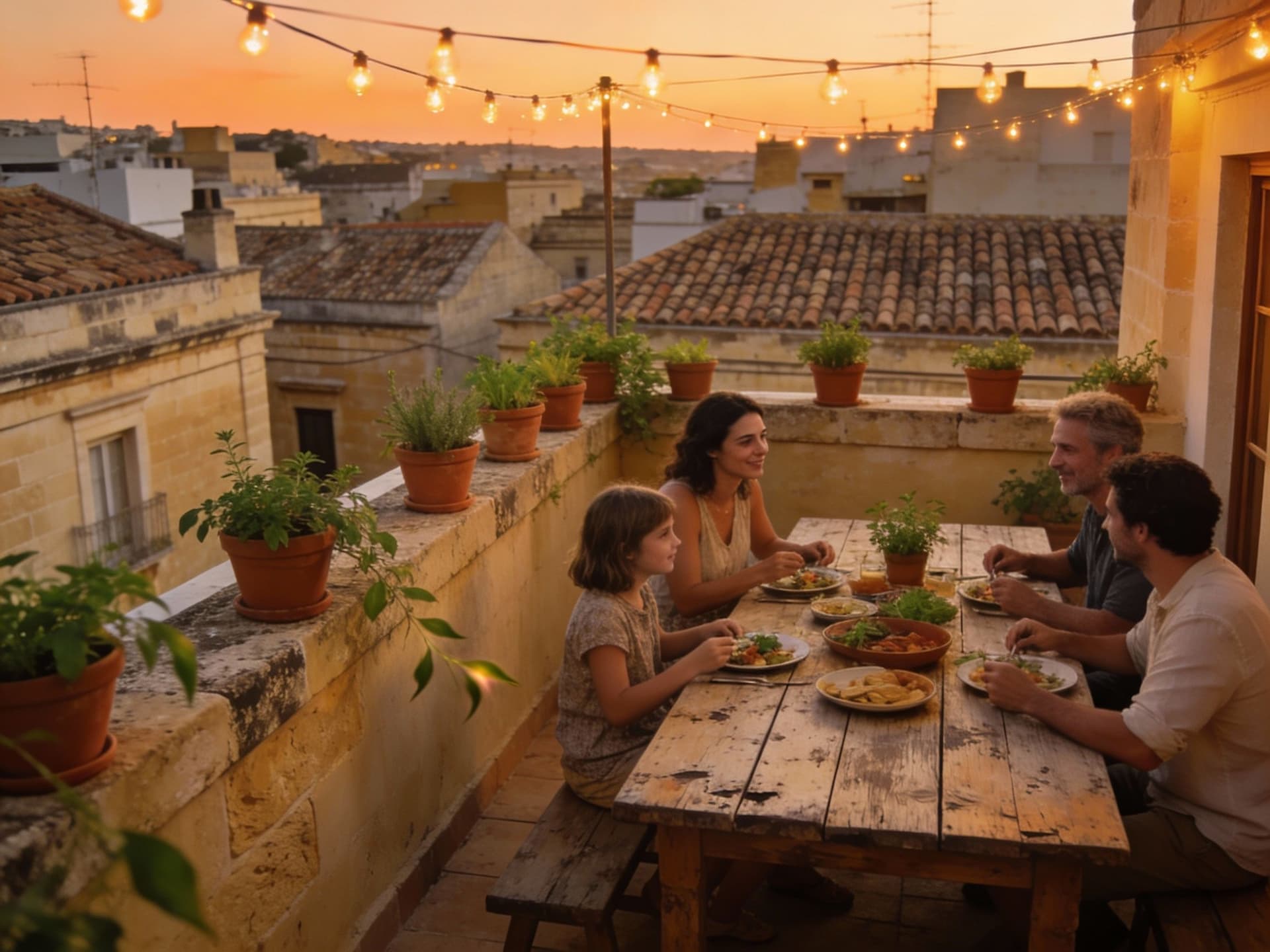
The romantic idea of Malta—stone, sea, sun—meets the reality of a small island market. The National Statistics Office shows continuing price rises in 2024–2025, so timing and neighbourhood choice matter. Instead of competing on the most photographed sea‑front, align your search with durable lifestyle features: shaded terraces, passive cooling (thick limestone walls), rainwater capture for small gardens, and proximity to daily markets rather than tourist spots.
Property styles and how they fit your life
Maisonettes and traditional townhouses offer courtyards and the tactile warmth of Maltese limestone—ideal for gardeners and slow‑food cooks. Modern apartments (common in Sliema/St Julian’s) are efficient for lock‑and‑leave lifestyles but often lack private outdoor space. If you prize green living, look for properties with solar panels, cisterns, and terraces suitable for container gardens; these features matter more to daily comfort than a sea view when summer heat peaks.
Working with local experts who value stewardship
Choose agents and architects who understand Malta’s planning nuances, vernacular repairs and the island’s evolving rules around residency and investment. Recent legal shifts—like the EU ruling on citizenship‑for‑investment programs—underline the importance of transparency and a local partner who keeps pace with policy. Sustainable‑minded agents will prioritise energy retrofits, water management and community integration when proposing options.
- Steps to merge lifestyle and practicality in your Malta purchase:
- Inspect properties outside the high season—assess noise, local commerce and genuine community life.
- Prioritise passive design: thick walls, shutters, north‑facing terraces and natural ventilation.
- Ask about recent conservation work and materials—lime mortar, traditional timber beams—and local craftspeople who can maintain them.
Insider knowledge: the things expats wish they'd known
Expats often arrive enchanted by Valletta’s glamour or Sliema’s shoreline. Months in, many tell us they wished they’d sampled weekday mornings in Marsaxlokk, measured commute times by scooter, or chosen a house with a small cistern for drought months. Practical details—parking norms, the smell of tuna grills on market days, or the seasonal closure of small cafés—shape happiness more than square metres.
Language, community and everyday rituals
English is an official language, so practical integration is easier for many internationals. Still, learning Maltese opens doors to neighbourly trust—people appreciate even modest efforts. Embrace festa season: join a band club afternoon or volunteer at a stall. That local presence turns a house into a home faster than any renovation.
Long‑term lifestyle and stewardship
Think of a Maltese purchase as an invitation into a neighbourhood ecosystem. Prioritise materials and practices that age well—limestone repairs, breathable paints, and modest PV systems paired with battery-ready wiring. The island’s rising RPPI suggests capital appreciation, but stewardship—ongoing maintenance, respect for local fabric and community contribution—preserves both value and life quality.
- Red flags to watch for when a property seems 'too perfect':
- Over‑polished seafront listings that hide noise, short‑term rental saturation, and high service charges.
- Planning anomalies—extensions built without permits or unclear titles—ask for full searches.
Conclusion — how to start with intention
If you want Malta’s lifestyle—sunlit kitchens, market mornings and a neighbour who knows your name—look beyond the waterfront photos. Seek neighbourhoods where ecology, craft and daily life coexist: small harbours, old‑stone lanes, and terraces built for conversation. Work with a local agent who values sustainability and local craft; inspect off‑season; prioritise passive features and long‑term stewardship. That’s where value and feeling meet—as the data shows, prices rise island‑wide, but the right corner still gives you a life, not just an asset.
Swedish advisor who left Stockholm for the Costa Brava in 2019. Specializes in sustainable, sea‑view homes for Scandinavian buyers and green finance insights.