Seasonal Stewardship: Living and Buying in France
France’s seasonal rhythms and neighbourhood rituals shape sustainable living — pair lifestyle priorities with local data (INSEE, notaires) and expert stewardship for confident buys.
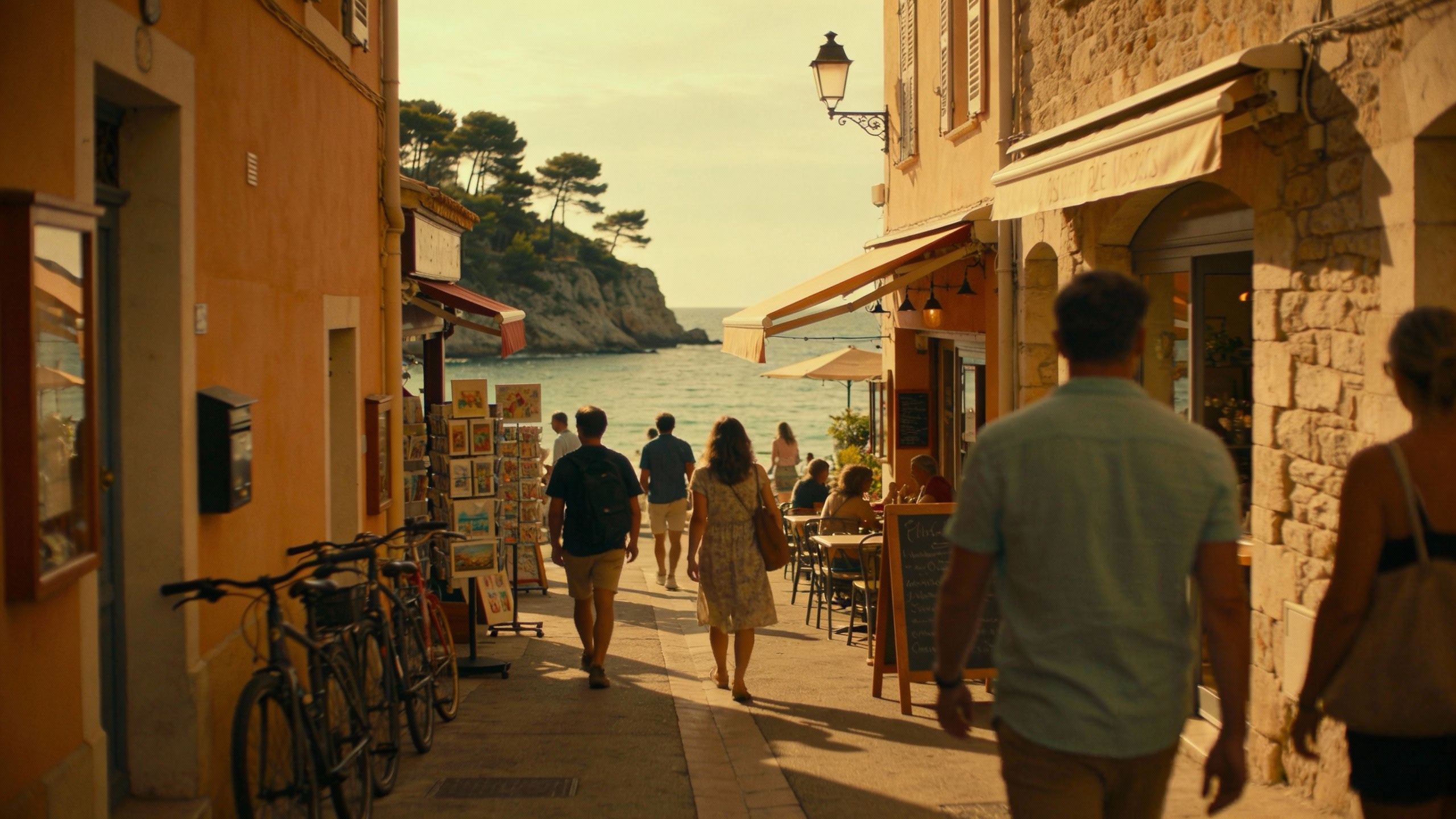
Imagine stepping out at dawn onto a shaded terrace in Aix-en-Provence, the air threaded with roasted coffee and rosemary from a neighbour’s window box. In France, seasons shape daily life — winter markets with trimmed boughs, spring hedgerows heavy with blossom, summer evenings at coastal bars in Biarritz, and autumn mushroom forays in the Dordogne. This is a country where the house you buy is as much about how you live as what you own: stone thresholds that hold stories, roofs that collect rain for the kitchen garden, local artisans who mend rather than replace. For international buyers drawn to green living and craft traditions, France offers a deep, living texture — but also a market with regional quirks and practical rules you’ll want to know before falling headlong in love.
Living the French Life: senses, streets and seasons
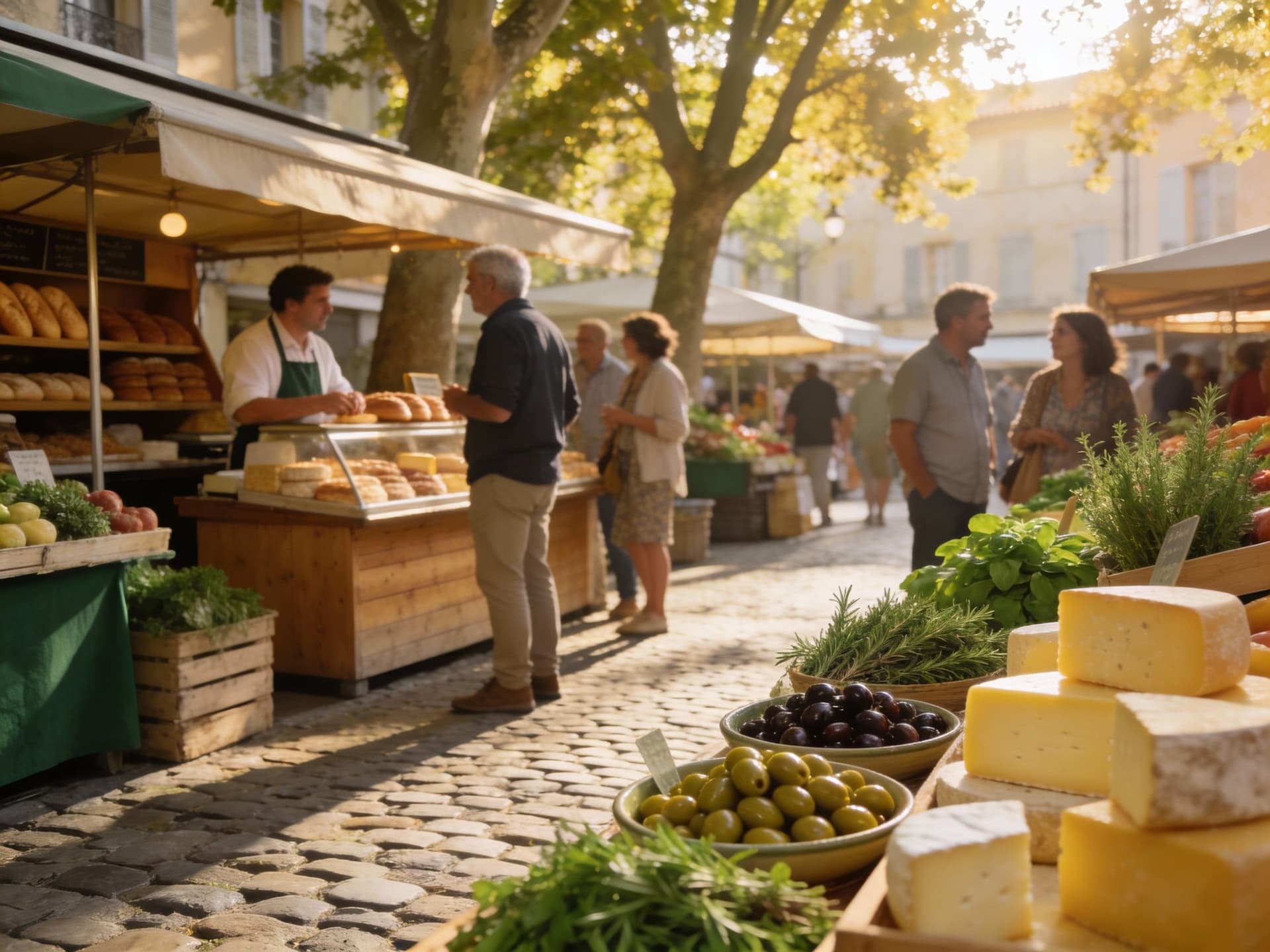
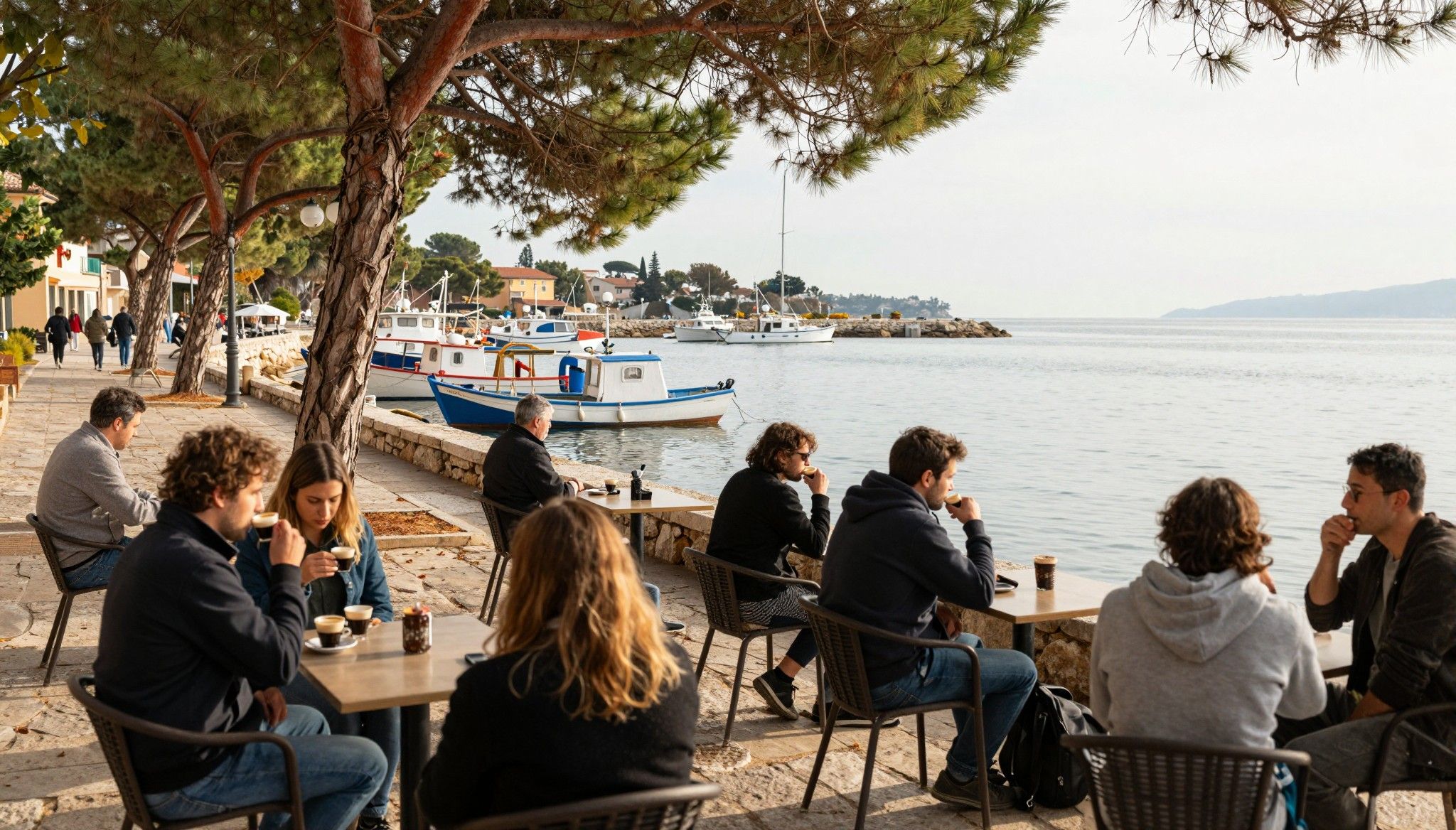
France’s rhythm is local: morning boulangeries selling crisp pains au levain, lunchtime markets overflowing with chèvre and early tomatoes, and the slow, civilised pause of café terraces. Coastal towns from Hossegor to Nice hum with surf and aperitif culture; hilltop villages in Provence breathe lavender-scented calm; and cities like Lyon and Bordeaux fuse refined dining with lively neighbourhood markets. For eco-minded buyers, the best places feel integrated into their landscapes — villas shaded by olive trees, village houses with thick stone walls, and small towns where community composting and local producers are part of daily life. Picture weekly marché stalls, an artisan carpenter down a lane, and neighbours who swap preserves: these are the textures that make a property more than an asset.
Neighbourhood Spotlight: Aix-en-Provence & Marseille-Aix corridor
Walk Aix’s Cours Mirabeau before the shops open and you’ll meet gardeners, café owners and artists who’ve shaped the city for generations. The Marseille–Aix corridor blends provincial ease with Mediterranean intensity: sea breezes, pine-scented hills, and markets where fishermen and farmers meet. Notaires data show the Marseille/Aix area among higher-priced house markets, reflecting demand for lifestyle properties within easy reach of both sea and city. For buyers who want both a cultivated cultural life and access to wild coastline, this stretch is magnetic — but expect competition for properties with gardens, terraces and sun exposure.
Food, market life and seasonal rituals
Food culture is a daily language in France: from the fish stalls of Lorient to the roast chestnuts of an October marché in Dordogne. Seasons drive what you cook and where you go: truffle hunts in winter, almond-blossom walks in late march, and long beach dinners in July. INSEE data also remind buyers that many regions have high numbers of vacant or second homes, especially in tourist-rich areas — a feature that alters community rhythms across seasons and can affect the social life you’ll actually experience year-round. Choosing a place that sustains real, four-season community life matters if you want a neighbourhood that’s lived-in, not just postcard-pretty.
- Lifestyle highlights to seek in French towns
- Weekly market within walking distance (name a favourite: Marché Forville in Cannes or Marché d’Apt in Luberon)
- A local café where baristas know neighbours by name and conversations start with ‘bon marché’ recommendations
- Access to seasonal outdoor life — coastline, river, or forested walking trails within 30 minutes
Making the move: practical considerations with a lifestyle lens
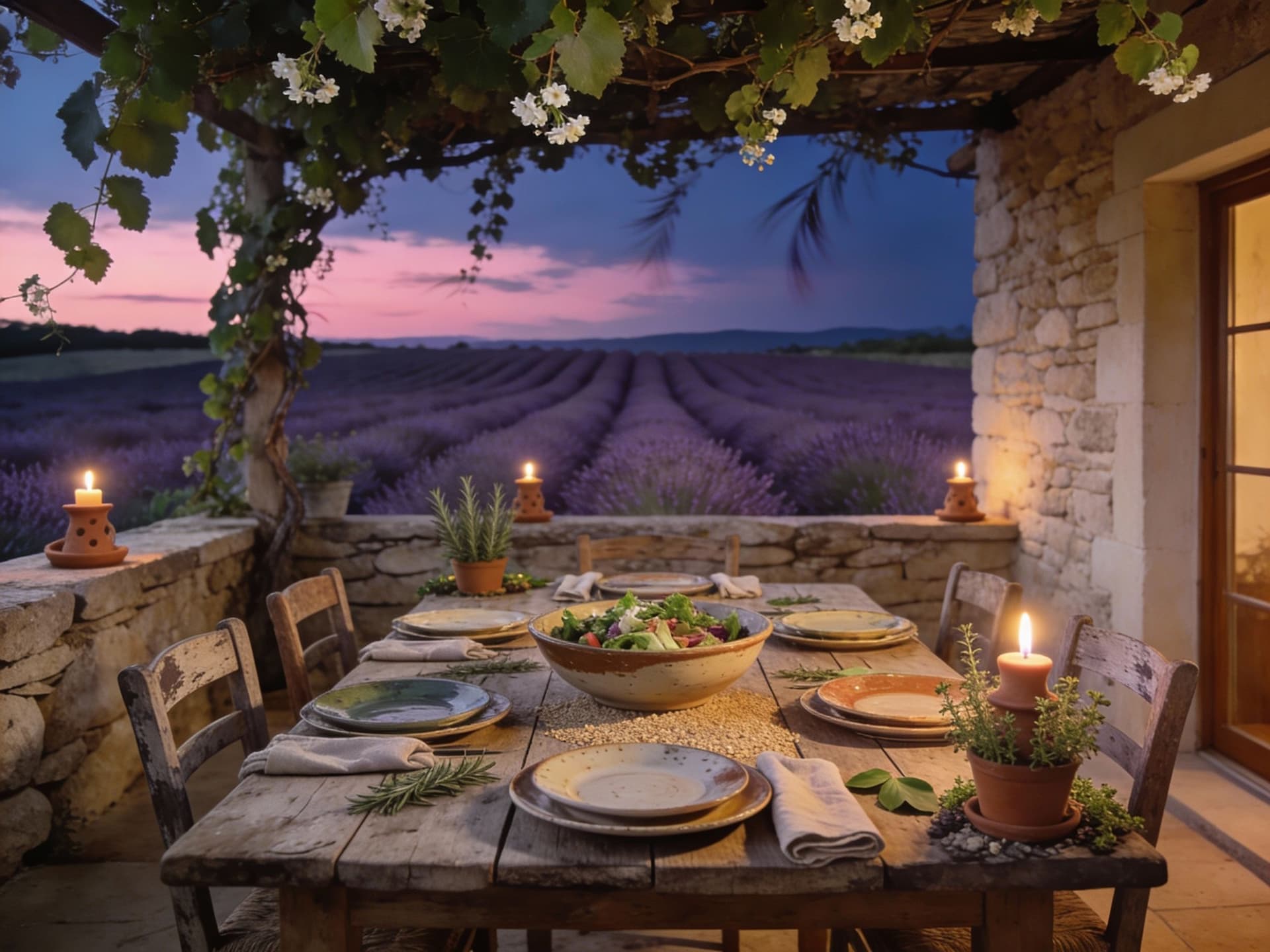
Dreams of terrace dinners and farm-to-table mornings meet specific realities in France: local planning rules, energy regulations, and regional market cycles. The market’s recent turn toward price stabilisation and modest rises — reported by INSEE and notaires — means some regions are heating up while others cool. That variability rewards targeted research: a village that felt affordable last year may be seeing new demand from French buyers chasing greener living. Pair your lifestyle wish-list with up-to-date local price data, and align timing with seasonal market rhythms to step in where competition is softer.
Property styles and what they mean for daily life
Stone village houses: thick walls, passive thermal comfort and integrated courtyards that suit low-energy living but can need specialist restoration. Coastal villas: open plans and cross-breezes, ideal for indoor–outdoor life but vulnerable to salt and humidity unless materials are right. Town apartments: close to cafés and cultural life, with smaller footprints and often easier maintenance. When you choose, think in terms of use: do you want year-round community, a seasonal retreat, or a hybrid remote-work base? Each choice shifts renovation priorities — insulation and heating upgrades for winter, PV and rainwater systems for self-sufficiency, or courtyard gardens for food growing.
Working with local experts who speak the language of place
Local agents, craftspeople and notaires are your translators of both law and lifestyle. An agent rooted in a particular valley will know which street gets afternoon sun, which well produces the best water for a garden, and which houses historically resist winter damp. Ask agencies for examples of past restorations, references from previous international clients, and a clear plan for sustainable upgrades. Bring a short list of lifestyle priorities — morning light, outdoor kitchen, productive garden — and ask how each property measures up practically and ecologically.
- Steps that blend lifestyle and practical buying (start-to-finish)
- 1) Visit across two seasons: see markets, noise and daylight in both high and low season.
- 2) Prioritise microclimate checks: orientation, winter sun, drainage and salt exposure for coastal properties.
- 3) Commission a local surveyor familiar with historic buildings and renewable retrofits.
- 4) Build a stewardship plan with your agent: energy upgrades, water management and native planting for biodiversity.
Insider knowledge: expat truths, seasonal blindspots and red flags
I’ve met buyers who fell for a sunlit terrace in August and were surprised by village silence in November; others bought chasing a sea-view without checking how coastal roads flood in storms. Expat life in France rewards patience: join local associations, learn basic French phrases for daily exchange, and attend marchés to meet the producers who shape your diet. Real-life red flags include unusually low local occupancy (which can mean hollowed communities), water-stained cellars that suggest rising damp, and properties without clear energy records — each problem has a fix, but early detection saves heartache and money.
Cultural integration: language, rituals and neighbourliness
French social life often lives in small rituals: greetings when entering a shop, seasonal fêtes where everyone chips in, and a preference for measured politeness. Learning a few phrases — and the habit of bringing a small gift to introduce yourself — opens doors. In many villages, the mairie (town hall) is central to joining communal efforts like shared gardens or village repair days; showing up matters. Local customs influence what you renovate (keep shutters, respect local stone) and how neighbours perceive stewardship of old buildings.
Longer-term, buyers who plan to live in France year-round find better social integration and more stable value. Recent reporting points to a market recovery in 2025 with regional variations: some cities and coastal zones are rebounding faster than others. Consider long-term stewardship when buying: choose materials and systems that respect local ecology and reduce running costs, and think about how a property will age across seasons — not just how it photographs in July.
- Common red flags and what to do
- High vacancy in a village — research year-round population and services before committing.
- Murky drainage or cellar damp — get a moisture survey and a written remediation plan.
- Unknown renovation history — insist on permits and speak to the local mairie about past works.
Buying in France can be a gentle revolution in how you live: slower meals, a renewed sense of season, and the satisfaction of stewarding a home that belongs to its place. Start small — a long weekend visit in shoulder season, a chat with a local agent who knows both ecology and planning, and a surveyor who understands traditional materials. When you pair lifestyle imagination with solid local advice, the practical steps fall into place and the life you pictured over coffee on that terrace becomes the everyday.
Swedish advisor who left Stockholm for the Costa Brava in 2019. Specializes in sustainable, sea‑view homes for Scandinavian buyers and green finance insights.