Off‑Season Italy: Where Green Value Hides
Autumn and winter house‑hunting in Italy reveal green value hidden by summer hype—seasonal visits, local craft and targeted stewardship beat headline listings.
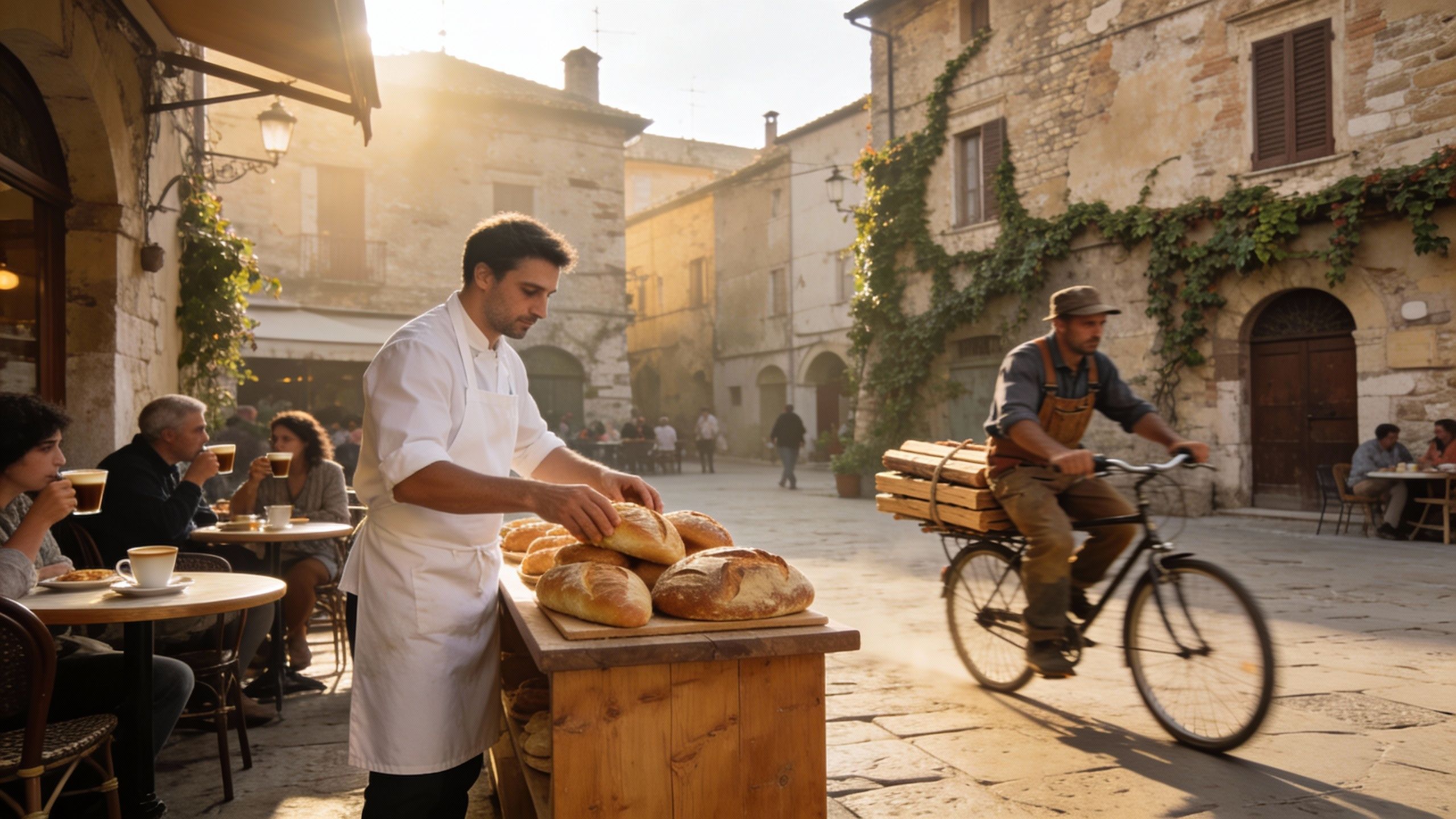
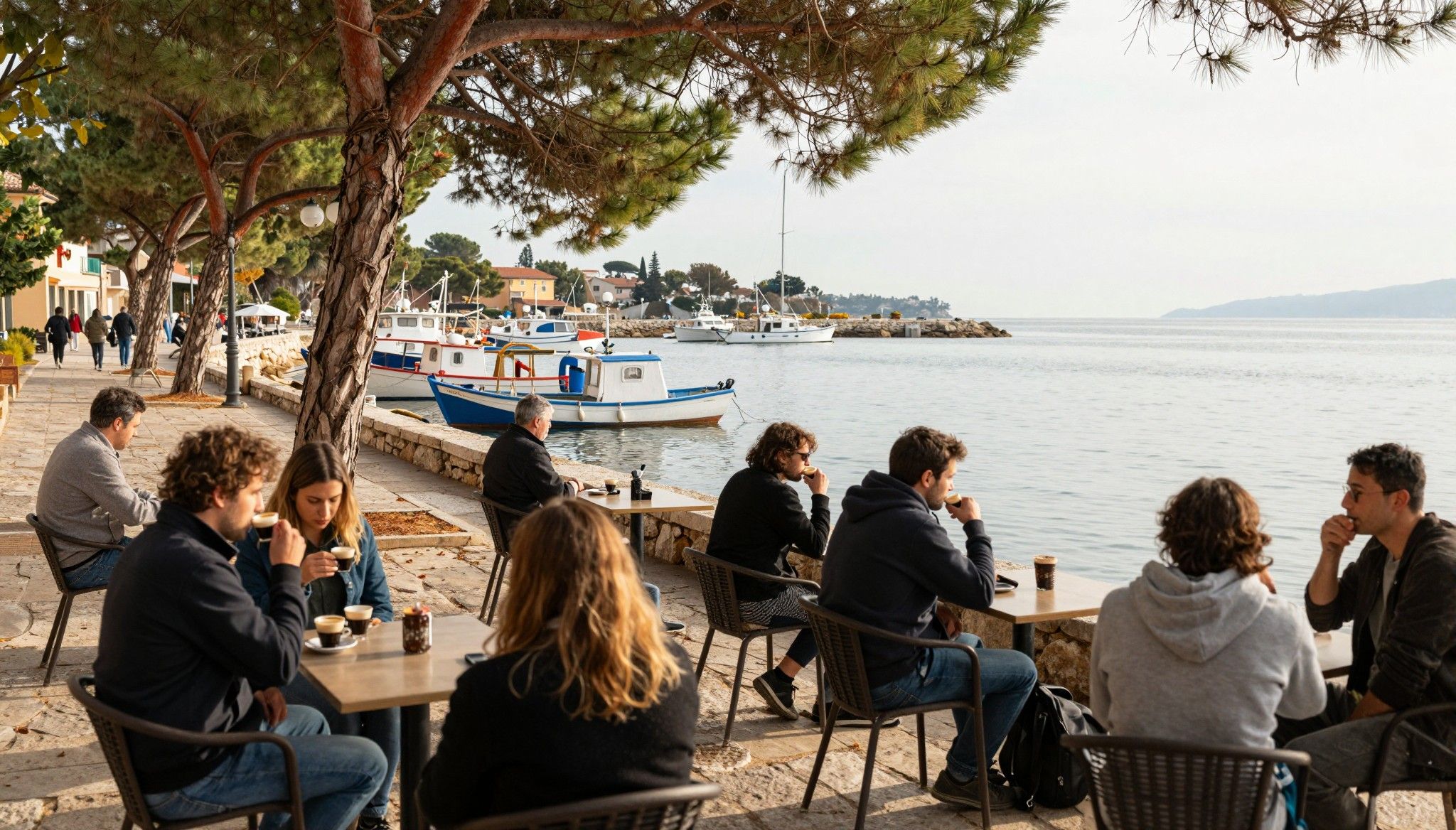
Imagine sipping a slow morning espresso in a sun-warmed piazza while the market stalls fill with chestnuts and late‑harvest figs — then slipping into an open‑plan kitchen with thick stone walls that keep summer heat at bay. That rhythm of seasons, food and craft is Italy’s quiet architecture of daily life. But the best way to join it? Look off‑season: many green, rural and semi‑urban pockets—where traditional craftsmanship, renewable upgrades and real gardens intersect—are calmer and surprisingly better value than the headline city listings.
Living the Italy lifestyle: seasons, streets and craft
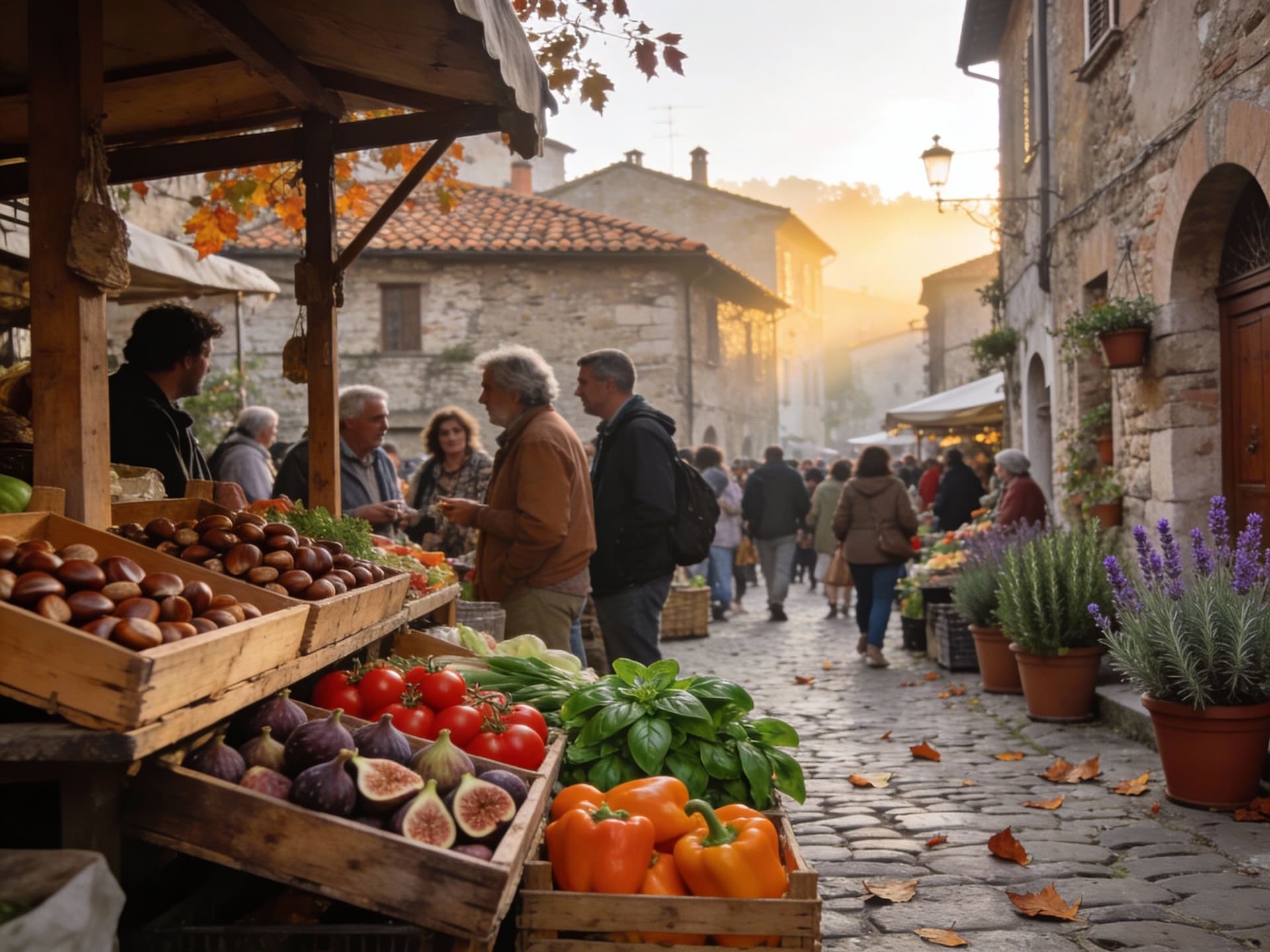
Italy’s daily life is a collage of narrow streets, olive groves and weekly markets; prices are rising in many places but unevenly. National statistics show moderate price growth year‑on‑year, concentrated in city centres and tourist hotspots — which is why mindful buyers find value by following local cycles and seasonal markets instead of chasing summer listings. Knowing seasonal price rhythm gives you time to savour local craft, meet neighbours and spot homes with real green potential rather than surface sea‑view gloss.
City pulse vs. village tempo: where to picture your life
Picture Milan’s efficient cafes and late‑night aperitivo culture if you want design shops and galleries within walking distance. Now imagine Umbria’s hilltops and cobbled lanes where potters still fire in wood kilns and neighbours trade wine for olive oil. Both are Italy, but they ask very different things of a home — insulation and passive solar design in the hills, compact efficient apartments and soundproofing in cities. The lifestyle you choose should shape the property features you prioritise.
A day in place: markets, cafés and craft
Begin with morning espresso at a bar like Caffè Greco in Rome or a riverside café in Florence, move to a municipal market for seasonal produce, then visit a local bottega or restoration studio where lime plaster and reclaimed timber are still common. These rituals shape how you’ll live: kitchens meant for slow cooking, storage for preserves, and outdoor spaces for grape arbors or solar panels. Seek spaces that support this cycle rather than cosmetic holiday rentals.
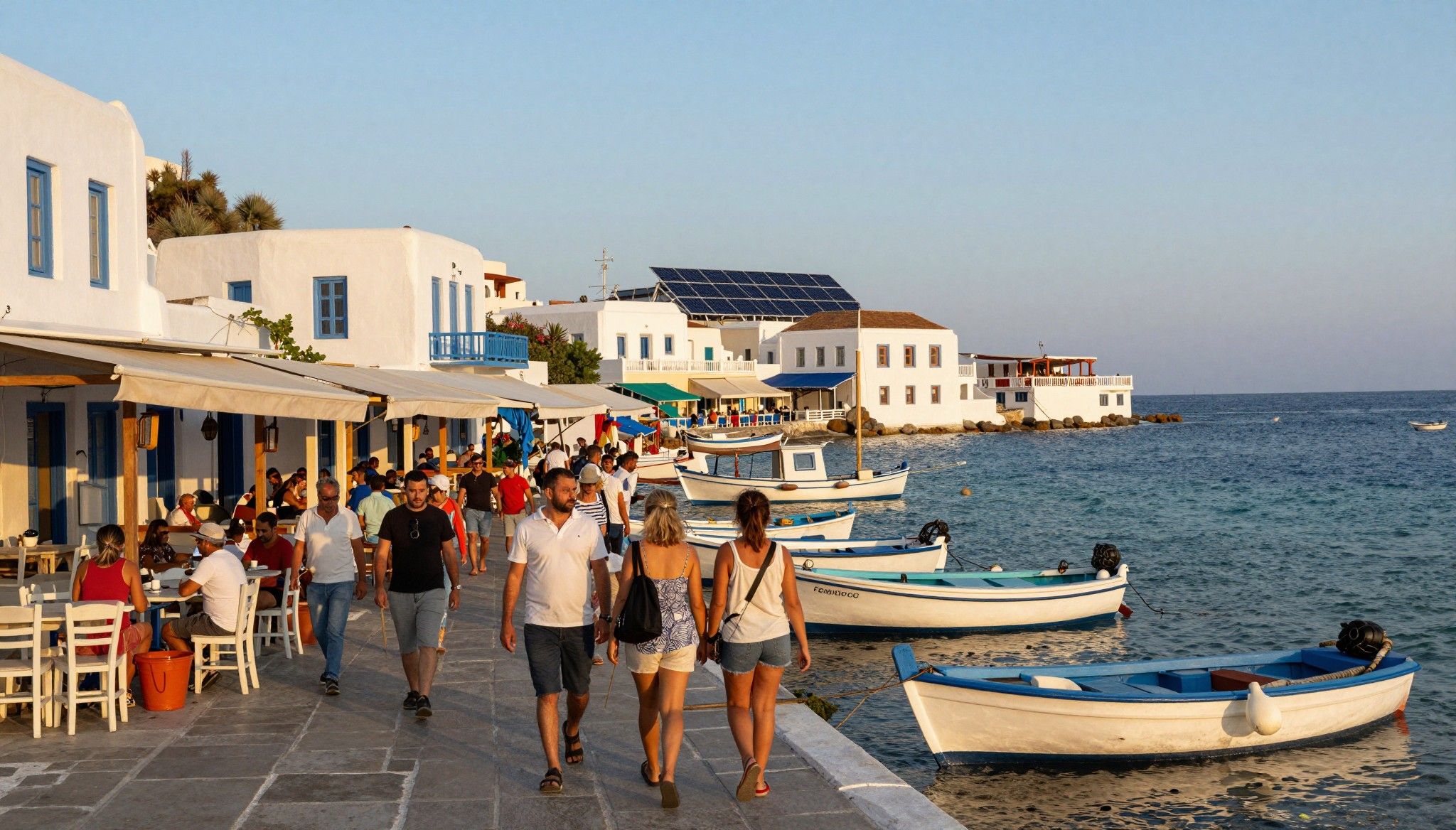
- Morning espresso at neighborhood bars (Caffè Greco, historic local bars), weekly farmer markets (Mercato Centrale Florence, Campo de' Fiori Rome), artisanal workshops (ceramic studios in Deruta), seaside promenades (Viareggio boardwalk), village festivals (sagra della castagna) and community olive harvests.
Making the move: lifestyle‑first, practical next
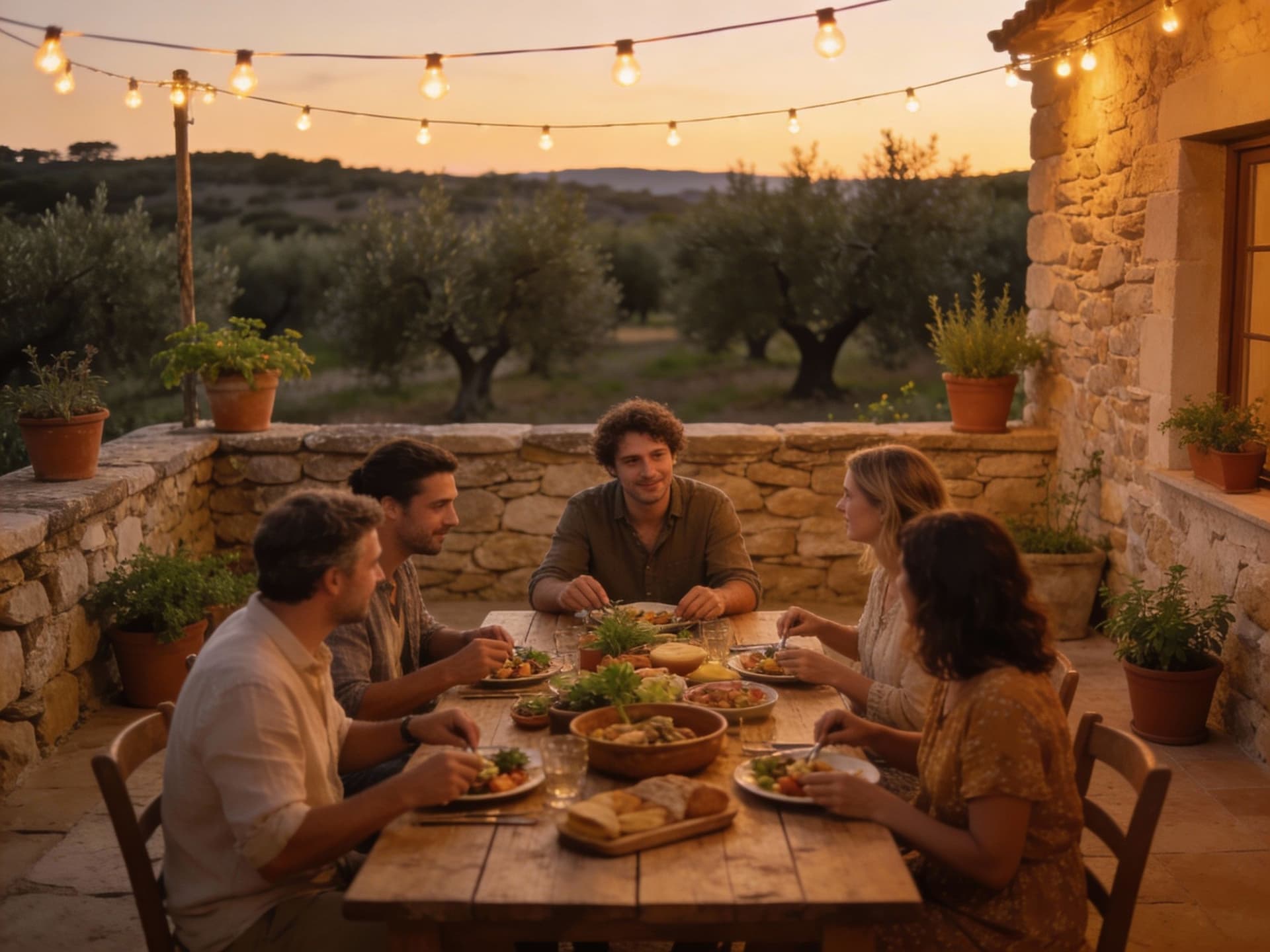
Dreaming is easy; the buying path is where the senses meet paperwork. Recent forecasts point to modest national price growth and a rebound in mortgage activity — good news for buyers prepared to act with local insight. That said, chasing summer open houses in seaside towns often means paying a premium to outbid holiday buyers. A calmer autumn or winter search helps you assess heating, insulation, and daylight — the true determinants of comfort and long‑term sustainability.
Property styles and how they shape daily life
A rustic farmhouse with thick stone walls offers passive cooling and room for a kitchen garden, but may need upgraded insulation and modern plumbing. A restored centro storico flat delights with plasterwork and views, yet can be noisy and lack green outdoor space. Newer coastal builds may promise pools but often sit on fragile dunes or tight plots. Match construction, orientation and landscape to how you want to eat, sleep and work across seasons.
Working with local experts who know seasons and craft
Choose agents and tradespeople rooted in the neighbourhood. A local agent who knows which villages have communal wood cooperatives, who speaks to the parochial mayor about building permits, or who can introduce you to a lime‑plasterer saves months of trial and error. Look for firms that emphasize green retrofits, rainwater collection and biodiversity — they’ll steer you to homes that age well with the landscape rather than to cosmetic renovations that disappoint in winter.
- 1. Visit off‑season to test heating, daylight and road access. 2. Ask for energy certificates and recent retrofit receipts. 3. Meet nearby neighbours and local artisans. 4. Prioritise orientation, garden soil and roof condition. 5. Confirm permit history for extensions and terraces.
Insider knowledge: what expats wish they’d known
Expats often tell us the surprise wasn’t language but seasonality — tiny mountain roads close in heavy snow, village services slow in winter, and markets change their rhythm. Regional price maps show strong north/south divides; the north’s premium prices contrast with southern value where regenerative projects and rural repopulation incentives can make off‑season purchases both affordable and impactful. Knowing these patterns changes where you look and when you bid.
Cultural integration: craft, rules and neighbourliness
Neighbors are often your first resource — from who trims common hedges to where the best shepherds sell pecorino. Learn local rhythms: shopkeeper hours, municipal trash days and festival calendars. A respectful approach — learning a few phrases, attending a sagra, supporting a local bottega — opens doors for trades and goodwill that matter during renovations and stewardship.
Long‑term life: stewardship, seasons and resale
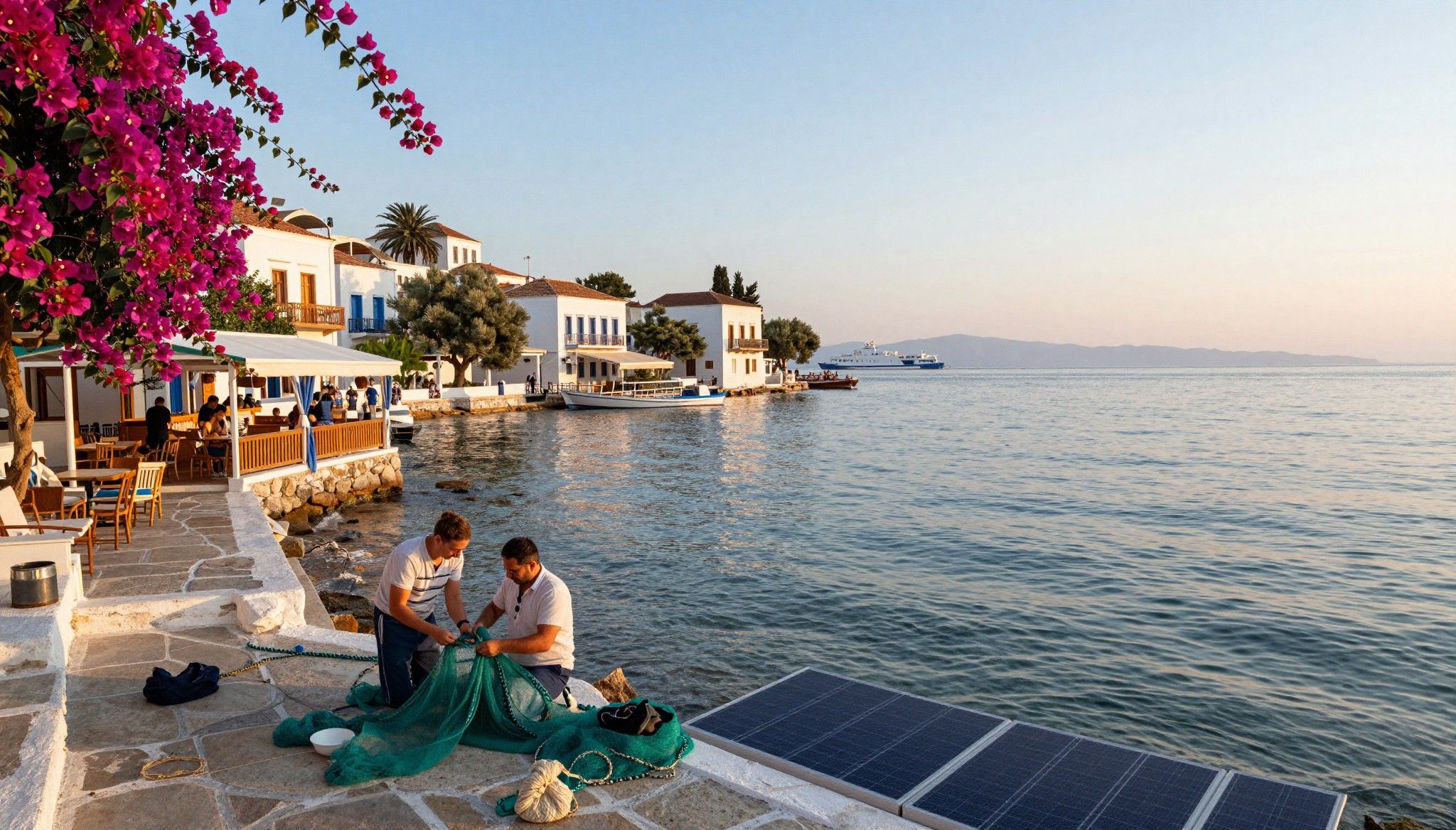
Think of a property as a seasonal partner: roofs need work after storms, terraces need planting for summer shade, and systems need winter‑proofing. Buyers who invest modestly in rainwater harvesting, native planting and passive solar upgrades often enjoy lower running costs and stronger resale appeal. This kind of stewardship keeps properties connected to place — and to local communities who value long‑term caretakers.
- Assess these practical lifestyle factors: insulation and heating systems, rainwater and irrigation potential, orientation for winter sun, soil for vegetable beds, proximity to markets and medical services, and local artisans for repairs.
Conclusion — Italy asks you to slow down. Visit in autumn or winter, meet neighbours, test systems, and favour homes that embrace landscape and craft. When markets cool seasonally, genuine green value—listed quietly by sellers who prefer local timing—often becomes visible. If you want a home that lives with the land, partner with an agent who values regenerative upgrades, local craftsmanship and seasonal insight; they’ll help you turn an imagined piazza morning into an everyday ritual.
British expat who traded Manchester for Mallorca in 2017. Specializes in guiding UK buyers to luxury Spanish estates with clear navigation of visas and tax.