Malta: Small Streets, Big Life — Market Reality & Rhythm
Malta’s compact, sun‑lit neighbourhoods promise a Mediterranean life — but rising prices and local rules mean lifestyle choices must guide practical buying steps.
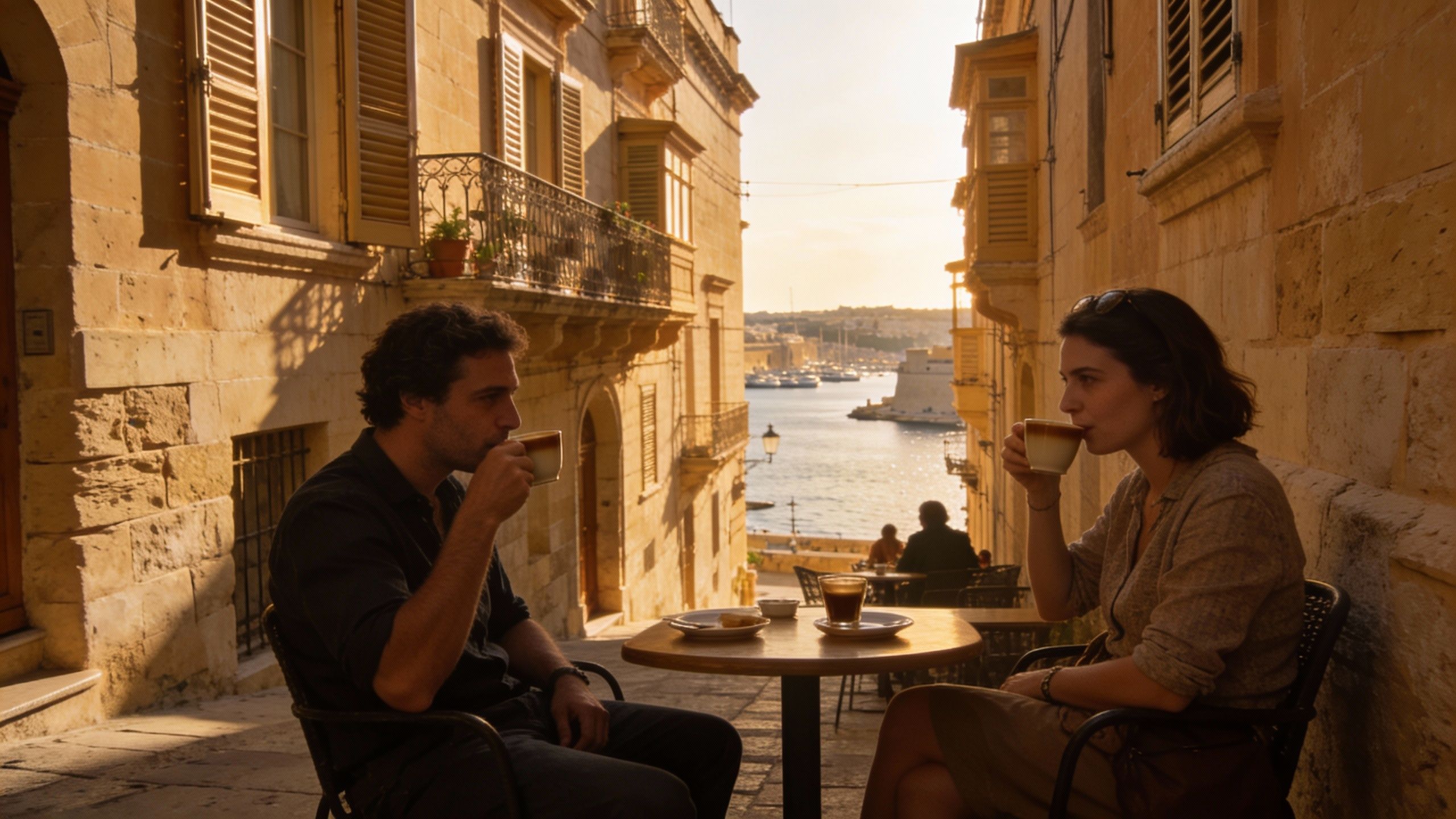
Imagine waking to a breeze scented with caper flowers, walking past sun-warmed limestone façades to a café on Triq ir-Repubblika in Valletta. A barista pulls an espresso, fishermen mend nets in Marsaxlokk bay, and children chase pigeons beneath a church bell — Malta feels small, tactile and stitched to the sea. For buyers who dream of a Mediterranean life shaped by seasons, short walks, and community rituals, Malta’s compactness is the enchantment — and the practical reality you need to understand before you buy.
Living the Malta lifestyle: daily rhythms and real places

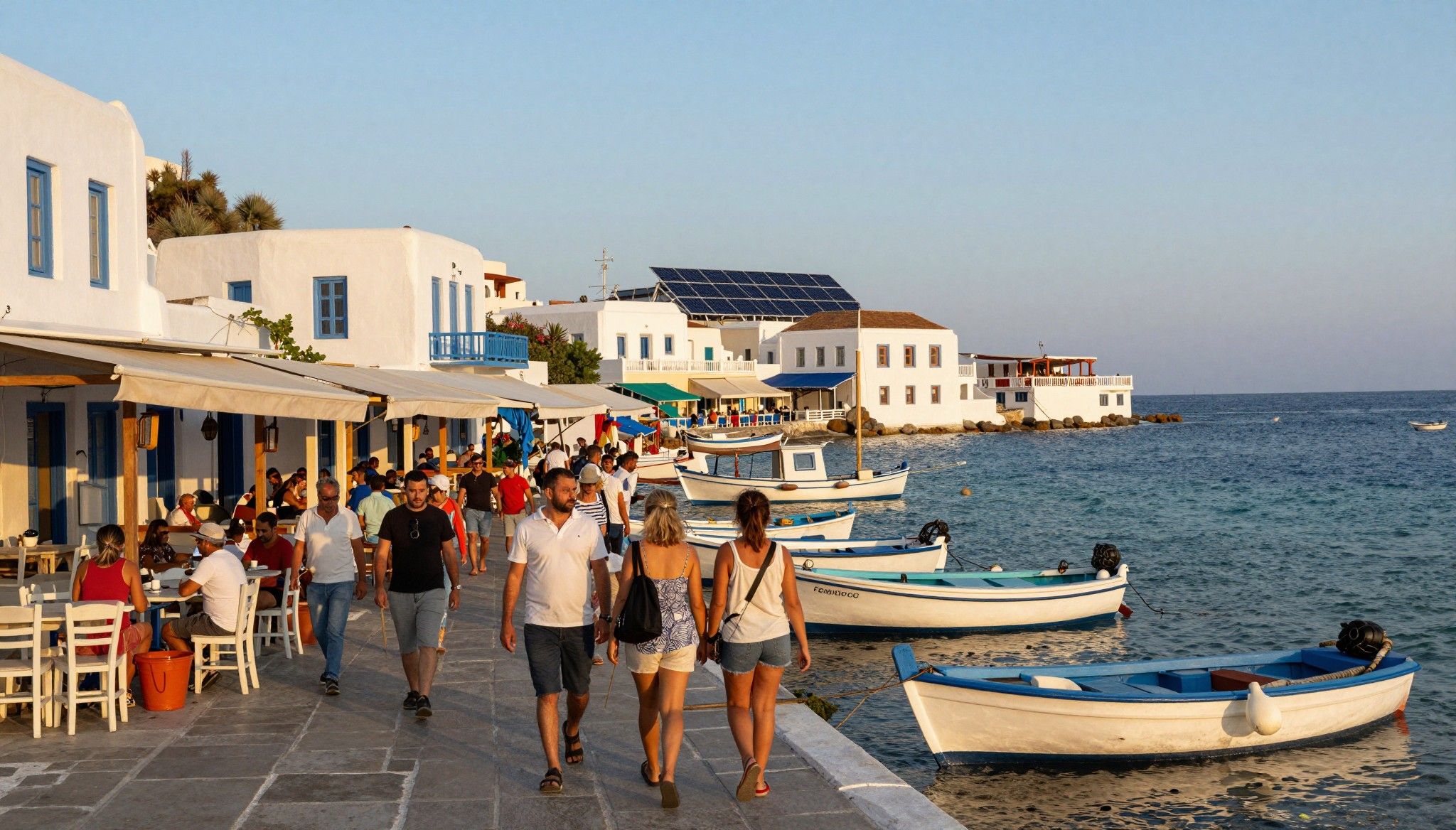
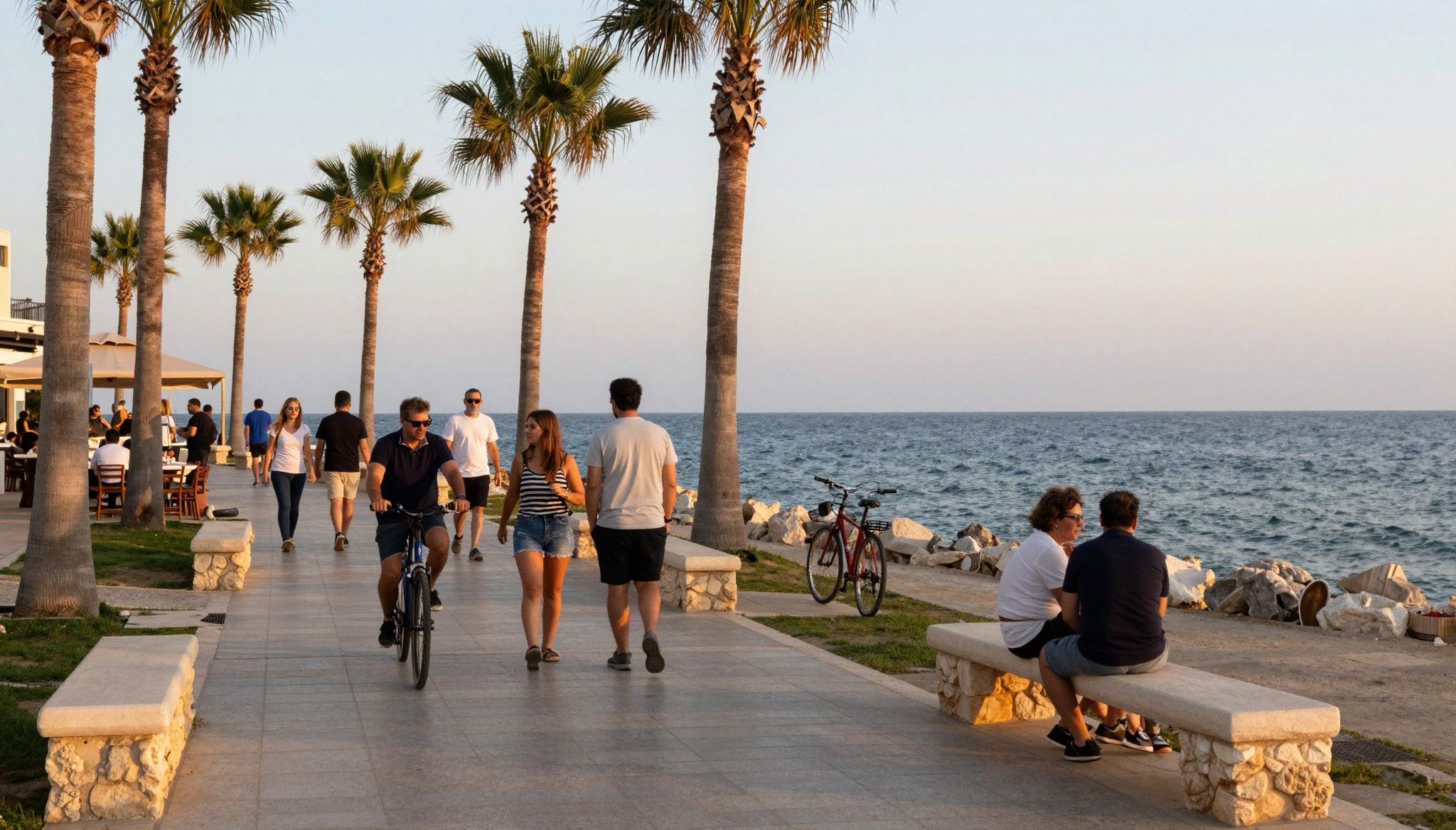
Days here are measured in light: citrus‑bright mornings for errands at Is-Suq tal-Belt in Valletta, slow afternoons on Sliema’s seafront promenades, and warm evenings at spinola bay where neighbours linger over għajn il-ħobż and local wine. The island’s neighborhoods each pulse with a distinct cadence — Valletta’s stone-walled intimacy, Sliema’s promenade energy, Mdina’s hush, and the fishing‑village honesty of Marsaxlokk. That variety means your choice of street can change your life more than the number of rooms.
Valletta to Sliema: historic intimacy vs. seaside social life
Valletta is a walkable, UNESCO-woven theatre of terraces, artisan shops and tiny bakers. Sliema and nearby St Julian’s answer with seafront cafés, boutique shopping and more apartment living. Choose Valletta if you prize cobbled mornings and quiet courtyards; choose Sliema/St Julian’s for evening promenades, modern amenities and easier access to international social scenes.
Countryside and coast: quiet villages that surprise
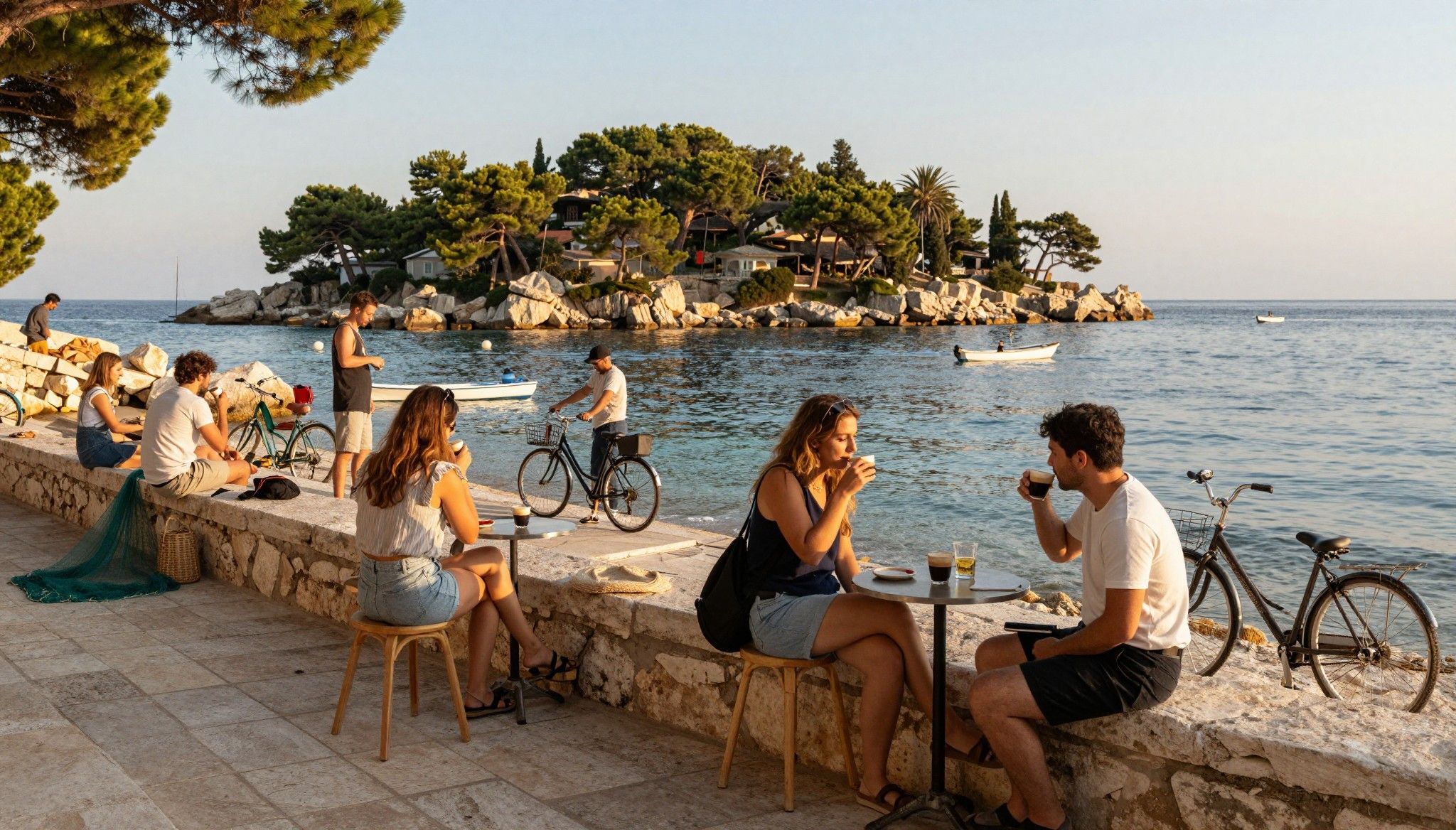
Walk inland a few kilometres and you’ll find terraced fields, limestone farmhouses, and harbourside markets. Marsaxlokk’s Sunday fish market is less a tourist stage and more a genuine early-morning ritual; neighbouring Żejtun hosts olive harvests and village festas that anchor seasonal life. These quieter pockets are where you find gardens, terraces, and a slower pace — appealing to buyers seeking connection to land and local crafts.
- Lifestyle highlights — places and small rituals to love
- Espresso and pastry at Café Cordina (Valletta) and morning people‑watching on Republic Street
- Sunset swims off St Peter’s Pool and weekend cliff walks in Dingli
- Fish straight from the quay at Marsaxlokk market and Saturday markets in Għajnsielem
- Small‑scale craftsmanship: lace makers in Gozo, traditional timber shutters repaired in Rabat
Making the move: practical considerations that shape the life you’ll get
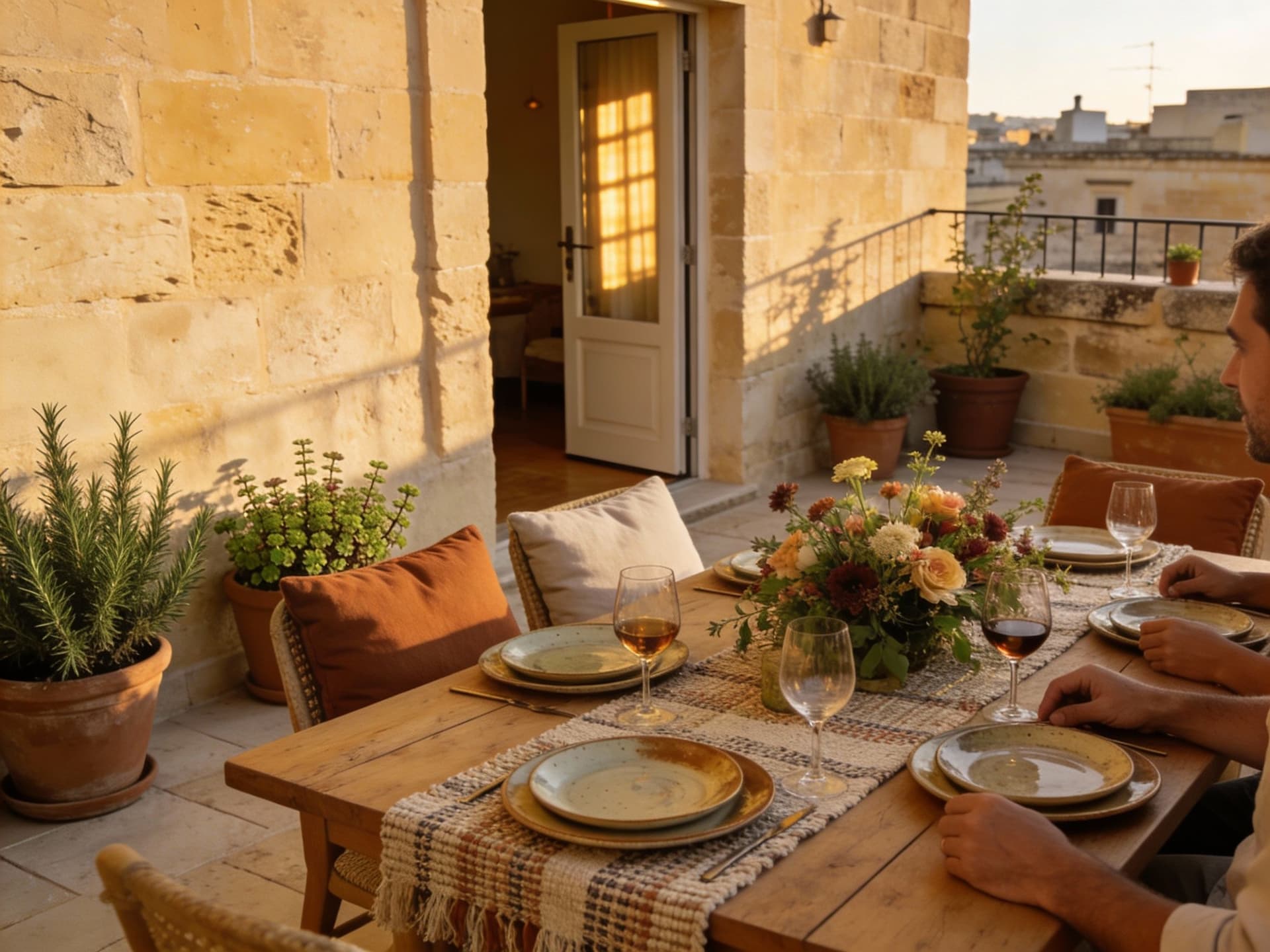
The romance of terrace dinners meets a market that is compact and brisk. Malta’s Residential Property Price Index rose steadily through 2024–2025 (NSO reported a 5% annual increase in Q4 2024 and continued growth into 2025), which means competition for well‑located homes is real. That reality should shape timing, neighbourhood choice and the trade-offs you accept between space and proximity to daily life.
Property styles and how they fit your days
Maisonettes and older stone townhouses give you terraces and thick walls that cool naturally in summer, while modern apartments in towers offer convenience and sea views. If morning light and a courtyard garden matter, prioritise traditional stone houses in areas like Rabat or the old parts of Sliema. If social life and rental flexibility matter, a modern apartment near Balluta Bay or St Julian’s will serve you better.
Working with local experts who understand lifestyle, not just listings
A local agent who knows festa calendars, common renovation limitations in conservation zones, and where natural stone suppliers are based will save you time and preserve the life you want. Look for agencies that demonstrate community ties — they’ll point you to streets where neighbours know each other and to properties that let you garden, host, and live outdoors when weather allows.
- Practical steps that marry lifestyle with purchase decisions
- Decide which daily rhythm you want: walkable historic center, seaside promenades, or rural quiet.
- Match property type to rhythm: townhouse for courtyard life; apartment for social, low‑maintenance living.
- Ask your agent about conservation rules and allowed alterations — they’re stricter in historic cores.
- Factor ongoing market momentum (NSO indices) into offer strategy: be ready to move quickly for desirable streets.
Insider knowledge: expat truths, seasonal realities and the politics that affect life here
Expat life feels immediate — English is an official language and small social networks form fast — but there are undercurrents that shape markets and neighbourhood life. Controversies around residency and citizenship-by-investment programs have at times skewed demand, encouraged absentee ownership and fuelled development in ways that affect supply and local sentiment. That matters when you consider long-term stewardship versus short-term speculation.
Cultural integration, language and making a neighbourhood your own
Start with small rituals: greet your grocer in Maltese, join a festa committee, volunteer at a local market. These are how you move from visitor to neighbour. In practice, that might mean choosing a street with long‑standing residents over a newly built block where people churn more frequently.
Long-term lifestyle and sustainability considerations
Think beyond purchase price: Mediterranean climates reward passive cooling, rainwater capture, and shaded terraces. Look for properties with thick stone walls, high ceilings, and south-facing courtyards to reduce energy needs. Given rising prices shown in NSO data, prioritise durable natural materials and low‑impact upgrades to protect both value and the environment.
- Sustainable property features to seek in Malta
- Thick traditional limestone walls and shutters for passive cooling
- Rooftop terraces suitable for solar panels and rainwater tanks
- Native‑plant courtyards to support local biodiversity and reduce irrigation
- The common mistakes expats tell us they made (and how to avoid them)
- Underestimating local conservation restrictions — check with planning before you bid.
- Overpaying for sea view alone — in Malta, location microclimates and access matter more than a view.
- Ignoring community rhythms — festas, market days and ferry timetables shape everyday convenience.
Conclusion: the life you can have — and the first practical steps
Malta offers a rare combination: human‑scale streets, a sea-soaked climate, and neighbourhoods where rituals anchor daily life. But it is also a tight market with rising prices and political history that filters into supply. Start by visiting in different seasons, choosing a street that matches your daily rhythm, and working with an agent who understands conservation, community and sustainability. Do that and you’ll buy more than a home — you’ll claim a way of life.
Dutch property strategist who helped 200+ families find sustainable homes in southern Europe; expert in legal pathways and long-term stewardship.