Seasons, Stone and Stewardship: Real-Life Malta
Malta’s compact, craft-rich life rewards buyers who value seasonal living, stone architecture and low-impact stewardship; know permit rules and prioritise local expertise.
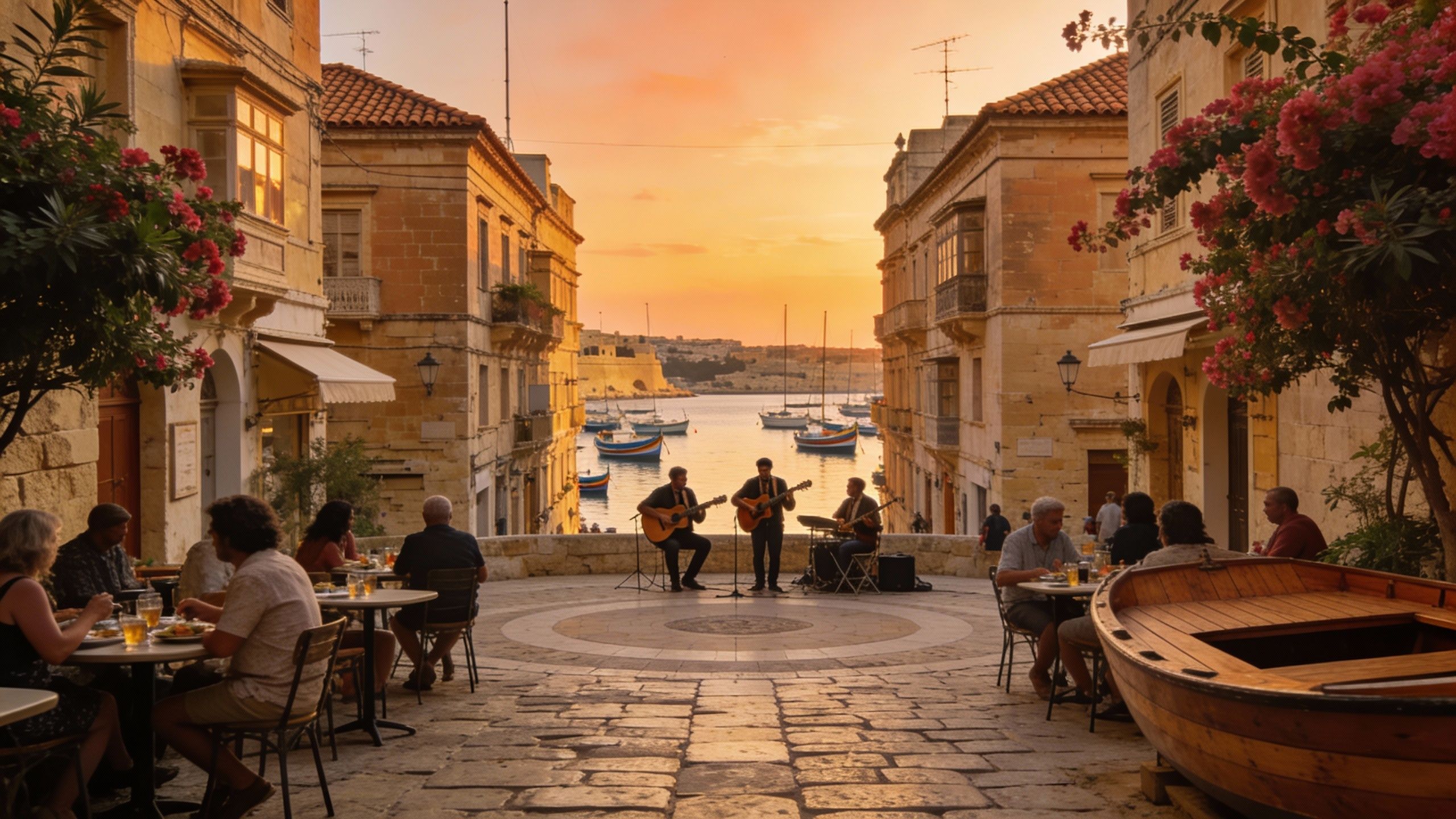
Imagine waking before dawn to the smell of freshly baked ftira, then walking the honeyed limestone streets of Mdina as the first light slips across terraced gardens. In Malta life moves with a Mediterranean cadence — mornings spent at cafés around Republic Street, afternoons diving from rocky coves at Għajn Tuffieħa, evenings sharing a pot of bigilla with neighbours on a warm terrace. For international buyers who care about ecology, craft and a home that feels part of a living island, Malta offers concentrated charms: ancient stone, sea-salted air, and tightly-knit communities where seasonal rhythms shape daily life.
Living the Malta lifestyle
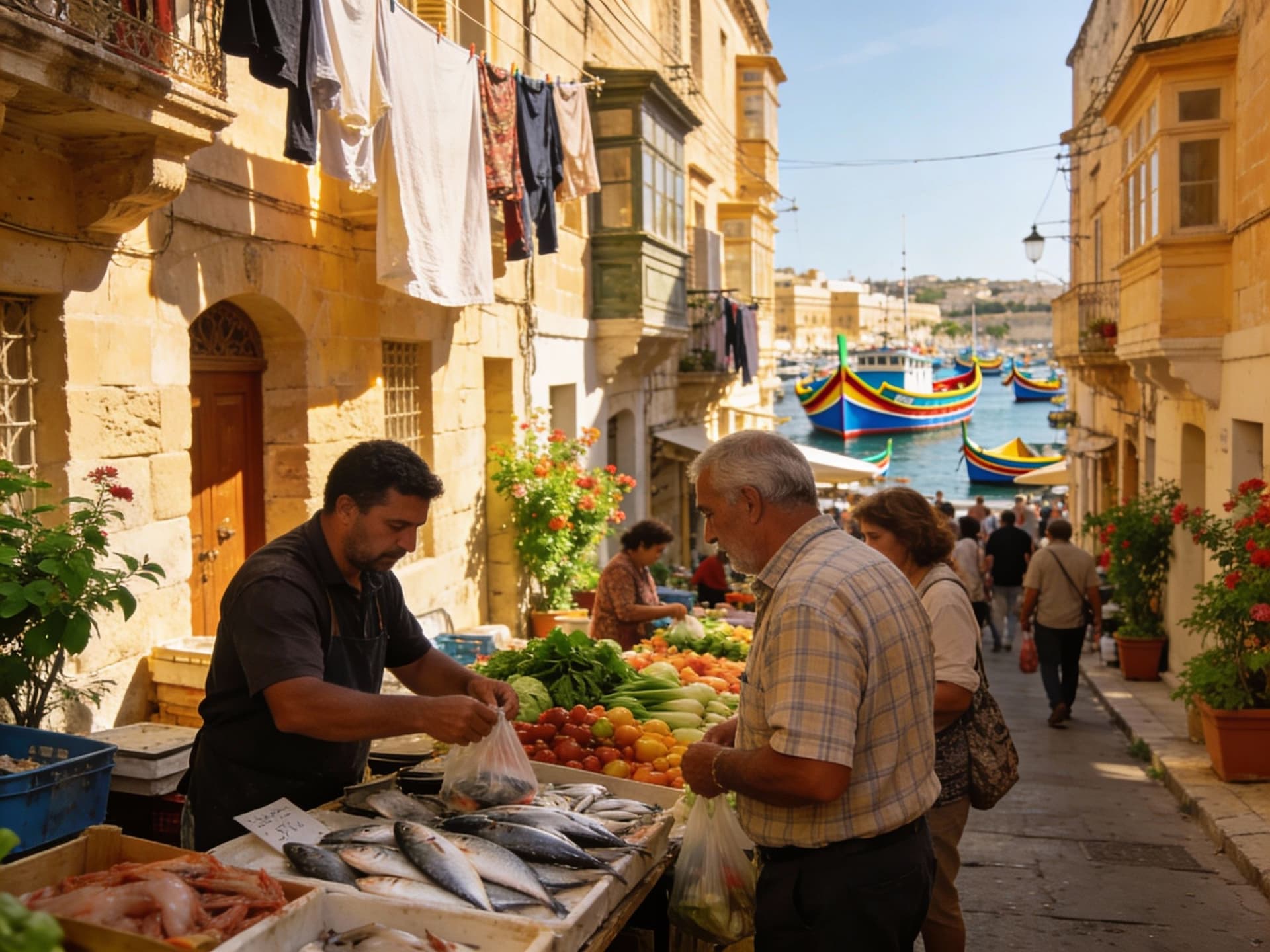
Malta feels small in the best way: everything is near, communities are layered across centuries, and the island’s compactness intensifies seasonality. Summers are a mosaic of beach days, late-night festa drums and outdoor dining; winters are gentler, greener and repair-focused — the time when local craftsmen restore stone balconies and gardeners prune citrus groves. Population growth driven by migration has kept towns lively; Malta’s National Statistics Office recorded continued increases in recent years, which affects both demand and the rhythm of neighbourhood life.
Mdina, Valletta and quiet villages — contrasts that shape choice
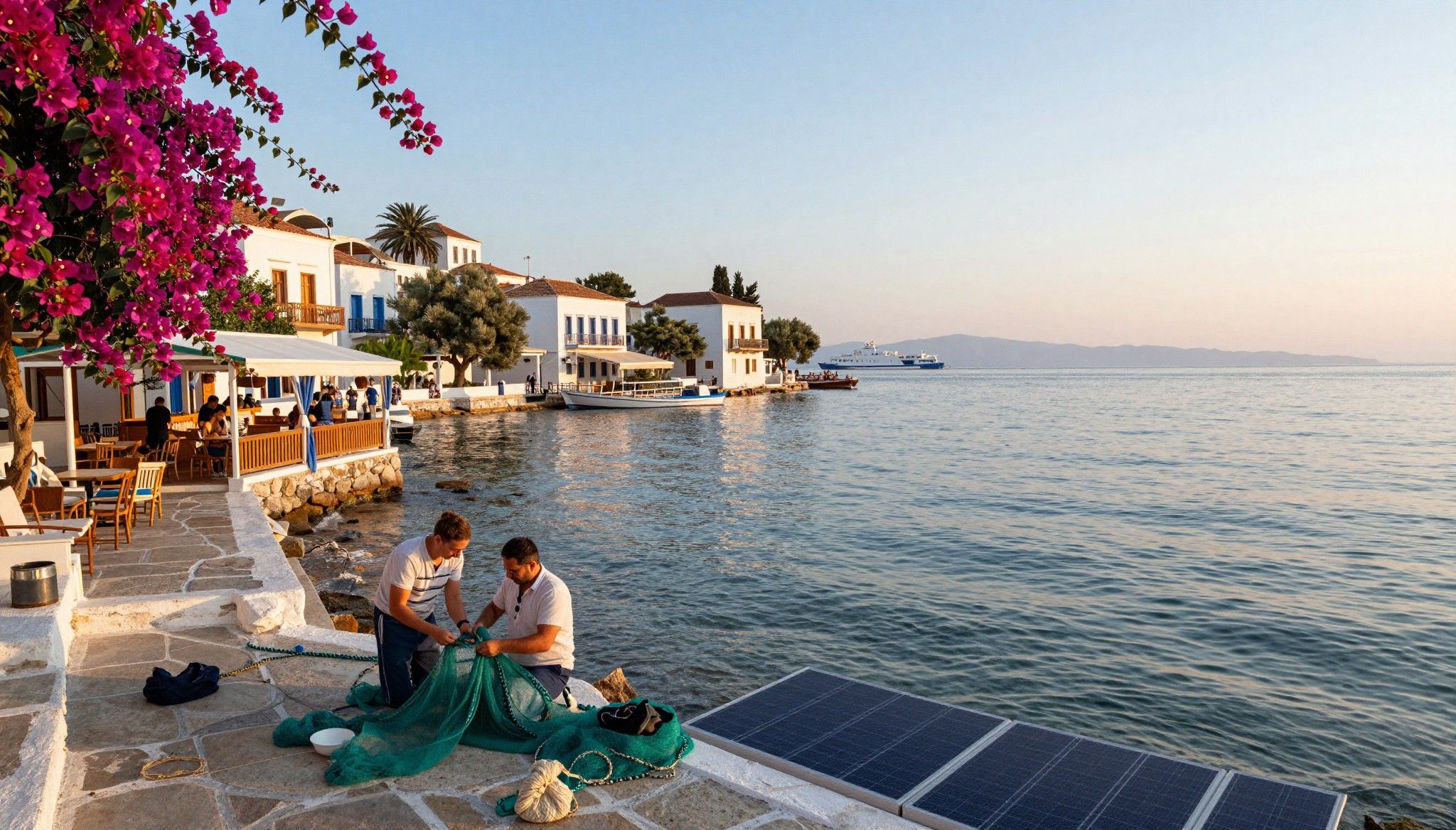
Valletta is theatrical: baroque facades, narrow alleys that funnel wind and light, strong café culture and a pulse of galleries and boutique shops. Mdina, the silent city, is about slow ritual and evenings on ancient ramps. Cross the island to Marsaxlokk and you’ll find fishermen mending nets among pastel luzzu boats. For buyers this matters: a townhouse in Valletta delivers a city-life heartbeat and cultural programming; a farmhouse near Xagħra on Gozo offers larger gardens and a stronger connection to soil and seasons.
Food, craft and weekly rhythms
Markets — from Marsaxlokk’s fish stalls to Mdina glass artisans — define local life. Weekends mean visiting the Ħal Qormi market for fresh produce, swapping recipes at community festas, or joining a pottery workshop in Wied il-Għasri. These rituals are why many buyers choose properties with terraces, courtyards or small orchards: they’re not just features, they’re a way of participating in the island’s food and craft cycles.
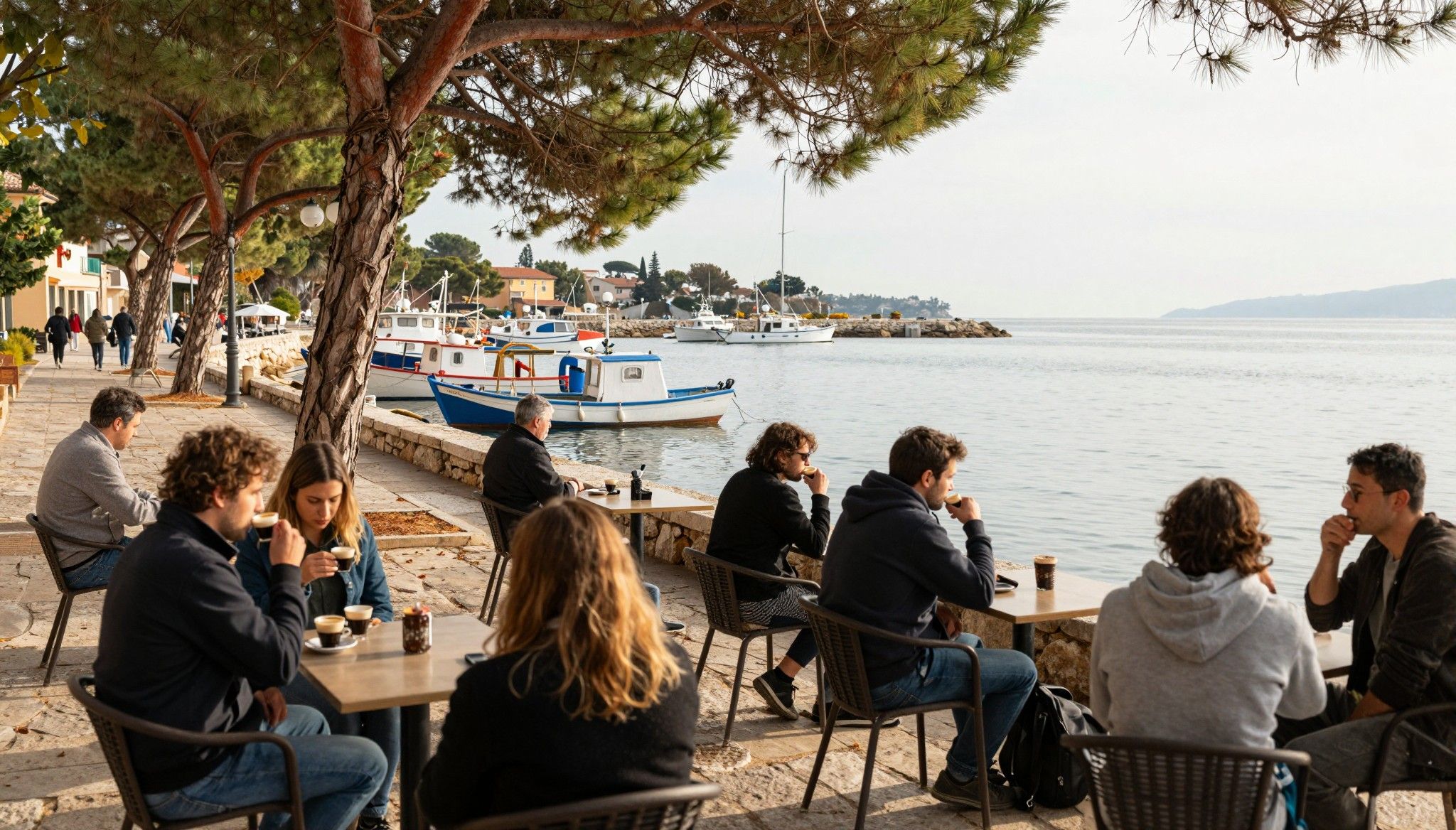
- Morning espresso on Republic Street (Valletta); diving at St Peter’s Pool; Sunday fish market at Marsaxlokk; sunset at Dingli Cliffs; pottery and lace workshops in Gozo; seasonal festa dinners in village squares.
Making the move: practical considerations
The dream of a Maltese home meets specific legal and market realities. Non-EU buyers, in particular, should know that permission is often required to buy residential property outside designated areas, and that national policy changes — such as the end of formal citizenship-by-investment routes — have reshaped demand. Local expertise is not optional: a good agent or legal team understands zoning, AIP permits, and the island’s patchwork of Special Designated Areas where free purchase is unrestricted.
Property styles and how they shape daily life
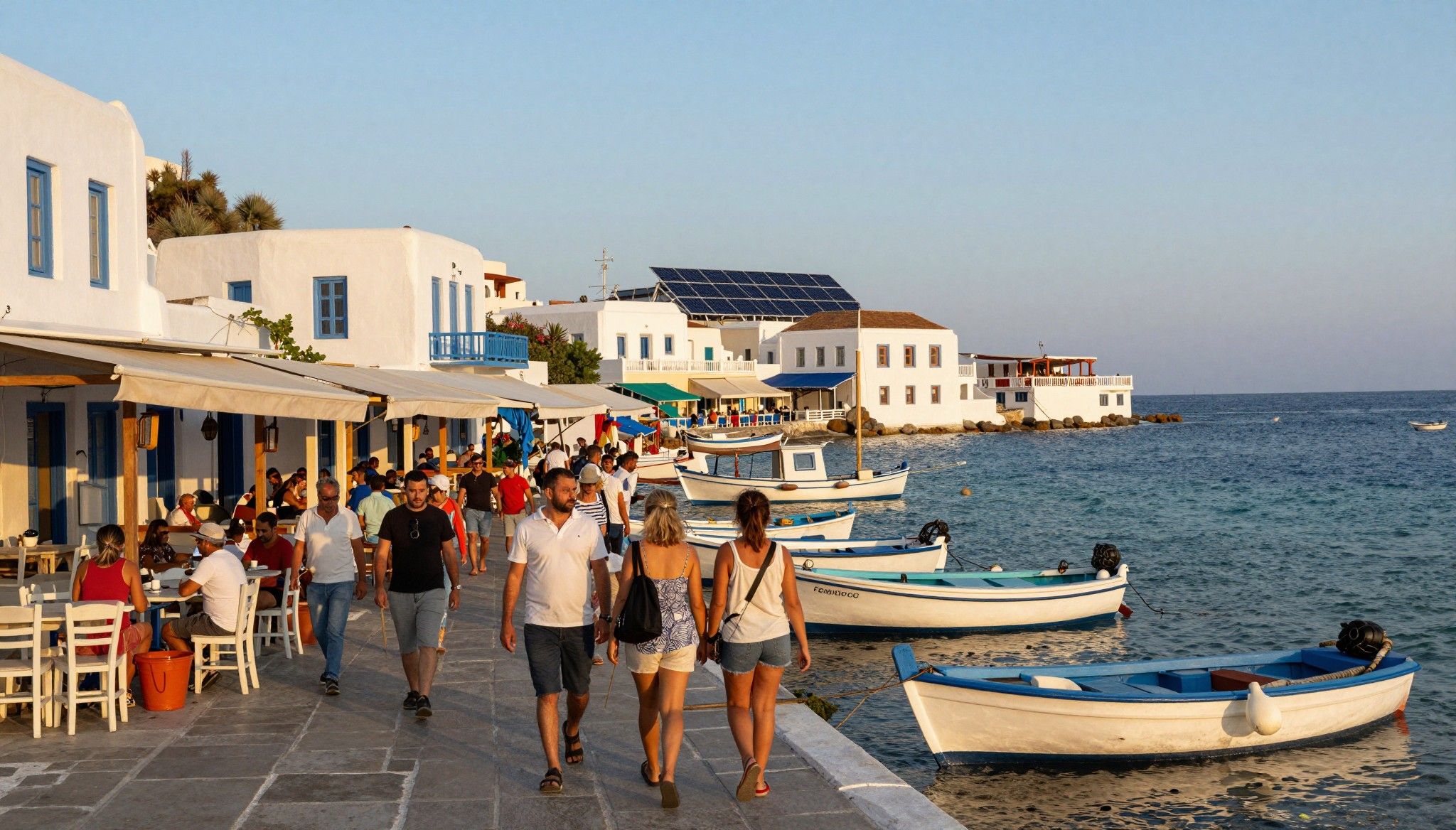
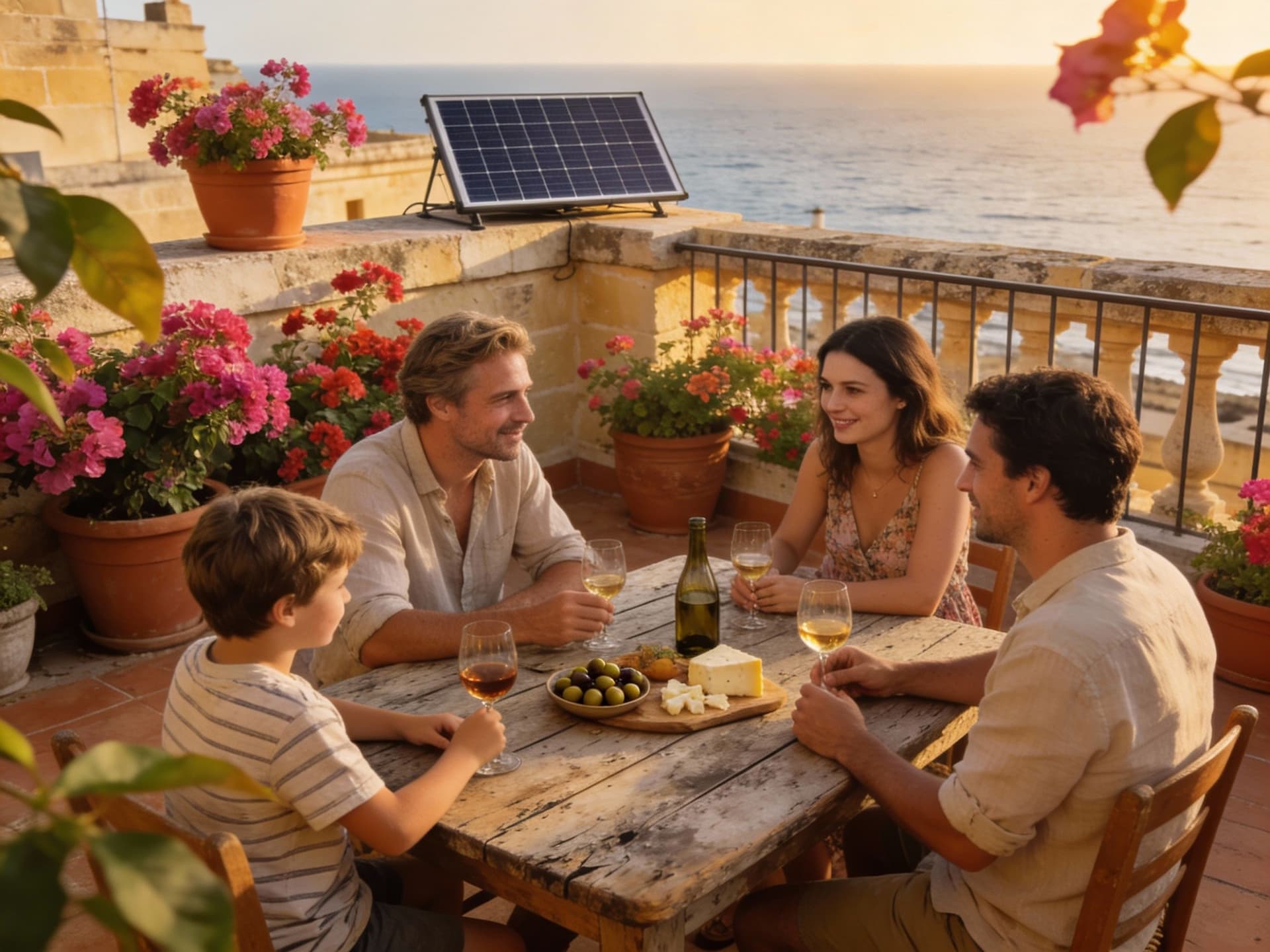
Maltese properties range from compact historic townhouses with internal courtyards to modern seafront apartments and restored farmhouses with terraces. If you love making food outdoors, prioritise a south-facing courtyard or roof terrace. If quiet and space matter, Gozo’s rural houses will feel restorative. Stone’s thermal mass is your ally: thick limestone walls keep interiors cool in summer and warm in winter, reducing energy needs when paired with modest solar panels or heat pumps.
Working with local experts who know place and season
Find an agency that speaks both the language of design and the language of regulation. The right local partner will match lifestyle desires (artisanal markets, coastal walks, garden space) with realistic property options and handle AIP permits, energy upgrades and craft-led restorations. They will also advise on timing: autumn and winter are the seasons when the island’s builders and craftsmen are available to survey roofs, assess stonework and plan low-impact retrofits.
- Identify lifestyle priorities (terrace, garden, proximity to sea); commission a local survey during winter when visibility on faults is higher; check AIP permit requirements early; budget for stone restoration and small-scale renewable upgrades; connect with local artisans for realistic timelines.
Insider knowledge: what expats wish they'd known
Expats often arrive enchanted, then slowly discover local rhythms: bureaucracy moves at a social pace, festas reshape weekends, and island density means neighbours matter. Recent population rises driven by migration have added energy — and pressure — in neighbourhoods near transport hubs. Knowing this beforehand helps buyers choose a street that matches the life they want: lively piazzas for people who crave community, quiet lanes for those seeking sanctuary.
Language, community and the slow work of integration
English is an official language, which eases practical integration, but acquiring local friends often follows shared rituals: cinema nights at St James Cavalier, volunteering at village festas, or joining a diving club. Respect for local customs — quiet during siesta hours in small villages, participation in festas — fast-tracks acceptance and enriches daily life.
Long-term life: how choices age gracefully
Buyers planning for the long term should weigh community ties over short-term gains. With EU-level scrutiny changing investment citizenship pathways, Malta’s market is maturing: the most resilient purchases are those that embrace repair, low-impact upgrades and active neighbourhood participation. Think of property as a stewardship project — you are buying into an island’s cadence, not just a return on paper.
- Prioritise durable features: thick limestone walls, passive cooling orientation, roof terraces for solar panels, native planting for small gardens, local craftsmen for authentic restorations.
If you can picture yourself sipping late‑afternoon tea on a stone terrace while bougainvillea drapes a low wall, Malta can be a place of deep seasonal pleasure. The practicalities — permits, local partners, realistic timelines for restoration — are straightforward with the right team. Next steps: visit in the shoulder season, meet local artisans, and ask agents to show both the lived-in streets and quieter lanes. There, between festa lights and sea-salt evenings, you’ll find the life that made you look at Malta in the first place.
Swedish advisor who left Stockholm for the Costa Brava in 2019. Specializes in sustainable, sea‑view homes for Scandinavian buyers and green finance insights.