Malta’s 'Expensive' Tag: Where Value Waits
Malta’s charm hides a small, regulated market — prices are rising, SDAs and AIP permits shape who can buy, and seasonality affects lifestyle and costs.
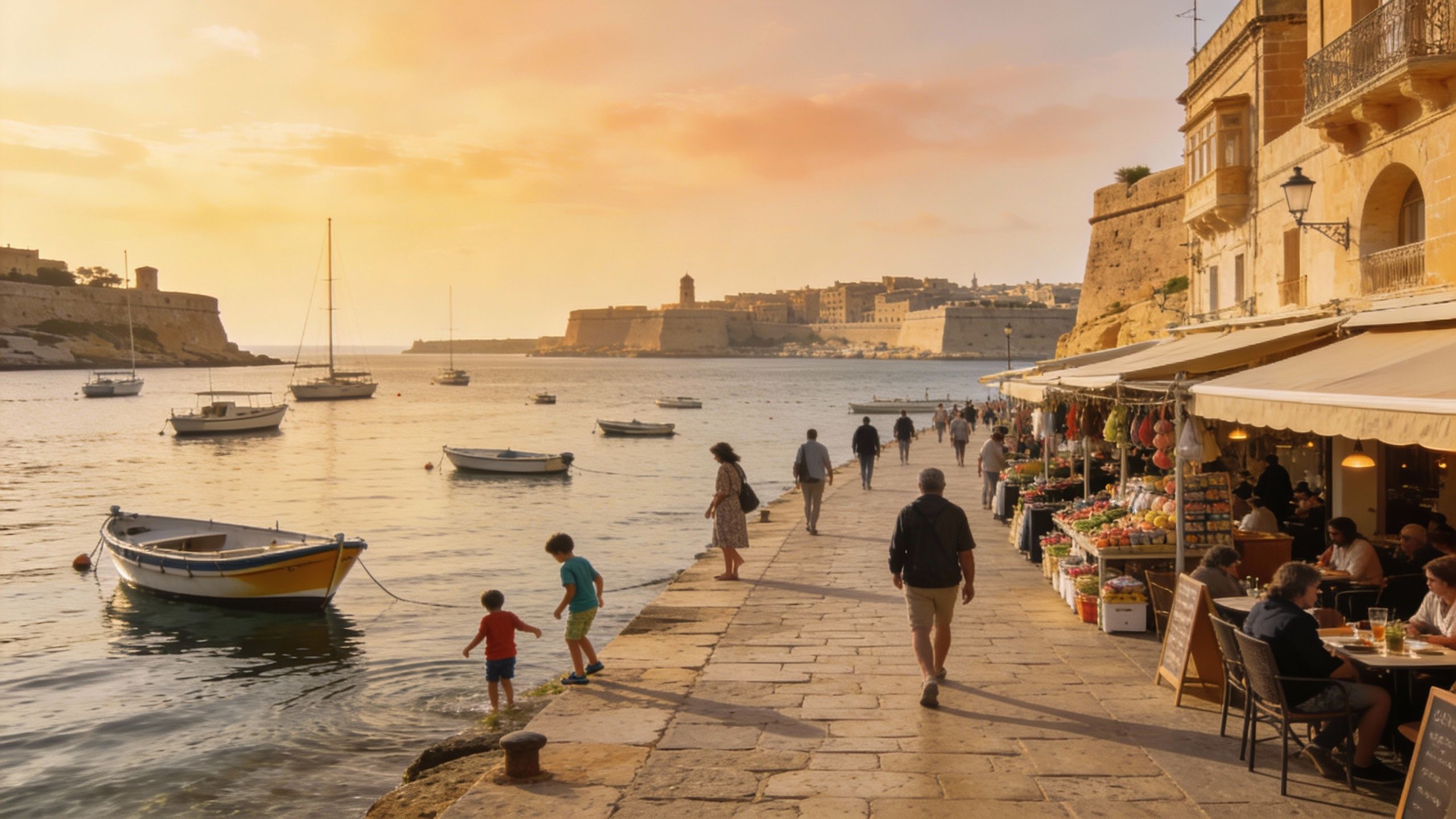
Imagine standing on a quiet Valletta lane as the harbour light softens and a baker pulls trays from the oven — that slow, sun-warmed rhythm is Malta. But the island’s charm has a practical side: a tight market, rising prices and specific rules for non-resident buyers that quietly shape where you can plant roots.
Living the Malta life
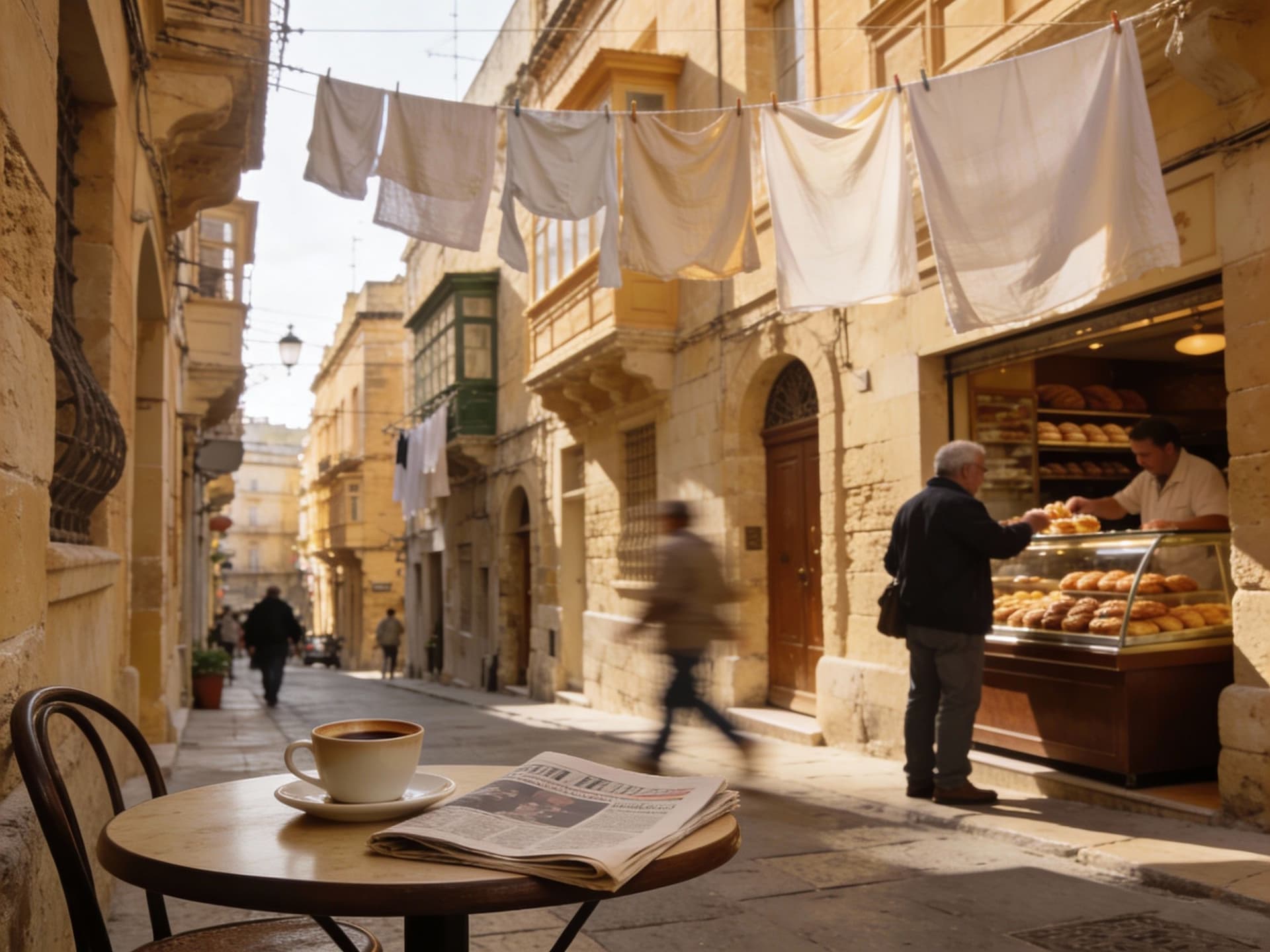
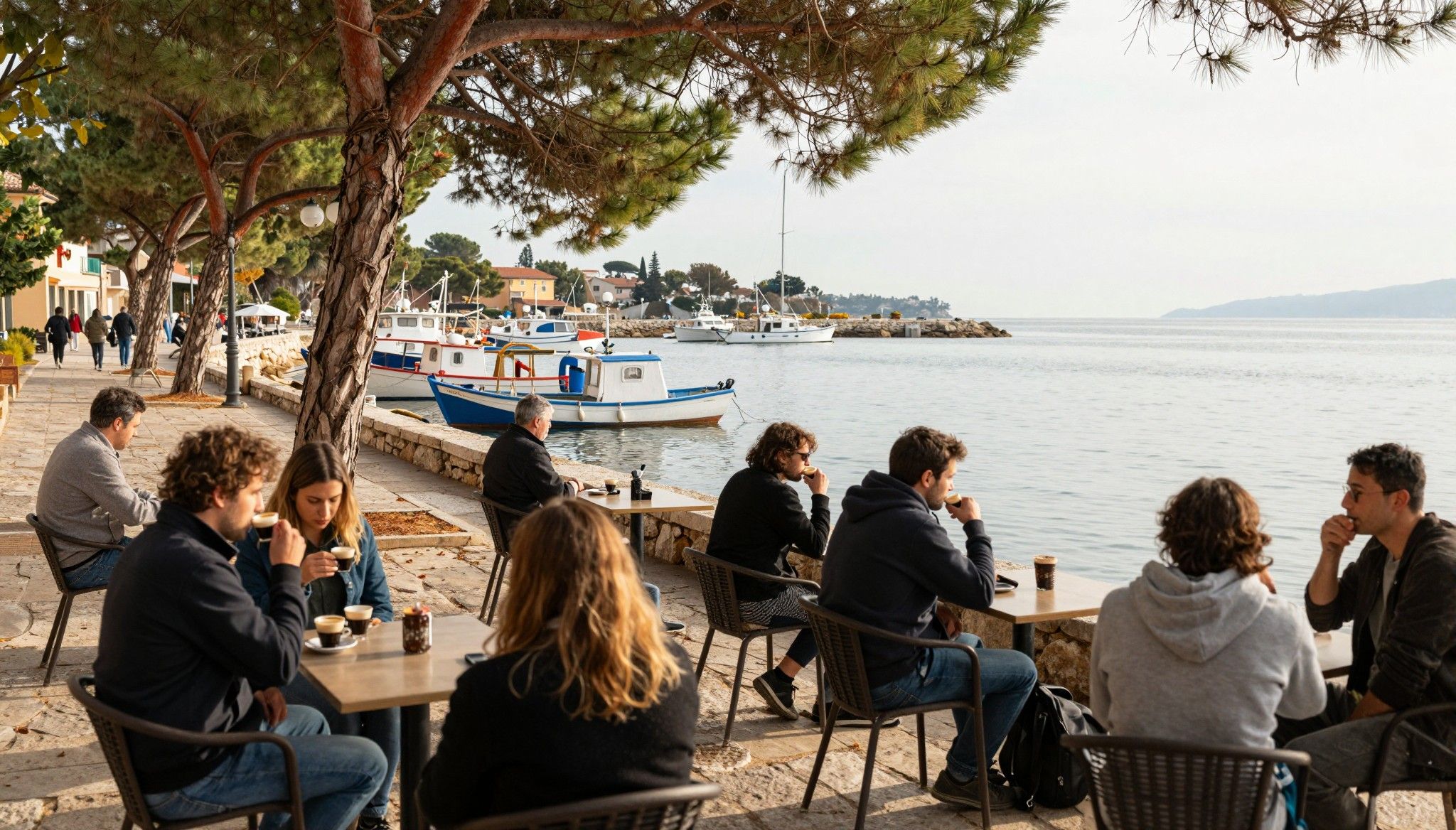
Picture mornings at Caffè Cordina in Valletta, late afternoons on Sliema’s waterfront promenade and Sunday fish stews at Marsaxlokk’s market. Malta is compact — you can move from baroque streets to a cliff-top walk in under an hour — and life here blends Mediterranean leisure with an intimate, village-like social fabric.
Neighborhoods that shape daily life
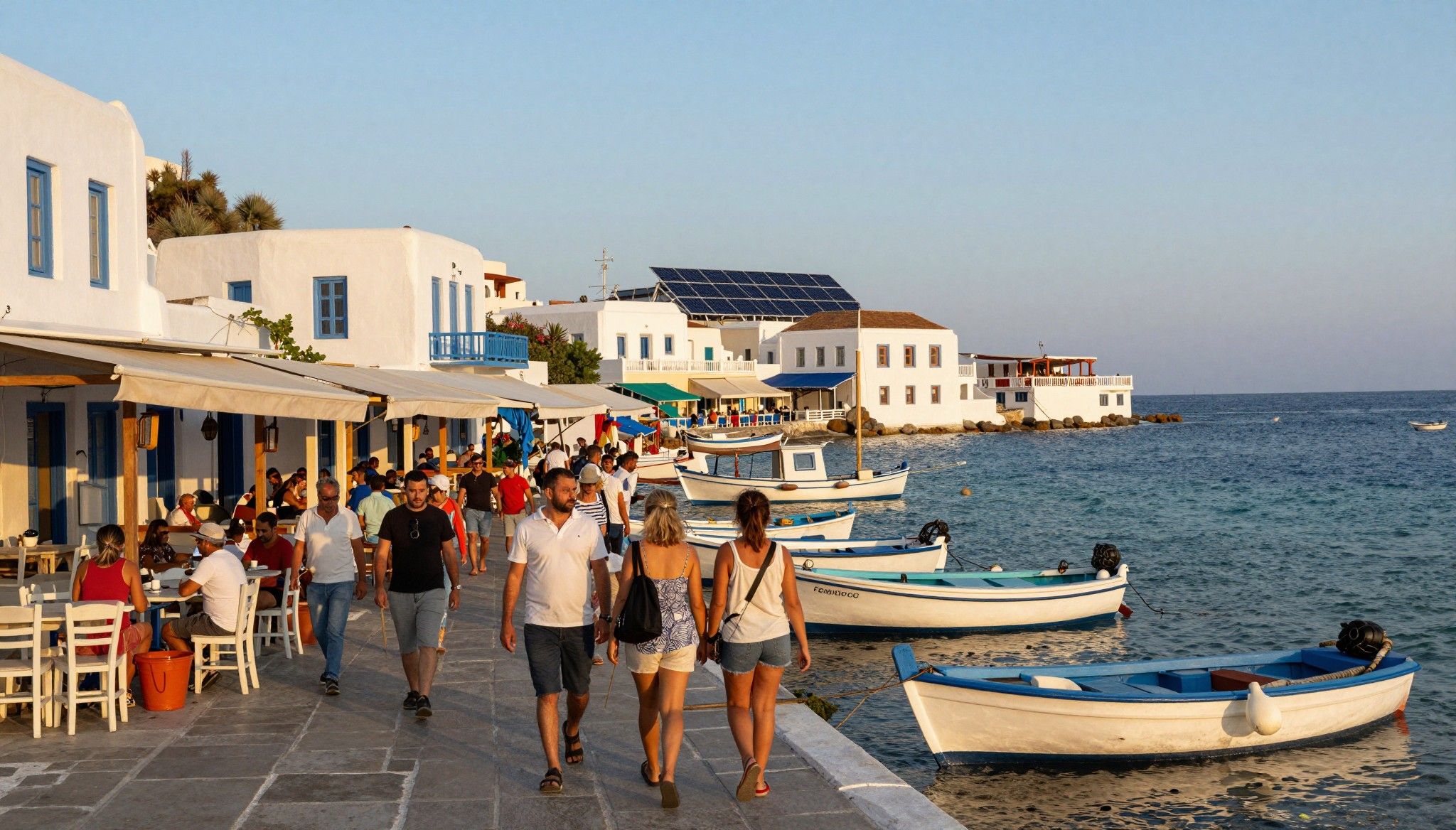
Each corner of Malta has its own cadence. Valletta hums with museum openings and small bistros; Sliema and Gżira are cosmopolitan, with cafés and co‑working nooks; St Julian’s carries the energetic seaside buzz by day and a lively dining scene by night. In Gozo (Victoria and Xlendi) life slows further, favouring gardens, stone cottages and wide sea views.
Food, seasonal life and local craft
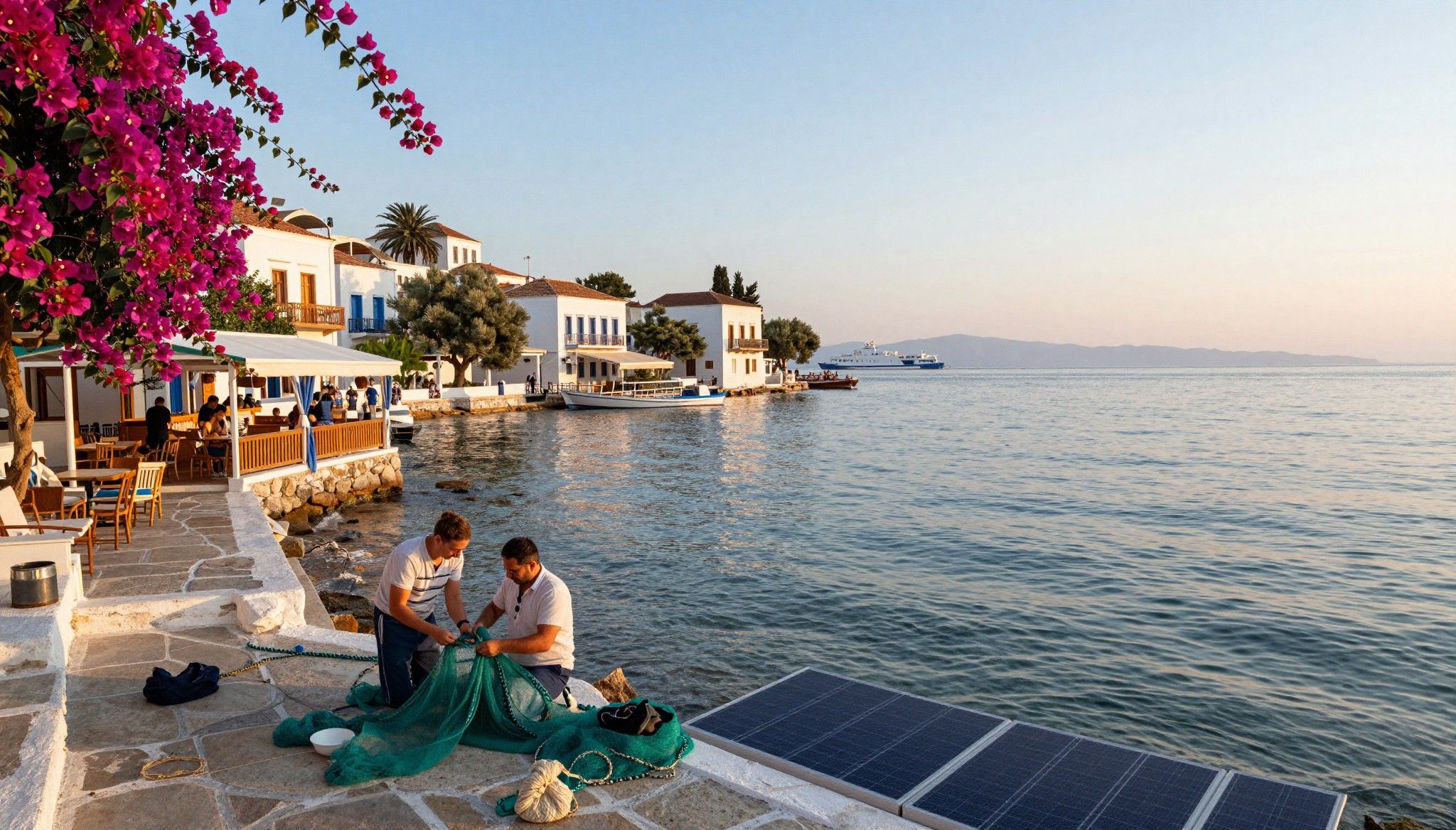
Seasonality matters: summer fills beaches like Golden Bay and Għajn Tuffieħa, while autumn and spring reveal quieter coves and excellent snorkelling. Traditional crafts — lace, stone masonry, fishing nets — still appear at markets and festas, giving neighborhoods a lived history you feel on narrow streets and in small workshops.
- Lifestyle highlights worth chasing
- Morning espresso at Caffè Cordina (Valletta)
- Sunset walks at Dingli Cliffs and weekend swims at Golden Bay
- Fish market Saturdays in Marsaxlokk and chance encounters with local artisans
Making the move: practical considerations
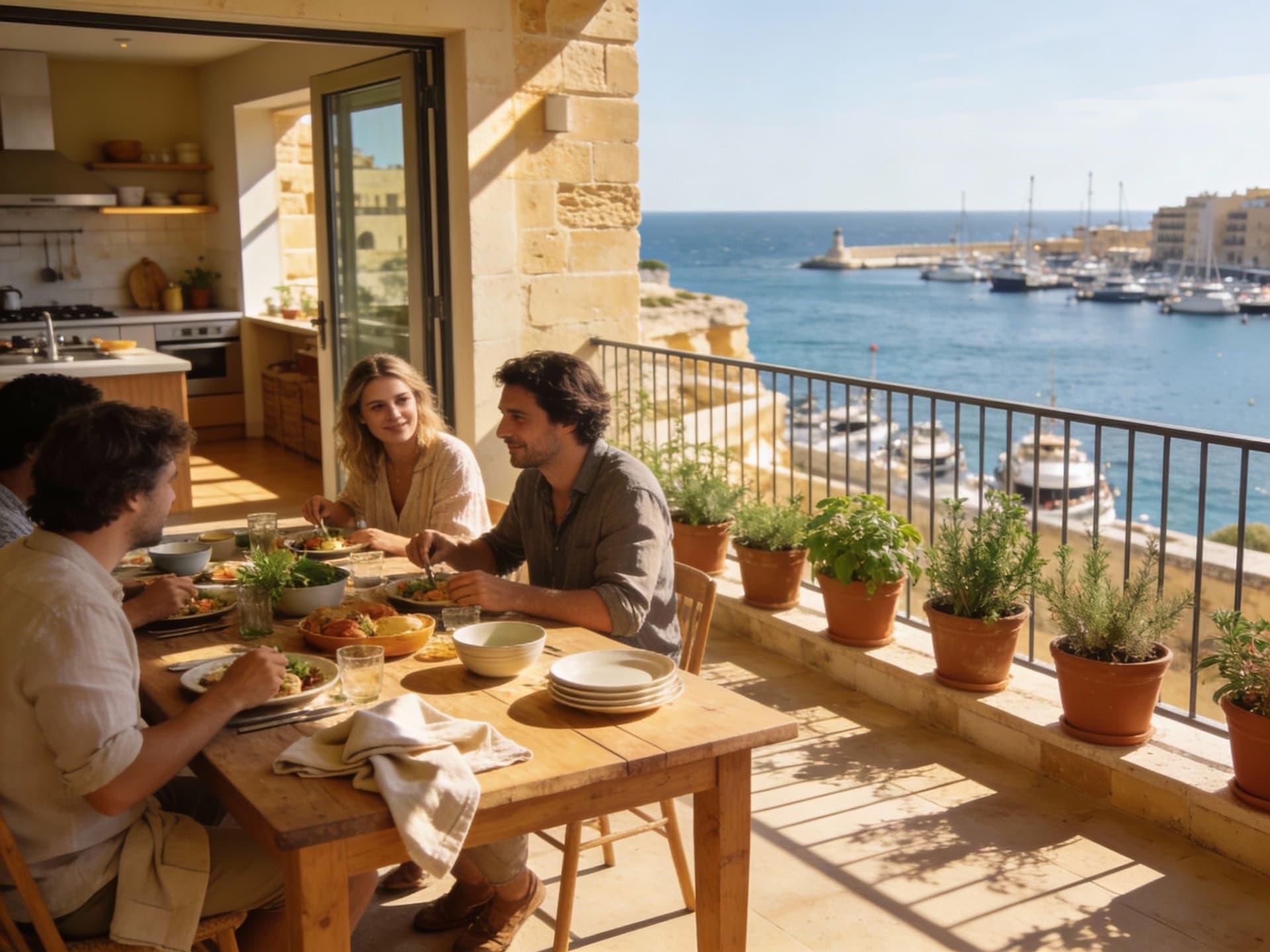
That island intimacy means practical realities matter. Malta’s property market is small and price-sensitive: the National Statistics Office reports steady annual rises in the Residential Property Price Index, so timing, location and legal clarity change the story of whether a purchase feels like a lifestyle win or a missed step.
Property styles and how they shape life
From restored townhouses in Mdina and Valletta to modern apartments at Tigné Point, the property you choose dictates daily rituals: a townhouse invites rooftop herb gardens and evenings on narrow terraces; a marina apartment in Portomaso leans into yacht-side weekends and concierge convenience.
Working with local experts who live the island
Local agents and lawyers do more than show properties. They translate how zoning, Special Designated Areas (SDAs) and the AIP permit will affect your daily life — whether you can rent, where you can own more than one property, and how a coastal lifestyle interacts with maintenance needs like salt‑air wear or roof insulation.
- Steps to blend lifestyle with legality when buying in Malta
- 1) Map lifestyle priorities (quiet village vs. waterfront buzz) and shortlist neighbourhoods.
- 2) Check SDA status: buying in Portomaso/Tigné Point often removes AIP barriers and offers rental flexibility.
- 3) Apply for an AIP permit early if required — documents and minimum property values can affect timelines and eligibility.
- 4) Factor in seasonal running costs (cooling in summer, stormproofing winters) and local maintenance traditions like lime‑washing stone façades.
Insider knowledge: expats and local truths
Real talk from expats: Malta’s English‑friendly culture smooths first steps, but under-the-surface issues — from fast‑moving legislation to scrutiny on residency schemes — matter. Recent EU rulings around investment-citizenship programs underline that policy shifts can reshape investor sentiment and market demand within months.
How community and language shape belonging
English is widely spoken, which flattens the learning curve, but fitting in often comes through small rituals: table‑side conversations at neighborhood festas, volunteering at local conservation groups or learning to cook rabbit stew with a neighbour. These routines are the true infrastructure that turns a house into home.
Long‑term living: stewardship and seasonality
Think beyond purchase price. Sustainable choices — rainwater capture for gardens, photovoltaic panels on terraced roofs, stone repairs using traditional lime mortar — reduce long‑term costs and preserve character. Choose homes where local craftsmanship supports low‑impact upkeep rather than high‑frequency modern replacements.
- Practical flags to check before committing
- Is the property inside an SDA? (affects permits and rental rights)
- Does the roof and façade use traditional materials that need specialist care?
- How close is the property to seasonal noise sources (festivals, marina events) and how does that match your lifestyle?
- Are local transport links, groceries and healthcare within easy reach for your stage of life?
Conclusion: Malta’s compact beauty rewards buyers who pair feeling with facts. Start with a morning walk in Valletta, shortlist neighborhoods that match how you want to live, then work with lawyers and agents who understand AIP rules and SDAs. Do this and you’ll not only buy a property — you’ll join a community whose quiet rhythms become your own.
Danish relocation specialist who moved from Copenhagen to the Algarve; supports families with seamless transitions, local partnerships, and mindful purchases.