Stewardship‑First Italy: Neighborhoods, Seasons & Smart Buys
Fall in love with Italy’s seasonal neighborhoods and stewardship-first buying: regional price trends and practical, green-minded steps for an authentic life.
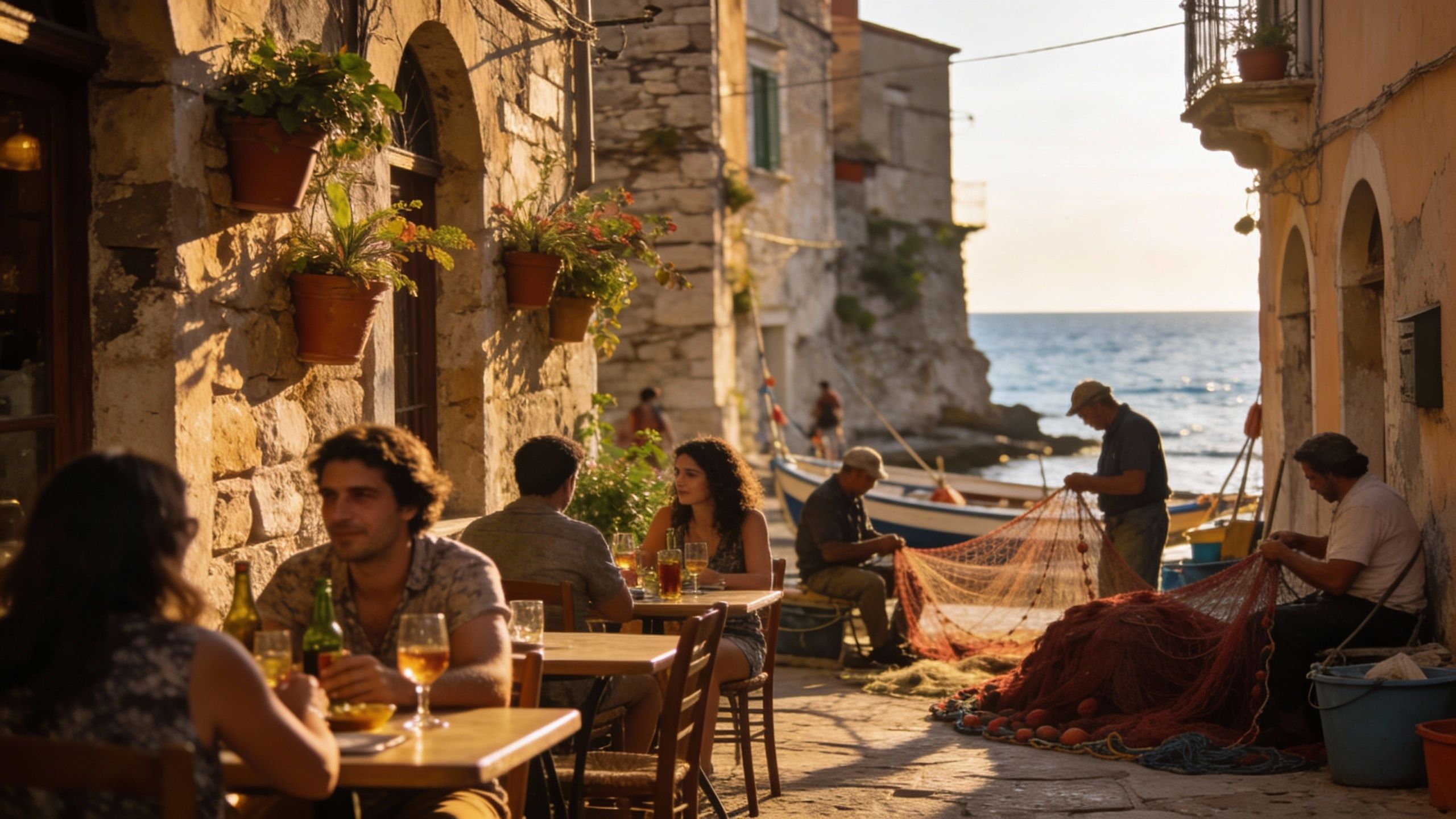
Imagine waking before dawn to the hum of scooters and the smell of freshly baked focaccia from a corner forno, then spending the morning wandering a sun-warmed mercato where stallholders argue over the ripest figs. In Italy, life is textured by seasons, food rhythms and craft — marble-mason shops, walnut-beamed kitchens, markets that close for August. For international buyers drawn to green living, these scenes hide practical truth: a home here is as much a connection to local craft and ecology as it is an asset to manage. Recent national statistics show a subtly rising market, but the story beneath the numbers is about region, season and the kind of life you want to build.
Living the Italian life — more than a view
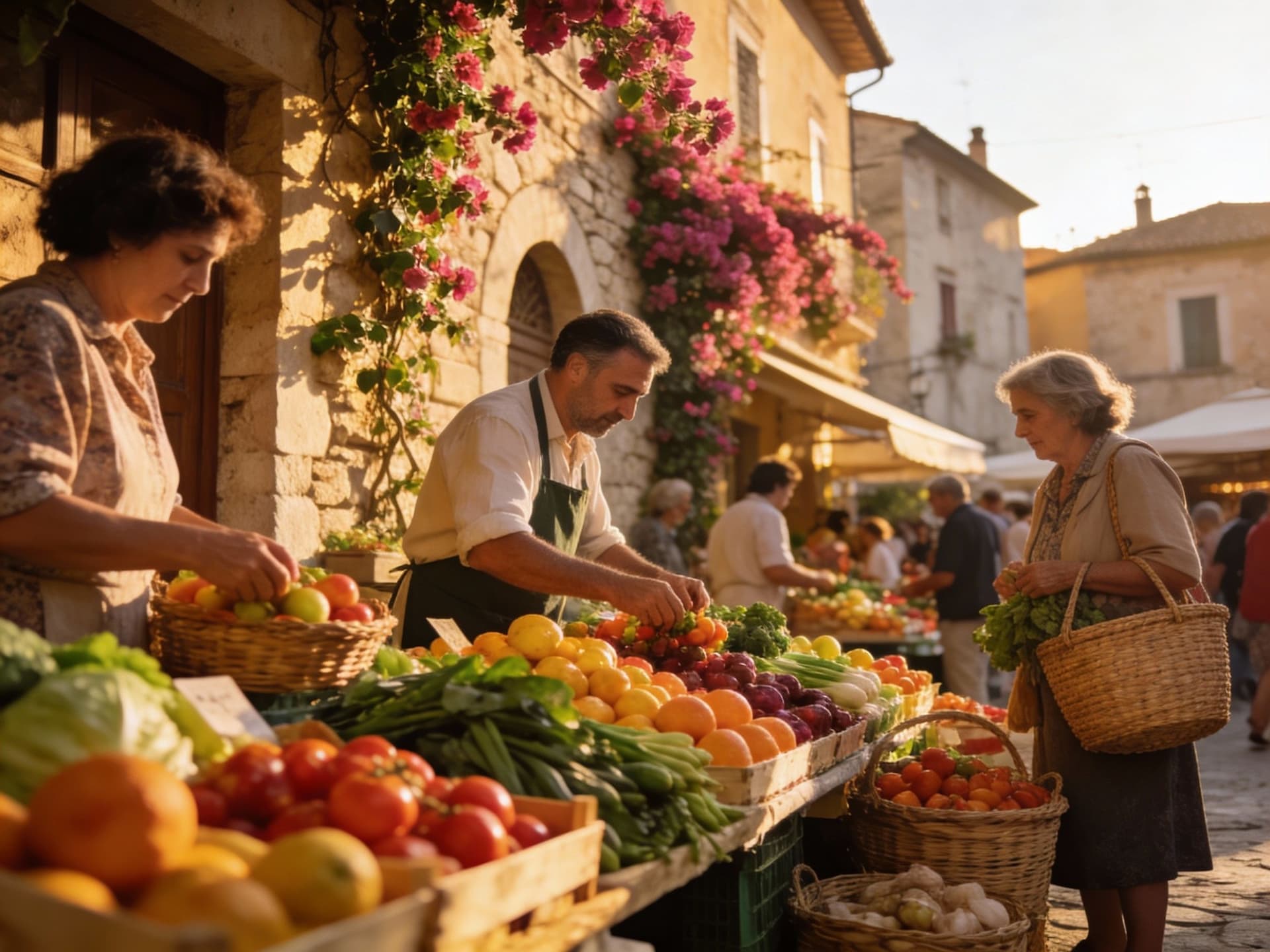
Italy’s daily rhythm is tactile: early morning espresso at a tiny bar, a mid-morning passeggiata past scaffolds and bougainvillea, a long lunch that could turn into a siesta in summer. From Trastevere’s cobbled lanes in Rome to the olive-scented hilltops outside Lucca, neighborhoods reveal a relationship between home, craft and land. This is important for buyers who favour sustainable homes — look for properties with mature gardens, stone walls that retain heat, and local artisans who can repair rather than replace. The lifestyle is quiet luxury: provenance, pace and a deep sense of place.
Neighborhoods that feel like belonging
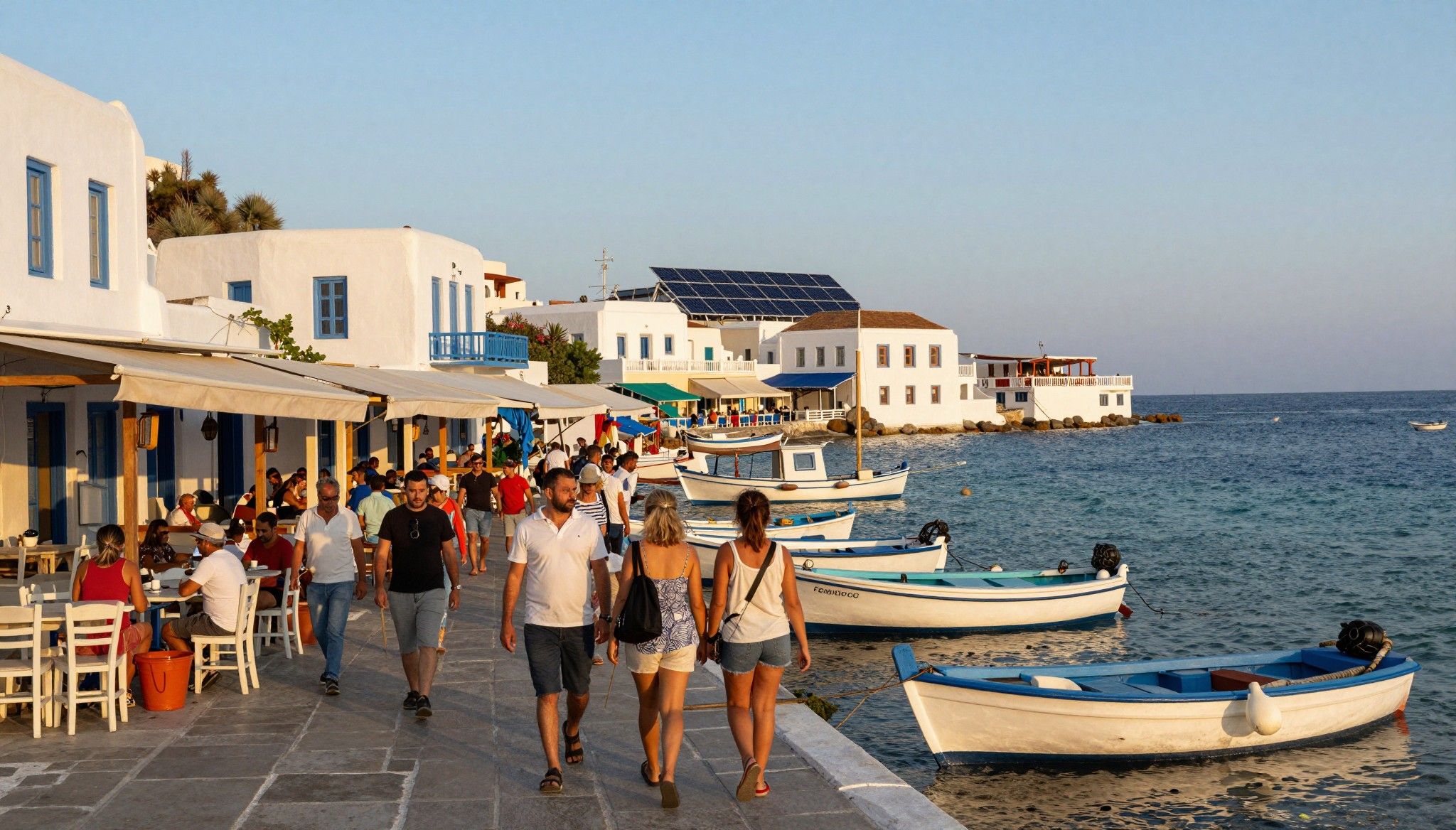
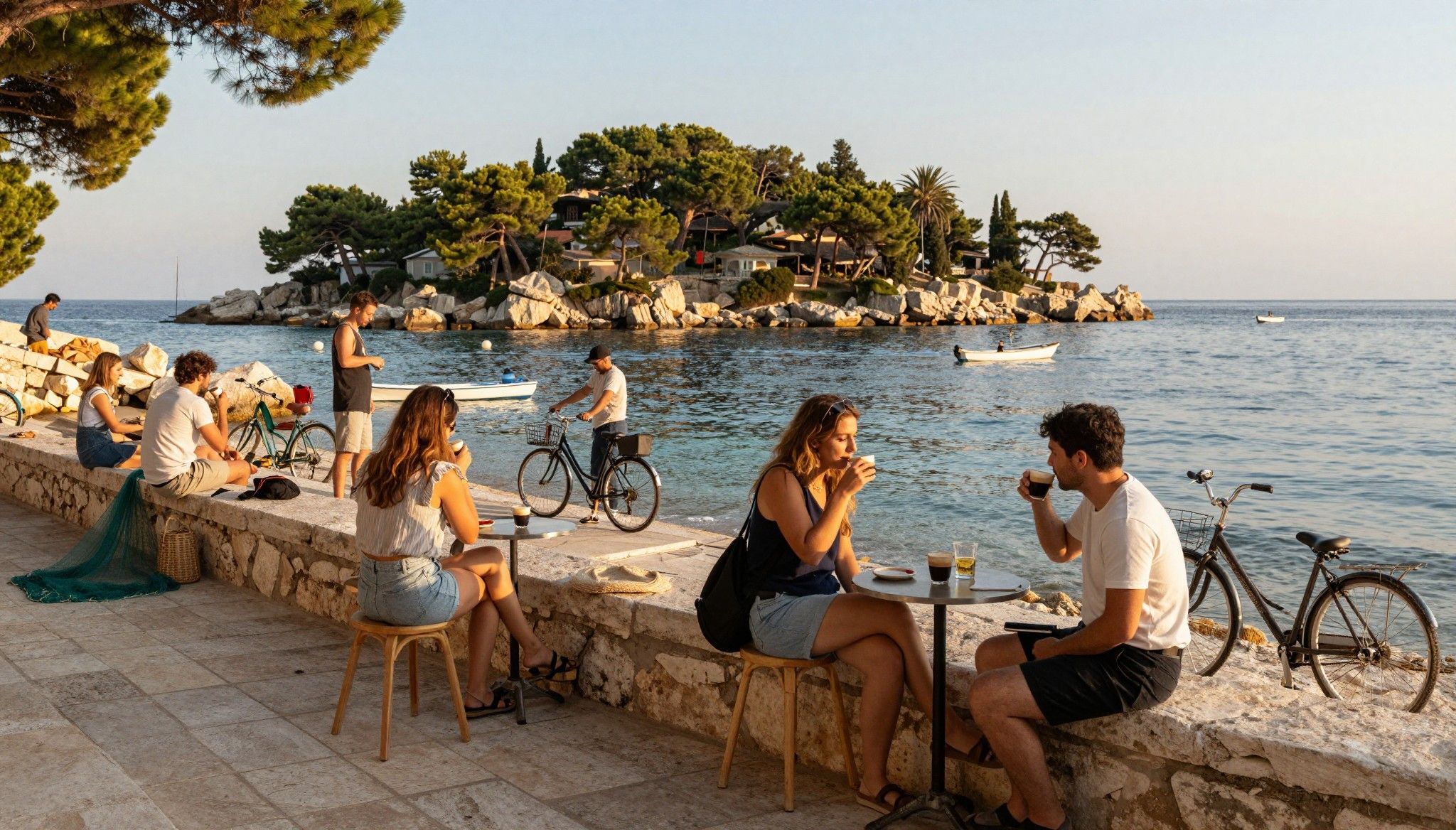
If you crave craft and cafés, Brera in Milan and Oltrarno in Florence are mixers of ateliers, small galleries and old‑world carpentry shops where you can find bespoke shutters or a reclaimed wooden kitchen table. Seaside towns such as Camogli or Salento’s small fishing villages tone down the tourist bustle and favour local markets and cooperative fishermen. For quieter green living, inland hill towns — think the hills around Montepulciano or the chestnut woods near Asiago — give you forest access, seasonal harvests and neighbors who still trade preserves and tips on olive pruning.
Food, markets and the seasonality of place
A day in an Italian neighborhood is arranged around food: morning markets for fresh vegetables, afternoon aperitivo at a piazza table, and a slow dinner that stretches late under string lights. Seasonal markets matter not only for pleasure but for property: homes with north-facing terraces will feel different in winter than south-facing ones that collect sun for passive heat. Local producers and small vineyards also influence neighbourhood life — you might buy a farmhouse beside a cooperative where neighbours share olive presses and pruning know‑how.
- Morning espresso on a bar stool in Trastevere; weekly fish market in Camogli; olive harvest sharing in Tuscany; potters in Deruta and their workshops; neighborhood festa with local food stalls; small cooperative wineries offering vendemmia days.
Making the move: lifestyle meets property reality
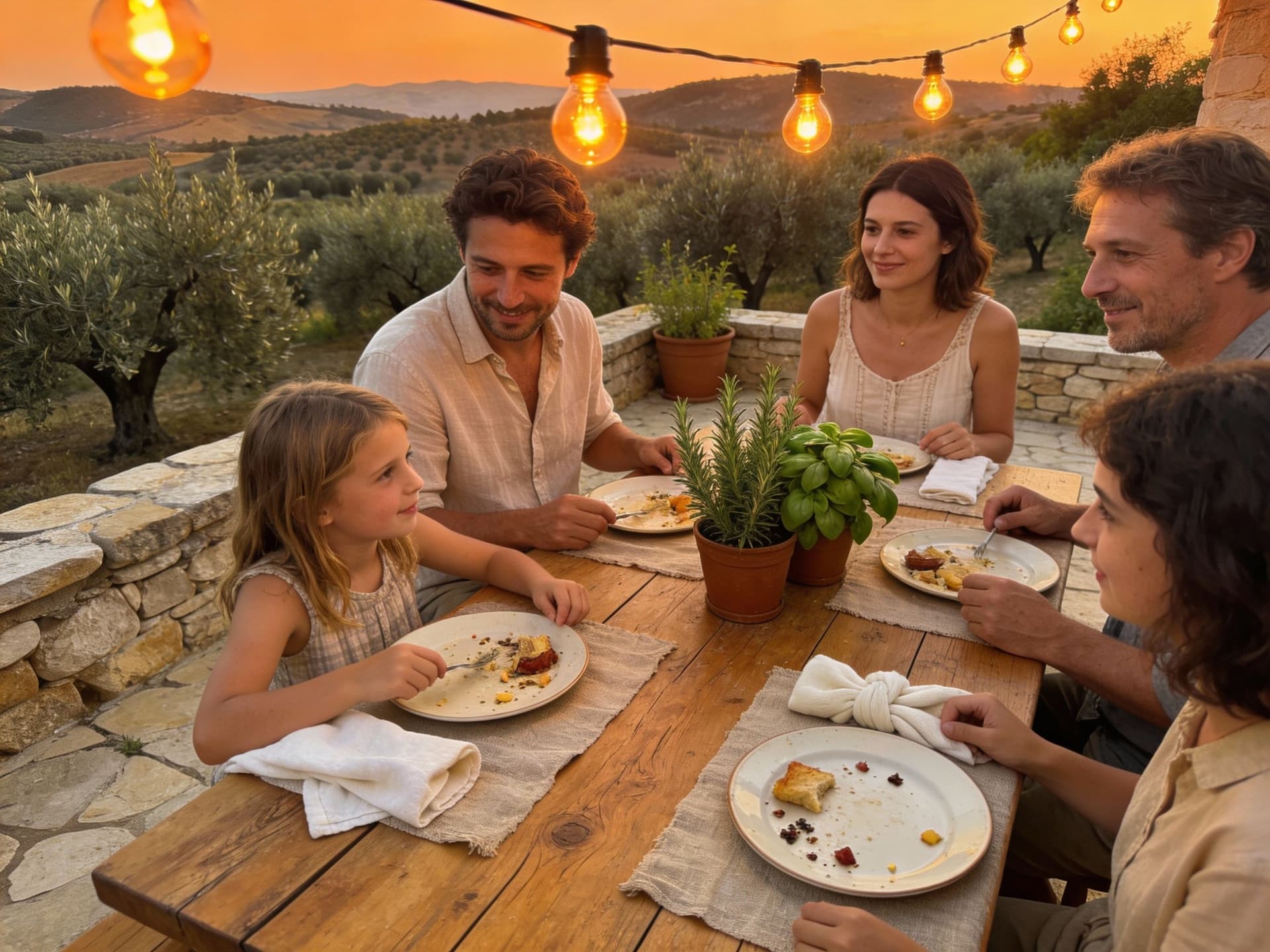
When you fall in love with a piazza or a coastal track, remember the property you choose must support that life through its orientation, materials and ongoing stewardship. Green incentives and energy rules are reshaping renovation choices across Italy, so a house with thick stone walls and mature trees often beats a brand new, sealed box for seasonal comfort and lower running costs. Local agencies that understand both sustainability and craft will suggest hybrid solutions: photovoltaic panels tucked behind historic roof tiles, reclaimed timber for interiors, and greywater systems that keep gardens thriving.
Property styles and how they shape daily life
A stone farmhouse in Umbria offers slow, insulated living: thick walls buffer heat and cold and a pergola extends summer living outdoors. An apartment in Florence’s Oltrarno places you steps from ateliers but may require negotiations over shared roof terraces and heating systems. Coastal homes in Liguria and Puglia invite outdoor dining and passive sea breezes but need salt‑tolerant finishes and careful roof maintenance. Each style requires different stewardship — from seasonal pruning to lime plaster repair — and will shape weekly rituals, from garden harvesting to market runs.
Working with local experts who preserve what you love
- 1. Start with an agent steeped in regional craft and energy rules; ask for references to restorers and electricians experienced in historic fabric. 2. Request an inspection that highlights seasonal performance — how the house cools in July, holds heat in January, and how garden drainage works in autumn. 3. Prioritise local tradespeople for quotes and materials — reclaimed tiles, lime-based renders, and native plant landscaping are often cheaper and longer-lasting. 4. Negotiate a contract that includes agreed repairs or a stewardship plan for the first year after purchase, especially for old roofs and septic systems.
Insider knowledge — what expats wish they’d known
Expats often tell us the surprise is not the language but the seasonal social calendar: August slows to a gentle halt, local builders close for Ferragosto and many shops shut mid-week in smaller towns. Market data shows modest national price growth and stronger regional variation — city centres like Milan and Florence command premiums, while many inland and southern towns remain surprisingly affordable. Knowing when people renovate, when markets quiet and when festivals draw crowds will change how and when you make offers.
Cultural integration, language and neighborhood etiquette
Italians value local ties: a trusted baker or a nearby carpenter can become your daily lifeline. Learn simple phrases and the local calendar — market day, patron saint’s festa, and the barista’s opening hours — to feel rooted. Community membership happens slowly here; bring treats from your homeland or join a volunteer olive harvest and you’ll be welcomed into conversations about pruning and village politics. Respecting local rhythms matters as much as paperwork when building a life.
Long-term lifestyle and stewardship
Think of your Italian home as evolving: olive groves regenerate, roofs need periodic re-tiling, and a community project can revitalise a piazza over a decade. Cities such as Genoa are undergoing visible regeneration that changes neighbourhood desirability and services; meanwhile, rural communities rejuvenate through agritourism and cooperative enterprises. Long-term stewardship — planting native hedges, choosing local timber, and engaging in seasonal maintenance — keeps both the house and the community healthy.
- Choose south-facing windows and thermal mass for passive warmth; prioritise native landscaping to reduce irrigation; ask sellers about roof age and chimney condition; buy near a functioning mercato for food security and community; confirm broadband speed and winter road access.
Italy is not a single dream but many — a ridge-top life where you forage chestnuts, a coastal rhythm of markets and evening swims, or an urban atelier surrounded by artisan bakers. If you want life tethered to land and craft, look beyond iconic vistas and toward neighborhoods with active markets, local trades, and regenerative projects. Start conversations with an agency that values stewardship as highly as sales; ask them for local craftspeople, seasonal calendars, and a one-year stewardship plan. When you buy this way, you don’t just own a property — you inherit a way of life that, when tended, rewards with deep belonging.
Norwegian market analyst who relocated from Oslo to Provence; guides investors with rigorous portfolio strategy and regional ecological value.