Italy’s 'Too Expensive' Myth — Where Value Hides
Italy’s national price rise masks regional value — learn where seasonal life, local craft, and eco-stewardship create affordable, authentic home opportunities.
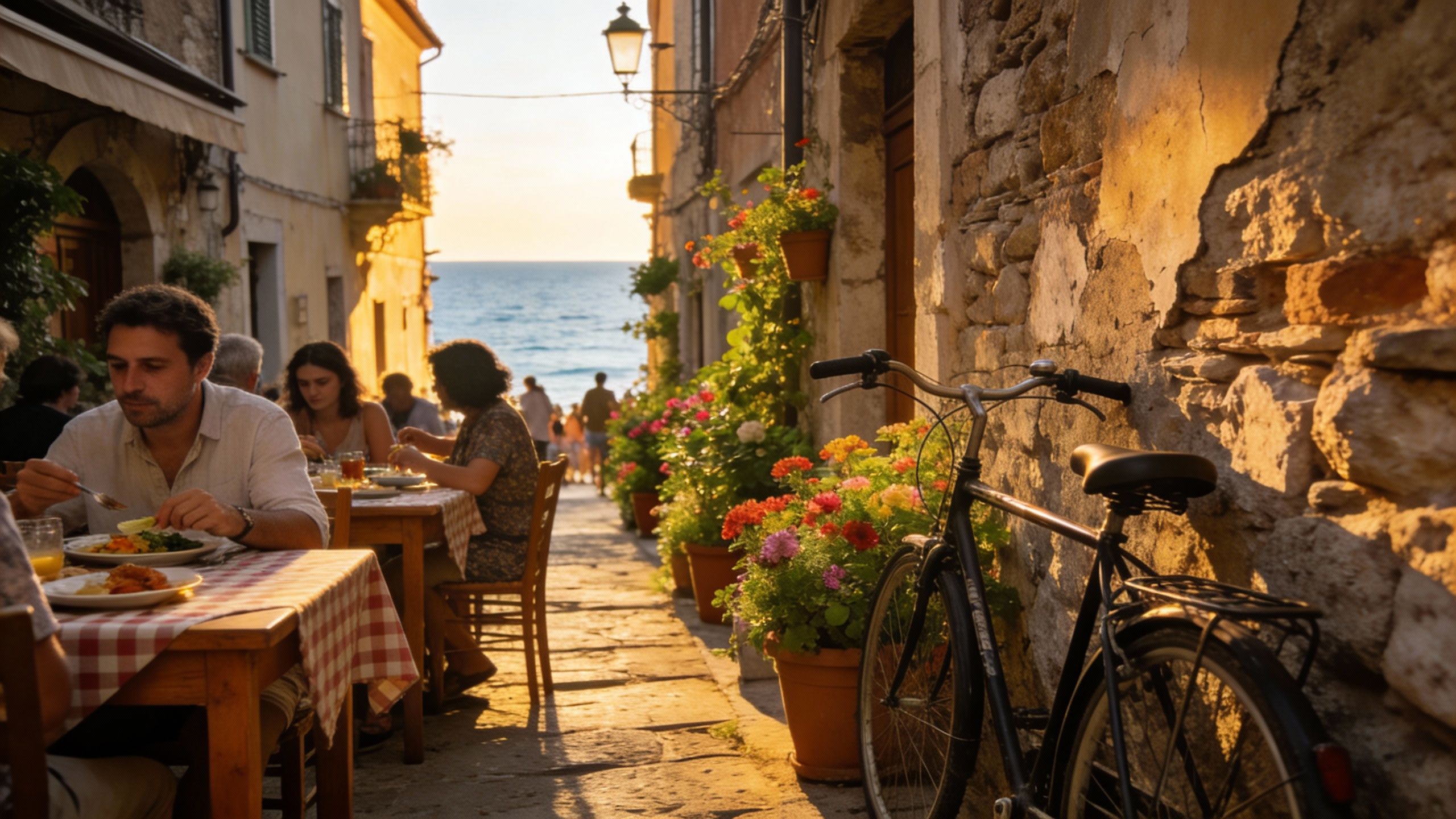
Imagine waking to the tinkling of a barista’s tamper on Via dei Coronari in Rome, picking up a paper from a café whose owner knows your name, then driving an hour to a hilltop olive grove where the light falls like honey. Italy is a rhythm of small, restorative pleasures — markets at dawn, long lunches, and seasons that rearrange the world. For buyers tempted by that life, the question isn’t only "can I afford it?" but "where in Italy will that life be authentic, affordable, and sustainable?" Recent ISTAT figures show house prices rising in parts of Italy, yet the headline number hides vast regional variety and surprising value for international buyers.
Living the Italy lifestyle
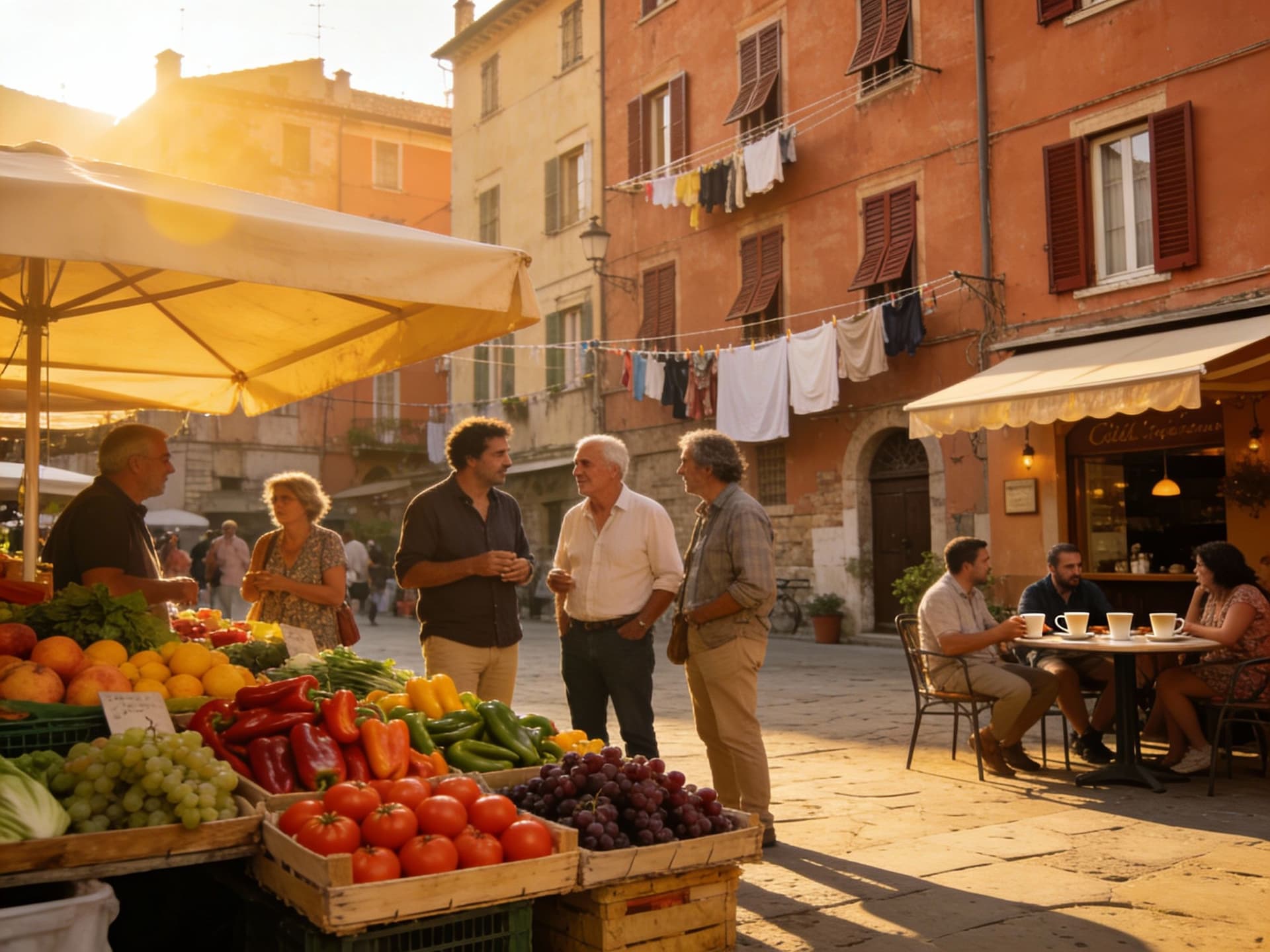
Italy lives in neighborhoods, not just cities. Mornings are about small rituals — a quick espresso standing at the bar, a chat with the baker — and afternoons unravel into passeggiata and dialogue. Whether it's the pebble beaches of Liguria, the vineyard terraces of Val d’Orcia, or the narrow alleys of Palermo, each place has its own tempo. For international buyers, choosing where to place your life means matching daily routines: market access, local craftspeople, and ecology-minded neighbours who value renewable energy and low‑impact gardens.
Neighbourhood spotlight: Florence to Fiesole — urban craft and country calm
Walk from Oltrarno’s artisan workshops across the Ponte Vecchio and you feel a living tradition: leatherworkers, bookbinders, and trattorie that have fed families for generations. Then, thirty minutes north, Fiesole’s chestnut woods and Roman ruins offer that slow, regenerative life — stone houses with solar panels tucked behind cypress rows. Those two places show the tradeoff: immediate city culture versus restorative land; both can support sustainable living if you prioritise insulation, rainwater capture, and community orchards.
Food, markets and seasonal living
Picture Saturday at Mercato di Testaccio: tomatoes so fragrant they perfume the air, a porcini seller who brings a basket from the Apennines, an elderly woman weighing oranges by hand. Food structures daily life here — and seasons shape property choices. Buying a home with a sheltered courtyard for winter conservatory growing or a cool, shaded loggia for August is as important as square meters. For buyers, that means looking beyond facades to irrigation potential, garden orientation, and the local producers who will teach you the rhythms of harvest.
Making the move: practical considerations
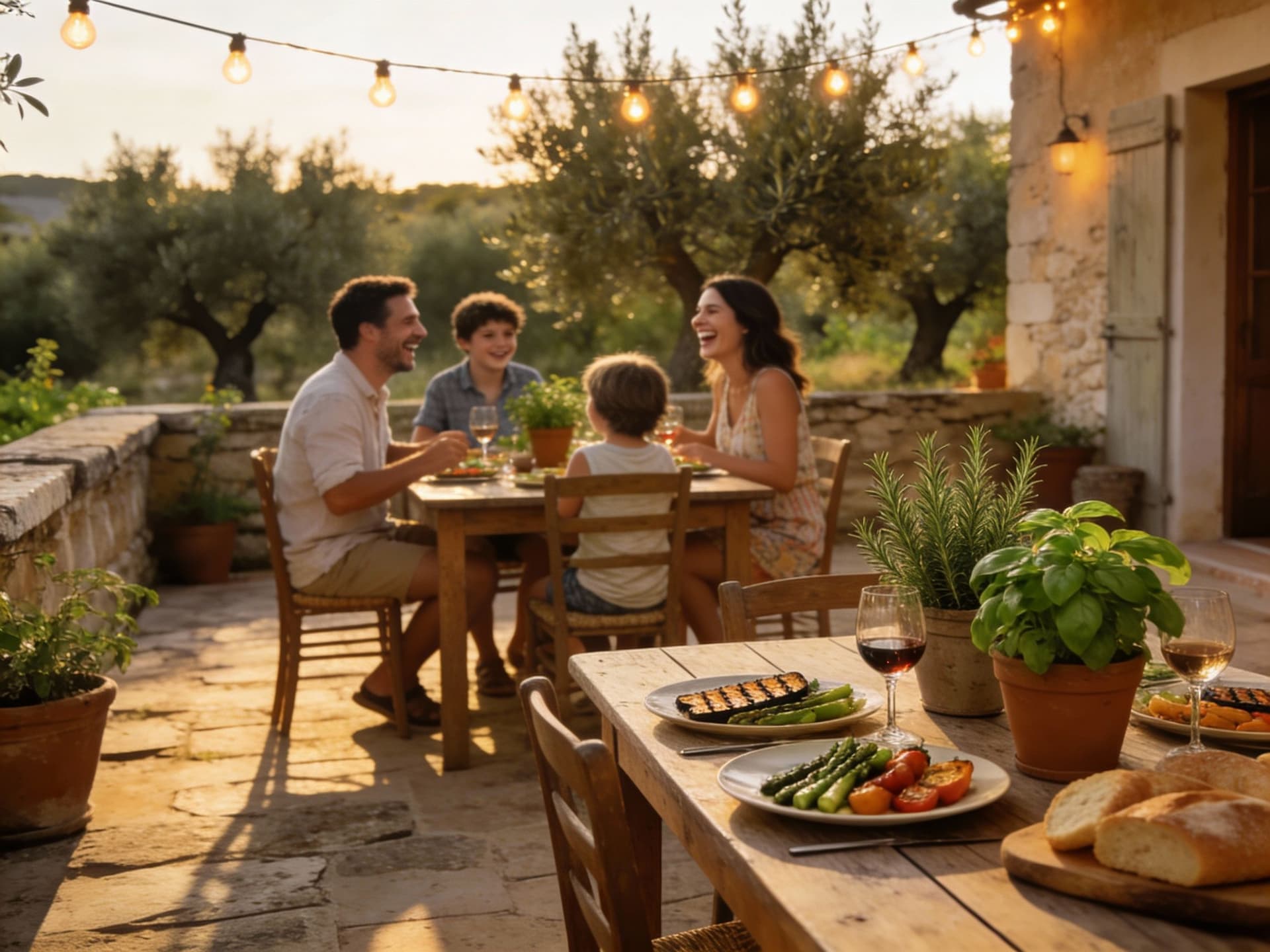
Dreams meet paperwork, and that’s where a local expert who understands both lifestyle and regulation becomes invaluable. Market data shows increasing international interest, especially outside the hyper-pricey pockets, which creates windows of opportunity. Work with agents who prioritise green retrofits, know where to source local artisans for stone restoration, and can explain the cadence of offers across regions — Italians often negotiate more on trust and relationship than on a single lowest price.
Property styles and everyday living
Italy’s stock runs from compact historic apartments with stone vaults to farmhouse conversions and terrace‑rich villas. ISTAT’s national index shows modest overall growth, but regional disparities are large: new builds rose faster than existing stock in 2024, and the South recorded notable gains. Practically, that means if you want original beams and thick stone walls (excellent for passive temperature control), budget for specialist restoration and check seismic retrofitting — but you can often find better value per square metre outside city cores.
Working with local experts who know the life
A boutique agency steeped in local ecology will show you properties with south-facing courtyards, mature olive trees, and the potential for a photovoltaic array — features that shape how you live, not just how much rent you might collect. Ask agencies for examples of past projects: did they manage a villa’s permaculture garden? Do they partner with heritage masons? Those partnerships turn a house into a home that breathes with the landscape.
- Step-by-step lifestyle-practical checklist: 1. Visit in two seasons (late spring and late autumn) to feel the year-round light and community rhythms. 2. Prioritise building fabric (stone walls, insulation) over cosmetic finishes. 3. Check local craftspeople availability for authentic repairs and low‑impact upgrades. 4. Confirm garden water rights and microclimate for edible planting. 5. Ask an agent about off‑market listings tied to local families (these often offer the best price/character balance).
Insider knowledge: what expats wish they'd known
Expats often tell us the same surprise: Italy is not uniformly expensive. Milan’s post‑boom recalibration and a renewed interest in Rome have produced pockets where value meets culture. Many first‑time international buyers overpay for view‑centric properties in peak-season towns, only to discover quieter inland villages offer richer community life and better stewardship opportunities. The trick is to think like a resident — where you can join a cooperative garden, learn a craft, and have reliable local services year-round.
Cultural integration and daily social life
Language opens doors. Simple phrases at the market, participation in seasonal festivals like the chestnut fairs in Umbria or Sagra del Tartufo in Alba, and volunteering with community olive harvests accelerate belonging. Practical note: social integration often leads to better maintenance outcomes and informal networks of tradespeople — a local carpenter who knows historic joinery is worth their weight in gold when your shutters need repair.
The long view: stewarding a life in Italy
Think decades. A home in Italy is often an intergenerational asset that benefits from patient stewardship: planting Mediterranean hedges, choosing local stone for repairs, and installing discreet solar where permitted. These choices keep your running costs down and enhance biodiversity. If you want to rent, properties with authentic character and eco‑features can command premium long‑stay lets, especially as responsible travel grows.
- Lifestyle highlights to seek in your Italian search: • Morning markets: Testaccio (Rome), Mercato Centrale (Florence), Ballarò (Palermo) • Artisan streets: Florence’s Oltrarno, Bologna’s Quadrilatero • Quiet coasts: Liguria’s hidden coves near Levanto, Apulian beaches around Monopoli • Food seasons: Alba truffle fairs (autumn), Amalfi lemon harvests (late summer) • Green projects: towns offering renovation grants and historic restoration incentives
Conclusion: Italy’s reputation for being uniformly expensive is a half‑truth. National indexes like ISTAT’s show growth, but rising prices concentrate in certain cities and new‑build segments, while mid‑market, restoration, and inland properties can deliver high quality of life with sensible cost. Visit outside high season, seek agencies that know local ecology and craft networks, and prioritise properties that invite stewardship. When you buy with those values, Italy rewards you with seasons of abundance, neighbourhood friendships, and a home that feels rooted.
Dutch property strategist who helped 200+ families find sustainable homes in southern Europe; expert in legal pathways and long-term stewardship.