Gżira & Marsaskala: Malta’s Green Alternatives to Valletta
Think beyond Valletta: Malta’s real value for green-minded buyers often lies in quieter neighbourhoods — Gżira, Marsaskala and inner-town courtyards — backed by RPPI data and local market insights.
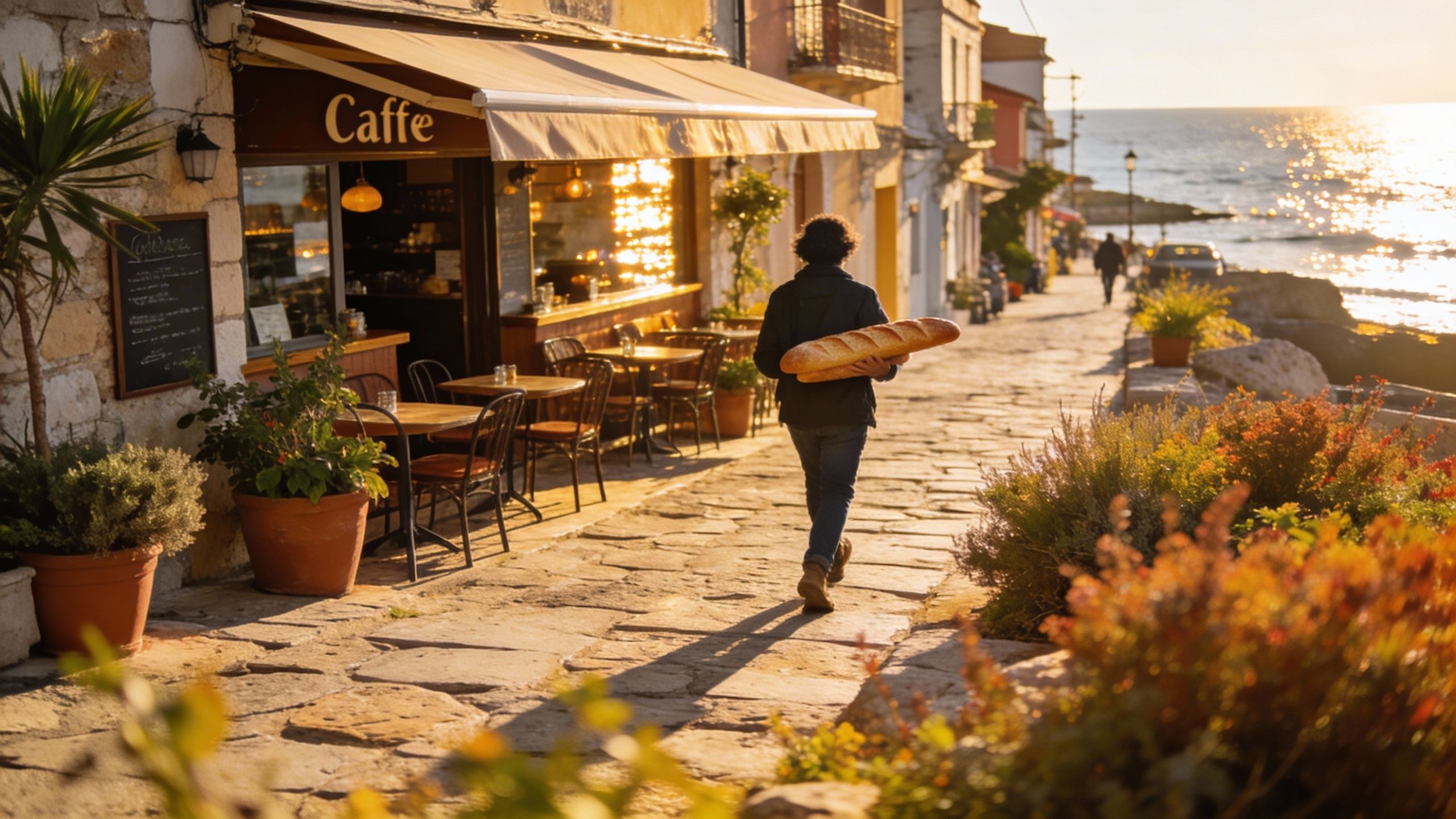
Imagine starting your morning with espresso at Café Cordina in Valletta, then cycling across the Grand Harbour to a quiet terrace in Gżira where potted bougainvillaea frames views of the sea. Malta is compact enough that neighborhood shifts are a short walk or ferry ride away, and that intimacy shapes daily life: cobbled streets, late-night pastizzi runs, the comfort of English as an official language, and a gait that favours lingering over rushing. For international buyers drawn to nature and low-impact living, Malta offers unusual micro-ecologies — limestone terraces, salt pans, and surprisingly lush community gardens — all within a coastline built of stone and sky. But the island’s small size also means trade-offs: where you place your home determines sunlight, sea breezes, and the kind of community you wake up to; understanding those trade-offs matters as much as falling in love with the view.
Living the Malta lifestyle: light, limestone and community
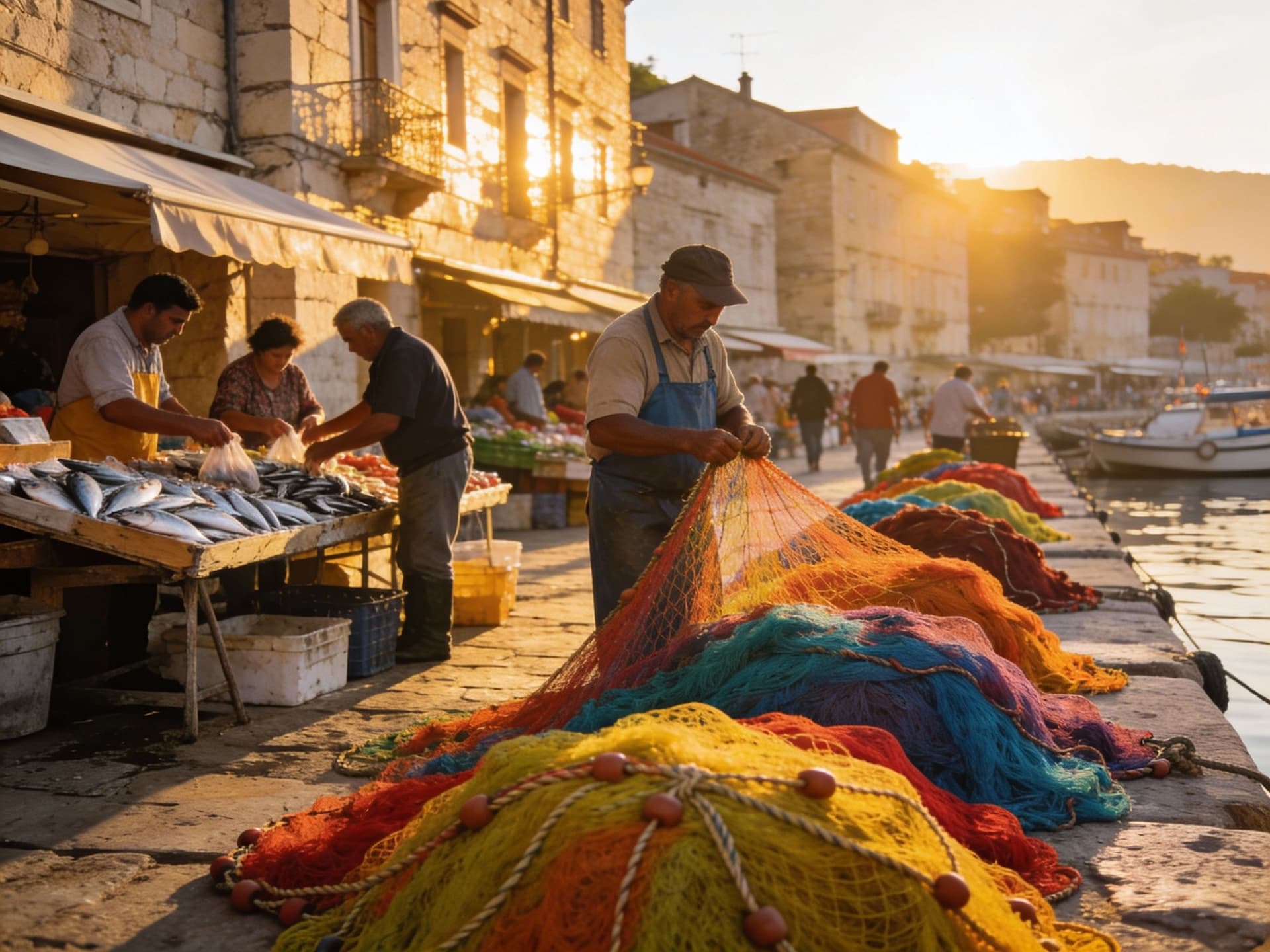
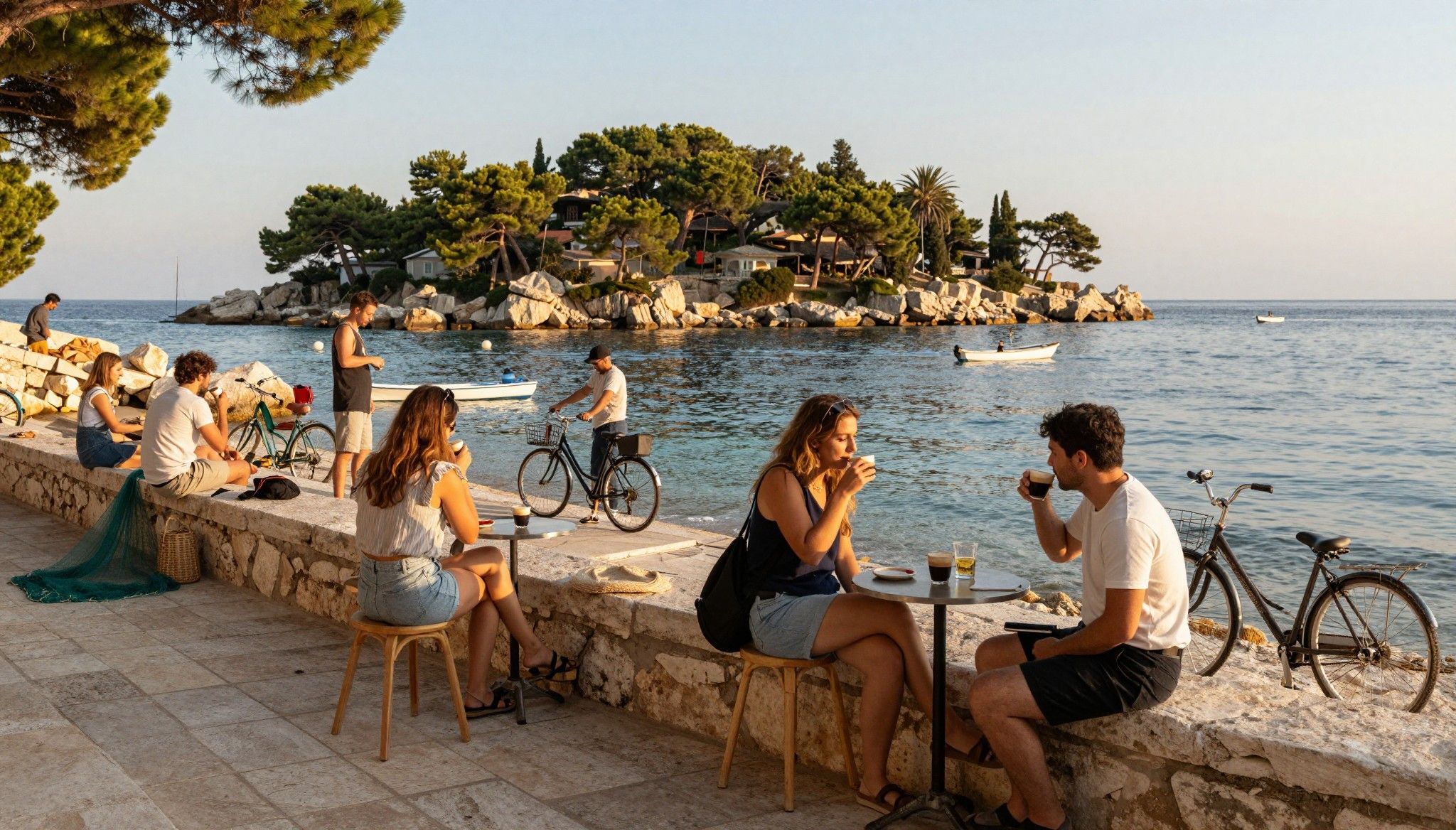
Life here moves to the rhythm of seasons rather than clocks: jasmine-scented springs, thick golden summers that coax people outdoors, and mild, drizzle-bright winters where town squares reclaim their quiet. The built fabric is intimate — traditional townhouses, terraced houses with stone balustrades, and apartment blocks softened by rooftop planters. You’ll notice how daily routines are anchored in local rituals: morning coffee with an almond croissant, an afternoon dip at Għar Lapsi or St. Peter’s Pool for the adventurous, and evenings where neighbours gather on ledges to talk about the day.
Neighborhood notes: Valletta, Gżira, Marsaskala and the unexpected wins
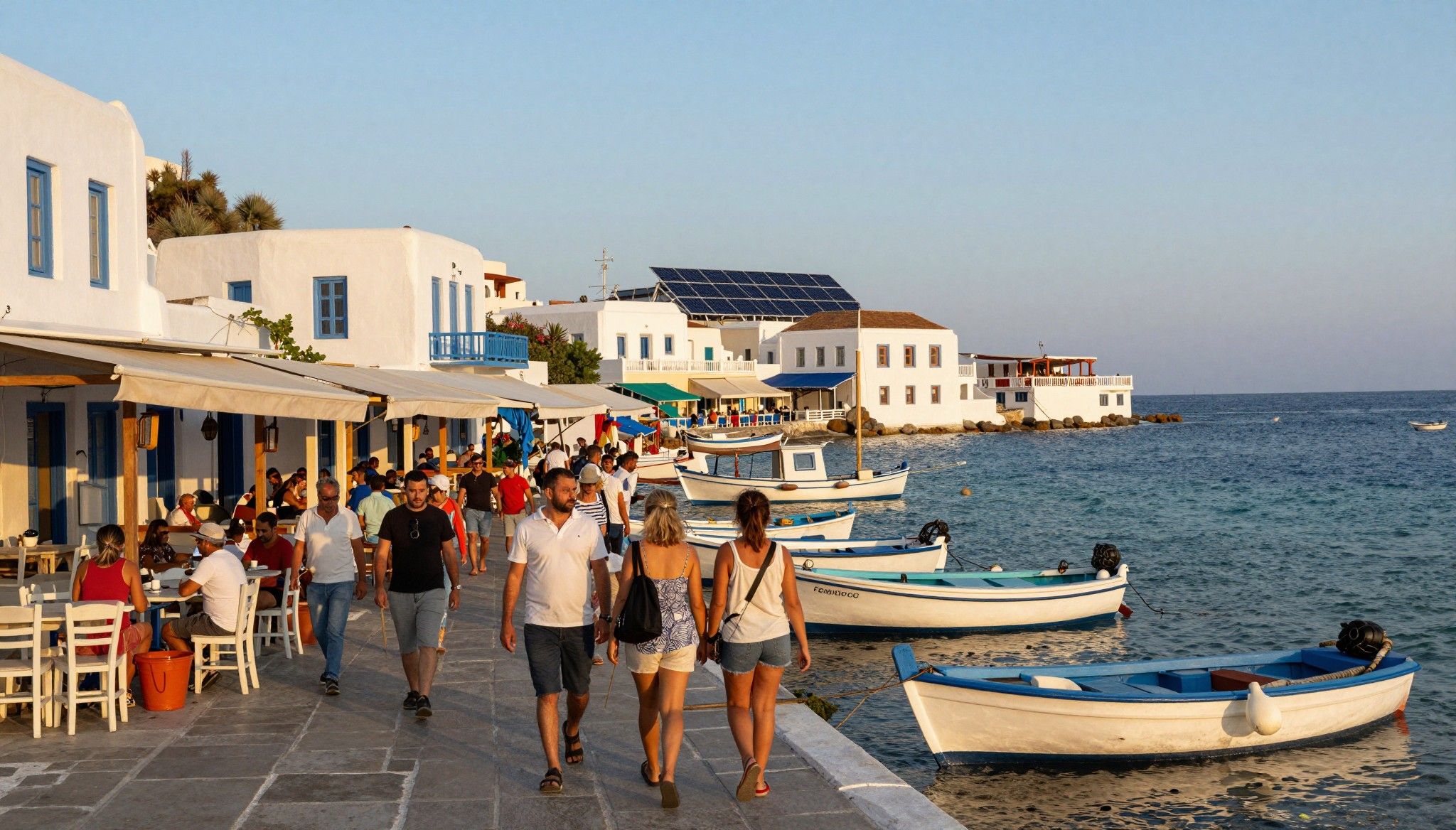
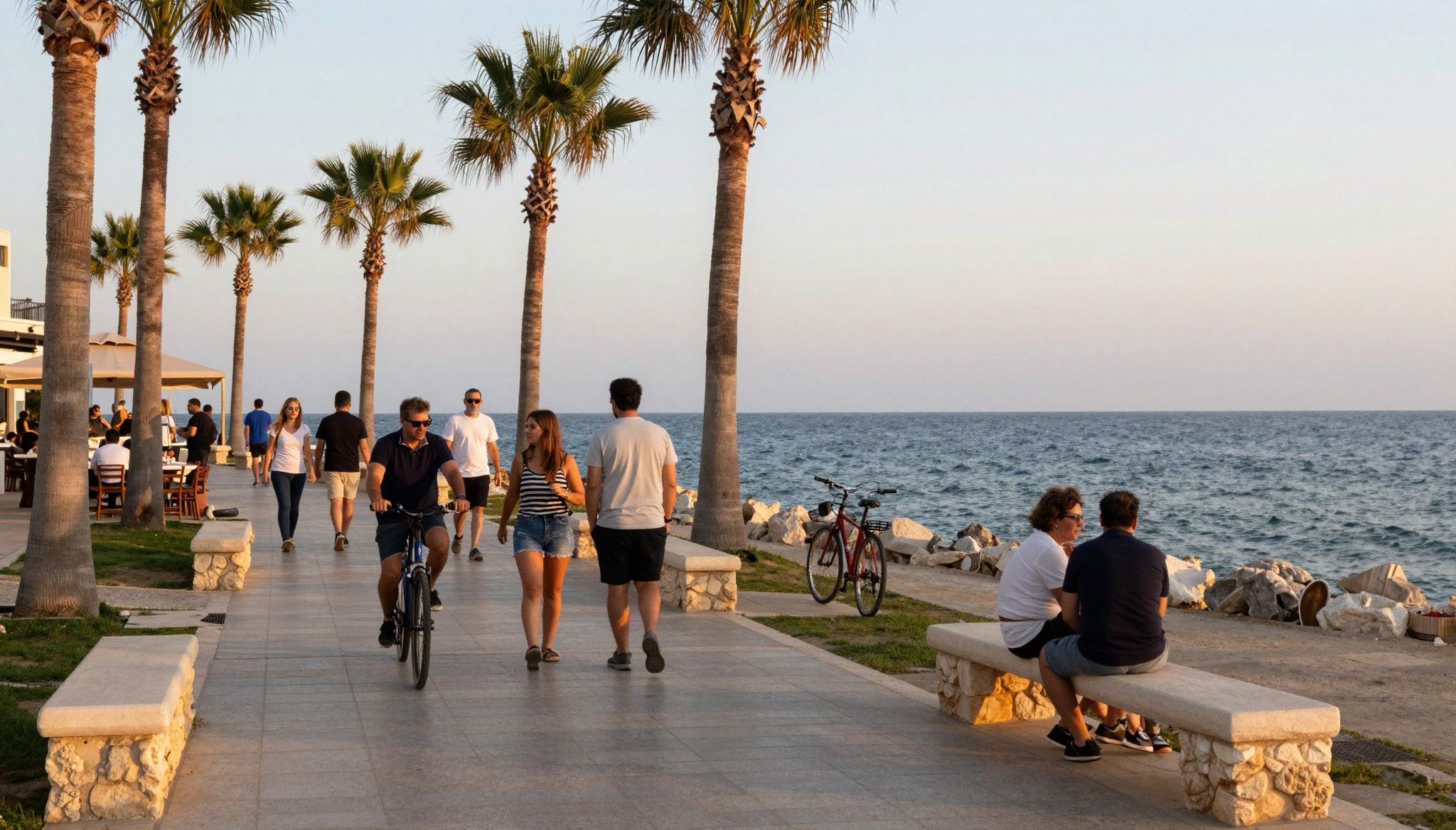
Valletta dazzles with baroque streets and cultural gravity, but its tourist pulse can crowd daily life. Step across the harbour and Gżira offers a quieter, more lived-in rhythm: family-run cafes, a manageable promenade, and apartment types that often include terraces and better afternoon light. Marsaskala and the southeast villages trade the bustle for a fishing-harbour intimacy — cafes where the catch of the day defines the menu and wide promenades that attract local families. These neighbourhood differences matter because small shifts in location change the biodiversity at your doorstep, the morning sun on your terrace and whether your home feels like a sanctuary or a stage.
Food, markets and seasonal rituals that anchor life here
Sundays are for the Marsaxlokk market’s bright nets and fried lampuka, while year-round neighbourhood markets in Hamrun and Sliema serve the produce that shapes home cooking. The island’s culinary personality is Mediterranean but local: rabbit strew, bragioli, and a culture of home-preserved capers and lemons. Food is also a vector for community — a rooftop garden will quickly become the reason you meet neighbours and trade seedlings, and seasonal foraging along ridgelines reveals edible wild greens that appear in village kitchens each spring.
Making the move: practical realities that preserve the lifestyle
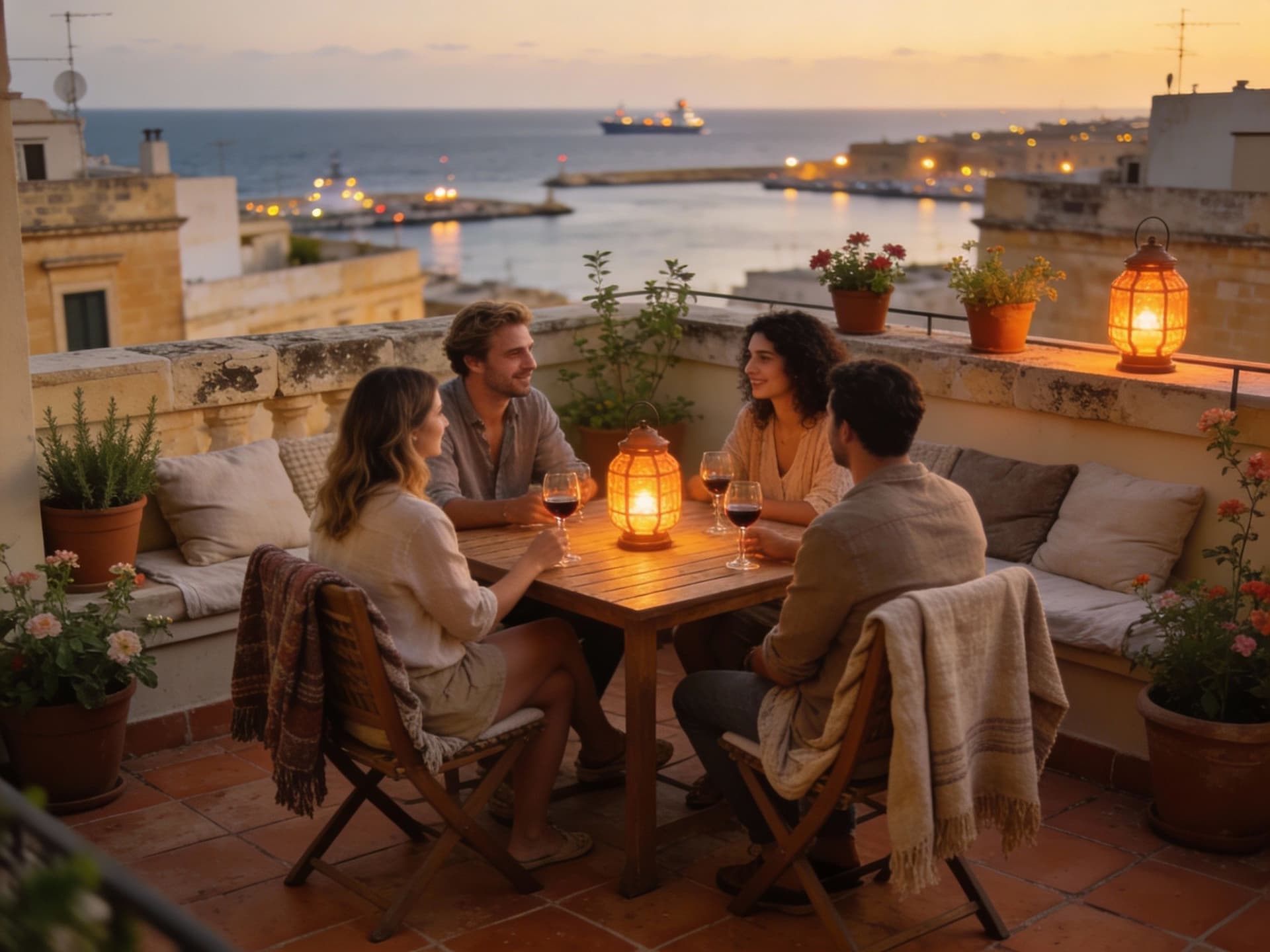
The dream of terraces, stone and sea sits alongside a market that has been steadily firm: Malta’s Residential Property Price Index shows consistent year-on-year growth in recent quarters, reflecting real demand across apartments, maisonettes and houses. That momentum means that choices you make about location and property type affect long-term value and day-to-day life: a sun-soaked southern-facing terrace is a summer sanctuary but may cost more, while a shaded maisonette inland can be cooler in summer and kinder to lower energy needs. Knowing where market pressure sits helps you choose a home that supports low-impact living without overpaying for a postcard view.
Property styles and how they shape green living
Traditional townhouses and ‘houses of character’ bring thick limestone walls that naturally moderate temperature, while modern apartments offer easier retrofit opportunities for solar PV and heat-pump water systems. If you prize biodiversity, look for properties with small courtyards or rooftop soil rigs where native succulents and herbs can thrive. From an eco-perspective, a modest maisonette with good cross-ventilation and a shaded courtyard can often outperform a larger, poorly insulated sea-view apartment when measured by comfort and energy use.
How local experts translate lifestyle into the right property
Engage agents who understand microclimates, sunlight patterns and local building traditions; they’ll point out which terraces face prevailing winds and which streets retain heat late into summer. Ask for examples of previous clients who wanted low-energy living — a good agent will show retrofit-friendly options and speak to planning permissions around rooftop PV. Confirm local service networks: who maintains the rooftop garden, who can help with lime-plaster repairs, and which neighbourhoods host regular farmers’ markets.
Insider knowledge: what expats wish they’d known
Expats often tell a simple story: move to Valletta in love and then shift to a neighbourhood that fits everyday life. Crowded summer months, tourism intensity and short-term rentals can reshape local rhythms; some buyers discover that a quieter marina town like Marsaskala or the Gżira promenade offers more authentic community life year-round. Another common lesson is to prioritise day-to-day warmth over weekend spectacle — choose a place where you can imagine the seasons folding into a steady routine rather than an Instagram moment.
Cultural cues, community and integrating slowly
Language won’t be a barrier — English is widely spoken — but cultural integration takes shape through small things: attending festa processions, sharing bread at a corner bakery, or volunteering to help maintain a local garden. These rituals build ties faster than expensive renovations. For buyers who want to steward land, local craftsmen still practice traditional lime-plastering and stone repair; building relationships with these artisans can safeguard a property’s character while keeping maintenance sustainable.
Practical lifestyle + buying checklist
- Check annual sunlight on terraces (south-facing matters for winter warmth).
- Confirm water pressure and cistern capacity — summer demand spikes matter.
- Ask about short‑term rental activity on the street — it affects neighbourliness.
- Prioritise courtyard or rooftop soil space if you want edible planting or biodiversity pockets.
- Bring a local builder or conservation mason on inspections — limestone needs different care.
Step-by-step: a simple buying rhythm for lifestyle-first buyers
1. Spend a week living in the neighbourhood you love to test routines and noise; 2. Commission a local environmental/structural check focused on humidity, salt corrosion and stone condition; 3. Ask your agent for energy-upgrade quotes and rooftop permission checks; 4. Negotiate a short window for post-contract checks so you can confirm sunlight, neighbours and garden possibilities.
If you want Malta’s sun, community and sea without sacrificing low-impact living, look beyond the postcard. Gżira’s promenades, Marsaskala’s fishing-lane calm, and neighbourhood courtyards in inner towns often deliver the green, social and sensory life many buyers crave — and they can be kinder to the planet and your daily peace. Work with agents who understand lime, light and local markets, and treat the purchase as stewardship rather than a one-time acquisition. The right home here becomes a lived ecosystem: a garden of native plants, careful stone repair, and neighbors who know your name by the second season.
British expat who traded Manchester for Mallorca in 2017. Specializes in guiding UK buyers to luxury Spanish estates with clear navigation of visas and tax.