Green Life & Local Lore: France's Regional Property Truths
France’s romance hides regional realities—market stability returned in early 2025, but opportunity lies where green living, local craft and seasonal rhythms converge. Use local data and experts.
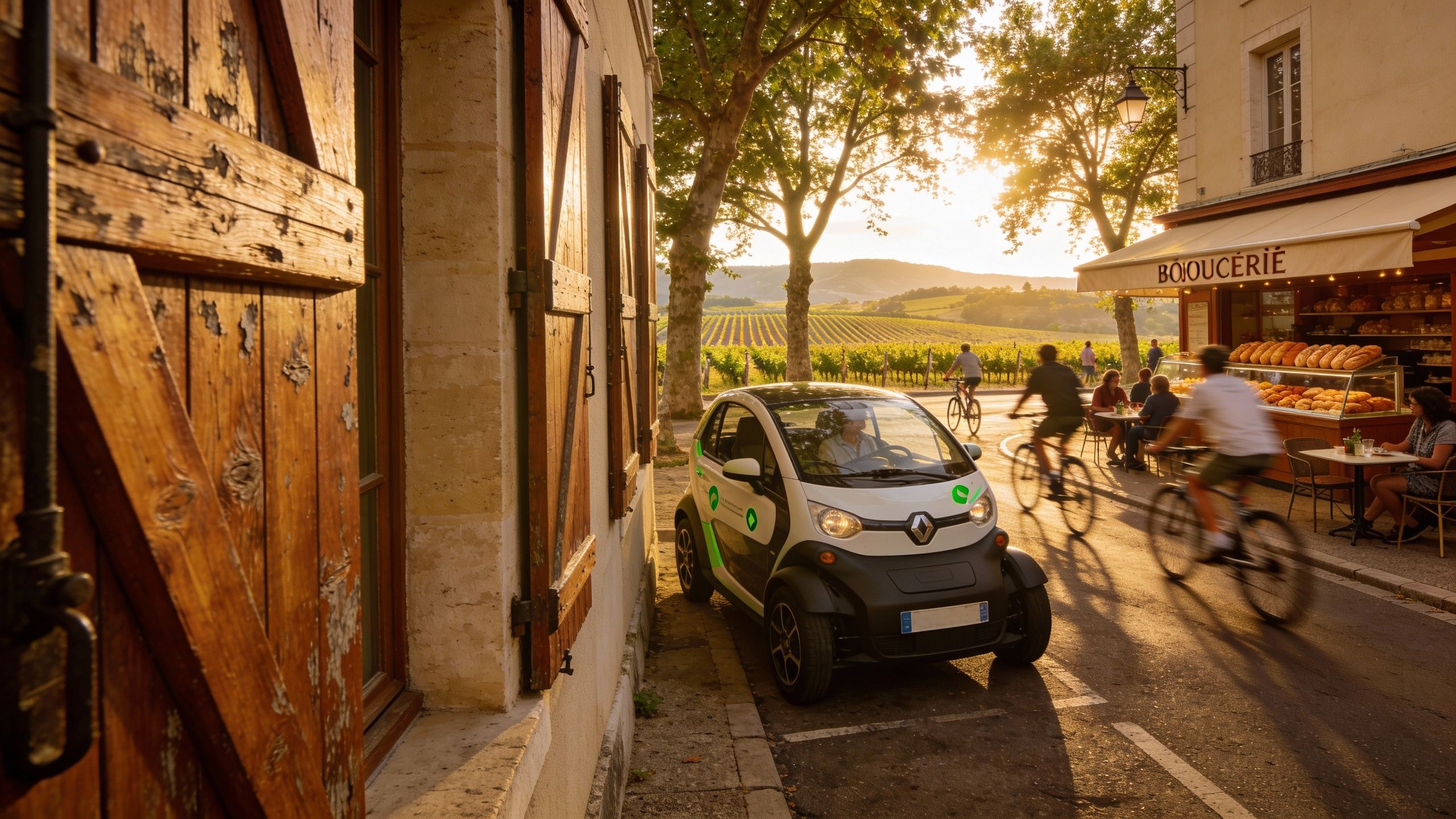
Imagine waking to the smell of warm bread on Rue des Abbesses, then driving two hours through vineyards to a stone farmhouse where the garden is a living orchard. In France life moves with seasons—markets on Saturday mornings, quiet midweek cafés, a coastline that hums in summer and sleeps sweetly in winter. For international buyers who dream of a green life—solar-ready roofs, thick stone walls, biodiverse gardens—France offers texture and ritual. But beneath the romance are real, regional trade-offs: price rhythms that vary between Paris, Provence and the Massif Central, and neighbourhood customs that change how a home is lived in and looked after.
Living the France lifestyle: what you'll actually feel
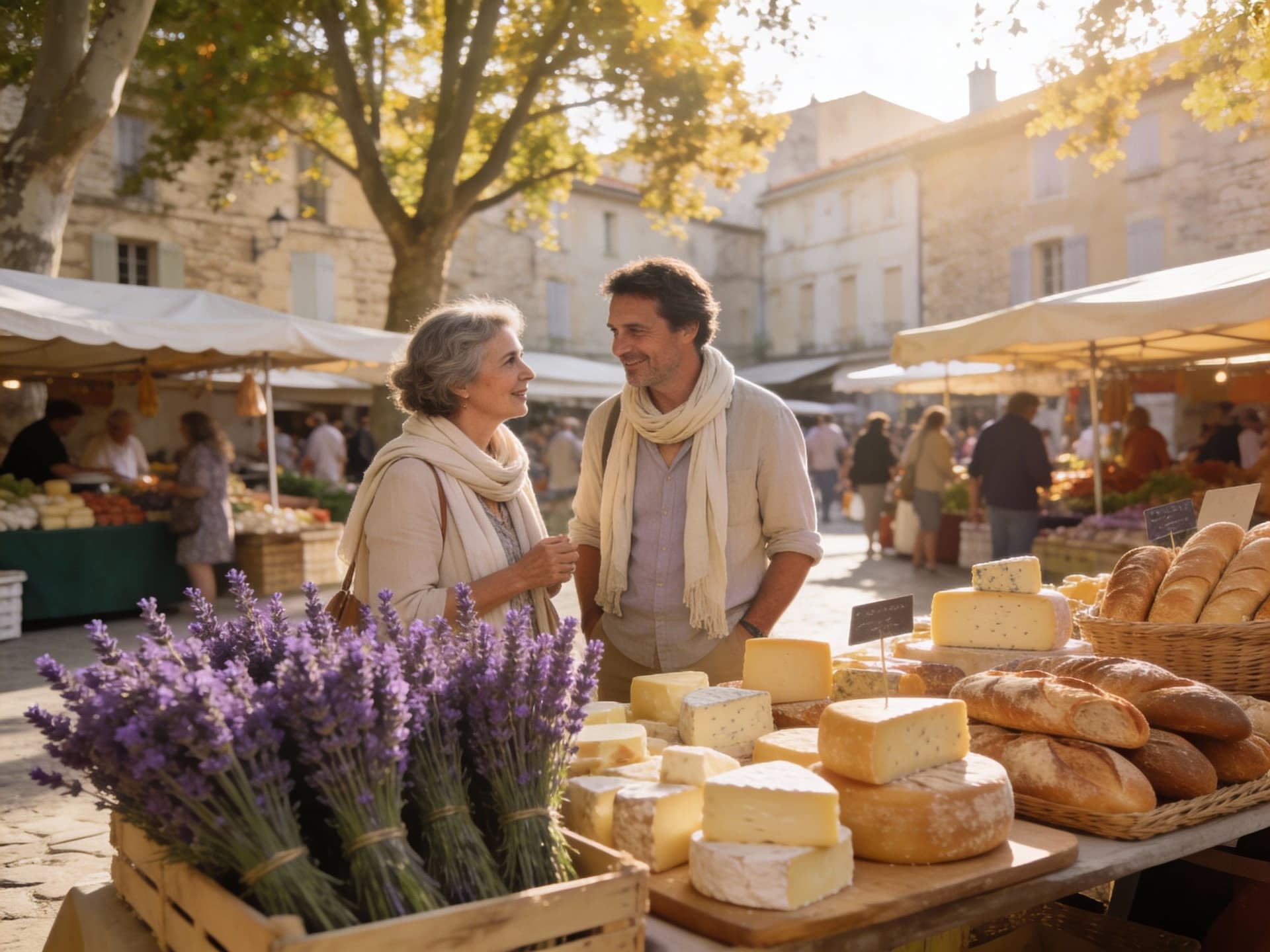
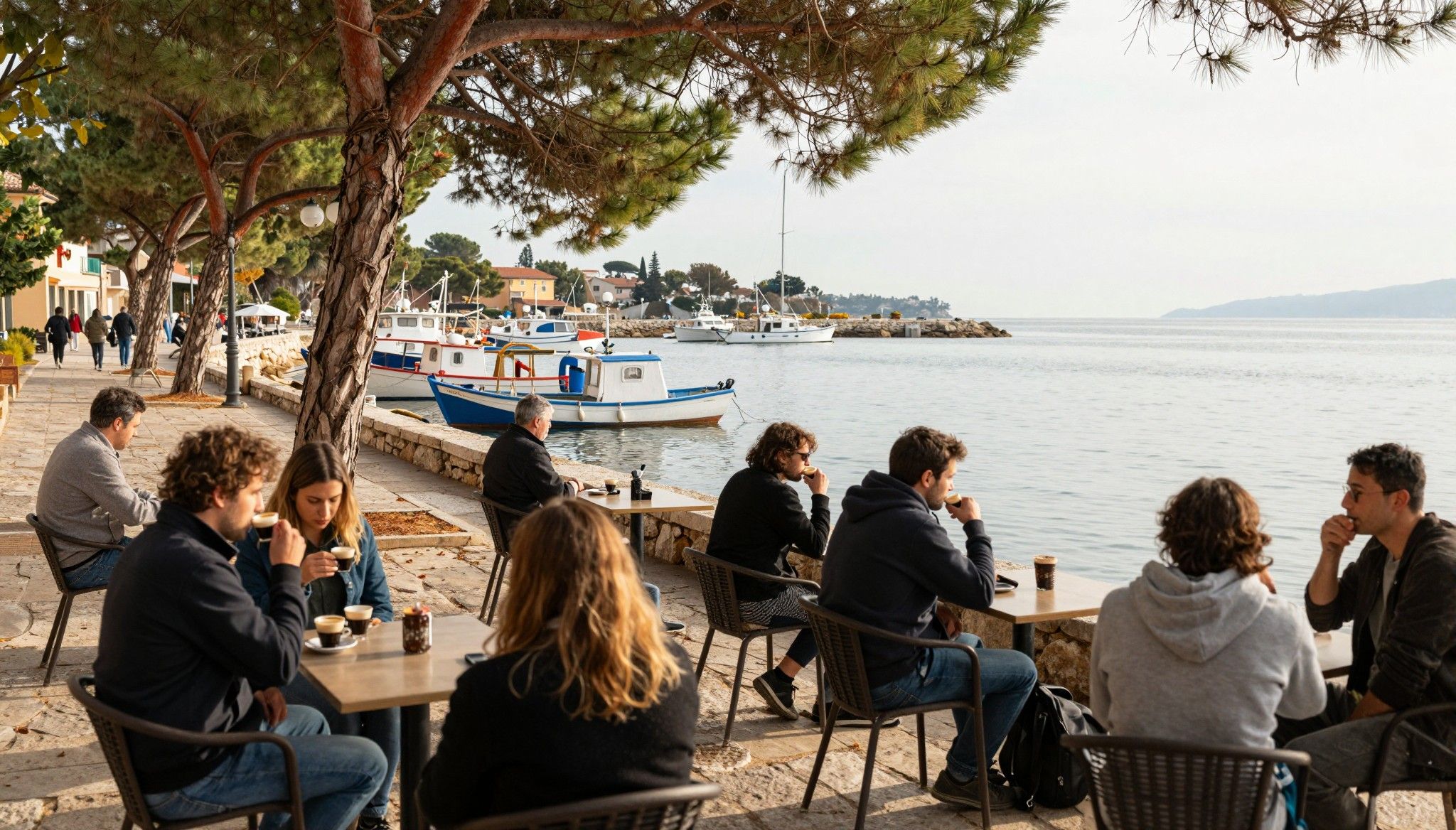
Long summer lunches in Provence, the bike-and-café rhythm of Lyon, oyster stalls on the Atlantic coast—these are not postcards but weekly life. Streets are stages: boulangeries open at dawn, municipal parks fill with elderly pétanque players, and regional fêtes mark the calendar. The pace favours permanence: neighbourhood cafés remember your order, local craftsmen mend shutters by hand, and markets shape menus. If you choose a house with gardens and thick stone, expect a life spent outdoors, harvesting, preserving and celebrating seasonal produce—and adapting to quieter off-seasons.
Neighbourhoods that feel like communities, not condos
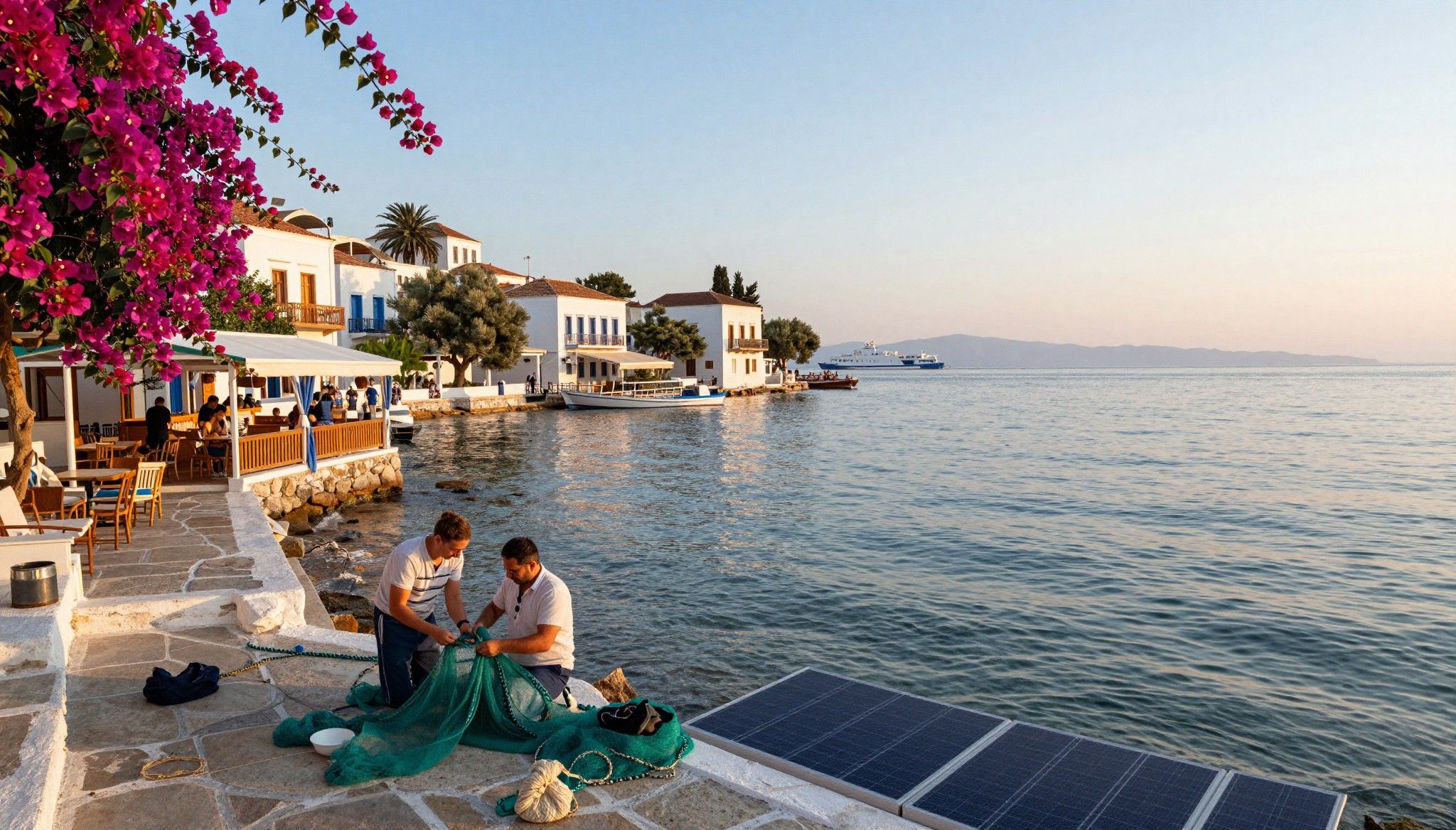
Look beyond Paris’s shiny arrondissements and you’ll find streets where locals buy and trade: the Croix-Rousse in Lyon for slow mornings and artisan workshops; Cours Mirabeau’s plane trees in Aix-en-Provence for market strolls; the small lanes of Sète where fishermen still gut their catch beside cafés. Here homes are woven into everyday rhythms—corner cafés, communal gardens, and tool-sharing circles—so a property is as much a membership to place as an asset.
Food, markets and ritual: why this matters for a home
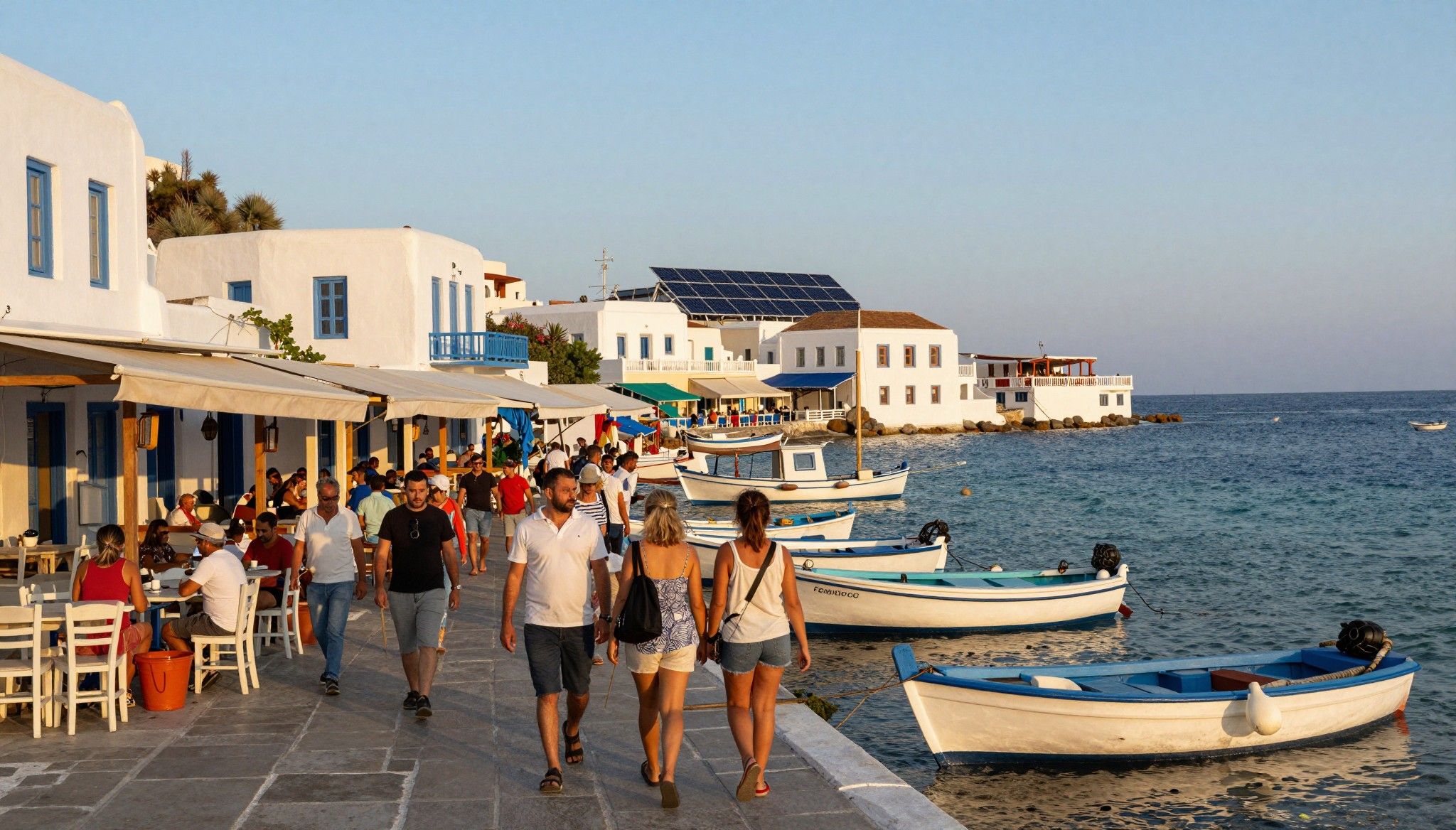
Weekly markets shape kitchens and garden choices: if you dream of a farm-to-table life, pick a home near a marché or a productive garden plot. In Brittany and the Basque coast, seafood and salt-in-the-air living make terraces priceless; in Dordogne and Lot you’ll trade sea-view premiums for truffle-foraging and chestnut groves. Choosing the right locale changes how you furnish, cook and landscape your property—think root-cellars, covered terraces and a small studio for preserving the year’s harvest.
- Marseille/Aix: Provençal markets, calanques day trips, bustling artisan cafés.
- Croix-Rousse (Lyon): workshops, hilltop views, strong neighbourhood life.
- Île-de-Ré and Arcachon: oyster culture, dune-protected architecture, cycling everywhere.
- Dordogne & Lot: stone farmhouses, truffle season, slow winter rhythms.
Making the move: practical considerations that protect the lifestyle
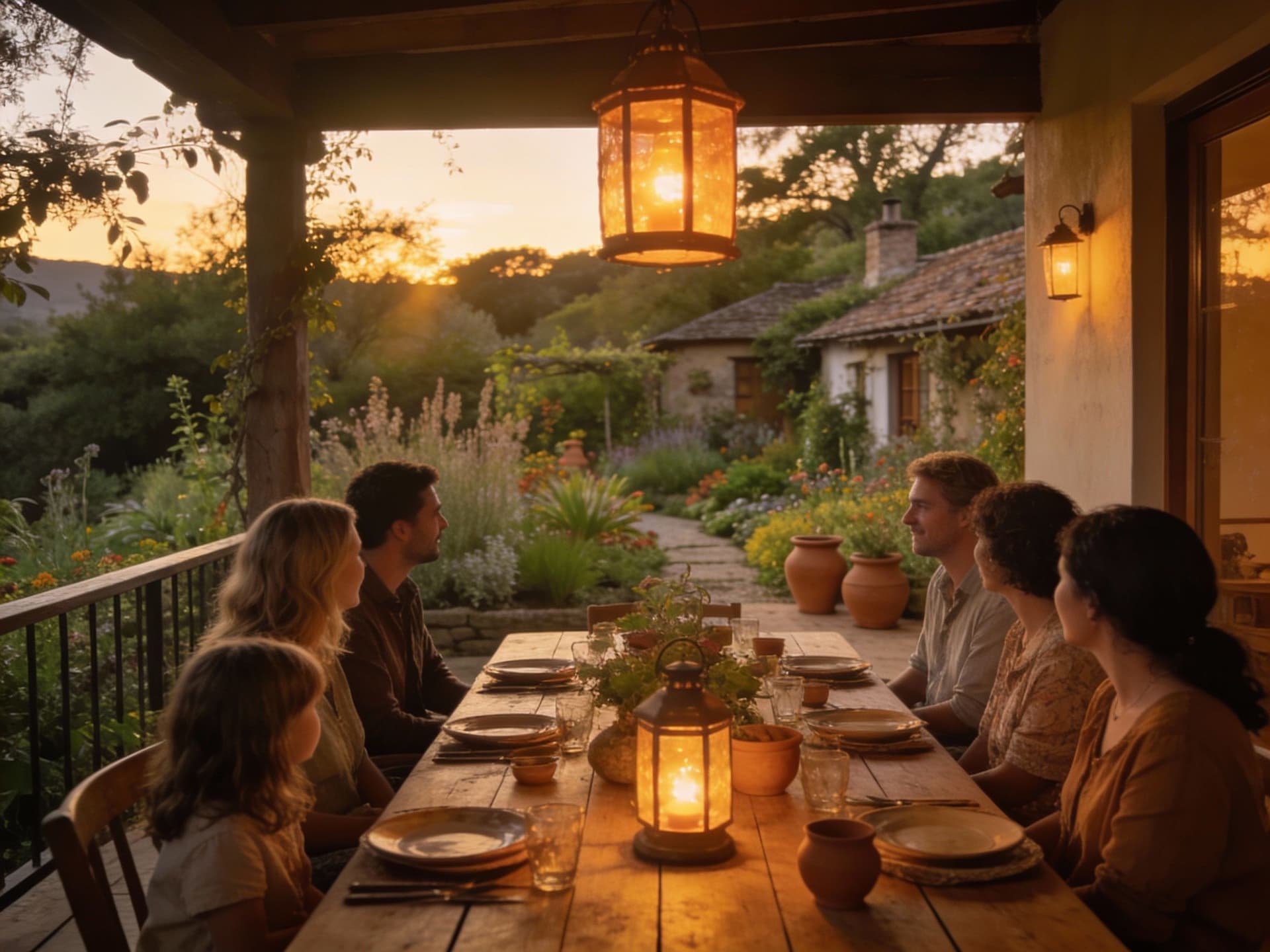
The romantic dream must meet regional reality. National data show the market stabilised and began to rise in early 2025, but that rebound is uneven: provincial towns can gain while some large cities slip. That means lifestyle choices and timing matter—buying a house near a lively market or a biodiverse oak wood will have different price trajectories than buying a Parisian flat. Use official indices to see where growth is steady and where opportunity lies.
Property styles and how they'll shape daily life
A medieval village maison with stone walls keeps summers cool but needs bespoke insulation work for winter comfort; a contemporary garden house on the Atlantic needs salt-resilient materials and raised beds for sandier soil. If sustainability is core, prioritise passive solar orientation, existing PV-ready roofs and mature gardens that support biodiversity. Renovation in France is often a craft-led process—expect local artisans for lime plaster, oak carpentry and slate roofing.
Working with experts who love the place
Local notaires, green-minded agents and regional architects are gatekeepers of both rules and local ways: they know which streets flood, which villages welcome community gardens, and where planning rules protect hedgerows. An agent who understands both eco-retrofit and village customs will help you spot a home that is structurally right and socially right—so you settle in, not just on paper but at the marché and the mairie.
- Visit in different seasons: spring markets, high-summer traffic, rainy winters to test light, roads and community life.
- Ask about energy costs and insulation: check for EPC/diagnostic de performance énergétique and potential for solar or heat pumps.
- Talk to neighbours and the mairie: learn about shared works (allées, fountains), local rules, and who tends communal land.
Insider knowledge: what expats wish they'd known
Expat homeowners often say the hardest surprises were social, not legal: which neighbour waters the communal fig tree, how the weekly market shapes friendships, and that renovation timelines are measured in seasons, not weeks. Market data confirm the nuance—second-hand prices in provincial France rose in early 2025 after a long pause, but this was patchy across regions. That heterogeneity rewards local knowledge.
Cultural integration, language and routines
A little French goes a long way: learn market vocab, neighbourhood greetings and the rhythms of local fêtes. Participate in communal gardening days, help at the bakery fair, and you’ll be quickly woven into the social fabric. Practically, this opens doors to local tradespeople and informal stewardship of land—key for low-impact living.
Long-term lifestyle and stewardship
Think decades, not months. Choose properties with durable materials—stone, oak, lime mortar—and gardens designed for biodiversity. Consider rainwater capture, perimeter hedging for wildlife corridors, and local seed species. This makes a house feel like a living system and helps reduce running costs while enhancing neighbourhood resilience.
- Prioritise homes with passive solar orientation and existing renewable-ready roofs.
- Seek out properties near markets and community-run gardens for instant social integration.
- Choose villages with active mairie engagement—local stewardship keeps hedgerows and wells alive.
- Budget for craft-led renovations rather than generic contractors; traditional materials last longer.
In short: buy where the lifestyle you crave is already practiced. France is not a single market but many small worlds; match a village’s rituals, seasons and local crafts to your own pace and the property will repay you with belonging. Start with season-long visits, consult regional notaires and green-minded agents, and prioritise properties that are both ecologically integrated and socially rooted.
Dutch property strategist who helped 200+ families find sustainable homes in southern Europe; expert in legal pathways and long-term stewardship.