France’s 'Expensive' Myth: Where Value Hides
France’s market is diverse—official notaire data shows heterogenous regional trends; for green-minded buyers, lifestyle, craft and stewardship often reveal better value than headline prices.
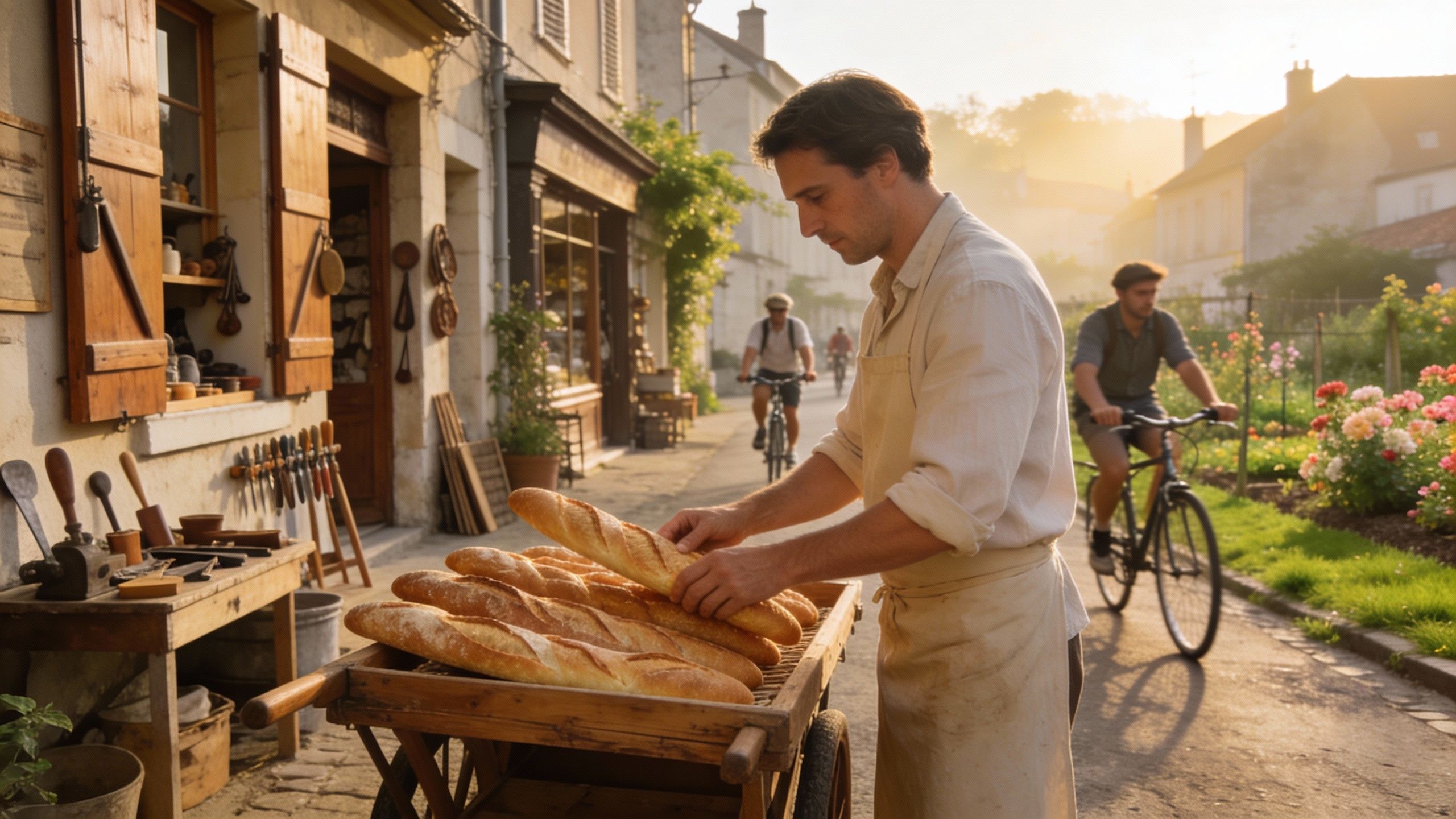
Imagine morning light through chestnut trees on a narrow lane in the Dordogne, a baker’s bell at 8 a.m., and a small market where the stallholder knows your name. That slow, sensual rhythm—markets, cafés, seasonal gardens and neighbourhood crafts—defines much of life in France, but it’s too often lost in headlines shouting “prices” or “luxury Paris.” For international buyers who crave green living, local craft and seasonal life, France still hides pockets of accessible, soulful value if you know where to look.
Living the French life—what it really feels like
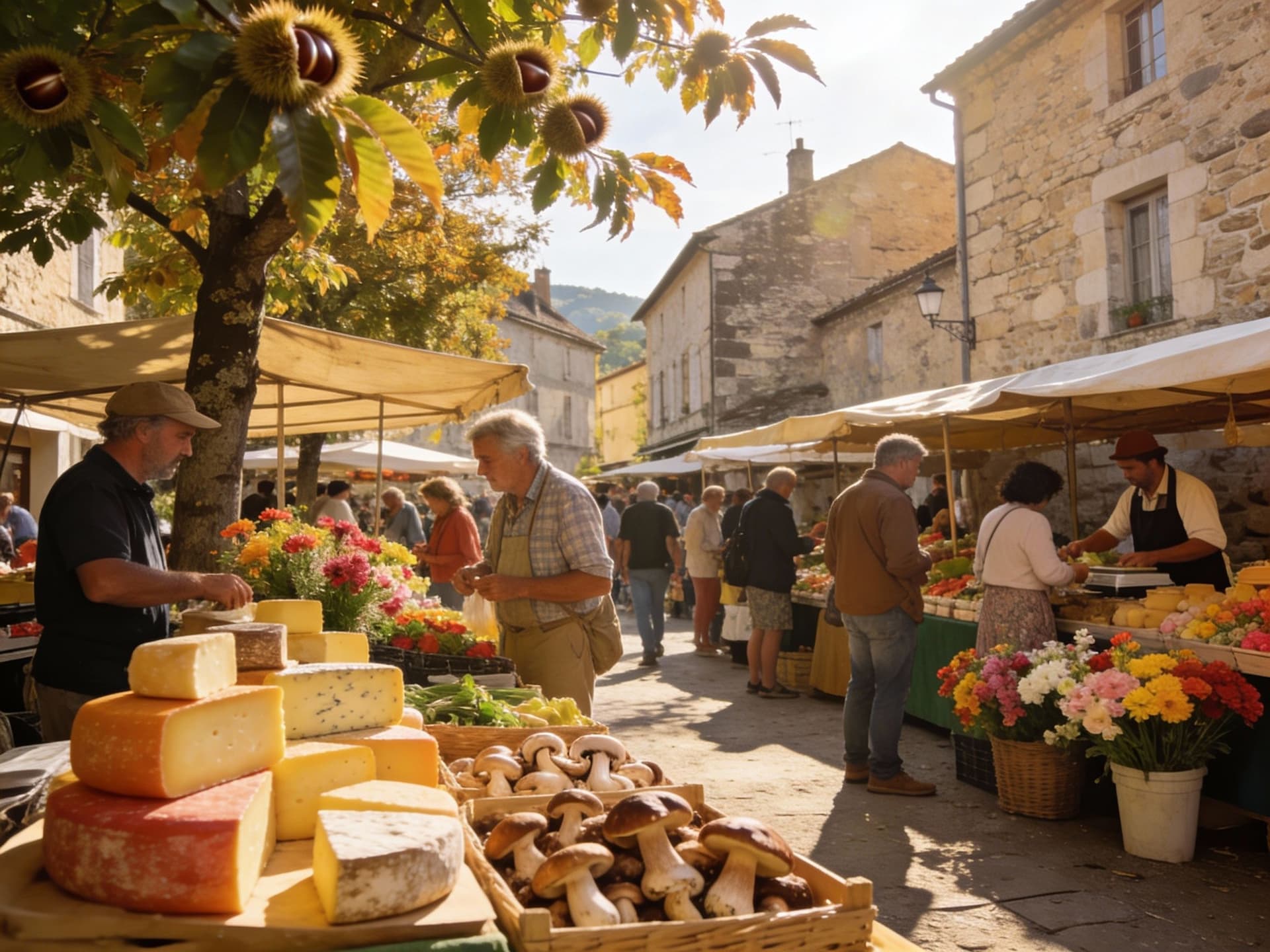
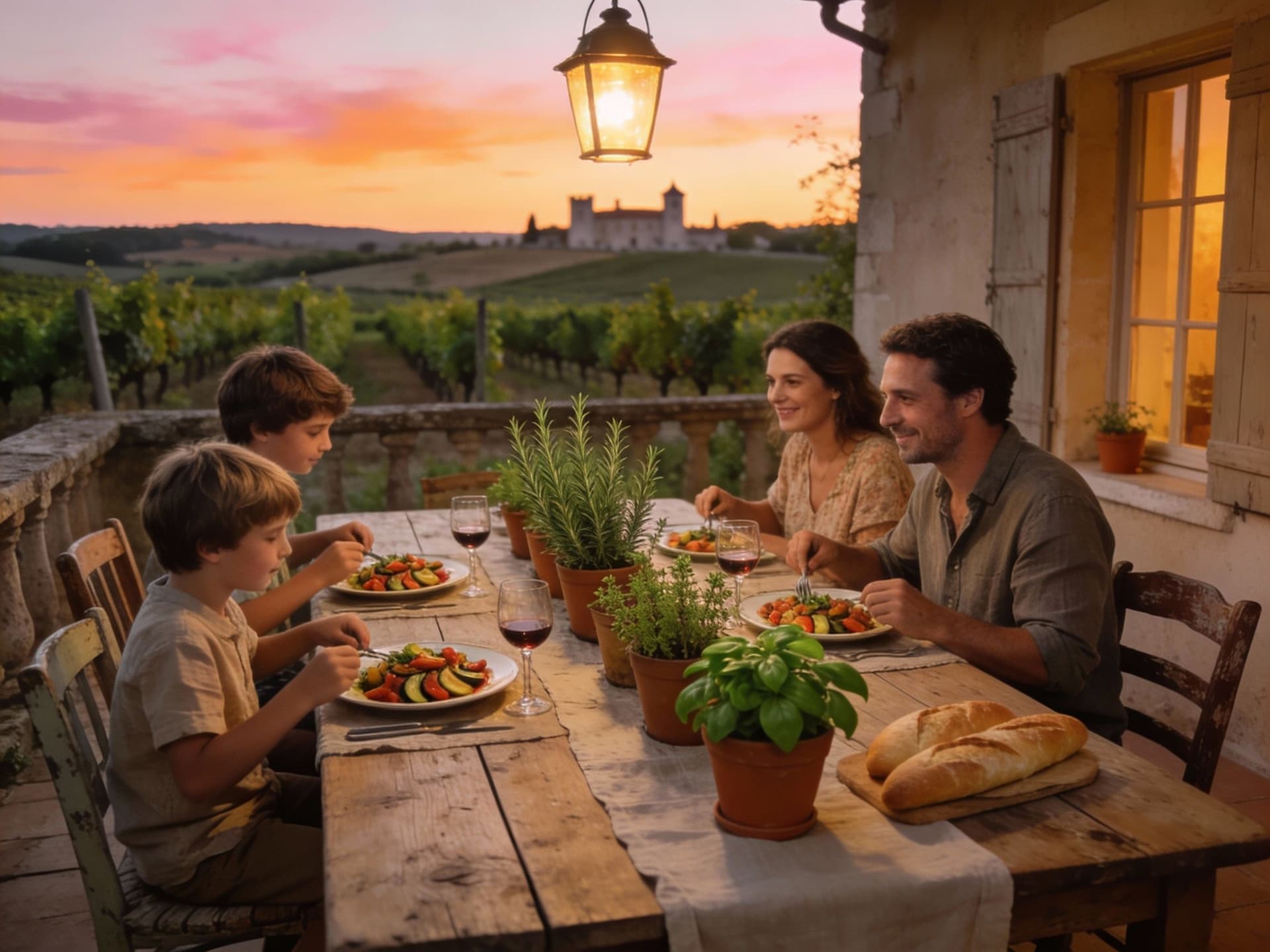
A day in France moves from the intimate to the public: morning espresso at a rue-side cafe, midweek market runs for chèvre and vegetables, afternoons in a village atelier learning carpentry or earth-plaster techniques, and evenings of long table conversation under vines. The landscapes change fast—Brittany’s windswept coast, the rolling chestnut and walnut orchards of the Périgord, Provence’s lavender-scented light—and each region brings its own relationship to craft, food and seasonal living.
Neighbourhoods that feel like communities
Look beyond Paris’s 1st arrondissement glossy image: Angers’s riverside quays buzz with student energy and artisanal bakeries; Le Vieux Port in Marseille mixes fisherfolk with young restaurateurs experimenting with local fish and seaweed; in the Loire Valley, towns like Saumur keep steady traditions of winemaking, crafts and village festivals that stitch neighbours together. These are places where local life—repair workshops, wood-fired ovens, municipal gardens—shapes daily routines and the kinds of homes people seek.
Food, craft and seasonal rituals
Markets are the social calendar: Monday oysters in Arcachon, Saturday truffles in Périgord, Sunday vegetables in Annecy. Traditional crafts—stone masonry in Provence, chestnut-wood joinery in Corsica, lime-plaster repairs in Brittany—aren’t nostalgia; they’re practical, climate-smart skills that help houses breathe and age gracefully. Buying into these places often means stepping into a living network of producers and makers, which is part of the real value.
- Lifestyle highlights to seek when you visit
- Local markets at least twice a week (name a market and day when you visit).
- A neighbourhood bakery and a public green—evidence of daily life rather than staging.
- Artisans or municipal restoration projects nearby (sign of active stewardship).
- Access to natural spaces within a 20–45 minute drive: beaches, forests or river valleys.
Making the move: practical realities that match the lifestyle
Your dream of a slow, craft-rich life must meet local mechanics: regional price differences, financing, and the paperwork for non-residents. Official guidance from French notaires explains the legal context for foreign buyers and signals that while France is open to international purchasers, the personal details—marital regime, residency, inheritance rules—matter early in the process. Understanding those specifics preserves both lifestyle aims and your long-term stewardship of the property.
Property styles that suit green, seasonal living
Stone village houses with thick walls and shutters breathe well in summer and hold heat in winter; small tournees (farmhouses) often sit on workable land for gardens and orchards; renovated mill conversions by rivers can offer natural cooling and hydropower potential. When you choose a property, weigh embodied materials (stone, chestnut, lime) and passive features (orientation, deep eaves) that reduce the need for mechanical systems.
Working with local experts who preserve lifestyle value
Find agents and notaires who understand traditional craft and ecological retrofit—people who can read a roof’s timbers as well as the title deed. A good local architect or artisan network will be worth its weight in ash wood: they help translate the house into a home that fits seasonal life, from winter wood stores to summer terraces. Agencies that specialise in green renovations also help access grants and local incentives.
- Steps to blend lifestyle with a secure purchase
- Visit across two seasons (e.g., late spring and late autumn) to sense daily rhythms and maintenance needs.
- Commission a local technical inspection with emphasis on passive features and traditional materials.
- Speak to local artisans about ongoing costs for stone, lime, and thatch maintenance.
- Confirm tax and inheritance implications with a notaire early—these shape long-term stewardship and community ties.
Insider knowledge: what expats wish they'd known
A common regret expats share is buying into a postcard image rather than a lived neighbourhood. People underestimate the pace of municipal life—shop opening hours, festival seasons, or how a village mayor shapes amenities. Market data shows France’s prices are heterogeneous: while Paris and some coastal areas remain expensive, many regional towns have seen meaningful gains in recent years yet still offer relative affordability and active markets for houses that support gardens and local craft. Use data to choose a lifestyle, not just an asset class.
Language, community and everyday belonging
You don’t need perfect French, but learning place-specific vocabulary—market days, waste sorting rules, terms for local produce—opens doors. Join a language exchange or a communal garden project; many artisans teach weekend workshops and will become your fastest route into the community. That social capital transforms a dwelling into a home that contributes to local biodiversity and seasonal economies.
Long-term stewardship and realistic expectations
Owning in France often becomes a project of care: tending an orchard, restoring lime-render facades, joining cooperative compost schemes. Factor in time and budget for this living practice; it’s part of the gift. If you want tax- or investment-led outcomes, pick towns with strong rental markets or easy transport links; if you want seasons and craft, choose smaller communities where everyday life is anchored in place.
- Red flags and questions to ask on site
- Is the roof structure sound and documented (ask for carpenter reports)?
- Does the property rely on off-grid systems that need specialist maintenance?
- Are there active local restoration grants or tax incentives for ecological retrofits?
- How does the village manage waste, water, and communal land—are you prepared to join that stewardship?
France is not one story. Recent national data shows the market is patchwork—transaction volumes and price shifts vary by city and region—so you can find both heated competition and genuine bargains depending on the rhythm you want. Use official notaire guidance and regional market reports to pair your lifestyle choice with sensible buying steps.
Reading the signals: data to watch
Track notaire pre-contract indices, local municipal projects, and rental pressure in urban areas. Prices in some regional towns are rising while others lag—this is an opportunity: if your goal is green living and craft integration, favour places with active artisan networks and municipal support for restoration over headline price growth alone.
Conclusion: buy the life first, the house second. Let data from reliable sources shape timing and budget, but let the everyday—markets, neighbours, craft—decide where your heart lives. When you pair a sensible purchase process with local experts who value stewardship, you gain more than property: you inherit a seasonal, textured life in France.
Norwegian market analyst who relocated from Oslo to Provence; guides investors with rigorous portfolio strategy and regional ecological value.