Don't Hunt in Summer — Why Autumn Wins in France
Autumn reveals France’s true neighbourhoods: visit off‑season, prioritise stewardship and local expertise — INSEE shows regional rebounds but seasonality dictates value.
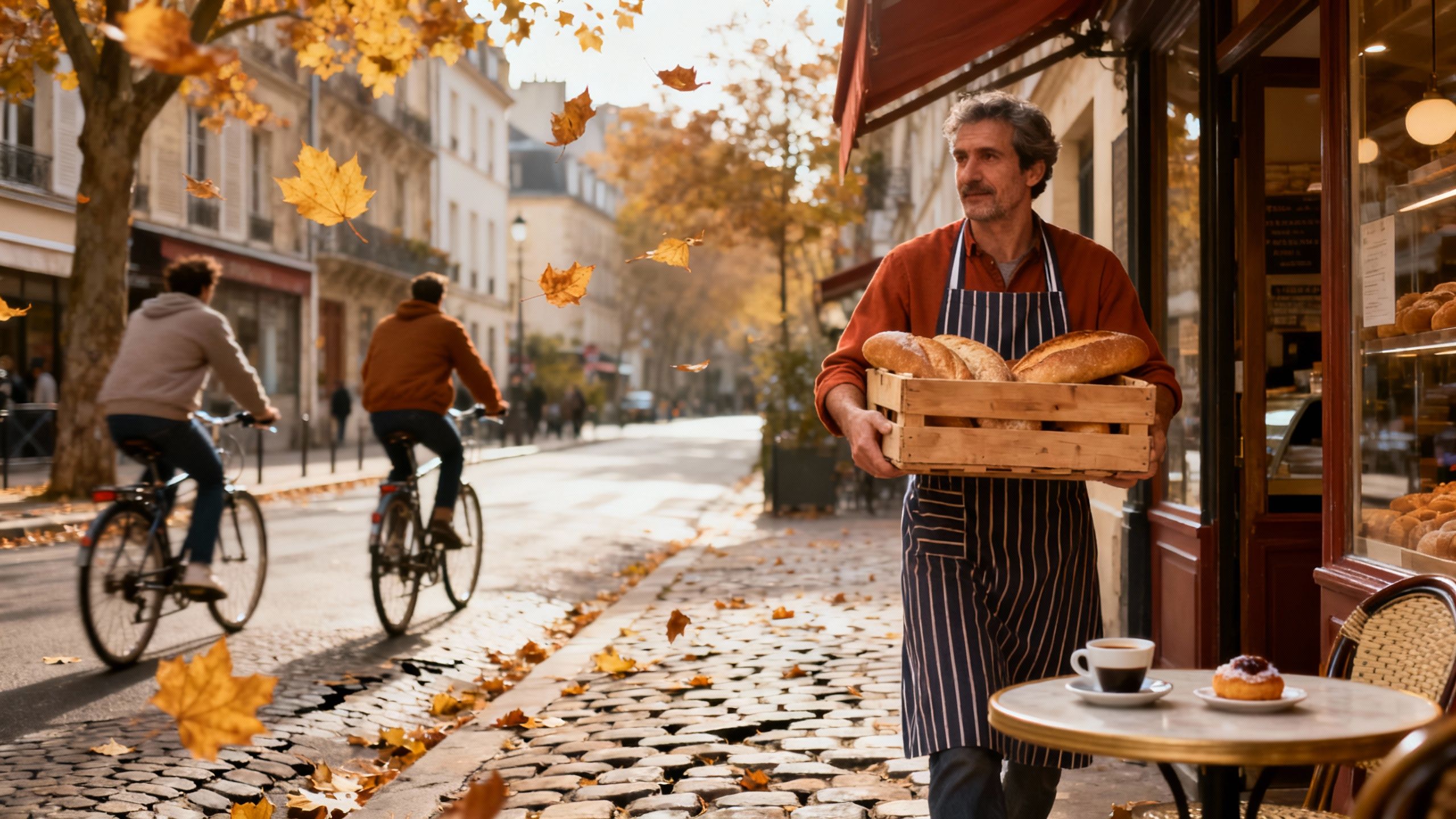
Imagine an autumn morning in France: steam rising from a café on rue Cler, chestnut vendors along the quai in Lyon, vines in Provence turning gold. The air is cooler, the tourist crowds have thinned and neighbourhoods breathe again — and for buyers who care about season, community and sustainable living, autumn quietly changes everything. Recent INSEE data shows house prices rebounding in early 2025, but the story for buyers is more nuanced at a neighbourhood level. https://www.insee.fr/en/statistiques/8595552
Living the France lifestyle: seasons, markets and slow mornings
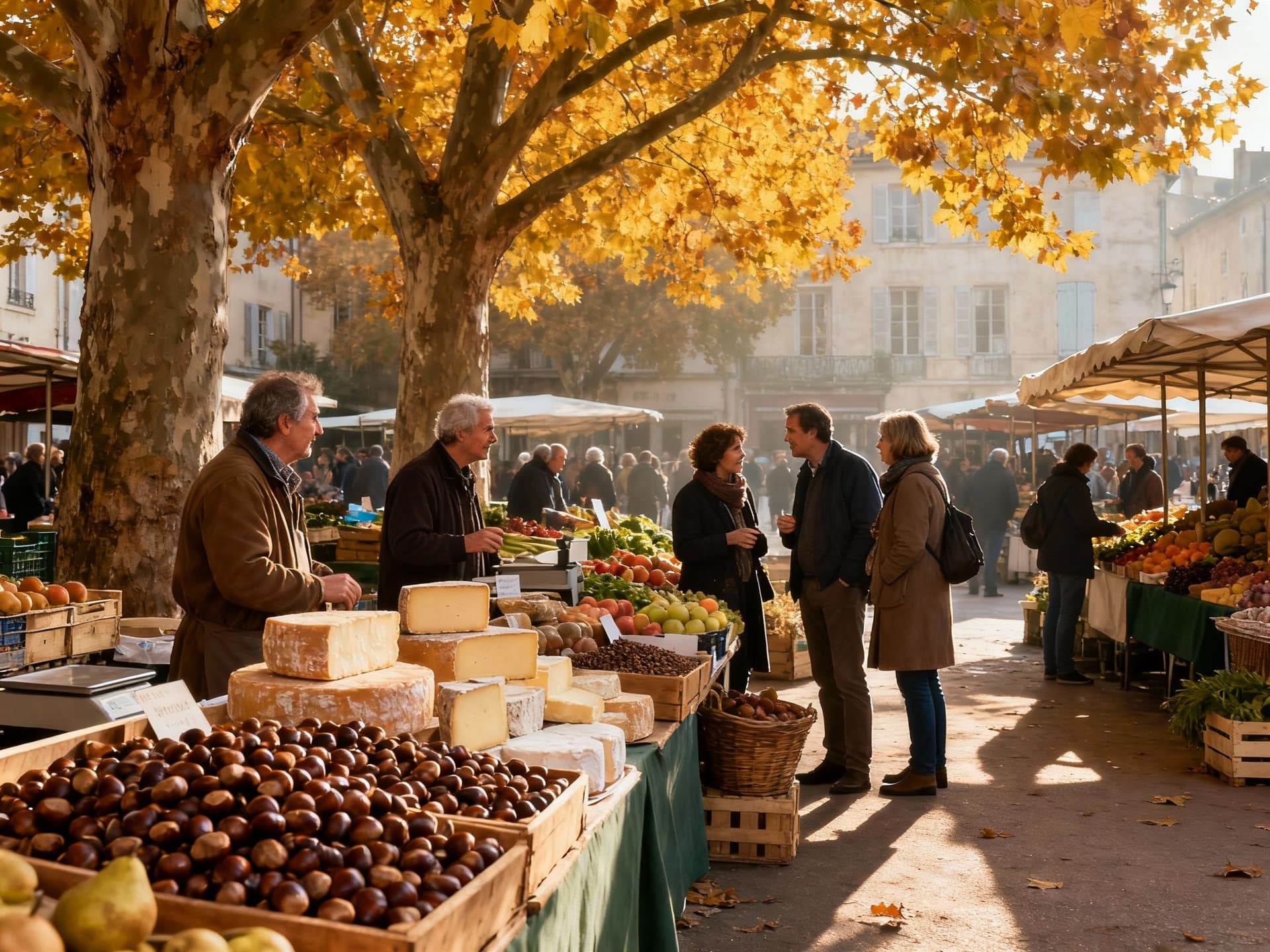
France is a country of slow rhythms and pronounced seasons. From crisp market mornings in Rennes to late‑light terrace dinners on the Côte d’Azur, everyday life is shaped by food cycles, local festivals and the cadence of small trades. Even the property market echoes that rhythm: national figures show a modest rebound in 2025, yet local demand and atmosphere — the pulse of a street — still determine value far more than headlines. https://www.lemonde.fr/economie/article/2025/05/27/immobilier-l-activite-repart-a-la-hausse-les-prix-aussi_6608875_3234.html
Neighbourhood spotlight: Paris — From Canal Saint‑Martin to Butte‑aux‑Cailles
Walk along Canal Saint‑Martin at dawn and you meet joggers, bookshop owners and parents dropping kids at school. Head south to Butte‑aux‑Cailles and the narrow streets still feel village‑like. These pockets reward buyers who seek walkable life, small artisans and cafés that anchor community. Practical note: in-city pockets can carry premium per square metre, but they also deliver daily life you can’t replicate elsewhere.
Coastal and rural character: Brittany coves vs Provence hill towns
Brittany mornings smell of seaweed and warm bread; Provence afternoons are lavender and slow markets. Their property rhythms differ — INSEE shows provincial prices recovering differently across regions — and that affects timing: coastal listings spike in late spring, while rural stone houses change hands more in autumn and winter when gardens and cellars show their true year‑round condition. https://www.insee.fr/en/statistiques/8595552
- Autumn lifestyle highlights for buyers
- Local harvest markets: Aix‑en‑Provence Saturday market, marché des Capucins in Bordeaux — taste the region and vet nearby food sourcing.
- Neighbourhood rituals: weekday aperitifs on rue Mouffetard, fishermen’s early catches at Île de Sein — observe daily life, not just staged visits.
Making the move: practical considerations that match the season
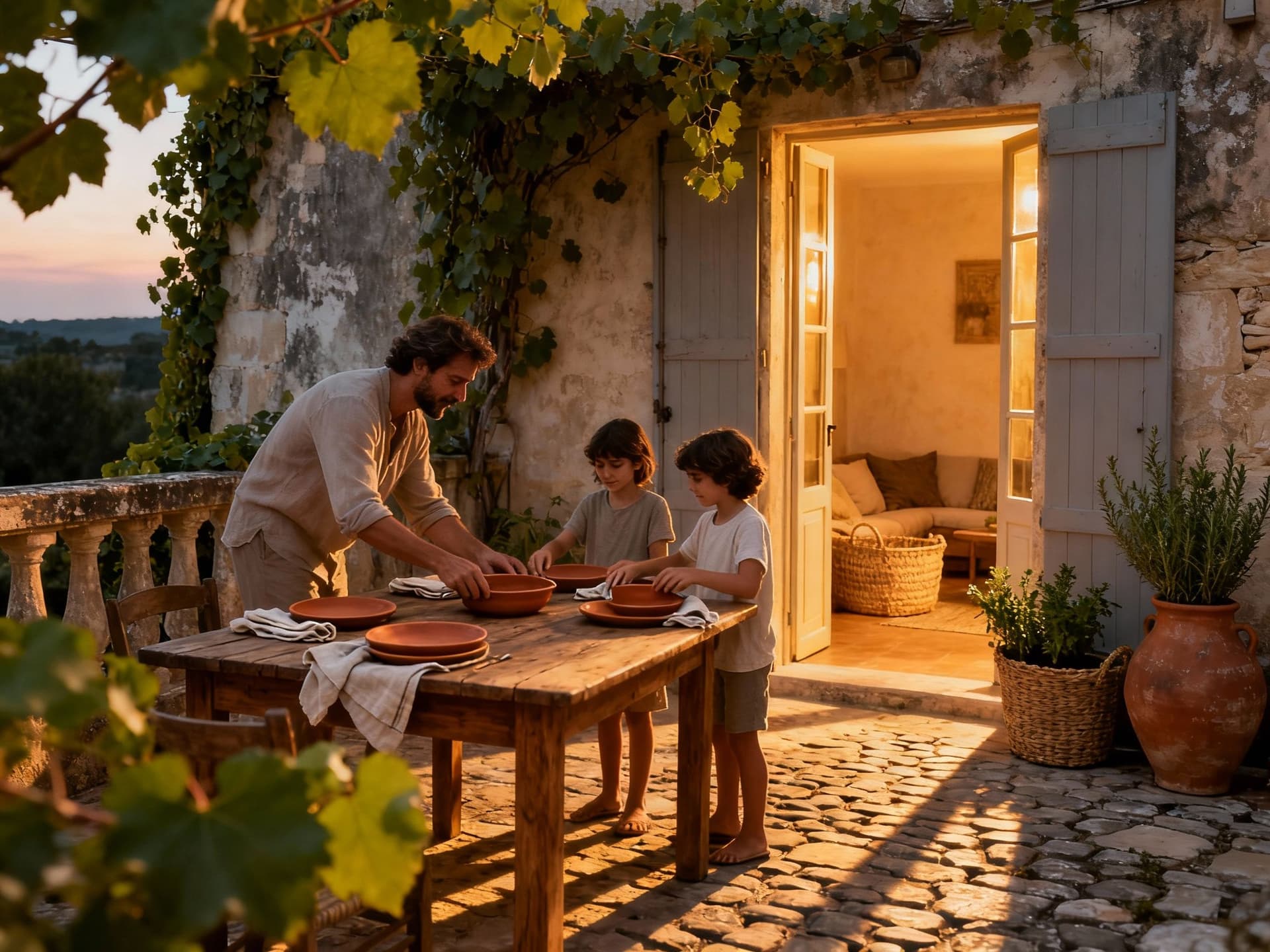
Dreams of chestnut lanes meet paperwork: the buying timeline, inspections and seasonal realities all interact. Sellers behave differently by season — open‑house calendars compress in summer and expand in autumn — and local agents can time viewings to show how a property lives through rain, cold and harvest. Industry coverage shows regional disparities in price movements; your local expert matters more than national averages. https://www.lemonde.fr/argent/article/2025/03/10/prix-de-l-immobilier-les-villes-ou-ils-montent-et-celles-ou-ils-baissent_6577657_1657007.html
Property styles: stone farmhouses, town apartments, coastal villas
A Provençal stone mas breathes differently in October than in July; its thermal mass and orientation reveal heating needs, garden microclimates and winter wind exposure. Town flats show energy performance more clearly when heating bills arrive. Ask to see energy diagnostic reports (DPE) and visit in both wet and dry conditions to understand real life and hidden maintenance work.
Working with local experts who know the rhythm
Choose agents who live in the neighbourhood, not just those with expat listings. Local notaires and architects who understand regional materials (stone, chestnut timber, lime renders) will help you assess true sustainability and upkeep costs. For international buyers, bilingual agents who also know local craftsmen reduce friction and save time during renovations. https://www.frenchpropertyexplained.com/french-real-estate-explained-guide/french-property-market-insights/property-prices-and-trends/
- Steps to align lifestyle with purchase timing
- Visit in autumn: see gardens after harvest, check heating, and meet neighbours when life is normal, not tourist‑staged.
- Request seasonal utility and maintenance records: compare summer lawn care with winter heating and roof inspections.
- Work with a local notaire before offer: they flag regional quirks — servitudes, co‑ownership rules, preserved land — that become visible in off‑season checks.
Insider knowledge: what expats wish they'd known
Real‑talk from buyers who moved here: the summer visit often sells the fantasy — sun, cafés, markets — but autumn shows whether a neighbourhood supports year‑round life. INSEE confirms regional price rebounds, yet many expats underestimated maintenance costs revealed outside the high season. See properties in low light and bad weather to avoid surprises. https://www.insee.fr/en/statistiques/8595552
Cultural integration: language, rhythms and local trades
Making friends in France often happens through food, markets and local artisans. Learn a few market phrases, attend a mairie event and pick up names of a carpenter or mason. These relationships smooth renovations, garden care and seasonal chores — and are often the difference between a house and a home.
Long‑term living: stewardship, biodiversity and energy choices
France rewards long‑term stewardship: solar-ready roofs, rainwater capture for gardens and traditional lime mortar repairs preserve value and enhance biodiversity. Prioritise properties with south‑facing aspects, mature hedgerows and existing renewable installations where possible — these features make seasonal life gentler and more self‑reliant.
- Red flags to check in off‑season visits
- Damp and roof leaks revealed by autumn rains
- Insufficient heating or poor insulation when temperatures drop
- Neighbourhood life that shuts down outside the tourist season
- Overly staged gardens or temporary summer rentals hiding maintenance backlogs
Conclusion: Fall in love with the real France — then act with local intel
If you want a home that feels honest and lived‑in, visit beyond the high season. See streets at weekday pace, taste food stalls when harvest is fresh and hire local experts who understand both stone and seasons. Start by asking an agent for off‑season viewings, request energy and maintenance records, and schedule a meeting with a notaire to iron out regional specifics — the result is a home that matches the life you pictured on that first autumn morning.
Dutch property strategist who helped 200+ families find sustainable homes in southern Europe; expert in legal pathways and long-term stewardship.