Why Buying in Italy’s Low Season Unlocks Real Value
Why buying in Italy during the low season reveals authentic neighbourhood life, honest prices and practical truths visitors miss. Backed by ISTAT and market reports.
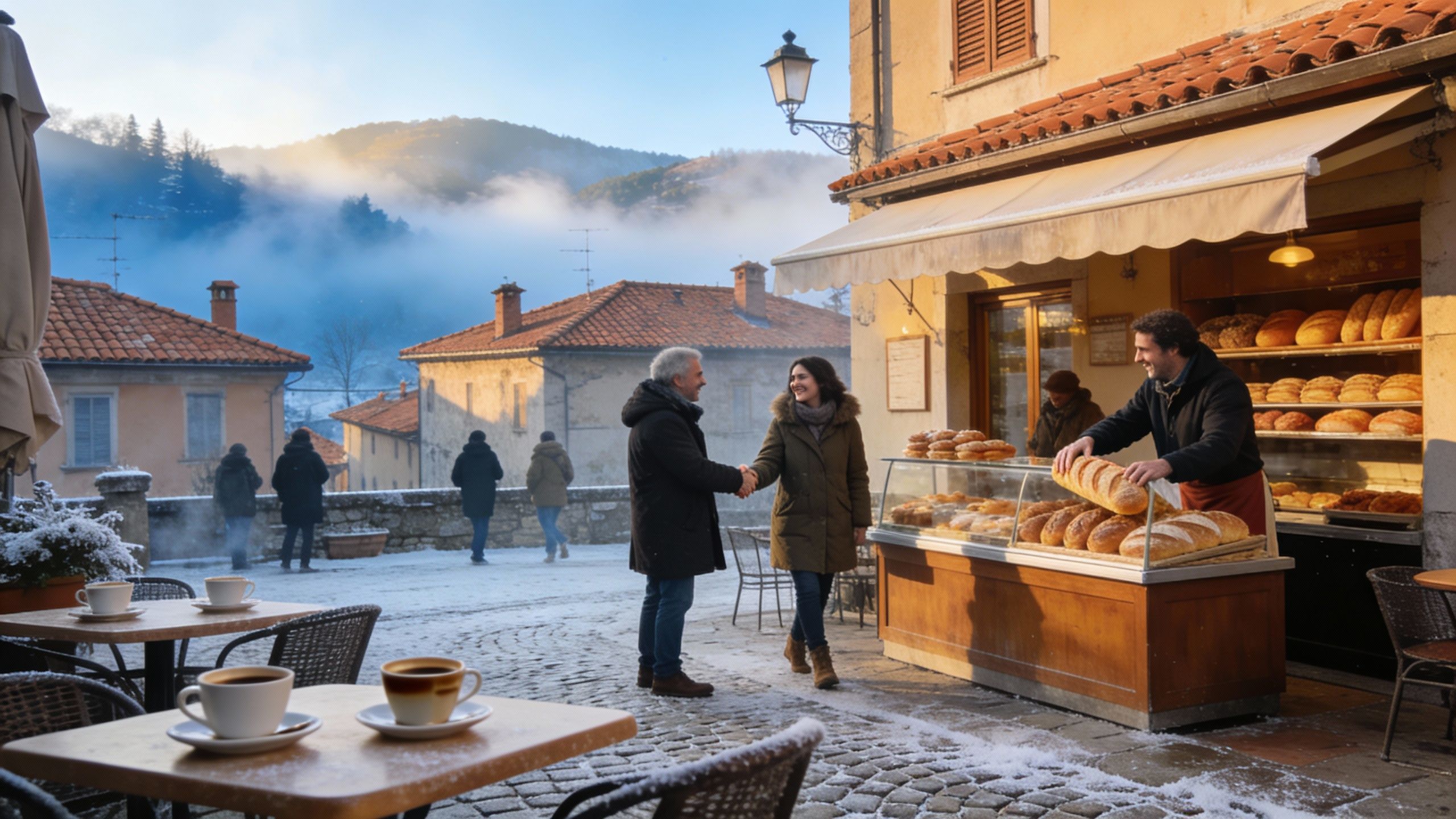
Imagine stepping out at 9 a.m. to a fog-softened piazza, the baker’s cart steaming near an alley in Puglia, and the warmth of a terracotta cup of coffee in your hands — not because it’s peak tourist season, but because you live here. Italy’s quieter months are where neighborhood life sings: markets are calmer, artisans re-open their shutters, and properties tell their true stories. For international buyers seeking an eco-minded, seasonal rhythm rather than a postcard, low-season living reveals value and authenticity the high-summer market often hides.
Living the Italy life when the crowds leave
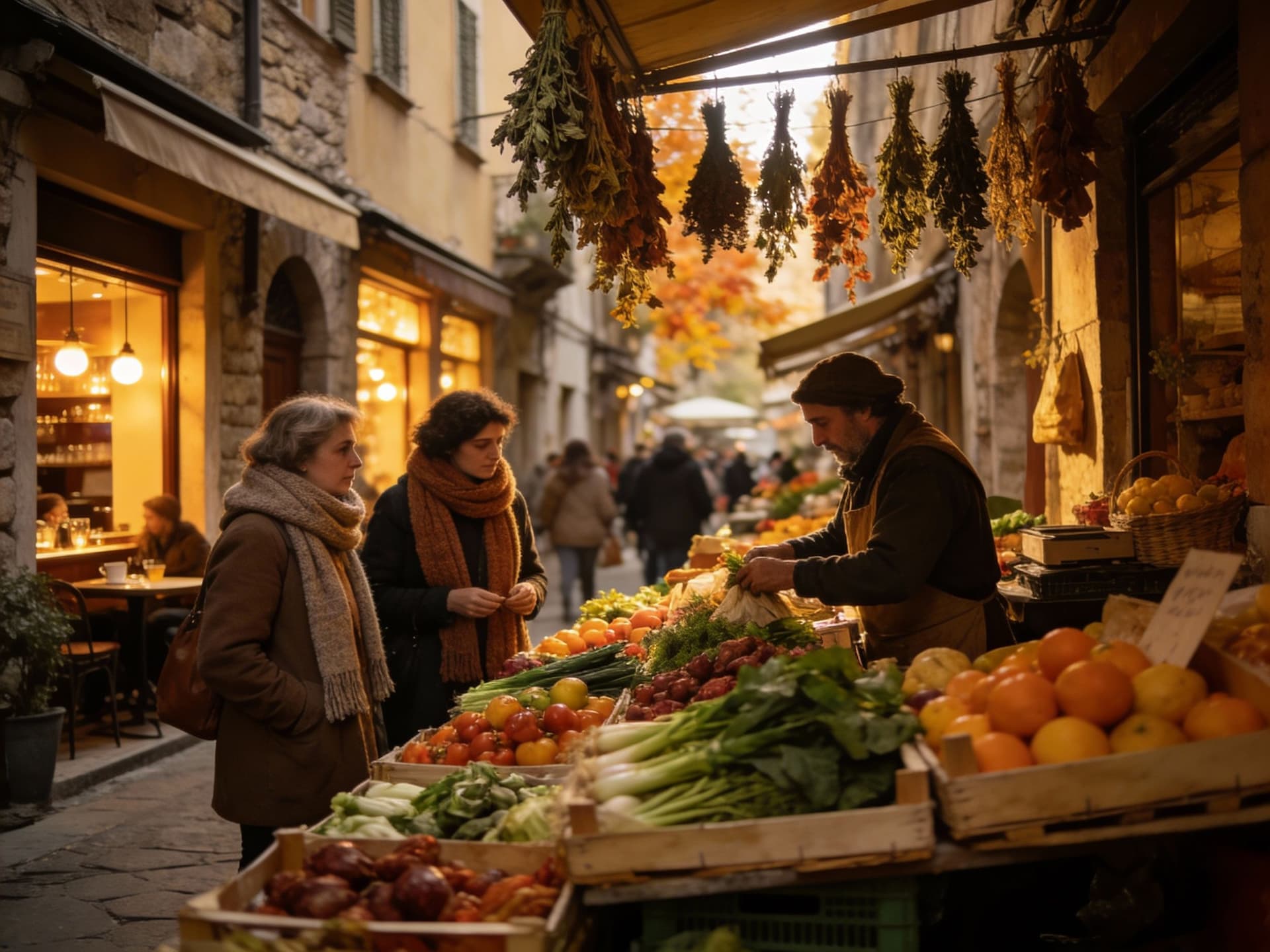
Daily life in Italy is a rhythm of seasons: aperitivo terraces in late spring, truffle markets in autumn, beach bars closing in October and neighborhood trattorie coming alive with winter stews. Living here means learning this calendar and choosing a property that plays to the season you want to live in. Many international buyers are discovering the appeal of settling in outside the tourist swell — and recent market data shows foreign demand is becoming more pronounced year-round.
Neighborhood character: from Trastevere alle Cinque Terre
Walkable streets matter. In Rome’s Trastevere the mornings belong to older residents buying bread and arguing politics; in Genoa’s historic quarters windows overlook layered alleys where craftspeople repair nets and shoes. Choose a neighborhood by its daily soundtrack — coffee grinders at 7 a.m., a market’s chatter at 9 a.m., the evening clink of glasses. Those textures are strongest when tourism recedes and community life returns.
Food, markets and seasonal rituals
Markets and kitchens define community in Italy. In winter you learn which vendor cures the best pancetta, which osteria ages their ragù overnight. Buying outside the high season lets you inspect how kitchens perform in colder months, check heating, humidity and cellar conditions — practical issues often masked by summer viewings.
- Lifestyle highlights to look for in quieter months: a) weekly mercato with local producers; b) neighbourhood osteria that stays open year-round; c) a nearby artisan workshop (ceramics, textiles); d) accessible public transport with winter schedules; e) green spaces used by locals; f) sheltered terraces and wood-burning or efficient heating.
Making the move: practical considerations for low‑season buyers

Practical reality: Italy’s housing market showed resilience through 2024–25 with rising transactions and pockets of price growth — but regional differences are everything. A winter visit helps you measure energy efficiency, roof integrity, and how a house sits through rain and cold. The national data is encouraging, but the local inspection tells the story you’ll live.
Property styles that suit seasonal life
Stone cottages in Umbria and insulated townhouses in Liguria age well if upgraded with proper insulation and efficient heating. Newer apartments in Milan or Bologna often have modern heating and double glazing but lack a courtyard garden. If you crave year-round outdoor living, seek south-facing terraces, protected pergolas, or sheltered courtyards that extend seasonality.
Working with local experts who know seasons
- 1) Ask agencies for winter-time viewings and recent winter utility bills; 2) Hire a local surveyor experienced with humidity and older masonry; 3) Request a neighbourhood audit: market days, public services, winter transit; 4) Validate local planning rules for solar panels, natural pools, or olive groves before bidding; 5) Factor in seasonal running costs (heating, snow clearing, shutters).
Insider knowledge: what expats wish they'd known
Expat buyers often tell the same story: we fell in love with a summer image of a town, but it was the winter rhythms that made it home. Language matters, but so does participation — join a parish fête, the volunteer olive harvest, or a market morning. These moments reveal the community heartbeat and show whether a place will sustain you through seasons, not just weekends.
Cultural integration and everyday social life
Making friends in Italy is often a slow, tasty work: regular coffee at the same bar, volunteering at local events, or learning to cook a regional dish. In off-peak months you can more easily become part of the routine rather than a seasonal guest. For sustainability-minded buyers, this is where stewardship begins — learning the agricultural calendar, supporting local producers and respecting communal land use.
Longer-term considerations: stewardship and seasonal property care
- Long-term lifestyle + practical factors: a) winter-proofing and insulation upgrades; b) olive grove and vineyard maintenance schedules; c) community water management and shared wells; d) local waste and recycling rhythms; e) seasonal rental potential versus year-round local life.
Conclusion: If you want to live Italy rather than collect its images, consider low-season house hunting. You’ll see how a home breathes in rain and cold, meet the people who make a place liveable, and spot practical faults summer viewings hide. Use local experts (surveyors, agencies, notaries) who work year-round and ask for winter bills, community calendars and long-term stewardship plans. In quieter months you’ll find honest prices, fewer bidding wars, and a clearer sense of whether a place truly fits the life you imagine.
British expat who traded Manchester for Mallorca in 2017. Specializes in guiding UK buyers to luxury Spanish estates with clear navigation of visas and tax.