Buy Italy in Winter: The Seasonal Advantage Few Consider
Winter viewings in Italy reveal neighbourhood character, expose real running costs and often deliver negotiation leverage — a smart, data‑backed season for international buyers.
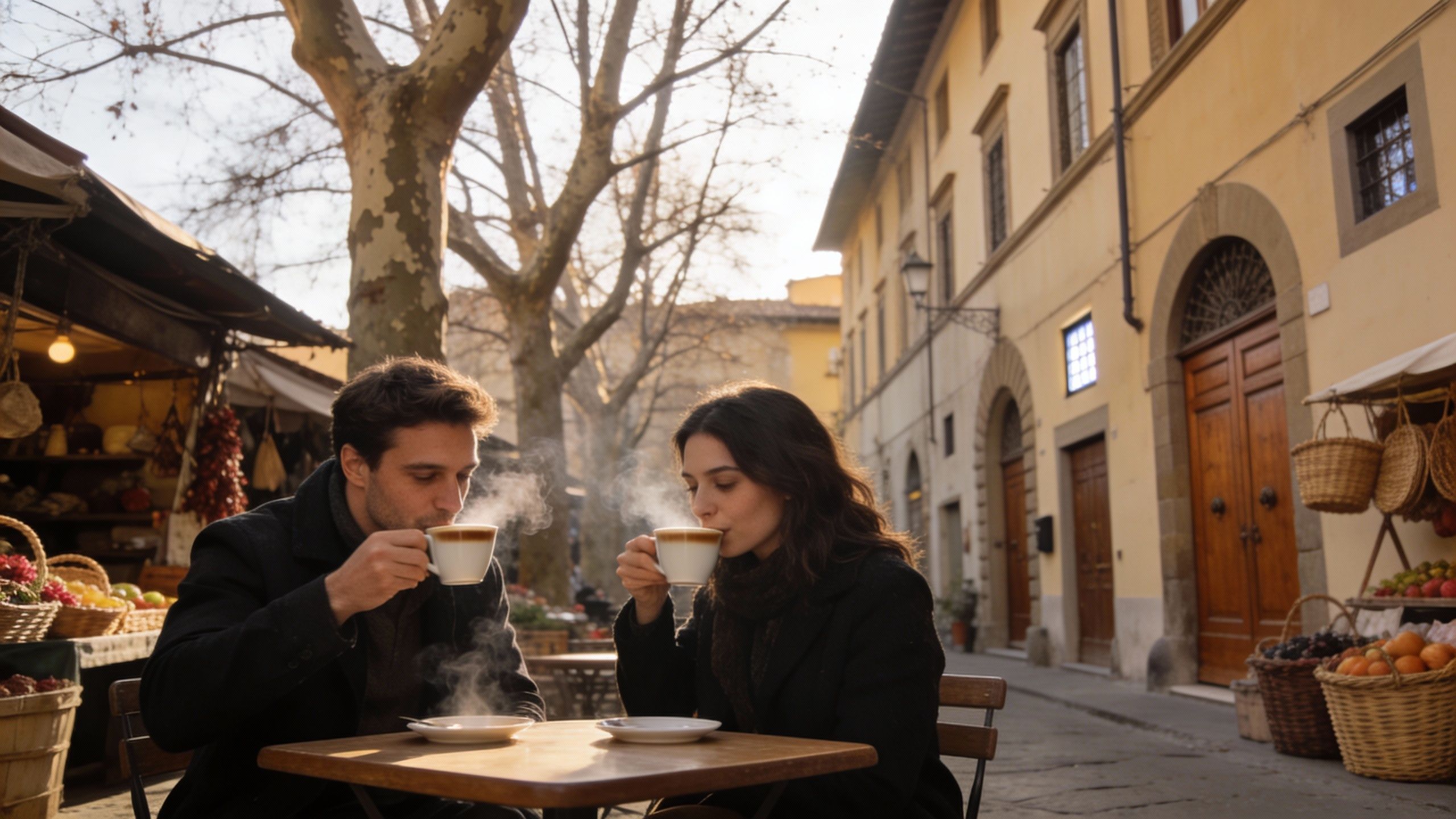
Imagine a late‑winter morning in Italy: steam rising from an espresso cup on a small café table in Florence’s Oltrarno, the market stalls at Campo dei Fiori arranging their citrus and porcini, and a quiet sense that the city — freed from summer’s crowds — belongs to the people who live there. That calm is not just poetic; for many international buyers it’s a strategic moment. In this piece I’ll argue the contrarian case: winter can be the smartest season to buy property in Italy, blending lifestyle clarity with practical market advantages backed by recent market data and local insight.
Living the Italy lifestyle — slow seasons, full senses
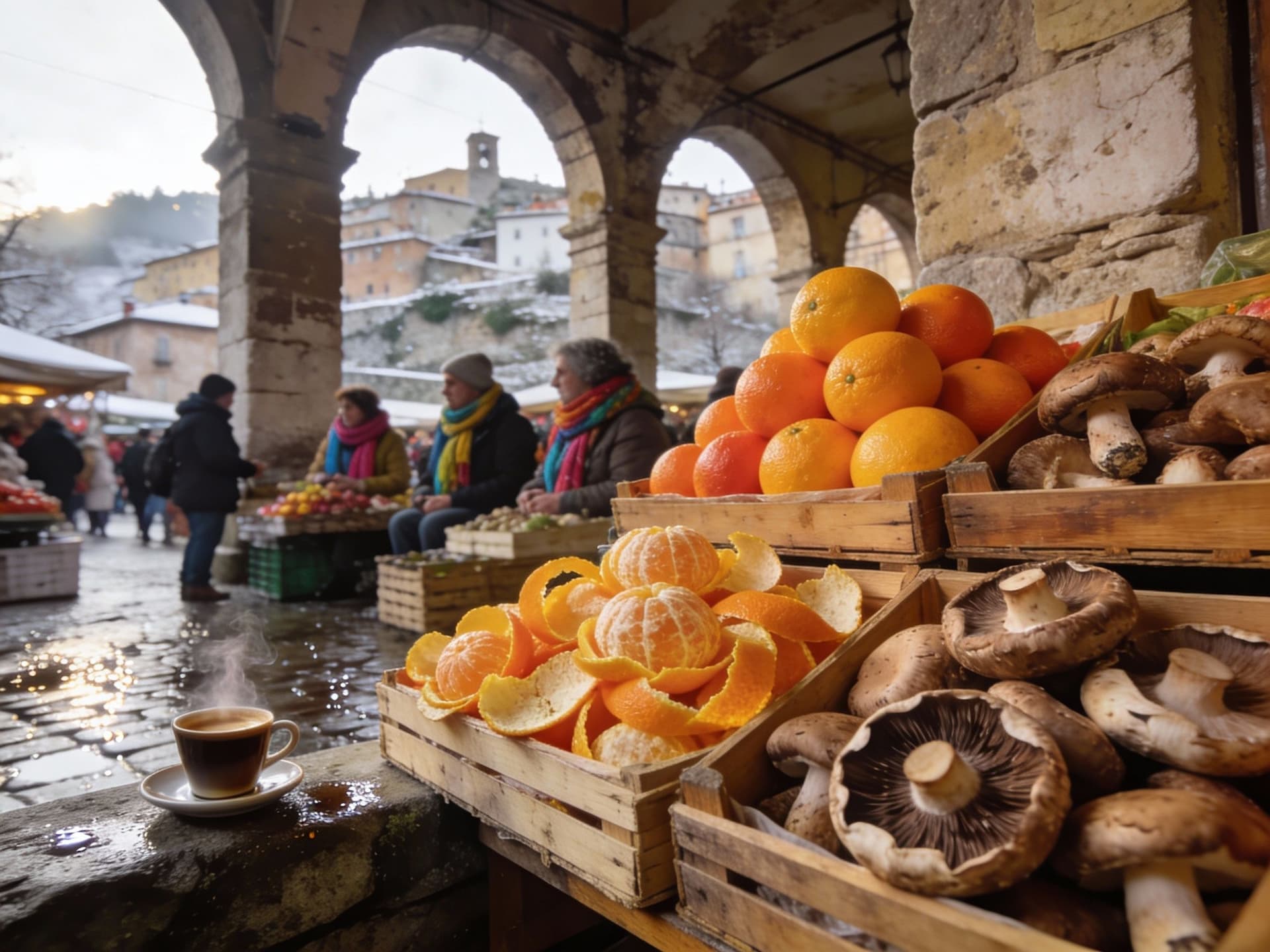
Italy’s rhythm is seasonal in a way few countries match; life slows in August and pulses in spring, but winter is when neighborhoods reveal character. Streets clear of tourist packs, trattorie refocus on local menus, and craftsmen — from luthiers in Cremona to stonemasons in Puglia — return to long projects. For a buyer imagining a life here, winter lets you see the bones of daily living: market routines, heating comfort, and whether a hillside home truly shelters you from northerly winds.
Neighbourhood spotlight: Oltrarno and the artisanal pulse
Walk Oltrarno in January and you meet the artisans who shape local life: leatherworkers at their benches, tiny osterie simmering ragù, and the quiet energy of studios where repairs and restorations are done by hand. These are the people who sustain neighbourhood life year‑round, and seeing them in winter tells you whether a community is resilient or purely seasonal. For buyers seeking a green, craft‑centred life, Oltrarno-style quarters show how traditional skills and small‑scale supply chains support sustainable living.
Food, markets and the seasonal calendar
Italy’s food year is a map of seasons — truffle fairs in Piedmont, citrus markets in Sicily, and chestnut festivals in Tuscany — and winter is when preservation, braising, and slow cooking reclaim the table. If you’re dreaming of a property with a kitchen garden or a cellar for preserves, winter visits show you how local ingredients are stored and used. This is practical: the strength of a neighbourhood food culture often predicts the vibrancy of local networks and small‑scale producers you’ll rely on.
Making the move: practical considerations tied to season
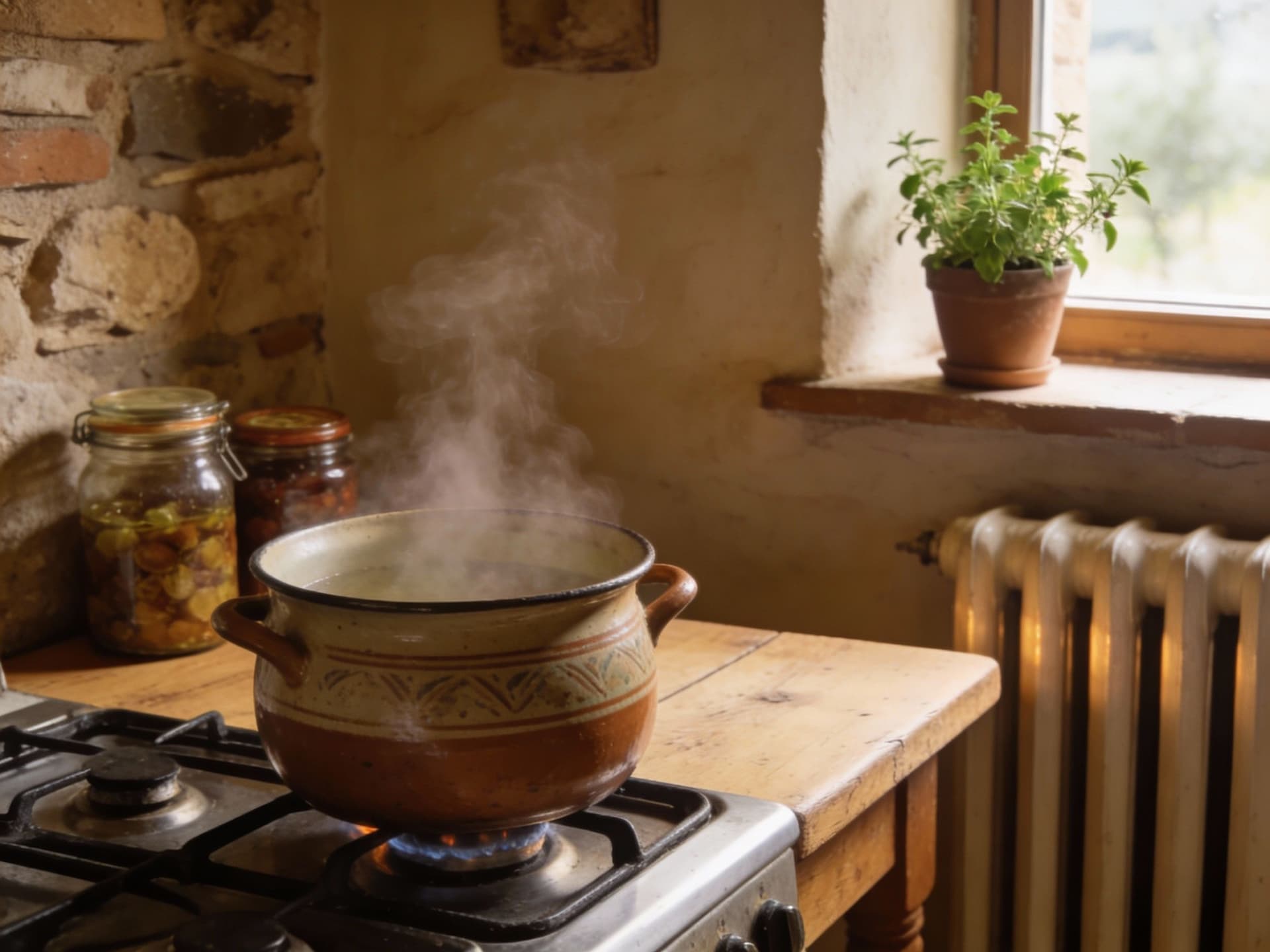
Dreaming aside, the market facts support winter house‑hunting in Italy. National price data and transaction volumes show modest growth but strong regional variance, and lenders’ changing appetite in 2025 has made timing meaningful for finance. A quieter market means less competition for well‑priced homes and more time to assess important winter factors — insulation, heating systems, damp and the quality of masonry — that sellers selling in summer might gloss over.
Property styles and how they shape daily life
From a stone farmhouse in Umbria to an apartment on Milan’s Navigli, building fabric matters for seasonal living. Older stone houses offer thermal mass that helps steady indoor temperatures, while modern builds may boast heat pumps and insulated envelopes that reduce energy bills. Inspecting how a property performs in winter — whether radiators heat evenly, windows seal, and roofs shed rain — will tell you more about living comfort and renovation priorities than a sunlit summer viewing.
Working with local experts who know the rhythms
A local agent who understands seasonal cycles is invaluable: they can point you to neighbourhoods that come alive year‑round, recommend trusted craftsmen for insulation upgrades, and advise on microclimates — whether your hilltop villa gets frost or the coastal breeze keeps damp away. Prefer agents who can speak both your language and local nuance, and who have a track record of guiding renovations that improve energy class ratings — a real value in Italy’s evolving regulatory landscape.
- Practical winter house‑hunting tips
- Check heating systems (boiler age, controls, alternative heat sources).
- Assess damp and masonry in wet weather; ask for an independent survey.
- Visit local shops and markets on colder days to judge year‑round vibrancy.
- Discuss renovation windows with agents — winter viewings reveal insulation priorities.
Insider knowledge: what expats wish they'd known
Expat buyers often tell me their biggest surprises weren’t legal forms but seasonal realities: how narrow streets freeze, how communal heating schedules shape morning life, and how festivals in spring suddenly redefine a neighbourhood. Data shows mortgage conditions improved in 2025 with falling rates, meaning buyers who time their offers in quieter months can combine negotiating leverage with better finance options. Local knowledge — about when craftsmen are available or when a comune grants permits faster — often makes the difference between a smooth renovation and a stalled one.
Cultural integration and daily routines
Make time to learn small rituals: market greetings, the pace of aperitivo, and how shop hours change by season. Language helps, but participation matters more — volunteering at a local festival, joining a Sunday soccer match, or supporting a cooperativa at market builds friendship. These low‑effort investments return in practical ways when you need a plumber, a loan recommendation, or a school reference.
Long‑term lifestyle & stewardship
Think beyond purchase: Italy rewards owners who steward land and buildings with care. Energy upgrades, native plant gardens, and sympathetic restorations not only lower running costs but deepen your integration into the local ecology. As incentives and buyer preferences shift toward greener homes, early investments in insulation, solar, and water capture pay both ecological and market dividends.
- A winter buying checklist — steps to act on
- 1. Schedule viewings on rainy or cold days to test real conditions.
- 2. Commission a thermal and damp survey before making an offer.
- 3. Ask agents for running costs and recent energy bills to compare real outgoings.
- 4. Negotiate timelines for winter‑proofing works and get firm quotes from local artisans.
- 5. Factor season‑specific uses into your offer — storage, heating upgrades, and garden planting plans.
Conclusion: If you love Italy for its year‑round rhythms rather than just sunlit postcards, winter house‑hunting is a strategic act of clarity. You’ll see how a neighbourhood breathes in quiet weather, test a home’s true thermal comfort, and often find motivated sellers who will engage seriously with practical offers. Pair a winter visit with a local, stewardship‑minded agent and a trades network that values low‑impact upgrades — and you’ll arrive not just with keys, but with a plan for a sustainable life here.
Norwegian market analyst who relocated from Oslo to Provence; guides investors with rigorous portfolio strategy and regional ecological value.