Why Autumn (Harvest Season) Reveals Better Buys in France
Autumn and shoulder seasons in France often reveal motivated sellers, quieter markets and lifestyle-rich properties — pair seasonal visits with INSEE and notaires data for smarter offers.
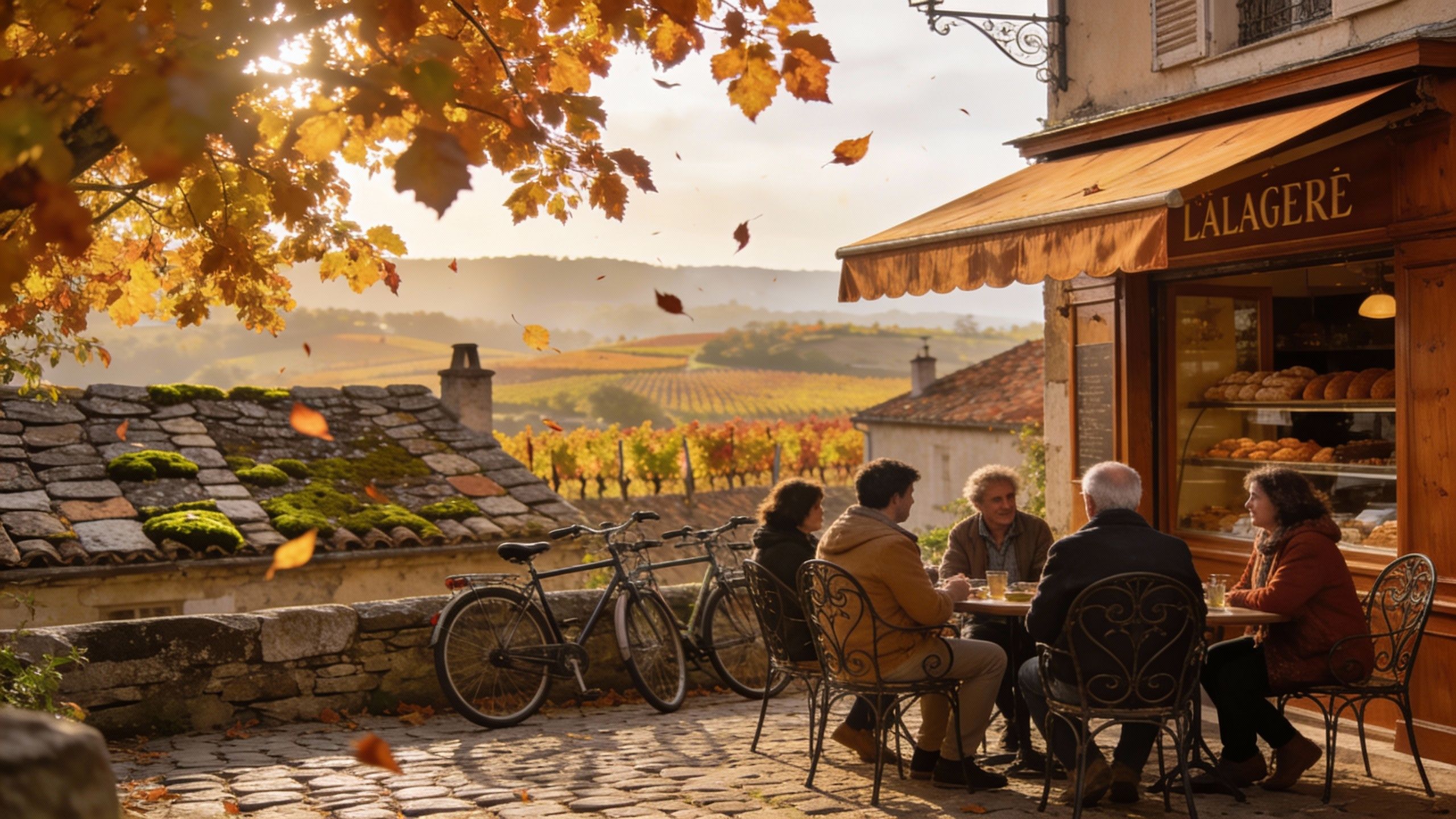
Imagine waking to fog rolling off a Loire valley vineyard, the market stalls in Beaune still warm with pastries and mushrooms, and neighbours bargaining over last season’s truffles — and knowing that this gentle, harvest-time rhythm is the best moment to find value in France. Recent data shows prices stabilising after a bumpy spell, and for buyers who think seasonally, autumn opens doors both literal and financial. See INSEE’s Q1 2025 overview for context.
Living the seasonal French life
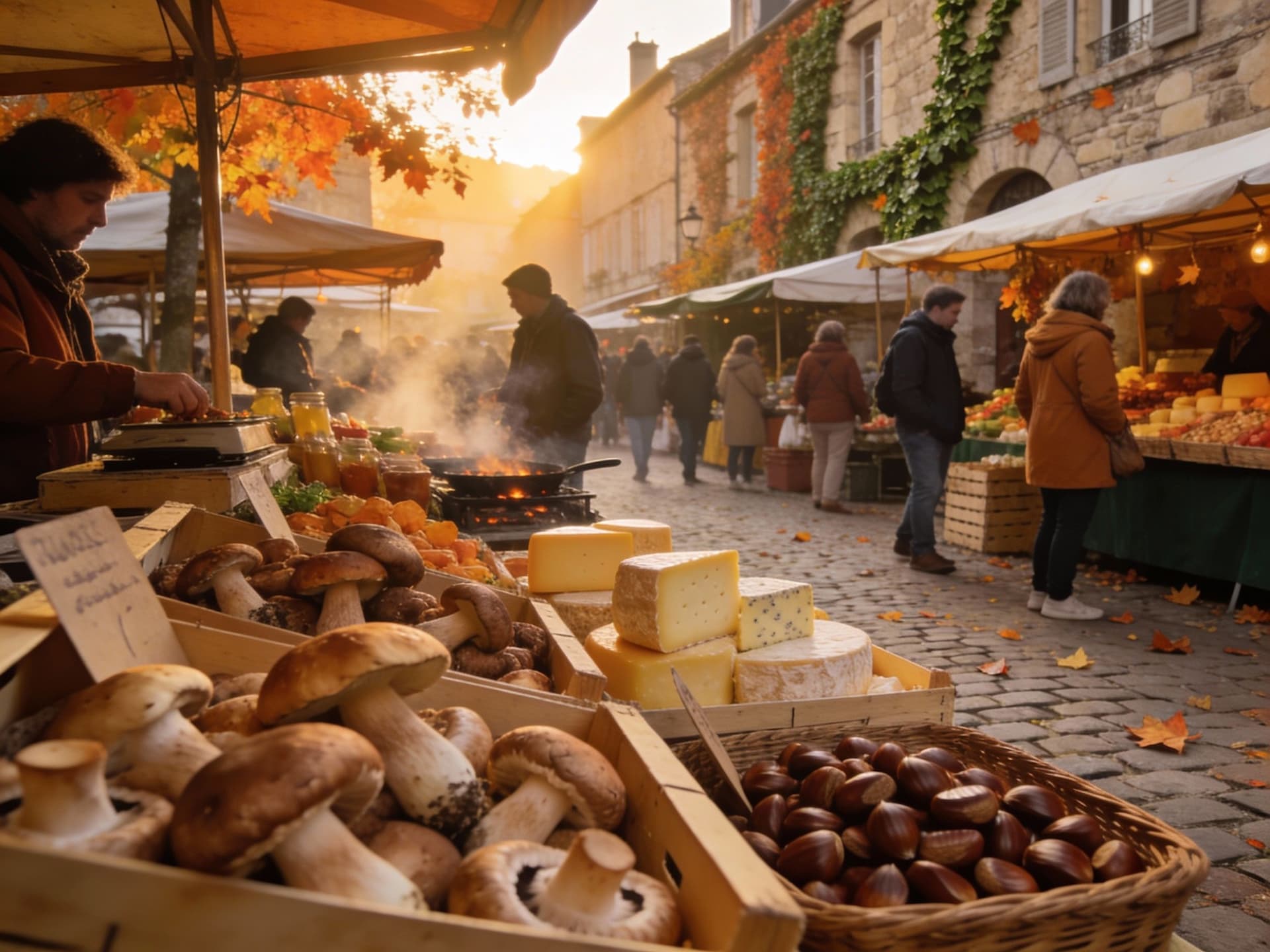
France isn’t a single mood — it is a stitched quilt of market towns, coastline, and city neighbourhoods that each breathe with the seasons. In autumn the cork oaks of the Landes smell resinous, Paris’s terraces feel intimate again, and coastal resorts that glowered with summer crowds clear back to a slower pace. For international buyers, this seasonal pulse shapes not just lifestyle but what houses are available, how sellers price, and where community life truly happens outside of tourist season.
A micro‑tour: neighbourhoods that change with the season
In Paris, Le Marais keeps a winter glow of galleries and neighbourhood cafés; in Provence, Aix-en-Provence’s Cours Mirabeau smells of chestnuts in November; on the Atlantique, Arcachon’s dune trails empty out after the summer surge. These shifts reveal the day-to-day life you’ll inherit: quieter markets, year-round neighbours, and softer negotiating windows when sellers aren't riding high on peak-season demand.
Why food, festivals and craft matter to where you buy
Local rhythms — harvest festivals in Burgundy, oyster seasons on the Arcachon basin, Christmas markets in Alsace — shape property character. A house near a weekly farmers’ market or an artisan’s workshop gains value in ways a view can’t measure: access to fresh seasonal produce, neighbours invested in place, and community events that knit you into local life.
- Lifestyle highlights to look for (actual places)
- Markets and squares where neighbours meet: Marché des Enfants Rouges (Paris), Place des Lices (Saint‑Tropez), Les Halles de Lyon Paul Bocuse — check proximity to these when you value daily food culture.
Making the move: practical, season‑aware considerations
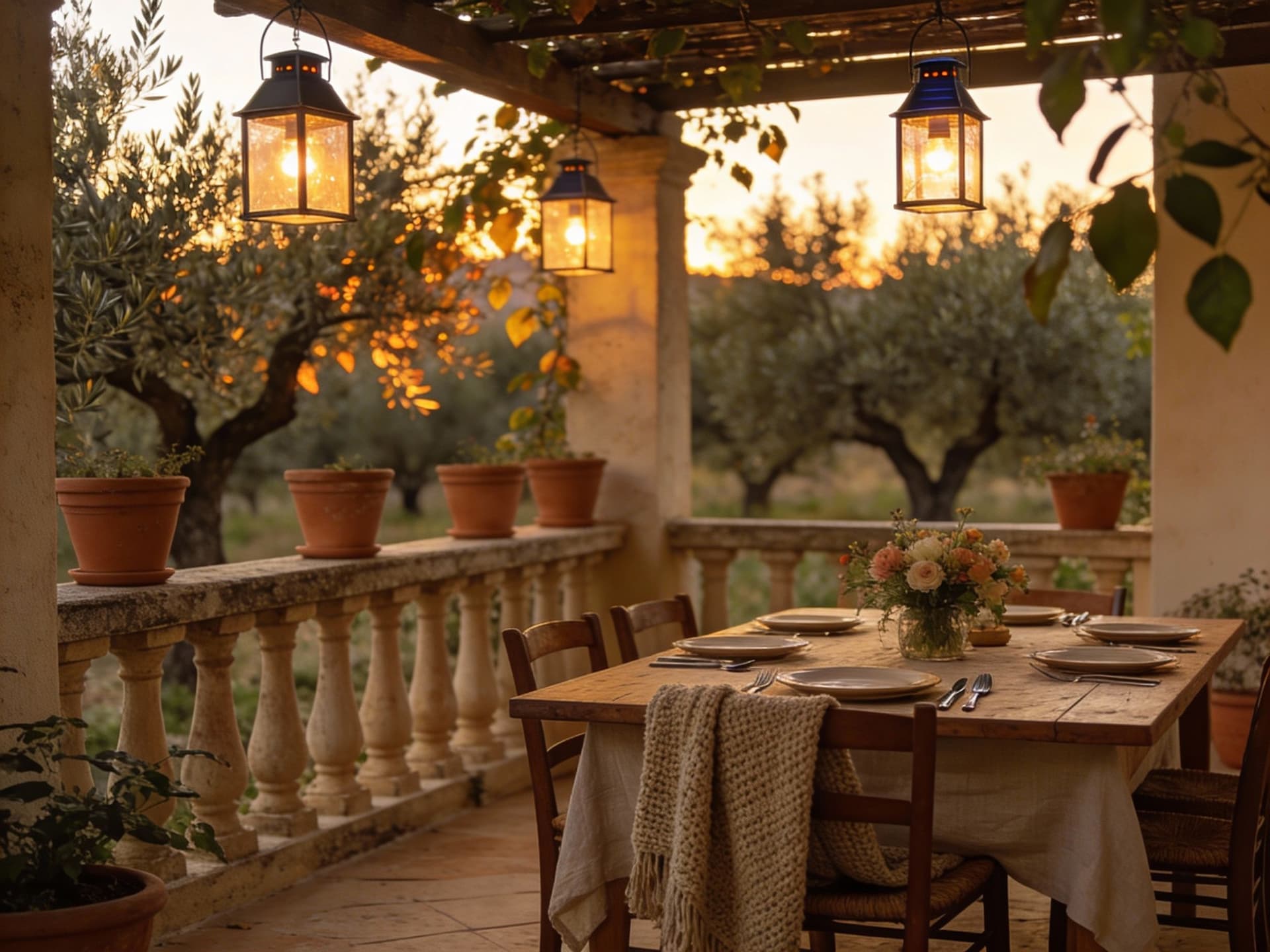
Lifestyle dreaming must meet market reality. National data shows recovery signs in 2025 with modest price rises after prior slowdowns; the commercial rhythm of listings also changes with seasons — autumn and winter can bring motivated sellers and less competition. That’s not universal, so pair the seasonal strategy with hard data from national sources such as Notaires and INSEE before making offers.
Property types that thrive with seasonal living
Stone farmhouses in Dordogne, timber chalets in the Alps, and mid‑century apartments in Toulouse each match different seasonal lives. Choose a property that supports how you’ll live in low season: insulated walls and efficient heating for colder months, south-facing terraces and shutters for spring and autumn, and storage for seasonal gear if you want to forage, ski, or garden.
Working with local experts who know rhythms
A France-savvy agency brings more than listings — they bring timing. Good agents know which villages empty out each August, which communes run truffle auctions in November, and which owners will wait for summer offers. That local calendar can be decisive in getting better price or access to off‑market properties where lifestyle value is highest.
- Steps to combine seasonal lifestyle with buying strategy
- 1. Visit in two seasons: harvest and shoulder season to sense year-round life. 2. Ask agents about historical listing patterns by month. 3. Prioritise insulation and heating for northern France; passive cooling and shutters for south. 4. Seek properties near year-round markets and artisans for community integration.
Insider knowledge: real‑talk expat lessons
From conversations with buyers who moved here, a few truths repeat: many regret buying sight-unseen in summer; others saved doing an autumn search and found both friendlier neighbours and better negotiation room. Notaires and market summaries underline a patchwork market — some cities rose, others dipped — so personal scouting across seasons paid off for most successful expats.
Cultural rhythms that shape community life
Language and time matter. Locals prize ritual: Saturday markets, communal fêtes, and winter village meals. Showing up in the quieter months means you’ll meet residents who actually live there year-round — an opportunity to learn unspoken norms about delivery hours, renovation etiquette, and shared maintenance duties that affect daily comfort.
Long‑term lifestyle and stewardship
Think ecosystem, not just asset. Choosing a place with regenerative gardens, solar-ready roofs, or proximity to community composting increases year-round wellbeing and helps control running costs. A property that supports seasonal living — shed for bikes, cellar for preserves, a south-facing orchard — will repay you in comfort and lower environmental impact.
- Red flags buyers miss in seasonal markets
- • A property that looks lively only in July/August but is isolated in winter. • Poor insulation hidden by cosmetic summer staging. • Reliance on tourism income without year‑round tenants. • Local services (clinic, school, bakery) that close seasonally — check before you buy.
Conclusion: fall for the life, prepare for the seasons. If France has captured you — its markets, its festivals, the slow return of fog to vineyards — time your search to the quieter months and pair that feeling with data. Use INSEE and notaire reports to understand price backdrop, scout neighbourhoods in harvest and shoulder seasons to feel real community, and work with agents who read the local calendar as fluently as a map.
Dutch property strategist who helped 200+ families find sustainable homes in southern Europe; expert in legal pathways and long-term stewardship.