Autumn Advantage: Why House‑Hunting in Greece Works Better Then
Autumn house‑hunting in Greece often finds quieter markets, better access to craftsmen, and more realistic pricing—visit off‑season and pair lifestyle priorities with local due diligence.
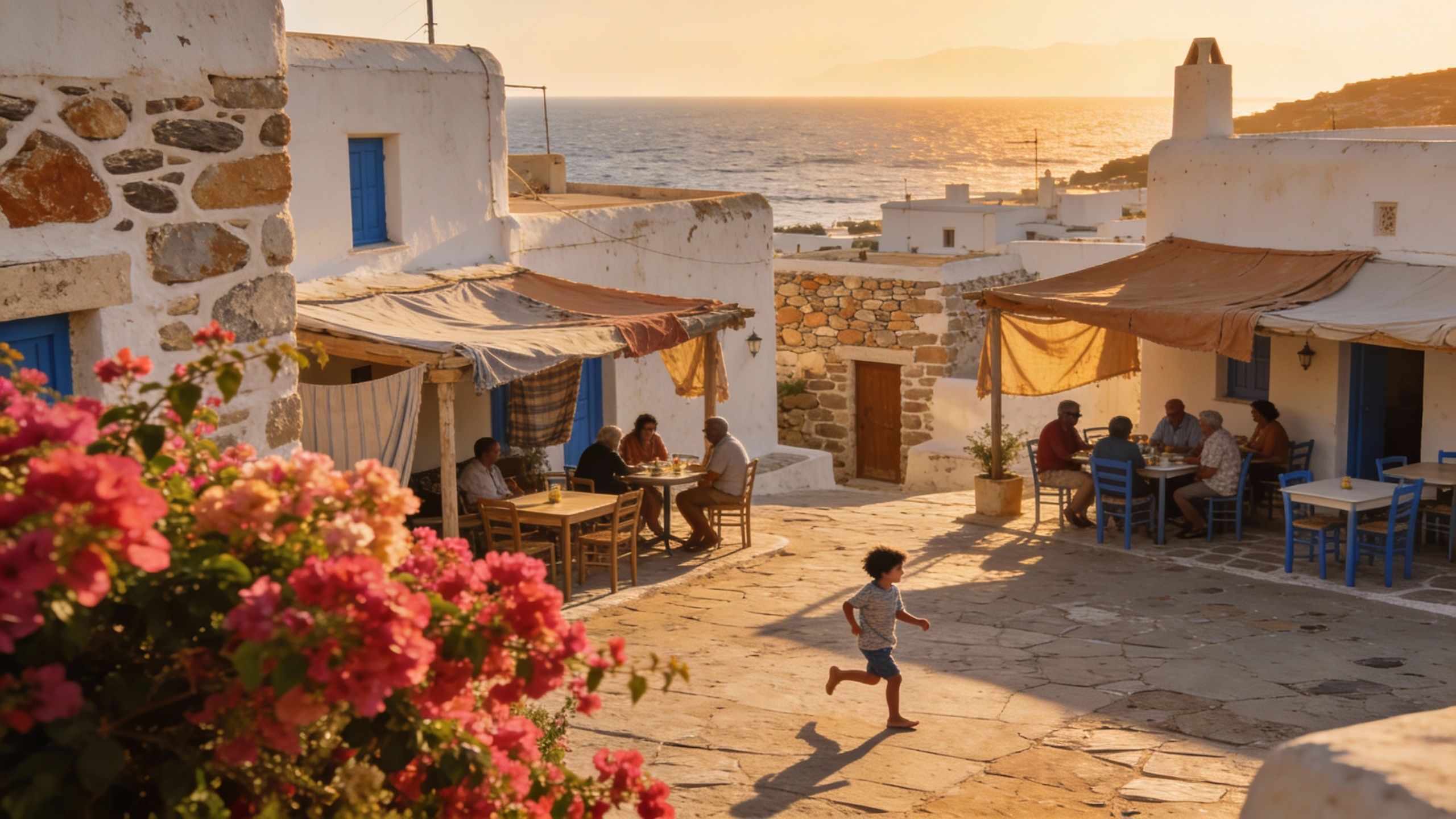
Imagine waking before dawn to a slow, sun-washed street in Chania or Kifisia, where bakery steam and the scent of citrus trees meet the first espresso. Living in Greece feels tactile: stone underfoot, wind off the Aegean, small markets stacked with figs and salty cheese, and neighbourhoods where craftsmen still mend nets and shutters by hand. For many international buyers that sensory life is the draw — but beneath the romance are seasonal rhythms, planning rules and a market shaped by tourism pressures and new residency rules. Knowing when to look and which neighborhoods breathe year-round life is as important as the floor plan.
Living the Greece lifestyle — seasons, streets and scents
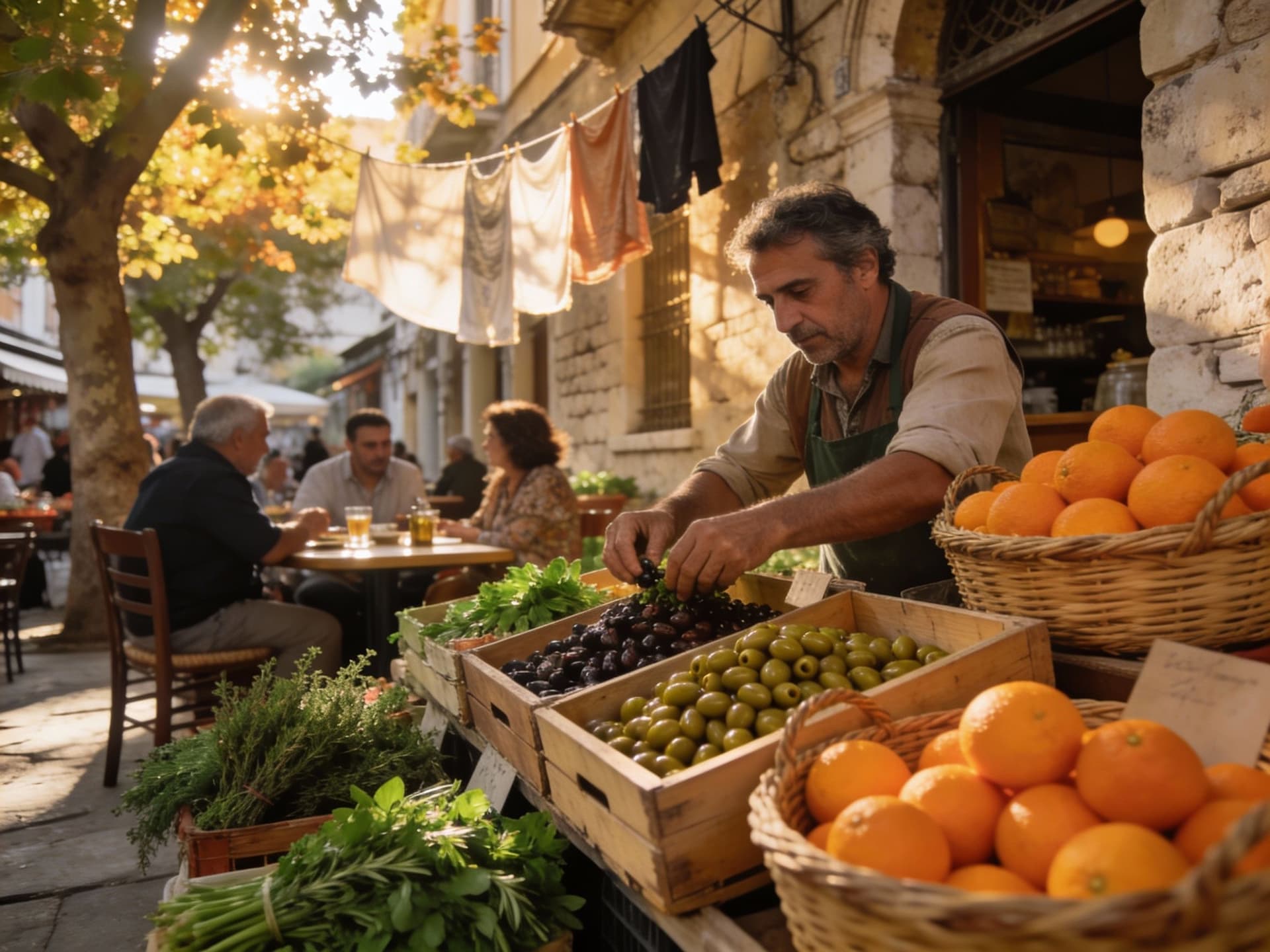
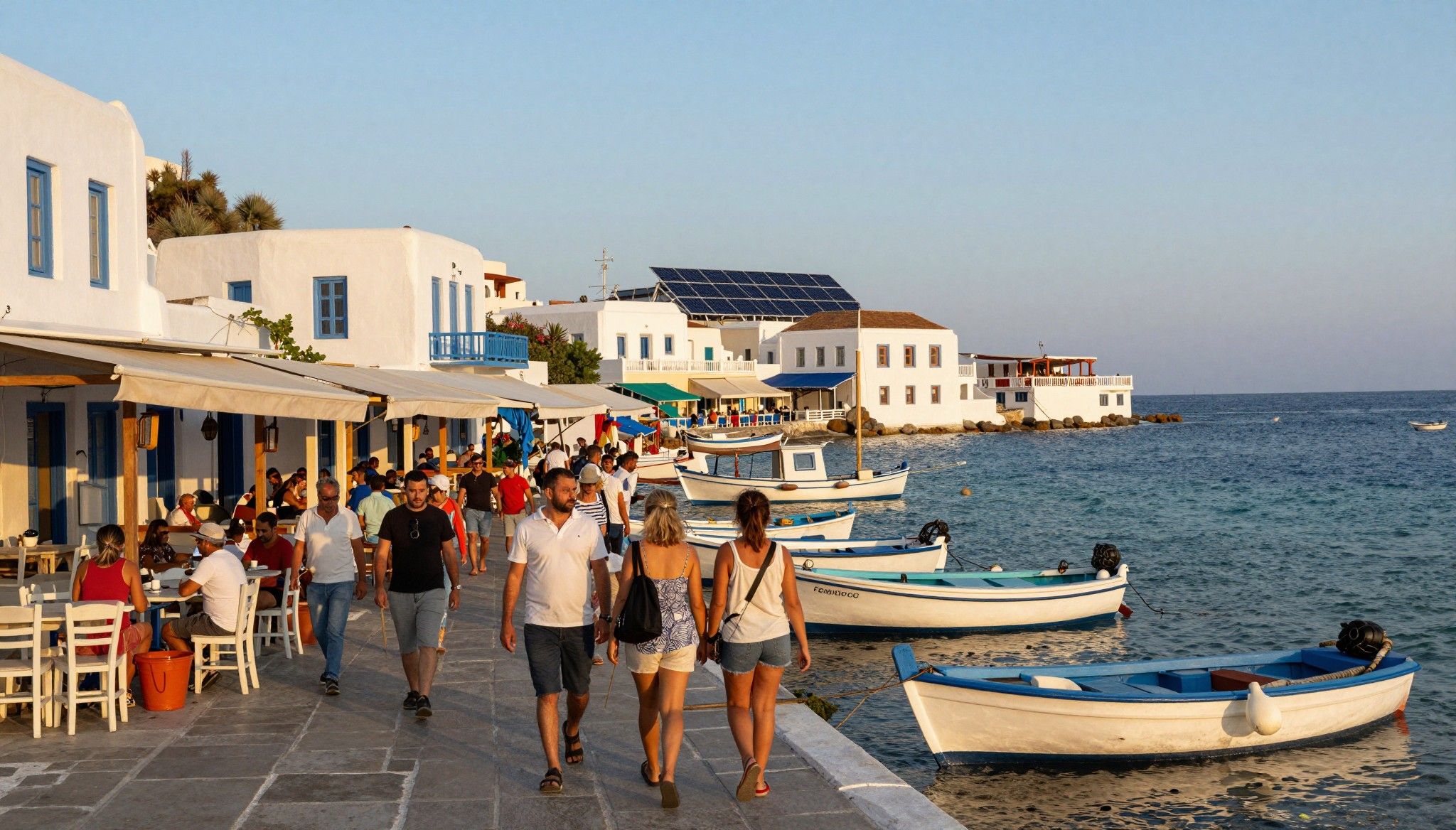
Greece moves with the seasons. Summers are exuberant — island tavernas, late light and tourist flurries — while autumn and spring reveal the country’s quieter, greener side: olive harvests, coastal walks with room to breathe, and villages that return to local routines. If you picture daily life here, think early-market visits (Varvakios in Athens or the municipal market in Chania), leisurely lunches that stretch into siesta, and evenings on shaded squares where neighbours trade news.
Neighborhood spotlight: Athens, Crete and the Cyclades — different rhythms
Athens is contradictory in the best way: leafy Kifisia and Pangrati offer cafés and craft shops within reach of cultural life, while Anafiotika and Plaka feel like tiny islands within the city. On Crete (Rethymno, Chania) you’ll find olive groves and a farm-to-table tempo; properties often include terraces for drying figs and space for a kitchen garden. The Cyclades — think Naxos or Paros rather than Mykonos or Santorini — marry raw landscape with quieter island life, where stone cottages, wind-trained bougainvillea and community festivals matter more than designer boutiques.
Food, craft and seasonal living: how life shapes property choices
If you love markets, seasonal festivals and small workshops, you’ll pick a home that supports those rituals: a courtyard for drying herbs, a kitchen oriented toward sunlight, storage space for preserves after the olive or grape harvest. Policy shifts — like the 2024 changes to Greece’s investor residence rules — also reshape demand and where international buyers look, pushing some into greener mainland areas and away from small islands with fragile infrastructure. Match the property’s layout to how you want to live through the year, not just how it photographs in July.
- Lifestyle highlights to scout before you buy:
- Morning markets (Varvakios, Chania Municipal Market) for fresh produce and neighbours
- Traditional craftsmen districts where restoration skills and materials are available
- Green corridors and coastal trails for year‑round outdoor living
Making the move: practical, sustainable choices that keep the lifestyle
The market is active and regionally uneven — prices rose across Greece recently as demand outpaced supply, especially after policy shifts that changed residency thresholds. That matters for green-minded buyers: renovated stone villas with solar-ready roofs or properties near protected landscapes are in shorter supply and command premium prices. Smart buying mixes lifestyle priorities (proximity to markets, community, microclimate) with practical checks on planning rules and local water access.
Property styles and how they shape daily life
Traditional stone houses offer thick walls and natural cooling in summer; a restored farmhouse on Crete gives you land for olive trees and a micro‑ecosystem to steward. Newer builds may include heat pumps, good insulation and rooftop PV — useful if you want energy independence. Balance: seek properties that reduce seasonal utility extremes (insulation, shading, water storage) rather than ones that require constant, high‑impact maintenance.
Working with local experts who know both life and law
- How to blend lifestyle intent with practical steps:
- 1. Visit in two seasons (autumn/spring) to feel neighbourhood rhythms and check water supply and noise levels.
- 2. Engage a local architect or conservation builder early — they’ll advise on passive cooling, insulation and legal restoration paths.
- 3. Choose an agent who can show off‑market traditional restorations and explain seasonal running costs (irrigation, heating, maintenance).
Insider knowledge: what expats wish they’d known
Expat buyers often say they underestimated seasonality. A coastal village that hums in July may sleep in November, and utilities or shops can close for months. They also wish they had checked community plans — some islands and coastal strips now face tighter short‑term rental controls and development limits amid sustainability measures. That’s why lifestyle-focused due diligence — speaking to neighbours, local mayors and the municipal planning office — matters as much as the title deed.
Cultural integration, neighbours and community rhythm
Learn a few local phrases, join a taverna or the olive‑press day, and you’ll be welcomed far faster than by showing up as an anonymous investor. Communities value stewardship: gardens tended, water conserved, and restorations done with local stone are noticed and appreciated. These small choices — using local timber, hiring village craftsmen — make life richer and often reduce renovation friction with planners.
Conclusion — Fall in love deliberately, buy with care. Visit outside high season, prioritise homes that support low‑impact living, and partner with local experts who value craft and ecology as much as square metres. When your house fits the rhythms of Greek life — the market, the seasons and the community — you don’t just own a property: you inherit a place to belong.
Danish relocation specialist who moved from Copenhagen to the Algarve; supports families with seamless transitions, local partnerships, and mindful purchases.