Where Italy’s Green Grid Meets Everyday Life
Italy blends season-rich living with a rapid green-energy rollout; choose regions where renewables and community traditions align to secure a low-impact, long-term home.
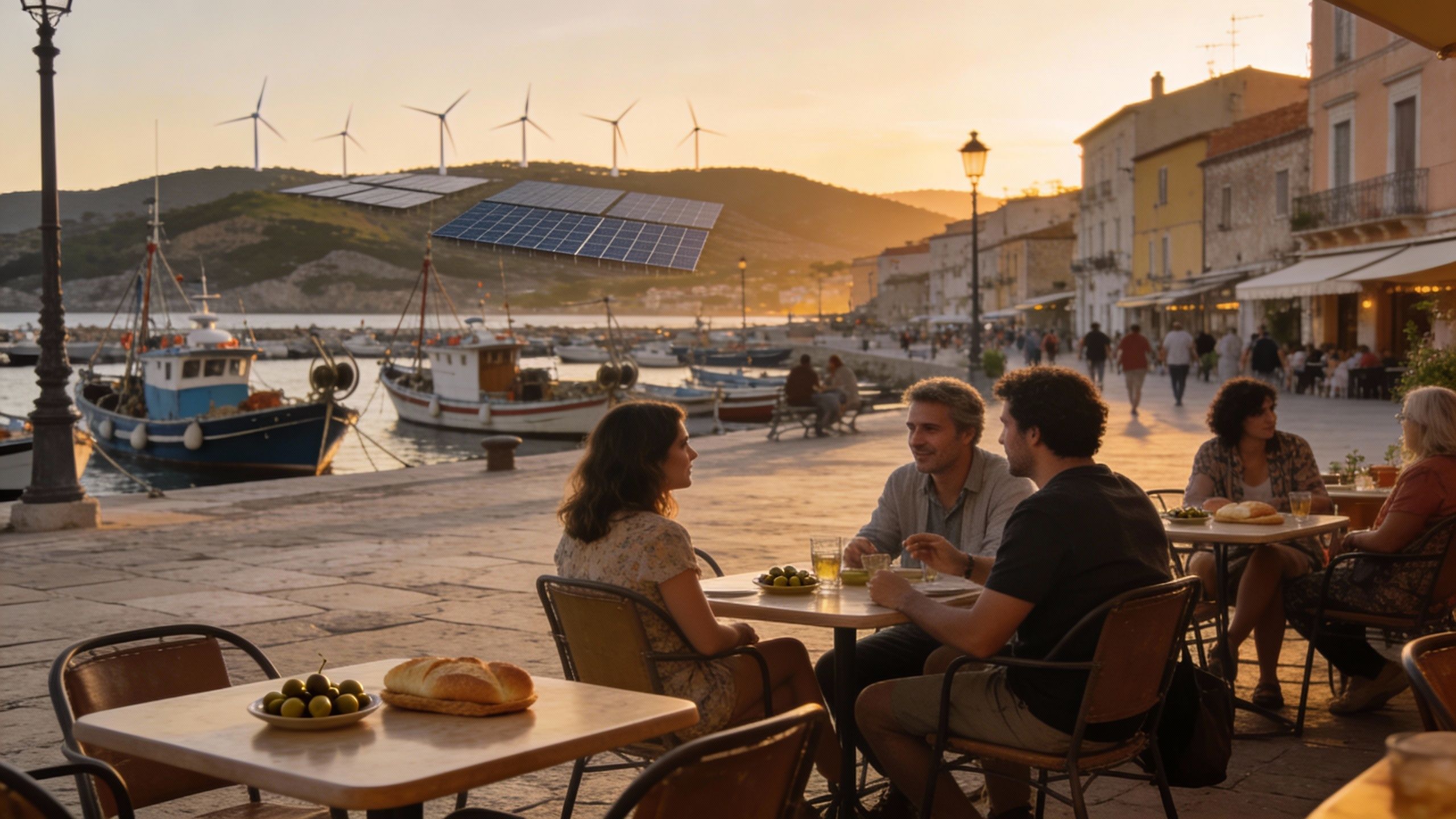
Imagine waking to the sound of church bells over olive groves, then cycling past solar-glinting vineyards on your way to a market stall where the vendor knows your name. Italy still moves at a human pace: mornings at a café in Trastevere, afternoons on a cliffside path in the Amalfi, evenings sharing slow-cooked ragù with neighbours. For eco-minded buyers the country is especially seductive now — not just for stone houses and tiled roofs, but because whole regions are reweaving energy and infrastructure into the landscape. Below I’ll paint the sensory life you could have in Italy’s greenest corners, then show the practical, research-backed steps that make a move smarter and kinder to the land.
Living Italy: sun, seasons and small rituals
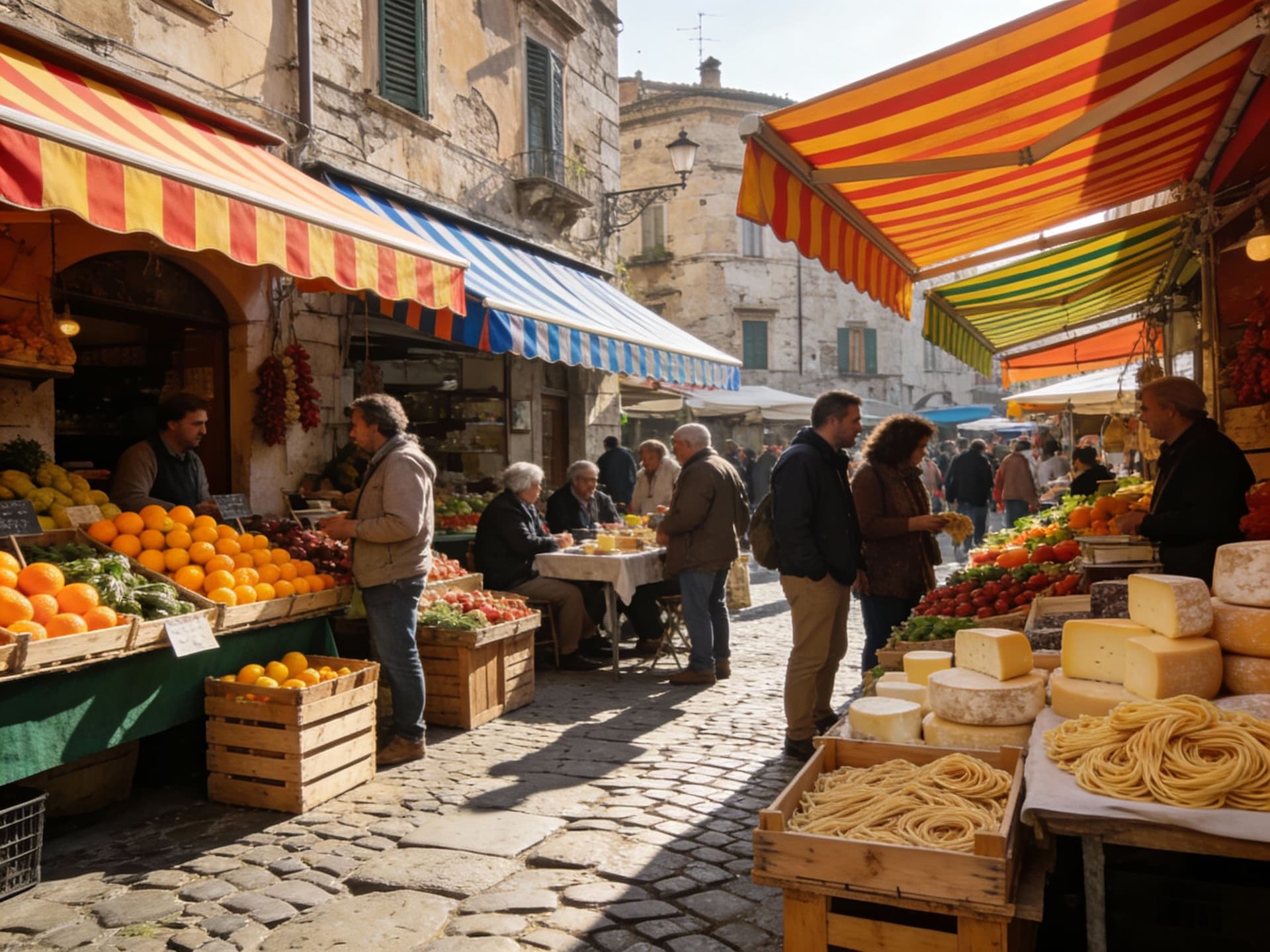
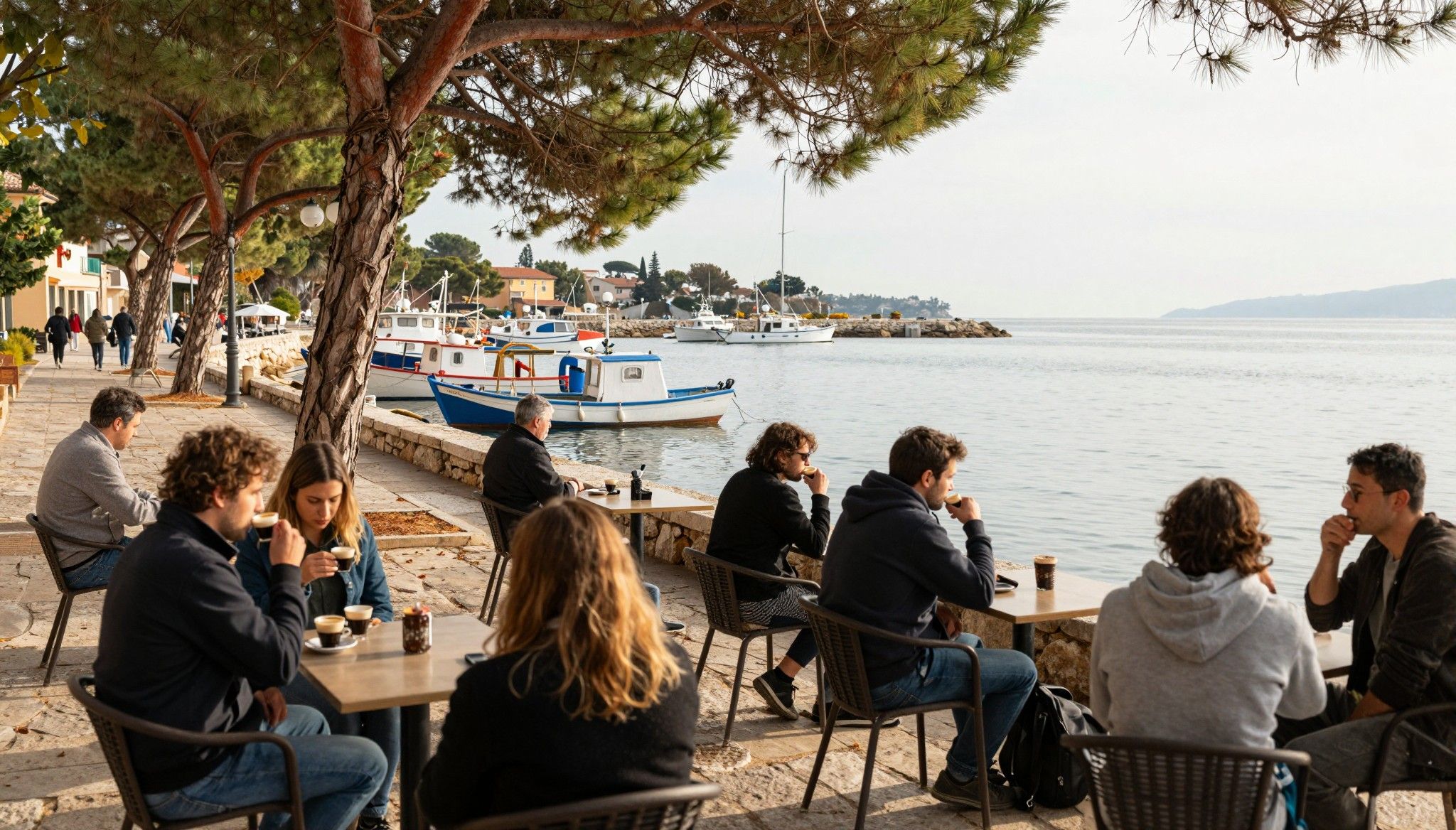
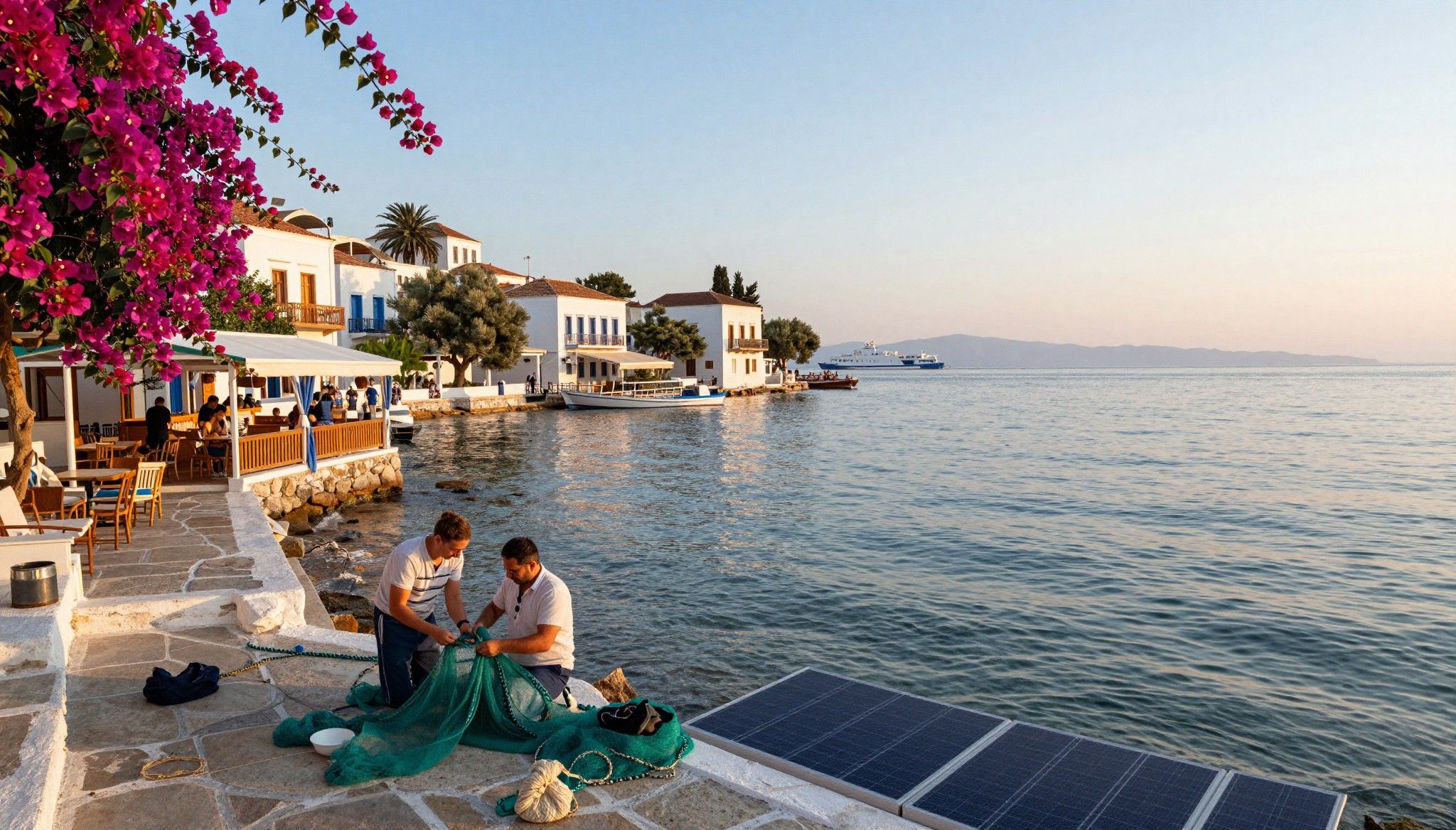
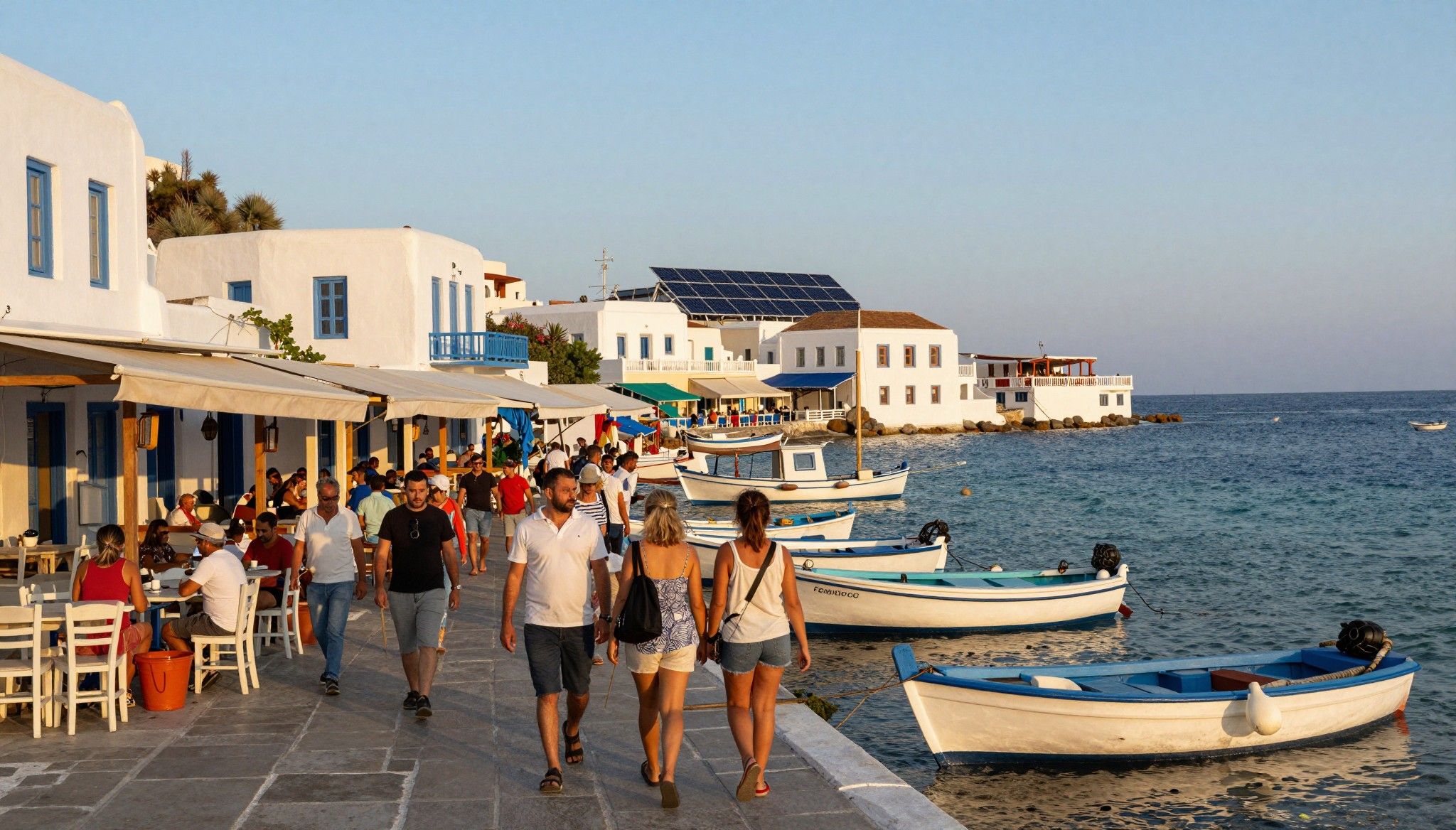
Italy’s daily rhythm is shaped by season and place: alpine air and skis in the north, lazy lavender summers in Tuscany, and the maritime lullaby of southern coasts. Life here is tactile — the grit of historic stone underfoot, the scent of basil and citrus on a warm breeze, the soft creak of shutters closing at dusk. For an international buyer who values low-impact living, this is also a place where tradition and modern green infrastructure meet: you’ll find photovoltaic arrays on cooperative rooftops, repaired terracotta tiles rather than replaced ones, and small-scale hydro or geothermal projects tucked into local grids. The result is a home life that feels rooted to the landscape rather than imposed upon it.
Neighborhood spotlight: Florence’s Oltrarno vs. Emilia’s reclaimed countryside
In Florence’s Oltrarno, narrow lanes hold artisan workshops, community gardens and rooftop terraces that catch afternoon light — an urban patchwork where retrofitted heat pumps and discreet solar arrays are increasingly common. Contrast that with Emilia-Romagna’s agricultural communes: here you’ll find cooperative solar fields, local biogas projects, and regenerated wetlands that host birds and cyclists alike. Both places offer proximity to food, crafts and neighbours; they differ in scale — intimate, street-level living in Oltrarno versus roomy plots and community energy in Emilia’s countryside.
Food, markets and the slow day
Picture a Saturday at Mercato Centrale: crates of porcini, trays of polenta, espresso steamed to a humming cadence. Food in Italy is local by design — and that matters for green living: short supply chains, seasonal diets and the prevalence of small producers reduce food miles. For buyers, living near weekly markets like those in Bologna or Palermo isn’t aesthetic fluff — it’s a practical sustainability step that supports biodiversity and keeps everyday life both delicious and light on resources.
- Highlights to look for in neighbourhoods
- Weekly markets in old town centres (Bologna, Palermo) — fresh food, community rhythms
- Shared courtyards and co-housing projects with communal gardens (e.g., parts of Milan and Florence)
- Access to regional cycling routes and protected natural areas (Tuscany’s Pesa valley, Dolomites foothills)
Making the move: green infrastructure and property realities
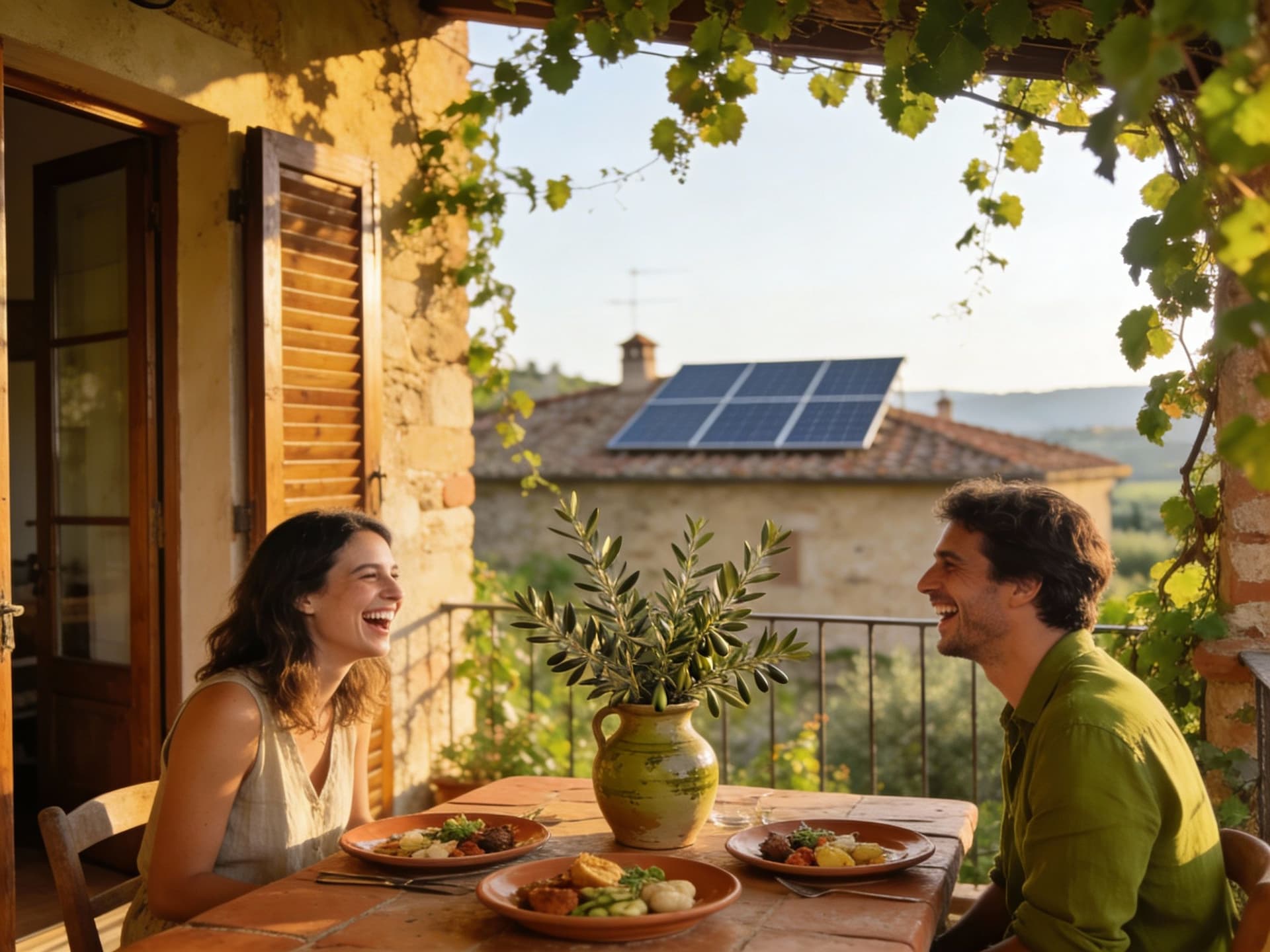
Your dream home needs a practical backbone: grid reliability, energy sources, and planning rules that allow sustainable upgrades. Italy has rapidly expanded renewables — Terna and industry sources report substantial solar and storage additions in recent years — which changes where off-grid options and energy-positive living are realistic. Yet regional planning, permitting and local attitudes vary: some coastal towns embrace rooftop PV and battery storage, while certain agricultural areas restrict ground-mounted panels. Knowing the local energy story will shape everything from renovation budgets to long-term comfort.
Property types and what they actually offer
A stone farmhouse (casa colonica) brings thick walls, passive cooling and a garden for food; it often needs thoughtfully staged renovation to add insulation or heat recovery without erasing character. A historic apartment in Rome offers walkable life and lower transport emissions, but may face stricter heritage rules that limit visible solar additions. Newer eco-developments on the urban fringe can provide integrated systems — heat pumps, district heating, and PV — but sometimes sacrifice intimacy for convenience. Match the property type to how you intend to live: quiet stewardship or active restoration.
Work with experts who speak both languages — and green
Local agents who understand heritage rules, renewable incentives and vernacular materials will save time and temper disappointment. Seek agencies that can demonstrate completed eco‑renovations and who collaborate with local architects, agronomists and energy auditors. Also look for bilingual tax or notary contacts familiar with non-resident purchases; their practical knowledge prevents surprises during closing. These experts help translate lifestyle aims — an edible garden, passive cooling, solar-ready roof — into permit-ready plans.
- Steps to marry lifestyle and logistics
- Visit in two contrasting seasons (spring market bustle and autumn harvest) to test weather, services and neighbour rhythms
- Commission an energy audit and a local planning check before making an offer — confirm what upgrades are permitted
- Ask sellers for recent utility bills and PV system records; where community energy exists, ask about membership rules and costs
Insider knowledge: what expats wish they'd known
Expat buyers often arrive enchanted but unprepared for Italy’s patchwork of rules and the slow cadence of local administrations. Practical missteps include assuming rooftop solar is a simple add-on, underestimating heritage restrictions in city cores, or overlooking local community obligations tied to shared wells or roads. What helps most is a neighbour-first approach: attend a local council meeting, buy from the market stall, and your paperwork conversations will go more smoothly. A little cultural humility buys a lot of practical goodwill.
Cultural cues that change where you buy
In many Italian towns, community opinion matters. A proposed solar array or visible insulation can be rejected if neighbours fear change; conversely, an enthusiastic local cooperative can accelerate permits through shared resources. Language matters less than relationship-building: a few conversations with local artisans, the building custodian (portinaio) or the parish priest will reveal real constraints and opportunities before contracts are signed. Expect a richer, slower process that rewards patience and presence.
Longer view: how green infrastructure will change property value
Regions with active renewable rollouts — recent reporting highlights Lombardy, Lazio, Emilia-Romagna, and Sardinia among those adding capacity — are simultaneously improving grid resilience and making properties more attractive for energy-positive lifestyles. Buyers should expect that energy access and storage-ready homes will command a premium, while properties requiring expensive off-grid fixes may stagnate. In short: green infrastructure is already a capital factor in Italy’s market and will likely shape desirability over the next decade.
- Red flags to spot on viewings
- No recent electrical inspection or missing inverters/PV paperwork
- Unclear ownership of shared resources (wells, access roads, cooperative panels)
- Heritage or landscape protections that would block visible upgrades
- Conclusion: live the life, steward the place
If you want Italy for its tastes, rituals and sunlit courtyards — and you also want to live lightly on the land — aim for places where infrastructure and community already meet sustainability. Visit in different seasons, ask for energy and permit records, and bring local experts who can translate lifestyle desires into buildable, permitted plans. When you pair a love of place with grounded due diligence, you won’t merely buy a house in Italy: you’ll inherit a way of life that rewards stewardship.
Dutch property strategist who helped 200+ families find sustainable homes in southern Europe; expert in legal pathways and long-term stewardship.