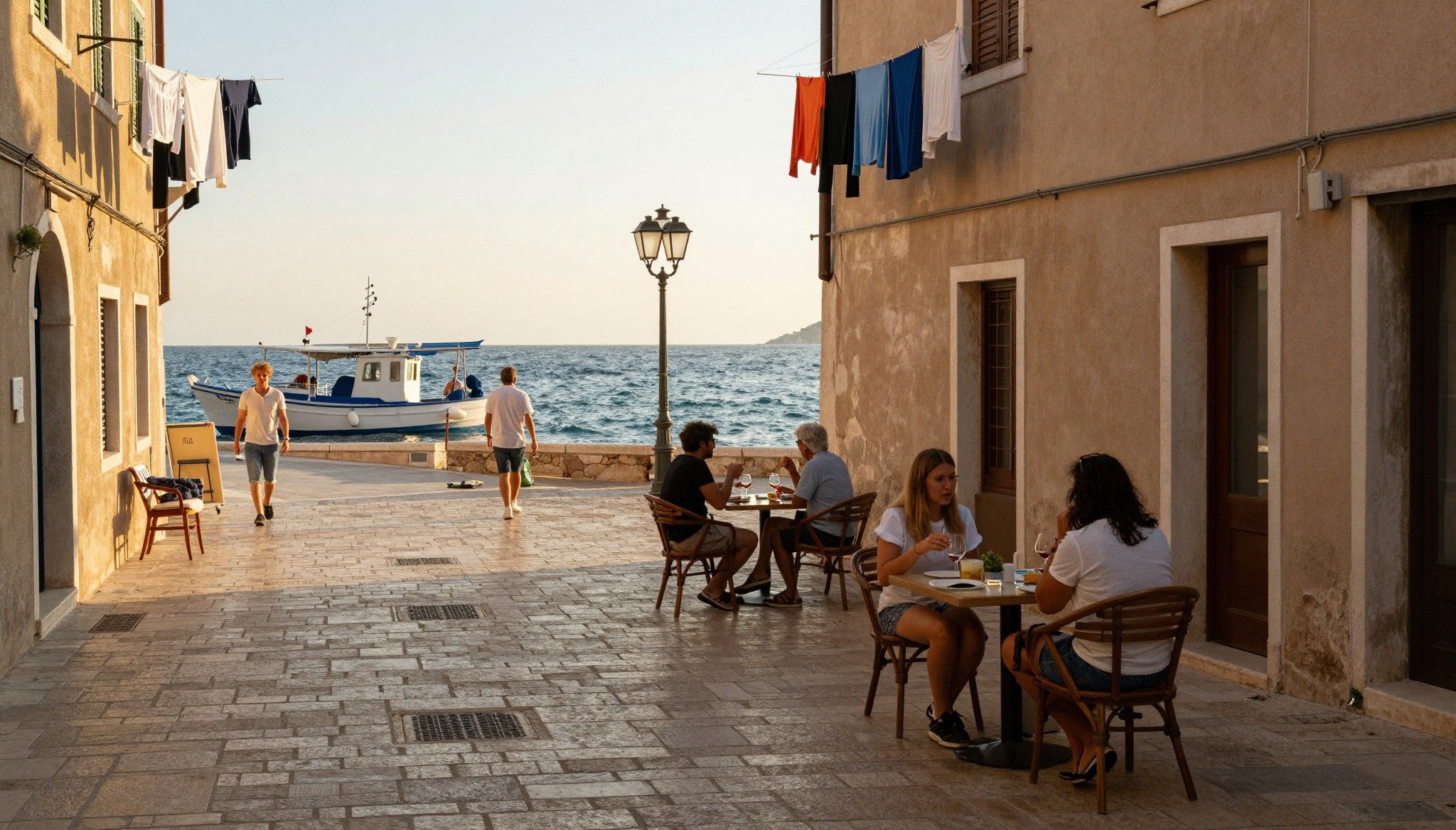
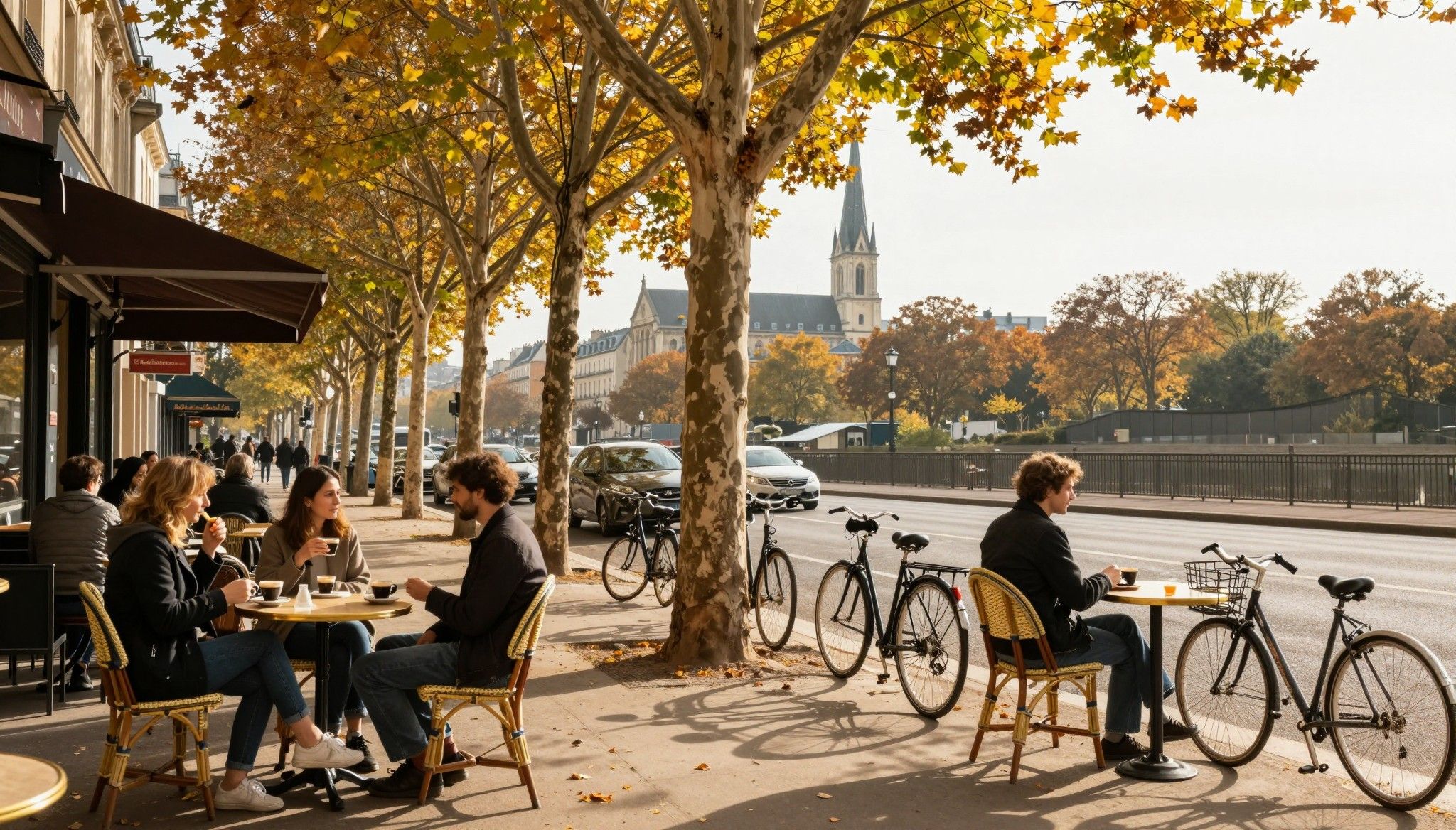
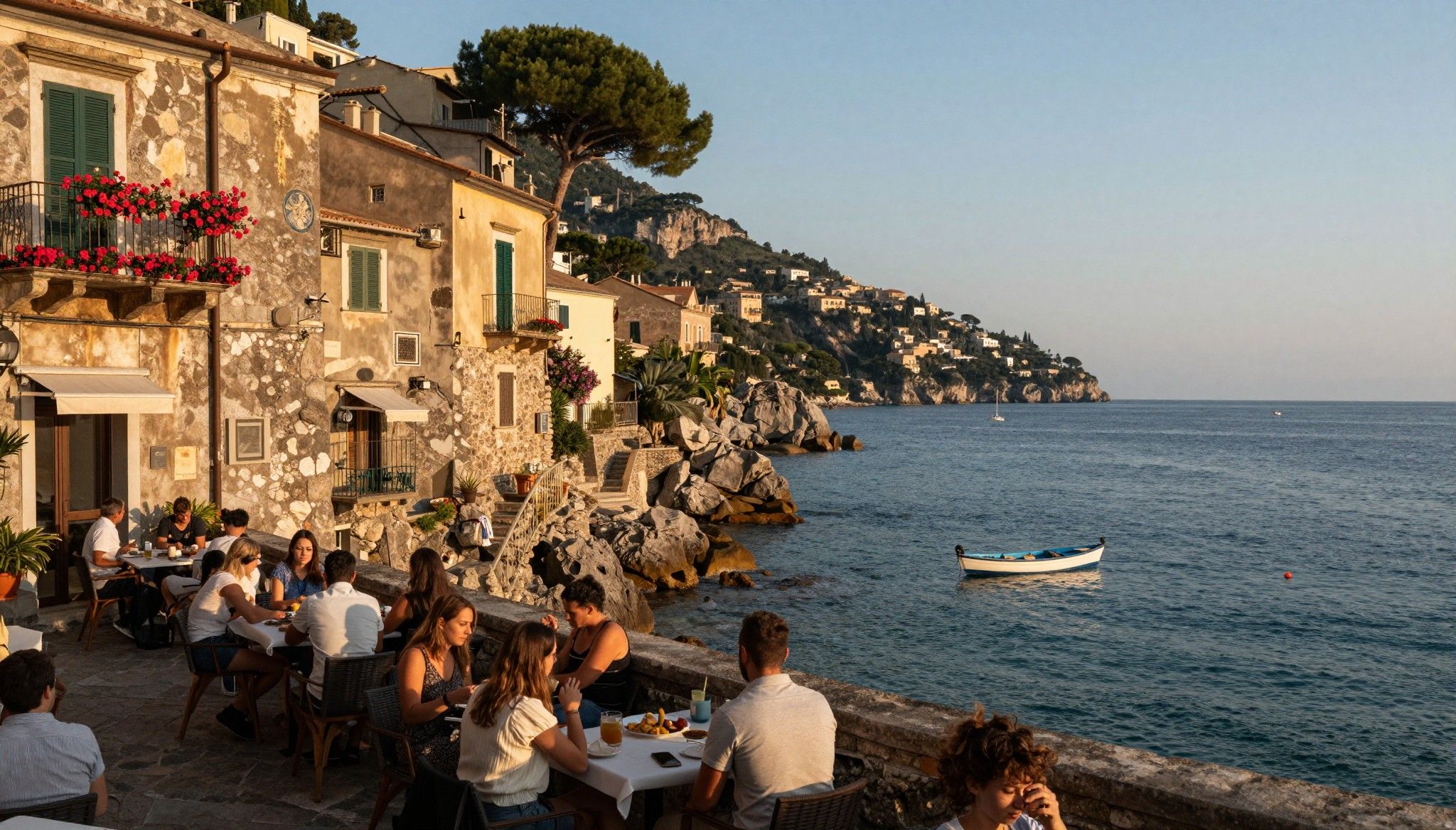
Where France’s Green Grid Meets Home
Regions with real renewables — Brittany’s offshore wind and southern solar corridors — are reshaping French lifestyle and property value; visit off‑season and ask about grid ties.
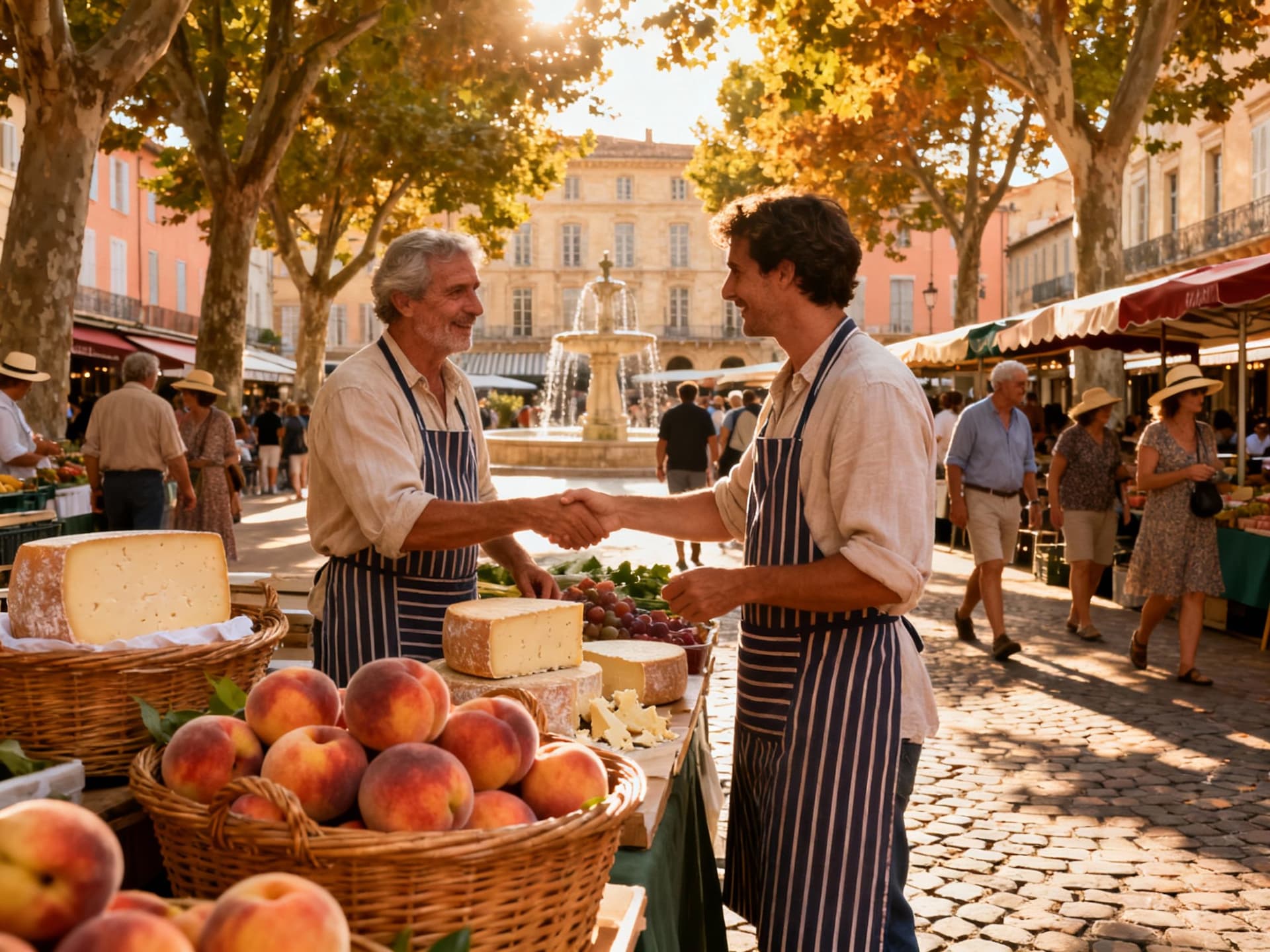
Imagine waking to a boulangerie bell under plane trees in Aix, crossing a market in Luberon for peaches, then driving past fields where solar panels glitter on low hedges — France is a country where old stones and new energy meet. For international buyers who want a home that feels like a lived garden rather than a speculative asset, the story now has an electrifying new chapter: regions with real green infrastructure — offshore wind in Brittany, solar corridors in the south, hydro and biomass in mountain valleys — are changing where life and value converge.
Living the France that Generates Its Own Power
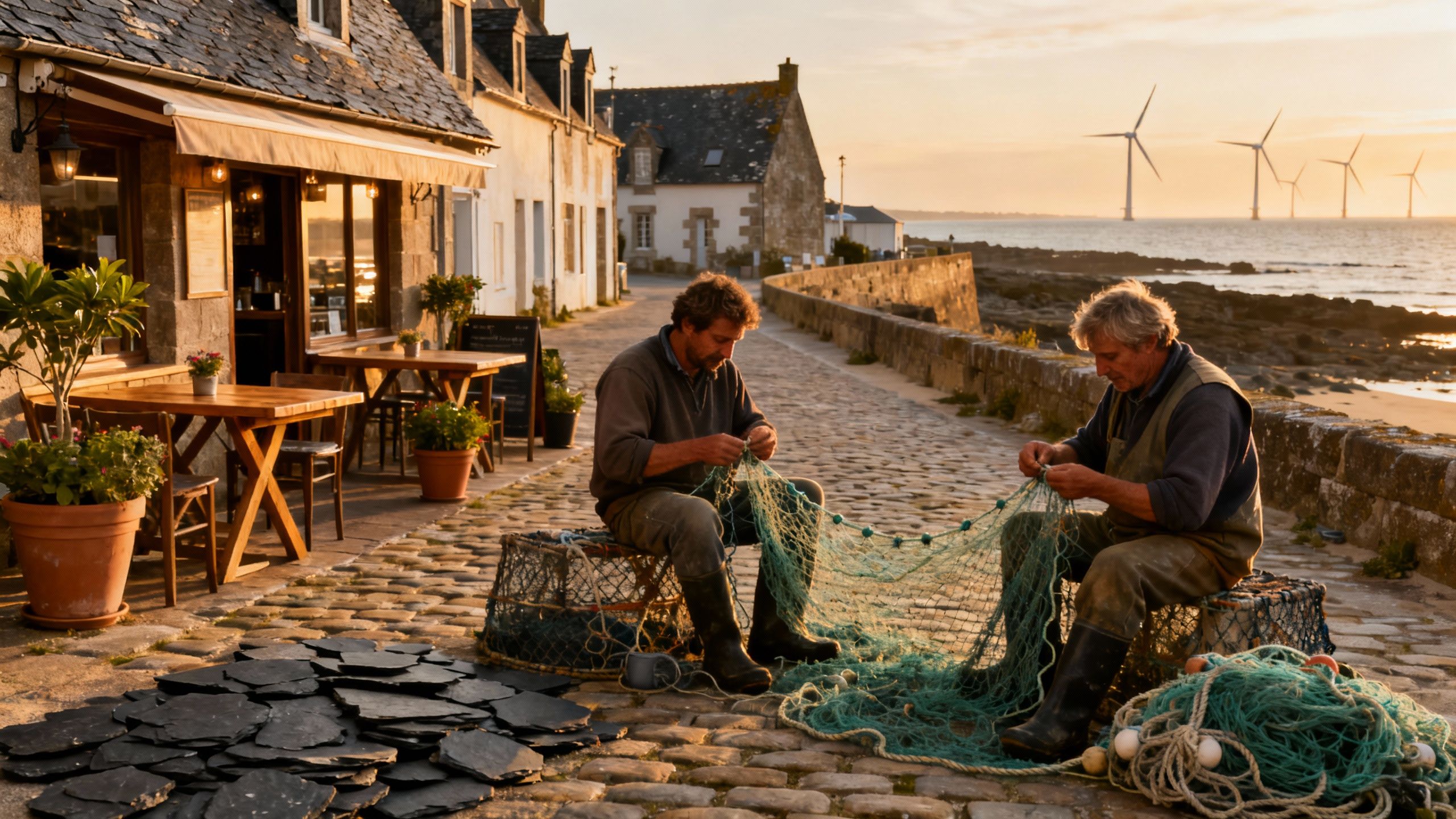
There’s a small, satisfying shift when you live where the grid is greener: the hum of a modern harbour, fishermen adjusting to turbine shadows, cafés serving local cider that’s been chilled by a low‑carbon grid. In Brittany, the Saint‑Brieuc offshore farm came on line in 2024 and now supplies a meaningful share of regional electricity; that presence ripples into daily life — new maintenance jobs, community-funded coastal projects, and the quiet assurance of cleaner power for heat pumps and EVs.
Brittany: wind, salt air and market towns
Picture morning markets in Binic or Saint‑Quay‑Portrieux, estuary light on slate roofs and a coastline now threaded with renewable projects. For buyers, Brittany offers a mix: compact historic towns (Rennes, Dinan) for everyday life and rural parishes where a restored farmhouse can pair with a new heat‑pump system and community solar subscription. The tradeoff is weather: wind and rain keep landscapes lush, and well‑insulated homes are a must.
Provence & Nouvelle‑Aquitaine: sun, vineyards and solar corridors
Imagine Aperitivo on a shaded terrace in Aix‑en‑Provence after a morning at the Cours Mirabeau market, while the roof next door has discreet solar tiles. In the sun‑belt regions, agrivoltaic projects, community solar and rooftop installations are growing. That means lighter household energy bills and properties that feel future‑ready — valuable when you want a second home that’s both romantic and resilient.
Making the Move: Practical considerations where green meets real estate
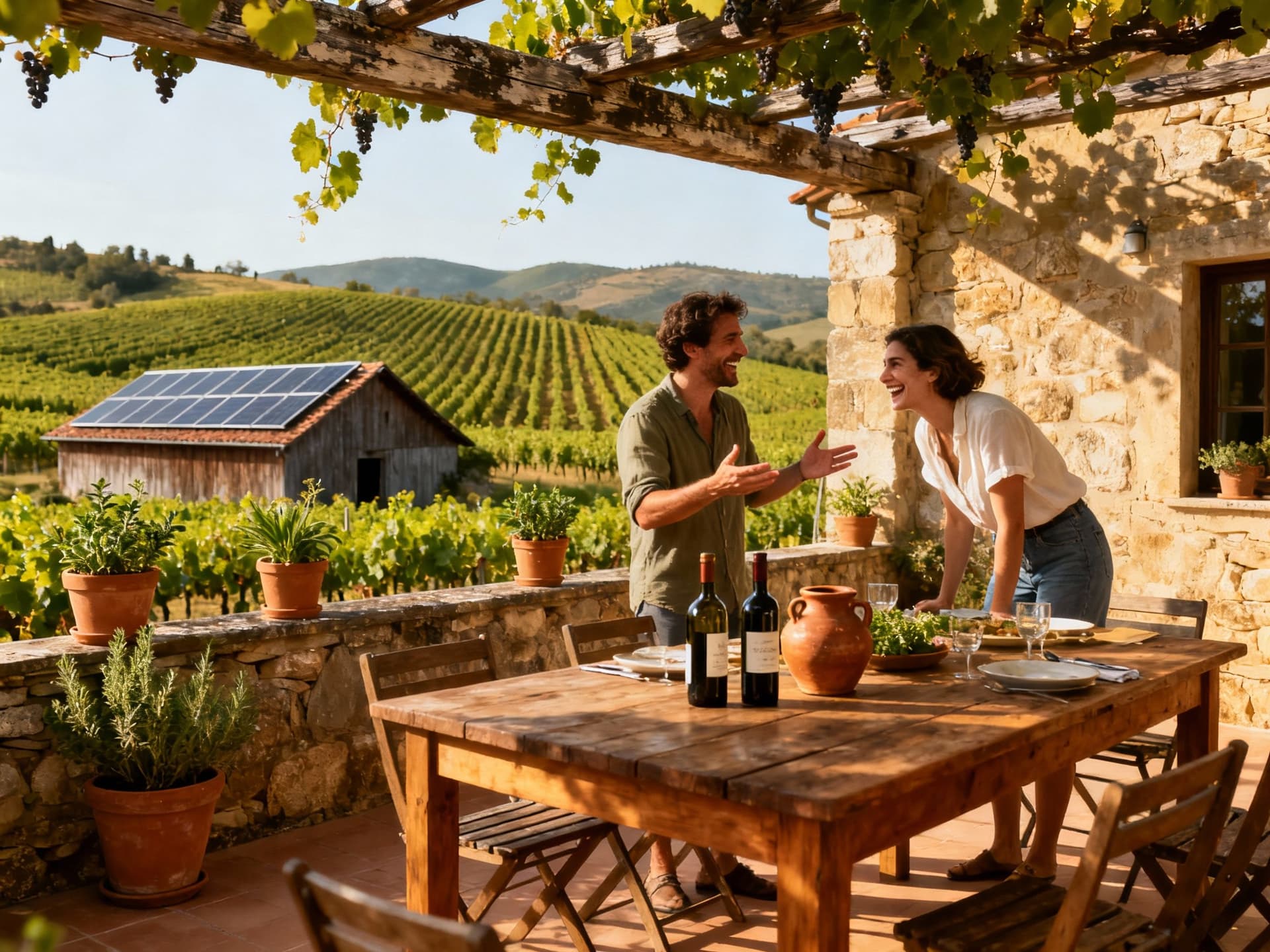
The romance of market mornings and rural light needs to be balanced with local realities: planning rules around renewable projects, the RGE labelling of contractors for energy upgrades, and how regions deploy support for heat pumps and insulation. France’s ministries and agencies are actively publishing observatories and guidance on siting renewables and preserving biodiversity — good news for buyers who want both ecological integrity and long‑term value.
Property types that suit a green lifestyle
Stone village houses with thick walls perform differently from light timber‑framed new builds. If you crave passive comfort, look for south‑facing façades, existing solar or solar‑ready roofs, and space for thermal upgrades. In mountain valleys, hydropower proximity can mean stable, community‑led energy schemes. For coastal buyers, factor in both exposure and access to new grid connections that support heat pumps and EV charging.
Work with experts who speak both place and grid
Look for local notaires and agencies who understand both property law and the new green infrastructure: whether a communal solar lease, easements for grid access, or municipal plans for offshore cable landings. Agencies that partner with RGE contractors or know regional energy plans will save time and money during renovation budgeting and permitting.
Insider Knowledge: surprises, red flags and the counterintuitive timing
Contrary to the 'coastal premium' myth, some of the best green‑infrastructure value is inland, near regional substations or public investment corridors. Also: buying during peak tourist season is an emotional trap. You’ll see manicured facades and packed streets, but the quieter shoulder seasons reveal maintenance issues, insulation gaps and local routines — exactly what sensible buyers want to inspect.
Cultural and community notes expats wish they’d known
French towns live at different speeds: cafés reopen after the long August pause, municipal councils decide local planning quietly, and neighbourly consensus often matters for rooftop solar or shared boreholes. Learn a few phrases, attend a conseil municipal, and you’ll find warmer welcomes and faster practical approvals than you’d expect.
- Quick red flags to watch for
1) Promises of 'view protection' over technical infrastructure — verify permit status; 2) Roofs sold as 'solar-ready' without proper orientation or load‑bearing checks; 3) Ignoring local energy plans that could change grid access fees; 4) Paying tourist‑season premiums without mid‑season inspections.
- Ask your agency about local RGE contractors, recent grid tie‑ins, and whether the town has an energy observatory or community projects you can join.
Step-by-step practical move (numbered)
- 1) Visit in shoulder season to assess insulation and daily life; 2) Ask for recent energy bills and grid access details; 3) Check local planning maps for planned renewables or cable landings; 4) Get quotes from RGE‑certified contractors before making an offer; 5) Include clause for technical verification of any claimed renewable installations.
Conclusion — France is not binary: it is villages steeped in history that now sit beside modern grids and community solar; coastal towns with offshore wind within sight; and sun-drenched vineyards testing agrivoltaics. If you want a home that participates in a regenerative landscape, work with local agents who can read both cadastral plans and energy maps. Visit out of season, budget for sensible upgrades, and choose places where the green transition is woven into daily life, not just into marketing copy.
British expat who traded Manchester for Mallorca in 2017. Specializes in guiding UK buyers to luxury Spanish estates with clear navigation of visas and tax.